


UK Travel Statistics from 2019 to Current Day

Updated On: April 21, 2024 by  Rahma Ali
There’s always a great reason to visit the United Kingdom. Whether for its world-famous attractions, stunning scenery, or the ease of getting around, UK holidays never disappoint. Now, with our latest set of UK travel statistics, you can find out exactly why Great Britain is always a great idea!
Table of Contents
What do the UK travel statistics tell us?
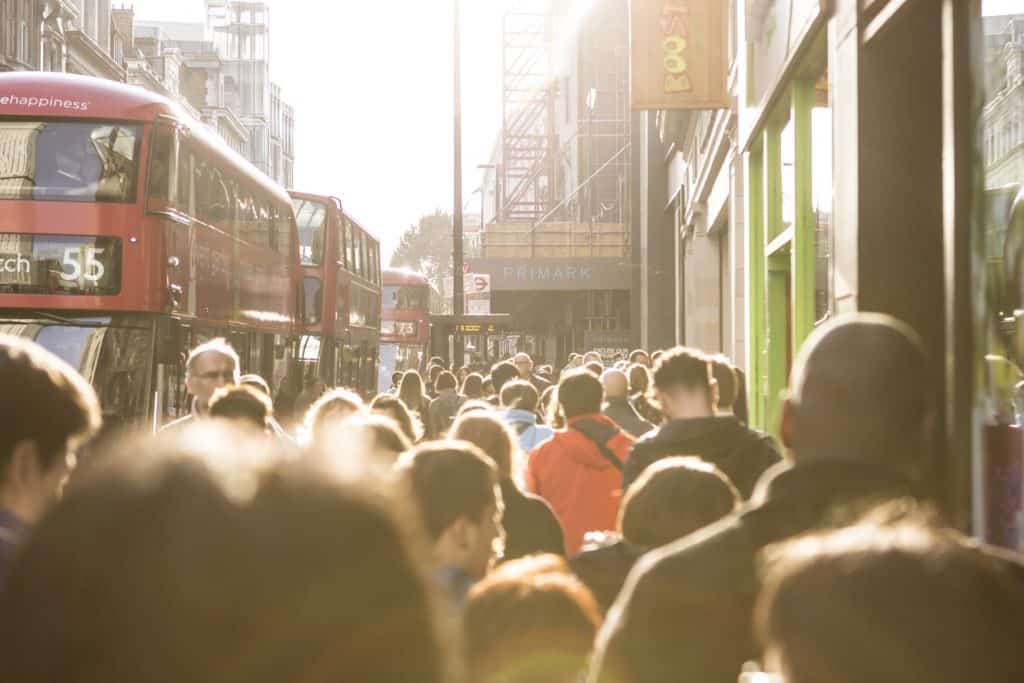
Well, first of all, we know that the UK holidays are experiencing a surge in popularity! Over the last five years, staycations have become increasingly popular, with more and more holidaymakers choosing to explore the wonders of Great Britain on their annual break.
The UK’s allure extends beyond its borders. UK residents are not the only ones who are holidaying in the UK. While staycations are booming, the latest figures show that the number of tourists from abroad has also been on the rise in recent years. More and more people from around the world are coming to experience all the country has to offer.
Tourism to the UK thrives for a reason. In this in-depth article, we’ll learn more about the travel industry in the UK and the secrets behind why this country maintains its rank as one of the tourism market leaders. We’ll also explore what makes the UK so popular and delve into predictions for the future: Will it retain its position as a leader, or will another country take the crown?
Let’s uncover the rich tapestry of the UK! Our comprehensive guide dives deep into all aspects of this giant and fascinating destination.
Why should everyone visit the UK?
So, what makes the UK such a popular destination? Well, there are a number of factors that contribute to our appeal. From world-famous landmarks like Big Ben and Buckingham Palace to historical wonders like Stonehenge and Hadrian’s Wall, our heritage is captivating. And, of course, the Queen adds to the allure!
London in December offers a particularly magical experience. Nothing can compare with walking around Trafalgar Square with a camera in hand, soaking up the festive atmosphere. A steaming cup of coffee adds a touch of warmth as you explore the city’s vibrant energy.

The UK also boast a rich history and culture that is second to none, with a wealth of museums, galleries, and historical sites to explore. Let’s not forget our world-famous countryside, which offers visitors the chance to escape the bustling city life and experience some of the most beautiful scenery in Europe.
Of course, there are also plenty of activities and experiences to be enjoyed in the UK, from shopping and dining in our cosmopolitan cities to hiking and cycling in the stunning small towns and losing yourself between its picturesque lanes. Whatever your interests, you’re sure to find something that suits you in the UK.
Of course, there are other many reasons, but these are just a few of the most important ones. So, if you’re considering booking a trip to the UK, keep these things in mind. You won’t be disappointed!
Important UK Tourism Statistics You Should Know Before You Go
The United Kingdom is home to many wonders that will leave you amazed every single moment. You may see many posts that entice you to pack your luggage immediately and fly to the UK, but identifying the country through detailed figures will help you understand and expect what is waiting for you there! Here we go…
UK Travel Statistics 2019
Steeped in history, boasting dramatic landscapes, and brimming with vibrant cities, the United Kingdom has captivated travellers for centuries. In 2019, this allure continued to draw millions of visitors, both international jet-setters and those exploring their own backyard.
Overseas Visitors to the UK
Over 40.86 million overseas residents visited the UK in 2019, a 0.6 million visitor increase compared to 2018. They injected £28.4 billion into the economy. From shopping on Oxford Street in London to savouring traditional fish and chips in Edinburgh, their spending contributed significantly to the UK economy.
Contribution to UK GDP
Before the global health crisis, tourism in the United Kingdom contributed £106 billion to the British GDP and offered 2.6 million job opportunities. However, this ratio has changed during the last few years.
A report by the UK Parliament revealed that UK tourism generated £74 billion (3.6% of UK GDP) in 2019, slightly lower than the EU average of 4.5%. It offered 4.3 million jobs, directly employing 1.7 million UK workers and accounting for 5.3% of all jobs in the country.
UK Tourism Revenue
Prior to the global crisis in 2019, the United Kingdom’s travel and tourism sector was estimated to have generated approximately $37.57 billion in revenue.
UK Tourism Spending
Actually, there are many ways to spend your money while you’re in the UK. One option is to visit some of its many tourist attractions. From the Tower of London to Stonehenge, there are many beautiful places that could blow your mind.
Another option is to go shopping. The UK has many high-end shops and affordable stores. You can also consider spending your money on food and drink. The UK has a variety of traditional dishes you can try, and there are many places to get a good pint of beer.
In 2017, tourist spending in the UK reached a high point. Condor Ferries reported that nearly 2 million tourists from overseas brought in a substantial £24.8 billion, marking a healthy increase of 9% compared to the previous year. Data from Statista revealed that the number reached its peak at £38.6 billion in 2019.
UK Outbound Tourism
Data from 2019 indicates a notable increase in outbound tourism from the United Kingdom. The number of trips abroad undertaken by residents of the UK grew 3% year-over-year, reaching a total of 93.1 million.
Expenditure on these international trips rose by 7% compared to 2018, with a total outlay of £62.3 billion. These tourism statistics show a growing propensity for travel among UK residents and a corresponding positive impact on the global tourism industry.
UK Domestic Tourism
According to the official government website, people in England averaged 953 domestic trips in 2019, utilising both private and public transportation. This translates to roughly 18 trips per week, which highlights a nation on the move. However, it’s important to note that this figure represents an average, and individual travel habits may vary.
Surge in Cycling
Data from the official UK government website suggests that cycling was a moderately frequent activity in 2019, with the average person in England making 16 cycling trips.
UK Travel Statistics 2020 and 2021

The year 2020 was unlike any other for travel and tourism worldwide. The coronavirus crisis disrupted plans, altered behaviours, and reshaped the way people moved. Let’s delve into the UK travel statistics for 2020 and 2021, highlighting both the impact of the global health crisis and some surprising trends.
Impact of COVID-19
The Office for National Statistics reported a staggering 73% plunge in visitors from overseas in 2020, with numbers plummeting to just 11.1 million. This downward trend continued in 2021, with visitor arrivals reaching a new low of 6.38 million.
This data shows how the UK’s inbound tourism was affected by the coronavirus outbreak. Many tourists cancelled their trips to the UK, and businesses such as hotels and restaurants were hit hard. However, the UK government had a plan to help the country recover more quickly.
Decline in Air Arrivals
Air travel to the UK dropped sharply at the start of the global health crisis of COVID. In January 2020, 7.1 million passengers arrived by air, but this number declined to 3.8 million by March 2020.
Following the implementation of the first UK lockdown, air arrivals in April 2020 plunged to a mere 112,300—a staggering 99% decrease compared to April 2019. According to the official government website, around 40% of these arrivals were British people.
However, the UK Home Office stated that air passenger arrivals increased in 2021. The numbers fluctuated each month during 2020 and 2021 because of the new coronavirus variants and other factors like the weather.
In February 2021, the government announced that taking a departure pretest, a self-isolation procedure, or containment measures was no longer required. In October 2021, air arrivals increased again, reaching 4.5 million.
*People were willing to travel around the UK this year for family meetings after the harsh circumstances of the coronavirus outbreak. So, becoming caught up in a sea of people is easy. But who cares! You need to have a usual holiday this summer.
Contribution to UK GDP
During the COVID crisis, the economy incurred huge losses, estimated at £7 billion, according to the World Travel & Tourism Council, due to the travel restrictions imposed by the government. However, a strategy for the country’s recovery from this catastrophe was put in place for the coming months!
Decline in the UK Tourism Revenue
The UK travel revenues and market were estimated at $12.6 billion in 2020 due to COVID-19 measures, down from approximately $37.57 billion in 2019, according to Statista. This affected tourism in the UK, including spending on hotels, package holidays, and cruises.
Vacation Rental Decline
The UK vacation rental market suffered a significant blow during the coronavirus outbreak. Revenue plummeted from $4.50 billion in 2019 to $3.2 billion in 2021.
UK Outbound Tourism
The global health crisis also affected UK travellers’ behaviour. Data from the Office for National Statistics revealed that the number of overseas holidays from the United Kingdom hardly reached 11.1 million in 2020, a 73% decrease compared to 2019, which recorded 93.1 million.
UK Domestic Travel
The National Travel Survey data reveals a significant drop in travel across England in 2020. According to the official government website, the total number of trips across private and public transport in England was 739, down 22% from 2019.
2021 offered a glimmer of hope, with a slight uptick in travel observed in a separate government survey. People in England took 757 trips by car, bus, train, and other modes of transport in 2021, suggesting a partial recovery from the previous year’s decline.
Domestic Expenditure
The coronavirus crisis significantly impacted domestic spending in the UK. According to Statista, total domestic expenditure fell by £58 billion compared to the pre-pandemic levels.
*With this in mind, you could expect the UK to be crowded in the coming vacation seasons because many people want to visit the best places in the UK after containing the virus.
Decline in Trips
According to the UK Home Office, the Brits made the lowest number of trips in 2020 since records began in 1972, with an average of 739 trips—14 trips per week. This decline is also reflected in the travel distance, with miles driven plummeting to a record low of 4,334 in 2020. This represents a significant 33% decrease compared to 2019, when the average travel distance was 6,500 miles.
Decline of Car Trips
Brits are hitting the road again in 2020, but not quite as much as before the coronavirus outbreak. This decline is a continuation of a trend that began in 2002, with a brief pause around 2015. The health crisis caused a sharper drop, with 295 car driver trips, down 22% from the previous year, and 134 car passenger trips, down 33%.
Surge in Cycling
Despite all the disappointing numbers of tourism segments during the global health crisis, people intended to experience something different, like cycling and walking. The official UK government website reported a surge in cycling, with the average person taking 20 trips in 2020—a 26% increase compared to 2019.
The beauty of the UK lies in its diverse accommodation options, catering to all preferences. Whether it’s a romantic shack in the woods, a luxurious resort with a household vibe, or even a unique James Bond-themed windmill rental, there’s something for everyone. And one thing unites them all—the love for exploring the UK’s scenic landscapes on foot. Don’t miss out on this chance to experience the UK in a new way!
*People embraced a new healthy lifestyle during the coronavirus outbreak, and it seems to have paid off!
Increase in Day Trips
Day trips in England saw a gradual increase from 2002 to 2019, with the average person taking 23 trips in 2002 and 32 trips in 2019, according to the official government website. However, the coronavirus outbreak disrupted these patterns. Day trips surged in 2020 to 45 trips per person, likely due to travel restrictions, before dipping to 36 trips in 2021.
Shopping and Commuting
Data from the official government website reveals a significant decline in both shopping and commuting trips in 2020 compared to 2019. The average person in the UK made 141 shopping trips in 2020, reflecting a 22% decrease from the previous year’s 181 trips. Similarly, commuting trips took a steeper plunge, dropping by 35% in 2020 (91 trips) compared to 2019 (140 trips).
UK Travel Statistics 2022

The year 2022 witnessed a remarkable resurgence in travel and tourism as the world gradually emerged from the shadows of the coronavirus outbreak. Let’s delve into the UK travel statistics for 2022, shedding light on the trends, challenges, and triumphs of a year that tested the resilience of the industry.
Recovery After the Pandemic
In April 2022, the total number of tourists from overseas to the UK reached 2.1 million, 27 times more than the same month in the previous year. At the end of the year, the UK tourism industry saw a revival, with The House of Commons Library recording 31.2 million visits from overseas residents; around 12.1 million were holiday visits to the UK, accounting for 39% of total visits (Source: Office for National Statistics).
*The UK is a beautiful country with many offerings and a long history of pride and glory. That’s why once the restrictions were lifted, people were bouncing up to book their vacation right here.
Contribution to UK GDP
UK tourism has staged a remarkable comeback in 2022. Tourism supported the British economy by £237 billion, representing 9.5% of the economy, and provided nearly 3.64 million job opportunities.
UK Total Expenditure
UK citizens unleashed their pent-up wanderlust in 2022, splashing out a staggering £58.5 billion on international trips. This impressive spending fuelled not only European city breaks but also far-flung escapes, injecting significant capital into global economies.
UK Tourist Spending
Unfortunately, tourist spending significantly declined by 2022. Statista’s data reveal a drop to just £26.5 billion—a significant decrease from the £38.6 billion spent in 2019.
Rise of UK Tourism Revenue
UK tourism generated revenues of $33.9 billion in 2022, around $3.67 billion lower than in 2019. Nothing can replace the pleasure and experience of travel. You can explore the UK virtually through online resources and virtual tours, but will it give you a taste of what awaits?!
Rise in UK Outbound Tourism
In 2022, UK residents took an estimated 71.8 million overseas trips, marking a significant surge of 375% compared to 2021, which recorded only 19.1 million. This data suggests a strong rebound in the UK’s outbound tourism.
Spain is the most popular tourist destination for UK travellers. It received around 4.2 million residents of the UK in 2022, down from over 18 million in 2019, according to Statista.
*It makes sense! The distance from the UK to Spain takes only 2 hours by plane or 20 hours by train. Spain makes travellers achieve what they have dreamed of. It is packed with many iconic attractions, beautiful beaches, delicious cuisines, and affordable accommodations.
Rise of Domestic Travel
According to the official UK government website, people took 862 domestic trips a year using both private and public transportation in 2022, which was 14% higher than in 2021. While private modes of transport dominate, buses reign supreme as the most popular public transport option, not just in England but across Great Britain.
*Holiday or vacation travel is one of the most prominent segments in this industry in the UK. So, if you want to find the best and cheapest prices, avoid peak seasons.
Rise of Car Trips
Despite a rise in car trips in 2022 (averaging 337 for drivers and 165 for passengers, according to the UK government website), these numbers haven’t been fully back to pre-pandemic levels. Compared to 2002, car trips remain significantly lower, with driver trips down 23% and passenger trips down 31%.
Surge in Cycling
England’s cycling boom continued in 2022. The average person in England hopped on their bike for 15 trips and covered 16 stages, totalling 57 miles throughout the year. This translated to an average of 7 minutes spent cycling each week.
People in England cycled a whopping 0.9 billion stages in 2022—that’s a lot of pedalling! Interestingly, 2% of all trips made in England were completed by cycling. The average cycling trip length was 3.6 miles, contributing to 1% of the total distance travelled.
Rise in Cruises
According to data from Statista, some tourism segments, such as the cruise sector, increased globally by around 52% after the coronavirus era.
*Exploring the UK on a cruise trip is one of the best ways to make the most of your vacation. The trip will include everything from beautifully preserved buildings and castles to many world-class museums, shopping centres, and art galleries. It’s a highly recommended tour to spot the best and most unique estates in the UK!
Rise of Remote Work
The global health crisis forced many businesses to send workers to work from home or even adopt a hybrid workplace. Now, after the restrictions have been lifted and people are free to go wherever they want, 84% of employees said in a survey generated by the Office for National Statistics that they planned to keep their work remotely or at least mix between working at home and on-site. This policy gives people more freedom to work from anywhere and start travelling within work.
*Offering remote work options can be a win-win for businesses. A study on remote work strategies facilitates travel for employees, potentially leading to a happier, more productive workforce—For more about this study, look below:
UK workers who are able to work from home one day a week are more likely to take trips for leisure, new research finds. The study, conducted by UK-based travel company First Travel Solutions, found that employees who have the option to work remotely are significantly more likely to use their extra free time to travel.
Among the respondents who said they could work from home, nearly 60% said they had used their spare time to take trips, compared to just over 40% of those who could not work remotely. The findings suggest that working from home can help people balance their work and personal lives.
UK Travel Statistics 2023
The year 2023 marked a significant turning point for travel and tourism in the United Kingdom. As the world continued to grapple with the aftermath of the pandemic, it demonstrated resilience and adaptability. Let’s explore the key travel statistics for 2023 and uncover the trends that shaped the year.
Increase in Overseas Visitors
VisitBritain reports a strong rebound in tourism in 2023, with 37.5 million visits to the UK, 92% of the pre-pandemic levels. The number of visits is projected to be 39.5 million in 2024, representing 97% of the figures recorded in 2019.
UK’s Global Image
The UK’s global image continues to climb; it moved up two places in the 2023 Nation Brands Index, securing the 4th position out of 60 nations. While tourism remained stable at the 6th position, culture slipped slightly to the 4th.
UK Tourist Spending
In 2023, inbound visitor spending was projected to be £30.9 billion, up 109% of the pre-pandemic levels. According to data from Condor Ferries, 55% of inbound visitor spending goes to London, the rest of England’s cities demonstrate 35%, Scotland accounts for 8%, and Wales takes only 2%.
Rise of UK Tourism Revenue
UK tourism revenue was $4 billion in September 2023, down from $5 billion the month before, according to CEIC Data. At the end of 2023, UK tourism revenues surpassed the pre-pandemic levels, worth more than $39.15 billion. This means that prices would peak as well. So, pack your luggage and take advantage of cheaper deals that will not last forever!
Wildlife and Outdoor Activities
According to Condor Ferries, most UK visitors spend a great time browsing the country’s excellent museums; however, the rest look for wildlife and outdoor activities.
*If you want to see some fantastic wildlife, you don’t have to go far than the South West, London, and Scotland. They are home to various parks and green spaces that are perfect for observing animals in their natural habitats, from deer and squirrels to birds and bats.
UK Literary Tours
Literary enthusiasts won’t want to miss the South West of England. Condor Ferries recommends it as a top destination for bibliophiles seeking a taste of classic English literature. Immerse yourself in the world of Jane Austen and explore the historical characters and charming locations that inspired her beloved novels in Winchester.
UK Travel Statistics 2024 and Beyond—Forecasting
The travel landscape in the United Kingdom has undergone significant transformations in recent years. As we look ahead to 2024 and beyond, let’s explore the latest travel statistics, trends, and projections that shape the industry.
UK Tourism Spending
The average tourist spends around £153 ($191) in the UK daily, based on other visitors’ experiences. This figure is based on visitor experiences and can vary depending on your desired activities and attractions. Remember, while this is an average, it’s always wise to plan ahead, especially if you want to visit popular destinations.
Most travellers spend around £37 ($46) on meals, which is the average daily price, but it depends on your own expenses and food preferences (Source: BudgetYourTrip.com). Local restaurants offering Indian or Asian cuisines can be a little bit cheap, primarily if they are located away from hotspots.
*These numbers tell you how much you will need to spend for your trip to the United Kingdom; let’s divide your budget ahead! They also illustrate that London is the most expensive UK city, filled with many places where you can spend a great deal of money—which is true. So, if you’re willing to go beyond London—which is highly recommended—stay in less expensive accommodations and take advantage of free activities.
Rise of UK Tourism Revenue
According to Statista forecasts, the UK travel and tourism sector is projected to generate revenue of $40.11 billion by 2024. It will continue growing at an annual growth rate (CAGR 2024-2028) of 1.29%, reaching $42.22 billion by 2028.
Vacation Rental Boom
The UK vacation rental market is poised for a rebound, with Statista predicting a steady rise to an estimated $4.68 million by 2024. The market shows even stronger growth potential. Revenue is expected to reach $4.72 billion by 2026, with a projected annual increase of 0.27%. This trend suggests a market volume of $4.73 billion by 2028.
*It’s an excellent way to save money while visiting the United Kingdom. Consider renting a studio instead of staying at a hotel and paying so much more than you can afford.
Increase in the UK Tourism Market
Tourism is one of the fastest-growing markets in the UK. It supports over 3 million jobs and hugely impacts the British economy. According to Condor Ferries, it’s expected to increase by 3.8% annually until 2025, creating a 10% increase in all relevant jobs.
The UK tourism industry is setting its sights high, with projections suggesting it could reach a staggering £257 billion by 2025, making up roughly 10% of the UK GDP. While this ambitious target is certainly exciting, inflation and uncertain economic conditions could pose challenges.
However, there are reasons for optimism. A surge in bookings, growing popularity of vacation rentals, and increased interest in cruises point towards a potential for strong industry performance.
*Before you go, check out these extraordinary ideas for exploring the UK on your own by indulging yourself in its diverse scenery and rich cultural heritage.
Rise in UK Outbound Travel
The future looks bright for UK outbound travel. According to Global Data, the figures are projected to hit a staggering 86.9 million by 2024, surpassing the pre-pandemic peak of 2019 (84.7 million).
Demand is expected to soar at a compound annual growth rate (CAGR) of 8.60% between 2024 and 2034. The numbers will jump steadily as many UK citizens are willing to take a big-go trip and explore countries outside their borders to make up for the time that has passed since the coronavirus lockdown.
Where You Can Stay in the UK Based on Travel Stats
So, why not travel to the UK this summer to hit all these astonishing attractions? Why not spend a night in a red hut set on a ridge to appreciate the sunset moment while hugging your coffee? You don’t know where you can stay in the UK! Okay, fair enough! It’s a reasonable reason. That’s why we are here.
The United Kingdom is a large country with plenty to offer. Whether you’re interested in big city life or want to explore the natural beauty of the countryside, there’s a place for you to stay in the UK. In this section, we will take a look at some of the best cities to stay in when visiting the UK. From London to Edinburgh, we’ve got you covered!
London, England
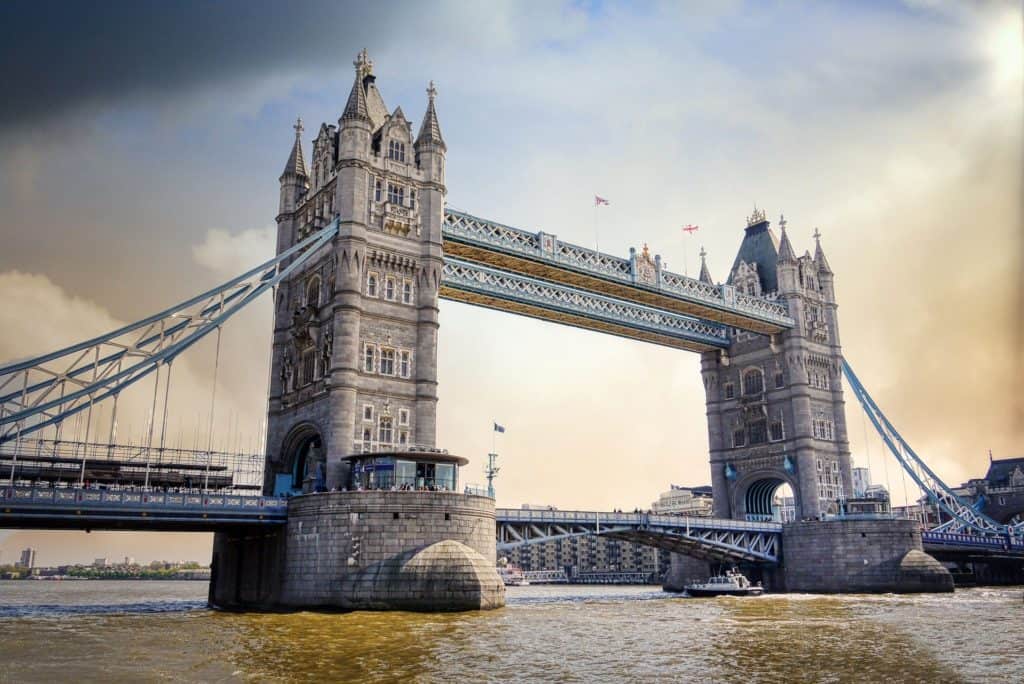
London is the capital of England and one of the most popular tourist destinations in the world. There’s plenty to see and do in this historic city, from visiting Buckingham Palace to exploring the Tower of London. If you’re looking for a place to stay in London, many options are available there that suit your needs and budget.
London is absolutely the most visited city in the UK, and there is no wonder about it. It houses prestigious museums, impressive structures, outstanding theatres, and beautiful nature.
There are many unique places to visit in the world, but London is definitely one of the best. This city has something for everyone—from history and culture to shopping and nightlife. There are countless reasons why London is such a great place to visit.
London always attracts UK visitors, with an estimated 30 million arrivals per year, according to Condor Ferries. While London has always been a vibrant city, its reputation has intensified in recent years.
UK Travel Statistics—London
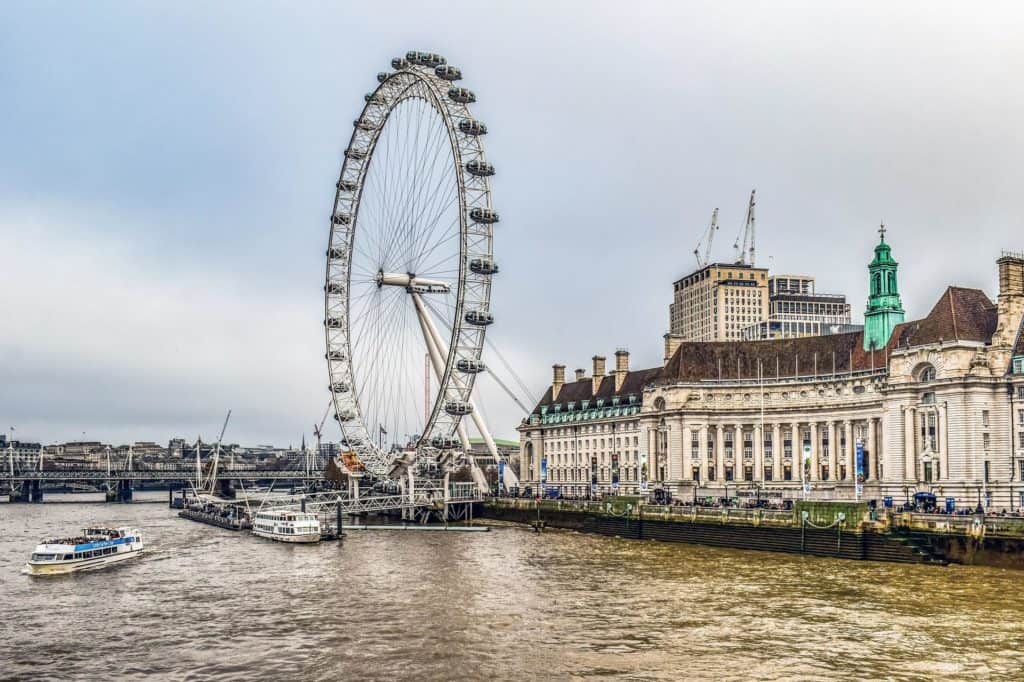
From 2002 to 2016, the number of visitors increased from 11 million to 19 million for a reason. The country has used some intel to promote itself as a dream destination, offering a new experience for those who are wanderlust and want to explore Europe’s grandeur. This number dropped during the last years. Statistics related to visitors and passengers flying to London showed there were 21.71 million arrivals in 2019. The number plummeted to 4.6 million in 2020 and 2.72 million in 2021.
The coronavirus outbreak sent shockwaves through many sectors, including tourism. While various aspects of the industry, both directly and indirectly related to travel, were heavily impacted, London’s tourism figures are showing positive signs of recovery. According to a report by Statista, the total number of arrivals in London reached 7.4 million between 2020 and 2021.
The same report showed that the total visitor spending in London for 2019 was estimated at £2,104 million, with international tourists spending nearly £119 million and inbound tourists spending £15.7 billion. However, due to the impact of the coronavirus, London lost one of its central national resources, and this spending decreased dramatically in 2020, reaching £409 million.
UK Travel Statistics—London 2019/2020
Before the coronavirus outbreak, London ranked as a global tourism powerhouse, boasting the third-highest number of overnight visits behind only Paris and Bangkok. However, new travel trends and a surge in wanderlust among Brits eager to explore the world after pandemic restrictions could reshape this landscape.
It’s not the whole thing! Want to know how much tourism affects this city? In 2019, overnight stays by international tourists reached a staggering 21.7 million, but the coronavirus outbreak caused a dramatic shift, with numbers dipping to a mere 0.3 million in 2020.
However, based on an official release, the number of daily visits to London made by international tourists totalled 19.7 million in 2019 and dropped to only 4.3 million in 2020.
UK Travel Statistics—London 2021/2022
Despite the easing of many restrictions, tourist numbers in 2021 and 2022 have not yet returned to pre-pandemic levels. London’s Mayor, Sadiq Khan, predicts that this recovery may not occur until 2025. However, there is a silver lining! You can explore the most popular attractions and plan a one or two-week UK itinerary without getting stuck with crowds.
Before the global health crisis, a report by City Attractions Monitor revealed that popular city attractions were thriving, attracting over 7 million visitors. However, this number hasn’t bounced back post-pandemic. In 2020 and 2021, visitor counts remained well below this benchmark, at only 1.56 million and 1.54 million, respectively. This decline can be attributed to the closure of many London attractions during the crisis, such as the Bank of England Museum and the City of London Police Museum.
If you think that the number of UK visits recovered in 2021 after people understood the crisis situation and how to get protected from this invisible enemy, you are wrong! The number decreased by 1% in 2021 compared to 2020 and 79% compared to 2019. (It seems that the mayor’s expectations ring true!)
UK Travel Statistics—London 2023
In 2023, there were fewer tourists but more spending! London saw a 12% drop in visitors (5.4 million) in Q3 2023 compared to 2019, according to a recent report by Visit Britain. However, visitor spending rose by 7% to £4.7 billion compared to the pre-pandemic levels.
How much do people typically spend in London?
According to BudgetYourTrip.com, people spend an average of £190 ($239) daily. Of course, this is not a fixed price; this can vary depending on your travel style. Many things might cause higher or lower expenses, but keep in mind that these figures are based on past travellers. Be ready to spend around £34 ($43) on meals for one person and £26 ($32) on public transportation—alternative transportation options might incur higher costs.
Who is visiting London?
According to reports released by Statista, the United States remains the largest source of tourists for London. There were around 3.09 million visits from the U.S. in 2019. While the number declined slightly post-pandemic, reaching roughly 3.03 million in 2022, the U.S. continues to hold the top spot. France follows with approximately 1.5 million visits, and Germany comes in third with 1.15 million.
Secrets About How People Spend Their Vacation in London
Most UK visitors are looking for free attractions and activities to do in London, and you should be no exception. People have realised there’s no need to break the bank to enjoy London. In fact, there are plenty of things to do in this fantastic city that don’t cost a penny.
Whether you’re looking for something fun to do with your friends or you want to explore the city on your own, many free activities are available there.
You can immerse yourself in history and culture at world-renowned museums like the British Museum, the Victoria and Albert Museum, and the National Maritime Museum. Art enthusiasts can explore masterpieces at Tate Modern and the National Gallery, all without spending a dime. That’s why it makes sense to hear that 47% of people prefer to visit London museums.
Literature and history lovers always include London on their bucket list to see its galleries, classic performances, and even movie shows. Wildlife is one of the main reasons for visiting London, too. Almost all tourists appreciate its pristine beauty by heading to its national botanical parks, according to Condor Ferries.
Walking is one of the best experiences in London. Strolling in the United Kingdom, whether in England, Scotland, Wales, or Northern Ireland, has long been among the most popular outings. You don’t need to visit its most popular tourist destinations. You can just lose yourself in its decent streets lined with enchanting buildings where every corner offers an opportunity to take amazing shots.
How many days do people spend in London?
Unofficial reports suggest that people typically spend 3 to 5 days in London. However, the ideal length of your trip truly depends on your interests and planned itinerary. If you have a specific agenda, then follow that! But if you’re unsure, this 3-5 day range is a good starting point, especially for first-time visitors. While it’s certainly true that more time allows for more experiences, ultimately, the duration depends on your schedule and budget.
Edinburgh, Scotland
You will most likely check some appealing news about Edinburgh on social media. Truly, it’s heaven! Without any doubt, bursting life has us dreaming about quaint places where we can unwind and fuel our energy. Edinburgh is the perfect antidote to crazy busy days.
So, if you’re looking to explore the Scottish countryside, Edinburgh is the perfect place to stay. This city is home to many historic landmarks, such as Edinburgh Castle and the Royal Mile. You can also enjoy views of the city from Arthur’s Seat, a peak in Holyrood Park. Alternatively, you can enjoy the much-beloved Devonshire tea while admiring the iconic structures that manifest how great this city is.
While January can be cold and dark in some destinations, Edinburgh offers a warm welcome year-round that will help you forget the winter blues. It’s a romantic getaway where you can visit in summer to immerse yourself in its extensive landscapes or enjoy the Christmas spirit on its cold days. When it comes to finding a place to stay in Edinburgh, you’ll find plenty of options, ranging from luxury hotels to budget-friendly Airbnb.
UK Travel Statistics—Edinburgh
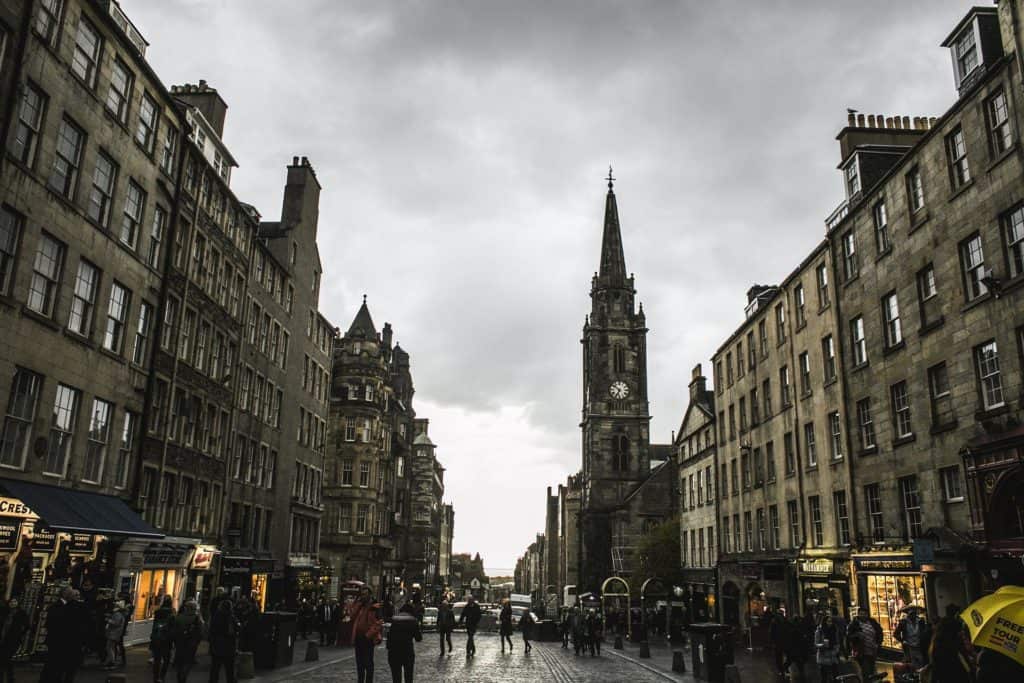
To learn more about UK travel statistics, let’s have a look at the exciting numbers for this incredible city; they can tell us a lot. For example, did you know that Edinburgh is the second-most popular tourist destination in the United Kingdom? Over two million people visit this historic city every year for many reasons.
From the imposing castles to the beautiful Georgian architecture, there is magic wherever you go that makes you enjoy yourself. Let’s not forget about the whisky, too! There are over 100 distilleries in Scotland, many of which are in Edinburgh. So, whether you’re a history buff or a lover of fine spirits, there’s sure to be something for you in this vibrant city.
UK Travel Statistics—Edinburgh 2019
VisitScotland.org’s reports showed that British residents made roughly 3.1 million overnight trips to Edinburgh in 2019. These trips amounted to 7.9 million nights spent in the city, generating £731 million in revenue.
It was not just Brits who fell in love with this city; Scotland also attracted a significant number of international tourists in 2019. VisitScotland.org reported that international visits (34%) reached an impressive 2.3 million, exceeding domestic visits (31%) by a noteworthy 3%. This influx of tourists translated into substantial spending, with overnight spending reaching £2 billion and bednights totalling 20.7 million. That’s why we say tourism in Scotland recorded impressive numbers in 2019.
Additionally, seasonal festivals contribute to making Edinburgh one of the best cities to visit in the United Kingdom. These festivals include the Edinburgh Festival Fringe, with more than 3 million attendees, the Edinburgh International Festival, and the International Book Festival, data produced by the City of Edinburgh Council showed.
UK Travel Statistics—Edinburgh 2022
New data from the Office for National Statistics suggests Scotland’s tourism is outpacing the UK’s overall post-pandemic recovery. The report indicates that Scotland received 1.4 million inbound visitors between July and September of the previous year, a 14% increase compared to the same period in 2019.
VisitScotland.com data from 2022 shows that international visitors and GB residents made around 4.5 million overnight trips. They spent 17.5 million nights in accommodations and generated £2.9 billion in revenue.
UK Travel Statistics—Edinburgh 2023
Edinburgh Castle saw a significant surge in visitors in 2023 compared to the previous year. The castle welcomed around 1.9 million visitors in 2023, up from 1.3 million in 2022, according to Statista. This figure was slightly below the 2019 levels when 2.2 million visitors were recorded.
What about how much people spend in Edinburgh?
According to BudgetYourTrip.com, people spend an average of £142 ($179) per day, which varies greatly depending on the experience they want to gain from this lovely city. This cost includes £39 ($49) for meals and £17 ($21) for local transportation.
Pro tip: Creating a budget beforehand helps you experience the most Edinburgh has to offer! This way, you can avoid overspending and ensure you have enough to explore all the amazing sights and activities the city boasts.
So, who is visiting Edinburgh?
The city welcomes tourists from all over the world. Like London, 24% of the international arrivals came from the United States in 2019, followed by Germany and France. According to Statista, most travellers are between 25 and 44 years old and willing to spend their vacation among its epic castles and historical spots.
Want to know some secrets about how people spend their vacation in Edinburgh?
Edinburgh Castle
Edinburgh Castle constitutes one of the most popular attractions in this breathtaking city. According to Statista, pre-pandemic visitor figures reached a peak of 2.2 million in 2019.
Unsurprisingly, this number dropped significantly during the coronavirus outbreak, with around 277 thousand visitors arriving in 2020 and 424 thousand in 2021. However, a promising rebound began in 2022, with visitor numbers surging to 1.3 million. This positive trend continued in 2023, with the castle welcoming an impressive 1.9 million visitors.
National Museum of Scotland
The National Museum of Scotland is Scotland’s most popular free attraction. It was the second most popular attraction in Edinburgh in 2019, with more than two million visits. In 2021, it received only 660 thousand, according to an official release by Scotland’s government. After the coronavirus outbreak, the museum welcomed over 1.9 million visitors in 2022 and nearly 2.2 million visitors in 2023, according to Statista.
Other Attractions in Edinburgh
Edinburgh is filled with other places that are definitely worth visiting, such as the Scottish National Gallery, St Giles Cathedral, Royal Botanic Garden Edinburgh, and Edinburgh Zoo. It is also packed with some attractions, which can be a great way to bond with family, friends, or your significant other, and most importantly, they would cost you nothing!
Edinburgh can be a fantastic opportunity to explore new cultures and learn more about our world. However, with the rising cost of airfare and accommodation, many people are forced to forego their travel plans. Edinburgh is the perfect place to visit if you’re looking for a budget-friendly vacation destination.
The Scottish capital is brimming with free activities for the whole family. There’s something for everyone to enjoy in Edinburgh, from exploring the city’s many museums and galleries, such as Edinburgh’s Old Town, the Writer’s Museum, and the Museum on the Mound, to taking a stroll through one of its many green spaces.
So, why not ditch the expensive travel plans and head to Edinburgh for your next vacation? Whether you’re a nature lover or a history buff, Edinburgh is one of the best places to visit in the UK, packed with things to do and gems to uncover.
How many days do people spend in Edinburgh?
UK travel statistics show that the average person spends four days in Edinburgh. However, this number does not consider the many different types of travellers who visit the city.
For instance, those interested in history may want to spend several days visiting Edinburgh Castle and the Royal Mile due to their priceless treasures and the wide array of collections they wish to explore.
Those looking for a more relaxed vacation may prefer to spend their time strolling through the city’s parks and gardens. Others who enjoy nightlife may find that four days are not enough to experience all Edinburgh offers.
Ultimately, the time needed to explore Edinburgh depends on the traveller’s interests and preferences. For first-time travellers, we suggest spending at least 3 days catching a glimpse of the must-see attractions.
Manchester, England
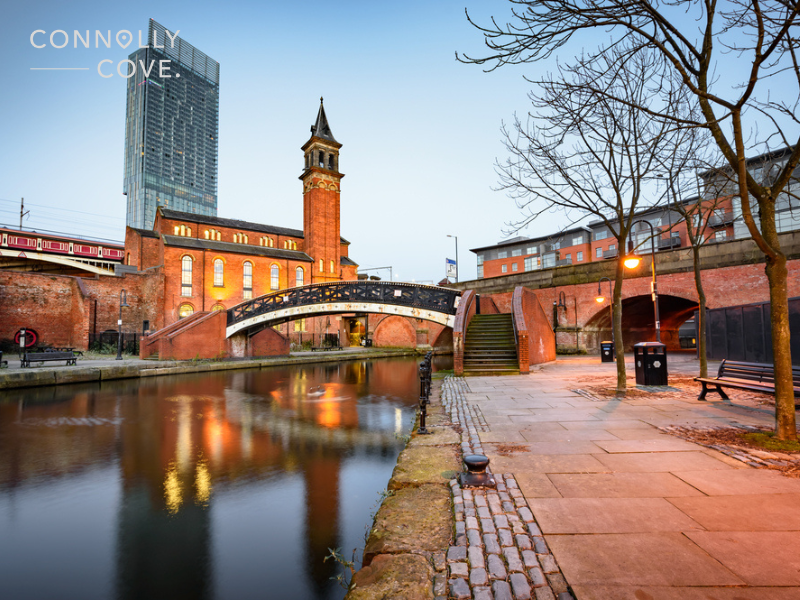
Manchester is a UK city full of culture, music, and history; this makes it the perfect place to visit for those who want to experience a mix of everything the UK has to offer. Travellers can explore famous landmarks such as Manchester Cathedral and the Castlefield Roman Fort or shop till they drop at the world-renowned Arndale Centre.
The nightlife is also not to be missed, with plenty of bars and clubs to keep visitors entertained into the early hours. For those looking to experience some of the UK’s best-loved music, Manchester is home to several live music venues, including the O2 Apollo and the Royal Albert Hall. With two massive football teams, Manchester United and Manchester City, sports fans will also have plenty to keep them busy.
Best Time to Visit Manchester
Manchester truly shines between May and September, boasting pleasant weather ideal for exploring. However, this vibrant city offers year-round events and attractions, making it a great destination anytime.
UK Travel Statistics—Manchester
Of course, there’s something undeniably gorgeous about Manchester, and yes, we might be a bit biased, but the facts back it up. Actually, Manchester is the third most-visited city in the UK. Beyond its vibrancy, it is also one of the top eco-friendly gateways in the UK, and its citizens are the greenest in Great Britain as they depend on sustainable solutions in their daily lifestyle to reduce household emissions, based on the Big Zero Report 2022.
This eco-conscious attitude translates to an abundance of green spaces within the city. If you’re seeking a chance to reconnect with nature, Manchester offers extensive parks and even easy access to national parks, perfect for meditation or outdoor exploration. The Big Zero Report goes beyond Manchester itself, comparing environmental attitudes across the UK and highlighting some innovative eco-measures.
So, if you’re looking for a unique cultural experience and a glimpse into a city embracing new, sustainable lifestyles, consider adding Manchester to your UK itinerary.
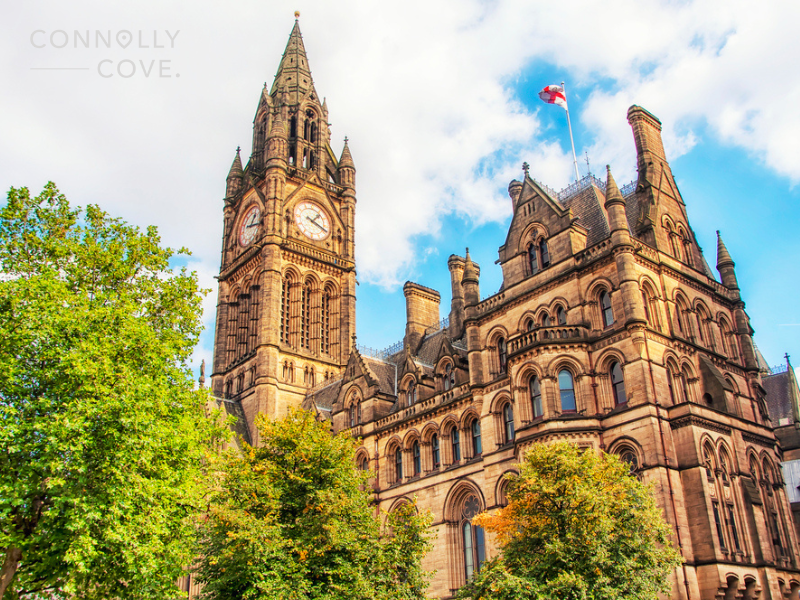
UK Travel Statistics—Manchester 2018
A report by Marketing Manchester underscores the significant impact of tourism on Greater Manchester’s economy. In 2018, the industry generated an impressive £9 billion, with £4.86 billion specifically attributed to Manchester City. Furthermore, the report highlighted that tourism supported approximately 100,700 jobs across Greater Manchester. It also reported that the value of this industry was £904 million, with a £93 daily value.
UK Travel Statistics—Manchester 2019
In 2019, international tourist spending recorded £1.7 million, while the global holiday visit value was estimated at £563,620. Comparing these figures to pre-pandemic levels (using 2019 as a baseline) reveals the significant impact of the global health crisis on tourism.
UK Travel Statistics—Manchester 2020
In 2020, tourism contributed £9 billion to Greater Manchester, a significant increase from £4.9 billion in 2006, and it supported over 100,000 jobs.
UK Travel Statistics—Manchester 2021 and 2022
Surpassing Edinburgh for the first time, Manchester drew in 307,000 visitors in 2021. According to a 2023 report by VisitBritain, this number soared to 1.2 million the following year. This figure solidifies Manchester’s position as the third most-visited city by international tourists in the United Kingdom for 2022, trailing behind London and Edinburgh.
So, how much do people spend in Manchester?
Most visitors prefer to stay close to the city centre to be adjacent to different leisure activities. According to BudgetYourTrip.com, they are willing to pay an average of £184 ($229) daily. Previous travellers generally spent around £55 ($69) on meals, £19 ($23) on local transportation, and £142 ($177) on hotels for one day. However, Marketing Manchester explained that travellers looking for more luxurious accommodation spend about £144 per person per day.
Who is visiting Manchester?
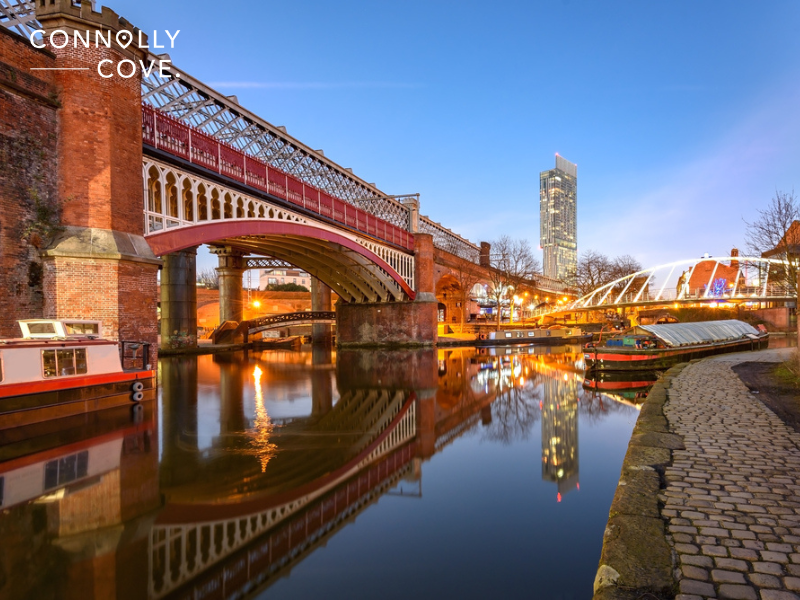
While most domestic visitors to Manchester hail from the North West region, the city attracts travellers of other nationalities. The Irish Republic is the biggest market for Manchester, followed by Germany and the U.S. However, China dominates the Manchester tourism market in terms of holiday visits, according to the International Passenger Survey 2019.
How People Spend Their Vacation in Manchester
73% of visitors prefer eating out at one of the upscale restaurants dotted the city. Another exciting activity people like to do in Manchester is shopping. Undoubtedly, the city embraces a number of decent malls teeming with well-known brands, such as Manchester Arndale and Middlebrook Retail & Leisure Park.
In addition, parks and museums have become familiar to tourists who want to catch a glimpse of artistic antiques and well-crafted paintings. That’s how your vacation would be in Manchester; all entertainment tools and facilities are on set for you.
If you’re on a budget, fortunately, there is an abundance of free activities to enjoy in Manchester.
Start your day by strolling through the city’s many parks and green spaces, such as Heaton Park or Albert Square. Then, explore the world-famous Science and Industry Museum or take a self-guided walking tour of the historic Manchester Cathedral. Finally, enjoy free live music in the evening at one of the city’s many bars and clubs. With a bit of planning, you can quickly fill your days in Manchester with no money.
How many days do people spend in Manchester?
UK travel statistics show that the average visitor spends 3 to 4 days in Manchester, which may vary depending on your interests. For example, if you’re a fan of the arts, you could spend a week visiting all of the city’s museums and galleries.
If you’re more interested in nightlife, you could focus on exploring Manchester’s bar and club scene. Whichever way you spend your time, there is no shortage of ideas for having a blast in Manchester.
However, many visitors make the mistake of planning just a day trip to Manchester. This vibrant city has so much to offer, and it’s quickly become a popular international destination. To truly experience Manchester’s charm, consider staying at least one night. You’ll have time to explore its unique sights and unwind with a drink at a cosy local bar.
The only advice for planning your trip to Manchester is to avoid booking flights on major match days, especially when the city’s giants—Manchester United and Manchester City—face off. Airline ticket prices can skyrocket during these periods. Of course, if attending a game is your main goal, then factor that into your travel costs.
Birmingham, England
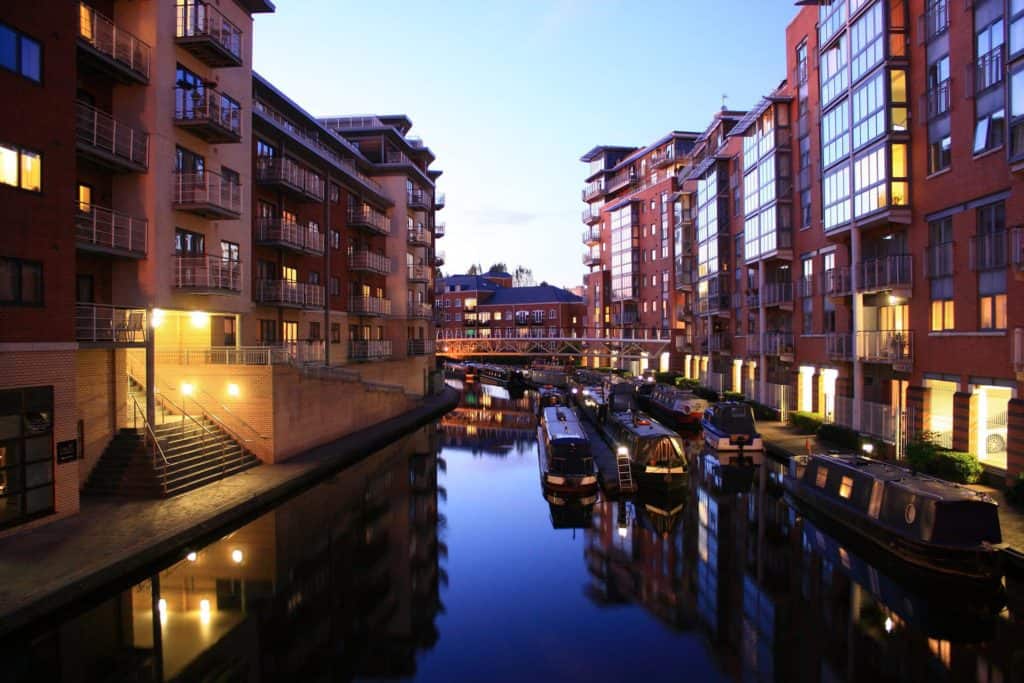
Birmingham, UK, is a top destination for travellers from around the world. It’s a large city in the West Midlands region of England. Its unique atmosphere will keep you amazed, from its rich history and culture to its diverse attractions and activities.
So, whether you’re looking to explore one of its many museums and art galleries or just enjoy a leisurely stroll through one of its many beautiful parks, Birmingham is sure to satisfy you with its offerings.
UK Travel Statistics—Birmingham 2017 and 2018
Birmingham’s vibrant tourism scene was booming in 2017, attracting 41.8 million visitors. Whether it was catching a captivating play in Shakespeare’s birthplace, attending an evening concert at the renowned Birmingham Symphony Hall, or exploring world-class museums, the city offered something for everyone.
This trend continued in 2018, with visitor numbers surpassing a staggering 42 million. This influx of tourists significantly impacted the local economy, contributing a substantial £7 billion to Birmingham.
UK Travel Statistics—Birmingham 2019
In 2019, tourism created more than 9,424 new jobs, according to a report produced by the Greater Birmingham Chambers of Commerce.
UK Travel Statistics—Birmingham 2020 and 2021
Despite the challenges of 2020, Birmingham’s tourism has shown impressive resilience. In 2020, the city welcomed approximately 2.9 million overnight visitors. This number rebounded significantly in 2021, reaching 3.6 million visitors, according to Birminghamal.org.
UK Travel Statistics—Birmingham 2022
Birmingham’s tourism thrived in 2022! The city welcomed a record-breaking 45.5 million visitors, reflecting a significant 6% increase compared to 2019, according to Birmingham World. This surge in visitors translates to a remarkable £7.9 billion boost to Birmingham’s economy, solidifying its position as a major tourist destination in the United Kingdom.
What about how much people spend in Birmingham?
Solo travellers should expect to spend around £930 ($1,158) per week in Birmingham, according to BudgetYourTrip.com. However, keep in mind that prices tend to rise during the summer months as more visitors flock to the city for the sunshine. Accommodation costs average around £66 ($82) per night. The good news is that with a well-planned itinerary, you can save money and still have a fantastic vacation in Birmingham.
So, who is visiting Birmingham?
Once mainly a layover for travellers, Birmingham has blossomed into a cultural destination. In 2017, the city saw a surge in visitors eager to explore its rich offerings. According to Condor Ferries, Birmingham even reached the rank of fourth most-visited city in the UK. While the majority of visitors hail from within the UK, a trip to Birmingham offers a unique opportunity to experience the city’s vibrant culture firsthand.
Want to know some secrets about how people spend their vacation in Birmingham?

One of the most popular attractions concerned with Birmingham’s history is Victoria Square and the City Centre, which will offer you a unique and heartfelt experience. On the other hand, the city’s museums truly shine. Whether you’re exploring solo or with loved ones, museum tours provide a deeper dive into Birmingham’s rich past, creating memories that will last a lifetime.
Are there any free activities in Birmingham?
Absolutely! No matter who you’re with, Birmingham offers a thrilling mix of activities for budget-conscious travellers and locals alike. Craving a family adventure? Explore the interactive exhibits at Birmingham Open Media or visit the heartwarming Donkey Sanctuary. Looking for a unique night out with friends? Wander through the historic Jewellery Quarter, where you can peek into workshops and find dazzling treasures. This is just a taste—Birmingham has something to keep everyone entertained!
While some attractions are spread across the city, Birmingham offers excellent public transport options to help you navigate. For families, a day trip to the Birmingham Zoo and the Botanical Gardens is a surefire hit. Kids will be enthralled by the diverse animal encounters, while adults can unwind in the peaceful gardens.
If you’re seeking a vibrant night out, Birmingham’s diverse club scene caters to all tastes. However, if you prefer a more relaxed evening, explore the city’s charming cafes, where you can cosy up with a delicious slice of cake and a steaming cup of tea—the perfect way to unwind after a day of exploration.
How many days do people spend in Birmingham?
The answer is: it depends! Birmingham is a great city to explore, with endless things to see and do. However, four days is enough, and a week is much better.
In terms of history, Birmingham has an authentic legacy, from its Roman origins to its role in the Industrial Revolution. Explore Birmingham Museum and Art Gallery, which is a great place to learn about the city’s past. At the same time, the Birmingham Back to Backs is a must-see for anyone interested in Victorian architecture.
For those who enjoy outdoor leisure, Birmingham is a place to go. Enjoy its canals, parks, and public open spaces. Additionally, you can explore its castles and enjoy its different festivals. Not to mention that world-class shopping and dining options are exotic, making Birmingham a lovely spot for you.
With so many great Michelin-starred restaurants, bars, and shops, you’ll never be short on things to do in Birmingham. So, why not add Birmingham to your travel list today? You won’t regret it!
Glasgow, Scotland

Another fantastic city to explore in Scotland is Glasgow. This city is known for its lively music scene and vibrant nightlife. Beyond the music, there are many ways curious travellers choose to explore Glasgow.
As the UK’s most populous city outside of London, Glasgow offers a wealth of sights and activities to keep visitors busy. From the world-famous Loch Ness Monster to the stunning Glasgow Cathedral, whatever you’re waiting for, this vibrant city has a lot to offer!
There are also many museums and art galleries to check out. For example, you can explore Kelvingrove Art Gallery and Museum, which houses an impressive collection spanning centuries.
Glasgow is also home to some of the UK’s best shopping and dining experiences. With over 2,000 shops and over 200 restaurants, you are sure to find something to suit your preferences.
Finding a place to stay in Glasgow is a breeze. With a wide range of accommodation options, you’re sure to find the perfect fit for your needs and budget. Take your time browsing and comparing hotels, hostels, or charming B&Bs.
With its convenient location just a short train ride from London, Glasgow is the perfect place to escape the hustle and bustle of the city. So, whether you’re looking for a weekend getaway or a more extended vacation, Glasgow is enough to please you—it has something for every traveller!
UK Travel Statistics—Glasgow 2019
According to the Glasgow Tourism and Visitor Plan, Glasgow welcomed 2.5 million domestic and international tourists in 2019, generating a significant £774 million for the city’s economy.
Of 2.5 million tourists, Glasgow welcomed over 771,000 international tourists. These visitors didn’t just come for a quick visit; they spent a total of 4.67 million nights exploring the city, with an average stay of 6 nights. Translating into impressive economic benefits, international visitors spent over £381 million in the city, averaging £495 per visitor during their stay and an average daily spend of £81.
UK Travel Statistics—Glasgow 2021
While Glasgow’s tourism felt the impact of the 2019/2020 health crisis, international visitors began to return in 2021. The city welcomed 116,000 international visitors, reflecting a significant 84.95% decrease compared to pre-pandemic levels in 2019.
The number of international overnight stays in Glasgow saw a significant decline in 2021, with only 1.71 million recorded. This represents a steep 63.35% decrease compared to pre-pandemic levels in 2019.
UK Travel Statistics—Glasgow 2022
Glasgow’s tourism witnessed a significant rebound in 2022. The city welcomed over 618,000 international visitors, reflecting a remarkable 81.23% increase compared to 2021. However, this number still sits 19.84% lower than pre-pandemic levels in 2019.
Enthusiasm for exploring Glasgow grew, with international tourists spending an estimated 6.65 million nights in the city—a 74.25% increase from the previous year. This translates to a longer average stay, indicating visitors are taking their time to experience all Glasgow has to offer.
Positive signs emerged in visitor spending as well. International visitors spent over £440 million during their trips, demonstrating a 75.17% increase compared to 2021. While average spending per visit dipped slightly to £705 in 2022, this number remains 42.42% higher than pre-pandemic levels in 2019.

How much do people spend in Glasgow?
Based on other travellers’ reviews, you should plan to spend around £144 ($180) for one day. On average, daily meals cost £45 ($56) and a hotel night can cost around £148 ($184), BudgetYourTrip.com mentioned. Just make sure to book ahead of time to guarantee better offers. Contrarily, Glasgow has a number of the best wellness resorts and accommodations. You can try one of them if you’re looking for a luxurious stay, which may cost $199.
In Glasgow, plan to spend money on leisure. Since Glasgow is a welcoming place with plenty to see and do, you will find many tempting things to indulge in. Whether you’re interested in exploring the city’s remarkable history, enjoying its diverse culture, or simply taking in its stunning architecture, Glasgow cannot be overlooked.
Best of all, it’s easy to get around in Glasgow; it is served by an extensive public transportation system that makes it easy to explore all the city has to offer. On average, transportation can cost around £27 ($34) per person for one day.
So, who is visiting Glasgow?
From all over the world! Honestly, the United States are the leading source of tourism in Scotland, especially in Glasgow. Other countries include Germany, France, Australia, and Canada.
How do people spend their vacation in Glasgow?

People visit Glasgow to enjoy the authentic style of architecture; they capture unbelievable pictures with great travel captions, and their pictures always go viral. Kelvingrove Art Gallery and Museum is the top attraction tourists love visiting all the time, according to the Inspectorate of Prosecution in Scotland, followed by walking around the city centre. Additionally, they come to pick up some lovely stuff from Buchanan Street, a shopping hub with cheerful vibes.
Tourists also like to head to the Riverside Museum, one of the best places to explore. It traces the city’s past, from its days as a small fishing village to its present-day status as a major metropolis. Visitors can see how Glasgow has changed over the years and how its people have adapted their lifestyles. The museum also houses a large collection of artefacts from Glasgow’s history, including Glasgow Cathedral and Glasgow University. With so much to see and do, it’s no wonder that the Riverside Museum is one of Glasgow’s most popular tourist attractions.
Free Activities in Glasgow
In Glasgow, there are many free activities at your fingertips. For starters, Glasgow is home to over 90 parks and gardens, including Glasgow Green, which is perfect for a picnic or a game of frisbee. Most of these places will offer you free access.
Glasgow also attracts travellers who are looking for something more active; it offers free public access to several golf courses and tennis courts. Even on rainy days, you won’t be short on options! With a wealth of free museums and galleries, Glasgow is the perfect place to explore fascinating exhibits and stay dry.
So, whether you’re looking for a stroll or an educational afternoon, come to Glasgow, and you will be surprised!
How many days do people spend in Glasgow?
Glasgow caters to a variety of travel styles, whether you travel for leisure to rejuvenate your body and mind, immerse yourself in the culture of the city, or take Instagrammable photos. The best itinerary should take at least 3 days. However, the exact duration depends on what you want to see and do. If you’re just looking to get a taste of the city, a few days is probably sufficient. However, if you want to experience what Glasgow has to offer, plan on spending at least a week.
Indeed, Glasgow has plenty to offer, and now it’s calling you to lose yourself among its thriving districts and colourful buildings. The key is to personalise your itinerary. Research attractions that pique your interest and consider your pace of travel. No matter the length of your stay, Glasgow promises a spectacular experience!
Liverpool, England
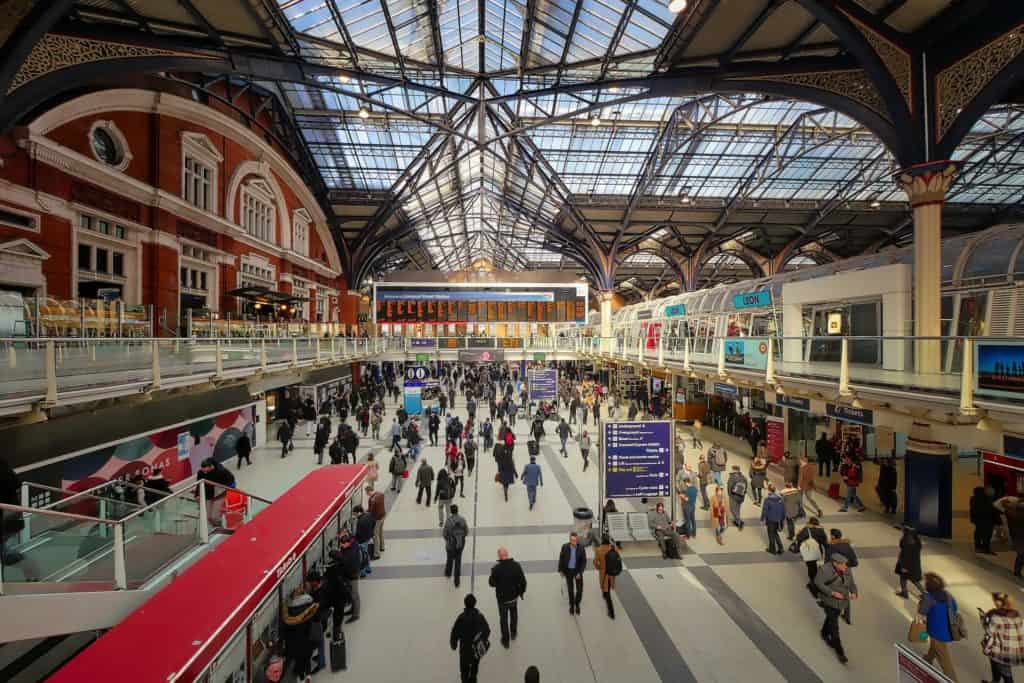
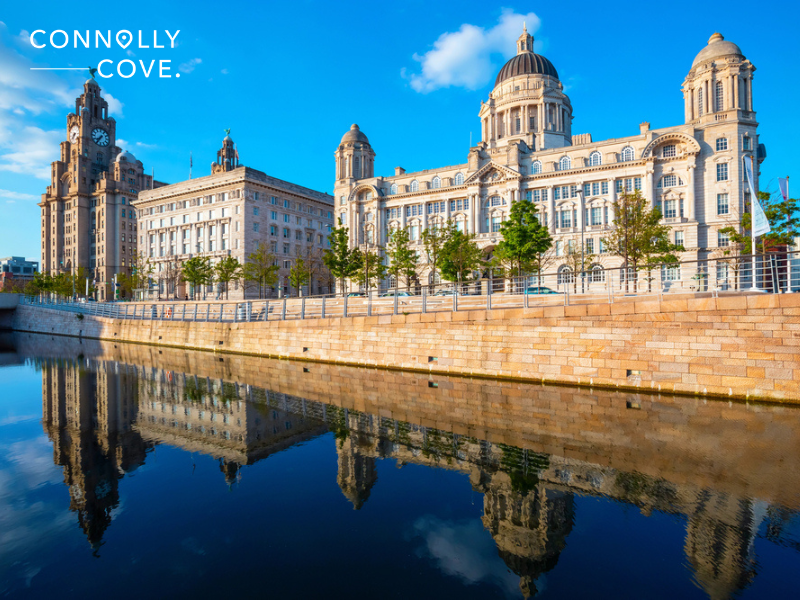
UK travel statistics show that Liverpool is also one of the most popular tourist destinations in the country. The city is brimming with attractions that visitors love to explore, from its glorious history and culture to its picturesque architecture and vibrant nightlife scene. This abundance of attractions makes it the perfect destination for a short break or a more extended holiday.
Throughout the last few years, Liverpool has been the sixth most visited city in the UK. While some travellers bypass it and head straight for Belfast, others choose to linger and explore this charming city. We highly recommend the latter, especially if you have some time to spare.
Whether you’re prone to exploring the city’s museums and art galleries, spending your time shopping and dining out, or just wandering around the city for people-watching, Liverpool is an incredible experience. So, why not add it to your list of UK travel destinations? It is a fantastic experience you should be part of!
UK Travel Statistics—Liverpool 2019
The year 2019 marked a high point for Liverpool’s tourism. According to a 2023 report by Growth Platform, the city welcomed a staggering 66.27 million visitors, over 60 million of whom were day-trippers. This robust tourism scene supported 55,703 jobs and boasted a healthy hotel occupancy rate of 78.4%.
Liverpool became a unique tourist destination in that year; its overall tourism value was worth more than £4.93 billion, according to a report produced by Liverpool City Region. The previous year alone (2018), Liverpool welcomed a staggering 67.3 million visitors, supporting over 57,000 jobs in the process.
UK Travel Statistics—Liverpool 2020
The global health crisis in 2019/2020 had a devastating impact on Liverpool’s tourism. Visitor numbers plummeted to just 26.14 million, reflecting a significant drop from the previous year. This decline also affected job numbers, which fell to a mere 24,000, according to Growth Platform.
UK Travel Statistics—Liverpool 2021
As travel restrictions eased in 2021, tourism in Liverpool began to show signs of revival. According to the report by Growth Platform, visitor numbers increased to 42.15 million, and the number of jobs rose to 38,000. Hotel occupancy rates also saw a slight improvement, reaching 55.2%.
UK Travel Statistics—Liverpool 2022
2022 witnessed a significant increase in tourism activity in Liverpool. Visitor numbers jumped to 55.94 million, still lower than pre-pandemic levels. Overnight stays reached 5.83 million, surpassing the 2018 and 2019 figures, 5,48 million and 5.40 million, respectively.
While day visitor numbers haven’t yet reached 2019 levels, they are steadily climbing, reaching 50.11 million. The number of jobs in the sector also recovered to 51,605, demonstrating a positive trajectory for the industry. Hotel occupancy rates rose to 74.3%, according to the same report by Growth Platform.
UK Travel Statistics—Liverpool 2023
National Museums Liverpool’s (NML) institutions in England are experiencing a welcome surge in visitors. Following a significant drop during the coronavirus outbreak, attendance figures for the 2022/2023 fiscal year (April 2022 – March 2023) reached approximately 2.35 million. This reflects a positive recovery trend, with visitor numbers sitting at just 24% below pre-pandemic levels, according to Statista.
So, how much do people spend in Liverpool?
According to BudgetYourTrip.com, the daily cost averages around £161 ($201), with meals at £59 ($74) and public transportation at £26 ($33). Meanwhile, you can stay in hostels without spending so much on accommodation, making it easy for you to explore the city’s charming, narrow mazes and discover its hidden gems. With its reasonable everyday expenses, Liverpool stands out as one of the most affordable destinations in the UK.
Who is visiting Liverpool?
Liverpool is a vibrant city brimming with diversity! According to Liverpoolecho.com, 6.2% of visitors come from North America, and the rest are fleeing from Europe.
Some Secrets About How People Spend Their Vacation in Liverpool
The city’s true strength lies in its rich tapestry of cultures. From British and Irish roots to thriving Asian and African communities, Liverpool offers a welcoming atmosphere for everyone. Looking for a taste of this multicultural spirit? Head to the Baltic Market, a bustling food hall where you’ll encounter people of all ethnicities and nationalities, creating a truly international ambience. You’re sure to feel right at home in Liverpool’s welcoming embrace.
Liverpool’s vibrant art scene, with its abundance of art galleries, can keep you entertained for a fulfilling vacation. Beyond the visual arts, a Mersey River cruise offers stunning cityscapes, while Anfield Stadium provides a thrilling experience for football fans.
Throughout the year, Liverpool comes alive with many festivals and events, catering to diverse interests. Whether you seek excitement or relaxation, Liverpool offers a wealth of experiences to help you create lasting memories.
People also travel to Liverpool to visit its esteemed national museums, which serve as invaluable repositories of the city’s rich history and cultural heritage. These museums offer a captivating opportunity for visitors to gain insight into Liverpool’s legacy, showcasing its maritime importance, industrial past, and vibrant artistic contributions. By exploring these museums, you can immerse yourself in the fascinating story of Liverpool’s evolution and its enduring impact on the world stage.
How many days do people spend in Liverpool?
Liverpool is a city full of everything you could need to enjoy your vacation, and there’s no better way to explore it than by spending a few days here. From the world-famous museums and galleries to the vibrant music scene, Liverpool should be your final destination in the UK.
With so much to see and do, you’ll want to ensure you have enough time to experience everything this city offers. So, we think three days is the perfect duration to explore all Liverpool has to offer. Of course, if you’re looking for a packed schedule, you could easily spend a week or more here. But if you’re just looking to get a taste of Liverpool, three days is the perfect amount of time. What are you waiting for? Book your tickets to Liverpool today!
How Expensive is the United Kingdom? Travel Costs
People always describe the UK as an expensive destination, and not everyone can afford this trip. But is that even true? The short answer is YES!
The cost of living in the United Kingdom is slightly higher than that of other European countries, especially if you don’t plan wisely and get overwhelmed by visiting all these fantastic fairytale spots. Therefore, it’s important to draw a clear pathway between places you must see and others you can overlook for the sake of free activities or less costly alternatives.
One of the most common questions we’re asked all the time by people who want to vacation in the UK and read all the UK guides is how much it costs to travel in and about this great empire.
Glad you asked, too!
In this section, we will share some travel hacks that might surprise you. These hacks will help you save unnecessary costs on transportation, attractions, and accommodations, enjoy your vacation, and explore more hidden gems and cities with a limited budget.
Flights

When booking your flight to the UK, don’t just focus on the best window view or fancy plane features. Instead, compare websites to find the best deals. Remember, the cheapest flights are not always perfect. Multiple connections or uncomfortable layovers could be the main reason for the low price.
Sometimes, airlines, and even train companies, make very popular routes more expensive for travellers due to the high demand. For example, the flight from Chicago to London will be higher than from Chicago to Birmingham via London. So, check all your alternatives before confirming your booking.
Search for alternative and less-known airports to find the cheapest flights. When you use booking websites like Skyscanner, select nearby airports to help you spot more options. Then, compare the cost of the bus or train that will pick you up to your destination. Check the best deals that will save you a lot of money.
It’s not just about money! Heathrow Airport is by far the busiest airport in the country, handling over 80 million passengers each year. That’s a lot of people, and it’s no surprise that things can get pretty chaotic. You’re more likely to experience long wait times, crowds, and queues at this airport than at any other UK airport.
If you’re trying to catch your flight in a crowded airport, the chances of missing your connection are also much higher. You may book another flight and this will cost you extra charges. So, if you’re looking for a stress-free travel experience, it’s definitely worth considering a smaller airport. While they may not have as many flight options, they’ll definitely be easier to navigate.
On the other hand, there are some advantages to flying into a large airport like Heathrow. For one thing, more flight options are available, so you’re more likely to find a direct flight to your destination. If you miss your flight, you will find plenty of other options available.
While large airports like Heathrow might seem daunting, they offer a wide range of amenities under one roof. This can be a major advantage, ensuring you have everything you need during your layover. However, remember that airport services often come at a premium. Do some research beforehand to see if these conveniences fit your budget.
While London is an amazing city, airport fees can be high. Consider starting your trip elsewhere in Europe with lower landing fees, like Paris, Brussels, or Amsterdam. You can then take the Eurostar through the Channel Tunnel to reach London. This might add some travel time, but it could save you money on flights. Additionally, you wouldn’t mind spending a few hours in Paris navigating around Avenue des Champs-Élysées and taking a selfie with the Eiffel Tower in the background.
Transportation
Avoid taking a taxi around the country. Public transportation is accessible, comfortable, and much cheaper. If you’re looking for something a little more active, consider renting a bicycle or taking advantage of the country’s extensive walking and hiking trail network. Of course, not all places or cities can be discovered by bike, but consider it once you find it.
For day trips, consider carpooling. If you know someone in the UK, you could share the ride, splitting the cost of fuel and potentially parking.
Consider using local bus companies when exploring the UK. Many of them offer scheduled day trips to popular destinations, including the seaside, countryside, or even famous attractions. This can be a budget-friendly way to experience different parts of the country.
You can depend on these local buses when there are any events. Thankfully, their trips consist of entry fees for attractions and events with a reasonable discount, which is a good deal to save money. More information on local buses can be found on these companies’ websites; make sure to check them out before you go.
Express trains from and to London Gatwick and Heathrow airports are typically more expensive because they offer a faster journey time to various locations in London. However, if speed isn’t a priority, regular trains can get you to your destination for a lower cost.
Travel cards like London’s Oyster can be a great way to save on transportation costs. However, it’s always wise to get the latest information directly from official sources.
For the best deals on railway tickets, consider booking in advance—ideally at least 40 days before your trip. Websites like the National Rail offer tickets with no hidden fees.
While checking online is a great first step, keep in mind that some deals might not be readily available online. To ensure you’re getting the absolute best option, consider visiting a railway station in person closer to your travel date. Ask staff for the cheapest fares and recommended routes to your destination.
If you plan on using the railway frequently during your visit, a Railcard can be a great money-saver. Head over to railcard.co.uk to see if you qualify and potentially save up to a third on some tickets.
Walk, walk, walk. The UK is a pedestrian paradise! Exploring by foot allows you to stumble upon hidden gems and architectural delights around every corner. Many central London attractions are conveniently close to each other. For example, Covent Garden and Leicester Square are just a pleasant 3-minute walk apart, saving you money on public transport.
Accommodation

Regarding accommodation, hostels and Airbnb are fantastic alternatives to hotels for budget-friendly stays. You’ll not only save money but also have the opportunity to meet fellow travellers and potentially gain a more local perspective on the UK.
Some hotels offer windowless rooms at a significant discount. These rooms may also include bunk beds for even lower prices. While you’ll miss out on natural light and potentially some privacy, the savings can free up funds for your UK adventures.
Book your flight and accommodation during the off-season for the best deals. Winter typically offers the lowest prices, although it’s advisable to avoid the Christmas holiday vacation.
Activities
The UK is a great country to travel to, with many exciting places and things to see. However, it can be expensive, especially for first-time visitors unfamiliar with the currency. But fear not! With some smart planning, you can navigate the UK on a budget.
Consider purchasing a heritage pass to save money on visits to historical sites. These passes often come in different options depending on the number of places you want to see, so choose the one that best fits your itinerary.
Look for attractions that offer a multi-faceted experience. The National Trust, for instance, manages historical sites often nestled within beautiful landscapes. During summer, many of these locations host festivals and events, adding another layer of entertainment. Best of all, entry fees are often free or very affordable.
Stretch your travel budget by exploring the UK’s wealth of free attractions. From world-renowned museums and galleries to stunning parks, there’s something for everyone. Before you visit each city, research the free options available and create a personalised itinerary.
Planning a trip to the UK in September? Take advantage of free castle access! Many royal and historical castles, including those usually closed to the public, participate in events like Open House London and Heritage Open Days. It’s a fantastic opportunity to explore unique architecture and delve into British history without breaking the bank.
Save money on your UK adventures by pre-booking attraction tickets. Websites like visitbritain.org allow you to browse nearby attractions and often offer discounted tickets when purchased in advance.
Heads up when booking tickets online: Some websites might redirect you and add hidden fees. Stick to official websites or reputable ticket sellers to avoid overpaying.
Other
The UK offers a wealth of experiences across its regions, each with its own unique culture and attractions. To make the most of your trip, consider focusing on areas that resonate most with your interests. England, Wales, Scotland, and Northern Ireland all boast distinct landscapes, cities, and historical sites. With so much to see, it’s best to choose a specific region to explore in depth—which part of the UK sparks your curiosity the most?
Travel insurance can be a lifesaver on your trip. It offers financial protection for unexpected situations like flight cancellations or lost luggage, giving you peace of mind to enjoy your UK adventure.
The UK can experience unpredictable weather, so packing a light rain jacket and a small umbrella is a good idea. If you’re visiting during colder months, consider layering clothes for easy temperature adjustment. This will help you avoid the need to buy bulky items on your trip.
While the UK offers a range of dining options, high-end restaurants can be expensive. Savvy travellers often explore alternative ways to experience British cuisine without breaking the bank. Food prices have indeed risen, but there are plenty of budget-friendly options available. You can consider these delicious alternatives:
- Street Food: Cities like London offer a vibrant street food scene with affordable yet flavoursome options from around the world.
- Supermarket Meals: UK supermarkets often have prepared meals and fresh ingredients for affordable home-cooked dishes.
- Ethnic Cuisines: Many big cities have a wealth of Chinese and Indian restaurants offering delicious and budget-friendly meals.
With a little planning and exploration, you can enjoy delicious and diverse meals in the UK without exceeding your budget.
Shopping can be expensive in the UK, if you don’t take the time to search for the best place to bring your stuff. For groceries, everyday essentials, and some souvenirs, giant supermarkets are your best bet. They offer a wide variety of products at competitive prices. Morrisons is a popular choice with locations across the UK.
To save money, avoid souvenir shops at tourist attractions; prices can be significantly higher for the same items you’ll find elsewhere. Consider exploring local shops or markets for unique gifts at better prices.
Whether you’re looking to save money or add some adventure to your trip, these travel hacks are sure to come in handy.
Best Time to Visit the UK
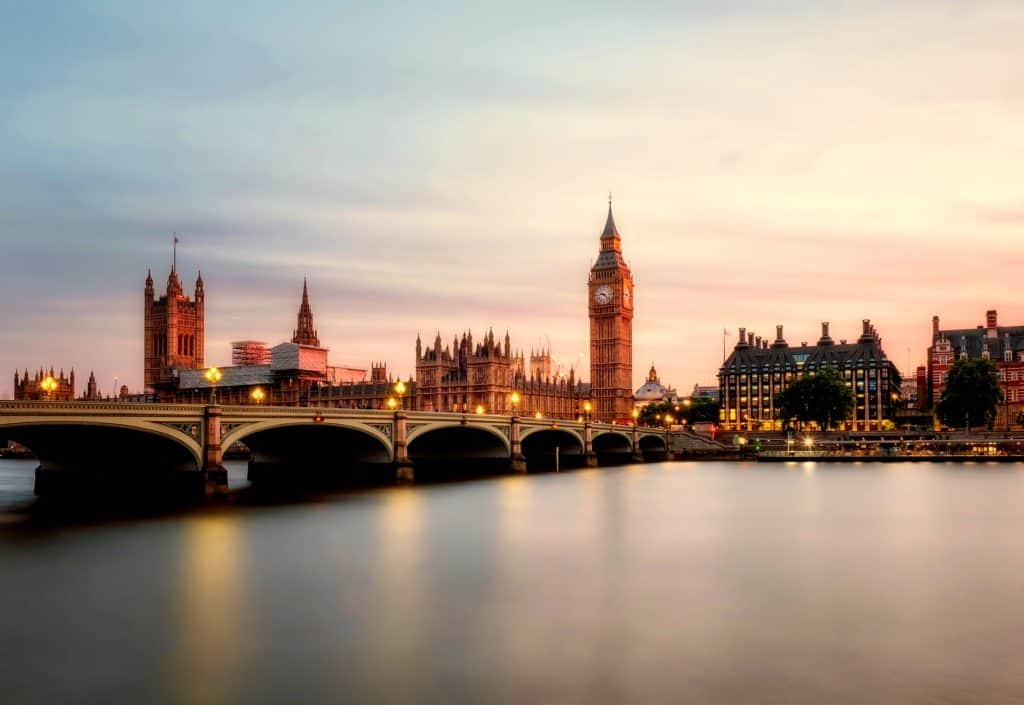
The UK is a great destination at any time of year. However, the best time to visit the UK depends on your interests, when you’ll be able to enjoy long days out and make the most of the country’s beautiful scenery. Spring (late March to June) offers pleasant temperatures with longer daylight hours, while autumn (September to November) boasts comfortable weather with vibrant autumn foliage.
Summer is also the peak season for several exciting events. The world-famous Edinburgh Festival Fringe, for example, transforms the city into a hub of theatre and performance. Additionally, vibrant food stalls abound, offering a chance to experience the authentic flavours and culture of Great Britain.
Another highlight is the Royal Regatta, known for its exciting boat races and festive picnics. Spectators often enjoy dressing up for the occasion, creating a charming atmosphere. While there’s no strict dress code, it can be fun to embrace the tradition with a classic suit or a dress below the knee.
If you’re more interested in city life, autumn and winter offer a unique charm. The UK’s major cities come alive with vibrant cultural events and festive cheer, offering a delightful atmosphere for exploration.
The UK is Calling!
No matter your interests, the UK offers a season to match. With UK travel statistics showing visitor numbers steadily rising, there’s no time like the present to plan your UK adventure. What are you waiting for? Start exploring this fantastic country today!

A Walk in Ireland Guide: Best Trails, Routes, and Tips
Ireland
26/04/2024

An Ultimate Guide to 6 of the Finest Castle Tours in England
England
26/04/2024

Unveiling the Most Terrifying Haunted Tours in Scotland
Scotland
25/04/2024

7 Top Amusement Parks in England for an Unforgettable Adventure
England
25/04/2024

Miami Tourism Statistics: A Comprehensive Overview of Visitor Numbers and Revenue
Travel Statistics
25/04/2024