


England-by-Train: A Comprehensive 2-Week Itinerary
Updated On: March 01, 2024 by  Raghda Elsabbagh
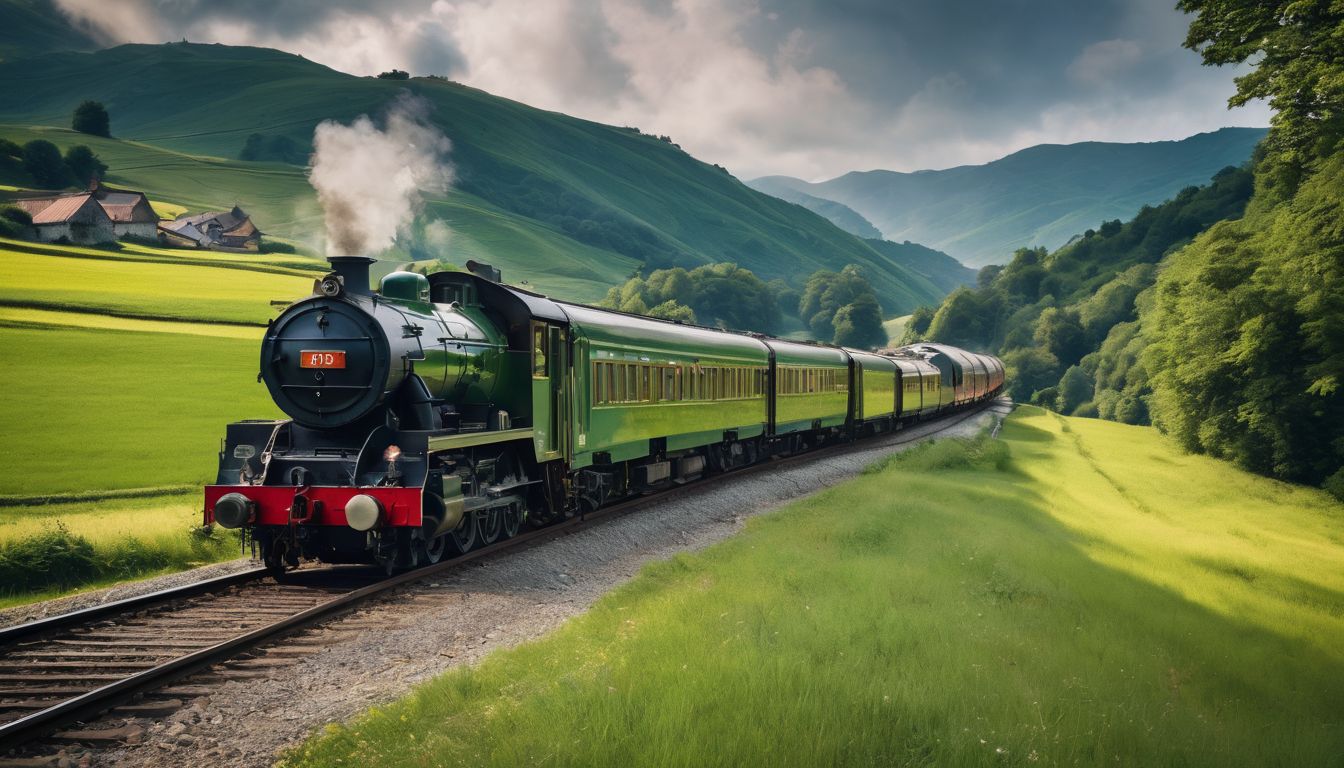
Planning an in-depth train journey across England can seem challenging, especially if it’s your first time touching down on British soil. Trust me; you’re not alone—the vast rail network and endless must-see sites can leave even seasoned travellers scratching their heads over where to kick off!
This blog is here to be your ultimate mate, offering a carefully planned 2-week England-by-train itinerary that ticks every box, from vibrant cities to charming villages steeped in rich culture and history. So, prepare yourself for an English escapade you’ll remember for years to come! Let’s set sail on this adventure together!
Table of Contents
England-by-Train Day-by-Day Itinerary
Embark on a thrilling two-week journey through England by train, exploring iconic cities like London and Edinburgh while venturing into Wales and Scotland’s charming countryside.
London, England—2 days
If you’re planning an England-by-train itinerary, London, the country’s vibrant heart, is a great place to start. For the first two days of your journey, you’ll have plenty of time to explore some of the city’s top attractions. Here are some ideas to get you started:
On day one, you could head to the iconic Big Ben, ride on the London Eye for a stunning city view, gaze at art in Tate Modern, or visit the British Museum to learn more about England’s history and culture. Don’t miss a quick trip on the River Thames as well. Stop to indulge in a delightful afternoon tea at a traditional London tearoom. In the evening, check out some of London’s famous nightlife spots like Soho or Camden.
On day two, why not stroll through Hyde Park, visit Buckingham Palace to see the changing of the guards, take a boat ride on the Serpentine, or explore the trendy neighbourhoods of Shoreditch or Notting Hill? Later, discover the charm of Covent Garden with its lively street performers, boutique shops, and tempting eateries.
Conclude your London experience with a visit to the West End for a dazzling theatre show, capping off two unforgettable days in the English capital. Whatever you choose, London will surely keep you entertained and energised.
Bath, England—1 day
Hop on a train and head to Bath, soaking in the scenic English countryside along the way. Bath, nestled in the rolling hills of Somerset, is a beautiful and historic city with plenty to see and do.
Upon arrival, let the honey-coloured Georgian architecture welcome you to the city. For a start, we’d recommend visiting the famous Roman Baths. This well-preserved ancient site offers a glimpse into the city’s past. You could also explore the iconic Royal Crescent and Pulteney Bridge. Stroll along the charming streets to discover the impressive Bath Abbey and explore the beautiful gardens at Prior Park Landscape Garden.
If you’re a fan of literature, you might also want to check out the Jane Austen Centre, which pays homage to the life and work of the famous author who lived in Bath for a time. Don’t miss the opportunity to unwind at the Thermae Bath Spa, where you can soak in the rooftop pool while enjoying panoramic city views. And to pamper your taste buds, try some of Bath’s local delicacies, such as Sally Lunn buns and an afternoon tea at one of the elegant tea rooms. Bath is an absolutely enchanting city that’s well worth visiting on your England-by-train itinerary.
Birmingham, England—1 day
Board the train again and head to the vibrant city of Birmingham. Start your Birmingham adventure by exploring the historic Jewellery Quarter, which has crafted jewellery for over 200 years. Continue your day with a visit to the Birmingham Museum and Art Gallery to see its impressive collection of art and artefacts.
Stroll through Victoria Square, admiring the stunning architecture, and perhaps make a wish at the famous Floozie in the Jacuzzi fountain. If you’re a fan of science and technology, you might want to check out the Thinktank Birmingham Science Museum, which offers hands-on exhibits and interactive displays. If time allows, explore the Custard Factory, a creative and cultural hub housed in a former custard factory featuring independent shops and artistic spaces.
Indulge in a diverse culinary scene by trying local specialities at one of Birmingham’s many restaurants or street food markets. Round off your day with a relaxing canal-side walk or visit the bustling Bullring shopping centre for some retail therapy. Birmingham’s dynamic energy makes it a fantastic stop on your England-by-train itinerary, leaving you with a day of exploration and memorable moments.
Liverpool, England—1 day
Jump on the train and let the tracks take you to a city that pulses with history, culture, and the legendary spirit of The Beatles—Liverpool. Start your Liverpool day by exploring the impressive Albert Dock, a UNESCO World Heritage site featuring museums, galleries, and trendy eateries. Visit The Beatles Story to delve into the Fab Four’s legacy. Don’t forget to pose with the statues of John, Paul, George, and Ringo on the waterfront.
Stroll to the Liver Building and the Royal Liver Birds, Liverpool’s beloved symbols. Visiting Anfield or Goodison Park is a must if you’re a football enthusiast. For art lovers, the Tate Liverpool showcases contemporary masterpieces with a scenic waterfront view. History buffs can visit the World Museum or explore the city’s rich architectural heritage by admiring landmarks such as St. George’s Hall and Liverpool Cathedral. Alternatively, you could wander around the city’s many parks, such as Sefton Park or the Liverpool ONE shopping centre.
Immerse yourself in the lively atmosphere of Mathew Street, home to the famous Cavern Club where The Beatles once rocked. Wrap up your Liverpool experience with a taste of Scouse, the local stew, at one of the city’s cosy pubs. Liverpool’s eclectic mix of history, music, and culture promises an exciting day on your England-by-train journey. Get ready for a memorable ride through this dynamic city!
York, England—1 day
Make your way to the charming city of York! Start your day in York by wandering through the iconic Shambles, a narrow, cobbled street with timber-framed buildings and quirky shops. Immerse yourself in the medieval atmosphere and visualise the bustling market scenes of centuries past.
No visit to York is complete without exploring the magnificent York Minster, one of Europe’s largest Gothic cathedrals. Marvel at the stunning architecture and, if feeling adventurous, climb to the top for panoramic city views. Stroll along the historic city walls, which date back to Roman times, where you can enjoy scenic vistas and discover hidden gems.
If you’re a fan of history, you might want to check out the York Castle Museum or the Jorvik Viking Centre, which showcases the Viking history of the city through interactive exhibits and displays. Explore the quaint streets of the York City Centre, discovering unique boutiques and charming cafes.
Indulge in traditional Yorkshire puddings or enjoy afternoon tea at quaint tearooms. Conclude your day with a relaxing walk along the River Ouse, enjoying the picturesque scenery. York’s blend of medieval charm and modern charm makes it a delightful stop on your England-by-train journey, leaving you with fond memories of this enchanting city.
Windermere, England—1 day
When visiting Windermere, England, you can expect a day filled with natural beauty and tranquillity. You’ll be captivated by the breathtaking scenery of Lake Windermere and the surrounding Lake District National Park.
Start your Windermere escapade with a leisurely boat cruise on Lake Windermere, the largest natural lake in England. The peaceful waters and surroundings create a scenic backdrop that is nothing short of magical. Disembark at Bowness-on-Windermere, a charming town with quaint streets dotted with cafes, shops, and inviting lakeside promenades.
If you’re a fan of literature, you might want to check out the Beatrix Potter Gallery in nearby Hawkshead, which celebrates the life and work of the famous author and illustrator. Stroll through the lush gardens and take in the scenic views at Brockhole on Windermere. Adventure seekers can explore the Wray Castle or indulge in water activities on the lake.
Embrace the natural beauty with a walk along the lakeshore or venture into the nearby woodlands for a hike. Conclude your day with a delightful meal at one of Windermere’s cosy restaurants, savouring local flavours against the backdrop of the stunning scenery. Windermere’s tranquillity and natural charm make it a perfect oasis on your England-by-train itinerary, leaving you with serene memories of the picturesque Lake District.
Llandudno, Wales—1 day
Let the rhythmic sounds of the train tracks lead you to a day filled with seaside charm and breathtaking vistas— welcome to Llandudno in Wales. Llandudno is a charming coastal town known for its Victorian architecture and beautiful beaches.
Start your Llandudno escapade by strolling down the Victorian-era pier, which offers stunning coast views. Take a ride on the vintage tramway to the summit of the Great Orme, a rugged headland home to a nature reserve. The sweeping views of Llandudno and the surrounding coastline are genuinely awe-inspiring. If you’re feeling adventurous, explore the Great Orme’s walking trails and discover the ancient copper mines hidden within.
If you’re a history buff, you might want to check out the Llandudno Museum, which showcases the town’s past and the broader history of Wales. Alternatively, you could simply relax on the sandy beach and enjoy the fresh sea air.
Conclude your day with a visit to the charming shops along Mostyn Street, where you can find unique souvenirs and perhaps indulge in some traditional Welsh cuisine or seafood at local eateries. Llandudno’s tranquil seaside and nostalgic atmosphere make it a perfect stop on your England-by-train journey, leaving you fond memories of Wales’ coastal allure.
Cardiff, Wales—1 day
Board the train and let the scenic journey bring you to Cardiff, the capital of Wales. For a start, visit Cardiff Castle, a medieval fortress transformed over the centuries into a Victorian Gothic masterpiece. Don’t miss the opportunity to climb to the top of the castle’s tower for panoramic city views. Stroll through Bute Park, located beside the castle grounds, for some peaceful greenery in the city’s heart.
You could also explore the National Museum Cardiff, which features art and artefacts from Wales and beyond. Afterwards, head over to St Fagans National Museum of History, an open-air museum that displays Welsh culture through its historic buildings and exhibits.
If you’re a sports fan, you might want to visit the Principality Stadium, home to the Welsh rugby team, and tour the facilities. Alternatively, go to the rejuvenated Cardiff Bay area, where the stunning Wales Millennium Centre stands proudly. Immerse yourself in the arts scene, perhaps catching a performance or exploring the various galleries.
Wrap up your day by sampling Welsh delicacies at local eateries or markets. Cardiff’s warm hospitality and unique charm make it a delightful stop on your England-by-train adventure.
Glasgow, Scotland—1 day
Board the train and let the scenic journey lead you to Glasgow, a city that seamlessly blends rich history with modern flair. Start your Glasgow day by exploring the Kelvingrove Art Gallery and Museum, where centuries-old art and artefacts await. Stroll through the picturesque Kelvingrove Park, a perfect spot for a walk or a relaxing break. Don’t forget to capture the iconic views of the University of Glasgow with its stunning architecture.
For a dose of history, visit the Glasgow Cathedral, a historic building with Gothic architecture that dates back to the 12th century. If you’re a fan of shopping, you might want to check out the Buchanan Street shopping district, home to a range of high-end retailers, quirky boutiques, and inviting cafes.
Art enthusiasts can explore the Glasgow School of Art, a masterpiece designed by renowned architect Charles Rennie Mackintosh. Alternatively, you could wander around the city’s many parks and green spaces, such as the Glasgow Green or the Botanic Gardens.
To end your day on a high note, visit the Riverside Museum, showcasing Glasgow’s transportation history, and indulge in a hearty Scottish meal at one of the local pubs or restaurants before heading back to your accommodation. Glasgow is a city full of charm and culture that should not be missed during your England-by-train journey!
Edinburgh, Scotland—1 day
One day in Edinburgh, Scotland, is a must for any traveller. Kick off your Edinburgh day by exploring the iconic Edinburgh Castle, perched atop Castle Rock and offering panoramic city views. Stroll down the historic Royal Mile, where you can shop for Scottish souvenirs and enjoy street performances. Don’t miss the chance to visit the fascinating museums along the way. Stop at historic landmarks like St Giles’ Cathedral and the Palace of Holyroodhouse.
If you’re a fan of literature, you might want to check out the Writers’ Museum, which celebrates the lives and works of Scotland’s most famous writers, including Robert Burns, Sir Walter Scott, and Robert Louis Stevenson. The exhibits of the National Museum of Scotland showcase the country’s rich history and culture.
Alternatively, you could stroll through the beautifully landscaped Princes Street Gardens or climb the nearby Arthur’s Seat, an extinct volcano, for panoramic views of the city and surrounding countryside.
As the day unfolds, treat yourself to a traditional Scottish meal at a local pub, perhaps accompanied by live music. Conclude your Edinburgh adventure with a visit to the vibrant Grassmarket area, known for its eclectic atmosphere and lively mix of shops and eateries. With so much to see and do in just one day, Edinburgh will surely leave a lasting impression on you.
Tips for an Optimal England-by-Train Itinerary
To make the most of your England-by-train journey, here are some insider tips:
Using a Rail Pass
When exploring England by train, using a rail pass is a convenient and cost-effective option. With a rail pass in hand, you can enjoy unlimited travel on the country’s extensive rail network, allowing you to hop on and off trains at your desired destinations easily.
This is particularly beneficial for those who want the freedom to explore multiple cities and regions during their trip. By having a rail pass in hand, you can save time and money on individual tickets and have the flexibility to create your own itinerary based on your interests.
Booking Tickets

Booking your tickets in advance is vital to make your train travel in England as smooth as possible. This ensures that you secure a seat and avoid any last-minute stress. When booking, consider using a rail pass for added convenience and flexibility.
It allows you to travel on multiple trains without purchasing individual tickets for each journey. Also, remember that some popular routes may require reservations, so it’s best to check beforehand. For those looking for unique experiences, partner options are available for accommodations where you can stay in historic castles or charming countryside retreats along your journey.
Currency Exchange
When travelling to England, it’s important to consider currency exchange. The official currency in England is the British pound (GBP). It would be best to exchange your currency before arrival at a reputable exchange service.
You can find currency exchange services nationwide at airports, train stations, and banks. It’s also a good idea to notify your bank about your travel plans to avoid any issues with using your cards abroad. Remember that some places may not accept foreign currencies, so it’s best to have some pounds on hand for smaller establishments or if you’re visiting rural areas.
Accommodation
From hostels and countryside cottages to boutique hotels and high-end resorts, accommodation options are available nationwide to suit all budgets and preferences.
Best Time to Visit
The best time to visit England is spring and summer, from April to September. This is when the weather is generally milder and more pleasant, making it perfect for outdoor activities and exploring the countryside.
Additionally, many popular festivals and events occur during this time, offering a chance to immerse yourself in British culture. However, it’s worth noting that these months are also peak tourist season, so expect larger crowds at popular attractions.
If you prefer quieter travel experiences or want to avoid higher prices, consider visiting in the shoulder seasons of April-May or September-October. These times still offer mild weather and fewer tourists but with the added advantage of cheaper accommodations and less congested attractions.
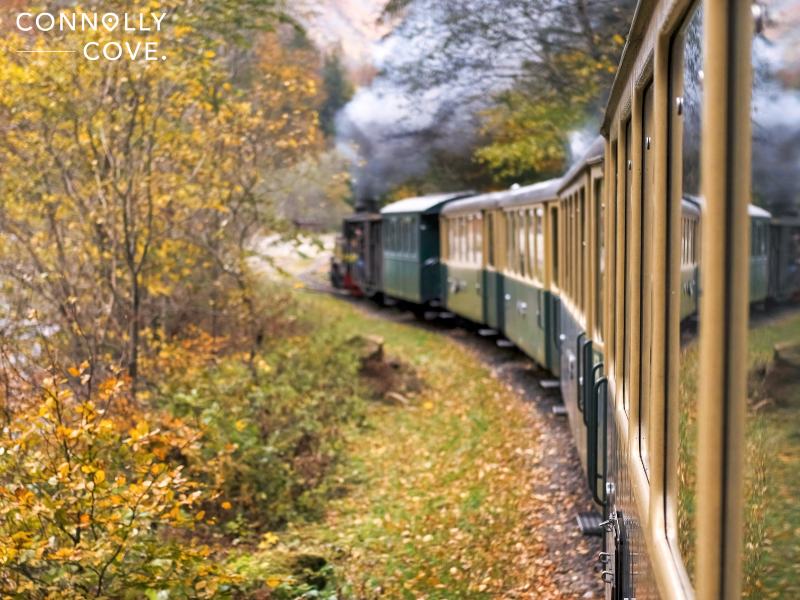
Embark on a thrilling adventure through England by train with this comprehensive two-week itinerary. Visit iconic cities, explore the picturesque countryside, and discover hidden gems along the way. With helpful tips and an extensive rail network at your disposal, this itinerary ensures a seamless and unforgettable journey across the stunning landscapes of England. So, grab your ticket, hop on board, and let the train take you on an incredible exploration of this captivating country.

Exploring The Town of Carrickfergus
County Antrim
29/04/2024

Commercial Court: The Dazzling Lights of Belfast
Northern Ireland
29/04/2024

How to Make a Killy Kiss Cocktail By Killyhevlin Hotel
Northern Ireland
28/04/2024

Middle East Travel Statistics from 2019 to Now
Middle East
28/04/2024

Exploring the Rich Heritage of Mining in Ireland
History and Heritage
28/04/2024