

Sea sickness sufferers, this article may not be for you! This guide is crafted for those who fancy the shimmering waters, warm sunshine, and the perfect blend of relaxation and cultural discovery. Cruise vacations are rising in popularity amongst discerning travellers who seek to explore the world in comfort and style.
Are cruise vacations actually worth the investment of time and money? ConnollyCove dives into this question with a comprehensive guide designed to help you navigate the world of cruising, particularly from a UK and Irish perspective. We’ll explore how to transform what might seem like a floating resort experience into a meaningful cultural journey.
Table of Contents
Why Choose a Cruise Vacation? Beyond the Typical Holiday Experience
Embarking on a cruise vacation is rather like setting sail into a world where convenience meets discovery. For the thoughtful traveller, a cruise offers a distinctive blend of advantages that other holiday styles simply cannot match.
First and foremost is the unrivalled convenience. You unpack just once, yet wake up to a new vista nearly every morning. This efficiency allows you to experience multiple destinations without the constant packing, unpacking, and transit logistics that can drain the joy from travel.
But the true magic of cruising lies in the journey itself. Picture sipping your morning tea as you glide into a historic Mediterranean port, the sun illuminating ancient ruins that have stood for millennia. Or imagine watching the Northern Lights dance across the Arctic sky from the comfort of your private balcony. These moments of wonder, experienced from the unique vantage point of the sea, create memories that land-based holidays rarely offer.
For UK and Irish travellers, cruises present a particularly appealing option. With numerous departure ports around the British Isles – from Southampton and Liverpool to Dublin and Belfast – you can begin your journey without the hassle of air travel. This no-fly option not only reduces your carbon footprint but also eliminates airport stress and baggage restrictions.
“What I’ve always found most remarkable about cruise travel is how it allows visitors to sample destinations like a cultural tasting menu,” notes Ciaran Connolly, founder of ConnollyCove. “You get to experience the essence of multiple places, then decide where you might want to return for a more extended stay.”
Beyond the destinations themselves, modern cruise ships offer exceptional quality and choice in dining, entertainment, and activities. From West End-quality shows to cooking classes with chefs trained in the cuisine of your next port, the onboard experience can be as enriching as your time ashore.
Understanding Cruise Types: Finding Your Perfect Match
The world of cruising is wonderfully diverse, with vessels and voyages to suit virtually every travel preference and budget. Understanding the different cruise types is essential for matching your expectations to the right experience.
Let’s explore the main categories and how they might align with your travel aspirations:
Mega-Ships: Floating Cities of Entertainment
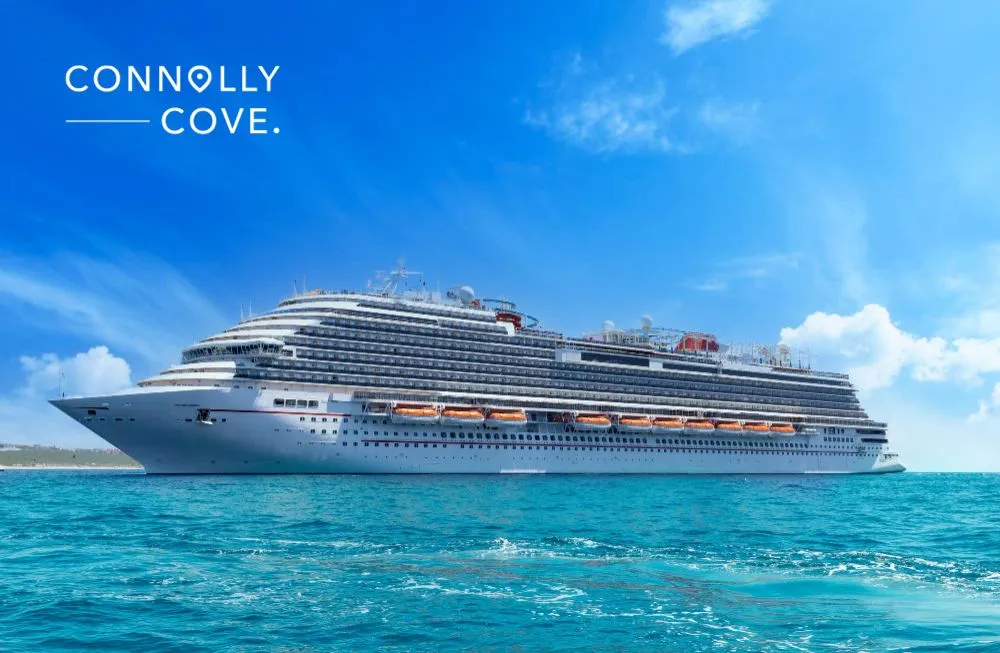
Mega-ships, such as those operated by Royal Caribbean, MSC Cruises, and P&O, are essentially floating cities that can accommodate upwards of 5,000 passengers. These colossal vessels boast an impressive array of amenities and entertainment options.
Onboard, you’ll find everything from multi-storey waterslides and climbing walls to ice-skating rinks and Broadway-style theatres. The dining options are equally varied, with dozens of restaurants ranging from casual buffets to speciality venues curated by celebrity chefs.
These ships excel at providing something for everyone, making them particularly well-suited for multi-generational family holidays or groups with diverse interests. For UK and Irish travellers, lines like P&O Cruises offer the added comfort of British touches – proper tea service, familiar brands, and pricing in pounds sterling.
The cultural trade-off, however, is that these larger ships typically call at major ports that can accommodate their size. Your time in each destination will be shared with thousands of fellow passengers, potentially creating a more touristy experience. That said, with research and planning, cultural authenticity is still achievable even on the largest ships.
Boutique and Luxury Ships: Intimate Cultural Experiences
At the other end of the spectrum are boutique and luxury cruise lines like Azamara, Regent Seven Seas, and Silversea. These ships typically carry between 300 and 900 passengers, creating a more intimate atmosphere.
The focus here shifts from constant entertainment to refined experiences – think gourmet dining, personalised service, and enrichment programmes like guest lectures from historians, writers, and regional experts. The smaller size of these vessels allows them to visit ports that larger ships simply cannot access.
For the culturally curious traveller, these ships offer distinct advantages. Longer stays in port – sometimes overnight – allow you to experience destinations beyond daylight hours, perhaps enjoying an evening orchestral performance in St. Petersburg or dining at a local restaurant in Santorini as the sun sets. The higher staff-to-guest ratio also means more personalised service and attention to detail.
This exclusivity comes at a premium, with luxury cruises costing significantly more than mainstream options. However, many luxury lines include more in their base fare – alcoholic beverages, speciality dining, gratuities, and even shore excursions – potentially offering better value than their price tags might initially suggest.
Expedition Ships: Adventure on the Horizon
For travellers seeking to venture beyond traditional tourist routes, expedition cruising offers an enticing alternative. Companies like Hurtigruten, Ponant, and the UK-based Noble Caledonia specialise in taking small groups of adventurous souls to remote and extraordinary destinations.
Expedition ships are purpose-built for exploration, with reinforced hulls for polar regions or shallow drafts for navigating rivers and coastal waters. While comfortable, these vessels prioritise destination experience over onboard luxury. Expert teams of naturalists, historians, and photographers enhance your understanding of the regions visited.
Imagine zodiac landings in Antarctica, walking among vast penguin colonies, or exploring remote Hebridean islands rich with archaeological treasures. These experiences attract travellers with a passionate interest in natural history, wildlife, photography, or indigenous cultures.
British and Irish adventurers might particularly appreciate expedition voyages around the remote corners of their own isles – the Shetlands, Orkneys, or rugged western Irish coastline – offering new perspectives on familiar lands.
River Cruises: Immersive Cultural Journeys
River cruising has boomed in popularity, particularly among travellers who prioritise cultural immersion. Companies like Viking, Uniworld, and the UK’s Riviera Travel offer journeys along the world’s great waterways – the Rhine, Danube, Douro, Mekong, and Nile among others.
These intimate vessels typically carry fewer than 200 passengers and sail directly into the heart of historic cities and towns. The experience is decidedly different from ocean cruising – more relaxed, with an emphasis on scenic sailing and cultural exploration rather than onboard diversions.
River cruises excel at providing authentic local experiences. You might enjoy a private vineyard tour in France’s Bordeaux region, attend a classical concert in Vienna, or learn to make traditional pastries from a local chef in Budapest. The ships dock in city centres, allowing you to step off and immediately begin exploring.
For British and Irish travellers, the proximity of European river cruise destinations makes them particularly appealing. Many can be reached with a short flight to Amsterdam, Budapest, or Paris, or even by Eurostar for some Seine cruises.
Ocean vs. River Cruises: What’s Right for Your Travel Style?
When deciding between ocean and river cruising, consider your travel priorities. Ocean cruises offer more onboard amenities, entertainment options, and typically visit multiple countries. The ships themselves can be destinations, with numerous activities and dining venues.
River cruises, by contrast, focus on destination immersion, with simpler (though still comfortable) ships and fewer onboard diversions. You’ll spend more time ashore and enjoy the benefit of docking in city centres rather than industrial ports.
Ocean cruising might suit you if you value sea days for relaxation, enjoy a wide range of activities and entertainment, or want to visit multiple countries in a single trip. River cruising might be your preference if you prioritise cultural immersion, prefer smaller groups, or want to explore inland destinations inaccessible to ocean ships.
Neither option is inherently superior – they simply cater to different travel preferences. Many experienced cruisers enjoy both styles, depending on their mood and destination interests.
No-Fly Cruises: Setting Sail Directly from the UK & Ireland
For many British and Irish travellers, the appeal of stepping aboard a ship in their home country and setting sail without airport hassles is immensely appealing. No-fly cruises eliminate baggage restrictions, security queues, and flight delays while reducing your carbon footprint.
The UK and Ireland boast excellent geographical positions for cruising, with easy access to Northern Europe, the Atlantic islands, and even the Mediterranean. Here’s what you need to know about the primary departure ports and popular itineraries:
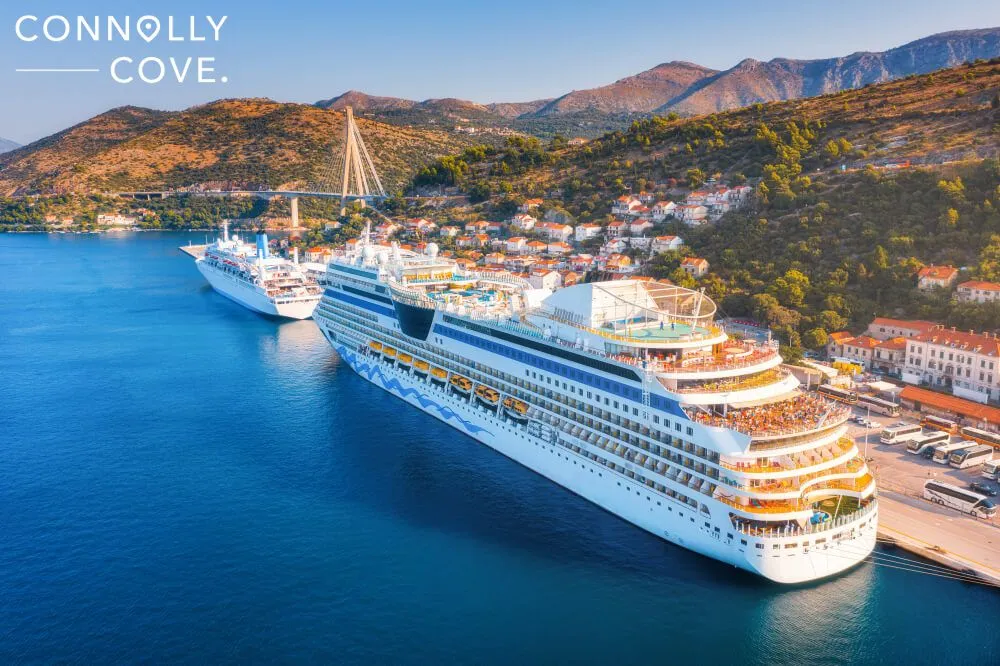
Southampton stands as the UK’s premier cruise port, hosting vessels from P&O Cruises, Cunard, Royal Caribbean, and many others. From here, you can sail to the Norwegian Fjords, the Mediterranean, the Baltic capitals, or even embark on transatlantic crossings to New York or the Caribbean. The port’s excellent facilities and proximity to London (approximately 1.5 hours by train) make it a convenient departure point.
Liverpool offers a particularly special departure experience, with ships often docked right beside the historic UNESCO World Heritage waterfront. Fred Olsen, Cruise & Maritime, and occasionally larger lines operate from Liverpool, with itineraries to Iceland, the British Isles, Norway, and even the Canary Islands. The cultural significance of departing from the same docks that once launched countless liners adds a touch of maritime history to your journey.
Dublin Port provides Irish travellers with convenient access to cruising without crossing to the UK first. While not as busy as Southampton, Dublin hosts ships from lines like Celebrity, Royal Caribbean, and Princess, particularly during the summer season. Popular routes include British Isles cruises, journeys to Iceland, and Atlantic coast voyages to Spain and Portugal.
Edinburgh (Leith and Rosyth) serves Scotland with easy access to Northern European itineraries. The ports’ locations make them ideal starting points for Norwegian Fjord cruises and Baltic explorations.
Dover, Tilbury, Newcastle, and Belfast round out the major UK and Irish departure options, each offering distinctive itineraries based on their geographical position.
When considering a no-fly cruise, seasonal timing becomes particularly important. The summer months (May through September) offer the widest selection of itineraries, especially to Northern Europe, where weather conditions are most favourable. Winter departures focus more on Atlantic islands like Madeira and the Canaries, where sunshine can be found year-round.
For UK and Irish travellers, no-fly cruises often represent excellent value. Without the cost of flights (which can be substantial for families), more of your holiday budget can go toward cabin upgrades or shore excursions. Additionally, many UK-based cruise lines price in pounds sterling, eliminating currency exchange concerns.
The Onboard Experience: Culture, Cuisine, and Entertainment
Life aboard a cruise ship offers a fascinating blend of comfort, discovery, and entertainment that evolves throughout your journey. The onboard experience has transformed dramatically over the past decade, with ships now offering unprecedented quality and variety in cuisine, activities, and cultural enrichment.
Let’s explore the key elements that make up your floating home:
Dining Experiences: From Casual to Gourmet
The culinary landscape on modern cruise ships goes far beyond the stereotypical buffet (though the buffets themselves have evolved into impressive multi-station affairs with freshly prepared specialities). Today’s ships feature multiple dining venues that often reflect the regions you’re visiting.
On mainstream lines like P&O, Royal Caribbean, and MSC, you’ll typically find a main dining room offering multi-course dinners with changing menus, along with numerous speciality restaurants ranging from steakhouses and Italian trattorias to Asian fusion and experimental dining concepts. Many ships sailing from the UK now include proper afternoon tea service, Sunday roasts, and British favourites alongside international cuisine.
Luxury and premium lines elevate the experience further with partnerships with renowned chefs. Cunard, for example, features menus designed by the acclaimed Michel Roux Jr., while Viking’s restaurants serve regionally inspired cuisine that changes with your itinerary.
For the culturally curious traveller, look for ships that offer cooking demonstrations, wine tastings, or chef-led market tours in port. These experiences connect the ship’s cuisine with local food traditions, adding depth to your culinary journey.
Entertainment and Activities: Beyond the Ordinary
Entertainment at sea has evolved far beyond lounge singers and shuffleboard (though both still have their place!). Today’s ships feature West End-quality productions, immersive theatre experiences, and performances by guest entertainers ranging from comedians to classical musicians.
Activity options are equally diverse. You might start your day with yoga on deck as the sun rises over the Mediterranean, spend your afternoon learning watercolour painting or joining a history lecture, and end your evening with stargazing guided by an onboard astronomer.
British and Irish guests might particularly appreciate the distinct entertainment styles of different cruise lines. P&O and Cunard tend toward British sensibilities with quiz nights, ballroom dancing, and theatrical productions familiar to UK audiences. American lines like Royal Caribbean and Norwegian feature more high-energy shows and activities.
Family-friendly lines offer structured programmes for children and teens, allowing parents to enjoy adult-oriented activities knowing their children are safely engaged. For multi-generational families, this can be particularly valuable.
Amenities and Facilities: Comfort at Sea
The range of amenities on modern cruise ships is remarkable, with variations based on ship size and target demographic. Most vessels offer multiple swimming pools (some adults-only for peaceful relaxation), fitness centres, spas, and wellness facilities.
Accommodations range from practical inside cabins (excellent for budget-conscious travellers who plan to spend most of their time in public areas) to elaborate suites with private balconies, butler service, and exclusive access to premium restaurants and lounges.
UK and Irish travellers should note that certain amenities vary by cruise line. British-oriented lines typically include kettles for in-room tea making – a small but significant comfort many Brits and Irish consider essential!
Cultural Enrichment: Learning While Travelling
One of the most overlooked aspects of cruising is the opportunity for cultural enrichment onboard. Many lines, particularly those focused on destination immersion, offer programmes designed to deepen your understanding of the regions you’re visiting.
Viking and Azamara, for example, feature lectures from historians, naturalists, and regional experts who provide context before port visits. Cunard’s famous Insights programme brings aboard notable speakers from various fields – authors, politicians, scientists, and explorers – for talks and Q&A sessions.
Look for ships that bring local performers aboard while in port – perhaps a flamenco troupe in Spain, Greek folk dancers, or Norwegian musicians. These cultural touchpoints extend your understanding beyond the standard shore excursion.
Language lessons related to upcoming ports, destination-focused films, and curated reading lists can further enhance your cultural journey. The best cruise lines view their ships not merely as transportation or floating hotels, but as vehicles for a deeper understanding of the world’s diverse cultures.
Top 5 Cultural Cruise Destinations
While cruise vacations can take you nearly anywhere touched by water, certain destinations stand out for their cultural richness and diversity of experiences. Here are five destinations that offer particularly rewarding journeys for the culturally curious traveller:
The Caribbean: Beyond Beaches to Cultural Richness
The Caribbean offers far more than the postcard-perfect beaches it’s famous for. This region represents a complex tapestry of cultures shaped by indigenous peoples, European colonisation, the African diaspora, and East Indian migration.
Each island has its own distinctive history and cultural character. In Jamaica, venture beyond the resorts to explore the heritage of Rastafarianism, reggae music, and the maroon communities of former escaped slaves. In Cuba, wander the streets of Old Havana to admire colonial architecture and experience the island’s vibrant musical traditions.
The small island of Dominica offers encounters with the Kalinago people, the Caribbean’s last indigenous population living in their own territory. Throughout the region, local markets, historical sites, and museums provide windows into the complex histories and living traditions of these diverse islands.
For UK travellers, P&O and Marella offer Caribbean sailings directly from Southampton (though these longer voyages typically include several sea days crossing the Atlantic). Alternatively, fly-cruise options with British Airways or Virgin Atlantic packages minimise the hassle of international connections.
The Mediterranean: A Living Museum of History
The Mediterranean represents perhaps the world’s greatest concentration of historical treasures and artistic heritage, all accessible via cruise ship. From the ancient ruins of Rome and Athens to the Renaissance splendours of Florence and Venice, this region offers an unparalleled journey through human civilisation.
Beyond the famous highlights, lesser-known Mediterranean ports offer distinctive cultural experiences. Explore the Arabic influences in Sicily, wander the medieval streets of Kotor in Montenegro, or discover the Minoan ruins of Crete. The French Riviera offers a glimpse into the lives of artists inspired by its distinctive light, while Spain’s diverse regions showcase everything from Moorish architecture to avant-garde gastronomy.
For British and Irish travellers, Mediterranean cruises are particularly accessible, with departures from Southampton that eliminate the need for flying. These typically sail through the Bay of Biscay and around the Iberian Peninsula, with early ports in Spain or Portugal before reaching the Mediterranean proper.
During spring and autumn, the Mediterranean offers ideal conditions – pleasant temperatures and fewer crowds than the summer high season. This timing allows for more comfortable exploration of archaeological sites and historic city centres.
Alaska: Wildlife and Indigenous Heritage
Alaska represents nature at its most majestic – towering glaciers, dense forests, and abundant wildlife including bears, whales, and eagles. Beyond these natural wonders, Alaska offers rich indigenous heritage and a frontier history unlike anywhere else.
In ports like Ketchikan, Sitka, and Juneau, you can experience the cultures of the Tlingit, Haida, and Tsimshian peoples through visits to cultural centres, totem parks, and craft workshops. Many cruise lines arrange for cultural performances and demonstrations of traditional skills from carving to basket weaving.
The gold rush history adds another fascinating layer to Alaska’s story, particularly evident in Skagway, where the White Pass & Yukon Route Railroad follows the path of gold-seekers into the rugged interior.
For UK and Irish travellers, Alaska requires long-haul flights to Seattle or Vancouver to join the cruise. However, the unique experiences justify the journey for those interested in wilderness, wildlife, and indigenous cultures.
The Alaskan cruise season runs from May through September, with wildlife viewing opportunities varying throughout this period. June and July offer the best chances for wildlife sightings, while late August begins the autumn colours.
Norwegian Fjords: Natural Wonders and Viking History
Norway’s spectacular fjords offer some of Europe’s most dramatic landscapes – sheer cliffs rising from deep blue waters, cascading waterfalls, and picturesque villages nestled along narrow shorelines. This natural grandeur is complemented by Norway’s fascinating cultural heritage, from ancient Viking settlements to distinctive folk traditions.
The art nouveau architecture of Ålesund, the Hanseatic heritage of Bergen, and the stave churches scattered throughout the region provide cultural counterpoints to the natural splendour. Many fjord cruises include visits to traditional farms where you can sample local cuisine and learn about rural Norwegian life.
For history enthusiasts, the Viking Ship Museum in Oslo and archaeological sites like Avaldsnes offer insights into Norway’s seafaring past. The country’s maritime heritage continues today in fishing villages where centuries-old traditions persist alongside modern innovations.
For UK travellers, Norwegian fjord cruises represent one of the most accessible international itineraries, with departures from Southampton, Dover, Newcastle, and Edinburgh. Sailing time to the first Norwegian ports is typically just 1-2 days, making even week-long itineraries feasible.
The optimal season for fjord cruises runs from late spring through early autumn. May and June offer the spectacle of snowmelt feeding the waterfalls, while the summer months bring the midnight sun and hiking opportunities in the highlands above the fjords.
South Pacific Islands: Polynesian Traditions and Natural Beauty
The islands of the South Pacific offer an intoxicating blend of natural beauty and living Polynesian cultures. From the volcanic peaks of French Polynesia to the coral atolls of the Cook Islands, this region presents landscapes of breathtaking beauty alongside some of the world’s most distinctive cultural traditions.
In ports like Papeete (Tahiti), Bora Bora, and Moorea, you can experience traditional dance performances, visit marae (sacred sites), and learn about ancient navigation techniques that allowed Polynesians to cross vast ocean distances. Many islands maintain vibrant traditions of craftsmanship in woodcarving, weaving, and tapa cloth making.
Cultural experiences might include traditional earth oven feasts, kava ceremonies, or demonstrations of outrigger canoe handling. The region’s colonial history – primarily British and French – adds another layer of cultural complexity to explore.
For UK and Irish travellers, the South Pacific requires significant investment in time and travel, typically involving flights to Australia or New Zealand to join the cruise. However, the extraordinary cultural and natural experiences make this a bucket-list destination for many.
The best timing for South Pacific cruises falls during the dry season (May to October), which offers pleasant temperatures and clearer waters for snorkelling and diving among the region’s spectacular coral reefs.
Practical Guide for UK & Irish Travellers
Planning a cruise requires consideration of numerous practical elements, from selecting the right itinerary to understanding costs and preparing for embarkation. For UK and Irish travellers, certain considerations are particularly relevant.
This section provides tailored advice to help you navigate the planning process with confidence:
What to Pack: Essentials for Every Cruise Type
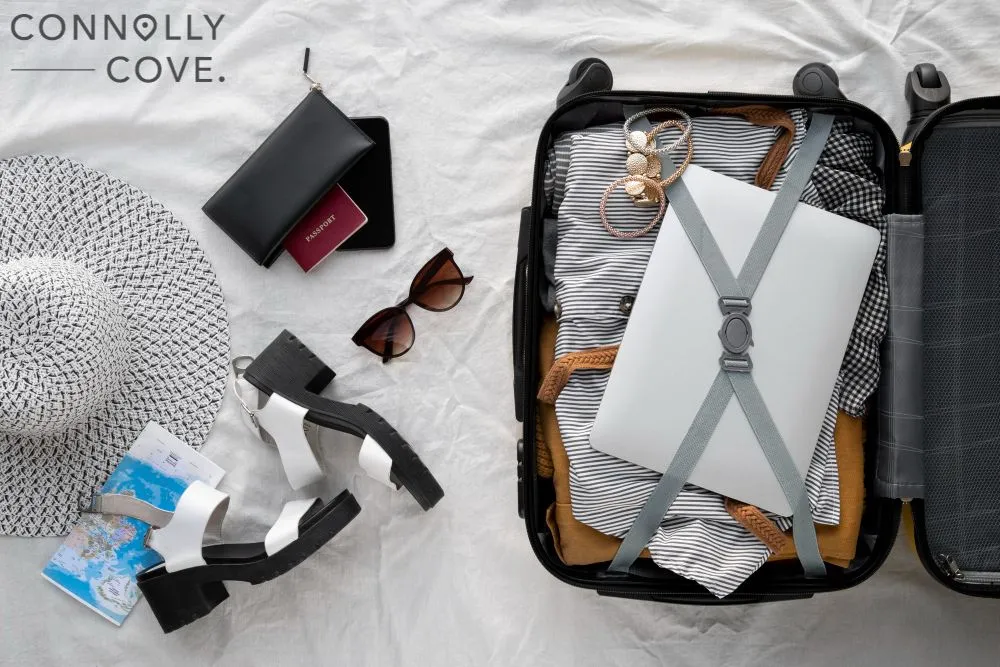
Packing for a cruise requires balancing preparedness with practicality, especially given cabin storage limitations. Begin with the essentials: comfortable daywear for exploring ports and onboard activities, eveningwear appropriate for your ship’s dress code, and swimwear for pools and beaches.
For UK and Irish departures, weather adaptability is crucial. Even summer sailings from Southampton or Liverpool can begin with chilly, windy conditions, so layered clothing is advisable. For Mediterranean cruises, lightweight fabrics and sun protection are essential, while Baltic or Norwegian itineraries call for warmer options and waterproofs.
Formal nights vary significantly by cruise line. Cunard maintains the most traditional approach, with black tie recommended for gala evenings. P&O and Princess have “formal optional” nights where many guests dress up, but it’s not strictly required. American lines like Royal Caribbean and Norwegian have largely relaxed formal requirements, though people still enjoy dressing up for speciality restaurants.
Don’t forget cruise-specific items like magnetic hooks (handy for organising cabin space), a small torch (for reading without disturbing companions), and a refillable water bottle. British travellers should note that while UK ships typically provide kettles, American lines usually don’t – a travel kettle might be worth packing if your tea ritual is non-negotiable!
Medication supplies deserve special attention. Bring sufficient prescription medications plus basics like paracetamol, anti-nausea remedies, and plasters. The ship will have a medical centre, but prices can be steep for items easily packed from home.
Choosing the Right Cruise: Factors That Matter
Selecting the ideal cruise involves matching your preferences with the right ship, itinerary, and timing. Consider these key factors:
Cruise line personality varies significantly. British lines like P&O, Cunard, and Fred Olsen cater to UK tastes with familiar food, entertainment, and onboard currency in sterling. American lines offer different atmospheres – Carnival focuses on fun and activities, while Celebrity emphasises modern luxury. Research the demographic and atmosphere of various lines to find your best match.
Itinerary planning should balance port visits with sea days. Port-intensive itineraries offer more destinations but can become exhausting without breaks. Sea days provide relaxation and time to enjoy ship amenities. For first-time cruisers, Mediterranean itineraries often provide an ideal mix of fascinating ports with manageable sailing distances between them.
Cabin selection impacts both budget and experience. Inside cabins offer savings for travellers who plan to spend minimal time in their rooms. Balcony cabins provide private outdoor space – particularly valuable in scenic regions like Norway or Alaska. For those prone to motion sickness, mid-ship cabins on lower decks experience less movement.
Sailing season significantly affects both price and experience. School holiday periods command premium prices but offer family-friendly programming. Shoulder seasons (May/June and September/October) often provide the best value with pleasant weather and fewer crowds in port.
Budgeting in GBP/EUR: Understanding the True Cost
Cruise pricing can be complex, with significant variations in what’s included in the base fare. For UK and Irish travellers, understanding the complete cost picture is essential for accurate budgeting.
Base fares typically include accommodation, meals in main restaurants, entertainment, and basic activities. UK-departing cruises are priced in pounds sterling, eliminating currency conversion concerns.
Additional costs vary by cruise line. Expect to budget for:
- Gratuities: Typically £7-12 per person per day, sometimes pre-paid
- Drinks: Unless you’re on a premium line or all-inclusive package
- Speciality dining: £15-40 per person per restaurant
- Shore excursions: £30-150+ per person, depending on the activity
- Spa treatments and premium activities
- Internet packages: Though these are increasingly included with higher-tier fares
Package options often represent good value. Drink packages on mainstream lines typically cost £25-50 per day, which is worthwhile if you’ll have more than a few beverages daily. Dining packages bundle multiple speciality restaurant visits at a discount. Pre-booking excursions online before sailing typically saves 10-15% compared to onboard prices.
Onboard currency varies by cruise line. British lines operate in pounds sterling, while most American lines use US dollars. When sailing from the UK on international lines, check whether your onboard account will be charged in pounds or dollars to avoid surprises.
For a typical 7-night Mediterranean cruise from the UK on a mainstream line like P&O, budget approximately:
- Base fare: £700-1,200 per person in a balcony cabin
- Gratuities: £70-85 if not pre-paid
- Drinks package: £175-350 if purchased
- Speciality dining: £60-120 for 2-3 special meals
- Shore excursions: £200-400 depending on activities chosen
- Miscellaneous: £100-200 for spa, photos, etc.
Premium and luxury lines like Cunard, Oceania, or Regent include more in their base fares, with some offering truly all-inclusive experiences where even shore excursions are covered. While these command higher upfront prices, the value proposition improves when you calculate what would be additional costs on mainstream lines.
Planning for Port Days: Making the Most of Limited Time
Port days present both opportunity and challenge – the chance to explore fascinating destinations balanced against limited time (typically 8-10 hours). Strategic planning ensures you experience authentic culture beyond tourist hotspots.
Research before you sail. Understanding the geography, history, and cultural highlights of each port allows for more meaningful exploration. ConnollyCove’s destination guides can provide valuable context for major cruise ports.
Consider transportation options. Cruise terminals are often located in industrial areas outside city centres. Research whether public transportation, taxis, or cruise line shuttles are available and appropriate. In some ports like Civitavecchia (for Rome), pre-booking private transfers can save significant time versus ship excursions.
Balance ship excursions with independent exploration. Ship-organised excursions offer convenience and guarantee the ship won’t leave without you. However, they often follow predictable routes with limited cultural immersion. For first-time visitors to complex cities like Rome or Athens, a ship excursion might provide helpful orientation. For return visitors or simpler destinations, independent exploration often yields more authentic experiences.
Seek out local experiences. Research local markets, neighbourhoods, or experiences beyond the usual tourist trail. Perhaps find a local cooking class in Palma de Mallorca, visit a small family-run vineyard outside Bordeaux, or arrange a private guide to show you hidden corners of Amsterdam.
Be realistic about timing. It’s better to experience a few things deeply than to rush through many superficially. Account for distance from port, transportation time, queues at popular attractions, and building in a substantial safety margin for returning to the ship.
Disembarkation and Post-Cruise Travel: Smooth Transitions
The end of your cruise requires as much planning as the beginning to ensure a smooth transition back to everyday life – or onto your next adventure.
Disembarkation procedures typically involve leaving your luggage outside your cabin the night before, then departing the ship in assigned groups the following morning. UK and Irish ports generally handle this efficiently, but expect to vacate your cabin early (around 8am) even if your disembarkation time is later.
Transportation from the port should be arranged in advance. For Southampton, pre-booked coaches to London or major airports are efficient options. If you’ve parked at the port, allow plenty of time for collection procedures. Taxis can be scarce when thousands of passengers disembark simultaneously, so pre-booking is advisable.
Post-cruise extensions can ease the transition while adding value to your holiday. Consider spending a night or two in your disembarkation city to explore at a relaxed pace. For example, after a Norwegian fjords cruise ending in Bergen, an extra day allows time to ride the funicular for spectacular views and explore the historic Bryggen district.
Documentation and customs processes for UK/Irish travellers returning to home ports are straightforward, but prepare your passport and completed customs declaration form (if required) before disembarkation to avoid delays.
Sustainable Cruising: Making Responsible Choices
The cruise industry faces significant environmental challenges, from air emissions to waste management. However, substantial progress is being made, and conscientious travellers can support more sustainable practices through informed choices.
Environmental Impact: Modern cruise ships have dramatically reduced their environmental footprint through advanced technologies. Newer vessels use liquefied natural gas (LNG), which produces significantly fewer emissions than traditional marine fuels. Exhaust gas cleaning systems (scrubbers) and advanced wastewater treatment plants further reduce environmental impact.
Despite these improvements, cruising – like all forms of tourism – has environmental costs. Large ships in sensitive marine environments can disturb wildlife and contribute to overtourism in popular ports. Being aware of these impacts allows you to make more responsible choices.
Choosing Greener Options: When selecting a cruise line, research their environmental policies and track record. Lines like Hurtigruten, which has introduced hybrid-electric expedition ships, and Viking, with energy-efficient vessel design, demonstrate stronger commitment to sustainability. Look for certifications like the DNV GL Clean Ship notation that indicate adherence to strict environmental standards.
Itinerary selection also influences sustainability. Smaller ports often benefit more from tourism revenue while experiencing less environmental stress than overtouristed destinations. Northern European cruises generally have a lower environmental impact than Caribbean or Mediterranean routes simply due to shorter distances between ports.
Responsible Practices: As a passenger, you can reduce your cruise footprint through thoughtful choices. Use refillable water bottles instead of disposable plastics, decline daily towel changes, and be mindful of food waste at buffets. During port visits, support local businesses, respect cultural sites, and choose activities with minimal environmental impact.
“At ConnollyCove, we believe that sustainable travel isn’t about giving up experiences but making better choices,” says Ciaran Connolly. “The most responsible cruisers are those who research their options, support progressive companies, and engage respectfully with local communities in each port.”
The future of cruising is trending toward greater sustainability, with innovations like shore power (allowing ships to turn off engines while in port), advanced hull designs that reduce fuel consumption, and even plans for zero-emission vessels. By supporting cruise lines making genuine environmental commitments, travellers help accelerate this positive change.
Frequently Asked Questions About Cruise Vacations
Are cruise vacations a good value for money?
Cruise vacations can offer excellent value when you consider what’s included. Accommodation, meals, entertainment, and transportation between destinations are covered in your fare. Premium and luxury lines include even more, sometimes making them better value than their higher prices might suggest. The key is understanding exactly what’s included and budgeting for extras like drinks, speciality dining, and shore excursions.
What’s the best cruise line for first-time cruisers from the UK?
P&O Cruises is often recommended for British first-timers, offering a familiar environment with British currency, food, and entertainment. Their ships range from adults-only vessels to family-friendly options. Other good choices include Marella (formerly Thomson) for budget-conscious travellers and Royal Caribbean for those seeking plenty of onboard activities and entertainment.
How can I avoid seasickness on a cruise?
Choose your itinerary and cabin wisely. Calmer waters are found in the Mediterranean and Caribbean, while mid-ship cabins on lower decks experience less motion. Modern stabilisation systems make large ships remarkably steady, but if you’re concerned, consider bringing seasickness remedies like ginger tablets or acupressure bands. Prescription patches are available for those who know they’re vulnerable.
How formal are cruises? Do I need to dress up?
Formality varies significantly by cruise line. Cunard maintains the most traditional approach with formal nights where many guests wear black tie. P&O and Princess have become more relaxed but still include optional formal nights. Lines like Norwegian embrace “freestyle cruising” with no formal nights at all. Research your specific ship’s dress code before packing.
Is cruising suitable for solo travellers?
Cruising can be excellent for solo travellers, offering a balance of social opportunities and independent exploration. Some challenges include single supplements (paying extra for sole occupancy of a double cabin) and dining arrangements. Look for ships with solo cabins (P&O, Norwegian, and Royal Caribbean offer these on certain vessels) and cruise lines that host solo traveller meetups or have dedicated hosts for single guests.
How environmentally friendly are cruise ships?
The environmental impact of cruising has improved significantly with newer ships. Modern vessels feature advanced emission control systems, waste management technology, and more efficient propulsion. Some now run on liquefied natural gas (LNG), which is cleaner than traditional marine fuels. However, cruising still has environmental costs, and conscientious travellers should research cruise lines’ environmental policies and choose those making genuine sustainability commitments.
Conclusion: Setting Your Course for Cruise Adventures
Cruise vacations offer a remarkable blend of convenience, variety, and value that few other holiday styles can match. From the cultural treasures of the Mediterranean to the natural splendours of Norway and Alaska, the world’s most fascinating destinations become accessible through these floating havens of comfort and discovery.
For UK and Irish travellers, the convenience of domestic departure ports and the increasing range of no-fly options make cruising particularly appealing. Whether you’re seeking multi-generational family fun, cultural immersion, or peaceful luxury, there’s a cruise experience perfectly matched to your preferences.
As you plan your voyage, remember that the most rewarding cruise experiences come from thoughtful preparation – researching destinations, understanding your ship’s offerings, and planning meaningful port experiences that go beyond the tourist track. This investment in preparation pays dividends in deeper, more authentic travel experiences.
The cruise industry continues to evolve, with greater emphasis on destination immersion, cultural enrichment, and environmental responsibility. By supporting cruise lines that prioritise these values, travellers help shape a more sustainable and culturally respectful future for cruise tourism.
Ready to set sail? Explore ConnollyCove’s destination guides for detailed insights on many popular cruise ports, or contact a cruise specialist to help match you with your ideal voyage. Bon voyage!