

Skip to content

The Middle East is a geographical region that extends from West Asia to North Africa. It is a region of profound historical, cultural, and geographical significance that beckons travellers with its landscapes, traditions, and treasures.

Spanning from the shores of the Mediterranean to the deserts of Arabia, the Middle East comprises a diverse array of countries, each offering its own unique blend of ancient heritage and modern dynamism. The region is adorned with a wealth of tourist attractions that will leave every tourist in awe.

Interior of Sultan Ahmed Mosque Blue Mosque Istanbul Turkey
The Middle East is a very culturally rich destination.

In this blog, we travel through the Middle East, exploring its countries and uncovering the myriad wonders that make it a captivating destination for travellers seeking adventure, enlightenment, and cultural immersion.

Scroll down to read through the article, or click on one of the highlighted sections below to jump ahead!

Turkey Flag
The Turkish Flag

The Countries that Make up the Middle East

The Middle East is home to numerous civilisations and empires that originated there. For example, the Pharaonic Empire in Egypt is the world’s first and oldest civilisation. After that, powerful civilisations emerged, including the Persians and Greeks, and then came the Roman civilisation. All of them grew up in the Middle East.

Today, the Middle East includes several Asian countries, including Cyprus, Syria, Iraq, Turkey, Jordan, Lebanon, Iran, Yemen, Kuwait, Oman, Saudi Arabia, the United Arab Emirates, Qatar, and Bahrain. It also extends to the continent of Africa, including Egypt.

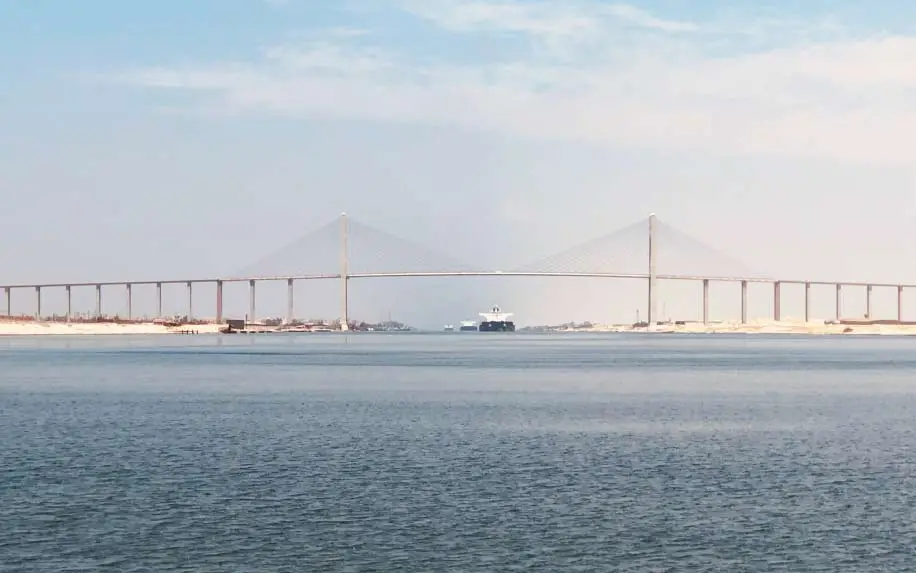
The Middle East is bounded on the north by the Black and Caspian Seas, on the northwest by the Mediterranean Sea, on the west by the Red Sea, and on the south by the Gulf of Aden and the Arabian Sea. The Middle East is a connecting point between Asia and Africa, located at the Suez Canal in Egypt.

What Languages Are Spoken in the Middle East?

Due to its rich cultural and historical heritage, the Middle East is a diverse region with numerous languages. Arabic is the most prominent language, serving as the native language across much of the region and as the official language in countries like Saudi Arabia, Egypt, and Iraq.

Persian is commonly spoken in Iran, Afghanistan, and Tajikistan. Turkish, predominantly spoken in Turkey, also extends into parts of Syria, Iraq, and Iran. Kurdish, with its various dialects, is spoken in enclaves spread across Turkey, Iraq, Iran, and Syria.

English Arabic Bible
A bible in English and Arabic

Hebrew, revived as the language of Israel, echoes ancient roots and modern vibrancy. Additionally, languages like Armenian, Assyrian Neo-Aramaic, and Azerbaijani, among others, further enrich the linguistic landscape.

What Religions are Practised in the Middle East?

The Middle East is the birthplace and epicentre of several major world religions. Foremost among these is Islam, which predominates across much of the region. Divided into various sects, such as Sunni and Shia, Islam guides the lives of millions, with sacred sites like Mecca and Medina in Saudi Arabia holding immense spiritual importance.

Christianity also has deep roots in the Middle East, particularly in countries such as Lebanon, Egypt, and Syria, where ancient Christian communities trace their heritage to the earliest days of the faith. Additionally, smaller religious communities, such as the Druze, Yazidis, and various Christian and Islamic sects, contribute to the variety of beliefs and practices found throughout the Middle East.

Judaism, with its historical connection to the land of Israel, is a central aspect of the region’s religious landscape, with Jerusalem holding sacred significance for Jews worldwide. These religions make the Middle East a great place to explore sacred sites and learn more about different faiths.

Dubai Road
The luxurious streets of Dubai

What Are the Most Iconic Attractions in the Middle East?

The Middle East is full of beautiful places anyone would love to see and explore, from ancient ruins and museums to beaches. However, some destinations across the Middle East have drawn more global tourists than others and are definitely worth adding to your itinerary.

Ancient Wonders

The area is home to 3 of the Seven Wonders of the Ancient World. The most iconic is the Great Pyramid of Giza in Egypt. It is an architectural marvel and the only surviving wonder of the ancient world. Built over 4,500 years ago as a tomb for the Pharaoh Khufu, it mesmerises visitors from around the globe.

Another Wonder found in the Middle East is the Hanging Gardens of Babylon. According to ancient accounts, these magnificent gardens were built in the ancient city of Babylon, located in present-day Iraq, during the reign of King Nebuchadnezzar II in the 6th century BCE.

The Lighthouse of Alexandria, also known as the Pharos of Alexandria, was erected on the island of Pharos in the harbour of Alexandria, Egypt, around the 3rd century BCE. This towering structure once soared to over 100 meters, making it one of the tallest man-made structures of its time.

Constructed under the Ptolemaic Kingdom, the lighthouse also served as a symbol of the city’s prosperity and intellectual vibrancy. Alexandria was renowned as a centre of learning and culture in the ancient Mediterranean world. However, earthquakes in the 14th century eventually destroyed the lighthouse.

Shore of alexandria egypt
The shores of Alexandria, Egypt

Other Famous Attractions in the Middle East

Another extraordinary site is Petra in Jordan, an ancient city carved into rose-red cliffs. This UNESCO World Heritage Site flourished as the capital of the Nabatean Kingdom around 300 BCE and is renowned for its intricate rock-cut architecture and stunning natural surroundings.

Moving to Iran, the ancient city of Persepolis is a testament to the grandeur of the Achaemenid Empire. Constructed over 2,500 years ago, this ceremonial capital showcases impressive ruins, including the Gate of All Nations and the Apadana Palace, offering a glimpse into the opulence of Persian civilisation.

In Saudi Arabia, the Nabatean archaeological site of Al-Hijr, also known as Madain Saleh, boasts well-preserved tombs, dwellings, and inscriptions carved into sandstone cliffs, offering insight into ancient Arabian life.

Additionally, the historical city of Jerusalem holds immense significance for multiple faiths, with sites like the Dome of the Rock, the Western Wall, and the Church of the Holy Sepulchre drawing pilgrims and tourists alike. Its rich layers of history and spiritual importance make it a truly remarkable destination.

When is the Best Time to Visit the Middle East?

The best time to visit the Middle East largely depends on the specific country or region you plan to explore, as the climate varies considerably across the region. Generally, the spring months of March to May and the autumn months of September to November are considered the most favourable times to visit many parts of the Middle East.

UAE Fog
Dubai is shrouded in fog.

The slow season for tourism in the Middle East varies across countries and regions, driven by differences in climate, cultural events, and other factors. On average, the summer months (June to August) tend to be slower for tourism in many parts of the Middle East due to extreme heat, particularly in desert regions such as the Arabian Peninsula and parts of North Africa.

Travellers often prefer to avoid these months because of the high temperatures, which can make outdoor activities uncomfortable and sightseeing less enjoyable. Additionally, Ramadan, the Islamic holy month of fasting, can also be a quieter period for tourism in some countries, as many locals observe fasting and businesses often alter their operating hours.

What is the Climate like in the Middle East?

The Middle East generally experiences hot and dry summers, mild winters, and relatively short transitional seasons. Spring and autumn are typically considered the best seasons for tourists to visit the Middle East, thanks to milder temperatures and more comfortable weather for outdoor activities and sightseeing.

In the spring (March to May), temperatures in many parts of the Middle East are pleasant, with daytime highs ranging from mild to warm. Spring is an excellent time to visit, as temperatures are comfortable for outdoor activities and many tourist sites are less crowded than in the peak summer months.

During the summer (June to August), temperatures soar across much of the Middle East, especially in desert regions like the Arabian Peninsula, where temperatures can regularly exceed 40°C (104°F). Coastal areas and higher elevations tend to be slightly cooler but still experience high temperatures. Due to the extreme heat, summer is generally not the best time for tourists to visit, especially for outdoor activities.

Kuwait
Summer temperatures in the Middle East get hot.

In the autumn (September to November), temperatures begin to cool down from the scorching summer heat. Autumn is another favourable time to visit the Middle East, with mild to warm temperatures making it comfortable for sightseeing and outdoor adventures.

Winter (December to February) brings cooler temperatures to many parts of the Middle East, particularly in higher elevations and northern regions. Coastal areas and desert regions can still experience mild temperatures during the winter months. Winter can be a pleasant time to visit, especially for travellers interested in exploring historical sites and cultural attractions, though some desert destinations may be more fabulous then.

Egypt

Egypt is located in northeastern Africa and borders the Mediterranean Sea, the Red Sea, and the Gulf of Aqaba. Its Asian extension is represented in the Sinai Peninsula. Egypt is one of the most visited countries in the Middle East, home to two-thirds of the world’s monuments. Besides that, it has weather and beaches that many tourists enjoy year-round.

Pyramid
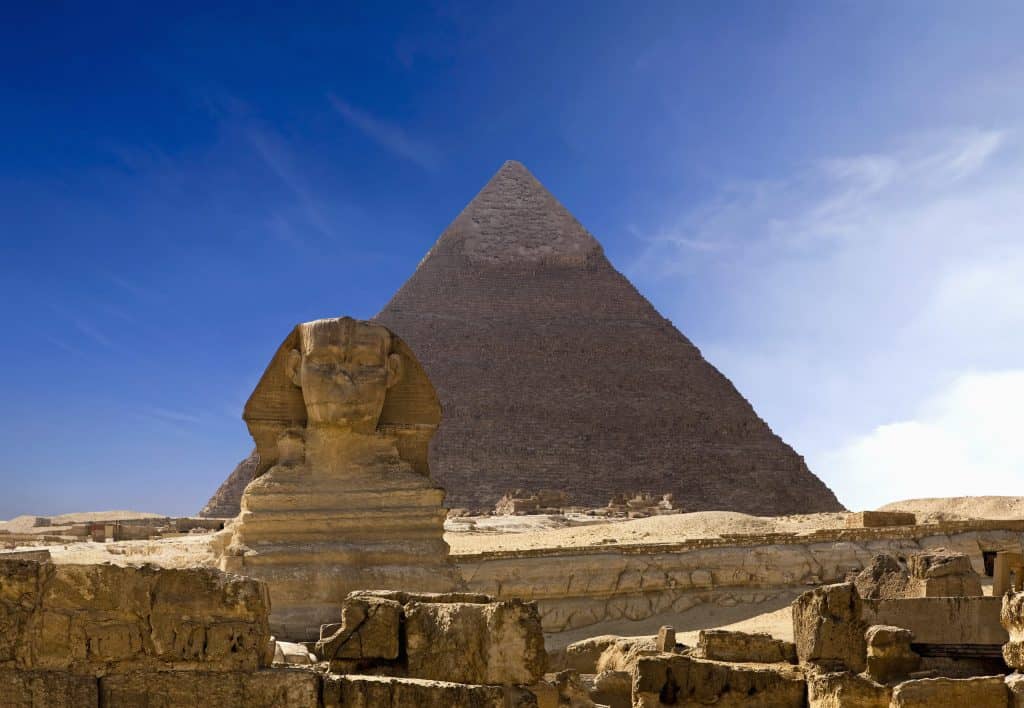
A Sphinx and Pyramid in Egypt

The most essential attractions in Egypt are the Great Pyramids of Giza, which consist of Khufu, Khafre, and Menkaure. The pyramid of Khufu is the largest one and is considered one of the Seven Wonders of the World. Another famous attraction is the Temple of Abu Simbel, which comprises two temples carved into the rock and built during the reign of King Ramses II. It is located in Aswan, in southern Egypt.

The United Arab Emirates

The United Arab Emirates is located in the southeastern region of the Arabian Peninsula. It is considered one of the most famous tourist destinations in the region, and tourists come to experience the country’s traditions and enjoy safari trips, beaches, and shopping at malls spread across the country.

Middle East
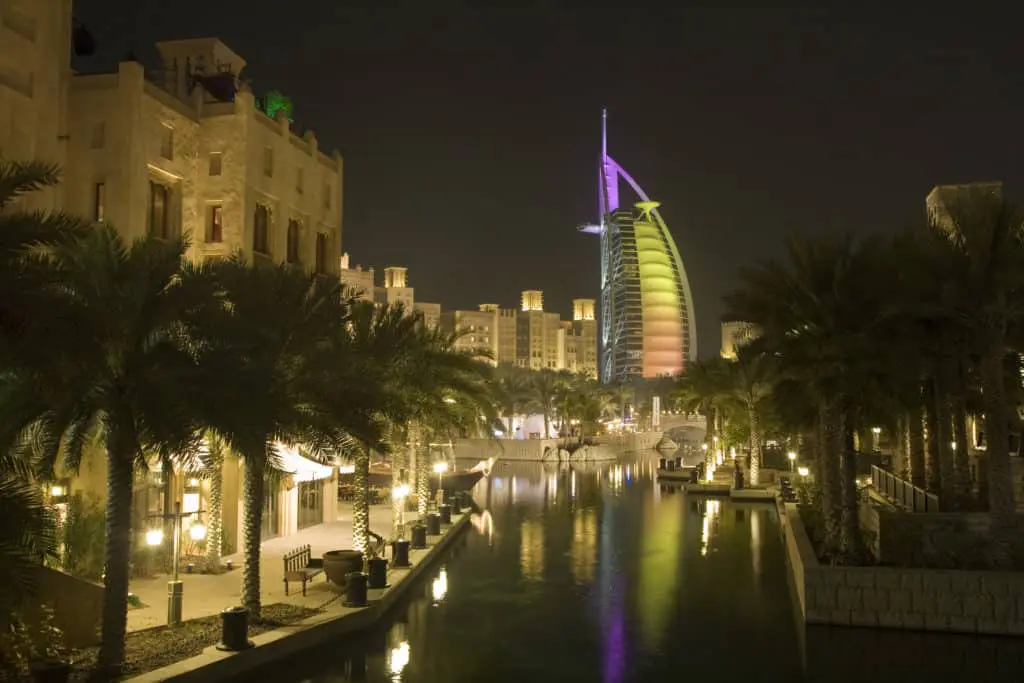
Beautifully lit Burj Al-Arab, Dubai, UAE, the Middle East

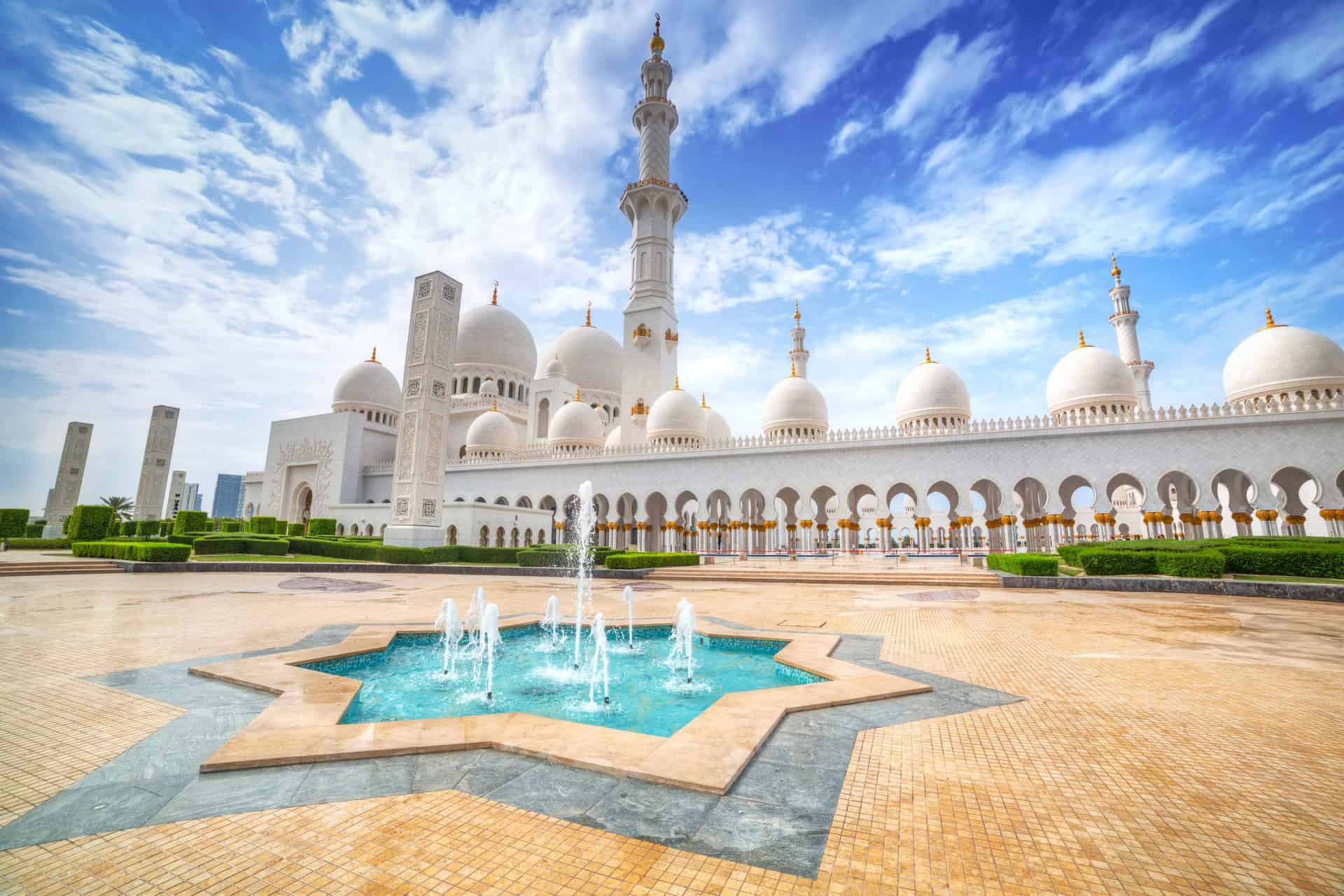
The top attraction located in the United Arab Emirates is the Sheikh Zayed Grand Mosque in Abu Dhabi. It is considered one of the largest mosques in the world, and it was designed impressively. It was named after Sheikh Zayed, the founder of the United Arab Emirates.

Another attraction, but this time located in Dubai, Burj Al Arab is one of the most famous places there. It opened in 1999 on an artificial island and is one of the best places to enjoy restaurants underwater.

Qatar

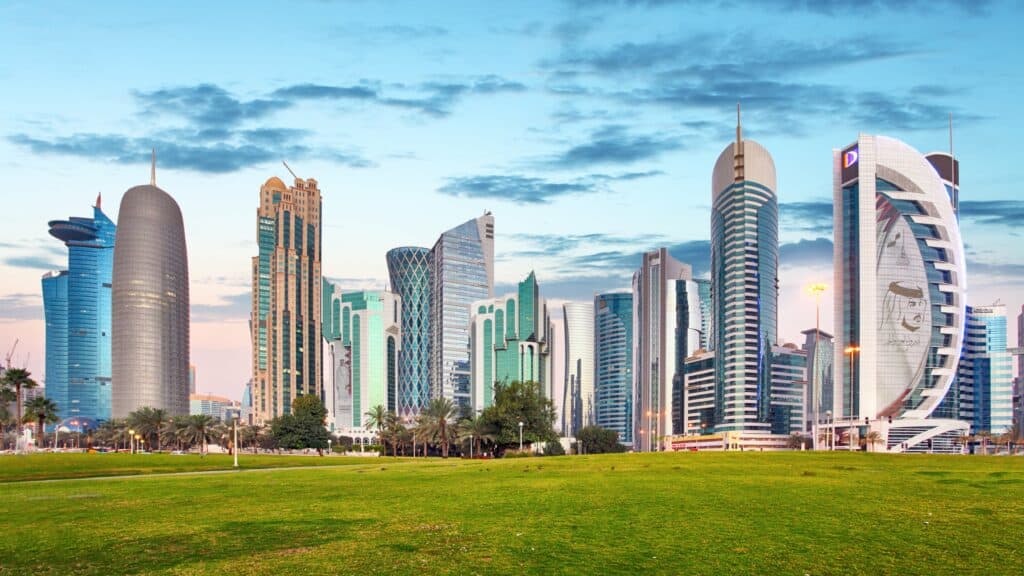
Qatar is located in Southeast Asia, specifically on the Arabian Peninsula. Qatar is known for its rapid development, making it one of the most attractive destinations for tourism. It also has many archaeological attractions.

One of the most famous attractions in Qatar is the Qatar National Museum, located on the Doha Corniche. It houses a collection of antiquities that showcase the country’s history, including Islamic artefacts and traditional wooden boats.

Another important attraction in Qatar is Aspire Park, one of the largest parks in the Gulf region, which contains many landscapes. Inside the park, there is a tower known as the Torch Tower, which stands 300 meters tall.

Doha Qatar 1
Doha, Qatar

Jordan

Jordan is located in western Asia and is characterised by its ancient history. It is considered the cradle of many ancient civilisations and the home of many human colonies. There are more than 100,000 archaeological sites in Jordan, some of which are still preserved in their natural state.

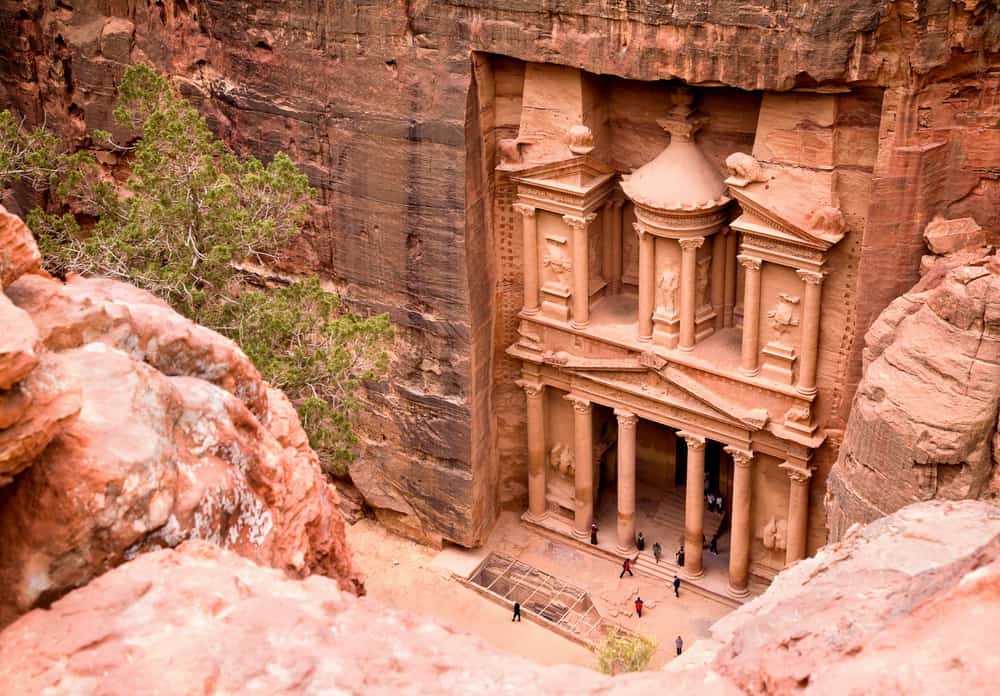
Jordan has one of the most famous landmarks in the world, the city of Petra, which dates back to the 3rd century BC. Petra is an archaeological landmark that includes palaces, buildings, and storerooms carved from sandstone.

One of the city’s most famous landmarks is a theatre consisting of 7000 seats and columns built in the Greek style. Petra is located 240 km from the capital of Jordan and is considered a UNESCO World Heritage Site.
Tomb
The ancient city of Petra, carved out of rock, Jordan

Also, in Jordan, especially in Amman, the capital city, Jabal Al Qalaa is a famous attraction. It has witnessed many civilisations, including the Roman, Persian, and Greek. Jabal Al Qalaa is the highest hill in Amman and is located in the city’s centre.

From there, you can see a fantastic view of the entire city. The place also includes many other archaeological sites, such as the Temple of Hercules, the Umayyad Palace, and the Jordan Archaeological Museum.

Saudi Arabia

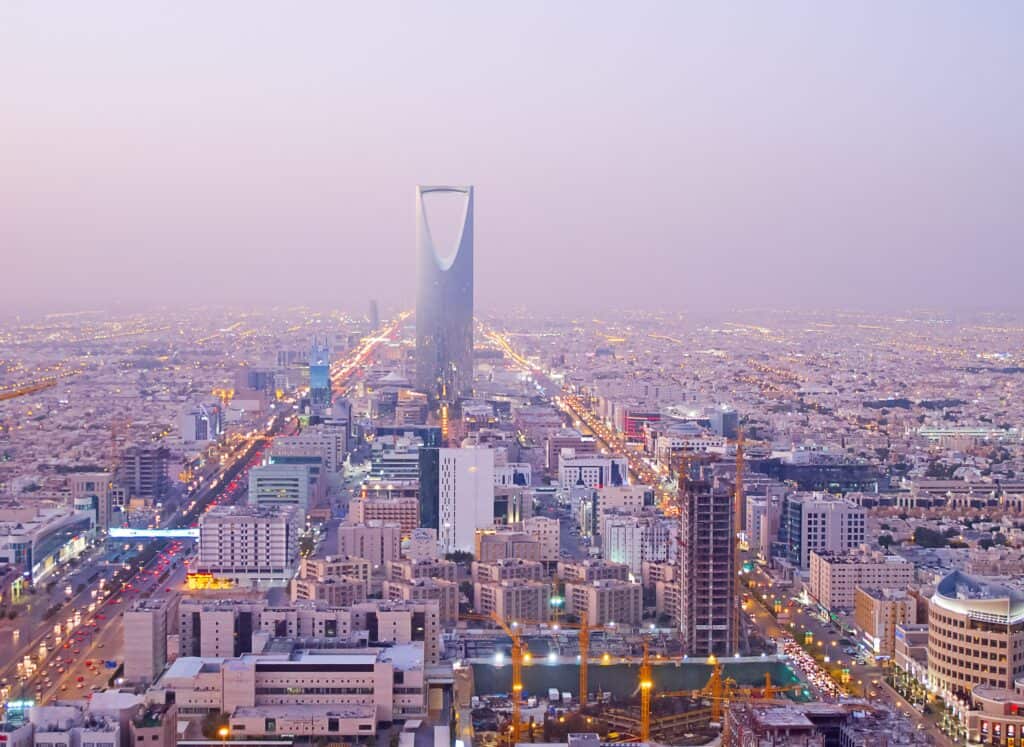
Saudi Arabia is a country in a unique position for religious and recreational tourism. It has holy places, such as the Sacred House of God, where the honourable Kaaba is located and where the qiblah of Muslims is. Saudi Arabia hosts the most significant Islamic gathering in the world, and millions of Muslims go there to perform the Hajj.

One of Riyadh’s entertainment venues is Riyadh Season, which began in 2019. Its goal is to be a global entertainment destination with about 10 million visitors. Riyadh Season features restaurants, cafes, numerous shows, parties, car showrooms, and much more.

For history lovers, Mada’in Saleh is one of Saudi Arabia’s most famous archaeological sites. It is located about 300 km from the city of Jeddah. The area includes rock carvings and wells that once contained fresh water, and it is also famous for its 121 Nabatean stone tombs.

Saudi Arabia
Al Riyadh, Saudi Arabia

Lebanon

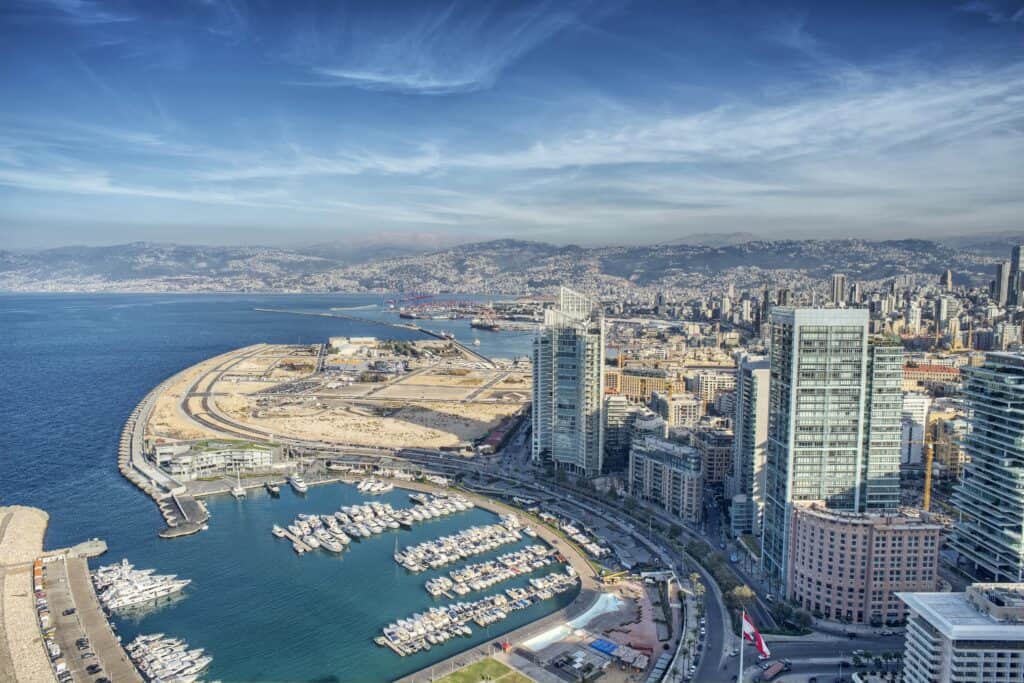
Lebanon is located in the Middle East, specifically in western Asia, and is bordered by the Mediterranean Sea to the west. It is characterised by its cultural and civilisational diversity, with antiquities in Lebanon ranging from ancient to modern, including Roman ruins, Ottoman baths, Mamluk mosques, and churches. 

Lebanon is also one of the most famous Arab countries that allows snowboarding at mountain ski resorts. There are many famous places to visit in Lebanon. One of these places is Jeita Grotto. It is about 18 km from Beirut and 10 km long, making it one of the longest caves.

This adventure includes natural formations called the descending, and it also competed with 28 of the world’s landmarks for the New Seven Natural Wonders of the World Award.

Another attraction in this beautiful country is Jbeil City (Byblos). It is located 40 km north of Beirut on the edge of the sandstone, and humans have lived there since 8000 BC. The oldest alphabet known to man is found in Phoenician inscriptions, and the city also includes the remains of the Roman amphitheatre, the city wall, and a castle.

Lebanon
Beirut, Lebanon

Turkey

Turkey, also spelt Türkiye, is in a privileged position, as its borders link the continents of Asia and Europe through the Bosporus Strait, a waterway separating Western Asia from Eastern Europe. Tourist attractions are spread across Turkey and are visited by tourists from around the world.

Numerous historical and archaeological sites, including museums, antiquities, and ancient cities, characterise Turkey. One of the most famous places in Istanbul is the Hagia Sophia Museum, a modern architectural wonder.

It was initially a church called the Great Church, then a mosque, and later a museum that houses many historical relics from different eras. 
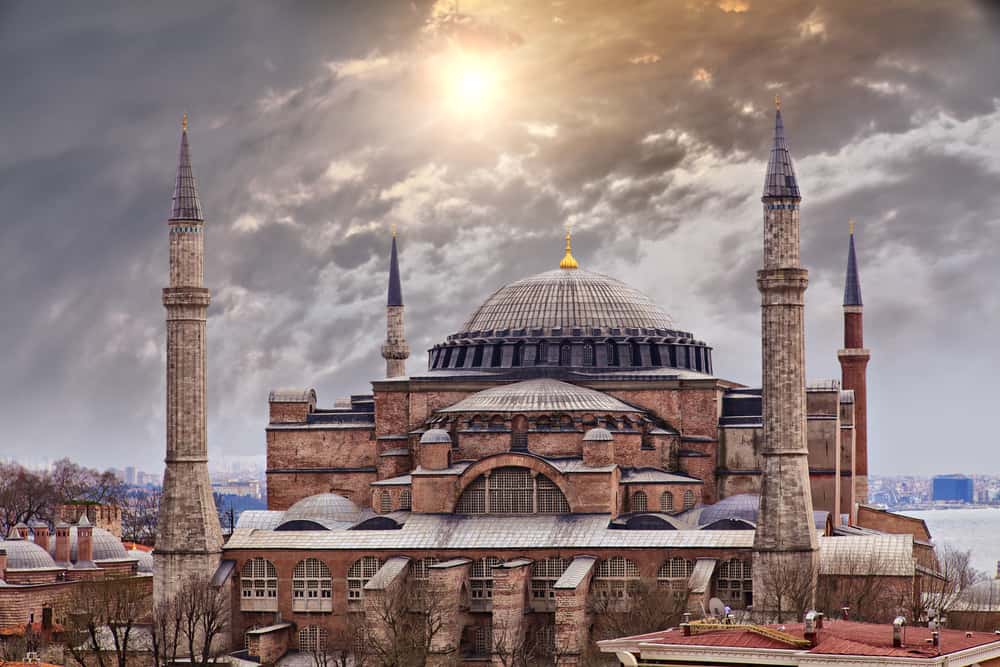
Also, there is the Bosporus Bridge, one of the two bridges connecting Europe and Asia. It is about 1510 meters long. Another important attraction in Turkey is the Sultan Ahmed Mosque, or the Blue Mosque, a famous mosque. It was built by Sultan Ahmed the First from 1609 to 1616 and is characterised by its blue tiles.

Religious Site
The majestic Hagia Sophia in Istanbul, Turkey.

Iran

Iran, with its rich history, stunning landscapes, and vibrant culture, is one of the most interesting destinations in the Middle East. One of its most popular tourist attractions is the ancient city of Persepolis, located near Shiraz in the southwest of the country.

Once the ceremonial capital of the Achaemenid Empire, Persepolis stands as a testament to the grandeur and sophistication of ancient Persian civilisation. Visitors are awe-struck by its imposing ruins, which include monumental gateways, intricately carved reliefs, and impressive palaces adorned with intricate stone carvings.

Each structure tells a story of the empire’s glory days, offering glimpses into its political, cultural, and architectural achievements. Persepolis is not only a UNESCO World Heritage Site but also a symbol of Iran’s rich cultural heritage and its enduring legacy as one of the world’s great civilisations.

Iraq

Iraq, located in the heart of the Middle East, is full of history and culture. Situated between the Tigris and Euphrates rivers, Iraq occupies a powerful position in the region. It is bordered by multiple countries, including Turkey to the north and Iran to the east, as well as Kuwait, Saudi Arabia, Jordan, and Syria.

Despite its tumultuous recent history, Iraq is home to several remarkable tourist attractions, including the ancient city of Babylon. Located approximately 85 kilometres south of Baghdad, Babylon was once one of the greatest cities of the ancient world and served as the capital of the Babylonian Empire.

Iraq
A bustling park in Iraq.

Visitors to Babylon can explore the remnants of its legendary walls, the ruins of its grand palaces and temples, and the iconic Ishtar Gate adorned with colourful glazed bricks. Babylon’s historical significance and architectural marvels make it a must-visit destination for those seeking to unravel the mysteries of Iraq’s past.

Yemen

Yemen is situated at the southern tip of the Arabian Peninsula. With a history dating back thousands of years, Yemen has been a crossroads of civilisations and a centre of trade and commerce in the Middle East.

Its strategic location along the ancient incense route brought wealth and prosperity to cities like Sana’a, Aden, and Shibam, which flourished as centres of culture and learning. Today, Yemen offers tourists a glimpse into its rich past through its unique architecture, vibrant markets, and diverse landscapes.

One of its most popular tourist destinations is the historic city of Sana’a, renowned for its distinctive architecture featuring towering mud-brick buildings adorned with intricate geometric patterns. The Old City of Sana’a, a UNESCO World Heritage Site, transports visitors back in time with its labyrinthine streets, bustling souks, and ancient mosques.

Israel

Israel, located on the southeastern shore of the Mediterranean Sea, is known in the Middle East as a hub for history, culture, and religion. The country is home to many historical and religious sites, which attract visitors from around the world.

Israel
Israel sees tourists from around the world.

Among its most famous tourist attractions is Jerusalem, a city revered by three major monotheistic religions and steeped in thousands of years of history. Within Jerusalem’s Old City, visitors can wander through the narrow streets of the Jewish Quarter, visit the Western Wall, explore the Christian Quarter with its iconic Church of the Holy Sepulchre, and ascend the Temple Mount to see the Dome of the Rock.

Other notable destinations in Israel include the ancient fortress of Masada overlooking the Dead Sea, the stunning beaches of Tel Aviv, the archaeological site of Caesarea, and the serene shores of the Sea of Galilee. Israel’s rich tapestry of cultural, historical, and natural wonders offers travellers an unforgettable journey through the ages.

Syria

Syria is located at a crossroads of ancient trade routes in the Middle East. Throughout its history, it has been a cradle of civilisation and a melting pot of cultures. From the ancient civilisations of Mesopotamia and the Levant to the great empires of Rome and Byzantium, Syria’s history is deeply intertwined with the rise and fall of civilisations.

Today, despite the challenges it has faced in recent years, Syria remains home to a wealth of historical treasures. One of its most popular tourist attractions is the ancient city of Palmyra. Located in the Syrian desert, Palmyra was once a thriving oasis city and a vital centre of trade and culture in the ancient world.

Visitors to Palmyra can explore its impressive ruins, including the monumental Temple of Bel, the grand collonaded street, and the imposing Roman theatre, which stands as a testament to Syria’s rich architectural and cultural heritage.

Syria
Syria is home to many beautiful buildings.

Oman

Oman, located on the southeastern coast of the Arabian Peninsula, features rugged mountains, a pristine coastline, and vast deserts. Renowned for its warm hospitality and rich cultural heritage, Oman beckons visitors with a wealth of diverse attractions.

One of the country’s most popular destinations is the historic city of Muscat. The city is known for its picturesque old quarter, magnificent Sultan Qaboos Grand Mosque, and bustling Muttrah Souq, where visitors can immerse themselves in the sights, sounds, and scents of traditional Omani life.

Beyond the capital, Oman offers an array of natural wonders, including the dramatic landscapes of Jebel Shams, the “Grand Canyon of Arabia,” and the serene beauty of the Wahiba Sands desert. Along the coast, the beaches of Salalah and the rugged cliffs of the Musandam Peninsula offer opportunities for relaxation and adventure.

Kuwait

Kuwait, situated at the northern tip of the Arabian Gulf, is a modern and dynamic country that offers visitors a unique blend of tradition and innovation. Despite its small size, Kuwait boasts a rich cultural heritage and a range of attractions.

One of its most popular tourist destinations is the Kuwait Towers, the iconic landmarks that dominate the skyline of Kuwait City. Visitors can ascend the towers to enjoy panoramic city views and the glistening Gulf beyond.

Kuwait Towers
The stunning Kuwait Towers.

Another must-visit site is the Kuwait National Museum, which showcases the country’s history, art, and culture through a diverse collection of artefacts and exhibits. For those seeking a taste of traditional Kuwaiti culture, the Souq Al-Mubarakiya market is a vibrant maze of stalls selling everything from spices and textiles to traditional handicrafts and souvenirs.

Additionally, Kuwait’s coastline offers pristine beaches and waterfront promenades where visitors can relax, stroll, and soak up the sun. Whether exploring its modern urban landscape or delving into its rich cultural heritage, Kuwait offers travellers a fascinating glimpse into the heart of the Arabian Gulf.

Palestine

Palestine, a land steeped in history and conflict, holds a unique allure for travellers drawn to its rich cultural heritage and poignant landscapes. One of its most iconic tourist attractions is the city of Bethlehem, the birthplace of Jesus Christ, which is a significant pilgrimage destination where travellers can visit the Church of the Nativity and other religious sites.

Additionally, Palestine’s stunning natural landscapes, including the rugged hills of the West Bank and the serene shores of the Dead Sea, offer opportunities for outdoor adventure and relaxation amidst breathtaking scenery. Despite the complexities of its political situation, Palestine’s cultural and historical treasures continue to captivate and inspire tourists from around the world.

Bahrain

Bahrain, a tiny island nation in the Arabian Gulf, is a jewel of the Middle East known for its rich history, vibrant culture, and modern amenities. Despite its small size, Bahrain offers visitors a diverse array of attractions.

Bahrain Fort
Bahrain Fort is a UNESCO World Heritage Site.

One of its most popular tourist destinations is the Bahrain Fort, also known as Qal’at al-Bahrain. This UNESCO World Heritage Site showcases the country’s ancient past through its impressive ruins and archaeological exhibits. Visitors can wander through the fort’s ancient walls, explore its well-preserved structures, and learn about Bahrain’s history as a strategic trading hub dating back over 4,000 years.

Additionally, Bahrain’s capital city, Manama, is a bustling metropolis where visitors can experience the country’s modern side through its sleek skyscrapers, luxurious shopping malls, and lively souks. For those seeking relaxation, Bahrain’s tranquil beaches, such as the picturesque Al Jazair Beach and the exclusive Amwaj Islands, offer opportunities for sunbathing, water sports, and strolls along the shore.

Bahrain is also a stellar destination for Formula 1 fans. Hosting the first-ever Formula 1 Grand Prix in the Middle East in 2004, Bahrain’s commitment to motorsport excellence has only grown stronger since. The Bahrain Grand Prix, held annually at the circuit, offers spectators an exhilarating experience amidst the backdrop of Bahrain’s modern skyline and desert landscapes.

Bahrain
Bahrain is one of the most famous destinations for F1.

The Middle East is Overflowing with Adventure & History

From the ancient wonders of Egypt to the vibrant souks of Morocco, the Middle East beckons travellers with its enchanting blend of old-world charm and modern sophistication. As visitors wander through the streets of Istanbul or stand in awe before the majestic pyramids of Giza, they bear witness to the legacy of civilisations past and the spirit of innovation and resilience that defines the present.

Despite the challenges and complexities that have shaped its history, the Middle East continues to inspire tourists with its timeless beauty, cultural richness, and warm hospitality. Whether exploring bustling cities, trekking through majestic deserts, or experiencing unique traditions, a journey through the Middle East will surely capture the hearts and minds of all who venture there.

Jump to:

Must See in Middle East Travel Guide: Ancient Sites & Modern Cities

Top Attractions

Top Experiences