
Helicopter tours in England give travellers something no road trip or walking tour can match: a clear, uninterrupted view of the country’s landscape, history, and coastline from above. Whether you’re flying over the Thames through central London or tracing the Jurassic Coast’s ancient cliffs in Dorset, the experience shifts your understanding of England in ways that stay with you long after landing.
ConnollyCove, the Ireland-based travel and culture platform, has put together this guide to help you plan the right flight for your trip. From understanding what each region looks like from altitude to knowing what to bring and how to photograph through the window, this is the practical guide that the aggregator sites don’t offer.
Table of Contents
Why See England from the Air? The Perspective of History
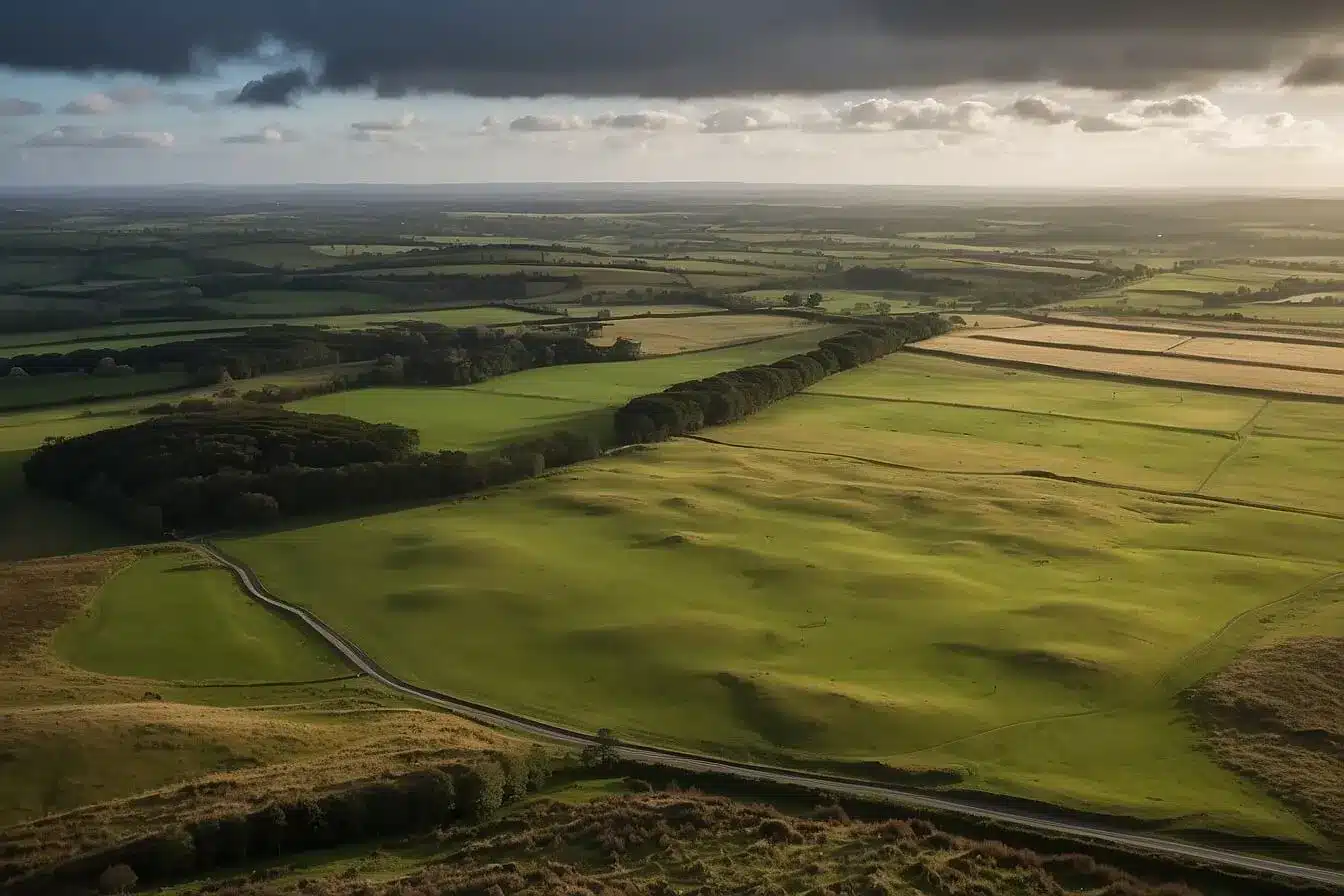
England’s landscape carries thousands of years of human activity, much of it invisible from ground level. From a helicopter, that history becomes readable. Roman roads cut straight lines across otherwise irregular countryside. Medieval ridge-and-furrow field patterns, the remnants of strip farming, ripple across green hillsides. Ancient burial mounds and hill forts appear as subtle rises that only make sense when seen from above.
For travellers with an interest in Celtic and early British history, the aerial view is particularly revealing. Cornwall and Cumbria hold Brythonic heritage, the pre-Anglo-Saxon Celtic traditions of Britain, which connect closely to the Irish and Scottish cultures that ConnollyCove covers across its destination guides. Seeing Hadrian’s Wall from above, or the landscape around Glastonbury, gives cultural context that even the best on-the-ground visit struggles to convey.
Beyond history, there’s the practical appeal: England’s traffic, particularly around London and the Lake District in summer, can make even short overland journeys slow. A 30-minute helicopter flight covers more ground, at more striking angles, than a half-day drive.
Essential Practicalities: What You Need to Know Before Booking
Before you commit to a helicopter tour, a few practical details are worth understanding. The market breaks into two broad categories: experience gift operators (aggregators that sell pre-packaged flights across multiple operators) and direct booking with a specific helicopter operator. Each has advantages.
Aggregators offer the widest range of locations and price points, and they’re easy to book as gifts. Direct operators typically offer more flexibility, better pilot briefings, and the option to customise your route. For a first flight, either works well. For something specific — a wedding anniversary flight over a particular estate, or a photography-focused charter — go direct.
| Tour Type | Typical Duration | Approx. Price Range | Best For |
|---|---|---|---|
| Introductory buzz flight | 12–15 minutes | £50–£100 | First-time flyers, gift experiences |
| City sightseeing flight | 20–30 minutes | £120–£250 | London, Manchester — landmark focus |
| Heritage/countryside flight | 30–45 minutes | £200–£400 | Rural England, Stonehenge, Coast |
| Private charter | 60 minutes+ | £450–£800+ | Special occasions, photography |
Weight limits apply on most flights, typically 100–115 kg (approximately 15–18 stone) per person. Some operators have lower thresholds depending on the aircraft. Check before booking, particularly for group flights where combined weight becomes a factor.
Weather cancellations are part of helicopter flying. Most reputable operators offer a rescheduling option rather than a refund, so build flexibility into your travel plans. Spring and summer (May through September) give the clearest visibility and best light, but autumn flights over the Cotswolds and Lake District have their own appeal when the foliage turns.
Photo ID is required for UK domestic helicopter flights. A passport works, as does a driving licence. You do not need a passport for a domestic UK flight, but you do need some form of government-issued identification.
The Best Helicopter Tour Locations in England
England offers helicopter tour departure points from Cornwall to Northumberland, with each region revealing a completely different landscape from the air. The five locations below represent the strongest combination of visual impact, cultural depth, and tour availability across the country.
London: Modernity Meets History Along the Thames
London’s skyline is one of the most photographed in the world, but the aerial view reveals the logic behind it. The Thames acts as the city’s spine, and from above you can trace the historic connection between the City of London (the ancient Roman settlement of Londinium) and the later expansion westward toward Westminster and Kensington. Tower Bridge, the Shard, Buckingham Palace, and the Gherkin appear as part of a coherent, layered story rather than isolated landmarks.
Most London sightseeing flights operate from Battersea Heliport, following the Thames corridor under specific flight paths. These are regulated for noise and airspace reasons, so don’t expect a freeform tour — but the corridor over the river offers excellent angles on the key sights. Flights over central London start from around £29 for a very short introductory experience, though a 20–30 minute flight gives you far more time to orient yourself and take in the view.
Stonehenge and the Salisbury Plain: Ancient Mystery from Above
Stonehenge is one of England’s most visited landmarks, but seeing it from ground level, through the crowds and the perimeter fence, rarely does it justice. From a helicopter, the full henge landscape becomes clear: not just the stones themselves, but the surrounding ditches, barrows, and trackways that formed a sacred ceremonial complex covering miles of chalk downland. The scale of the site’s ambition — and the reasons archaeologists continue to debate its purpose — makes much more sense once you’ve seen it from above.
Several operators offer Stonehenge flyovers from airfields near Salisbury. For travellers with an interest in Celtic and pre-Celtic heritage, this is one of the most culturally significant aerial experiences in Britain. It connects directly to the kind of ancient history that ConnollyCove explores across its coverage of Irish and Celtic traditions, from the mythology of the Tuatha Dé Danann to the sacred sites of pre-Christian Ireland.
The Jurassic Coast: 185 Million Years of Geology from the Air
The Jurassic Coast in Dorset and Devon is a UNESCO World Heritage Site, and its dramatic cliffs, sea stacks, and coves are at their most dramatic from altitude. Durdle Door’s limestone arch, Lulworth Cove’s almost perfectly circular bay, and the sweeping shingle of Chesil Beach are landmarks that appear almost too perfect to be natural — and seeing them from above confirms that impression.
Helicopter tours of the Jurassic Coast typically depart from Bournemouth or Dorchester-area airfields. This is a particularly good option for travellers who have already explored the coast at ground level and want a different perspective, or for those combining a coastal England trip with a visit to the New Forest.
The Cotswolds: Quintessential England’s Village Landscape
From above, the Cotswolds look exactly as people imagine England to look: honey-coloured stone villages connected by winding lanes, church spires rising above clusters of cottages, sheep grazing on open hillsides. What the aerial view adds is a sense of just how many villages there are, and how the landscape was shaped by centuries of wool trade wealth.
Cotswolds helicopter tours typically cover Chipping Campden, Bourton-on-the-Water, and Burford in a single flight. The patchwork of small fields and hedgerows below reflects medieval land management that has barely changed in outline since the 15th century.
The Lake District: A Poet’s View of the North
The Lake District is England’s largest national park, and its combination of glacial lakes, fells, and valleys requires altitude to appreciate fully. From the ground, the lakes feel enclosed by the surrounding hills. From a helicopter, the scale becomes clear: Windermere stretching south through the valley, Wastwater dark against the fells, the interconnected system of water and landscape that inspired Wordsworth, Coleridge, and Beatrix Potter.
Autumn flights over the Lake District, when the bracken turns copper, and the low light catches the water, are among the most visually striking helicopter experiences in England. Summer flights offer clearer visibility but also more competition for bookings; plan ahead if you’re visiting in July or August.
Other Notable Routes
Beyond these five headline locations, several specialist routes deserve mention. The Peak District offers dramatic moorland and limestone dales. Cornwall’s coastline, which carries Brythonic Celtic heritage connecting to Irish traditions, gives striking views of Land’s End and the Lizard Peninsula. Hadrian’s Wall in Northumberland is perhaps best understood from the air, where the full strategic logic of its position across the country becomes clear.
The Aerial Photographer’s Guide: How to Capture England from the Air
Most helicopter tours allow photography, but a few specific techniques make the difference between clear, compelling shots and blurred, reflective disappointments.
Window glare is the biggest obstacle. Wear dark clothing: light-coloured shirts reflect in the glass and create a ghost image in your photos. Press your lens lightly against the window if possible, or hold it as close as you can without touching. Polarising filters help, but are not always practical in a moving aircraft.
Camera settings: Use a fast shutter speed (1/500th of a second or faster) to counteract vibration from the rotors. If shooting on a smartphone, tap to focus on a distant object rather than letting the camera focus on the window. Burst mode is useful for capturing fast-moving landscapes.
Timing matters. Early morning and late afternoon give the best light, with longer shadows that define topographic features and give depth to the landscape. The golden hour before sunset is particularly effective over open countryside. Midday sun tends to flatten the landscape and bleach out colour in photographs.
For Stonehenge and prehistoric sites, shoot at a slight angle rather than directly overhead. This reveals the surrounding earthworks and ditch systems that make the site’s scale clear.
When to Go: Seasonal and Booking Guidance
The UK helicopter tour season runs year-round, but conditions vary significantly by month.
| Season | Conditions | Best Locations | Booking Notes |
|---|---|---|---|
| Spring (Mar–May) | Midweek availability is often better | Cotswolds, Jurassic Coast | Book 4–6 weeks ahead |
| Summer (Jun–Aug) | Best visibility, longest days | Lake District, London | Book 6–8 weeks ahead; peak pricing |
| Autumn (Sep–Nov) | Foliage colour, dramatic light | Lake District, Peak District | Midweek availability often better |
| Winter (Dec–Feb) | Short days, higher cancellation risk | London (city lights) | Flexible dates essential |
Weather cancellations are more common from October through March. If your trip has a fixed end date, book early in your visit rather than leaving it to the last day. Most operators hold credit for rescheduling, but date-specific availability cannot always be guaranteed.
Planning Your England Trip
A helicopter tour works best as part of a broader England itinerary rather than a standalone activity. Combining an aerial flight with ground-level exploration of the same region — walking Salisbury Plain after your Stonehenge flyover, or taking a boat out on Windermere after seeing it from above — gives you a layered perspective that neither experience alone provides.
ConnollyCove covers travel destinations across the UK and Ireland, with particular depth on heritage, culture, and the kind of experiences that connect travellers to the history of the places they visit. For more travel guides and destination content, explore our full range of UK travel resources.
Frequently Asked Questions
Helicopter tours in England are one of the most direct ways to understand the country’s landscape — from Roman roads visible only from altitude to the full scale of Stonehenge’s surrounding henge complex. This guide covers everything you need to plan your flight, from choosing the right location and duration to knowing what to bring and when to go.
How much does a helicopter tour in England cost?
Introductory flights start from around £50–£100 for 12–15 minutes. A 30-minute sightseeing flight typically costs £150–£250, while private charters run from £450 upwards.
Can you fly a helicopter over central London?
Yes, but flights follow regulated corridors along the Thames. The route still covers most of London’s major landmarks and provides excellent views from the river.
What is the best time of year for a helicopter tour in England?
May through September offer the clearest visibility and longest daylight hours. Autumn flights over the Lake District and Cotswolds are also excellent for colour and light.
Are there weight limits for helicopter tours?
Most operators set a limit of 100–115 kg (approximately 15–18 stone) per passenger. Check with your specific operator at the time of booking.