Caribbean
Top Things to do in the Caribbean
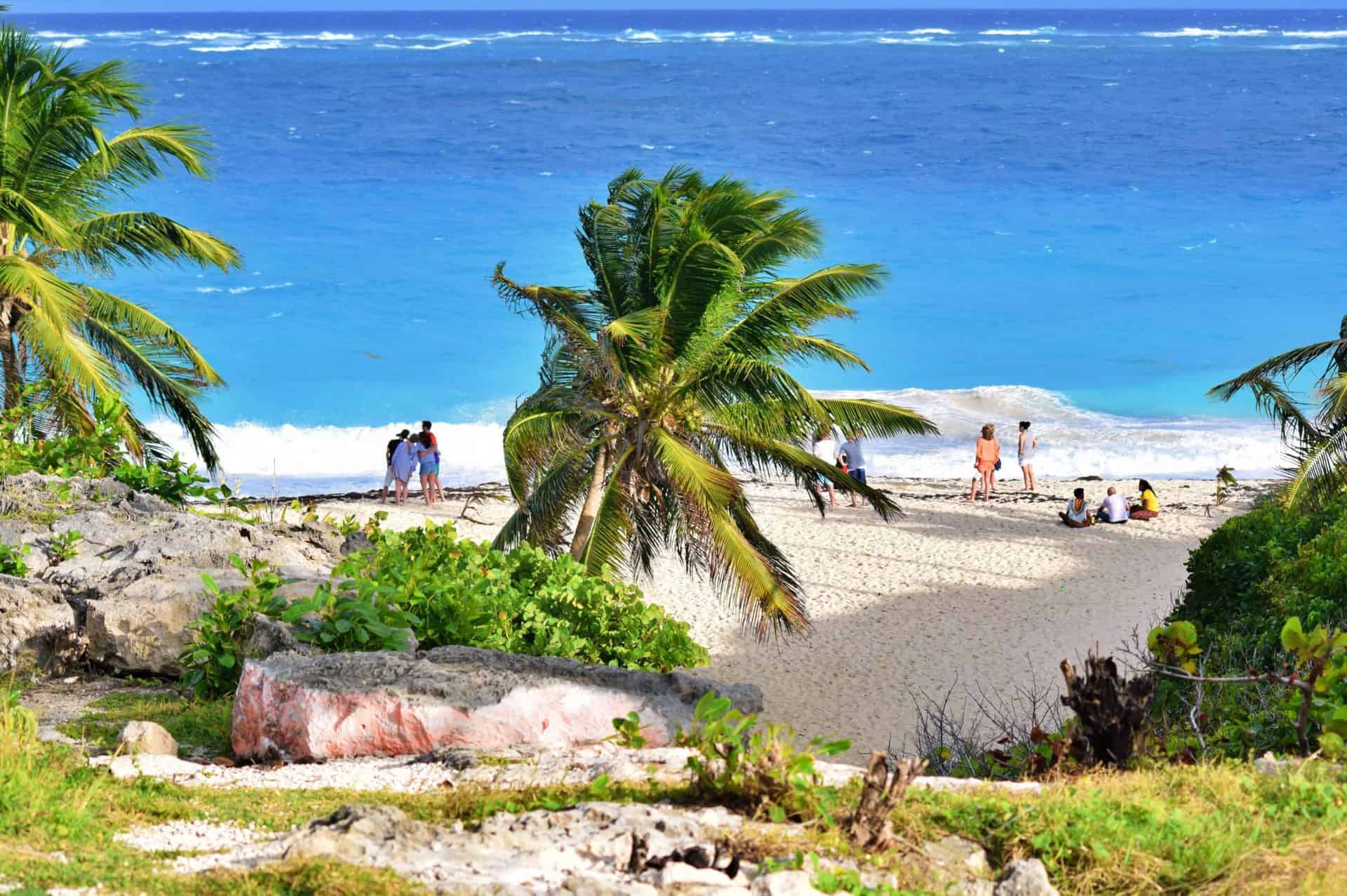
Known as Paradise, the Caribbean is a massive archipelago in the Caribbean Sea, comprising the Caribbean Sea, its adjacent coasts, and its islands. It is a popular tourist attraction since it has enchanting beaches, irresistible crystal clear water, tropical forests, astounding natural places, and wonderful tourist attractions.
The Caribbean consists of the Greater Antilles on the north and the Lesser Antilles on the south and east. It is on the North American mainland. It is located east of Central America and north of South America. Keep reading to know the best things to do in the Caribbean.
Facts About the Caribbean
The Caribbean is a fascinating destination with breathtaking views and irresistible beaches. It has also a number of interesting facts. Here are some of the facts about the Caribbean region.
How Many Caribbean Countries are There in the World?
There are 13 independent countries in the Caribbean. Not only does the Caribbean contain countries, but it also contains non-countries. It has 21 territories and dependencies. Consequently, the Caribbean region has 34 countries, territories, and dependencies.
How Many Caribbean Islands are There?
The Caribbean has more than 7000 islands, islets, cays, and reefs. Around 100 islands are inhabited.
Caribbean vs West Indies
West Indies is a crescent-shaped archipelago separating the Caribbean Sea and the Gulf of Mexico. This group of islands has nothing to do with India. So why are the Caribbean Islands Called West Indies? Here is the answer.
The Caribbean Islands were called West Indies because Christopher Columbus thought he reached India when he arrived on the island of Hispanola (now Haiti and the Dominican Republic). Hispanola is part of the Greater Antilles of the Caribbean Islands. The Caribbean Islands are part of the West Indies.
How did the Caribbean Get its Name?
The name Caribbean is derived from the Caribs. During the late 15th century, the Caribs are the region’s dominant Native American groups, also known as Amerindians, at the time of European contact.
After Christopher Columbus discovered the West Indies, the Spanish term Antillas was assigned to these lands. Derived from the Latin word Antillia, Antillas means a ghost island in West Spain. Accordingly, the Sea of the Antilles becomes the alternate name of the Caribbean Sea in various European languages.
The Spanish dominance was undisputed during the first century of development. Then, it was colonized by England, the Dutch Republic, France, Courland, and Denmark. Following the colonization, the Caribbean Sea became a busy area for marine trading and transport.
Is the Caribbean Part of North America?
Simply, yes! To the east of Central America, the Caribbean is part of North America, stretching across the Caribbean Sea. Formally, North America comprises Northern America, Central America, and the Caribbean, as recognised by the United Nations.
Is the Caribbean Part of the USA?
The USA has some inhabited Caribbean territories. However, it is not part of the USA.
How Caribbean Islands Were Formed?
There is a classification system of five formation types: volcanic, tectonic, coral, continental, and barrier. All Caribbean islands are volcanic, continental, tectonic, and coral; However, they do not have any barrier islands.
The majority of the Lesser Antilles Islands are volcanic, including Anguilla, Saba, Aruba, St. Kitts and Nevis, Dominica, and the British Virgin Islands. Oceanic volcanoes erupt many times. Then, lava and ash are built up forming volcanic islands.
Coral islands are mainly comprised of coral reefs. Growing in warm shallow water, coral reefs are limestone formations that contain tiny sea organisms and their remains. Coral grows and build up on volcanic islands. After volcanoes erupt many times, they result in pushing the buildup above sea level, creating a coral island.
On the other hand, tectonic islands are formed when the earth’s plates pump into one another. Soil, rocks, and other materials are scraped and piled up forming an island. The buildup takes millions of years to form a tectonic island. Barbados island groups have tectonic and coral islands.
Including Jamaica, Cuba, and the Cayman Islands, the Greater Antilles islands are continental. Millions of years ago, they were connected to a continent and were separated. By ocean waves, lakes, and rivers, the land that links the mainland with the island to be erodes forming a continental island. There is another way that separates an island from a continent. When the sea level rises around a part of the mainland, it forms a continental island.
Which Caribbean Island is the Largest?
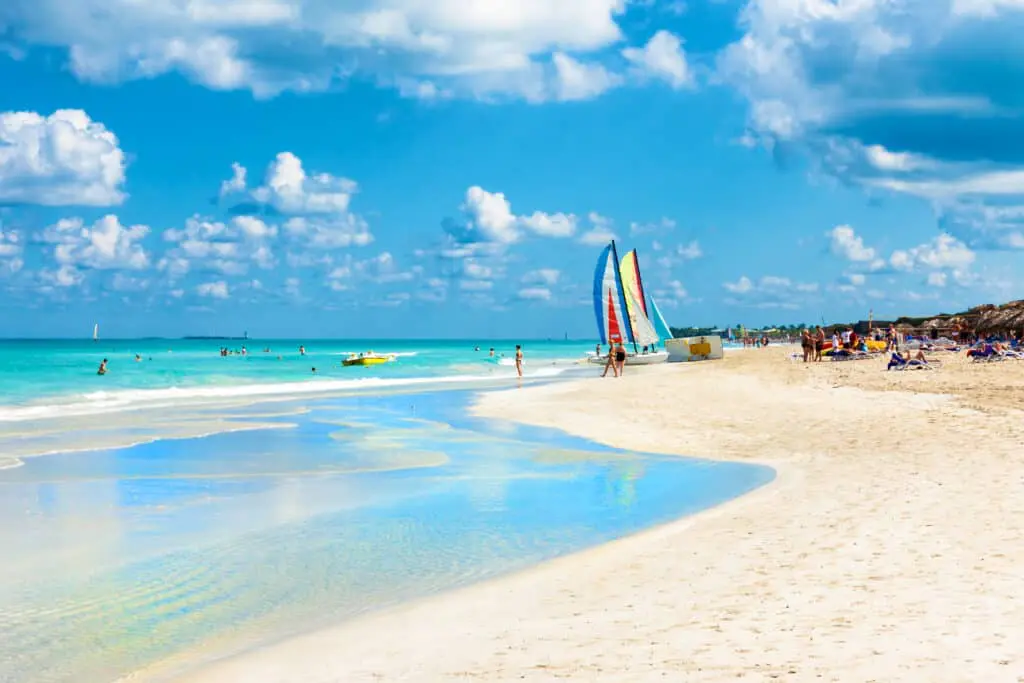
Cuba is the largest island in the Caribbean and the eighth in the world. Including territorial and coastal waters, it has an area of 110,860 km2. Consequently, it has the highest population among other Caribbean islands.
Which Caribbean Country is the Richest?
In the Caribbean, the richest country is the Bahamas. Its economy depends on tourism. The Bahamas is also ranked the 14th in North America for nominal Gross Domestic Product (GDP). That is why its cost of living is high. However, the poorest Caribbean country is Haiti although it is one of the top largest Caribbean countries.
Which Caribbean island has the best weather year-round?
The island that has the best weather year-round is Anguilla. This island is among the sunniest islands in the Caribbean. Unlike mountainous islands, it attracts no rain clouds since it has flat topography.
Why is the Caribbean Water so Blue and Clear?
The Caribbean is known for its breathtaking crystal clear blue water. Similar to other tropical ocean regions, there are many different reasons that make the Caribbean water enchanting with its clear turquoise blue colour.
Coral reefs grow and survive in tropical areas. Acting as barriers, they break up moving water. Accordingly, water becomes calmer with free nutrients and sediments. The absence of plankton, algae and suspended particles also makes the water clear.
Another reason is the shallow depths of the Caribbean water. Scientifically, the deeper the water, the more it absorbs the sun’s rays and creates a dark blue shade. Regarding the Caribbean water, the sun’s rays interact with the shallow water and reflect its light, creating a glowing light blue shade.
Where is the Caribbean on World Map?
The Caribbean region is located south of the United States, north of Central and South America, and east of Mexico.
Where is the Caribbean Sea Located?
In the Western Hemisphere, the Caribbean Sea is on the edge of the Atlantic Ocean. It is located in the southeast of the Gulf of Mexico between latitudes 9° and 22° N and longitudes 89° and 60° W.
Caribbean Language
The Caribbean has six official languages. Most of them are European languages or European language-based creoles. The most language spoken in the Caribbean is Spanish, followed by English, French, and Dutch.
There are also two native creoles: Haitian and Papiamento, which reflect the diverse ethnic and linguistic origins of the people living there.
Caribbean Flag
The Caribbean has no specific flag. It has as many flags as its countries and territories.
Caribbean Music
Diverse, Colourful, and upbeat, this is how Caribbean music is said to be. It includes many different styles, including salsa, reggae, calypso, and dancehall. These different styles of music are generated from the complicated influences of the African and indigenous cultures and European colonialism.
Caribbean Weather
The Caribbean has a tropical climate. Its weather is hot and sunny all year round. The average temperature is 82.4°F (28oC). The hottest month in the Caribbean is June with a temperature of 89°F (32oC). However, the coldest month is January when you still experience hot days but slightly cooler nights.
When is the Best Month to Visit the Caribbean?
The best time to visit the Caribbean is during the driest months from mid-December to the beginning of May. Avoid visiting the Caribbean during the hurricane season.
Caribbean Hurricane Season
The hurricane season runs from the first of June to the end of November. It peaks in August and September.
13 Independent Caribbean Countries
The Caribbean experienced colonialism in the 17th, 18th, and 19th centuries. Some of the Caribbean islands declared independence, some have a high level of autonomy, and some are still dependent. That is why the Caribbean contains dependencies and territories besides independent countries. The following are the 13 independent countries of the Caribbean.
1. The Bahamas
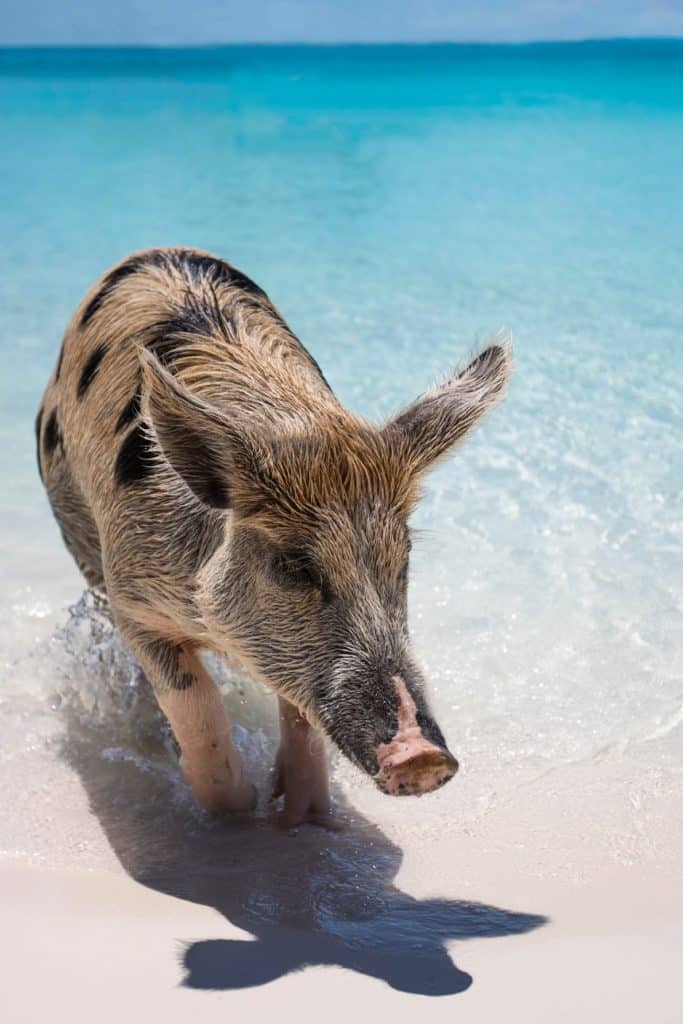
The Bahamas is a sovereign archipelago in the west of the Atlantic Ocean, officially known as the Commonwealth of The Bahamas. It consists of 700 islands; 30 of which are inhabited, and 2400 cays. The Bahamas is famous for its wonderful pink-sand beaches and swimming pigs.
If you want to swim with pigs, head to Pig Beach on the uninhabited Big Major Cay island in Exuma. You can also feed the Iguana, swim with sharks, snorkelling, and do other adventurous activities there.
Enjoy watching over 151 species of birds at Inagua National Park in Great Inagua, the southernmost island in the Bahamas. You will see the scarlet Caribbean flamingo, the national bird of the Bahamas, with its scarlet colour. Additionally, find the Bahama parrot, also called the Abaco parrot, with its bright green colour.
Inagua National Park is one of the most threatened ecosystems in West Indies and is recognised as a Wetland of International Importance. Relax at its permanent shallow brackish Lake Rosa and enjoy the magical views. Admire the water’s multi-blue shades there.
2. Cuba
South of the Bahamas, the largest island in the Caribbean is located. As a multi-cultural urban nation, Cuba comprises around 1600 islands, islets, and cays, along with one city called Havana.
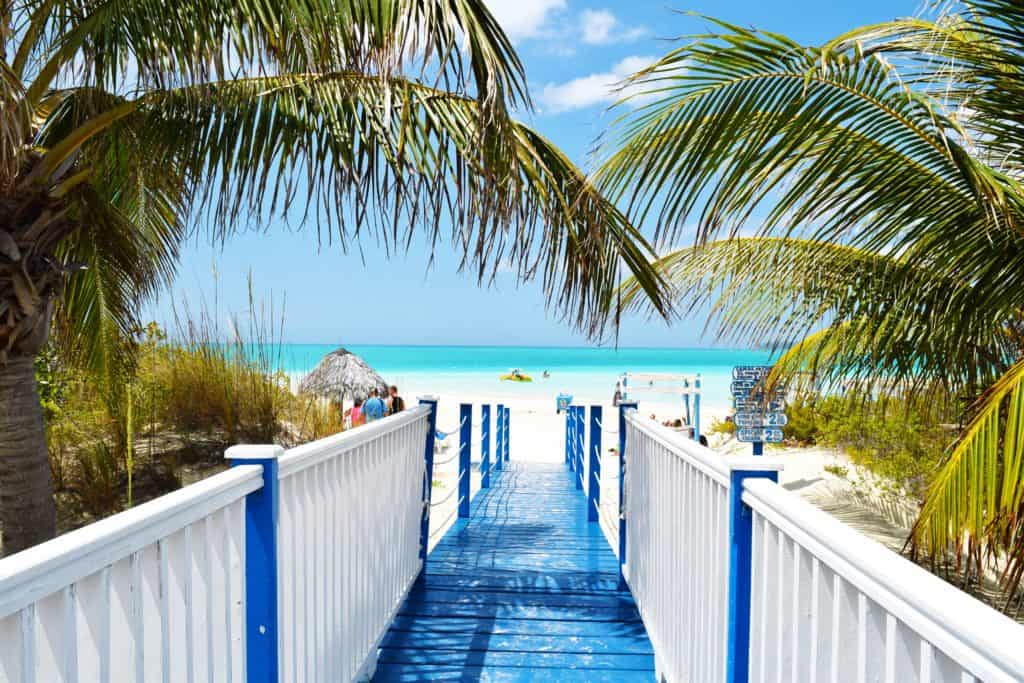
Visit Morro Castle on a rocky promontory called El Morro over the Atlantic. Known in Spanish as Castillo De Los Tres Reyes Del Morro, Morro Castle is the richest historical landmark in Havana. It was used to guard Havana against pirates and invaders.
Appreciate the Renaissance Military architectural style of Morro Castle. Climb its lighthouse that is on the top of its tower to enjoy the impressive views of the sea and the city of Havana. You can also visit the Maritime Museum inside the castle.
Take a tour of Trinidad, one of the most popular destinations in Cuba. It is located between a beautiful beach coastline and scenic mountains. As one of the most best-preserved colonial cities in the Caribbean, it was declared a UNESCO World Heritage site.
In Trinidad, admire Plaza Mayor, the neo-baroque styled main square, and its surrounding grand colonial buildings. Also, visit the first museum in Trinidad and the most-visited one, Museo Romántico. It is a colonial palace where you can enjoy 19th-century antiques.
Another popular destination in Trinidad is Museo de Arquitectura Colonial with its Colonial architecture. Inside the museum, explore the colonial objects displayed in the old rooms. Moreover, appreciate the amazing carved altars and vaulted ceilings of Iglesia de la Santísima, a 19th-century cathedral with Colonial architectural style.
3. Jamaica
Located 145 km south of Cuba, north of South America, there is another popular Caribbean attraction called Jamaica. Having many splendid destinations, Jamaica is known for its reef-lined beaches, huge rainforests, amazing mountains, and all-inclusive resorts.
Ready for a thrilling adventure? Dunn’s River Falls and Park is a one-of-its-kind Caribbean destination near Ocho Rios with many wonderful activities. Enjoy climbing the waterfalls surrounded by majestic lush green vegetation that keeps you cool and protects you from the sun.
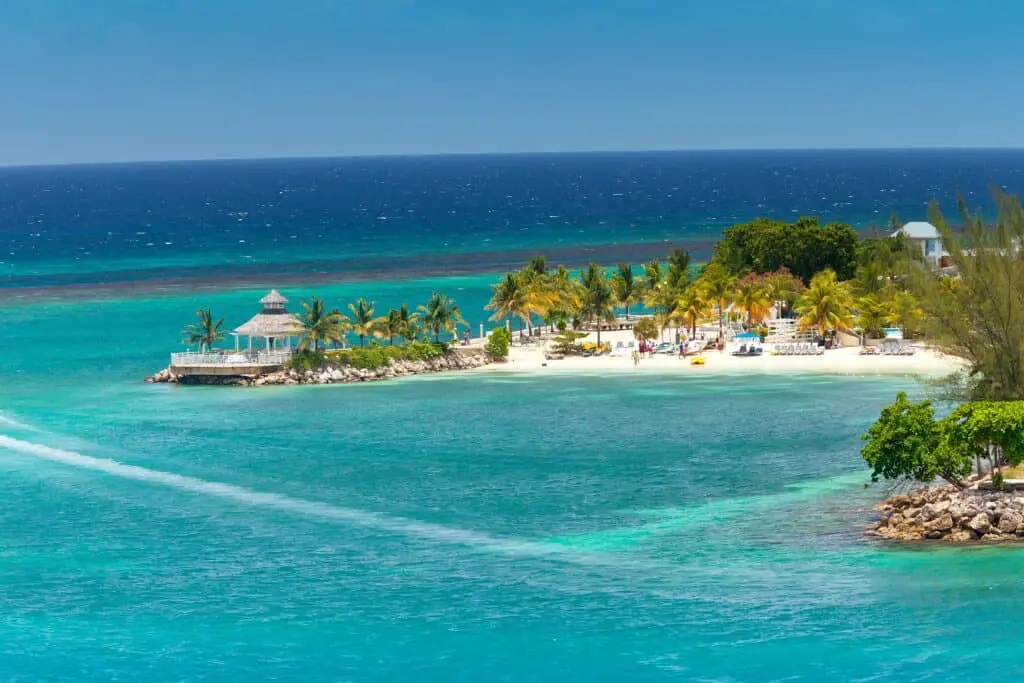
If you are not into climbing, there are terraced stairs in Dunn’s River Falls and Park where you can climb without getting wet. Admire the beautiful falls and the tranquil flow of the river while relaxing and picnicking in the nearby garden.
Another beautiful destination in Jamaica is Doctor’s Cave Beach. It is one of the most-visited beaches in Montego Bay, Jamaica. Enjoy its crystal clear turquoise water and white sand beach lined with palm trees. Named Doctor’s Cave Beach, it was used by Dr. Alexander James McCatty, who donated his beach property to establish a club, and his friends, who had medical professions. They used to reach the beach through a cave that was destroyed by a hurricane.
4. Barbados
The most easterly island country in the Caribbean is Barbados. It was named by the Portuguese explorers who landed on the island in the past. Meaning “bearded one,” it refers to either the bearded fig trees or the bearded men on the island.
Barbados has crystal clear water, wonderful pink beaches, and amazing caves. Scuba diving, surfing, going on catamaran cruises, and playing golf are some of the popular activities you can do in Barbados.
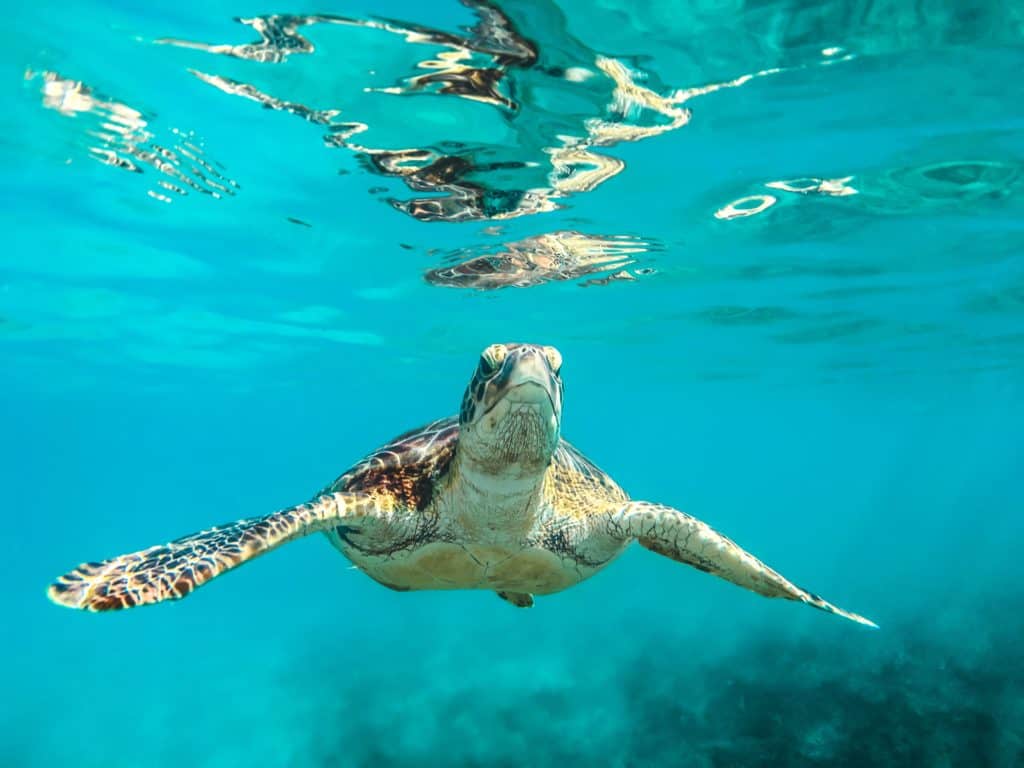
One of the greatest tourist attractions in Barbados is Harrison’s Cave. This magnificent eco-adventure park consists of a massive crystalised limestone cave. Take the tram to explore the cave and enjoy the astonishing views of flowing streams, towering columns, and crystal clear water.
Do not miss out on visiting the most famous and luxurious beach in Barbados, Crane Beach. Stroll on its powder-soft sand. Then, relax and enjoy the stunning beauty of the clear water, the pink-tinged sand, the rolling dunes, and the rugged cliffs.
5. Saint Lucia
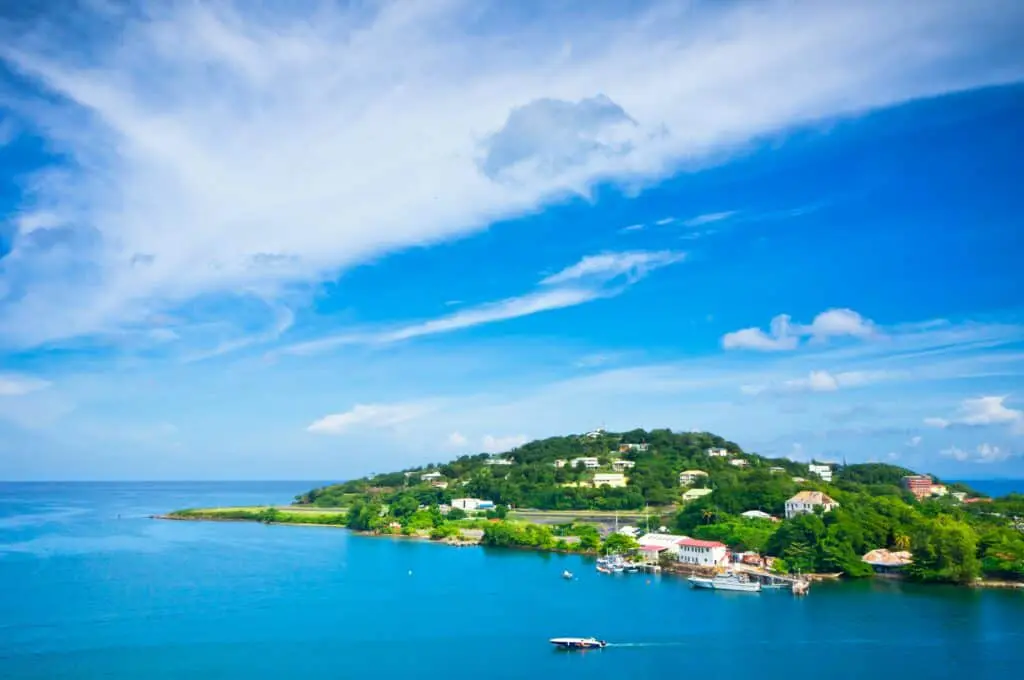
Located northwest of Barbados, St. Lucia is an Eastern Caribbean island country that is part of the Windward Islands of the Lesser Antilles. With its stupendous views, St. Lucia has relaxing beaches, fishing villages, reef-diving sites, and more adventurous attractions.
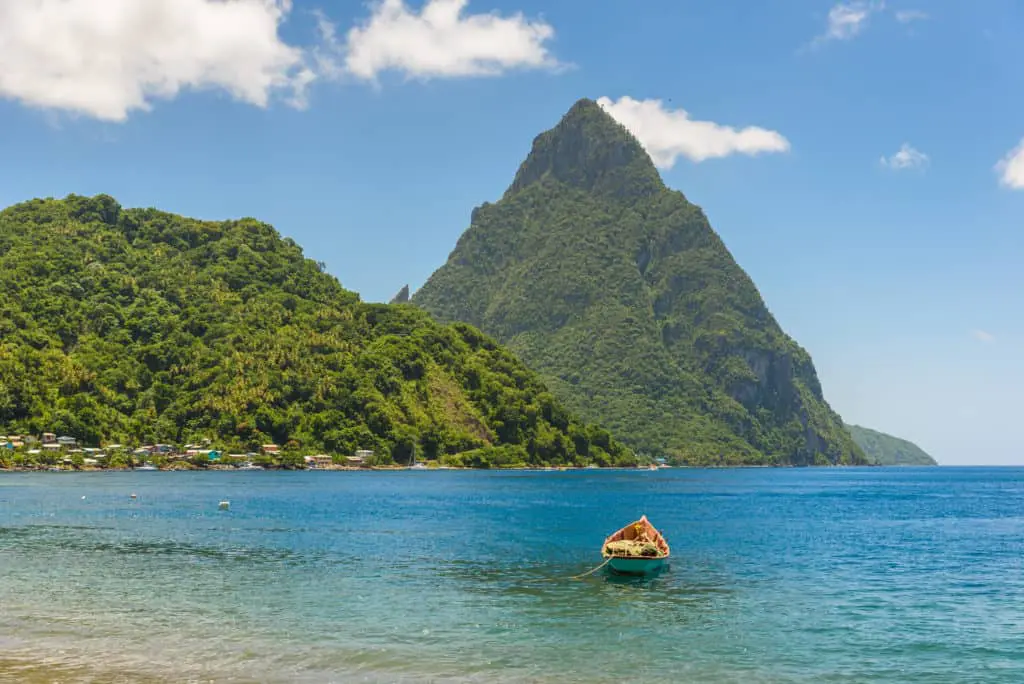
If you are into hiking, head to the Pitons on the southwestern coast of Saint Lucia! It consists of two volcanic mountains with each having its own name: Gros Piton and Petit Piton. You can explore the Pitons and enjoy its fabulous views in several ways.
Hike around the Pitons and discover the exotic local flora and fauna. To watch the Pitons from the sea, sail around them and enjoy the trip. Climb to the peak of Gros Piton to appreciate the fascinating views of the Caribbean Sea, St. Lucia, and the island of Saint Vincent. Do not climb Petit Piton unless you have a guide because it is steeper and dangerous.
6. Antigua And Barbuda
Within the Lesser Antilles in the Eastern Caribbean, Antigua and Barbuda is a Caribbean country that consists of two main islands and surrounding smaller ones. Enjoy the most satisfying climate in the world there, along with the pink and white sandy beaches, and the crystal clear water.
Antigua is the largest island with wonderful coral reefs and quiet sandy beaches and bays. Barbuda features a bird sanctuary, a large lagoon, and protective reefs. There is also a tiny rocky island in the country that is uninhabited called Redonda.
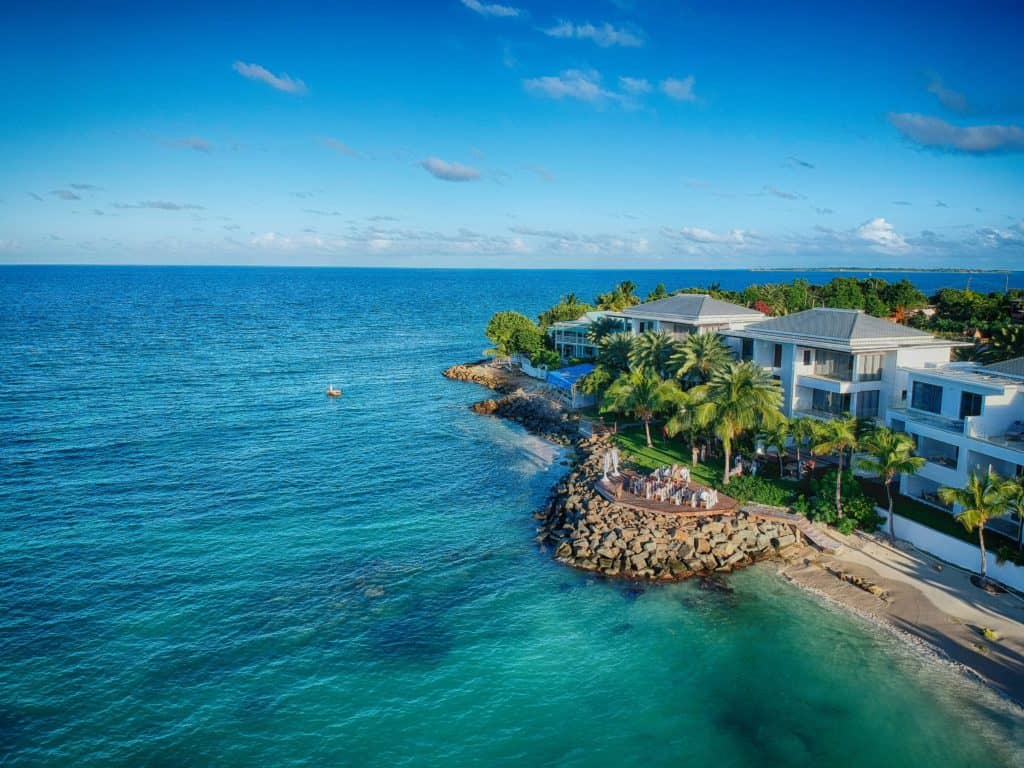
Off the northeast coast of Antigua, visit Long Island, also known as Jumby Bay. It is the fifth-largest island in the Caribbean country of Antigua and Barbuda. Explore the nesting Hawksbill sea turtles there. Relax on one of its white sandy beaches and admire the turquoise water. With many wonderful activities, enjoy the luxury resorts on the island.
7. Dominica
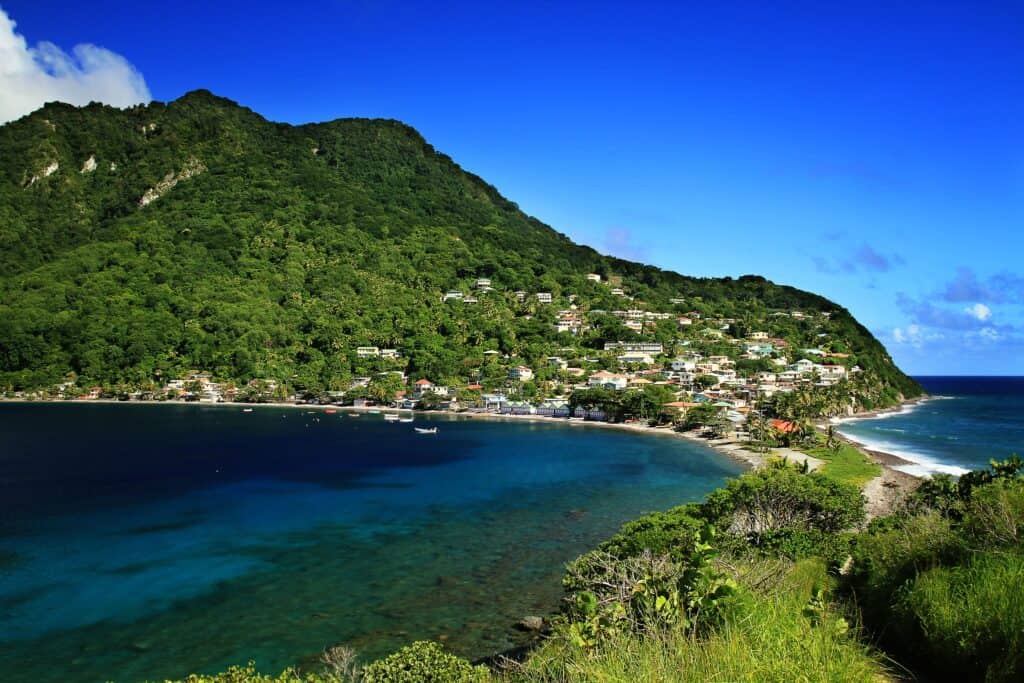
In the Eastern Caribbean Sea, a mountainous Caribbean island country is located. Dominica is known as the “Nature Island of the Caribbean.” Enjoying the beauty of nature, Dominica is still an enchanting paradise for naturalists, hikers, and divers.
Declared a World Heritage site, visiting Morne Trois Pitons National Park is one of the best things to do in the Caribbean island of Dominica. If you love hiking, it has the most famous hiking trails in Dominica. Appreciate the astonishing views of the water flowing on the rocks and greenery. Enjoy the natural beauty of the freshwater lakes, the hot springs, and the deeply incised valleys.
Boiling Lake is a must-see destination in Morne Trois Pitons National Park, 15 minutes away from the Valley of Desolation. As the second-largest of its kind in the world, it is a fumarole flooded with hot bubbling greyish-blue water heated by lava. Enjoy the fascinating views while hiking through the Boiling Lake trail. It is recommended to take a guide on the hike.
8. Dominican Republic
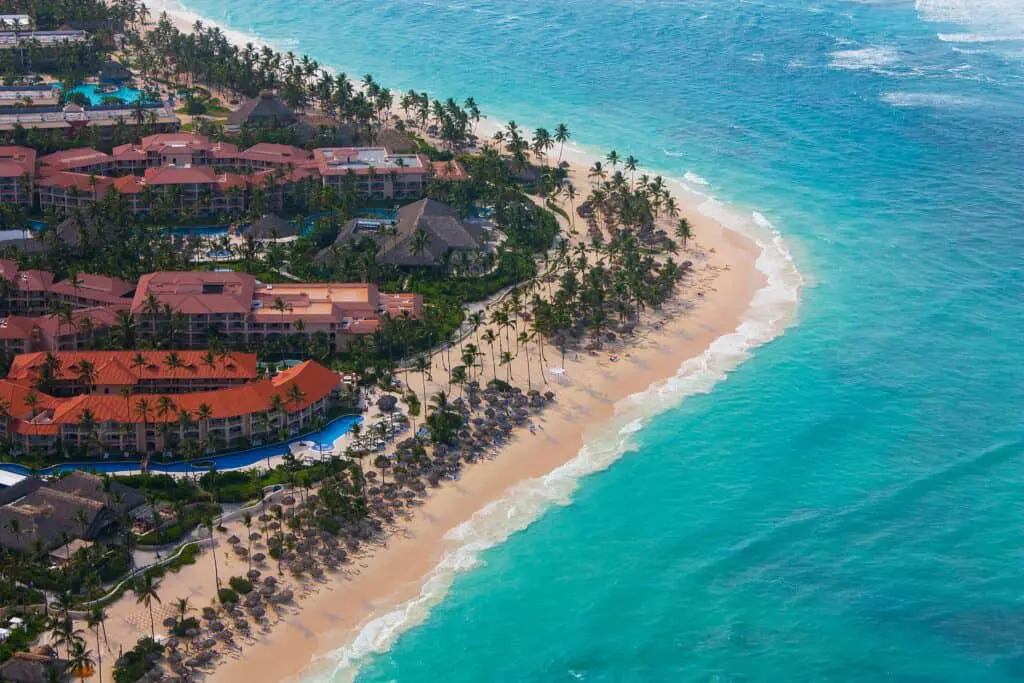
The second-largest country in the Caribbean region is the Dominican Republic. It is the eastern two-thirds of the Hispaniola island in the Greater Antilles. The Dominican Republic is known for its astonishing rivers, breathtaking beaches, savannah, magical rainforests, magnificent national parks, and iconic mountain ranges.
Pico Duarte is the highest peak in the Caribbean. Take the challenge and climb it to see some wonderful views of the Dominican Republic from its peak. Enjoy listening to the whistling birds until you reach the top. Watching the glorious sunrise is another recreational activity you can do on the top of the mountain.
The most popular tourist attraction in the Dominican Republic is Altos de Chavón on top of the Chavón River in La Romana. Immerse yourself in history with this amazing replica of a 16th-century Mediterranean-style village. Explore handcrafted stone pathways, imposing buildings, decorative ironworks, and more. Do not miss out on visiting the archaeological museum, the cultural centre, and the amphitheatre there.
9. Haiti
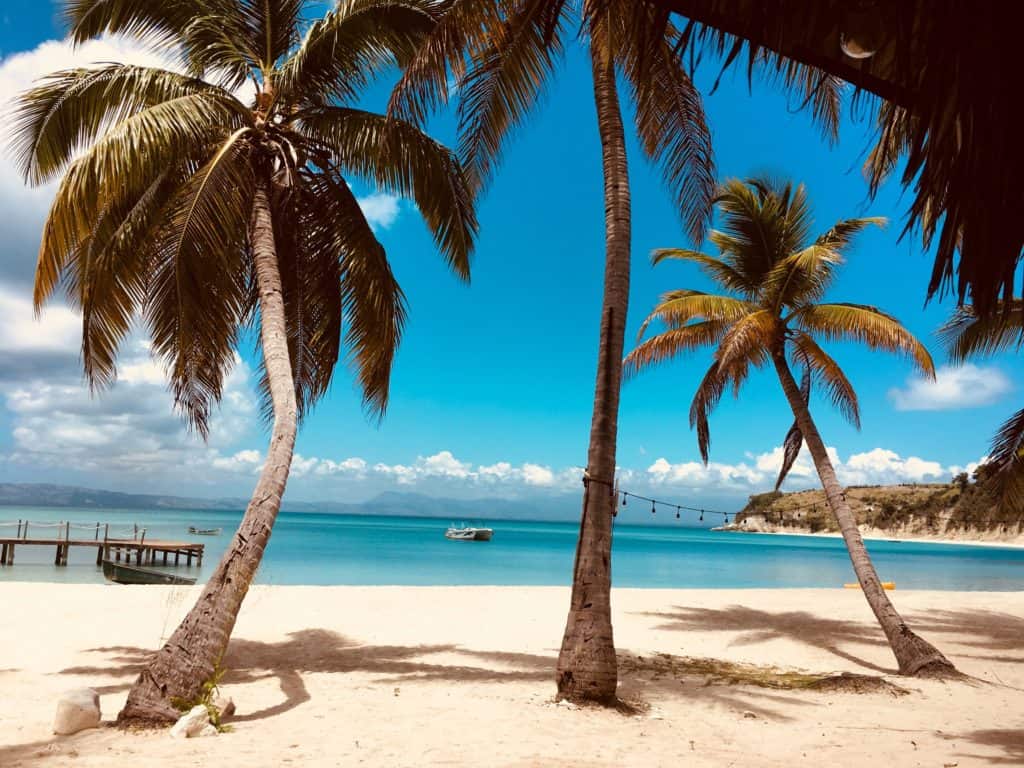
Sharing the island of Hispaniola with the Dominican Republic, Haiti is the most popular tourist attraction in the Caribbean. It is the third-largest country in the Caribbean and the second in the Greater Antilles. Relax on the magnificent beaches of Haiti and enjoy swimming in its clear blue water.
Located in Port-au-Prince, the capital of Haiti, visit the National Pantheon Museum (Musee du Pantheon National Haïtien). It is an important historical museum that protects the cultural and historical heritage of the country. Explore the history and the culture of Haiti and know about the Haitian independence heroes in this museum.
Another must-visit destination in Haiti is Les Arcadins or Côtes des Arcadins. It is an enchanting island with a white sandy beach lined with green trees and crystal clear water. Enjoy taking a boat trip or relaxing on the sandy beach. You can also swim and forget about all your troubles.
10. Grenada
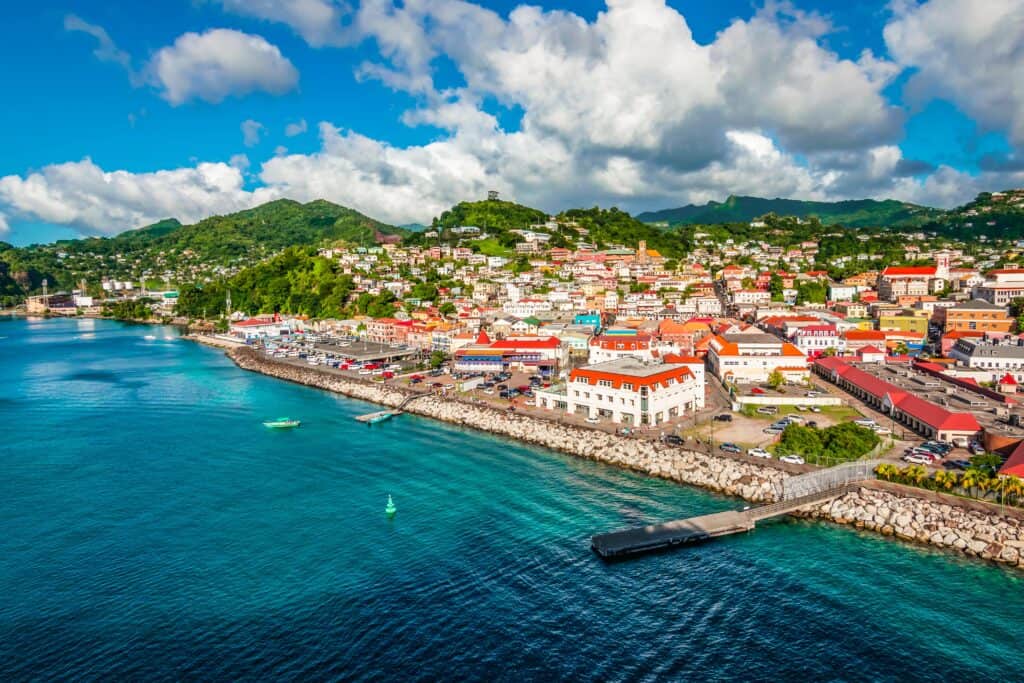
Grenada is a Caribbean country comprising a main island and surrounding smaller ones. It is famous for its bustling sandy beaches, coastal towns, and St. George’s red-tiled roofed houses. Commonly known as “Spice Isle,” Grenada is a significant source of spices, like cinnamon, cloves, ginger, and nutmeg.
The major tourist attraction in Grenada is Belmont Estate. If you are a chocolate lover, it is the perfect destination for you! Take a tour of this historic plantation and enjoy its splendid views. Explore how Grenada’s Chocolate Factory grows and processes cocoa beans. Do not forget to buy some chocolate before you leave!
Visiting Fort George is one of the wonderful things to do in Grenada. This 18th-century fortress is the oldest and the most significant fortress in Grenada. Climb to its top and enjoy the wonderful views of Carenage Harbour and the island of Grenada.
11. Saint Vincent and the Grenadines
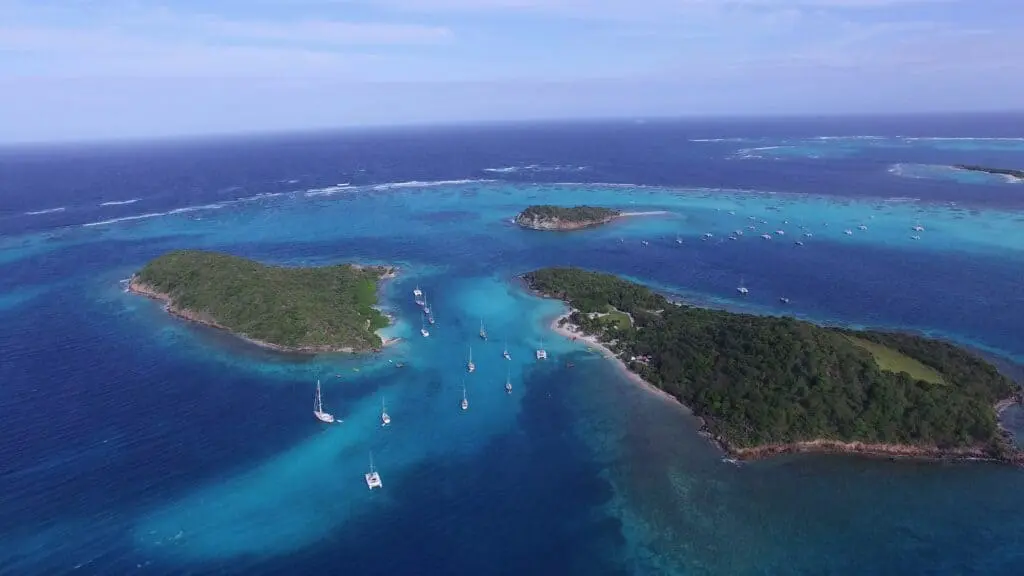
Grenada is home to the southern Grenadines. However, the northern Grenadines is a group of 32 smaller islands and cays that shares the country of St. Vincent and the Grenadines with the main island Saint Vincent.
As a southern Caribbean country within the Lesser Antilles, St. Vincent and the Grenadines is a popular mountainous tourist attraction covered in forests. It is known for its magical coral reefs, sandy beaches, and luxury resorts hidden among lush vegetation.
12. Trinidad and Tobago
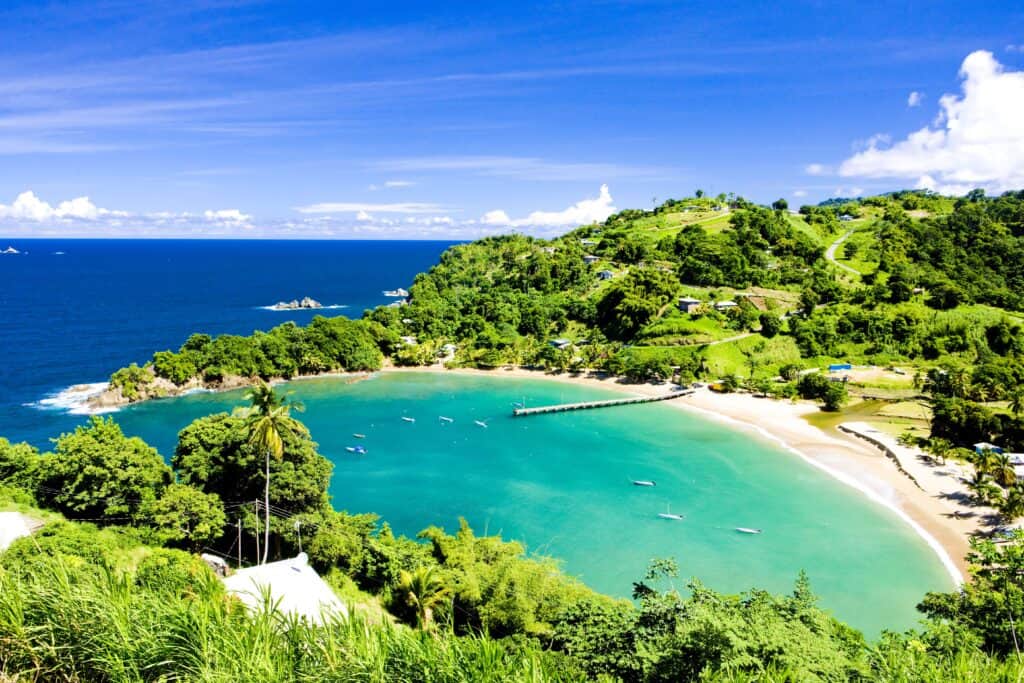
Near South America with Venezuela to the southwest and Guyana to the southeast, Trinidad and Tobago is a dual-island Caribbean country comprising two main islands and numerous surrounding smaller islands. Trinidad is well known for its impressive waterfalls, sandy beaches, mountain ranges, and bird sanctuaries while Tobago is known for its coral reefs and astonishing beaches.
13. Saint Kitts and Nevis
Similar to Trinidad and Tobago, St. Kitts and Nevis is another stunning dual-island Caribbean country. Also called Saint Christopher and Nevis, it comprises two islands famous for their cloud-shrouded beaches and mountains. As the larger island, St. Kitts is home to vervet monkeys and huge rainforests. Nevis is a small wonderful island that is known for its crystal clear water.
Let’s make the Caribbean your next vacation!
Must See in Caribbean
Barbados: 25 Exciting Spots to Live the Authentic Caribbean Life
Most of us think of pirates when the word Caribbean pops up in a conversation. Well, if you ever think...
Explore More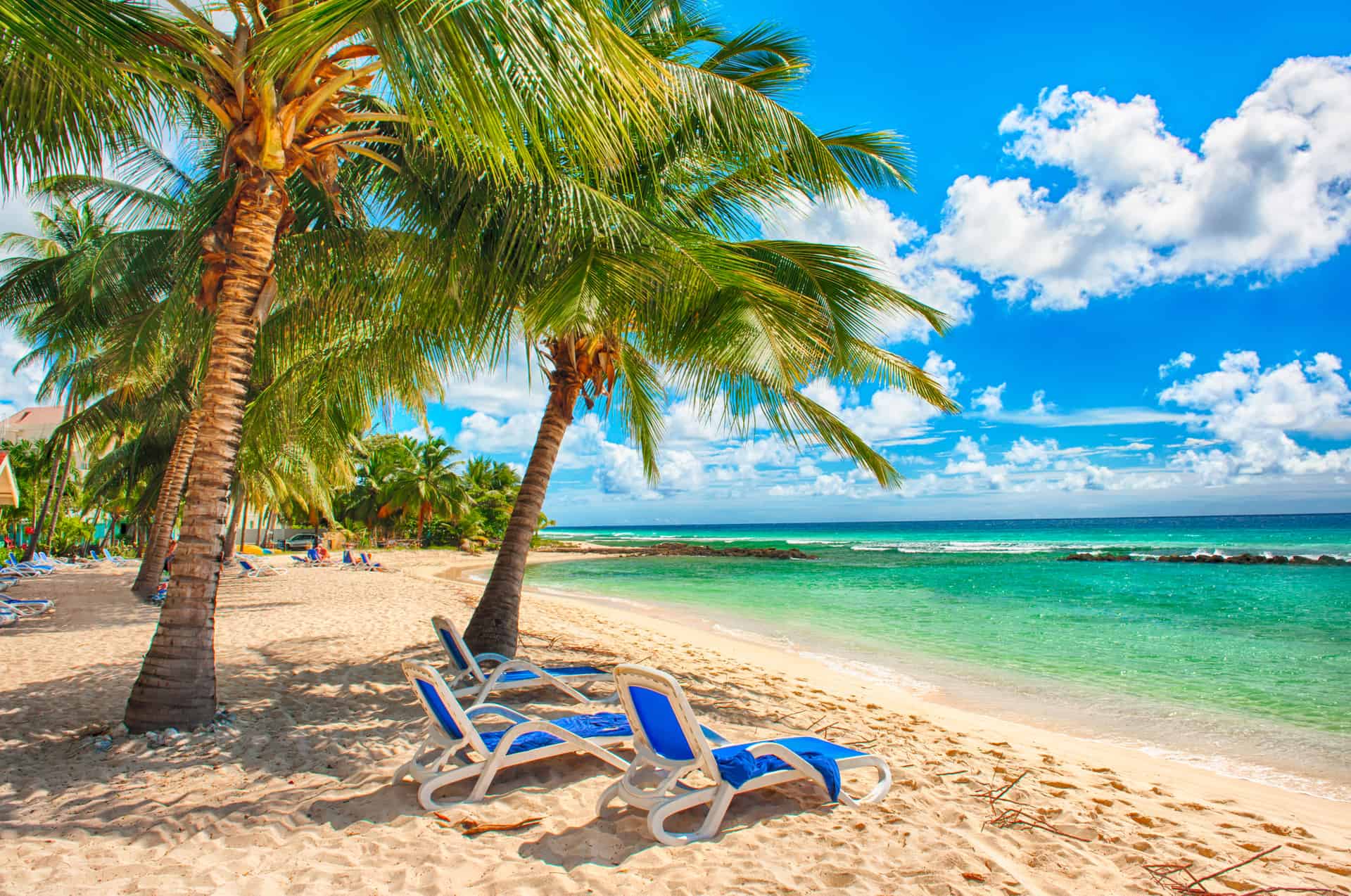
Best Ways to Explore the Beauty of Trinidad and Tobago
The Republic of Trinidad and Tobago is located in the Caribbean Sea and it includes two islands and several small...
Explore More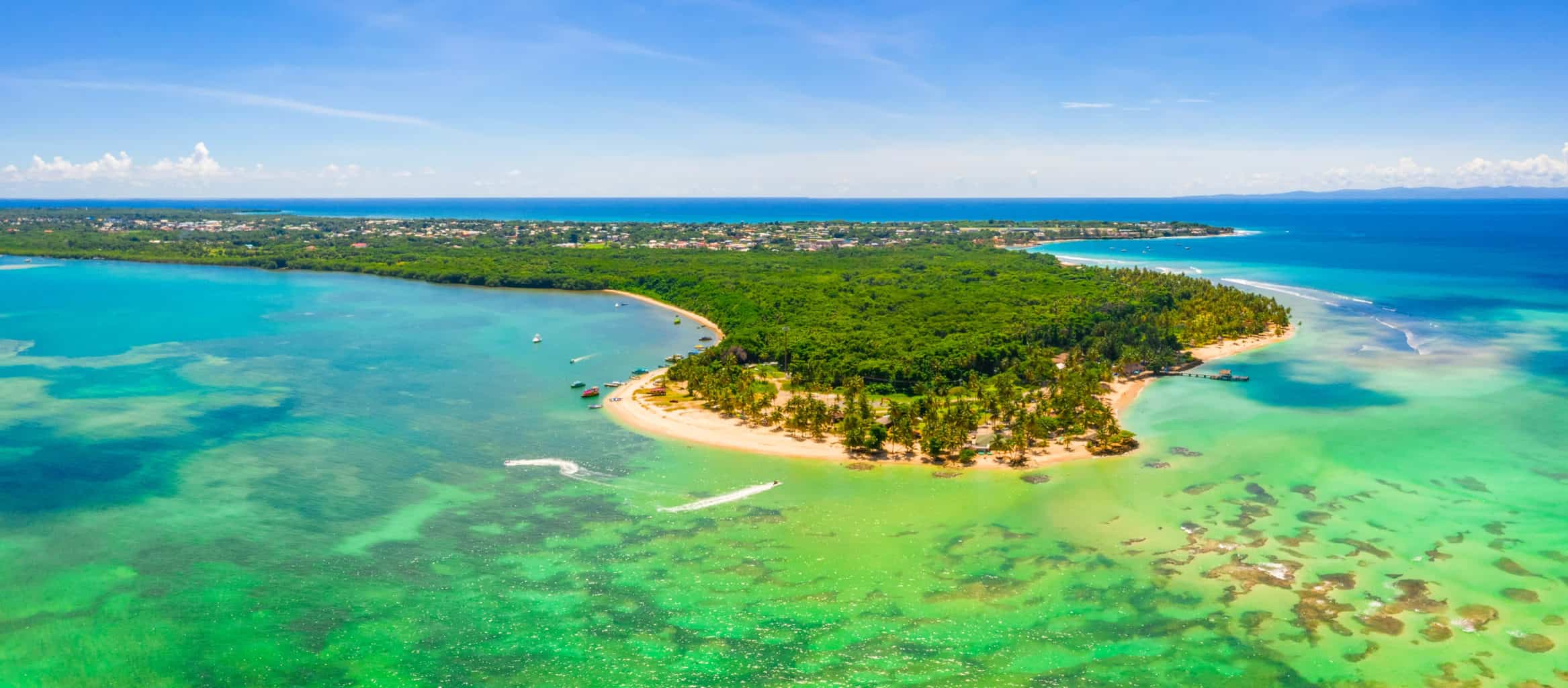
A Guide to Cuba: Where to Go and What to Do
Cuba is located in a geographically strategic place, in the area between the three American continents, namely the North, Central,...
Explore More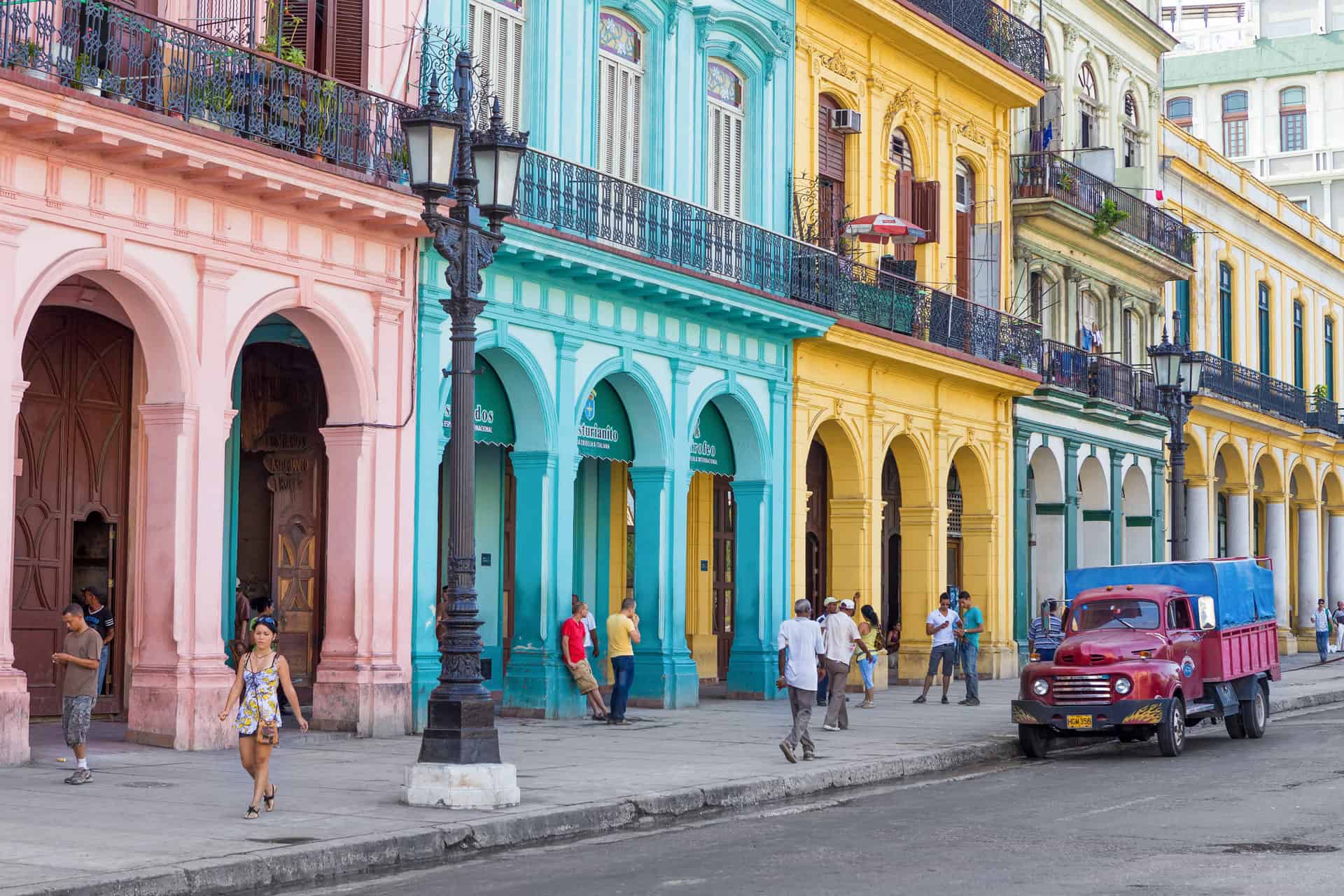
Explore Caribbean
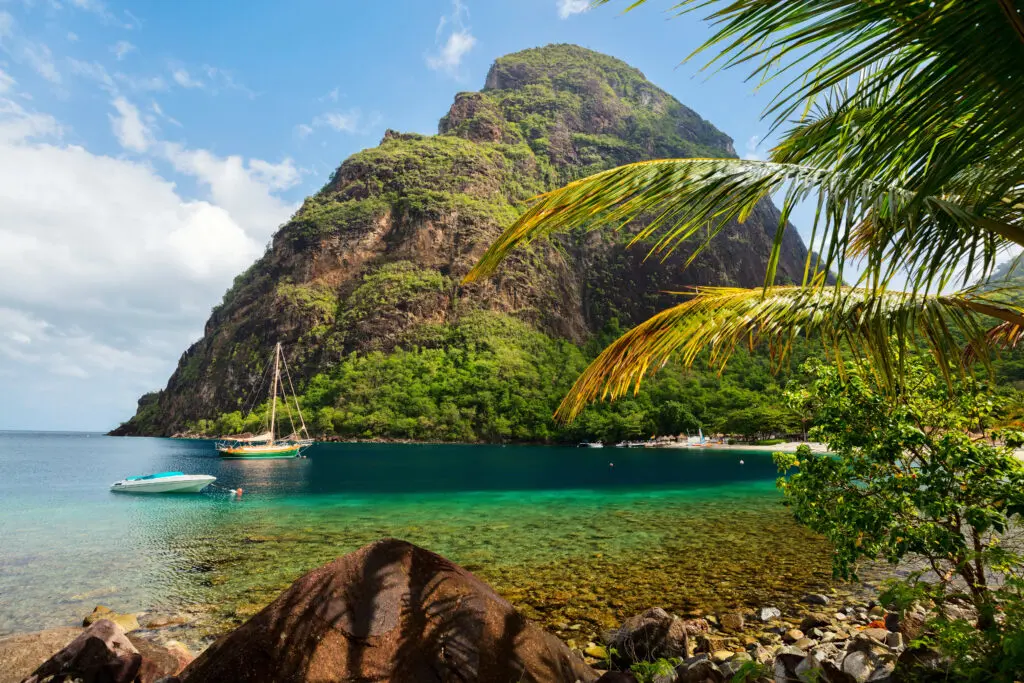
St Lucia Tourism: A Caribbean Paradise
Have you ever dreamt of a tropical escape, a Caribbean paradise where volcanic peaks pierce the clouds and pristine beaches...
read full article
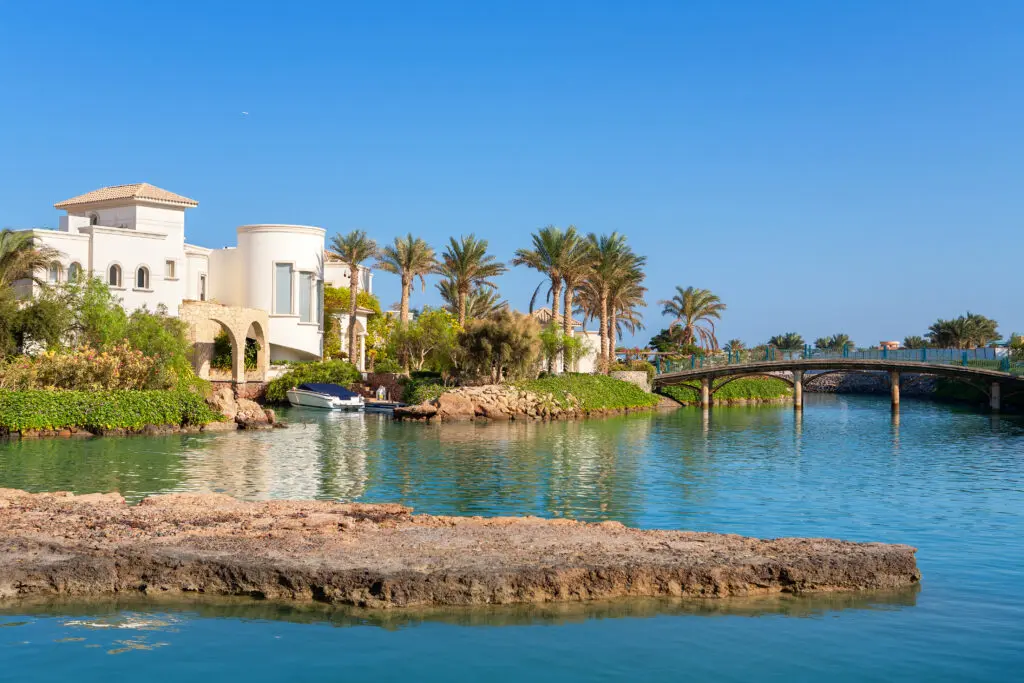
El Gouna: A New Popular Resort City in Egypt
El Gouna, often hailed as the “Venice of the Red Sea,” stands as a premier resort town in Egypt, renowned...
read full article

Street Murals Around the World
Every city you visit in the world offers its own unique street murals designed to captivate and amaze tourists and...
read full article
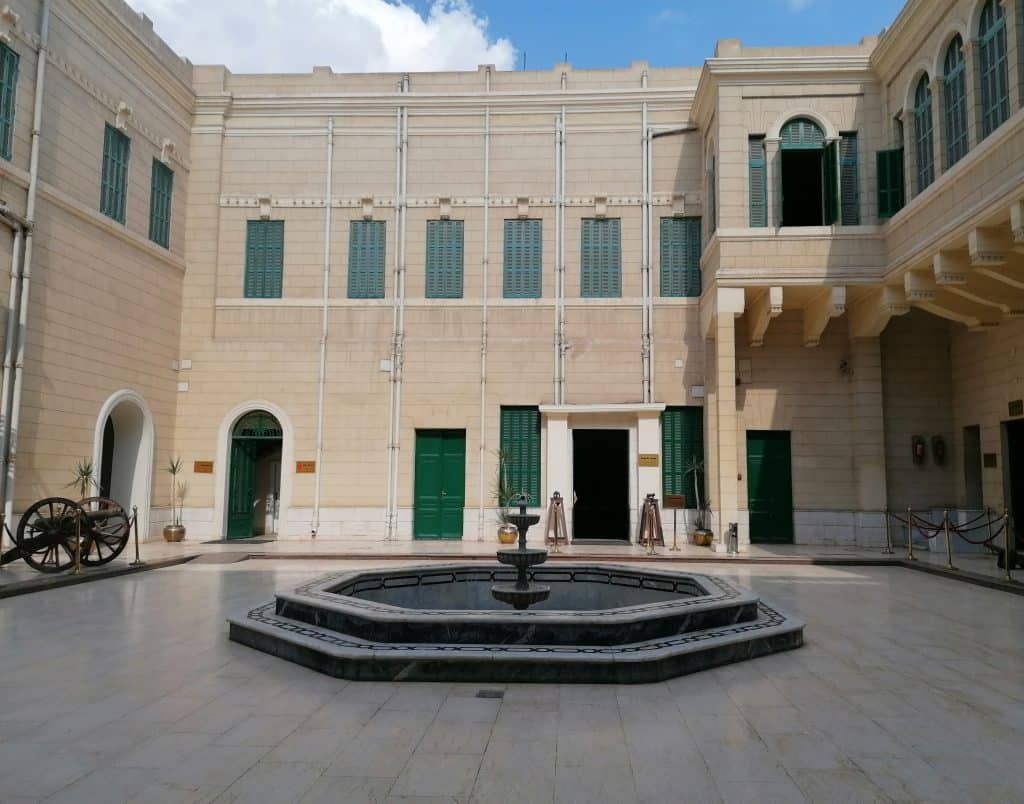
Abdeen Palace: Home to Egypt’s Last Royal Family
Abdeen Palace is a historical and cultural landmark in Egypt that served as a royal residence for many years. The...
read full article
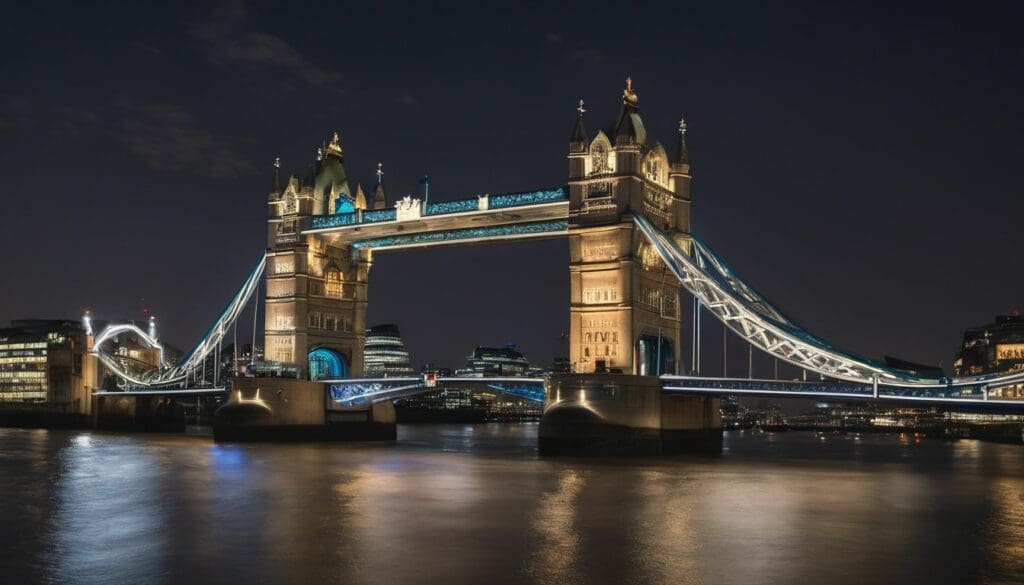
A Comprehensive Guide to the Ultimate 4-Day London Itinerary: Explore the City Like a Pro!
London pulsates with a vibrant energy, a tapestry woven from history, culture, and a touch of charming eccentricity. But for...
read full article
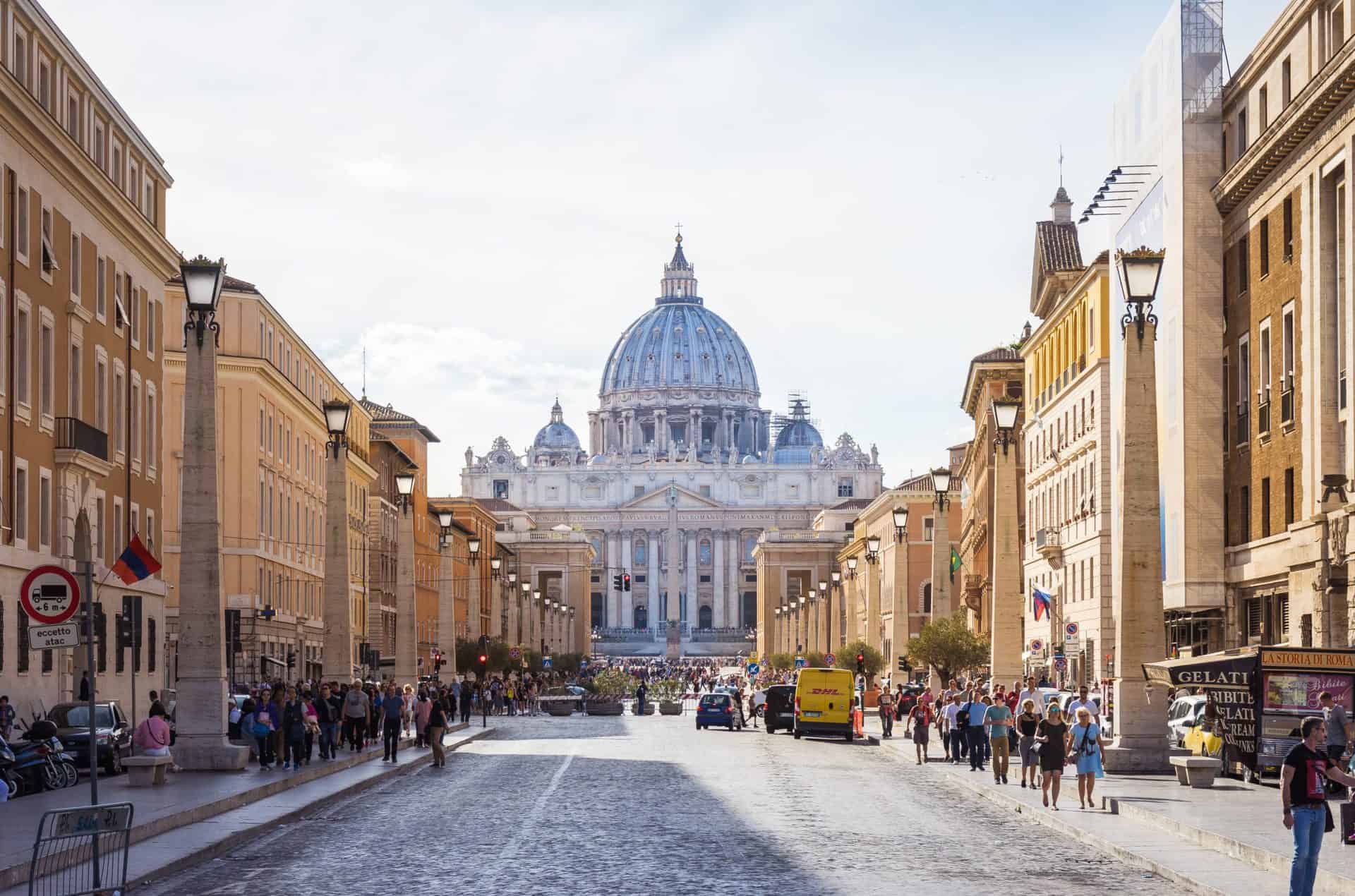
20 Affordable Activities to Do in Rome
All roads lead to Rome! Do they? Well, they did. All secondary cities in the Roman Empire had roads connecting...
read full article
Top Attractions
Glistening Waters Luminous Lagoon
Imagine the water is shining like glamorous stars around you! In Glistening Waters Luminous Lagoon, the water is lit up with a bright blue colour when you touch the water or splash it. Also, swimming in this magical lagoon is one-of-its-kind experience that you will never forget. The glowing light will surround you in a magical way.
Best 15 Things to Do in Jamaica, Land of ReggaeBob Marley Museum
In the Land of Reggae, explore Bob Marley's former home and studio You will find his personal recording studio, bedroom, artefacts, and more.
Best 15 Things to Do in Jamaica, Land of ReggaeGreen Turtle Cay
Enjoy the beautiful beach and the crystal clear water of Green Turtle Cay. You can also enjoy swimming, diving and snorkeling in this magical location that will remind you of the old Bahamas. From there, you can visit the village of New Plymouth. It has many shops and museums and its main transportation is golf carts.
Exploring the BahamasGregory Town
Explore the Bahamian tradition in Gregory Town. Attend the pineapple festival on the Bahamian Labour Day. Also, explore the the famous Glass Window Bridge, the Preacher’s Cave. If you are into windsurfing, the town attracts many surfers from around the world every year.
Exploring the BahamasTop Experiences