Skip to content
Updated on: by Avatar image of authorCove Team Review By: Raghda Elsabbagh

Planning a trip to Ireland can feel overwhelming with the sheer wealth of stunning landscapes, charismatic towns, and riveting historical sites to explore. The West Coast, in particular, offers an extraordinary blend of dramatic coastal scenery, authentic cultural experiences, and welcoming communities that make this region truly special.

We’ve travelled extensively along the glorious West Coast of Ireland, from the towering Cliffs of Moher to the remote beauty of Achill Island, to create this comprehensive guide. Through our work documenting Ireland’s cultural heritage through video production and digital storytelling, we’ve gained insights into what makes these destinations genuinely remarkable beyond the typical tourist perspective. This itinerary balances the must-see attractions with authentic local experiences, helping you create meaningful memories of Ireland’s western shores.

Whether you’re drawn to ancient abbeys nestled in mountain valleys, traditional music sessions in cosy pubs, or windswept cliffs that plunge dramatically into the Atlantic, this guide provides practical advice for experiencing the West Coast’s true character.

Top Attractions on the West Coast of Ireland

The West Coast seamlessly blends breathtaking landscapes, rich history, and vibrant culture into an unforgettable experience. From towering cliffs to historic abbeys and lively cities, this region offers something for every type of explorer.

These carefully selected destinations represent the authentic spirit of Ireland’s western seaboard, combining natural wonders with genuine cultural experiences that extend far beyond typical tourist attractions.

Cliffs of Moher

Towering proudly at heights reaching 214 metres above the mighty Atlantic Ocean, the Cliffs of Moher command attention with their rugged beauty and crashing waves. These iconic cliffs remain one of Ireland’s most photographed natural wonders, and for good reason.

The Cliffs of Moher Visitor Experience blends seamlessly into the coastal landscape, providing an immersive encounter with this geological marvel. Walking along the well-maintained cliffside pathways allows you to absorb the sheer magnificence whilst distant seabird calls echo across the expanse. On clear days, breathtaking vistas extend to the Aran Islands and distant Connemara mountains.

From a content creator’s perspective, the cliffs offer extraordinary opportunities for visual storytelling. The changing light throughout the day transforms the cliff faces, creating dramatically different moods that showcase why understanding natural lighting matters so much in video production. Early morning visits often reward patient photographers with softer light and fewer crowds, whilst sunset brings that golden hour magic many creators seek.

“When we document Ireland’s coastal heritage, locations like the Cliffs of Moher remind us why authentic storytelling matters. These aren’t just scenic viewpoints—they’re living landscapes with geological stories spanning millions of years and human connections stretching back millennia.” — Ciaran Connolly, Founder of ConnollyCove

Kylemore Abbey

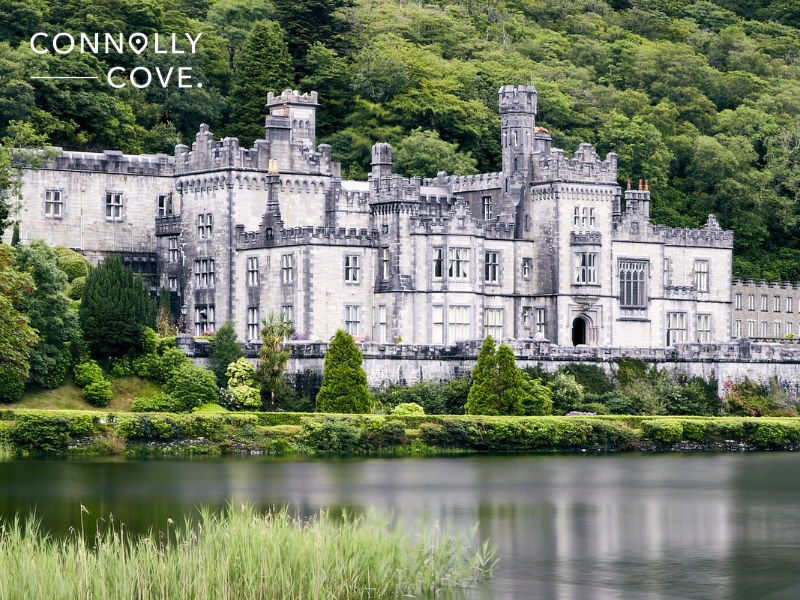
This Benedictine abbey sits gracefully along the shores of Kylemore Lake, offering a captivating glimpse into Victorian-era grandeur. The building’s reflection in the still lake waters creates one of Ireland’s most photographed scenes, particularly during autumn when surrounding trees burst into vibrant colours.

Visitors can explore opulently decorated rooms showcasing intricate details that tell stories of bygone days. The meticulously landscaped Victorian Walled Garden, restored to its original 1890s glory, provides a tranquil oasis spanning six acres. Walking through the garden’s restored paths, you’ll discover why the Benedictine nuns chose this location for their spiritual home.

The abbey’s setting within Connemara National Park makes it an ideal stopping point for those exploring the broader region. For digital content creators and heritage organisations, Kylemore demonstrates how historical sites can maintain authenticity whilst adapting to modern visitor needs through thoughtful interpretation and sustainable tourism practices.

Galway City

The cobblestone streets of Galway pulse with electrifying energy, filled with lively chatter and infectious melodies from talented buskers. This vibrant city serves as the cultural heart of Ireland’s west, where traditional music, contemporary arts, and academic life converge.

Galway Cathedral stands as a stunning testament to medieval artistry, whilst the bustling Eyre Square forms the vibrant centre of the city’s social scene. The Galway City Museum brings tales of pirates, poets, and Gaelic traditions to life through engaging exhibitions that connect past and present.

As evening settles, the city’s pubs come alive with traditional music sessions that capture the warmth and friendliness defining Galway’s character. The city’s creative energy makes it a hub for arts festivals, street performances, and innovative cultural projects throughout the year.

For those interested in digital marketing and content strategy, Galway exemplifies how a destination successfully balances tourism promotion with maintaining authentic local character. The city’s approach to cultural tourism offers lessons in building genuine community engagement whilst welcoming visitors.

Westport

Nestled on the enchanting West Coast, Westport combines the allure of a charming harbour town with historical elegance and adventurous spirit. Cobblestone streets lined with vibrant shops and lively pubs create a welcoming atmosphere that draws visitors back repeatedly.

Westport House, an 18th-century mansion surrounded by stunning gardens, provides insight into Ireland’s aristocratic heritage. The estate’s adaptation for modern visitors whilst preserving historical integrity demonstrates effective heritage management.

Outdoor enthusiasts find plenty to explore, from hiking the scenic trails of Croagh Patrick, a sacred pilgrimage site with panoramic views, to paddling through the turquoise waters of Clew Bay. Horseback riding along the golden sands of Bertra Beach, boat tours discovering hidden coves, and cycling adventures through lush countryside all contribute to Westport’s appeal.

As evening descends, fresh seafood at harborside restaurants and traditional Irish music in cosy pubs showcase the genuine hospitality that makes Westport memorable. The town successfully balances tourism development with maintaining its authentic character, creating a model for sustainable coastal tourism.

Achill Island

Embracing the untamed beauty of Achill Island means experiencing where rugged cliffs plunge dramatically into the Atlantic and pristine beaches beckon exploration. Ireland’s largest island offers a raw, windswept beauty that feels genuinely remote despite improved road access.

Hiking trails on Slievemore Mountain reward explorers with panoramic vistas stretching across wild landscapes. Keem Bay, ranked amongst Ireland’s most stunning beaches, features turquoise waters lapping against soft sand—a photographer’s paradise.

The Achill Island Museum provides fascinating insights into island life through the centuries, including the abandoned village at Slievemore. The Atlantic Drive offers dramatic cliff views and access to charming villages like Dooagh and Dugort, where traditional island culture remains very much alive.

Evening gatherings in traditional pubs, accompanied by pints of Guinness and lilting Irish tunes, reveal the warm hospitality of islanders. For content creators documenting authentic Irish life, Achill represents communities maintaining cultural traditions whilst adapting to modern challenges.

Connemara National Park

This captivating landscape of mountains, shimmering lakes, rugged coastlines, and vast boggy expanses showcases Ireland’s wild beauty. The Twelve Bens mountain range offers hiking trails weaving through valleys carpeted in emerald green, leading to summits with breathtaking panoramic views.

Kayaking across the glassy surface of Lough Inagh provides opportunities to spot playful otters amongst the reeds. The lunar-like landscape of the Connemara Marble Quarry displays veins of green and purple marble shimmering in sunlight, whilst Aughnanure Castle’s ruins tell stories of this 16th-century Gaelic stronghold.

Kylemore Abbey sits within the park’s boundaries, combining Victorian grandeur with the park’s natural beauty. Whether seeking outdoor adventure, historical intrigue, or peaceful communion with nature, Connemara National Park delivers unforgettable experiences.

The park’s landscape provides endless opportunities for visual storytelling, from time-lapse sequences capturing changing weather patterns to intimate portraits of rare flora. Understanding how to capture these environments effectively requires both technical knowledge and sensitivity to the natural rhythms of wild places.

Aran Islands

Escaping the mainland’s bustle to explore the Aran Islands means discovering Ireland’s authentic heart. This captivating trio perched off the west coast maintains traditions largely unchanged for generations.

Inis Mór, the largest island, remains predominantly car-free, where Gaelic language and customs reign supreme. Ancient stone forts like Dún Aengus cling dramatically to clifftops, offering spectacular views and connections to prehistoric inhabitants. Local knitwear workshops demonstrate skilled craftsmanship, creating timeless garments using traditional patterns.

Inis Meáin, known for tranquillity and artistic community, features stone walls whispering tales of bygone eras. Inis Oirr, the smallest island, reveals ruins of a 7th-century monastery—weathered stones bearing silent witness to centuries of faith and community.

Hiking along windswept cliffs, breathing salty air, and listening to Atlantic waves creates a meditative experience. Immersing yourself in unique island culture, savouring fresh seafood, and experiencing genuine islander hospitality creates memories extending beyond typical tourism.

For digital projects focusing on cultural preservation, the Aran Islands represent living laboratories where traditional lifestyles adapt gradually to contemporary life whilst maintaining core cultural values. Documenting these communities requires sensitivity, respect, and long-term relationship building.

The Ring of Kerry

This scenic 177-kilometre route reveals a tapestry of dramatic landscapes, charming villages, and historical treasures. Winding through vibrant Kenmare with colourful storefronts and delicious local fare starts the journey well.

Kerry Head showcases raw beauty where rugged cliffs plunge into the Atlantic, offering breathtaking seascapes. Ladies View provides panoramic vistas of majestic McGillicuddy’s Reeks peaks and sparkling Killarney Lakes—one of Ireland’s most photographed viewpoints.

Traditional pubs in Sneem and Waterville invite stops for fresh seafood and lively music, whilst Cahersiveen’s medieval monastery and charming Glenbeigh fishing village add historical depth. Sunset over Dingle Bay creates fiery hues painting the sky—a perfect conclusion to unforgettable adventures along Ireland’s scenic west coast.

The Ring of Kerry’s popularity presents both opportunities and challenges. Understanding optimal timing, alternative routes, and lesser-known viewpoints helps visitors experience this spectacular route without overwhelming crowds. These insights come from extensive local knowledge built through repeated visits and connections with local communities.

10-Day West Coast of Ireland Adventure Itinerary

This carefully crafted itinerary blends iconic landmarks with hidden gems, offering adventure, culture, and relaxation. Remember, this serves as a flexible framework—adapt it to match your interests and preferred pace.

The itinerary reflects lessons learned through extensive travel documentation projects, highlighting locations that offer both visual appeal and genuine cultural depth. Each day balances active exploration with opportunities to connect meaningfully with local communities.

Day 1: Arrive at Shannon Airport & Galway City

Touch down at Shannon Airport and collect your rental car to begin your western adventure. The drive to Galway City takes approximately 90 minutes, allowing time to settle into Irish road rhythms.

Once in Galway, explore the magnificent Galway Cathedral and wander through Eyre Square, absorbing the lively atmosphere. The Galway City Museum offers excellent context for understanding the region’s maritime heritage and cultural evolution.

Evening brings Galway to life. Fresh seafood in harborside restaurants showcases local catches, whilst traditional Irish music sessions in atmospheric pubs capture the city’s welcoming spirit. Many pubs host informal sessions where musicians gather spontaneously—these often provide more authentic experiences than advertised tourist sessions.

Practical tip: Galway’s medieval Latin Quarter features narrow streets best explored on foot. Park at one of the designated car parks and spend the evening wandering freely.

Day 2: Connemara National Park & Kylemore Abbey

Journey into Connemara National Park, where mountains, lakes, and rugged coastlines create Ireland’s wild soul. Hiking amongst the Twelve Bens mountain range, kayaking on Lough Inagh, or exploring the distinctive Connemara Marble Quarry all offer different perspectives on this remarkable landscape.

Kylemore Abbey awaits within the park—a majestic Benedictine abbey where Victorian-era gardens invite peaceful wandering. The abbey’s tea rooms provide lovely spots for afternoon refreshments whilst absorbing mountain views.

Photography enthusiasts should note that Connemara’s weather changes rapidly, creating dramatic lighting conditions. Storm clouds breaking over mountains produce spectacular effects but require weather-appropriate preparation. This variability teaches valuable lessons about adapting creative plans to natural conditions—skills applicable across all video production and content creation work.

Day 3: The Aran Islands

Catch the ferry from Rossaveal to Inis Mór, where Gaelic language and centuries-old traditions remain vibrant. The journey across Galway Bay itself offers opportunities to spot seabirds and, occasionally, dolphins.

Ancient stone forts like Dún Aengus perch dramatically on cliff edges, whilst local craft workshops demonstrate traditional skills passed through generations. Consider hiring bicycles—the island’s compact size makes cycling an ideal exploration method.

Time permitting, visiting Inis Meáin or Inis Oirr adds different perspectives on island life. Each island maintains distinct character despite proximity. Advance ferry booking during summer months prevents disappointment, as services fill quickly.

Cultural note: Many islanders speak Irish as their first language. Learning a few basic phrases like “Dia dhuit” (hello) and “Go raibh maith agat” (thank you) demonstrates respect for local culture and often opens doors to warmer interactions.

Day 4: Cliffs of Moher & Doolin

Travel south to the iconic Cliffs of Moher, where towering giants overlook the Atlantic Ocean in magnificent splendour. Walking along clifftop paths, hiking down to beach level, or taking boat tours each offers unique perspectives on these geological wonders.

The visitor centre provides excellent context about cliff formation, local wildlife (including puffin colonies during breeding season), and human connections to this dramatic landscape. Arriving early morning or late afternoon avoids peak crowds and captures better lighting for photography.

Doolin village, renowned for traditional Irish music, makes an excellent overnight stop. Multiple pubs host nightly sessions featuring skilled local musicians. McGann’s, O’Connor’s, and McDermott’s all maintain strong reputations, though the best sessions often occur spontaneously in smaller venues.

Evening sessions typically begin around 9:30 PM. Arriving early secures good seats, whilst respecting musicians by listening attentively (rather than treating sessions as background entertainment) ensures these traditions continue thriving.

Day 5: The Ring of Kerry

Embark on the scenic Ring of Kerry, a 177-kilometre loop showcasing dramatic landscapes and charming villages. Traditional advice suggests driving anticlockwise to avoid tour bus traffic, though both directions offer spectacular views.

Stop in Kenmare, Sneem, and Waterville to explore local shops, sample fresh seafood, and experience traditional pubs. Ladies View and Kerry Head provide breathtaking panoramas worth extended stops. Cahersiveen’s monastery adds historical depth to natural beauty.

The Ring’s popularity means summer traffic can slow progress significantly. Starting early (by 8 AM) or extending the drive across two days with an overnight stop allows more relaxed exploration. Alternative routes through less-travelled areas often reward curious travellers with equally stunning scenery and fewer crowds.

Day 6: Dingle Peninsula & Slea Head Drive

The Dingle Peninsula offers stunning scenery, including mountains, beaches, and cliffs in a more intimate scale than the Ring of Kerry. The scenic Slea Head route winds past beehive huts (clochán), early Christian sites, and dramatic coastal viewpoints.

Dingle town combines working fishing port authenticity with excellent restaurants, craft shops, and galleries. The peninsula’s western tip remains predominantly Irish-speaking (Gaeltacht), maintaining cultural traditions increasingly rare elsewhere.

Hiking cliffside trails, attempting to surf Atlantic waves, or simply relaxing on pristine beaches all suit different travel styles. The peninsula’s compact nature allows mixing active pursuits with cultural exploration and relaxation.

Content creation insight: Dingle Peninsula’s varied landscapes—from sandy beaches to rugged cliffs to rolling farmland—make it ideal for producing diverse visual content within a compact area. This efficiency matters when creating destination marketing materials or travel documentaries.

Day 7: Killarney National Park & Muckross House

Immerse yourself in Killarney National Park’s breathtaking scenery, often called “Ireland’s Yosemite.” Hiking amongst mountains, witnessing the cascading power of Torc Waterfall, and boating across crystal-clear Killarney Lakes all showcase the park’s diverse beauty.

Muckross House, a grand 19th-century mansion, offers insight into Victorian aristocratic life. The traditional farms section demonstrates pre-industrial Irish farming life, whilst extensive gardens provide peaceful walking paths.

The park’s popularity means arriving early helps avoid crowds, particularly at major attractions. Consider hiring bicycles to explore the extensive network of trails connecting different park areas—this provides flexibility whilst reducing environmental impact.

Day 8: Westport & Croagh Patrick

Journey north to Westport, where harbour-town charm meets historical elegance. Westport House and its stunning gardens provide morning exploration, whilst the town’s vibrant streets invite afternoon wandering.

Croagh Patrick, Ireland’s holy mountain, presents pilgrimage trail options ranging from gentle lower slopes to challenging summit hikes. Clear days reward summit climbers with panoramic views extending across Clew Bay’s island-studded waters.

Kayaking Clew Bay’s turquoise waters or cycling through lush countryside offers alternatives to mountain hiking. Westport’s compact centre makes evening exploration easy, with excellent restaurants and lively pubs within walking distance.

Day 9: Achill Island

Ferry to Achill Island, where outdoor enthusiasts and nature lovers find paradise. Slievemore Mountain trails, hidden coves at Keem Bay, and the island’s unique heritage revealed at Achill Island Museum all warrant exploration.

Horseback riding on Bertra Beach and boat tours to hidden coves provide different perspectives on island beauty. The Atlantic Drive connects charming villages whilst offering dramatic coastal views.

Achill’s relative remoteness means fewer visitors than more accessible destinations, creating opportunities for genuine solitude amidst spectacular landscapes. This remoteness also requires preparation—petrol stations and shops are limited, so planning ahead prevents inconvenience.

Day 10: Farewell & Departure

Enjoy a final Irish breakfast at a local café, savouring flavours and conversations that characterise Irish hospitality. Allow ample time for the drive to Shannon Airport, factoring in potential delays and time for returning your rental car.

Browse airport shops for last-minute Irish souvenirs—quality woolens, traditional music, and artisan foods all travel well. Reflect on experiences gathered, from towering cliffs to warm hospitality, cherishing memories created along Ireland’s captivating west coast.

Planning Your West Coast Journey

Successful West Coast exploration requires thoughtful preparation balancing spontaneity with practical planning. These insights come from extensive experience documenting Irish destinations and helping visitors create meaningful travel experiences.

Best Time to Visit

Late spring through early autumn (May to September) offers milder weather and longer daylight hours for outdoor activities. However, Ireland’s weather remains famously unpredictable regardless of season, so pack layers and waterproofs year-round.

Summer brings warmth and extended daylight but also peak tourist crowds and premium pricing. Booking accommodation and major attractions several months advance prevents disappointment.

Shoulder seasons (May, early June, September) often provide the sweet spot—moderate prices, reasonable weather, and fewer crowds. Late September particularly rewards visitors with harvest festivals and autumn colours without summer’s tourist intensity.

Winter (November-March) offers unique rugged beauty and authentic local interactions but requires accepting limitations. Many smaller B&Bs close, coastal roads may face weather closures, and daylight hours shorten significantly. City-based cultural experiences (Galway, Limerick) work better than rural touring during winter months.

Transportation Considerations

Renting a car provides maximum flexibility for exploring the West Coast’s dispersed attractions. Book early during summer months when demand exceeds supply, particularly for larger vehicles or automatic transmissions.

Important for UK visitors: Irish roads use kilometres, not miles. Speed limits appear in km/h, requiring mental conversion or GPS settings adjustment. Rural roads can be extremely narrow, particularly on peninsulas, requiring confidence reversing into passing places.

Ferry services from Wales (Holyhead, Pembroke) to Dublin or Rosslare offer alternatives to flying, particularly for extended trips where bringing your own vehicle provides cost savings and familiar comfort.

Public transport exists but requires patience and advance planning. Bus Éireann operates along major routes, whilst private companies serve popular tourist destinations. Train services don’t reach most West Coast destinations directly.

Accommodation Options

B&Bs provide authentic Irish hospitality, hearty breakfasts, and local knowledge. Family-run establishments often become trip highlights through personal interactions and insider recommendations. Book directly when possible to support local businesses.

Hotels offer more predictable standards and amenities, particularly in larger towns. Advance booking remains important during peak season, though last-minute availability increases during shoulder months.

Self-catering cottages suit longer stays, family groups, or those preferring cooking flexibility. Many occupy spectacular coastal or rural positions offering privacy and space.

Camping and glamping options have expanded significantly, appealing to budget-conscious travellers and those seeking closer nature connections. Facilities vary widely—research thoroughly to match expectations.

Budgeting Expectations

Daily costs vary considerably depending on accommodation choices, dining preferences, and activity selections. Budget travellers managing hostels and self-catering can expect minimum €60-80 daily per person, whilst comfortable mid-range travel typically requires €120-180 daily.

Petrol prices remain higher than many visitors expect—factor approximately €30-40 daily for typical driving distances. Major attractions charge admission (€8-15 typically), though many natural sites remain free.

Traditional pubs offer relatively affordable meals (€12-18 for hearty mains) and reasonable pint prices (€5-6.50). Restaurant dining varies from modest gastropubs to upscale establishments—research menus beforehand to avoid surprises.

Cultural Experiences Along the West Coast

The West Coast offers rich cultural experiences extending far beyond scenic viewpoints. Understanding and respecting local traditions enhances visits whilst supporting communities maintaining authentic cultural practices.

Traditional Music Sessions

Genuine traditional Irish music sessions provide unforgettable experiences connecting directly with living cultural traditions. Sessions differ fundamentally from performances—musicians gather primarily for their own enjoyment, with audiences welcomed as respectful observers.

Etiquette matters considerably. Arriving early secures seating, remaining quiet during tunes shows respect, and buying musicians occasional drinks demonstrates appreciation. Photography requires permission, whilst recording should be avoided unless explicitly welcomed.

Doolin, Ennis, and Westport maintain strong traditional music scenes with regular sessions. However, smaller towns often host equally authentic sessions in more intimate settings. Local inquiry often reveals the best current sessions, as venues and schedules shift.

Gaeltacht Regions

Irish-speaking regions (Gaeltacht) maintain cultural traditions increasingly rare elsewhere in Ireland. The West Coast includes significant Gaeltacht areas in Connemara, parts of County Galway, and Dingle Peninsula.

Learning basic Irish phrases demonstrates cultural respect and often encourages warmer local interactions. Even simple greetings like “Dia dhuit” (hello) and “Slán” (goodbye) show appreciation for Ireland’s native language.

These regions offer opportunities to experience Irish language naturally rather than as museum pieces. Summer colleges teach Irish to students from across Ireland, whilst local festivals celebrate traditional culture through music, dance, and storytelling.

Local Crafts and Artisans

Traditional crafts remain living practices across the West Coast. Aran sweaters, created using patterns developed over centuries, continue being hand-knitted by island craftspeople. Connemara marble, distinctive green-veined stone, is worked into jewellery and decorative pieces.

Pottery studios, weaving workshops, and artisan food producers welcome visitors interested in learning about traditional techniques. Many offer workshops teaching basic skills, creating memorable hands-on experiences whilst supporting local craftspeople.

“Understanding traditional crafts provides insights into how communities historically survived on Ireland’s challenging western margins. These weren’t decorative pursuits but essential skills. Documenting these traditions through video and digital media helps ensure knowledge passes to future generations whilst creating economic opportunities for current practitioners.” — Ciaran Connolly, Founder of ConnollyCove

Food and Culinary Traditions

West Coast cuisine extends beyond stereotypical pub grub. Fresh seafood naturally features prominently—Atlantic catches including crab, lobster, mussels, and various fish appear on menus daily.

Traditional dishes worth seeking include seafood chowder (creamy soup packed with local catches), Irish stew (slow-cooked lamb with vegetables), and boxty (potato pancakes). Black pudding, though challenging for some visitors, represents authentic Irish breakfast traditions.

Artisan food producers have flourished across the region. Farmers’ markets showcase local cheeses, smoked fish, artisan breads, and craft preserves. These markets provide excellent opportunities for picnic supplies whilst supporting small producers.

Craft breweries and distilleries have expanded significantly. Many offer tours demonstrating traditional and modern production methods, with tastings highlighting distinctive local flavours.

Frequently Asked Questions

What is the best time to visit the West Coast of Ireland?

Late spring through early autumn (May to September) offers the most favourable conditions with milder weather and longer daylight hours. Shoulder months (May, early June, September) particularly reward visitors with moderate prices, reasonable weather, and fewer crowds compared to peak July-August tourism. Winter visits suit those prioritising cultural experiences and authentic local interactions over outdoor activities, though prepare for limited services and challenging weather conditions.

Are there unique cultural experiences on the West Coast?

Absolutely. Traditional music sessions in authentic venues provide direct connections to living Irish culture—approach these with appropriate etiquette, treating them as participatory gatherings rather than performances. Gaeltacht regions offer opportunities experiencing Irish language naturally, whilst traditional craft workshops demonstrate skills passed through generations. Food experiences ranging from farmers’ markets to artisan producers showcase evolving culinary traditions rooted in local ingredients and historical practices.

What outdoor activities are available on the West Coast?

The region’s diverse landscapes support varied activities. Coastal hiking along the Cliffs of Moher or Slieve League provides dramatic Atlantic views. Connemara National Park and Killarney National Park offer mountain trails ranging from gentle walks to challenging climbs. Water activities include kayaking in Clew Bay, surfing Atlantic swells on the Dingle Peninsula, and boat tours discovering hidden coves. Cycling routes wind through the countryside and coastal roads, whilst horseback riding on beaches creates memorable experiences.

What is local cuisine like on the West Coast?

Fresh seafood naturally dominates, with daily catches including crab, lobster, mussels, and various fish prepared in traditional and contemporary styles. Hearty traditional dishes like seafood chowder, Irish stew, and boxty (potato pancakes) appear on most pub menus. Artisan food producers create distinctive local cheeses, smoked fish, and craft beverages. Quality varies considerably—seek recommendations from locals and explore farmers’ markets for authentic flavours supporting small producers.

Are there accommodations with scenic views along the West Coast?

The West Coast offers diverse accommodation options with spectacular vistas. Coastal hotels position guests overlooking Atlantic views, whilst rural B&Bs nestle in mountain valleys or perch on clifftops. Self-catering cottages frequently occupy prime positions providing privacy alongside scenery. Book well ahead during summer months, particularly for properties with renowned views. Many establishments balance historic character with modern comforts, though infrastructure standards vary—read recent reviews carefully before booking.

Visit the West Coast of Ireland

West Coast of Ireland 

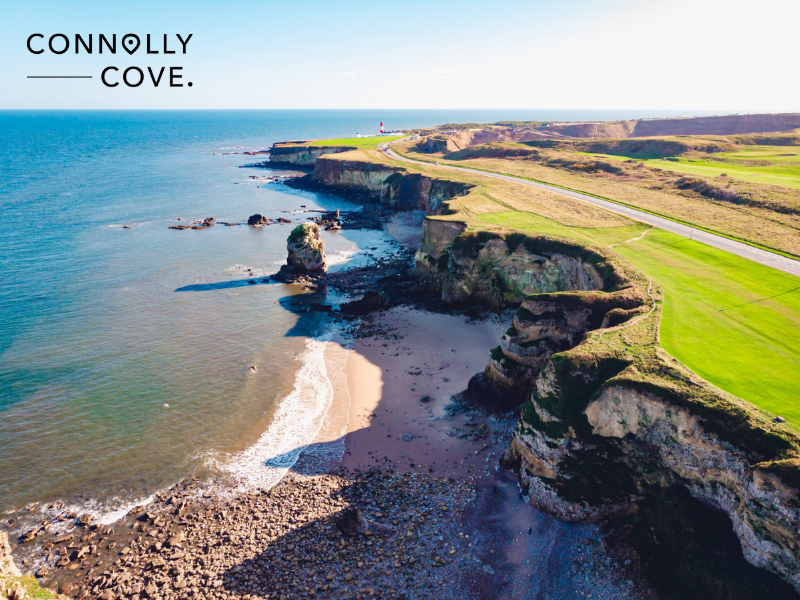
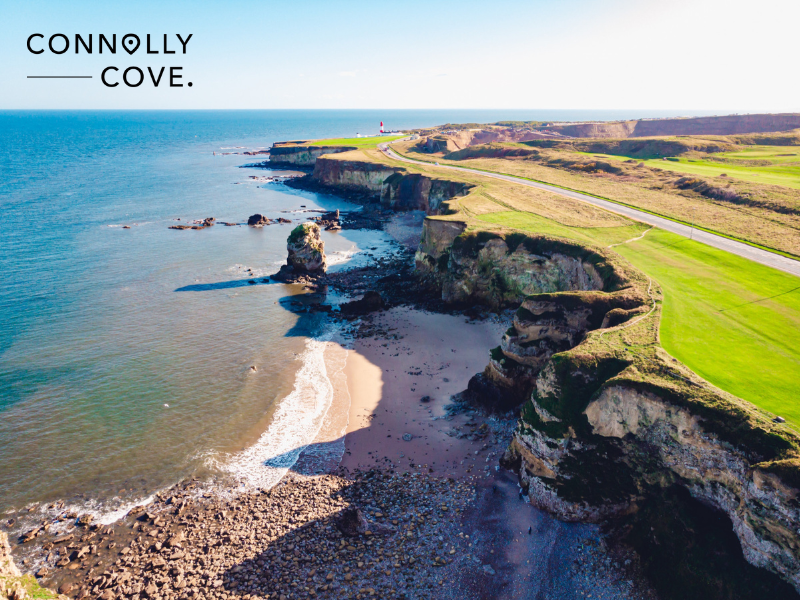
A dramatic coastline along the West Coast of Ireland features steep green cliffs, a tall rocky sea stack, and turquoise waves crashing onto a sandy beach under a partly cloudy sky. Connolly Cove is written in the bottom right corner.

The West Coast of Ireland transcends typical tourist destinations—it’s an immersive experience where dramatic landscapes meet living cultural traditions. The refreshing sting of sea spray, lilting melodies lingering in memory, and warmth of shared moments in cosy pubs all contribute to the region’s magic.

This coast teaches lessons about authentic storytelling—how places possess distinct characters shaped by geography, history, and the communities maintaining cultural traditions despite modern pressures. Through our work documenting these destinations, we’ve learned that meaningful travel content balances practical information with cultural context, helping visitors understand not just where to go, but why these places matter.

As you plan your West Coast adventure, remember that the most memorable experiences often occur between planned stops—conversations with locals, unexpected discoveries on minor roads, and quiet moments absorbing stunning landscapes. These unscripted encounters transform trips into journeys, creating connections extending far beyond holiday snapshots.

Whether you’re an individual traveller seeking authentic experiences or an organisation requiring professional digital content services to share Ireland’s cultural heritage with global audiences, the West Coast demonstrates why authentic storytelling matters. Its wild beauty, rich heritage, and warm spirit await those willing to slow down, listen, and engage meaningfully with this extraordinary region.

Leave a comment

Your email address will not be published. Required fields are marked *