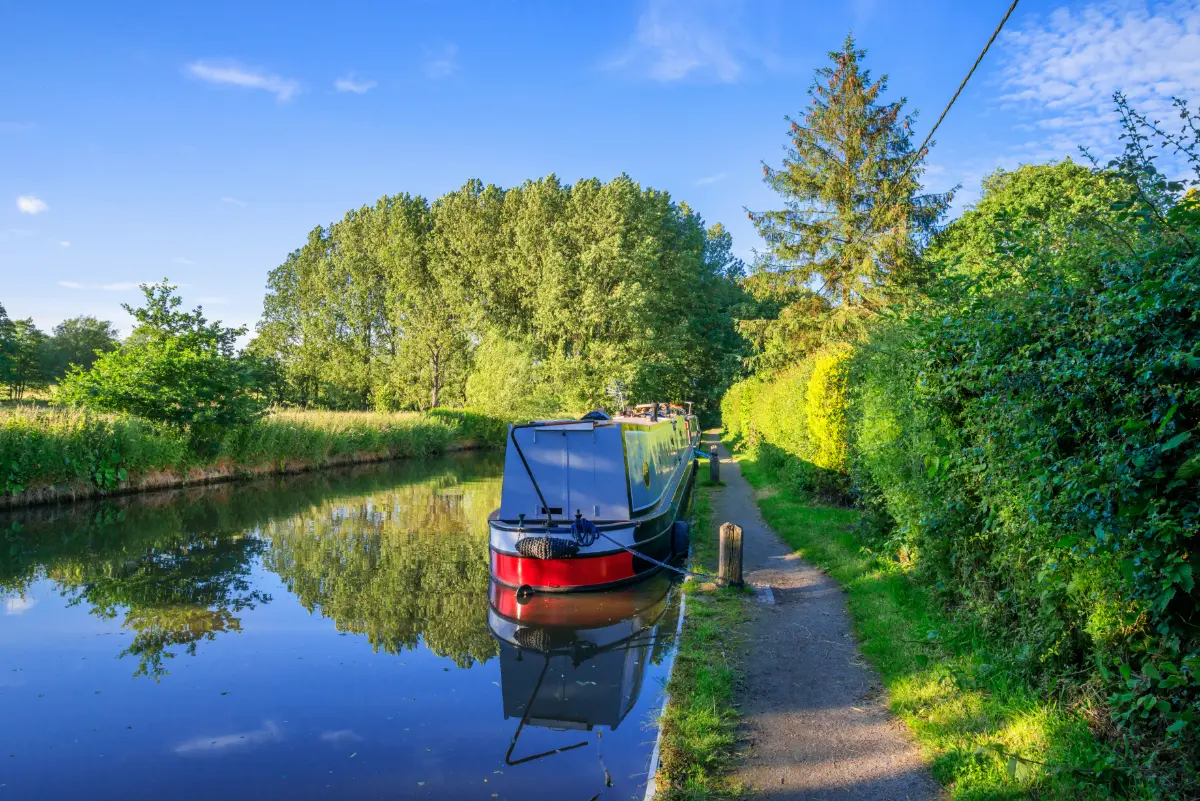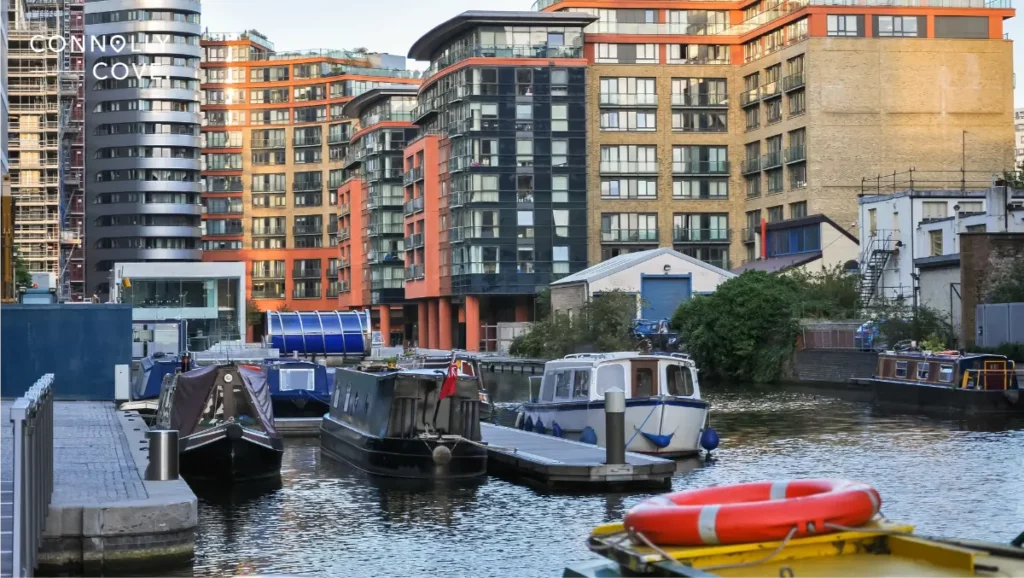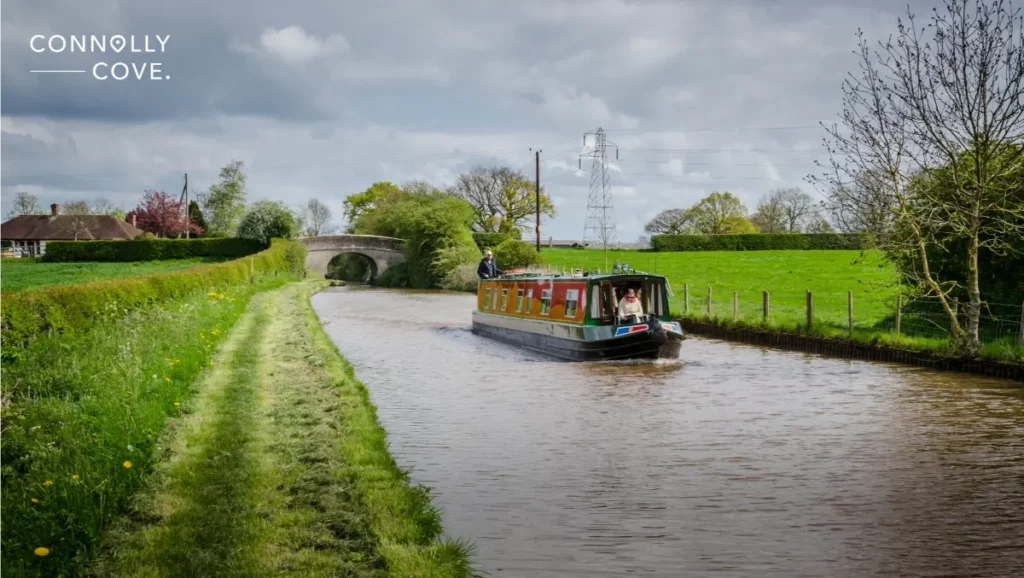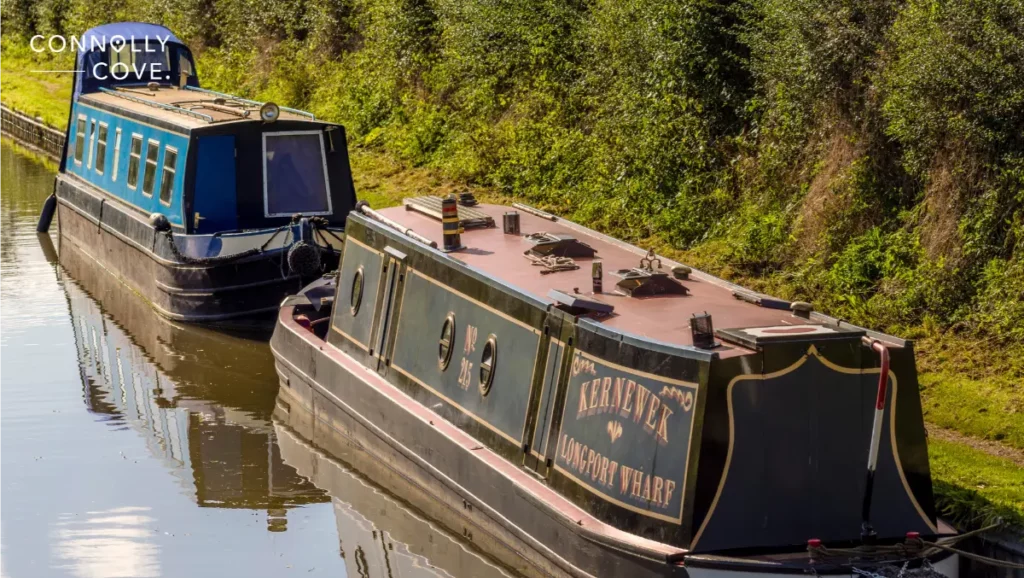

The gentle rhythm of water lapping against a narrowboat hull, the soft creak of timber as you navigate a historic lock, the unexpected sight of a kingfisher darting across your bow—canal boat trips in England offer something increasingly rare in modern travel: a genuine chance to slow down and connect with the landscape.
These waterways aren’t just scenic routes through the countryside. They’re living museums of industrial heritage, threading through 2,000 miles of England’s history. From the coal barges that powered the Industrial Revolution to today’s leisure cruisers exploring hidden villages, the canals tell stories that motorways simply can’t match.
Whether you’re planning a weekend escape or a week-long adventure, this guide covers everything from choosing the right boat to navigating your first lock, from budgeting your trip to discovering the cultural gems along the way. At ConnollyCove, we’ve explored these waterways extensively, documenting the stories and experiences that make canal cruising such a distinctive way to discover England.
Table of Contents
Canal Boating in England
England’s canal network represents one of the nation’s most remarkable engineering achievements. Built primarily during the 18th and early 19th centuries, these artificial waterways transformed the country’s economy, enabling the mass transport of coal, pottery, textiles, and iron that fuelled the Industrial Revolution.
The canals shaped more than commerce—they created entire communities. The ‘bargees’ who lived and worked on these waterways developed their own culture, language, and traditions. Their distinctive painted narrowboats, decorated with roses and castles, became floating homes traversing the length of England.
By the mid-20th century, railways and roads had rendered most commercial canal traffic obsolete. Many waterways fell into disrepair, their locks crumbling and their channels choked with vegetation. What saved them wasn’t economics but imagination—the recognition that these historic corridors offered something uniquely valuable for leisure and cultural exploration.
Today, organisations like the Canal & River Trust maintain over 2,000 miles of navigable waterways. These restored channels now serve a different purpose: connecting modern travellers with England’s industrial past whilst providing peaceful routes through landscapes both rural and urban.
Documenting England’s Waterway Heritage
At ConnollyCove, we’ve spent years documenting the stories embedded in these waterways. Through video production and cultural content creation, we’ve captured the distinctive character of different canal regions—from the dramatic Pontcysyllte Aqueduct in Wales to the network of tunnels beneath Birmingham.
“The canals offer content creators something special,” notes Ciaran Connolly, founder of ConnollyCove. You’re not just filming pretty landscapes. Every lock, every tunnel, every canalside pub has a story rooted in industrial history. When we document these journeys, we’re preserving cultural narratives that connect past and present.”
This blend of heritage and hands-on experience makes canal trips particularly engaging for visual storytelling, whether you’re creating content for YouTube, developing travel guides, or simply documenting your own adventure.
Types of Canal Boat Trips in England
The variety of canal boat experiences means there’s something suitable for every type of traveller, from families seeking active holidays to couples wanting romantic escapes.
Short Day Trips
Perfect for first-timers or those with limited time, day trips let you immerse yourself in specific canal regions without the commitment of longer journeys. Navigate landmark sections, discover historical gems, and enjoy themed cruises focused on everything from wildlife spotting to leisurely afternoon tea.
Many hiring companies offer half-day or full-day experiences where you can try your hand at steering and lock operation with minimal planning required. These shorter trips work particularly well for the Peak District canals or specific sections of the Llangollen Canal, where dramatic scenery rewards even brief excursions.
Multi-Day Adventures
Longer journeys reveal the true character of canal cruising. Spend three to seven days (or more) weaving through interconnected waterways, mooring overnight in different villages and market towns. This approach lets you experience the genuine rhythm of life afloat—early morning mist rising from the water, evenings spent in canalside pubs, the satisfaction of completing a challenging flight of locks.
Multi-day trips suit the Grand Union Canal particularly well, allowing you to traverse substantial distances whilst experiencing the transition from rural countryside to urban landscapes. The changing scenery provides diverse content opportunities if you’re documenting your journey.
Self-Guided Hire
This option offers maximum freedom. Take the helm of your own narrowboat and create your own itinerary, setting your own pace and choosing where to moor each night. Self-guided hire requires confidence and preparation, but it delivers the most authentic canal experience.
Hire companies provide thorough instruction before departure, teaching you everything from basic steering to lock operation and safety protocols. Most narrowboats accommodate two to twelve people, with fully equipped kitchens, bathrooms, and sleeping quarters. You’re essentially renting a floating cottage that moves at four miles per hour.
Luxury Barge Cruises
For those seeking comfort over adventure, luxury barge cruises provide elegant accommodation with gourmet meals, curated itineraries, and guided excursions. Professional crews handle all navigation whilst you relax in spacious cabins and enjoy the passing scenery from comfortable deck chairs.
These cruises cater particularly well to older travellers or those with limited mobility, as the crew manages the physical aspects of lock operation and mooring. The premium price reflects the all-inclusive service and elevated amenities.
Unforgettable Experiences on English Canals
Beyond the scenic landscapes, canal boat trips promise memorable encounters that blend nature, history, and local culture. These moments transform a simple boat journey into something more meaningful.
Navigating Locks
Operating traditional locks ranks among canal cruising’s most satisfying experiences. These ingenious devices—some dating back two centuries—use gravity and simple mechanics to raise or lower boats between different water levels.
The process becomes a hands-on history lesson. As you work the windlass (the removable crank handle), opening paddles to fill or empty the chamber, you’re performing the same actions that generations of bargees executed. The physical involvement connects you directly to the waterway’s working heritage.
Lock operation also creates social encounters. Gongoozlers (the affectionate canal term for lock-watchers) often gather to observe and sometimes assist. Fellow boaters help with gates and ropes. These interactions, rooted in canal tradition, foster a sense of community among waterway users.
From a content creation perspective, locks provide natural dramatic moments—the suspense as water levels change, the teamwork required, the sense of progress as you ascend or descend a flight. These scenes work beautifully in travel videos and photo essays.
Encountering Wildlife
English canals serve as vital wildlife corridors, particularly through urban areas. The relatively undisturbed habitat along towpaths supports diverse flora and fauna that would struggle to survive in intensively farmed or heavily developed regions.
Watch for kingfishers—those brilliant flashes of electric blue that dart across the water. Listen for moorhens calling from the reeds and spot herons standing motionless in the shallows. In quieter stretches, you might glimpse water voles (Britain’s fastest declining mammal) or even otters, though these remain elusive.
Spring brings wildflowers to the canal banks—purple loosestrife, yellow flag iris, white water lilies. This flowering season attracts butterflies and bees, creating miniature nature reserves along the waterway. Autumn transforms the landscape with vibrant foliage reflected in still waters.
For nature photographers and videographers, the slow pace of canal travel allows patient observation. Unlike road travel, you’re moving quietly through the habitat without disturbing wildlife, creating opportunities for authentic documentary footage.
Exploring Canalside Towns and Villages
Canal routes connect market towns, historic villages, and unexpected urban discoveries that road travellers often miss. These settlements developed specifically to serve canal trade, and many retain distinctive characters shaped by waterway commerce.
Quaint villages dot the canal banks, their honey-coloured cottages and stone bridges unchanged for generations. Wander through charming streets, savour traditional pub meals warmed by crackling fires, or explore local history at small museums and ancient churches.
Discover treasures like Nantwich with its medieval buildings and excellent provisioning, the picture-perfect Cotswold village of Bourton-on-the-Water accessible from the Oxford Canal, or historic Chester where Roman walls overlook canal basins.
Many canalside locations welcome boaters with specific facilities—water points for refilling tanks, refuse disposal sites, and traditional pubs with mooring rings set into their walls. These establishments understand canal culture and often display historical photographs and memorabilia celebrating their waterway heritage.
Capturing Canal Stories
The visual richness of canal journeys creates exceptional opportunities for content creation. The combination of industrial architecture, natural beauty, and cultural elements provides diverse material for digital storytelling.
ConnollyCove has documented canal journeys across England, exploring how different waterways reflect regional character. Video content works particularly well for canals because the medium captures both the meditative pace and the hands-on moments—steering through narrow bridges, operating locks, and navigating tunnels.
For those interested in developing canal content, consider focusing on:
- The architectural heritage of specific structures (aqueducts, warehouses, tunnels)
- Seasonal variations and how the weather transforms the canal experience
- The practical skills required for canal cruising
- Cultural connections between waterways and local industries
- Contemporary uses of restored canal infrastructure
This approach to storytelling goes beyond simple travelogues, creating educational content that explores heritage whilst documenting personal experiences.
Popular Regions for Your Boat Trip Adventure
England’s canal network offers remarkably diverse regions, each with a distinctive character shaped by geography, history, and the industries it once served.
The Thames
Embark on a journey through the heart of English history. The Thames combines regal grandeur with natural beauty, offering entirely different experiences from the smaller canal network. Glide past majestic riverside palaces, including Hampton Court and Windsor Castle, before experiencing the contrast between London’s vibrant urban energy and the Thames’s tranquil upper reaches.
The Thames path follows the river for 184 miles, creating opportunities for extended walks whilst your boat progresses between locks. The river’s historic importance means exceptional cultural attractions cluster along its banks—from Hampton Court’s Tudor splendour to the literary connections of Oxford and Henley.
Navigation requires different skills than those in narrower canals. The Thames experiences tidal effects below Teddington Lock, and the river’s width means more exposure to weather and wind. However, the spaciousness allows novice steerers to develop confidence without the pressure of navigating tight spaces.
Llangollen Canal
Nestled in the emerald embrace of Wales, the Llangollen Canal promises breathtaking beauty through dramatic landscape. This waterway showcases engineering brilliance, particularly the magnificent Pontcysyllte Aqueduct—a UNESCO World Heritage Site carrying the canal 126 feet above the River Dee in a narrow iron trough.
Navigate through limestone cliffs, witness panoramic vistas from Europe’s highest navigable aqueduct, and savour the charm of historic Llangollen with its picturesque bridge, steam railway, and ruined medieval castle. The surrounding Dee Valley provides stunning walking opportunities and connects to the Shropshire Union Canal network.
The Llangollen represents Thomas Telford’s engineering genius at its finest. The aqueduct experience—crossing that slender trough with nothing but a low rail between you and the valley floor—creates an unforgettable moment. Many boaters consider this section unmissable, worth planning an entire trip around.
For visual content, Llangollen offers dramatic landscapes and architectural features that photograph and film exceptionally well. The contrast between narrow limestone cuts and open valley views creates varied visual interest throughout the route.
Oxford Canal
Experience a scholarly adventure along this historic waterway. The Oxford Canal winds through pastoral countryside, connecting rural villages with the architectural splendour of Oxford University. Cruise past prestigious colleges, absorb the grandeur of Christ Church Cathedral, and meander through quintessentially English villages with thatched cottages and traditional pubs.
This waterway inspired literary giants like Tolkien and Lewis, whose works echo the landscapes visible from the canal. The route offers gentle cruising with moderate lock work, making it accessible for families and first-time boaters, whilst providing enough interest to engage experienced canal travellers.
The stretch approaching Oxford reveals university buildings rising above the waterway, their spires and towers creating a distinctive skyline. The city offers excellent provisioning opportunities and cultural attractions, though mooring availability can be limited during university terms.
Peak District Canals
Embrace the rugged charm of England’s first national park via the Peak Forest and Macclesfield canals. Navigate through dramatic limestone scenery, skirt past brooding moorlands, and discover hidden valleys where industrial heritage meets natural beauty.
These waterways served the textile mills and limestone quarries that drove the Peak District industry. Today, the combination of industrial archaeology and stunning landscape creates exceptional cruising. Expect challenging lock flights—the Marple Flight climbs 209 feet in just over a mile—but the effort rewards you with spectacular views.
The Peak District canals suit more adventurous boaters comfortable with physical work and potentially variable weather. The landscape here differs markedly from gentler southern routes, offering wilder scenery and a more remote feel despite proximity to Manchester and Sheffield.
Stratford Canal
Walk in Shakespeare’s footsteps along this charming route connecting Birmingham to Stratford-upon-Avon. This relatively short canal packs considerable cultural interest, passing the Bard’s birthplace, Anne Hathaway’s cottage, and linking to the Royal Shakespeare Theatre.
The Stratford Canal showcases distinctive barrel-roofed cottages at lock keepers’ houses and features unusual split bridges accommodating both canal and towpath. The southern section, restored in the 1960s, demonstrates how volunteer efforts saved endangered waterways from permanent closure.
This route works well for shorter trips focused on specific cultural experiences rather than extensive mileage. The Shakespeare connection makes it particularly appealing for literary enthusiasts and those interested in Tudor history.
Birmingham Canal Navigations
Delve into industrial heritage through England’s most extensive urban canal network. The Birmingham Canal Navigations (BCN) represents Britain’s industrial past in concentrated form—a dense web of waterways that powered the city’s rise as a manufacturing centre.
Navigate through Victorian warehouses, discover James Brindley’s iconic engineering works, and witness the canals that fuelled the Industrial Revolution’s engine. The network includes dramatic features like the Smethwick Pump House and the Engine Arm aqueduct, plus connections to the National Sea Life Centre and other modern attractions.
The BCN offers a completely different experience from rural cruising. You’re navigating through living industrial archaeology, with constant reminders of the waterways’ commercial past. Urban canal cruising requires different skills—awareness of shallow sections, rubbish in the water, and more complex navigation through multiple junctions.
For content creators, the BCN provides rich material exploring how cities adapt historic infrastructure for modern use. The contrast between derelict industrial sites and regenerated canal basins illustrates urban transformation.
Grand Union Canal
Traverse England’s longest canal, connecting London to Birmingham across 137 miles. The Grand Union Canal provides a comprehensive sample of English canal cruising, transitioning from urban landscapes through the Chiltern Hills and into the industrial Midlands.
Stop at stately homes like Blenheim Palace (accessible from the Oxford Canal connection), explore market towns including Leighton Buzzard and Berkhamsted, and experience both rural idyll and urban energy. The route includes the Hatton Flight—a famous 21-lock staircase that challenges boaters whilst rewarding them with beautiful countryside views.
The Grand Union requires commitment—traversing the full length demands at least ten days—but offers exceptional variety. You’ll experience deep cuttings, high embankments, long tunnels (including the 3,076-yard Blisworth Tunnel), and numerous aqueducts.
This waterway works well for documenting how canal character changes across regions. The visual diversity—from London’s Little Venice to Braunston’s junction and Leicester’s restored wharf—provides material for comprehensive travel content.
Exploring Beyond the Main Routes
England’s canal paradise extends far beyond these well-known routes. Discover the Norfolk Broads, a unique network of navigable rivers and lakes teeming with wildlife and charming villages. Explore the Shropshire Union Canal through rural borderlands between England and Wales. Navigate the Kennet and Avon Canal connecting London to Bristol via Bath’s Georgian architecture.
Each region offers its unique blend of scenery, history, and local character, waiting to be discovered from your narrowboat’s deck. The variety means you could spend years exploring different waterways without exhausting the possibilities.
Planning the Right Boat Trip for Your Canal Adventure
Success on the canals starts with choosing the appropriate boat and preparing properly for your journey. Unlike booking a hotel, selecting a narrowboat requires considering multiple factors that affect both comfort and practicality.
Understanding Boat Types and Sizes
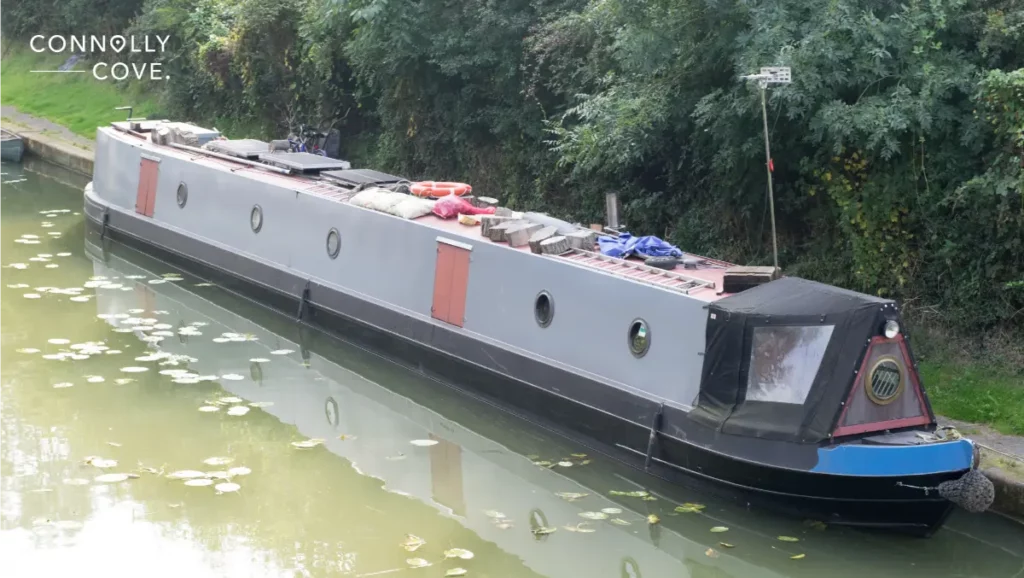
Narrowboats represent the traditional canal vessel. These distinctive crafts, typically around seven feet wide, evolved specifically for British canals’ narrow dimensions. Their width allows navigation through all original canal infrastructure, including tight locks and tunnels built two centuries ago.
Narrowboat lengths vary considerably:
- 30-40 feet: Intimate vessels perfect for couples, easier to manoeuvre but limited living space
- 45-57 feet: Mid-range boats accommodating 4-6 people comfortably with proper amenities
- 60-70 feet: Spacious craft for larger groups (8-12 people) with separate living areas
Wider Beam Boats offer more interior space, up to 12 feet wide, providing additional room for families or larger groups. They often feature extra amenities like comfortable lounges and larger galleys. However, width restrictions mean these boats cannot navigate the entire canal network—some locks and bridges were built for traditional narrowboat dimensions only.
Luxury Barges provide unparalleled comfort with spacious living quarters, gourmet kitchens, and dedicated crews. These vessels cater to those seeking pampered escapes rather than hands-on adventures. Perfect for larger groups or multi-generational families wanting comfort without sacrificing the canal experience.
Essential Amenities to Consider
Basic Configuration: Focuses on essentials—sleeping bunks, simple kitchen facilities, and basic bathroom amenities. These boats suit budget-conscious travellers who prioritise experience over luxury and plan to spend most time outdoors or exploring canalside attractions.
Standard Equipment: Enhances comfort with proper beds rather than convertible bunks, well-equipped kitchens with full-size cookers and refrigerators, heating systems for cooler weather, and comfortable seating areas. This level suits most travellers seeking balance between affordability and amenities.
Deluxe Features: Elevates the experience with premium linens, spacious bathrooms with proper showers, entertainment systems, WiFi connectivity, and occasionally hot tubs or deck furniture. Ideal for those seeking added comfort whilst maintaining the canal adventure.
Key practical considerations include:
- Heating systems: Essential for trips outside peak summer months
- Hot water capacity: Important for longer trips with multiple people
- Battery capacity: Affects appliance use and lighting when not connected to shore power
- Kitchen equipment: Verify specific items if you plan extensive cooking
- Storage space: Critical for week-long trips with multiple passengers
Budgeting Your Canal Adventure
Understanding the full cost picture helps avoid surprises and allows realistic trip planning. Canal boat costs divide into fixed charges (determined when booking) and variable expenses (dependent on your usage and choices).
Weekly Hire Costs (4-6 berth narrowboat, mid-season):
- Budget boats: £800-£1,200
- Standard boats: £1,200-£1,800
- Premium boats: £1,800-£3,000+
Peak season (July-August) typically adds 30-40% to these rates. Shoulder seasons (April-May, September-October) often provide better value whilst maintaining pleasant cruising conditions.
Fuel Costs: Most hire companies use a “tank-to-tank” system—you receive a full tank and return it full, paying only for what you use. Expect to spend £80-£150 weekly on diesel, depending on engine efficiency, hours cruised, and heating usage. Running heating constantly in cold weather significantly increases fuel consumption.
Damage Waiver/Insurance: Typically £40-£70, this optional but strongly recommended cover reduces your liability for accidental damage. Standard waivers usually cover minor scrapes and bumps but not gross negligence or damage from obvious misuse. Always review the excess amount (typically £500-£1,000) and what specific incidents the waiver covers.
Pump-Out Fees: Canal boats have holding tanks for toilet waste requiring periodic emptying at designated pump-out stations. Each pump-out costs £15-£25. Budget-conscious boaters can reduce costs by using canalside public toilets when convenient, though this requires planning around facilities.
Additional Variable Costs:
- Groceries and provisions: £50-£100 per person weekly, depending on dining plans
- Pub meals and drinks: £20-£40 per person per visit
- Attractions and entrance fees: Variable based on interests
- Laundry facilities: £5-£10 per load at marinas
For Irish travellers, consider ferry costs to reach English canal regions (typically £80-£200 return for car and passengers from Dublin to Holyhead). Compare this against flying and hiring a car, as some canal bases offer good train connections from major airports.
Matching Boat to Travel Style
Independent Explorers: Self-guided narrowboat hire suits confident travellers who enjoy planning their own adventures. Choose your route, set your pace, and modify plans spontaneously based on weather or interests. This freedom requires self-sufficiency and the willingness to solve problems independently.
Guided Experiences: Pre-planned barge cruises with experienced captains and crew provide relaxed holidays without navigation responsibility. Perfect for those wanting canal experiences without the hands-on aspects, or travellers more interested in destinations than journey mechanics.
Family Adventures: Look for family-friendly boats with dedicated play areas, board games, and simplified lock operation. Some hire companies specialise in family cruising, offering boats with bunk rooms, child-friendly safety features, and routes minimising challenging lock flights.
Content Creation Journeys: If documenting your trip, consider boats with good deck space for filming, electrical capacity for charging equipment, and routes offering visual variety. ConnollyCove’s experience suggests that balancing navigation with content creation requires realistic daily mileage targets—attempting too much reduces both enjoyment and production quality.
Timing Your Canal Boat Trip
England’s canals offer distinct experiences across different seasons, each with particular advantages and considerations beyond simple weather patterns.
Late Spring (May-June): Perhaps the ideal period for canal cruising. Daylight extends late into the evening, allowing longer cruising hours. Wildflowers bloom along towpaths, creating vibrant backdrops. Wildlife remains active and visible. Temperatures prove comfortable without extreme heat. Booking remains manageable outside school holidays, and prices haven’t reached peak season levels.
High Summer (July-August): The busiest period brings the longest days, warmest temperatures, and guaranteed pub garden weather. However, expect crowded locks (sometimes requiring queuing), limited mooring availability in popular spots, and premium pricing. Popular festivals like the Llangollen International Eisteddfod and various canal events add cultural interest but increase congestion.
Early Autumn (September-October): Arguably the most beautiful canal cruising season. Crisp air, fewer boats, and spectacular autumn foliage paint the landscape, creating serene conditions. Shoulder season pricing provides better value. Wildlife activity increases as birds migrate and mammals prepare for winter. Pub firesides become particularly inviting after days of exploring.
Challenges include shorter daylight hours, limiting cruising time, and occasional heavy rain, creating slippery lock sides and stronger currents. Pack warm, waterproof clothing and embrace the atmospheric, moody weather that creates dramatic photographic opportunities.
Winter Months (November-February): Only for truly adventurous souls. Expect cold conditions, potential ice in shallow sections, and limited hire company availability as most boats undergo winter maintenance. Services along the route have been reduced significantly—many canalside pubs and facilities close or operate limited hours.
However, winter cruising offers unique rewards: absolute tranquillity with virtually no other boats, festive atmosphere in December with Christmas lights adorning canalside towns, and dramatic winter light creating distinctive photographic conditions. Boats with efficient heating systems become cosy refuges after days exploring frost-touched landscapes.
Practical Scheduling Considerations:
Check Canal & River Trust stoppage schedules before booking. Maintenance work—essential for keeping the network operational—sometimes closes specific sections or creates delays. Major stoppages are scheduled months ahead and published online.
Consider your lock tolerance. Some people find lock operation enjoyable and satisfying; others view it as a tedious interruption. Routes vary dramatically—some average one lock per mile whilst others offer long pound cruises with minimal lock work. Match routes to your interest level and physical capabilities.
Weekend moorings fill quickly near popular towns. If planning weekend stops in places like Stratford-upon-Avon or Chester, arrive early Friday afternoon to secure good spots, or consider mid-week trips for better availability and quieter conditions.
Practical Skills and Safety Considerations
Canal cruising requires learning specific skills that differ from both road driving and sea boating. Hire companies provide thorough instruction before releasing boats, but understanding key concepts beforehand reduces anxiety and improves your initial experience.
Steering and Navigation Basics
Narrowboats handle nothing like cars. The tiller (steering arm) at the rear requires opposite movement from what intuition suggests—pushing the tiller left turns the boat right. The long hull responds slowly to steering inputs, requiring anticipation of turns and obstacles.
Propeller action affects handling significantly. Prop wash (water pushed by the propeller) causes the stern to swing when engaging forward or reverse, independent of rudder position. Learning to use this effect rather than fighting it becomes crucial for precise manoeuvring in tight spaces.
Speed creates surprisingly different handling characteristics. Despite maximum speeds around 4mph, even modest differences matter. Slower speeds provide greater control but less water flow over the rudder, reducing steering effectiveness. Finding the optimal cruising speed for prevailing conditions takes practice.
Wind affects narrowboats dramatically due to their large surface area and shallow draft. Crosswinds push boats sideways, particularly the lightweight bow section. Anticipate wind effects when approaching bridges, moorings, or passing other boats. In strong winds, consider staying moored rather than fighting difficult conditions.
Lock Operation Procedures
Locks represent canal cruising’s most distinctive element—part engineering marvel, part physical challenge, part social experience. Understanding the process reduces stress and prevents common mistakes that create difficulties or dangers.
Approaching Locks: Before entering, assess whether the lock is with you (already set for your direction) or against you (requires preparation). Red and white stripes on lock gates show their position—horizontal stripes indicate closed gates.
Entering the Chamber: Approach slowly with the engine in neutral as you glide in. Crew members (one fore, one aft) should have ropes ready but loose. Never tie off solidly to bollards—as water levels change, fixed ropes will either snap or drag your boat downward. Instead, crew members “walk” ropes around bollards, maintaining tension whilst allowing adjustment.
Operating Paddles: Ground paddles (low-level levers) and gate paddles (higher mechanisms) control water flow. Always open paddles gradually—rushing water creates turbulence that tosses boats about and strains ropes. The windlass (removable crank handle) fits onto paddle mechanisms; never leave windlasses on open paddles as they become projectiles if mechanisms slip.
Safety Protocols: Never place body parts (especially fingers) between the boat and lock sides—crushing injuries occur even at slow speeds. Keep children and pets clear of active mechanisms. Distribute weight sensibly on narrow beams above gates. Stay alert to other water users approaching or waiting to use the lock.
Lock Etiquette: If sharing locks with other boats (common in busy periods), communicate clearly about entry order and wait patiently. Help operates on traditional canal reciprocity—assist others and receive assistance in return. Experienced boaters often help novices; accept advice graciously whilst maintaining your own safety judgement.
Mooring Techniques
Selecting appropriate mooring spots requires assessing multiple factors. Official mooring sites provide rings or bollards plus amenities like water points and refuse disposal. These fill quickly in popular areas, particularly at weekends.
Towpath mooring (where permitted) offers flexibility but requires proper technique. Drive mooring pins (stakes provided with hire boats) into soft ground at 45-degree angles away from the boat. Space pins several feet apart for adequate holding. In hard or rocky ground, use mooring rings on bollards where available.
Avoid mooring:
- On corners or bends where boats must navigate blind
- Near winding holes (turning points) where boaters need space
- In shallow sections or near obvious obstructions
- On private property without permission
- Where you block access to water points or facilities
Spring lines (diagonal ropes from bow to stern cleats) prevent boats from drifting from the bank if strong currents or passing boats create movement. For overnight stops, use at least three ropes (bow, stern, and spring) for security.
Emergency Procedures and Problem-Solving
Most canal incidents involve minor inconveniences rather than serious emergencies, but knowing how to respond reduces stress and prevents escalation.
Running Aground: Happens occasionally due to shifting sediment or navigational misjudgement. Usually resolved by shifting weight (crew moves to the lightest end), rocking the boat side-to-side, or using the pole (provided with hire boats) to push off. Avoid over-revving the engine as this stirs sediment and can overheat the cooling system.
Rope in the Propeller: One of the commonest issues. If steering becomes difficult and you notice unusual vibration, immediately stop the engine. The weed hatch (sealed access point to the propeller) allows clearing fouled props. This wet, unpleasant job requires care—edges are sharp and working underwater presents difficulties. Some hiring companies include weed hatch keys; others expect you to call for assistance.
Mechanical Problems: Hire boats include basic troubleshooting guidance and 24-hour emergency numbers. Most companies provide roadside (waterside?) assistance for significant mechanical failures. Minor issues—low batteries, tripped electrical breakers, airlocked water pumps—often resolve with simple fixes explained in boat manuals.
Medical Emergencies: Canal settings can complicate medical assistance due to access limitations. For serious incidents, call 999 and provide precise location information—lock numbers, bridge numbers, and nearest landmarks help emergency services find you. Less urgent medical needs might require walking to road access points or mooring near towns with medical facilities.
Insurance and Liability Considerations
Hire agreements include standard liability provisions, but optional damage waivers significantly reduce financial exposure. Understanding what’s covered prevents unpleasant surprises.
Standard agreements typically make hirers liable for the first £500-£1,000 of damage (the excess). Damage waivers reduce this to zero or minimal amounts (£50-£100) for accidental damage during normal use. Neither standard agreements nor waivers cover damage from obvious negligence—hitting bridges at speed, ignoring low water warnings, or operating whilst intoxicated.
Document the boat’s condition thoroughly at handover, photographing existing damage. This prevents disputes about pre-existing versus new damage when returning the boat. Hire companies conduct detailed inspections, but photographic records provide additional protection.
Some home insurance policies include liability coverage for hired watercraft; check before paying for duplicate coverage. However, most insurers exclude commercial hire craft or limit coverage in ways that make additional canal boat insurance worthwhile.
Creating Content Along the Waterways
Canal boat trips provide exceptional opportunities for digital content creation, whether for personal documentation or professional purposes. The combination of industrial heritage, natural beauty, and hands-on experiences creates rich storytelling potential.
Video Production Opportunities
The slow pace of canal cruising suits video documentation perfectly—you’re moving slowly enough to capture quality footage whilst covering enough ground to show diverse locations. ConnollyCove’s experience producing canal content reveals several effective approaches.
Journey Documentaries: Chronicle complete trips, showing daily progression through different landscapes and challenges. Structure episodes around natural breaks—reaching specific towns, navigating famous features (aqueducts, tunnel complexes), or completing challenging lock flights. This format allows viewers to experience the entire journey vicariously.
Heritage Focus: Explore specific historical elements—industrial archaeology, engineering innovations, or social history of canal workers. Interview Canal & River Trust volunteers, local historians, or long-term live-aboard boaters who understand waterway culture deeply. This approach creates educational content whilst showcasing canal travel.
Practical Guides: Develop instructional content addressing common concerns—first-time lock operation, mooring techniques, trip planning, or seasonal considerations. Search data shows substantial interest in practical canal boat information, making these guides valuable for SEO whilst genuinely helping potential boaters.
Regional Showcases: Feature specific canal sections or waterway networks, highlighting what makes each distinctive. Compare northern industrial canals (Birmingham, Leeds & Liverpool) with southern rural routes (Kennet & Avon, Oxford). Regional content helps viewers select appropriate routes whilst providing diverse visual material.
Photography Considerations
Canal photography benefits from the stable platform boats provide. Unlike road travel, you can stop almost anywhere interesting catches your eye, and the water-level perspective creates unique viewpoints.
Golden Hour Magic: Early morning and late afternoon light transform canal scenes. Mist rising from still water, low sun illuminating Victorian architecture, and long shadows across lock chambers create atmospheric conditions. Summer’s extended daylight hours allow extensive shooting opportunities.
Architectural Details: Canal infrastructure offers endless photographic subjects—decorative ironwork on lock mechanisms, weathered brickwork in tunnel portals, cast iron mileposts, split bridges with their distinctive gaps, and preserved warehouses with loading hoists. These elements tell stories of engineering history and industrial decline.
Seasonal Variation: Document the same canal sections across different seasons, showing how dramatically the appearance changes. Spring’s wildflowers, summer’s lush greenery, autumn’s vibrant foliage, and winter’s stark beauty each create distinctive moods. Seasonal content extends the useful life of location-specific photography.
Wildlife and Nature: Kingfishers, herons, and other waterside birds reward patient photographers. Dawn and dusk offer the best opportunities when wildlife is most active and less disturbed by boat traffic. Respect wildlife by maintaining distance and avoiding disturbance, particularly during nesting seasons.
Digital Marketing Applications
For businesses and content creators, canal journeys provide content applicable to various digital marketing strategies:
YouTube Strategy: Canal boat content performs well on YouTube, appealing to overlapping audiences interested in travel, heritage, narrowboat living, and UK tourism. Consistent series following specific routes or themes build engaged audiences. ConnollyCove’s canal content consistently generates strong engagement due to the niche’s dedicated following.
SEO and Content Writing: Text-based canal guides serve informational searches from trip planners. Detailed, practical articles addressing specific questions (costs, routes, seasonal considerations) rank well because they genuinely help readers. The key is providing depth that generic tourism sites omit—real costs, specific location recommendations, honest assessments of challenges.
Social Media Storytelling: Instagram and other visual platforms suit canal content perfectly. Daily journey updates, before-and-after lock operation sequences, and heritage detail shots engage followers. The slower pace allows regular posting without the hecticness of faster travel.
AI-Enhanced Content Development
Modern content creators increasingly use AI tools to streamline production workflows without sacrificing authenticity. For canal content, AI applications might include:
Research Assistance: AI tools can quickly compile historical information about specific canals, summarise engineering reports, or identify key heritage sites along routes. This research foundation allows creators to focus on original observations and personal experiences rather than basic fact compilation.
Script Development: AI can help structure video narratives, suggest scene sequences, or draft initial script versions that human creators then refine with authentic voice and personal insights. The combination of AI efficiency and human creativity produces better results than either alone.
SEO Optimisation: AI tools analyse search patterns and identify content gaps in existing canal information. This data-driven approach helps creators focus on topics audiences actually seek rather than guessing at useful content.
However, AI must enhance rather than replace genuine experience. Audiences easily detect content created entirely from research rather than actual visits. The most effective approach combines AI’s analytical capabilities with authentic human experience and storytelling.
Seasonal Considerations and Current Conditions
Canal conditions vary significantly across seasons, affecting both enjoyment and practicality. Understanding these patterns helps plan trips that match your preferences whilst avoiding potential frustrations.
Spring Awakening (March-May)
As temperatures climb and daylight extends, the canal network emerges from winter dormancy. Early spring (March-April) offers surprisingly pleasant cruising despite occasional cold snaps. Trees begin budding, wildflowers appear along towpaths, and migratory birds return to waterside habitats.
However, spring brings variable weather—sunshine alternating with sudden showers. Pack layered clothing and waterproof gear. Water levels can be high following winter rainfall, creating stronger currents through locks and occasionally submerging low moorings.
Canal & River Trust typically completes winter maintenance before Easter, but confirm specific sections remain open. Major engineering works sometimes extend into spring if the weather delays winter completion.
Late spring (May) approaches ideal conditions—comfortable temperatures, extended daylight, and beautiful natural surroundings before peak summer crowds arrive. This period suits photography particularly well, as the landscape transitions from bare branches to full foliage.
Summer Peak (June-August)
Summer delivers the canal experience most visitors anticipate—warm weather, long days, and vibrant activity. Families dominate summer holidays, creating a lively atmosphere but also congestion at popular locks and limited mooring availability in coveted spots.
Water levels generally remain stable unless prolonged drought triggers restrictions. In exceptional circumstances, Canal & River Trust may limit boat movements to conserve water, particularly on summit pounds (the highest sections between water sources).
Summer heat occasionally creates challenges—boats without adequate ventilation become uncomfortable, and sun exposure during lock operation requires protection. However, these minor inconveniences pale beside the pleasures of warm-weather cruising.
Book accommodation boats (those providing sleeping quarters) well ahead of time for summer. Day hire boats often have better availability since they operate shorter durations, allowing multiple bookings per day.
Autumn Beauty (September-November)
Autumn rivals late spring for ideal canal cruising. September retains summer’s warmth whilst avoiding peak crowds. October brings spectacular autumn colour—reflected in still water, the colourful foliage creates magical conditions for photographers and nature enthusiasts.
Wildlife activity increases as creatures prepare for winter. Bird migrations create exceptional watching opportunities, and mammals fatten themselves for leaner months ahead. Clear autumn light enhances visibility and creates crisp, defined shadows ideal for dramatic photography.
Temperatures drop progressively through autumn. By November, heating systems become essential rather than optional. Days shorten significantly—sunset before 5 pm means limited afternoon cruising hours. Plan realistic daily distances accounting for earlier darkness.
Autumn storms occasionally create challenging conditions—gusty winds making handling difficult and heavy rain reducing visibility. Monitor weather forecasts closely and consider staying moored during predicted storms rather than fighting uncomfortable conditions.
Winter Possibilities (December-February)
Winter canal cruising remains possible but requires specific preparation and mindset adjustment. Few hire companies operate full services, though some specialise in winter breaks. Permanent live-aboards continue cruising, demonstrating winter’s viability for properly equipped boats.
Cold weather brings unique challenges. Ice forms in shallow sections, and water points may freeze. Snow and ice make towpaths and lock sides treacherous. Some locks freeze entirely, preventing passage until thawing occurs. Significantly increased heating fuel consumption affects operating costs.
However, winter rewards hardy souls with absolute tranquillity. Frost-touched landscapes create ethereal beauty. Winter wildlife—particularly birds—becomes more visible with bare vegetation. December’s festive decorations in canalside towns add seasonal charm.
If attempting winter cruising, prioritise boats with excellent heating systems, insulation, and hot water capacity. Carry extra blankets, torches (days end early), and emergency supplies in case ice or mechanical issues strand you temporarily.
Checking Current Conditions
Before any canal trip, consult the Canal & River Trust’s online resources:
Stoppage Schedules: Published months ahead, these show planned maintenance affecting navigation. Major works might close entire sections for weeks; minor stoppages might cause delays without preventing passage. Factor stoppages into route planning.
Navigation Alerts: Real-time updates cover unplanned issues—collapsed lock gates, fallen trees, water level problems, or sunken boats. These situations emerge quickly and resolve on varying timescales. Check immediately before departure and monitor during trips.
Water Level Information: Shows current conditions on different canal sections. Low levels reduce navigable depth and may restrict boat movements. High levels create stronger currents and occasionally flood low-lying towpaths.
Lock Operating Hours: Some locks have seasonal schedules or require advance booking. Braunston Tunnel at the Grand Union, for instance, requires scheduled passages during certain times to manage traffic. Verify operating hours for any special features on your planned route.
Local knowledge supplements official information. Canal forums and Facebook groups share real-time conditions from active cruisers. Hire companies provide specific guidance for their operational areas and often track conditions affecting popular routes.
Frequently Asked Questions

What are the top 3 canal boat trips in England?
The Kennet and Avon Canal offers an exceptional variety, connecting Bath’s Georgian architecture with Wiltshire’s countryside and the Caen Hill flight of 29 locks—a remarkable engineering achievement. The Oxford Canal provides gentle cruising through pastoral landscapes linking historic university towns with charming villages. The Monmouthshire and Brecon Canal traverses the dramatic Brecon Beacons National Park, offering stunning mountain scenery and a peaceful rural atmosphere.
How much does a one-week canal boat trip cost?
Expect to spend £350-£450 per person weekly for boat hire (assuming four-person sharing), though prices vary significantly based on season, boat quality, and group size. Hotel boats providing full-service experiences cost £1,000-£1,500 per person weekly, including meals, crew, and guided excursions. Add fuel (£80-£150), provisions (£50-£100 per person), and discretionary spending for pub meals and attractions.
How much is a boat ride on the River Thames?
Single journey tickets on scheduled river services range from £9.50 to £18, depending on distance. Family tickets cost £24-£45. These prices apply to passenger services rather than self-hire boats. Private charter costs vary enormously based on boat size, duration, and included amenities.
What is special about the Grand Union Canal?
At 137 miles, the Grand Union stands as England’s longest canal, connecting London with Birmingham whilst linking to other major waterways. Its length provides exceptional variety—urban landscapes, rural countryside, challenging lock flights, and long tunnel sections. The Grand Union served as a primary commercial route during the canal era, giving it historical significance alongside its practical importance for modern leisure cruising.
Do I need a licence to operate a canal boat?
No licence is required for hire boats—rental companies include all necessary permissions in their fees. Personal boats require Canal & River Trust licences demonstrating insurance coverage, safety equipment, and regular boat surveys. Hire companies provide comprehensive instruction before releasing boats, covering all operational aspects.
Can I take pets on canal boats?
Many hiring companies welcome pets, particularly dogs, though policies vary. Confirm pet policies when booking and expect possible additional deposits covering potential damage or extra cleaning. Consider your pet’s temperament—nervous animals may find boat motion, lock noise, and unfamiliar surroundings stressful. Provide life jackets for pets near water.
What happens if I damage the hire boat?
Damage liability depends on your hire agreement and whether you purchased optional damage waiver insurance. Without waivers, expect to pay the full excess (typically £500-£1,000) plus any costs exceeding the excess. Waivers reduce or eliminate excess for accidental damage during normal operation. Neither standard agreements nor waivers cover obvious negligence or deliberate damage.
Your Canal Journey Begins Here
Canal boat trips in England offer something increasingly rare—the chance to genuinely slow down, connect with industrial heritage, and experience landscapes from a unique perspective. Whether you’re drawn by history, natural beauty, or simply the appeal of handling a boat through two centuries of engineering achievement, the waterways reward curiosity with memorable experiences.
The planning process might seem daunting initially—choosing routes, selecting boats, understanding costs, and learning new skills. But thousands of first-time boaters discover annually that canal cruising’s learning curve is gentle, hire companies’ instruction proves thorough, and the canal community welcomes newcomers warmly.
Your journey might begin with a weekend trial exploring familiar territory, or perhaps an ambitious week-long adventure traversing unfamiliar regions. Either way, you’ll join a tradition connecting back to the bargees who worked these waterways two centuries ago, maintaining the canals’ role in British life even as their purpose transformed from commerce to culture.
At ConnollyCove, we believe the stories embedded in these waterways deserve exploration and documentation. Each lock tells engineering tales, each warehouse remembers commercial bustle, and each quiet stretch offers natural beauty developed accidentally through industrial necessity. These narratives matter—they connect us to our industrial past whilst providing peaceful retreats from modern life’s hecticness.
Start planning your canal boat adventure today. Research routes aligning with your interests, compare hiring companies and their offerings, and imagine yourself at the tiller, gently cruising through the English countryside at a leisurely four miles per hour. The waterways await your discovery.
For more inspiration exploring Britain’s cultural heritage and hidden destinations, explore ConnollyCove’s collection of travel guides and video content celebrating authentic experiences across the UK and Ireland.