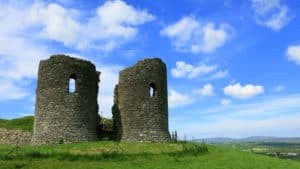
Imagine waking in a four-poster bed within walls that have stood for centuries, gazing out at rolling English countryside from a genuine medieval turret. Castle hotels in England offer this rare blend of authentic history and contemporary luxury, transforming ancient fortresses into welcoming retreats that transport guests to another era whilst providing all modern comforts.
From the rugged battlements of Northumberland to the manicured gardens of the Cotswolds, England’s castle hotels showcase the nation’s architectural heritage in the most immersive way possible. These aren’t mere themed accommodations—they’re living monuments where you can trace your fingers along stonework carved by medieval masons, dine in halls where Tudor monarchs once feasted, and sleep in chambers steeped in centuries of stories.
At ConnollyCove, we specialise in documenting cultural heritage sites through digital storytelling, video production, and strategic content creation. Through our work filming castle properties and historic sites across Britain, we’ve gained particular insight into what makes these venues truly special—and how to capture their essence whether you’re visiting as a guest or promoting them as a business.
Table of Contents
Understanding England’s Best Castle Hotels Authenticity
Not every property marketing itself as a castle hotel offers an equally authentic medieval experience. Some are genuine Norman keeps with defensive features intact, whilst others are elegant Victorian mansions built in Gothic Revival style. Both have their charm, but understanding the difference helps you choose the right experience.
Genuine Medieval Fortresses typically feature defensive architecture including thick walls (often two metres or more), narrow windows designed for archers, spiral staircases in towers, and occasionally preserved moats or portcullises. These properties date primarily from the 11th to 15th centuries and were built with military defence as their primary purpose.
Tudor and Later Conversions represent fortified manor houses or stately homes. Built from the 16th century onwards, these properties prioritised comfort alongside security, featuring larger windows, more elaborate decoration, and gracious proportions. Many incorporate earlier medieval structures within later renovations.
Victorian Gothic Revivals were purpose-built as residences in romantic castle style during the 19th century. Whilst not historically defensive structures, they often showcase impressive architecture and offer excellent modern facilities within atmospheric settings.
Medieval Castle Stays: Northern Fortresses
The north of England, historically crucial in conflicts with Scotland, harbours some of Britain’s most dramatically authentic castle hotels. These properties offer unparalleled atmosphere for those seeking genuine medieval immersion.
Langley Castle, Northumberland
Standing in the Tyne Valley since 1350, Langley Castle exemplifies medieval military architecture at its finest. The fortress features seven-foot-thick walls, defensive turrets, and remarkably preserved stonework that speaks to centuries of border warfare. Unlike many contemporaries, Langley retained its commanding structure with minimal later additions, offering guests an unusually authentic medieval experience.
The 27 guest rooms occupy the historic structure itself, many featuring original window seats carved deep into the stone walls—perfect spots for contemplating the surrounding Northumberland countryside. The Josephine Restaurant serves refined British cuisine within the atmospheric medieval hall, whilst the surrounding estate provides access to Hadrian’s Wall and Northumberland National Park.
For Digital Content Creators: Langley’s dramatic architecture and unspoilt surroundings make it exceptional for photography and video. The interplay of light through narrow medieval windows creates natural framing opportunities, whilst the intact turrets offer elevated viewpoints. When ConnollyCove films heritage properties, we find these authentic architectural details far more compelling than staged luxury shots—they tell genuine stories that resonate with culturally curious audiences.
Access: Nearest rail station is Hexham (20 minutes by car). From Dublin or Belfast, fly to Newcastle Airport with approximately 50 minutes’ driving time to the castle.
Otterburn Castle, Northumberland
This 19th-century castle hotel sits within 32 acres of Northumberland countryside near the historic village of Otterburn, close to Newcastle. Whilst younger than medieval fortresses, Otterburn successfully captures the atmosphere of earlier periods through thoughtful design and period features.
The property offers 17 individually designed bedrooms, each with views across the castle grounds. The setting provides a peaceful retreat from urban life, surrounded by the dramatic landscapes that define this corner of England. The castle’s location makes it an excellent base for exploring Northumberland National Park and the Scottish Borders.
Content Strategy Insight: Properties like Otterburn demonstrate how Victorian-era castle hotels can serve dual purposes—providing comfortable modern stays whilst offering atmospheric settings for events, photography, and content creation. When developing digital marketing strategies for heritage venues, we often recommend highlighting this versatility to reach both leisure travellers and business clients seeking distinctive event spaces.
Augill Castle, Cumbria
Near the Yorkshire Dales, Augill Castle takes a refreshingly unconventional approach to the castle hotel experience. This Victorian property, family-owned and operated, prioritises warmth and character over formality. Guests often gather around communal dining tables, creating opportunities for cultural exchange between travellers—a quality we particularly appreciate when filming content that captures authentic guest experiences.
The castle features self-service honesty bars and a relaxed atmosphere that feels more like visiting friends in their extraordinary home than checking into a traditional hotel. This informality, combined with impressive architecture and beautiful surroundings, creates a unique proposition within the luxury heritage sector.
Photography Considerations: The relaxed environment allows for more natural, candid photography compared to formal luxury hotels. For content creators and influencers, this authenticity translates well to social media platforms where genuine experiences outperform staged luxury shots.
Tudor Palace Hotels: Southern Elegance
Southern England’s castle hotels tend towards Tudor and later periods, offering larger properties with extensive grounds, luxury spas, and fine dining—all within historically significant buildings.
Thornbury Castle, Bristol
Built in the 16th century, Thornbury Castle welcomed King Henry VIII and Anne Boleyn as guests—a claim few properties can match. This Tudor masterpiece showcases period architecture at its finest, with elaborate chimneys, ornate windows, and beautifully proportioned rooms that reflect the transition from military fortress to comfortable palace.
The surrounding gardens are spectacular, featuring formal layouts and mature plantings that provide year-round interest. As a 5-star hotel, Thornbury offers luxurious modern amenities within its historic fabric, successfully balancing preservation with contemporary hospitality standards.
The castle’s position makes it ideal for exploring the Cotswolds, Bristol, the Wye Valley, and Somerset—some of England’s most photographed regions.
Digital Marketing Application: Thornbury exemplifies how heritage venues can leverage historical authenticity in their digital presence. When we develop content strategies for cultural sites, we emphasise unique historical connections (like royal visits) as key differentiators. These authentic stories generate far more engagement than generic luxury messaging, particularly amongst culturally curious travellers seeking meaningful experiences.
Amberley Castle, West Sussex
Situated an hour from London, this 900-year-old castle traces its origins to 1103. The property successfully maintains medieval atmosphere whilst incorporating modern luxury, particularly in its acclaimed restaurant and well-appointed guest rooms.
Amberley’s location offers stunning views across the South Downs, providing the countryside escape many guests seek whilst remaining accessible from major transport hubs. The lush gardens and historic architecture create numerous opportunities for memorable photography and relaxing strolls through grounds that have been cultivated for centuries.
Video Production Perspective: From our experience filming heritage properties, Amberley’s combination of authentic medieval features and manicured grounds provides diverse visual content opportunities. The contrasts between rough stone fortifications and refined garden landscapes offer varied shot compositions within a single location—valuable efficiency when producing promotional videos or documentary content about English heritage tourism.
Hever Castle, Kent
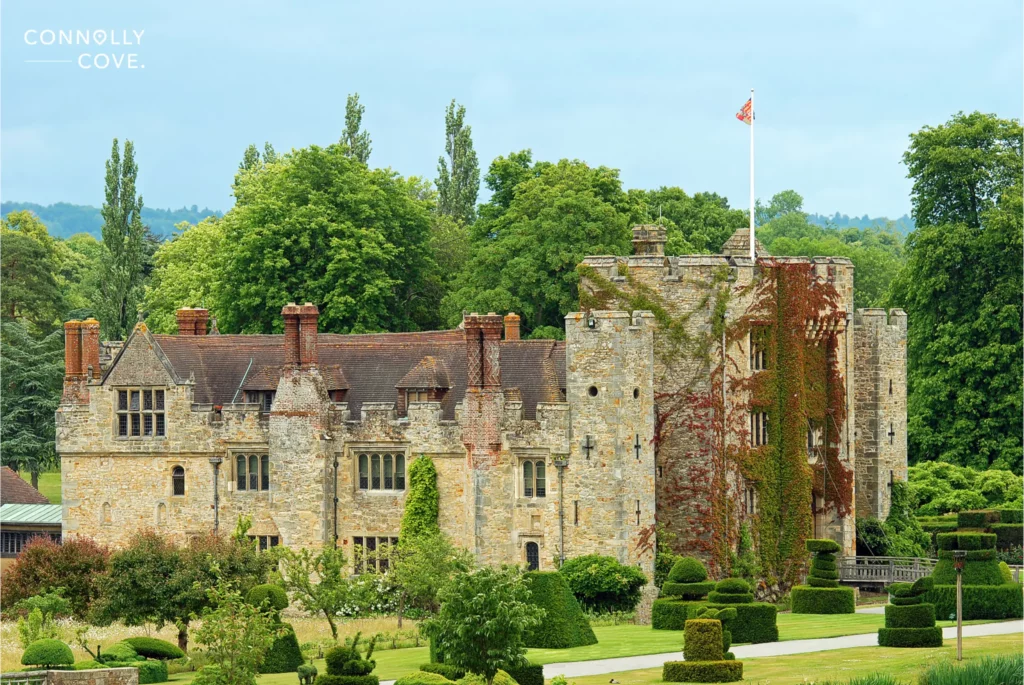
Spread across 125 acres, Hever Castle holds particular historical significance as the childhood home of Anne Boleyn, Queen of England and second wife to King Henry VIII. The property’s history extends beyond the Tudor period, with medieval origins dating to the 14th century, creating layers of architectural and historical interest.
The grounds feature gorgeous gardens, a picturesque lake, and an intricate maze that echoes royal entertainment traditions. The estate hosts numerous events throughout the year, from historical reenactments to seasonal celebrations, making it a dynamic destination rather than a static museum.
Visitors can join guided tours to learn the castle’s fascinating stories, or explore independently at their own pace. The maze, in particular, continues to delight guests with its historical charm and the challenge of navigating its hedge-lined paths.
Content Creation Opportunities: Hever’s combination of specific historical narrative (the Boleyn connection), architectural variety, and landscaped grounds makes it exceptional for YouTube content, blog photography, and social media posts. When training organisations in digital storytelling, we often use properties like Hever as examples of how layered historical narratives create multiple content angles from a single location.
Leeds Castle, Kent
Described as one of the most stunning castles in England, Leeds Castle features breathtaking views across its surrounding moat and extensive gardens. With a history spanning over 900 years, the castle served six medieval queens and underwent significant transformation under King Henry VIII for his first wife.
The property’s setting—an island within its moat—creates exceptionally photogenic views from every angle. The combination of water features, stone architecture, and mature landscaping provides varied visual interest throughout the seasons.
Leeds Castle hosts various events year-round, including weddings and special celebrations, showcasing the versatility of heritage venues for modern purposes. The castle’s reputation and facilities make it popular for corporate events and private functions seeking distinctive, memorable settings.
SEO and Digital Presence: Properties like Leeds Castle demonstrate the importance of strong digital presence for heritage tourism. With high search volumes for terms like “castles to stay in England” and “luxury castle hotels UK,” effective SEO strategy becomes crucial for visibility. When we develop digital marketing approaches for cultural venues, we emphasise the balance between historical authenticity and practical booking information—both essential for converting online interest into actual visits.
Castle Hotels with Modern Luxury
Several English castle hotels have developed extensive spa facilities and contemporary amenities alongside their historic features, appealing to guests seeking both cultural immersion and modern pampering.
Bovey Castle, Dartmoor
Nestled within Dartmoor National Park, Bovey Castle Hotel combines Victorian architecture with comprehensive modern facilities. The property offers outdoor pursuits including archery and falconry, connecting guests with traditional country estate activities in spectacular natural surroundings.
Inside, the castle maintains warm, welcoming atmosphere through roaring fireplaces, comfortable furnishings, and relaxed elegance. The setting provides ideal accommodation for families, friend groups, and couples seeking comfortable luxury within dramatic moorland landscapes.
The surrounding Dartmoor National Park offers extensive hiking trails and outdoor exploration opportunities, making Bovey Castle an excellent base for active holidays alongside cultural heritage appreciation.
Hazlewood Castle and Spa, Yorkshire
Set within 77 acres of Yorkshire woodland, Hazlewood Castle dates to the 13th century and has hosted numerous famous figures throughout its long history. The property successfully integrates modern spa facilities with medieval architecture, offering indulgent treatments within atmospheric historic surroundings.
The castle provides informative guided tours for guests interested in its rich past, whilst the spa and leisure facilities cater to those seeking relaxation and wellness. This dual offering exemplifies how heritage properties can serve diverse guest interests, from history enthusiasts to wellness travellers.
Business Applications: For organisations seeking corporate retreat venues or event spaces, castle hotels like Hazlewood offer distinctive settings that combine professional facilities with memorable atmosphere. When we film promotional content for business-focused heritage venues, we emphasise these dual capabilities—the gravitas of historic surroundings for important meetings, paired with modern amenities for practical functionality.
Swinton Park Castle, North Yorkshire
Swinton Park extends beyond traditional hotel accommodation, offering diverse experiences across its extensive estate. The main castle provides luxurious rooms with period features, whilst the contemporary Deer House delivers minimalist design overlooking the deer park. For particularly adventurous guests, Swinton Bivouac offers luxury glamping with campfire experiences and star-filled skies.
The estate runs traditional farming operations and offers guests opportunities to engage with agricultural heritage through falconry masterclasses, farm tours, and learning about the Cunliffe-Lister family’s centuries-long stewardship of the land.
Content Diversification: Swinton Park demonstrates how heritage properties can create varied content across different audience segments—luxury hotel guests, outdoor enthusiasts, agricultural tourism, and event clients all find relevant experiences. This diversity supports robust digital content strategies with multiple entry points for different audience interests.
Historic Hotels in Charming Settings
Beyond grand fortresses, several castle hotels offer intimate, characterful experiences in particularly appealing locations.
Appleby Castle, Cumbria
Located in the charming town of Appleby-in-Westmorland, this castle functions as museum, luxury hotel, and wedding venue simultaneously. Dating to the 12th century, it ranks amongst England’s oldest castles, with historic rooms that transport visitors to medieval times.
The surrounding landscapes suit nature enthusiasts, offering outdoor activities including hiking and birdwatching. The castle’s versatility makes it appealing to diverse visitors—history buffs exploring its museum collections, couples celebrating weddings in romantic settings, and travellers seeking characterful accommodation.
Lumley Castle Hotel, County Durham
Positioned in Chester-le-Street overlooking the River Wear, Lumley Castle Hotel dates to the 14th century and exudes medieval charm throughout its historic chambers. Guests can choose between classic castle rooms maintaining period character or contemporary courtyard suites offering modern comfort.
The property includes an award-winning spa featuring gold-infused treatments and private hot tubs in secluded courtyards—indulgent extras that complement the historic atmosphere. The castle’s long history includes hosting King James I and Queen Elizabeth II across the centuries, placing guests within spaces touched by royalty.
The surrounding parklands and river views provide picturesque backdrops for both relaxation and photography. History enthusiasts will find abundant stories in every corner, from its defensive role during turbulent periods to its evolution as a prestigious residence.
Heritage Marketing: Lumley demonstrates the marketing power of royal connections and prestigious historical associations. When developing content for heritage venues, we emphasise these authentic historical touchpoints as they create emotional connections with potential visitors far more effectively than generic luxury descriptions.
Distinctive Castle Experiences
Several castle hotels offer particularly unique features or settings that set them apart within this already special category.
Warwick Castle, Warwickshire
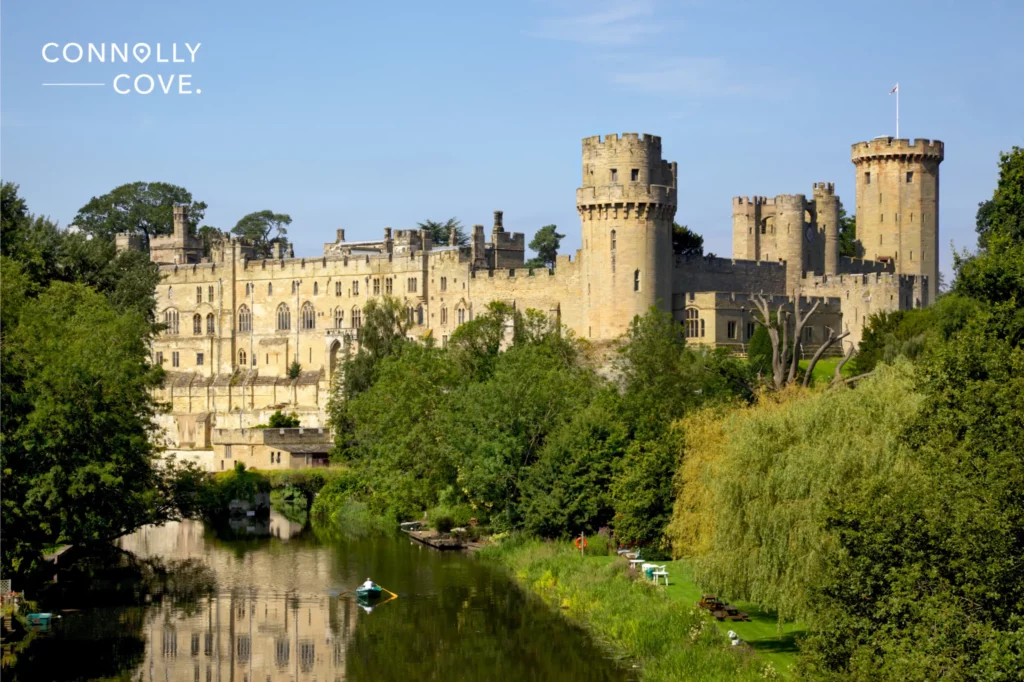
Dating to 1068, Warwick Castle combines formidable historical architecture with modern luxury accommodation in its Victorian wing. The castle’s suites provide contemporary comfort within ancient walls, with some offering private balconies for enjoying sunset views across the grounds.
Beyond accommodation, Warwick Castle operates as a major visitor attraction featuring interactive experiences with birds of prey, historical demonstrations, and extensive grounds to explore. The combination of stay-over accommodation with daytime attractions creates particularly rich content opportunities for travel writers and videographers.
The castle’s wildlife experiences, including close encounters with hawks, owls, and falcons, add unique dimensions to the visit. The grounds include both formal gardens and natural spaces, providing diverse environments within the estate.
Star Castle, Isles of Scilly
Built under Queen Elizabeth I in the 16th century, Star Castle earned its name from its distinctive eight-pointed star layout, designed as formidable seafront defence. The castle protected the English Channel and Scilly Isles from Spanish and French invasions, witnessing centuries of maritime history.
UNESCO recognised its historical significance by designating it a World Heritage Site in 1958. Today, this family-run hotel offers the unique experience of staying in a fortification with genuine military heritage, set within the exceptionally beautiful Isles of Scilly.
The castle’s island location provides dramatically different atmosphere from mainland properties, with maritime influences throughout the experience. The views, the light quality, and the sense of remoteness create a particularly distinctive castle hotel experience.
Hedingham Castle, Essex
Hedingham Castle represents one of England’s best-preserved medieval fortresses, showcasing impressive motte and bailey architecture that demonstrates early inhabitants’ defensive capabilities. Dating to the 12th century, the castle features remarkably intact stonework that allows visitors to understand medieval military design.
The property offers guided tours that bring its history to life, sharing tales of knights, kings, and queens who shaped England’s story. History enthusiasts will appreciate the authentic architectural features and the detailed interpretation of medieval life available through the tours.
Documentary Content: Castles like Hedingham, with exceptionally preserved architecture and clear historical narratives, provide excellent subjects for educational video content and virtual tours. When we produce documentary-style heritage content, these highly authentic sites offer visual evidence of historical periods that computer graphics cannot match—genuine medieval stonework, original defensive features, and atmospheric spaces where history feels tangible.
Planning Your Castle Hotel Visit
Check out these tips for planning your castle hotel visit:
Choosing the Right Castle for Your Interests
Consider what aspects of the experience matter most to you when selecting from England’s castle hotels:
For Historical Authenticity: Prioritise medieval fortresses in Northumberland and Cumbria where defensive architecture remains intact and modifications have been minimal. Properties like Langley Castle and Hedingham Castle offer the most genuine medieval atmosphere.
For Luxury and Comfort: Southern castle hotels and Victorian properties typically provide more extensive modern amenities, larger rooms, and comprehensive facilities including spas and fine dining. Thornbury Castle, Bovey Castle, and Swinton Park excel in this category.
For Unique Experiences: Look for properties offering distinctive activities or settings. Warwick Castle provides daytime attractions alongside accommodation, whilst Star Castle offers island remoteness, and Swinton Park combines multiple accommodation styles with active estate experiences.
For Accessibility: Consider properties with better transport links if you’re travelling by rail or prefer shorter drives from airports. Amberley Castle (one hour from London), Thornbury Castle (accessible from Bristol), and castles near major cities offer easier access than remote Northumberland fortresses.
Seasonal Considerations
Castle hotels offer different appeals across the seasons:
Spring and Summer provide the best weather for exploring extensive grounds and surrounding countryside. Gardens reach peak beauty, outdoor activities become more appealing, and longer daylight hours allow extended exploration. However, these seasons attract higher visitor numbers and premium pricing.
Autumn delivers spectacular colours in castle grounds and surrounding landscapes, creating exceptional photography opportunities. Cooler weather makes roaring fires and cosy interiors more appealing, whilst fewer crowds often mean better availability and occasionally lower rates.
Winter transforms castle hotels into particularly atmospheric retreats. Bare trees reveal architectural features often hidden by summer foliage, whilst festive decorations enhance the medieval atmosphere. Many properties offer special Christmas and New Year programmes. Cold weather makes spa facilities and fine dining especially appealing, creating the perfect excuse to stay within the castle’s warm embrace.
Transport and Access
From London: Most southern castle hotels lie within two hours’ drive, with some accessible by rail followed by short taxi journeys. Amberley Castle, Hever Castle, Leeds Castle, and Thornbury Castle all offer reasonable accessibility from the capital.
From Regional Cities: Northern castle hotels connect well to Newcastle, York, and Manchester. Research specific rail links and driving times based on your starting point, as rural locations may require private transport for the final leg.
From Ireland: Travellers from Dublin or Belfast should consider flights to regional UK airports (Bristol, Newcastle, Birmingham) rather than always defaulting to London, as this can significantly reduce onward travel times to your chosen castle.
Driving in England: If you’re unfamiliar with UK roads, note that most castle hotels provide detailed directions for motorway exits and local routes. Sat nav works reliably across England, though rural areas may occasionally have limited mobile signals. Most properties offer complimentary parking, a significant advantage over city hotels.
Booking Strategies
Direct Booking: Many castle hotels offer best rates and additional benefits when booking directly through their own websites rather than through third-party platforms. Look for packages that include dinner, spa treatments, or local experiences to enhance value.
Midweek Stays: Rates often drop significantly Sunday through Thursday compared to weekend pricing. If your schedule allows flexibility, midweek breaks can deliver substantial savings on these luxury properties.
Special Events: Many castle hotels run seasonal events, historical reenactments, or themed weekends. These can enhance your experience but may also increase rates and require advance booking.
Advance Planning: Popular castle hotels, particularly those in exceptional locations or with limited rooms, book months ahead for peak seasons. Plan early if you have specific dates or preferences.
Photography and Content Tips for Castle Hotels
Whether you’re capturing memories of your stay or creating professional content, castle hotels offer exceptional photographic opportunities that reward thoughtful approach.
Architectural Photography
Medieval and Tudor castle architecture provides dramatic subjects, but the thick walls and often small windows create lighting challenges. Arrive during the “golden hours” shortly after sunrise or before sunset when warm, angled light enhances stonework texture and creates long shadows that emphasise architectural details.
Interior photography benefits from window light streaming through narrow openings, creating natural spotlights on period features. Rather than fighting these challenging conditions with flash, embrace the dramatic lighting as part of the authentic medieval atmosphere.
ConnollyCove Insight: When we film heritage properties professionally, we’ve learned that the most compelling shots often come from unexpected angles—looking up spiral staircases, framing views through doorways, or capturing details like iron hinges and carved stonework that tell authentic historical stories. These details resonate more strongly with culturally curious audiences than wide establishing shots that could represent any luxury hotel.
Creating Video Content
Castle hotels provide ready-made narratives for video content, whether you’re creating YouTube travel vlogs, Instagram Reels, or professional promotional videos. The key is capturing the sensory experience—the sound of footsteps on stone floors, the play of candlelight (or its modern equivalent) on ancient walls, the views from battlements.
For longer-form content, structure your video around the castle’s unique story. Research historical events or figures connected to the property, then use these narratives to guide your viewers through the space. This storytelling approach transforms a simple property tour into engaging cultural content.
Digital Marketing Applications
For businesses in the heritage tourism sector, castle hotels demonstrate several digital marketing principles that ConnollyCove applies in our work with cultural venues:
Authentic Storytelling: Historical authenticity outperforms generic luxury messaging. Specific stories (royal visits, medieval battles, architectural innovations) create emotional connections that drive bookings and shares.
Visual Diversity: The best performing heritage content showcases varied aspects—architecture, landscapes, interiors, local area, activities, and cultural context. This diversity supports comprehensive SEO strategies while appealing to different audience interests.
Local Context: Content that connects castle experiences with regional culture, nearby attractions, and authentic local businesses performs better than isolated property promotion. This approach serves SEO (capturing broader regional searches) whilst providing genuine value to visitors planning their trips.
Seasonal Content: Regular content updates reflecting seasonal changes keep properties visible in search results whilst giving repeat visitors reasons to return. Autumn colours, winter festive programmes, spring garden blooms—each season offers fresh content angles.
YouTube and Social Media Strategy
Castle hotels represent high-engagement content subjects across social platforms, but different channels reward different approaches:
YouTube suits longer storytelling—virtual tours, historical deep-dives, comparison videos, and travel vlogs that capture the full experience. SEO-optimised titles and descriptions using terms like “castle hotel England,” “medieval stay UK,” and specific property names capture search traffic.
Instagram thrives on striking visuals—architectural details, landscape shots, and atmospheric interiors. Stories and Reels can show the experiential aspects—walking through grounds, dining in historic halls, or relaxing in period rooms.
TikTok rewards quirky facts, before-and-after reveals (modern rooms within medieval shells), and quick tours of unique features. The platform’s younger demographic often discovers castle hotels through unexpected angles rather than traditional luxury marketing.
Frequently Asked Questions
What makes a genuine castle hotel different from a stately home hotel?
Genuine castles were built primarily for defence, featuring thick walls, battlements, narrow windows, and strategic locations. Stately homes prioritised comfort and display, with larger windows, more elaborate decoration, and gracious proportions. Many “castle hotels” are actually stately homes with castellated features, which offer beautiful historic stays but different architectural experiences from medieval fortresses.
Are castle hotels suitable for families with children?
This varies significantly by property. Victorian castle hotels like Bovey Castle and Augill Castle actively welcome families and provide child-friendly facilities. Medieval fortresses with narrow spiral staircases and historical room configurations may suit older children better than toddlers. Always contact properties directly to discuss facilities, family rooms, and age-appropriate activities available.
How far in advance should I book a castle hotel?
For peak season stays (summer holidays, Christmas, New Year), book 3-6 months ahead, particularly at popular properties or those with limited rooms. Midweek stays in shoulder seasons often allow shorter booking windows, sometimes securing last-minute availability. Special events and bank holiday weekends require the longest lead times.
Do castle hotels offer accessibility for guests with mobility issues?
Accessibility varies dramatically. Victorian properties generally handle wheelchair access better than medieval fortresses with original staircases. Many historic properties have made adaptations, including lifts and ground-floor rooms, but thick walls and protected architecture limit what modifications are possible. Contact properties directly with specific requirements before booking.
What should I budget for a castle hotel stay?
Castle hotel rates span from approximately £150-£200 per night for simpler historic properties midweek, to £400-£800+ for luxury castle hotels on peak weekends. Many offer package deals including dinner and activities that represent better value than room-only rates. Consider midweek stays, shoulder seasons, and direct booking for optimal pricing.
Can I visit castle hotels even if I’m not staying overnight?
Some castle hotels welcome day visitors for afternoon tea, dining, or grounds access, whilst others restrict access to guests. Properties functioning as visitor attractions (like Warwick Castle or Hever Castle) offer separate daytime tickets. Contact properties directly to ask about non-residential visits, restaurant bookings, or grounds access.
Your Medieval Adventure Awaits
England’s castle hotels offer something increasingly rare in modern travel—the chance to step outside everyday life into spaces where history feels tangible. Whether you choose a rugged Northumberland fortress where medieval soldiers once kept watch, a Tudor palace where royalty once entertained, or a Victorian castle built to capture romantic ideals of chivalry, you’re choosing an experience that extends far beyond luxury accommodation.
These properties represent living heritage, continuously evolving whilst honouring their pasts. They demonstrate how historic buildings can find new purpose serving modern visitors whilst maintaining architectural integrity. For culturally curious travellers, they provide unparalleled immersion in English history, architecture, and landscape.
At ConnollyCove, our work documenting heritage sites across Britain and Ireland has reinforced our belief that authentic cultural experiences create the most memorable travel stories. Castle hotels exemplify this principle—genuine historic fabric combined with thoughtful modern comfort creates something special that sterile luxury cannot match.
Whether you’re planning a romantic escape, celebrating a special occasion, seeking inspiration for historical fiction, or creating content about English heritage tourism, the right castle hotel becomes more than accommodation—it transforms into the experience itself.
Begin exploring the magnificent options across England, from the Scottish borders to the South Downs, and discover which centuries-old walls will host your next adventure. The battlements await, the drawbridges stand ready, and your place in these continuing stories is waiting to be written.