

The Ring of Kerry: A Guide to Ireland’s Scenic Driving Route
Updated On: April 20, 2024 by  Maha Yassin
Buckle up for a journey along the Wild Atlantic Way, where emerald cliffs hug the coastline, ancient myths whisper in the wind, and every bend in the road promises a breathtaking vista. Welcome to the Ring of Kerry, Ireland’s crown jewel.
The Ring of Kerry is more than just a scenic drive; it’s an immersion into Irish culture and history. From charming quaint villages to Medieval ruins and monasteries, the Ring of Kerry is surrounded by the most beautiful attractions in Ireland. It is not just about history and culture; it’s a playground for adventure! Whether you like hiking, kayaking, or horseback riding, the Ring of Kerry offers many activities.
So, whether you’re a seasoned traveller or an armchair adventurer, the Ring of Kerry has something for you. This is where memories are made, friendships forged, and stories written in the wind. Are you ready to begin your Ring of Kerry adventure?
Table of Contents
What and Where is the Ring of Kerry?
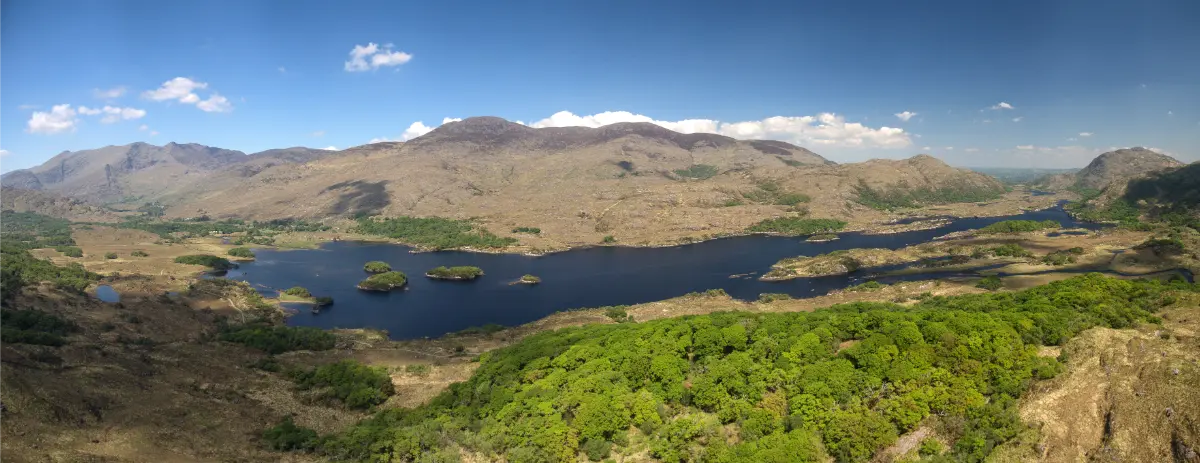
The Ring of Kerry is a 179-kilometre scenic route that winds around the Iveragh Peninsula in County Kerry, Ireland. It’s considered one of the most beautiful drives in the world, offering stunning coastal views, charming villages, and ancient ruins.
The route takes you past rolling green hills, rugged cliffs, and sparkling lakes. You’ll also see traditional Irish villages with thatched-roof cottages and lively pubs. Some of the Ring of Kerry highlights include Killarney National Park, the Gap of Dunloe, Skellig Michael, Ross Castle, and the Kerry Cliffs.
The Ring of Kerry is a great place to relax and enjoy Ireland’s beauty. There are plenty of hiking, biking, fishing, and swimming opportunities. You can also visit some of the many historical sites along the route.
The Ring of Kerry is a must-see if you plan a trip to Ireland. It’s an unforgettable experience that you’ll never forget.
The Rish History of the Ring of Kerry
With its breathtakingly beautiful landscapes and charming villages, the Ring of Kerry boasts a history as vibrant as the emerald hues that blanket its hills. Though the modern scenic route we know today was officially established in the late 19th century, the land it traverses whispers tales of ancient settlements, cultural shifts, and a deep connection to the natural world that spans millennia.
Footprints of the First
Our journey begins far back in time, around 4,000 years ago, when the Iveragh Peninsula first witnessed the arrival of Neolithic farmers. These early settlers left behind traces of their presence in the form of ring forts and circular stone structures that dot the landscape, serving as both homes and symbols of community.
Bronze Age Brilliance
As centuries passed, the Iveragh Peninsula was at the heart of Ireland’s flourishing Bronze Age (2000-500 BC). Rich copper deposits in the region attracted skilled metallurgists, and the Ring of Kerry became a hub for trade and innovation. The wealth generated during this period is evident in the impressive stone circles and burial mounds that still stand as silent sentinels, whispering stories of a sophisticated and vibrant culture.
Christian Crossroads
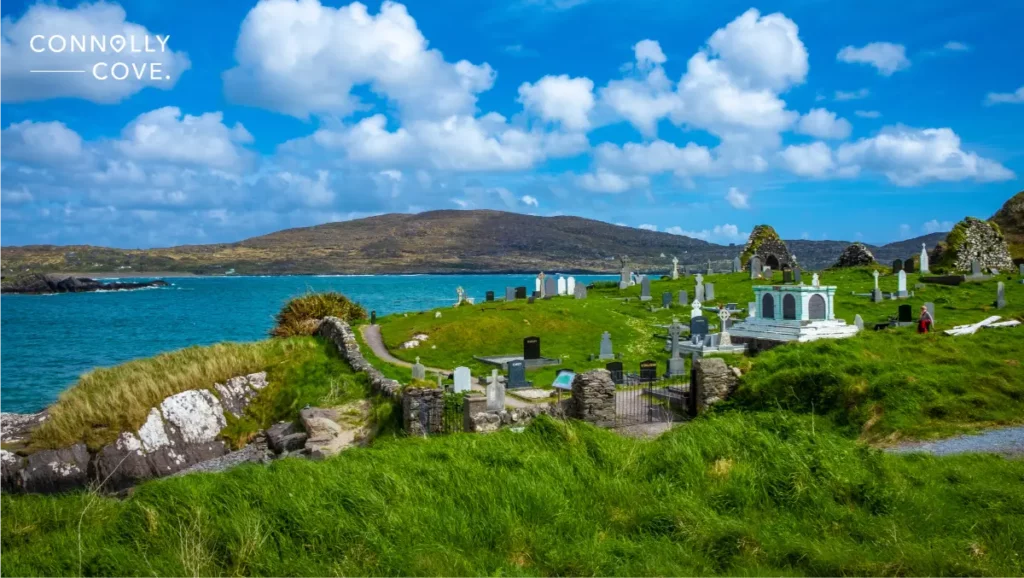
The arrival of Christianity in the 5th century CE marked a significant turning point. Monasteries, such as the iconic Skellig Michael perched precariously on a rocky island off the coast, became centres of learning and praying. These sacred spaces, often built upon the foundations of earlier pagan sites, symbolised the merge of old and new beliefs, shaping the region’s religious landscape for centuries.
Viking Voyages
The 8th and 9th centuries saw the arrival of the Vikings, fierce seafarers who left their mark on the Ring of Kerry. They established trading posts and settlements, influencing local language and customs. Place names like Cahersiveen and Killorglin bear testament to their presence, adding more to the region’s rich tapestry.
Medieval Meltdown
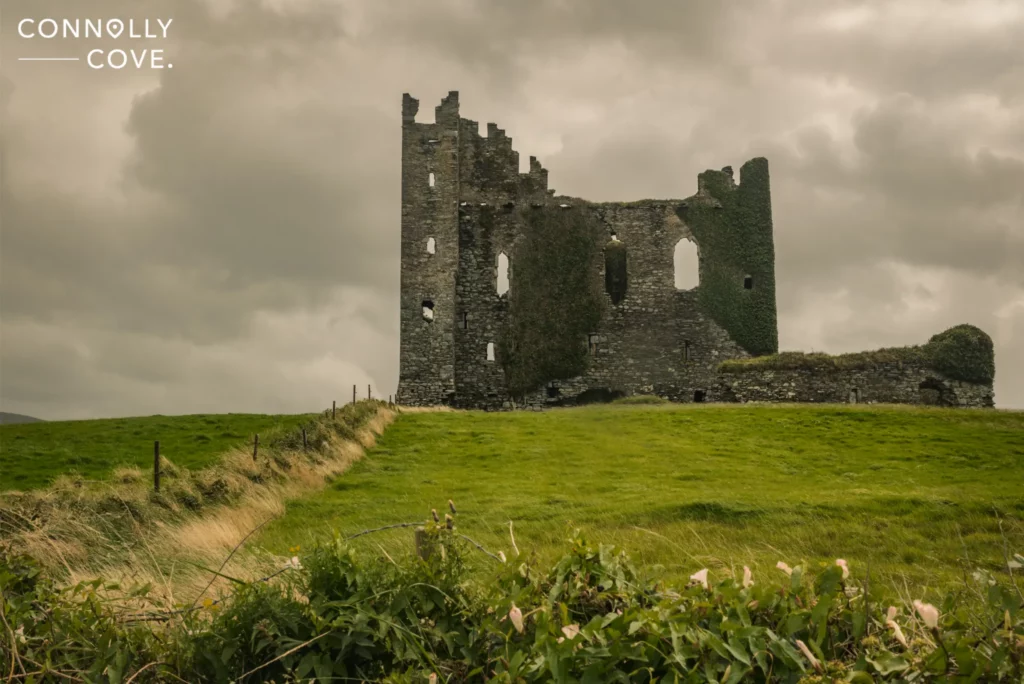
By the 12th century, the Iveragh Peninsula became part of the Gaelic kingdom of Desmond. This era saw the construction of imposing castles, like the 15th-century Ross Castle, that still stand guard over the Lakes of Killarney. However, by the late 16th century, English colonisation brought unrest and conflict, culminating in the Desmond Rebellions and the subsequent decline of Gaelic power.
The Rise of Tourism
The rise of tourism had a significant impact on the Ring of Kerry. New hotels, restaurants, and other businesses were built to accommodate the growing number of visitors. The region also became a popular destination for artists, writers, and other creative people.
Today, the Ring of Kerry remains a popular tourist destination. Visitors worldwide experience its stunning scenery, rich history, and vibrant culture. The region is a testament to the power of nature to inspire and attract people from all walks of life.
All The Best Activities at the Ring of Kerry Today
Ah, the Ring of Kerry! Where emerald cliffs kiss the cerulean Atlantic, ancient myths whisper in the wind, and every bend in the road promises a breathtaking vista. But beyond the scenic drive, this captivating Irish jewel box offers various activities to suit every traveller’s desires. Buckle up, for we’re diving into the best things to do while visiting the Ring of Kerry:
For the Nature Enthusiast
- Hike through Killarney National Park: Immerse yourself in a wonderland of shimmering lakes, cascading waterfalls, and verdant mountains. Hike the Gap of Dunloe, a dramatic valley carved by glaciers, or conquer Carrauntoohil, Ireland’s highest peak. Breathe in the fresh air, feel the crunch of leaves underfoot, and let the wild beauty wash over you.
- Kayak on the Lakes of Killarney: Glide across the mirror-like surfaces of Lough Leane, Upper Lake, and Muckross Lake, surrounded by stunning scenery. Paddle past ancient ruins, spot playful otters and soak in the tranquillity of nature’s embrace.
- Cycle the Ring of Kerry: Feel the wind in your hair and the rhythm of the road under your tires as you cycle this legendary route. Choose from challenging climbs to leisurely coastal paths, and stop at charming villages and hidden coves.
For the History Buff
- Explore Skellig Michael: This UNESCO World Heritage Site, perched on a rocky island off the coast, is a must-see. Climb the 600 steps to the 7th-century monastery, marvel at the breathtaking scenery, and imagine the lives of the early Christian monks who called this place home.
- Step back in time at Ross Castle: This 15th-century castle, standing guard over the Lakes of Killarney, whispers tales of battles and feuds. Take a guided tour, explore the dungeons and towers, and learn about the region’s fascinating history.
- Wander through the Kerry Bog Village Museum: Transport yourself to the 19th century and experience peat bog dwellers’ harsh yet resilient life. See traditional thatched cottages, learn about peat harvesting, and discover the culture of this fascinating region.
For the Thrill Seeker
- Surf the Wild Atlantic Waves: From beginner-friendly swells to challenging breaks, the Ring of Kerry has something for every surfer. Catch a wave at Rossbeigh Beach, Lahinch, or Inch Strand, and feel the exhilarating power of the ocean.
- Zipline through the Killarney National Park: Soar through the treetops, adrenaline pumping, as you zipline across valleys and waterfalls. Experience the park uniquely and get a bird’s-eye view of the stunning scenery.
- Go horseback riding: Explore the countryside on horseback, traversing rolling hills, hidden valleys, and sandy beaches. This is a beautiful way to connect with nature and experience the Ring of Kerry’s beauty at a slower pace.
For the Foodie
- Indulge in fresh seafood: From succulent oysters plucked straight from the sea to hearty fish and chips, the Ring of Kerry is a foodie paradise. Sample local specialities in quaint coastal villages like Kenmare and Sneem, and savour the taste of the ocean with every bite.
- Visit a traditional Irish pub: Immerse yourself in the warm Irish atmosphere and enjoy a pint of Guinness or a local craft beer. Listen to live music, mingle with the locals, and savour the hearty pub fare, like a steaming bowl of Irish stew or a juicy steak.
- Shop at the Killarney Market: Browse stalls with fresh local produce, artisan crafts, and handmade souvenirs. Pick up some delicious cheeses, jams, and smoked salmon, perfect for picnics or gifts to take home.
For the Family
- Jaunting car ride: Take a traditional horse-drawn carriage ride through Killarney National Park, enjoying the scenery and listening to stories from the driver.
- Visit the Gleneagle AquaDome: Splash and play in this water park with water slides, wave pools, and lazy rivers. It is a perfect day out for families of all ages.
- Killarney Riding Centre: Saddle up for a pony trek through the countryside, suitable for kids of all ages. Get close to nature and enjoy the gentle pace of exploring on horseback.
No matter your interests, the Ring of Kerry has something to offer. So, lace up your boots, grab your swimsuit, and pack your sense of adventure. This enchanting corner of Ireland awaits, ready to weave its magic on you.
5 Tips for the Ring of Kerry First-time Visitors
Are you venturing into the emerald embrace of the Ring of Kerry for the first time? It’s a journey rich in breathtaking landscapes, captivating history, and friendly faces. But for any first-timer, a pinch of guidance can go a long way in maximising your experience. So, here are some handy tips to make your Ring of Kerry adventure unforgettable:
1. Timing is Key
Spring and summer offer sunshine and vibrant greenery, but crowds can be plentiful. Autumn paints the landscape in warm hues, and winter unveils a dramatic, albeit potentially wet, experience. Choose your season based on your preferences.
2. Book Accommodation Early
Killarney is the main base. Renting a car is the most flexible option, allowing you to explore at your own pace. Consider alternative options like tour buses, bikes, or even horse-drawn carriages for a unique experience. Charming villages like Kenmare and Sneem offer boutique hotels and cosy cottages for a more local experience. Consider self-catering options for greater flexibility. Book early, especially during peak season, to secure your ideal base.
3. Explore Different Transportation
Rent a car to explore at your own pace, stopping at hidden coves and quaint villages. Be prepared for narrow roads and sheep encounters. Sit back and relax on guided tours, leaving the driving and navigation to someone else. Choose themed tours or hop-on-hop-off options for flexibility.
Cycling allows you to immerse yourself in the scenery and get some exercise. You can choose from challenging climbs or leisurely coastal routes. For something more attuned to nature, opt for a horse-drawn carriage ride along the beach or through Killarney National Park for a fairytale experience.
4. Conquering the Ring
Embrace the counter-clockwise waltz – it helps you avoid the traffic tango and tour bus conga line. If you need to pick up and stock your pantry in Killarney, prices in smaller villages can be higher. And finally, remember, sheep are the maestros of the road, so admire their woolly grace from afar, never challenging their right-of-way.
5. Savour the Emerald Spirit
Pack layers for the weather’s whimsical jigs – sunshine can pirouette with rain in the blink of an eye. Slow down and let the scenery waltz into your soul – imagine picnics by tranquil lakes or waltzing with the wind on clifftop paths. Strike up conversations with the locals – they’re hidden gem whisperers and storytellers of ancient lore. Disconnect from the digital drone, breathe in the fresh air, and let the Ring’s magic weave its spell.
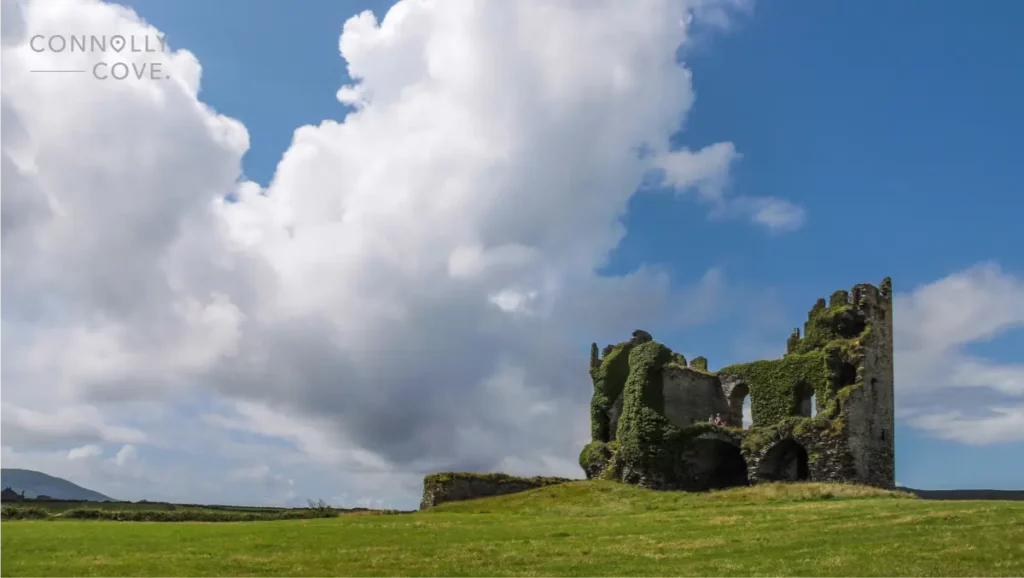
So ends your Ring of Kerry adventure, its emerald embrace leaving lingering whispers of windswept cliffs, crashing waves, and cosy pub stories. Carry these memories close; they are your unique tapestry woven from this enchanting corner of Ireland. Sláinte! (Cheers!)
FAQs
When’s the best time to visit the Ring of Kerry?
It depends on your preference! Spring and summer offer sunshine and vibrant landscapes but also larger crowds. Autumn paints the scenery in golden hues and boasts fewer people, while winter brings dramatic seascapes and cosy pub evenings, but pack your rain gear.
Where should I stay on the Ring of Kerry?
Killarney is the bustling hub, offering a variety of hotels, B&Bs, and apartments. Check out villages like Kenmare and Sneem, which have boutique hotels and cosy cottages for a quieter charm. Choose based on your desired atmosphere.
How do I get around the Ring of Kerry?
Renting a car provides the most flexibility, but consider joining a tour for a guided experience. Cycling offers a more active option, while horse-drawn carriage rides provide a fairytale touch.
Should I talk to the locals on the Ring of Kerry?
Absolutely! Strike up conversations in pubs and shops for hidden gems, local recommendations, and fascinating stories. Learning a few basic Irish phrases like “Dia duit!” (hello) goes a long way.
Where can I have a perfect picnic on the Ring of Kerry?
Pack a basket and find your secluded paradise – a sandy beach, a windswept clifftop, or a tranquil lakeside spot awaits your picnicking pleasure.

The Ultimate Guide for London One Day Tours!
England
27/04/2024

Key Insights: Global Medical Tourism Statistics and Market Growth Analysis
Travel Statistics
26/04/2024

The Irish Mafia: A Closer Look at Organised Crime Syndicates
History and Heritage
26/04/2024

The Ultimate Guide to Eating Out in Ireland: Tips and Recommendations
Food and Cuisine
26/04/2024
Plan Your Perfect Trips to Northern Ireland: A Guide to the Best Tours and Vacation Packages!
Northern Ireland
26/04/2024