


The Road Trip Guide to Ireland’s Wild Atlantic Way
Updated On: April 23, 2024 by  Raghda Elsabbagh
Planning your grand Irish road trip along the Wild Atlantic Way and feeling a tad overwhelmed? You’re certainly not the only one. With over 2,500 km (1,500 miles) of sheer breathtaking beauty along the Wild Atlantic Way, figuring out where to kick things off can indeed be quite the task. This is, after all, the world’s longest-defined coastal route! But no worries.
We’ve crafted this ultimate guide just for you. Let’s embark together on this extraordinary adventure as we unravel the magical west coast of Ireland that promises stunning landscapes teeming with Ireland’s rich culture and history. Are you ready?
Table of Contents
Description of the Wild Atlantic Way
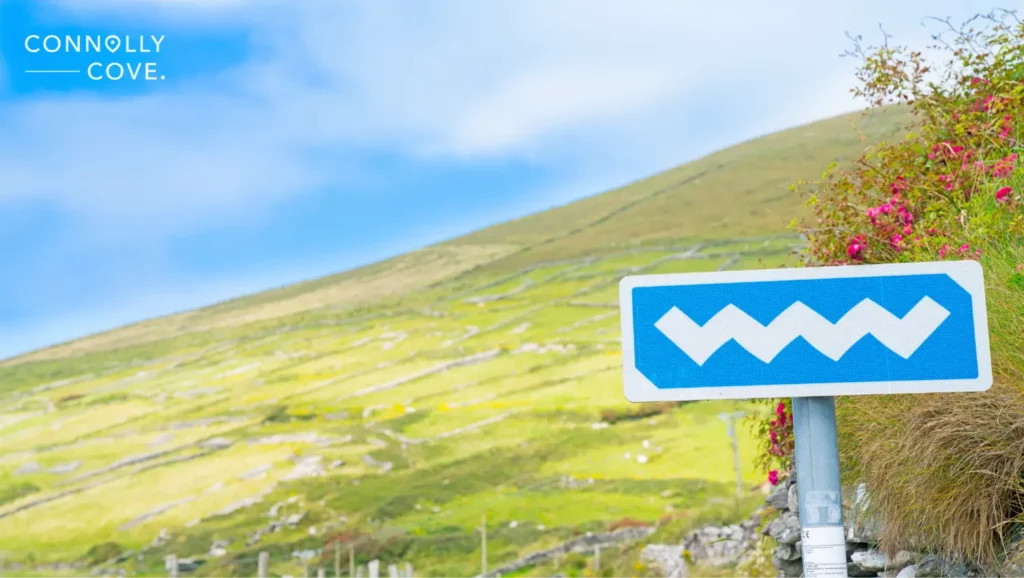
Nestled along the western fringes of Ireland, the Wild Atlantic Way is a coastal road that showcases the natural beauty of Ireland’s west coast, from green landscapes dotted with charming cottages and buzzing little towns to stunning cliffs and sandy beaches that defy imagination.
The Wild Atlantic Way, aptly named, covers an epic 2,500 kilometres (roughly 1,500 miles), making it one of the longest-defined coastal drives in the world. It spans from the untamed splendour of Inishowen Peninsula, County Donegal, in the north, winding its way down the western coast until we reach the dramatic finale at Kinsale in the windswept haven of Cork in the south.
While we can’t see all of Ireland on this trail, the Wild Atlantic Way stretches across nine different counties and three provinces, making it a thrilling road trip option for those who want to discover the wonders of Ireland.
What Landscapes Will You Pass By?
Every mile along the Wild Atlantic Way is a stroke of nature’s brush, creating a masterpiece that will leave you in awe.
Coastal cliffs and Rugged Terrain
As you navigate Wild Atlantic’s twists and turns, the cliffs rise majestically, reaching heights that stir the soul. Stand in awe at Slieve League, where cliffs plunge into the Atlantic with wild abandon, challenging you to defy gravity with your gaze.
Breathtaking Beaches and Charming Villages
The Wild Atlantic Way introduces you to quaint little villages nestled amidst stunning coastal landscapes and picturesque beaches where golden sands meet the endless horizon. Stroll along the pristine Dog’s Bay or Inchydoney Beach in County Cork. Revel in the cosy embrace of villages like Doolin, Clifden, or Dingle, where traditional Irish charm awaits around every corner.
Mountainous Regions and Lush Greenery
Just when you think you’ve seen it all, the Wild Atlantic Way introduces you to its mountainous heart that harmonises with the rhythm of the Atlantic. The Twelve Bens in Connemara rise like ancient sentinels, their peaks cloaked in mist and mystery. Venture into the embrace of the Wicklow Mountains, where emerald-green landscapes soothe the spirit.
Cultural Heritage Along the Wild Atlantic Way
The Wild Atlantic Way isn’t just a scenic route; it’s brimming with the rich hues of Ireland’s cultural heritage, where history, music, dance, and the warm embrace of local communities converge to create an unforgettable journey through Ireland’s heart and soul.
Ancient Ruins and Archaeological Sites
As you traverse the Wild Atlantic Way, history unfolds like a well-worn map. Wander through the hauntingly beautiful Glencolumbkille Folk Village, where centuries-old cottages whisper tales of bygone eras. Explore Dun Aonghasa on Inishmore, one of the Aran Islands. Dun Aonghasa is a prehistoric fort that dates back to 1100 BC and is perched on the edge of towering cliffs.
Explore majestic castles like Dunluce Castle in County Antrim or Bunratty Castle in County Clare, which offer a glimpse into Ireland’s medieval past. Make sure to visit Kylemore Abbey in the Connemara Mountains, with its stunning Gothic architecture and beautiful gardens. Discover prehistoric sites like Skellig Michael, an island once home to Christian monks and now famous for its appearance in Star Wars films.
The Wild Atlantic Way As a Filming Location for Star Wars
If you’re a Star Wars fan, you’ll be delighted that the Wild Atlantic Way has been a filming location for some iconic scenes in the movie franchise with its dramatic landscapes and breathtaking coastlines.
From the rugged cliffs of Skellig Michael, where Luke Skywalker was discovered in “The Force Awakens,” to the stunning scenery of Malin Head, which portrayed an alien planet in “The Last Jedi,” there are plenty of spots along the Wild Atlantic Way that will make any Star Wars enthusiast’s heart skip a beat. So, get your camera ready and prepare to immerse yourself in both real-life beauty and fictional wonder as you explore these incredible filming locations.
Traditional Music and Dance
In the cosy nooks and crannies of Wild Atlantic Way villages, the soul-stirring strains of traditional Irish music and accompanying tapping feet fill the air. Pubs like McGann’s in Doolin become impromptu concert halls where fiddles, bodhráns, and tin whistles create a lively soundtrack.
Gastronomic Delights and Local Cuisines
The Wild Atlantic Way is known for its rich culinary heritage, and you’ll be amazed by the local delicacies. Artisanal cheeses and hearty Irish stews grace the tables of coastal eateries. Stop at the Burren Smokehouse in County Clare and Ballycotton in County Cork to savour delicious smoked salmon straight from the Atlantic waters.
Don’t forget to try the famous Irish soda bread and creamy butter—a match made in heaven! And if you have a sweet tooth, indulge in delicious homemade scones or mouthwatering apple pie. The traditional food here truly reflects the warmth and hospitality of Ireland’s west coast. So, treat yourself to these authentic flavours and tantalise your taste buds during your journey along the Wild Atlantic Way.
Interaction with Locals
Behind the postcard-perfect landscapes of the Wild Atlantic Way are the warmth of its people. Engage in conversations with locals in cosy, fire-lit pubs or while exploring marketplaces. Share a laugh, swap stories, learn a bit of the lingo (a “craic” is more than just a good time!), and let the locals be your guides to the heart of Irish hospitality.
Key Destinations Along the Wild Atlantic Way
Let’s dive into the must-visit places along this mesmerising coastal route.
Galway
Nestled on the Wild Atlantic Way’s edge, Galway is a charismatic city that effortlessly blends the old and the new. Cobblestone streets wind through numerous colourful storefronts, and the air is alive with the sounds of street performers and traditional Irish music.
The Wild Atlantic Way meets the serene Galway Bay, a perfect spot for a stroll. Don’t miss the iconic Claddagh, where the river meets the sea, offering breathtaking views that capture the essence of the route. Eyre Square is the heart of Galway, surrounded by shops, cafes, and vibrant street life. The historic Spanish Arch, a remnant of Galway’s medieval past, is just a short stroll away, overlooking the Corrib River.
Time your visit right, and you might catch the Galway Arts Festival, an explosion of creativity that transforms the city into an open-air gallery. Street performances, art installations, and cultural events turn Galway along the Wild Atlantic Way into a vibrant canvas.
The Burren
The Wild Atlantic Way takes a dramatic turn as it leads you to the Burren, a mystical landscape unlike any other. Vast stretches of limestone create an otherworldly terrain dotted with ancient tombs and megalithic structures.
Explore the delicate beauty of the Burren’s unique flora, where Arctic and Mediterranean plants coexist. In spring, vibrant wildflowers carpet the stone, creating a surreal contrast. The region’s diverse fauna, including rare butterflies, adds to the Wild Atlantic Way’s ecological tapestry.
No Wild Atlantic Way journey is complete without standing on the Cliffs of Moher. Towering over 700 feet above the Atlantic, these majestic cliffs offer panoramic views of the Atlantic Ocean.
Ring of Kerry
The Ring of Kerry promises a legendary scenic drive along the Wild Atlantic Way. Winding roads unveil postcard-perfect views of mountains, lakes, and coastal vistas, making it a highlight of any Ireland adventure.
Dive into the lush embrace of Killarney National Park, a treasure trove of emerald-green landscapes. Muckross House, nestled by the lakeshores, invites you to step back in time and explore the opulent lifestyle of Ireland’s aristocracy.
The Ring of Kerry is not just about the views; it’s a journey through charming villages that embody the spirit of Ireland. Sneem, Kenmare, and Cahersiveen offer glimpses into traditional Irish life along the Wild Atlantic Way.
Donegal
Donegal unfolds its rugged charm as the northernmost county as the Wild Atlantic Way ventures north. Here, the landscape is untamed, and the spirit is free. Brace yourself for the sheer magnificence of Slieve League Cliffs, towering defiantly against the Atlantic winds. These cliffs are even higher than the famous Cliffs of Moher and provide breathtaking views of the Atlantic Ocean. Nearby, Glenveagh National Park invites you to explore serene lakes and lush forests.
Immerse yourself in history at Donegal Castle, a medieval fortress that whispers tales of conquests and clan rivalries. The town itself is a hub of local craftsmanship, where you can discover traditional Irish weavings, pottery, and artisanal delights.
Outdoor Activities Along the Wild Atlantic Way
You won’t just be passively admiring the scenic Wild Atlantic Way; it’s a playground for the adventurous spirit, inviting you to dive into a world of outdoor excitement and exploration.
Surfing and Water Sports
Time to ride the waves, shall we? The big waves along the route will get your heart racing. The Wild Atlantic Way, with its powerful waves and rugged coastline, beckons water sports enthusiasts worldwide with some of Europe’s best waves and numerous surfing spots along the way.
Head to Lahinch in County Clare, where the waves dance in the shadow of the Cliffs of Moher or catch the surf fever in Bundoran, the surf capital of Ireland. The Wild Atlantic Way is a surfer’s dream, where each wave carries the spirit of the untamed Atlantic, offering an exhilarating experience for surfers of all levels. So, grab your board and hit the surf in this stunning part of Ireland!
Kayaking and Paddleboarding
You can explore sea caves along the Dingle Peninsula or paddle the tranquil waters of Killarney’s lakes. Glide on the water and feel the rhythm of the Wild Atlantic Way beneath your board.
Hiking and Walking Trails
Lace up your boots because the Wild Atlantic Way is a canvas of hiking trails. From the iconic Cliffs of Moher Coastal Walk to the serene paths of the Kerry Way, the Wild Atlantic Way has routes that cater to all levels of adventurers.
Wander through the magical Glendalough in Wicklow, where ancient monastic sites await, or tackle the challenging trails of Connemara National Park in County Galway, where the mountains meet the sea. Another must-visit spot is Achill Island in County Mayo, known for its stunning sandy beaches and picturesque landscapes, perfect for hiking or cycling. It’s hard to pick just one favourite hiking trail!
Wildlife Watching
The Wild Atlantic Way is a symphony of wildlife where seabirds soar and marine life thrives. Grab your binoculars for birdwatching escapades at the Burren or the Aran Islands, where puffins and gannets steal the show. Dolphins, seals, and even basking sharks appear in the Atlantic waters, turning your journey along the Wild Atlantic Way into a wildlife spectacle.
Road Trip Tips for the Wild Atlantic Way
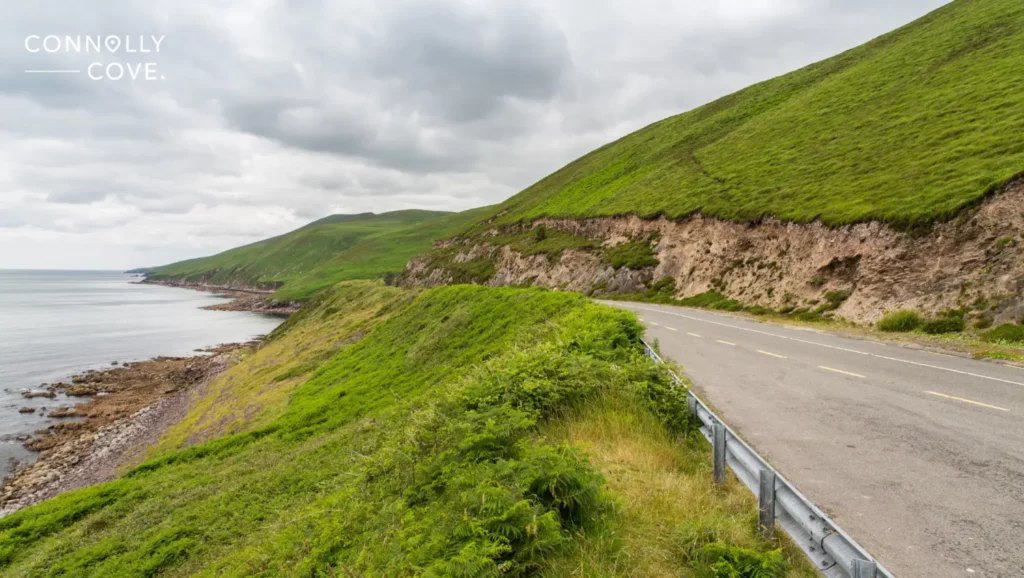
Plan your travel times and routes, and familiarise yourself with essential driving requirements. Read on for more tips and tempting itinerary suggestions to make the most of your adventure!
Transportation Options
The best way to explore the Wild Atlantic Way is with the wind in your hair and the freedom of your car. Car rentals are readily available, and the road trip is as much about the journey as the destinations.
If you’re navigating narrow roads, it makes you reach for the aspirin; fear not! Public transportation options, including buses and trains, offer a more relaxed journey. While you might not have the same spontaneous freedom, it’s a great way to sit back and let someone else handle the driving. Just don’t forget to look out the window; the views are still breathtaking.
Beyond driving and public transportation, many people choose to cycle or walk parts of it to enjoy its natural beauty fully.
Essential Driving Requirements
Yes, driving along the Wild Atlantic Way is a thrilling experience, but there are some essential requirements to keep in mind:
- First, make sure you have a valid driver’s license and insurance.
- It’s also important to familiarise yourself with Irish road laws and regulations. Some roads are narrow and winding, so driving carefully and following the speed limit is crucial.
- Keep an eye out for livestock that may roam freely in rural areas.
- Remember to always wear your seatbelt and use child restraints when necessary.
- Remember to plan your route in advance using maps or GPS systems available on your phone or car.
- Take breaks during long drives to rest and appreciate the breathtaking scenery of Ireland’s west coast.
- Remember, driving on the left side is a quirky Irish tradition, so go with the flow and let the road guide you.
- Pay attention to road signs indicating roundabouts, speed limits, and potential hazards ahead. These signs are designed to keep you safe and guide your journey. Look out for symbols indicating tourist attractions or cultural sites nearby.
Recommended Itinerary Suggestions for Different Durations
Since the journey starts in County Donegal and stretches all the way down to County Cork, you can choose to drive the complete distance or explore specific sections based on your interests and time constraints.
Weekend Getaway
Short on time? No worries! Even a weekend getaway along the Wild Atlantic Way can be a mini-adventure. Start in Galway, soak in the bohemian vibes, and venture to the Cliffs of Moher for a dramatic sunset. It’s a compact dose of Wild Atlantic Way magic that’ll leave you yearning for more.
Week-long Exploration
Got a week to spare? Excellent choice! Begin in vibrant Galway, wind your way through the Burren, meander along the Ring of Kerry, and end in the untamed beauty of Donegal.
Comprehensive Journey Along the Entire Route
Ready for the ultimate road trip? A comprehensive journey along the entire Wild Atlantic Way is an odyssey you won’t soon forget. Start in the northern embrace of Donegal, chase the sun along the western coast, and conclude in the charming town of Kinsale in County Cork.
Accommodation Options
After a long day of driving, surfing, and exploring, you might wonder where you will rest your head every night. Your options are endless!
Coastal Hotels and Resorts
Do you want to wake up to the soothing sounds of the Atlantic waves? That’s the promise of coastal hotels and resorts along the Wild Atlantic Way. From luxury stays with sea views to cosy hideaways nestled in the cliffs, these accommodations become a part of your Wild Atlantic Way experience, offering comfort after a day of adventure.
B&Bs
Bed and breakfasts in charming villages are your go-to for a more intimate taste of Irish hospitality. Picture waking up in a quaint room, greeted by the aroma of a hearty Irish breakfast. These homely havens dot the route, providing a place to rest and an opportunity to connect with locals and soak in the true spirit of the Wild Atlantic Way.
When is the Best Time to Embark on This Route?
Timing is everything when it comes to the Wild Atlantic Way. Spring and summer bring blooming landscapes and longer days, perfect for exploring the cliffs and beaches. However, autumn’s golden hues and the quieter winter months offer a more serene experience.
From secluded beaches to ancient ruins, this off-the-beaten-path adventure will offer you a unique experience on the edge of Europe. Whether you’re riding the waves, conquering hiking trails, or quietly observing nature’s wonders, the Wild Atlantic Way will unleash your inner explorer and forge unforgettable memories against the backdrop of Ireland’s untamed west coast. And as they say, “Life is either a daring adventure or nothing at all!” Are you ready to pack your car and hit the road?

Dark and Stormy Cocktail at The Spaniard Belfast
Northern Ireland
05/05/2024

Cernunnos: Exploring the Ancient Celtic God of Nature and Wilderness
Culture Exploration
05/05/2024

360 Degree Video of Knockagh Monument, Antrim
County Antrim
05/05/2024
Top 13 Must-See Museums in Amsterdam
Netherlands
05/05/2024

Top 10 London Castles: A Medieval Day Trip Guide
England
04/05/2024