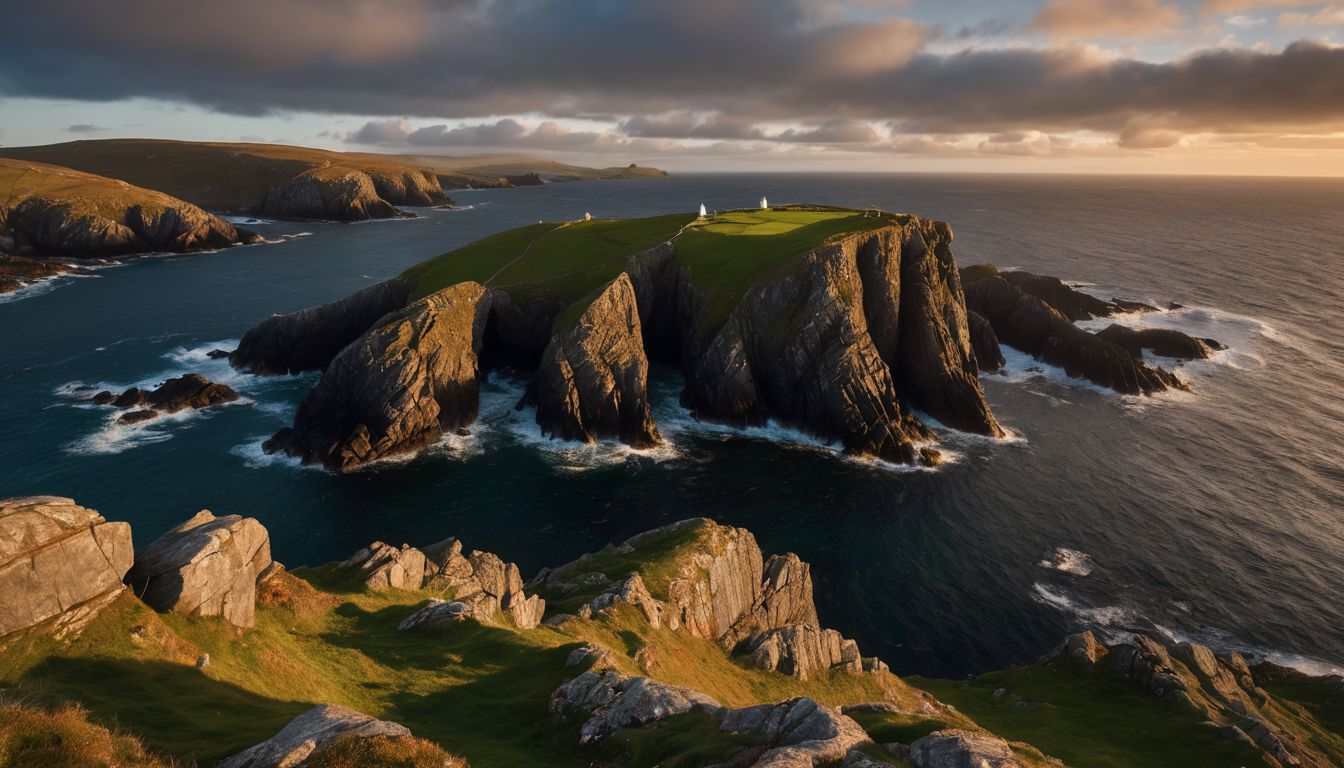


Standing where Ireland surrenders to the Atlantic, Malin Head commands attention not merely as a geographical marker, but as a place where untamed nature meets profound history. This northernmost point of Ireland, perched dramatically on County Donegal’s Inishowen Peninsula, represents far more than a pin on a map—it’s where the Wild Atlantic Way reaches its crescendo of raw beauty and cultural significance.
The landscape here tells stories that span centuries. Ancient rocks, formed over 550 million years ago, rise defiantly from churning waters. Celtic warriors once stood guard from these very cliffs. During World War II, massive ‘EIRE’ signs were carved into the headland to signal Ireland’s neutrality to passing aircraft. More recently, Hollywood discovered its cinematic appeal, with Star Wars filming taking place on these windswept shores.
For ConnollyCove, Malin Head represents something deeper: the perfect canvas for digital storytelling. The interplay of natural drama, rich history, and contemporary relevance creates content opportunities that resonate across multiple platforms. Whether you’re documenting the experience through photography, video, or written narrative, this headland offers unlimited inspiration for authentic cultural content that connects with audiences worldwide.
This guide explores not only what makes Malin Head extraordinary, but also how modern travellers can capture and share these experiences using digital tools that bring Ireland’s northernmost beauty to global audiences.
Table of Contents
Why Malin Head Captivates: Ireland’s Crown Jewel
The magnetic pull of Malin Head extends beyond its status as Ireland’s most northerly point. This dramatic headland embodies the spirit of the Wild Atlantic Way, where elemental forces have shaped a landscape that speaks to something primal in the human experience.
Banba’s Crown: Where Ireland Meets Infinity
At Malin Head’s heart stands Banba’s Crown, named after one of the mythical queens of Ireland. The imposing signal tower, built in 1805 by the British Admiralty, serves as both a landmark and a storytelling focal point. From this vantage point, visitors experience what locals describe as “standing at the edge of the world.”
The views stretch endlessly across the Atlantic, with Scotland’s islands visible on clear days. The signal tower itself tells multiple stories—from its original purpose of watching for French invasion fleets to its role during World War II as part of Ireland’s coastal observation network. The weathered ‘EIRE’ signs, still visible on the ground nearby, remind visitors of Ireland’s neutral stance during the global conflict.
Raw Atlantic Power: Nature’s Theatre
The coastline here showcases nature’s raw creativity. Towering cliffs, carved from some of Ireland’s oldest rock formations, rise dramatically from the churning waters below. These geological marvels, formed during the Precambrian era, provide a tangible connection to Earth’s ancient history.
The Atlantic’s relentless energy has sculpted hidden coves, sea arches, and isolated beaches accessible only to the most adventurous explorers. Five Fingers Strand, with its expansive sand dunes, creates a striking contrast to the rugged clifftops—a reminder that even the wildest coastlines hold pockets of unexpected gentleness.
Digital Age Recognition: From Ancient Shores to Global Screens
Malin Head’s recent Hollywood fame through Star Wars: The Last Jedi has introduced this remote corner of Ireland to millions worldwide. The filming location, known locally as Hell’s Hole, provided the perfect alien landscape for the Jedi planet of Ahch-To. This recognition demonstrates how Malin Head’s otherworldly beauty translates powerfully through digital media.
The headland’s photogenic qualities and dramatic lighting conditions make it a natural choice for content creators. The interplay of ancient stonework, wild seas, and ever-changing skies provides endless opportunities for capturing compelling visual narratives that resonate across social media platforms and digital marketing campaigns.
Essential Experiences: Discovering Malin Head’s Treasures
Malin Head rewards visitors who take time to explore beyond the main viewpoints. Each corner of this peninsula offers distinct experiences, from challenging coastal walks to moments of quiet contemplation.
The Malin Head Loop: Ireland’s Most Scenic Coastal Walk
The main walking route around Malin Head covers approximately 3 kilometres of varied terrain. The well-maintained path leads visitors past the signal tower, along cliff edges, and down to hidden beaches. The complete circuit takes most people 1.5 to 2 hours, though many extend their visit to fully absorb the scenery.
Key highlights along the route include the restored watch tower, multiple viewpoints overlooking the Atlantic, and access points to secluded beaches. The path varies from paved walkways near the car park to rougher tracks closer to the cliff edges. Sturdy footwear is vital, particularly during wet conditions when the grass becomes slippery.
The loop offers multiple photography opportunities, with each section providing different perspectives on the headland’s dramatic topography. Early morning and late evening light create particularly striking conditions for visual documentation.
Wildlife Encounters: Atlantic Edge Biodiversity
Malin Head’s position on major migration routes makes it exceptional for wildlife observation. The cliffs provide nesting sites for gannets, fulmars, and choughs, while the surrounding waters attract dolphins, whales, and seasonal seal populations.
Birdwatchers particularly appreciate the variety of seabirds that call these cliffs home. Spring and autumn migrations bring additional species, making these seasons ideal for wildlife photography and observation. The headland’s elevated position provides excellent vantage points for spotting marine mammals, particularly during calmer sea conditions.
The diverse habitats—from clifftop grasslands to rocky shores—support plant communities adapted to the harsh coastal environment. Maritime heather, sea thrift, and various grasses create colourful displays during the growing season, adding texture and colour to the rugged landscape.
Hidden Beaches and Secret Coves
Beyond the main attractions, Malin Head conceals numerous secluded spots accessible to determined explorers. These hidden beaches, reached via steep paths and scrambles, offer solitude and pristine natural conditions.
Five Fingers Strand stands out among these destinations. This expansive beach, backed by substantial sand dunes, provides a completely different perspective on Malin Head’s character. The contrast between the wild clifftops and this peaceful shoreline demonstrates the headland’s diverse nature.
Local knowledge proves invaluable for discovering these secret spots. Conversations with residents often reveal additional viewpoints, safe descent routes to beaches, and the best conditions for exploring particular areas.
Historical Layers: From Ancient Times to Modern Fame
Archaeological evidence suggests human presence around Malin Head spanning thousands of years. Stone age settlements, Iron Age forts, and early Christian sites dot the landscape, though many remain hidden beneath centuries of vegetation and erosion.
The area’s strategic importance continued through recorded history. Viking raids along this coast prompted the construction of defensive positions. Later, the headland’s position made it crucial for maritime navigation and coastal defence. During both World Wars, observation posts monitored shipping lanes and potential threats.
More recently, the Star Wars production brought international attention to locations that locals had treasured for generations. The filming process, while carefully managed to minimise environmental impact, highlighted how digital media can introduce remote destinations to global audiences.
Planning Your Malin Head Adventure: Practical Guide
Visiting Malin Head requires more preparation than typical tourist destinations. Its remote location and exposed position demand respect for both the environment and weather conditions.
Getting to Malin Head: Routes and Transport Options
From Dublin, the drive to Malin Head covers approximately 360 kilometres, typically taking 4.5 to 5 hours via the M1 and A6 through Northern Ireland, or slightly longer via the N15 staying within the Republic of Ireland. Both routes offer scenic diversions, though the cross-border route provides more direct access.
Belfast visitors face a more straightforward 2.5-hour drive via the A6 and A2, passing through Derry and continuing along the coast. The final approach through the Inishowen Peninsula’s winding roads adds character to the journey while requiring attention to narrow lanes and local traffic.
Public transport options are limited but viable for determined visitors. Bus Éireann services connect major towns on the peninsula, though reaching Malin Head itself typically requires local taxi services or organised tours from nearby Carndonagh or Malin Town.
For UK travellers crossing from Northern Ireland, current post-Brexit arrangements allow free movement for tourism purposes. Petrol stations become sparse beyond Derry, so refuelling before the final leg is advisable.
Best Times to Visit: Seasons and Conditions
Each season brings a distinct character to Malin Head. Summer months (June-August) offer the most comfortable conditions, with extended daylight hours allowing evening visits to catch dramatic sunset lighting. However, this period also brings higher visitor numbers and fuller car parks.
Spring (March-May) provides excellent conditions for wildflower displays and bird migration observations. The weather remains changeable, but the fresh greenery and clearer air create ideal photography conditions. Accommodation prices are typically lower during these months.
Autumn (September-November) delivers some of the year’s most dramatic weather conditions. Storm systems create spectacular wave displays, though safety becomes paramount during severe weather events. The tourist crowds thin considerably, offering more solitude for contemplation.
Winter visits (December-February) suit hardy adventurers seeking authentic Atlantic experiences. While weather conditions can be challenging, clear winter nights offer the best opportunities for stargazing and potential Northern Lights viewing. The raw power of winter storms, viewed safely from elevated positions, provides unforgettable natural drama.
Essential Preparation: Safety and Equipment
Malin Head’s exposed position and variable weather conditions make proper preparation crucial. Wind speeds can reach extreme levels with little warning, while sea conditions change rapidly.
Essential items include waterproof clothing, multiple clothing layers, sturdy walking boots with good grip, and wind-resistant outerwear. The headland’s elevation and exposure to Atlantic weather systems mean conditions can shift dramatically within minutes.
Safety considerations include staying well back from cliff edges, particularly during wet or windy conditions. Mobile phone coverage can be patchy, so informing others of your planned route and expected return time is wise. The nearest medical facilities are in Carndonagh, approximately a 20-minute drive from the headland.
Photography equipment requires protection from salt spray and strong winds. Lens hoods, protective filters, and secure camera straps prevent equipment damage in challenging conditions.
Accessibility and Inclusive Travel
The main car park at Malin Head provides reasonably accessible starting points for visitors with mobility considerations. The paved path from the car park to Banba’s Crown signal tower, while including some gradual inclines, remains manageable for many visitors using mobility aids.
Alternative viewpoints near the car park offer spectacular coastal views without requiring extensive walking. These positions provide excellent photography opportunities and access to the area’s atmosphere without challenging terrain navigation.
Families with young children should remain vigilant around cliff edges and during windy conditions. The wide spaces near the signal tower provide safe areas for children to experience the headland’s character while maintaining appropriate distance from hazardous drops.
Digital Documentation: Capturing Malin Head’s Essence
Modern travellers increasingly seek to document and share their experiences through digital platforms. Malin Head’s dramatic landscape and rich cultural context create exceptional opportunities for authentic content creation across various media formats.
Photography and Visual Storytelling Opportunities
The headland’s dramatic lighting conditions, particularly during golden hour periods, provide natural cinematography. The contrast between ancient stone structures and wild Atlantic scenery creates compelling visual narratives that translate effectively across digital platforms.
Key photographic opportunities include sunrise and sunset shots from Banba’s Crown, dramatic wave action against the cliffs during stormy conditions, and wide landscape compositions showcasing the headland’s position at Ireland’s edge. The signal tower provides a strong focal point for compositions, while the surrounding grasslands offer foreground interest.
Professional content creators often find Malin Head’s varied terrain suitable for multiple shot types within a single location. Drone photography, where permitted and safe, captures the headland’s dramatic position and scale. Ground-level photography focuses on textures, details, and human elements within the landscape.
Video Production and Content Creation
The natural drama of Malin Head translates particularly well to video content. The constant movement of grass in the wind, changing cloud formations, and dynamic sea conditions create engaging visual content without requiring complex production techniques.
Sound recording captures another dimension of the Malin Head experience. The continuous rush of wind, crashing waves below the cliffs, and calls of seabirds create an authentic audio backdrop that enhances video content and virtual tours.
Time-lapse photography works exceptionally well here, particularly for capturing the rapid weather changes and cloud movements common to this exposed location. These techniques demonstrate the headland’s dynamic character while creating engaging content for social media platforms.
Digital Marketing Applications
The visual appeal and cultural significance of Malin Head make it valuable for various digital marketing applications. Tourism boards, hospitality businesses, and cultural organisations regularly feature the headland in promotional materials due to its instant recognisability and emotional impact.
Content creators find that Malin Head imagery performs well across social media platforms, particularly Instagram and Facebook, where landscape photography generates high engagement rates. The location’s connection to Star Wars also provides opportunities for themed content that appeals to entertainment industry audiences.
Professional video production at Malin Head requires careful planning around weather conditions and seasonal variations. The dramatic landscape provides natural production value, though the exposed conditions demand robust equipment and flexible scheduling.
SEO and Content Strategy Insights
From a digital marketing perspective, Malin Head content performs particularly well for several keyword categories. Location-based searches dominate, with “most northerly point ireland” variations generating consistent traffic. Travel planning queries, including “things to do malin head” and “malin head walk,” indicate strong informational search intent.
The headland’s association with Star Wars creates additional content opportunities around entertainment and film tourism themes. This connection allows content creators to bridge travel and entertainment niches, expanding potential audience reach.
Content about Malin Head benefits from including practical information alongside inspirational material. Visitors actively seek specific details about access, facilities, and optimal timing, making comprehensive guides more valuable than purely descriptive content.
Beyond the Headland: Exploring Inishowen Peninsula
The journey to Malin Head provides opportunities to explore the broader Inishowen Peninsula, Ireland’s northernmost landmass. This region offers additional attractions and experiences that complement a Malin Head visit while providing content for extended digital storytelling projects.
Historic Attractions and Cultural Sites
Nearby Doagh Famine Village presents a poignant reminder of Ireland’s difficult 19th-century history. This reconstructed village demonstrates how rural communities survived the Great Famine period, providing context for understanding the resilience of Donegal’s people.
The ancient ring fort of Grianán of Aileach, perched on a hilltop near Burt, offers panoramic views across Lough Foyle and Lough Swilly. Dating from the early Christian period, this circular stone fort represents one of Ireland’s finest examples of ancient defensive architecture.
Fort Dunree Military Museum, situated on nearby cliffs, chronicles the area’s military history from ancient times through to the 20th century. The fort’s position overlooking Lough Swilly provided strategic control over one of Ireland’s finest natural harbours.
Accommodation and Local Services
Malin Town provides the closest accommodation options to the headland, with several family-run bed and breakfasts offering authentic Irish hospitality. These establishments often provide valuable local knowledge about optimal visiting times, weather conditions, and lesser-known attractions.
Carndonagh, the peninsula’s main town, offers additional accommodation choices and services, including restaurants, shops, and fuel stations. The town’s heritage centre provides background information about Inishowen’s history and culture, making it a valuable first stop for visitors seeking context.
Self-catering options throughout the peninsula allow visitors to extend their stay while using Malin Head as a base for exploring the broader region. These properties often provide spectacular views and the flexibility to adapt to changing weather conditions.
Culinary Experiences and Local Flavours
The coastal location ensures exceptional seafood availability throughout the peninsula. Local restaurants specialise in dishes featuring freshly caught fish, crab, and lobster prepared according to traditional recipes passed down through generations.
Farren’s Bar, claiming to be Ireland’s most northerly pub, provides an authentic atmosphere along with traditional Irish music sessions. The establishment’s location near Malin Head makes it a natural stopping point for visitors seeking local culture alongside refreshments.
Traditional bakeries throughout the peninsula produce soda bread, Irish brown bread, and other local specialities using time-tested methods. These establishments provide insight into daily life in rural Donegal while offering sustenance for exploring the rugged landscape.
Digital Documentation: Capturing Authentic Experiences
Modern content creation at Malin Head benefits from understanding both the location’s technical challenges and its storytelling potential. The dramatic landscape provides natural production value, though the exposed conditions require careful planning and appropriate equipment.
Content Creation Best Practices
Weather conditions change rapidly at Malin Head, affecting lighting, wind levels, and visibility. Successful content creators typically plan multiple shooting sessions rather than relying on single visits. The headland’s dramatic character actually benefits from various weather conditions—stormy skies can be as compelling as clear blue days.
Equipment protection becomes crucial due to salt spray and high winds. Camera gear requires weather sealing or protective covering, while tripods need extra stability in windy conditions. Backup batteries are essential, as cold weather and wind reduce battery life significantly.
Sound recording presents particular challenges due to constant wind. Content creators often use directional microphones and windshields, though many embrace the natural wind sounds as part of the authentic Malin Head experience.
Video Production Considerations
The headland’s natural drama translates exceptionally well to video content. Moving clouds, changing light conditions, and dynamic sea states create engaging footage without requiring complex camera movements or artificial effects.
Drone photography, where permitted by aviation authorities and weather conditions, captures Malin Head’s position and scale effectively. However, the exposed location and unpredictable winds make drone operation challenging and sometimes dangerous.
Ground-level video work benefits from the headland’s varied terrain. Wide establishing shots showcase the dramatic scale, while detail shots of weathered stone, hardy vegetation, and textural elements add depth to visual narratives.
Social Media and Digital Marketing Applications
Malin Head imagery performs consistently well across social media platforms due to its instant recognisability and emotional impact. The location’s association with both ancient Irish heritage and contemporary popular culture creates broad audience appeal.
Content creators find that Malin Head posts generate high engagement rates, particularly when paired with storytelling elements about the location’s history, cultural significance, or personal travel experiences. The dramatic visuals provide natural stopping power in social media feeds.
Professional marketing applications often feature Malin Head as representing Ireland’s wild beauty and authentic character. The location’s remote position and dramatic landscape convey messages about adventure, authenticity, and connection with nature that resonate with modern travellers.
Current Conditions and Seasonal Updates
Understanding seasonal patterns helps visitors plan optimal experiences, while content creators can time their projects for specific conditions or events.
Spring Conditions (March-May)
Spring brings dramatic weather changes and excellent wildlife activity. Seabird colonies become active, with numerous species beginning nesting activities along the cliffs. Wild flowers start appearing in the clifftop grasslands, adding colour to the dramatic landscape.
Weather remains variable, with rapid changes between calm, clear conditions and dramatic storms. This volatility creates excellent opportunities for capturing diverse moods and conditions within short time periods.
Summer Peak Season (June-August)
Extended daylight hours during the summer months allow for evening visits when tourist numbers decrease. The midnight sun effect means usable light extends well into the evening, creating opportunities for dramatic sunset photography and video content.
Sea conditions are typically calmer, though Atlantic weather systems can still generate impressive wave action. Wildlife activity remains high, with young seabirds learning to fly and marine mammals frequently visible from the clifftops.
Autumn Drama (September-November)
Storm season brings the most dramatic conditions to Malin Head. While safety considerations increase, the raw power of Atlantic storm systems creates spectacular natural displays. Wave heights can reach extraordinary levels, though viewing requires maintaining safe distances from cliff edges.
Clear autumn days provide exceptional visibility, with Scottish islands often clearly visible. The changing colours of grassland vegetation add warmth to the typically grey and green palette of the headland.
Winter Solitude (December-February)
Winter visits offer the most authentic Malin Head experience, with minimal tourist presence and maximum natural drama. Storm systems regularly batter the headland, creating conditions that truly demonstrate why this coastline commands such respect.
Clear winter nights provide the best opportunities for stargazing and potential Northern Lights viewing. The headland’s minimal light pollution and elevated position create ideal conditions for astronomical observation and night photography.
Frequently Asked Questions
How long do I need to visit Malin Head?
A basic visit to the main viewpoints requires approximately 1-2 hours. However, experiencing the full walking loop, exploring hidden beaches, and absorbing the location’s atmosphere typically takes 3-4 hours. Photography enthusiasts and content creators often spend entire days capturing different lighting conditions and weather moods.
Is Malin Head free to visit?
Yes, Malin Head is completely free to visit. Parking at the main car park is free, and all walking trails and viewpoints are accessible without charge. Nearby attractions such as Doagh Famine Village and Fort Dunree charge admission fees, but the headland itself remains free to explore.
What are the best photo spots at Malin Head?
The signal tower at Banba’s Crown provides the most iconic shot, particularly when framed against dramatic skies. The clifftop viewpoints offer expansive Atlantic views, while the descent towards Five Fingers Strand provides unique perspectives on the headland’s profile. Early morning and evening light create the most dramatic conditions for photography.
Can I see the Northern Lights from Malin Head?
Yes, Malin Head’s northern latitude (55.38°N) and minimal light pollution create reasonable opportunities for Northern Lights viewing during active solar periods. Autumn and winter months provide the best conditions, with clear, dark nights being essential. Geomagnetic activity predictions help determine optimal viewing chances.
Is Malin Head worth visiting in winter?
Winter visits offer the most authentic and dramatic Malin Head experience. While weather conditions can be challenging, the raw power of Atlantic storms and the solitude of off-season visiting create unforgettable experiences. Proper preparation and flexible timing are essential for safe winter exploration.
Your Malin Head Journey: Where Wild Ireland Begins
Standing at Banba’s Crown, with Ireland stretching behind you and the vast Atlantic ahead, creates a profound sense of place that few destinations can match. Malin Head represents more than Ireland’s most northerly point—it embodies the spirit of wild Ireland, where natural forces have shaped both landscape and culture over countless generations.
The headland’s appeal extends beyond its dramatic scenery to encompass its role as a storytelling focal point for Ireland’s complex history, its current position as a digital media destination, and its continuing importance to local communities who call this remote peninsula home.
For content creators and digital storytellers, Malin Head provides a natural laboratory for exploring how authentic travel experiences translate across modern media platforms. The location’s inherent drama, combined with its rich cultural context, creates opportunities for content that resonates with audiences seeking genuine connection with Ireland’s cultural heritage.
Whether you visit for personal inspiration, professional content creation, or simply to experience one of Ireland’s most spectacular natural attractions, Malin Head delivers experiences that linger long after you’ve returned to gentler landscapes. The memories forged at this windswept edge of Europe become part of your own story, connecting you to the countless generations who have stood here before, facing the same endless horizon with wonder and respect.
Plan your visit to Ireland’s most northerly point, and discover why Malin Head continues to captivate everyone from local farmers to Hollywood directors, from weekend explorers to professional travel content creators. The wild Atlantic awaits, ready to share its timeless stories with all who venture to this remarkable edge of Ireland.
“When we first stood at Banba’s Crown, the sheer power of the Atlantic and the weight of history beneath our feet was overwhelming. It’s these moments that remind you why Ireland’s wild edges hold such magnetic appeal for travellers and content creators alike.” – Ciaran Connolly, Founder of ConnollyCove