
Luxury Travel in the Richest Countries in Europe
Updated On: December 13, 2023 by  Panseih Gharib
Imagine navigating the winding streets of a charming Italian village, where ancient architecture whispers stories of a bygone era. Breathe in the crisp mountain air of the Swiss Alps, where majestic peaks pierce the clouds and pristine lakes reflect the azure sky. Indulge in Michelin-starred cuisine in a Parisian Cafe, the delicate flavours tantalising your taste buds.
This is not a mere daydream but the reality of luxury travel in the richest countries in Europe. These countries, renowned for their robust economies and cultural heritage, offer a unique blend of opulent experiences and breathtaking landscapes. From the moment you arrive, you’ll be overwhelmed with excitement in a world of refined elegance and attention to detail.
Exploring the Untrodden Paths of Europe’s Richest Countries
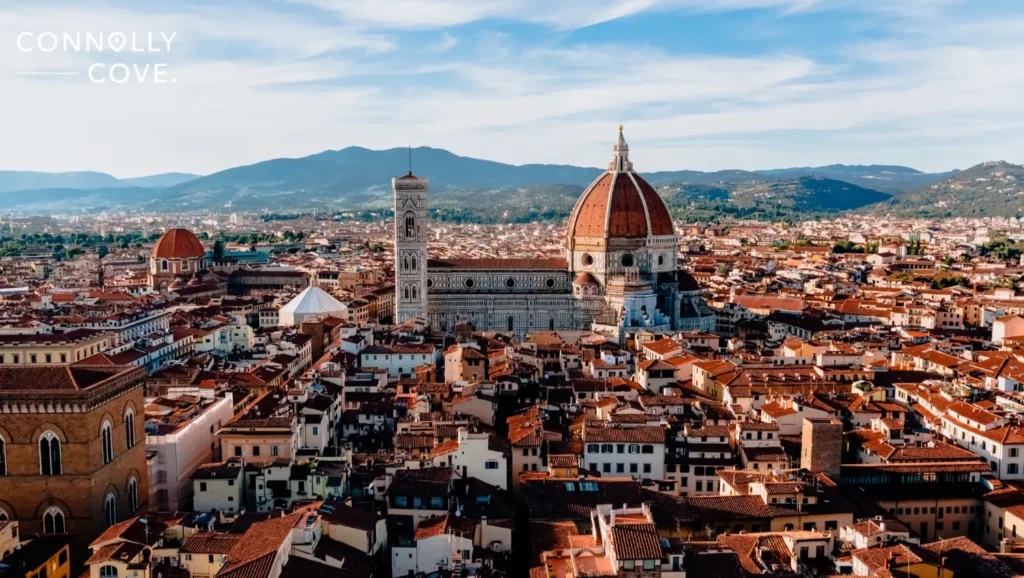
Your journey to Europe’s richest countries will begin with a seamless arrival, whether you land in a private jet or disembark from a luxurious cruise liner. Within these affluent nations, hidden gems abound, waiting to be discovered. Explore ancient cities steeped in history, stroll along pristine beaches bathed in golden sunlight, or visit charming villages nestled amidst rolling hills. Each destination promises a unique blend of cultural richness and stunning natural beauty.
Beyond the iconic landmarks and bustling metropolises, Europe’s richest countries hold a treasure trove of hidden gems waiting to be discovered. These unpopular tourist attractions offer unique experiences and a glimpse into the authentic heart of each nation. So, prepare to embark on an off-the-beaten-path adventure, where hidden beauty unfolds and local charm captivates your senses.
The Enchanting Villages of the French Riviera
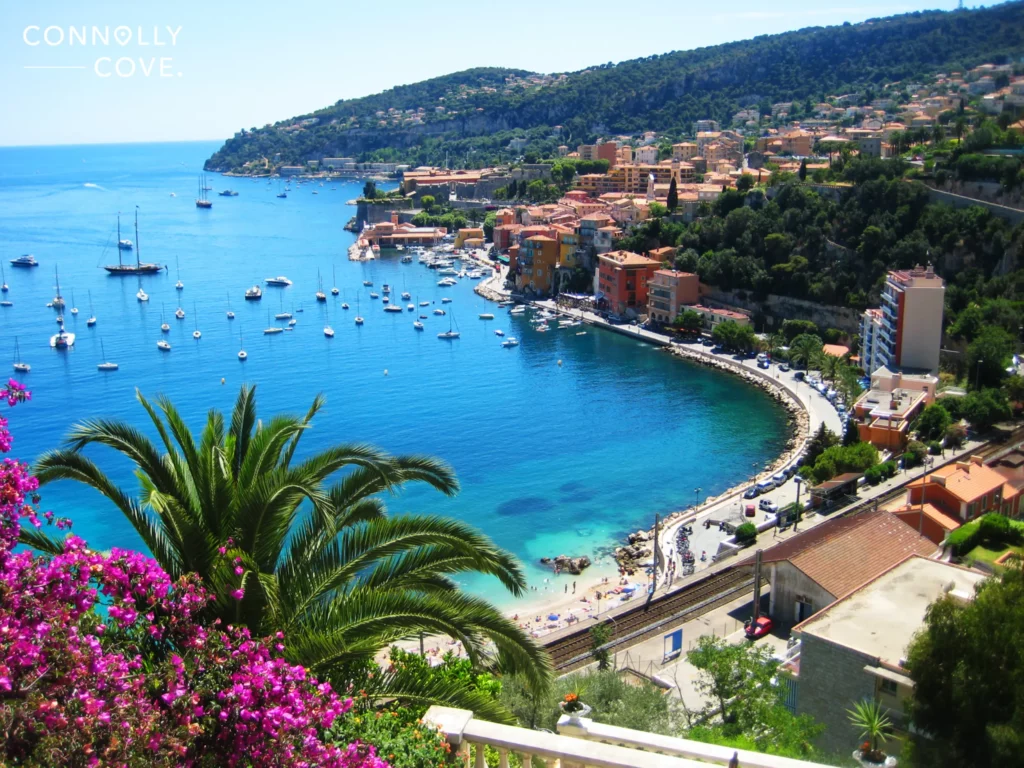
Nestled amidst the sun-drenched hills of the French Riviera, charming villages like Saint-Paul-de-Vence and Eze offer a welcoming coastal resort. Wander through narrow cobblestone streets adorned with colourful flowers and browse through art galleries showcasing the works of local artists.
Indulge in traditional Provençal cuisine at a cosy restaurant, savouring the fresh flavours of the region. Explore the medieval architecture and charming squares, and lose yourself in the peaceful atmosphere of these hidden havens in the richest countries in Europe.
Switzerland’s Unspoiled Alpine Escape
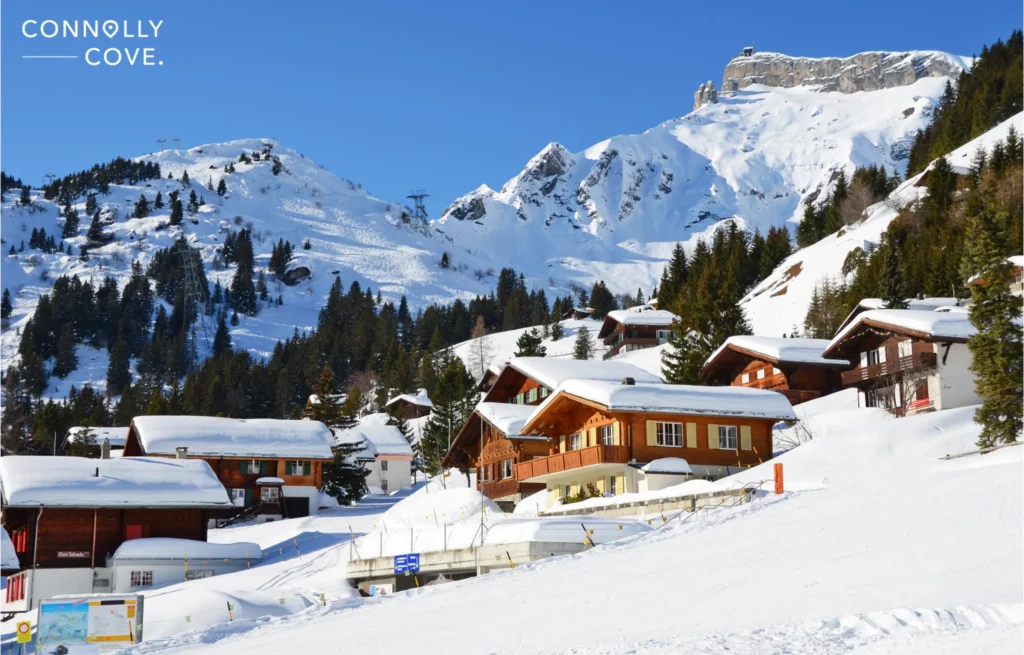
Venture beyond the famous ski resorts of Switzerland and discover the tranquil beauty of the Val d’Anniviers. This unspoiled valley, nestled amidst majestic peaks, offers nature lovers and outdoor enthusiasts a breathtaking landscape. Hike through pristine meadows adorned with wildflowers or embark on a challenging trek to spectacular viewpoints.
Relax in charming villages with traditional chalets and friendly locals, savouring the warm hospitality and authentic Swiss cuisine. Experience the magic of Europe’s wealthiest countries’ snowy wonderland in winter with opportunities for skiing, snowboarding, and other winter sports.
Italy’s Coastal Enchantment
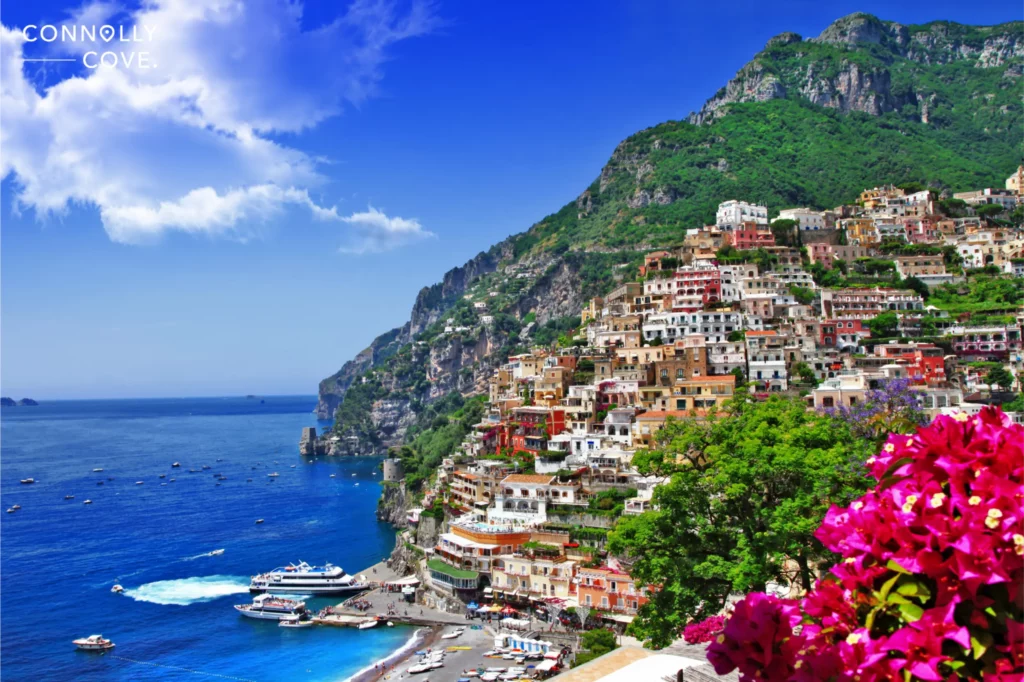
While the Amalfi Coast’s beauty is undeniable, Italy’s coastline holds numerous other treasures waiting to be explored. Discover the captivating charm of Tropea, perched atop dramatic cliffs overlooking the waters of the Tyrrhenian Sea. Explore the picturesque historic centre, wander through cobblestone streets lined with shops and cafes, and soak in the vibrant atmosphere.
For a truly unique experience, embark on a boat trip to the Aeolian Islands, a volcanic archipelago where nature reigns supreme. Hike to the craters of active volcanoes, relax on pristine beaches, and discover the enchanting villages steeped in local traditions.
The Untamed Beauty of Scotland’s Highlands
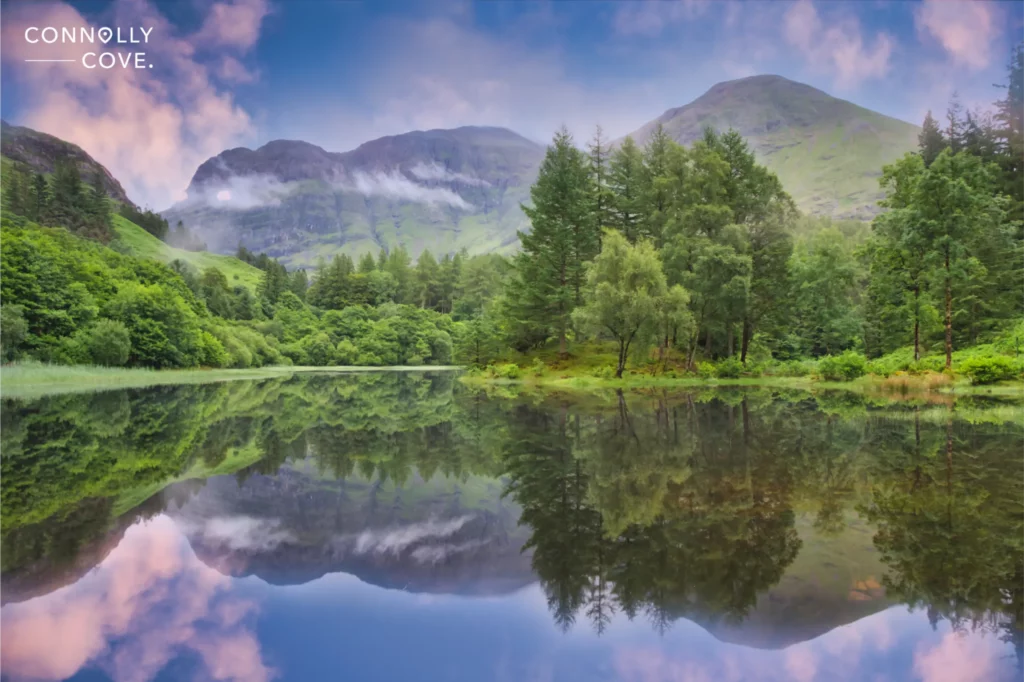
Venture beyond the bustling streets of Edinburgh and discover the wild beauty of the Scottish Highlands. Explore the landscapes of the Isle of Skye, with its dramatic cliffs, cascading waterfalls, and ancient castles perched on windswept hills.
Embark on a journey through history at Loch Ness, searching for the legendary monster and exploring the ruins of Urquhart Castle. Hike through ancient forests, kayak on serene lakes, and experience this unique region‘s raw and untamed beauty.
A Cultural Oasis in the Heart of Austria
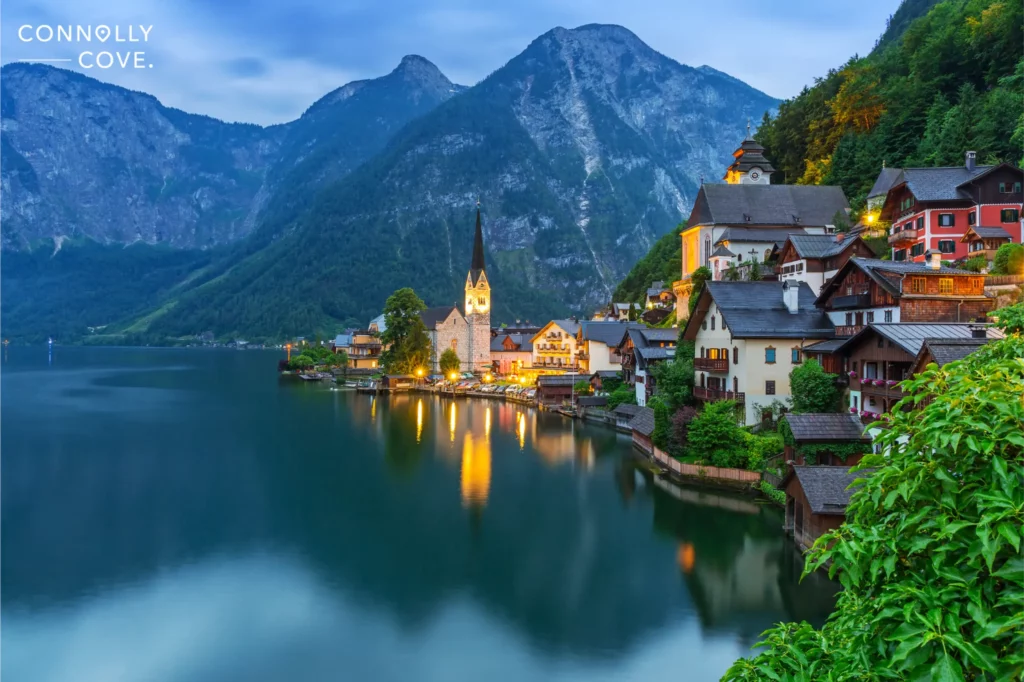
Nestled amidst the picturesque mountains of Austria, the charming village of Hallstatt offers a glimpse into a bygone era. Explore the historic village centre with its traditional wooden houses and narrow streets, and admire the stunning views of the surrounding landscape.
Visit the Hallstatt Salt Mines, where salt has been mined for centuries, and take a boat trip on the serene Lake Hallstatt. Explore the rich cultural heritage of Austria while enjoying their traditional cuisine and experiencing the warm hospitality of the locals.
These unpopular destinations for tourists are just an example of the countless treasures waiting to be discovered in Europe’s richest countries. By venturing beyond the well-trodden paths, you can unlock a world of authentic experiences, breathtaking landscapes, and cultural encounters that will leave you with lasting memories.
Luxury Travel in Europe’s Richest Countries
While the allure of Europe’s richest countries often lies in the dazzling displays of wealth and extravagance, actual luxury travel delves deeper, offering opportunities for personal growth, cultural immersion, and a profound appreciation for the finer things in life. Beyond the opulent hotels and Michelin-starred restaurants, these countries present a unique tapestry of experiences beyond the superficial. So, prepare to embark on a journey of discovery, where luxury becomes a catalyst for deeper understanding and lasting memories.
History and Culture
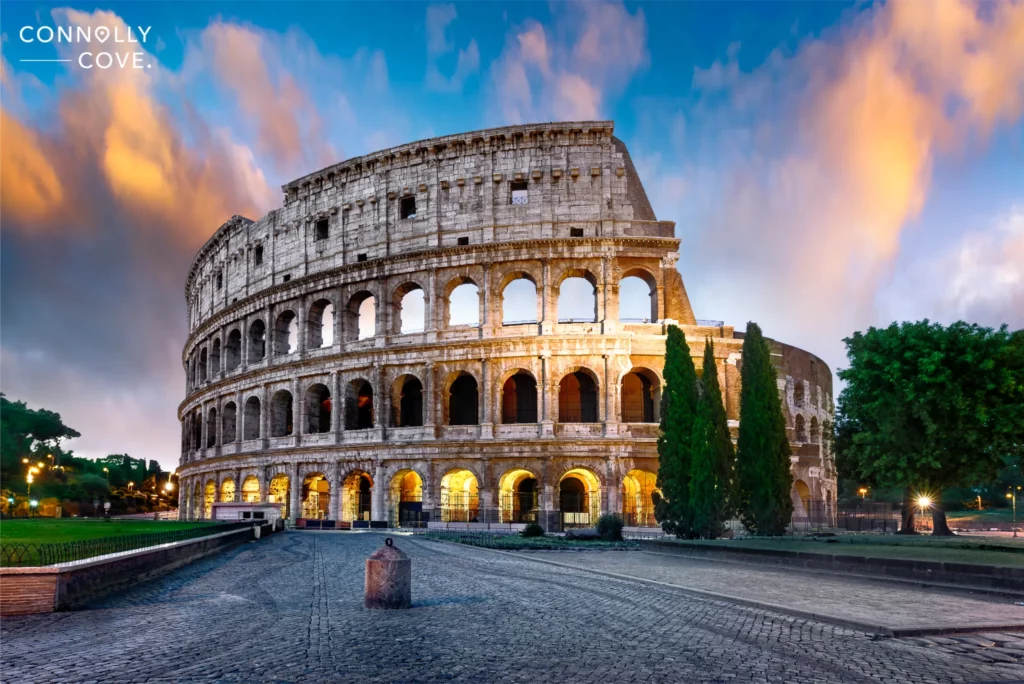
Explore the rich tapestry of European history through the iconic landmarks that whisper stories of past empires. In Rome, marvel at the grandeur of the Colosseum, where gladiators once battled and emperors watched, or wander through the Vatican Museums, where masterpieces by Michelangelo and Raphael await. In Paris, climb the Eiffel Tower for breathtaking city views or stroll through the Louvre, home to the Mona Lisa and countless other artistic treasures.
Beyond the major cities in the richest countries in Europe, discover hidden gems that offer a glimpse into the heart of European culture. Explore charming villages nestled amidst rolling hills with unique traditions and customs. Visit ancient castles atop dramatic cliffs or wander through historic vineyards where centuries-old winemaking techniques are still practised.
Europe’s Richest Countries’ Adventures
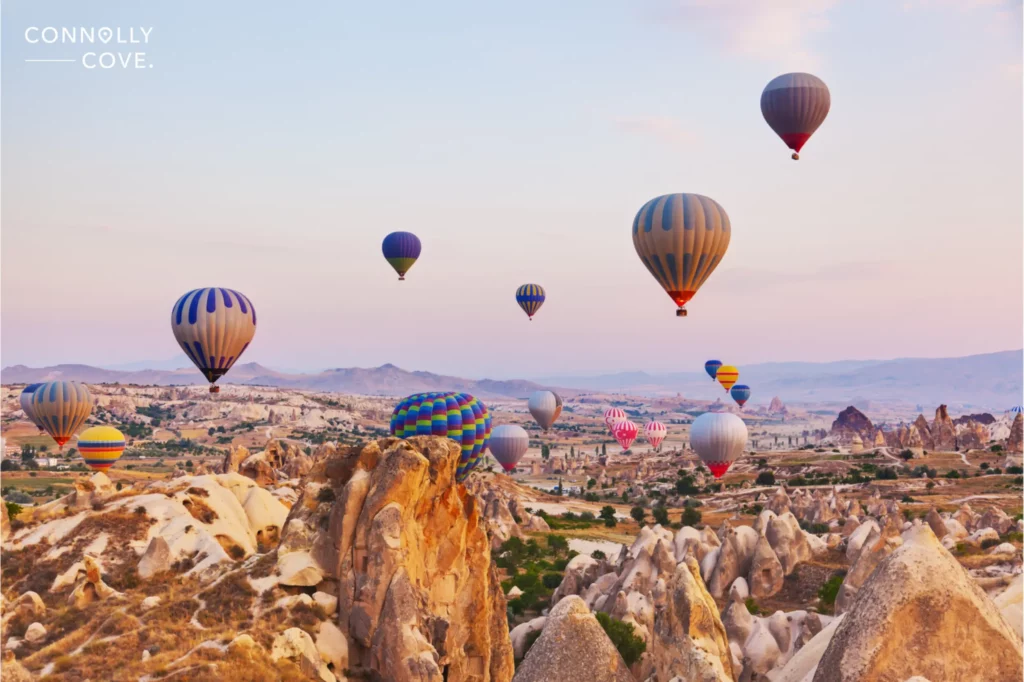
For the thrill-seeker, Europe’s richest nations offer many exhilarating adventures. Fly above the clouds in a hot air balloon over the surreal landscapes of Cappadocia in Turkey or experience the adrenaline rush of white-water rafting down the rapids of the Swiss Alps.
For those seeking a more leisurely pace, explore the vast network of hiking and biking trails that wind through stunning natural landscapes. Hike through the lush valleys of the French Alps or cycle along the picturesque coastline of the Italian Riviera.
A Culinary Journey for the Discerning Palate
Enjoy a culinary journey through Europe’s richest nations, where Michelin-starred chefs elevate dining to an art form. Sample the exquisite flavours of French haute cuisine, or savour the fresh Mediterranean fare served in charming trattorias and tavernas. Discover the unique regional specialities, from hearty Austrian stews to delicate Italian pasta dishes.
Beyond the high-end restaurants, explore bustling food markets brimming with fresh produce and local delicacies. Immerse yourself in the vibrant atmosphere, converse with friendly vendors, and discover culinary treasures that will tantalise your taste buds.
Unwinding in a Sanctuary of Wellness
After a day of exploration, find solace and rejuvenation in luxurious spa retreats nestled amidst breathtaking landscapes. Pamper yourself with indulgent treatments inspired by ancient European traditions and emerge revitalised and ready for further adventures.
Participate in yoga retreats or meditation workshops led by experienced practitioners for those seeking a more profound well-being. Relax amid the serene atmosphere, surrounded by nature’s beauty, and discover the path to inner peace and harmony.
Giving Back and Making a Difference
Luxury travel can also be a catalyst for positive change. Participate in volunteer programs that support local communities or donate to charities that address pressing issues. By giving back, you can leave a lasting positive impact on the destinations you visit and enrich your travel experience.
Choose to travel with companies committed to sustainable practices and eco-conscious principles. Support local businesses and artisans and contribute to preserving cultural heritage and environmental resources.
By venturing beyond the surface of luxury travel, you emphasise your personal growth and meaningful experiences. So, embrace the opportunity to learn, explore, contribute, and discover that the true essence of luxury lies in the profound connections you forge with yourself, the cultures you encounter, and the world around you.
Best Accommodations in the Richest Countries in Europe
Let’s delve into some of the best accommodation options Europe’s richest countries have to offer:
Monaco
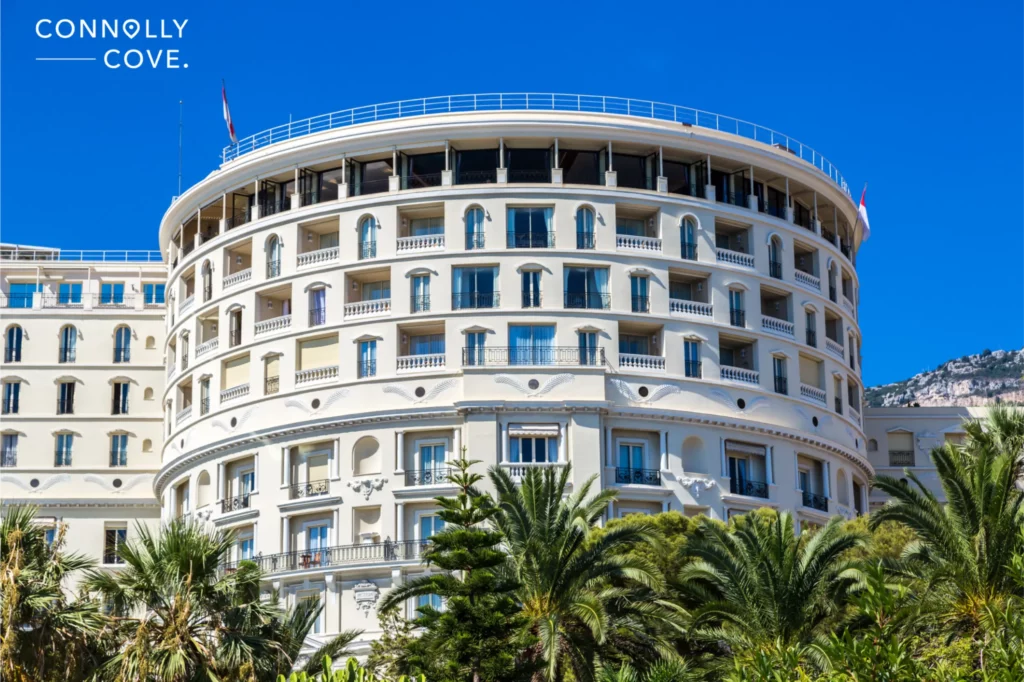
- Hôtel de Paris Monte-Carlo: This iconic Belle Époque masterpiece boasts opulent suites with breathtaking views of the Mediterranean and the Casino de Monte-Carlo. Expect impeccable service, Michelin-starred dining, and unparalleled luxury.
- Monte-Carlo Bay Hotel & Resort: Immerse yourself in Riviera glamour at this contemporary resort. Rest from your outdoor activities in spacious suites with private balconies overlooking the sea, enjoy world-class spa treatments, and indulge in culinary delights at the resort’s Michelin-starred restaurant, Blue Bay.
Switzerland
- Badrutt’s Palace Hotel in St. Moritz: Experience the epitome of Swiss luxury at this legendary hotel. Ski-in/ski-out access, breathtaking Alpine views, and exquisite dining experiences await you in this palatial haven.
- Gstaad Palace: Nestled amidst the Swiss Alps, this historic hotel offers a blend of traditional elegance and modern amenities. Relax in luxurious suites, enjoy gourmet cuisine, and explore the charming village of Gstaad.
Italy
- Belmond Hotel Splendido in Portofino: Perched on a cliff overlooking the turquoise waters of the Italian Riviera, this iconic hotel offers unparalleled views and impeccable service. Indulge in lavish suites, private terraces, and a Michelin-starred dining experience.
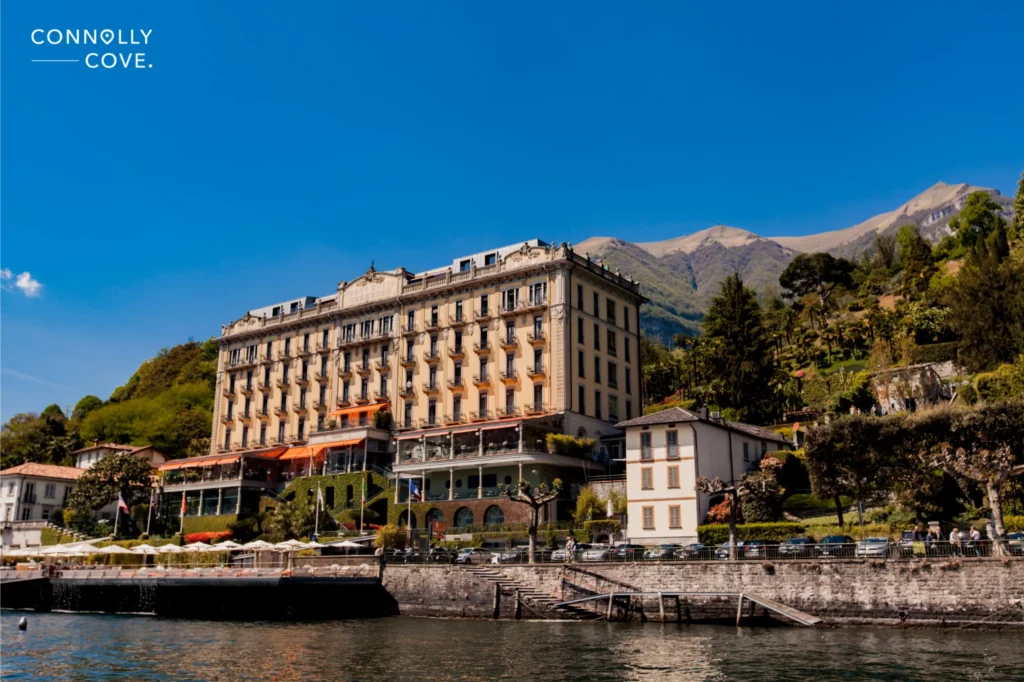
- Grand Hotel Tremezzo on Lake Como: Embrace Italian grandeur at this historic hotel on the shores of Lake Como. Luxuriate in elegant suites, enjoy breathtaking lake views and indulge in authentic Italian cuisine.
France
- Hôtel Plaza Athénée in Paris: Experience Parisian luxury at its finest at this iconic hotel. Enjoy spacious suites with breathtaking views of the Eiffel Tower, savour exquisite cuisine at the hotel’s three Michelin-starred restaurants, and experience unparalleled service.
- Le Château de la Messardière in Saint-Tropez: Immerse yourself at this luxurious castle hotel in the Riviera’s glamour. Relax in elegant suites, enjoy breathtaking views of the Mediterranean, and indulge in gourmet cuisine and world-class spa treatments.
Norway
- The Thief in Oslo: This contemporary design hotel offers a unique blend of luxury and Nordic chic. Enjoy spacious suites with minimalist aesthetics, breathtaking city views, and a Michelin-starred dining experience.
- Vildmark Lodge in Sjusjøen: Escape to the Norwegian wilderness at this luxurious eco-lodge. Relax in cosy cabins amidst breathtaking scenery, enjoy outdoor activities like hiking and fishing, and savour local Scandinavian cuisine.
Luxembourg
- Le Royal Hotels & Resorts in Luxembourg City: Immerse yourself in urban luxury at this contemporary hotel. Enjoy spacious suites with panoramic city views, a Michelin-starred dining experience, and access to the hotel’s renowned spa.
- Château d’Urspelt in Clervaux: Experience the charm of a historic castle transformed into a luxurious hotel. Relax in elegant suites, explore medieval towns, and enjoy gourmet cuisine focusing on local ingredients.
Remember, these are just a glimpse into the vast accommodation options available in Europe’s wealthiest countries. Each destination boasts a unique selection of luxurious hotels, resorts, and private villas, catering to every taste and budget. With careful research and planning, you can find the perfect accommodation to tailor your dream luxury getaway in Europe.
Planning Your Dream Trip to Europe’s Richest Countries
With countless breathtaking destinations waiting to be discovered, planning a luxury travel list in Europe’s richest countries can seem daunting. Fear not, for this section serves as your guide to navigating the exquisite landscape and creating a journey that surpasses your wildest dreams.
Identifying Your Priorities and Preferences
Before embarking on your luxury adventure, defining your travel priorities is crucial.
- Are you seeking an adrenaline-pumping adventure, a cultural immersion, a culinary odyssey, or a combination of all three?
- Do you envision relaxing in opulent spa retreats, exploring bustling cities, or indulging in outdoor activities amidst breathtaking landscapes?
- Once you clearly understand your desires and preferences, you can begin to tailor your trip schedule to align perfectly with your vision.
- Remember, this journey is an investment in yourself and your well-being. Choose experiences that truly resonate with your passions and aspirations.
Selecting the Gems of Europe
With countless destinations, it’s essential to choose wisely.
- Consider each nation’s unique offerings, from Italy’s cultural richness to Switzerland’s breathtaking natural beauty.
- Research the specific regions and towns that resonate with your interests, whether it’s the charming villages of the French Riviera or the historic cities of Austria.
- Remember, exclusivity is critical to a truly luxurious experience. Opt for destinations that offer privacy and serenity, avoiding overcrowded tourist hotspots.
- Focus on a few experiences that will leave a lasting impression and allow you to delve truly into each chosen destination’s essence.
Transportation and Logistics
Planning your travel transportation and logistics will take time. Therefore, keep in mind various options based on your budget and preferences. Private jets and chartered helicopters offer unparalleled convenience for swift travel and ultimate comfort. Alternatively, high-speed trains and luxury car rentals provide scenic journeys that allow you to soak in the beauty of Europe.
For a truly immersive experience, consider incorporating multiple modes of transportation. Take a scenic train ride across the Swiss Alps and a private boat cruise around the idyllic Greek islands. Remember, the journey itself can be a luxurious adventure if planned thoughtfully.
Accommodation and Indulgence
Aiming for a luxurious experience in one of the richest countries in Europe, Your accommodation should be a haven of comfort and indulgence. Opt for opulent hotels known for their impeccable service, lavish amenities, and breathtaking views. Consider booking exclusive suites or private villas for extra luxury and exclusivity.
Remember, attention to detail is critical. Choose accommodations that offer personalised services, such as private chefs, butlers, or in-room spa treatments. Immerse yourself in the luxurious ambience and be pampered in a comfortable and relaxed setting.
Enlisting the Expertise of Professionals
Though planning your travel to Europe‘s richest countries can be exciting, enlisting the expertise of a travel agent or concierge service can significantly enhance your experience. These professionals have extensive knowledge of Europe’s richest countries and can tailor the trip schedule to your needs and desires. They can also handle logistical arrangements, ensuring a smooth and worry-free journey.
Think of them as your personal travel consultants dedicated to crafting a plan that surpasses your expectations. Discuss your vision with them, from your preferred destinations to the specific experiences you seek and allow them to utilise their expertise to orchestrate an unforgettable adventure.
Embracing the Unexpected
While planning is essential, leave room for spontaneity. Embrace the unexpected moments and discoveries that may arise during your journey. Be open to exploring hidden gems and venturing off the beaten path, for these can often lead to the most cherished memories.
Remember, luxury travel is not just about meticulously planned experiences; it’s also about savouring the serendipitous moments that unfold along the way. Leave space for flexibility and allow yourself to be surprised by Europe’s unexpected wonders.
Savouring the Journey
Luxury travel is not just about reaching a destination; it’s about savouring the journey. Immerse yourself in the present moment, appreciate the exquisite details, and savour the unique experiences that unfold before you. With a mindful approach, you’ll create lasting memories that enrich your life long after your journey ends.
Budgeting Your Travel to Europe’s Richest Countries
While luxury travel conjures images of extravagance and indulgence, it doesn’t have to remain exclusively in the realm of dreams. With careful planning and intelligent budgeting strategies, you can create an unforgettable luxury experience that aligns with your financial goals.
Prioritisation and Planning
Start by identifying your top priorities and desired experiences. Do you dream of a private villa overlooking the Mediterranean or an unforgettable hot air balloon ride over captivating landscapes? Once you have a clear vision, allocate your budget accordingly. Consider booking flights and accommodations in advance to secure the best prices.
Off-Season Travel and Alternative Destinations
Travelling during offseason or exploring less-visited regions within affluent countries can offer significant cost savings. For example, instead of the peak summer season in Monaco, consider a spring trip when the weather is still pleasant, and package prices are lower. Similarly, venturing beyond the main tourist areas in Italy might lead you to charming villages with luxurious accommodations at a fraction of the cost.
Alternative Luxury Options
Luxury doesn’t always have to equate to grand gestures. Indulge in selective luxury experiences that resonate with your desires. Choose a few genuinely exceptional activities or meals instead of aiming for constant extravagance. Consider self-catering accommodations or renting a charming apartment for a more authentic and potentially more budget-friendly experience.
Utilising Points and Rewards
Many airlines, hotels, and travel companies offer options that can significantly reduce costs. Utilise credit cards with travel rewards to earn points and use them for flights, upgrades, and unique experiences. Research travel deals and promotions different companies offer and consider booking packages that often offer bundled discounts.
Embrace Local Experiences
Immersing yourself in local culture and traditions can be incredibly rewarding and often surprisingly affordable. Explore local markets, try authentic street food, and participate in community events. You’ll save money, gain a more detailed understanding of the destination and create lasting memories.
Budgeting for Unexpected Expenses
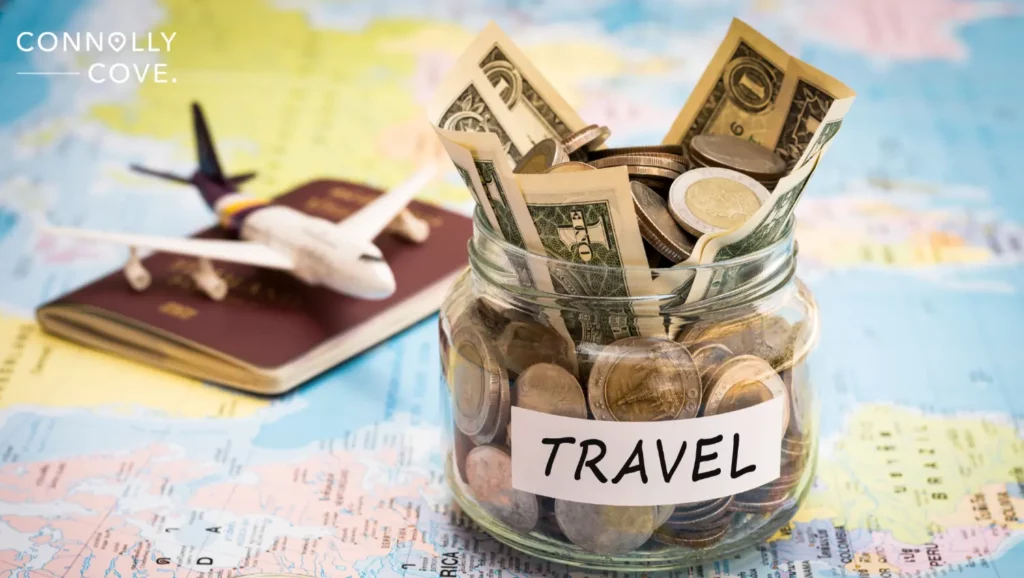
Always factor in additional expenses like travel insurance, visa fees, and transportation costs. Allocate an amount from your budget for Buffer budget line unexpected situations or last-minute spending. Planning realistically and strategically allows you to enjoy a luxurious European adventure without breaking the bank.
From the glittering shores of Monaco to the majestic peaks of Switzerland, Europe’s richest countries offer a world of unparalleled luxury experiences. Indulge in Michelin-starred meals, unwind in opulent hotels, and explore culturally rich destinations steeped in history and beauty. Whether you seek exhilarating adventures, serene relaxation, or cultural immersion, these affluent nations provide an unforgettable journey tailored to your every desire. With careful planning and budget considerations, you can embark on a European adventure that transcends ordinary travel and leaves you with memories that will last a lifetime. So, embrace your inner explorer, step into a world of luxury, and discover the treasures that await you in Europe’s wealthiest jewels.

Belfast Giants: An Irish Sport Success Story
Ireland
02/05/2024
The Meaning and Power of the Irish Blessing Prayer
Culture Exploration
02/05/2024
Famous Irish Lighthouses and Where to Find Them
Ireland
02/05/2024

Belfast International Arts Festival
Northern Ireland
02/05/2024

Jamie Dornan: From the Fall to Fifty Shades
Northern Ireland
02/05/2024