

Exploring the Natural Beauty of County Clare, Ireland
Updated On: April 20, 2024 by  Noha Basiouny
Have you ever felt the call to escape the humdrum of everyday life? Perhaps you have been yearning for a tranquil hideaway nestled amidst alluring natural splendour. Well, we can all relate, and which place can satisfy this urge more than the soothing landscapes of County Clare in Ireland? Probably nothing.
Renowned for its stunning landscapes, County Clare, this enchanting verdant paradise, is brimming with rolling green vistas, awe-inspiring cliffs majestically kissing the Atlantic Ocean, magnificent coastal paths, and cultural gems that resonate with heartwarming authenticity. This enchanting country so effortlessly weaves together a narrative that spans ancient folklore, traditional music, and modern-day allure.
Consider this article your personal guide to the heart of this Irish marvel. We will uncover the allure of its historic sites, the melodies of traditional Irish music, and the genuine charm of its welcoming communities. Are you prepared for this magical expedition? Let’s hop into it.
County Clare
County Clare is one of the 32 counties in Ireland, located on the country’s west coast. With an area of 3,450 square kilometres, the county is part of the province of Munster and is known for its magnificent landscapes, rich cultural heritage, and vibrant communities that represent the 128,000 people who live there.
The county seat is Ennis, a charming market town, actually the largest in the county, and home to 28,000 people. Lying on the River Fergus, Ennis is considered a rare example of a Gaelic medieval town without defensive walls. It is also the birthplace of the famous “Siege of Ennis” polka dance.
Despite some variability and unpredictability, County Clare usually experiences a mild maritime climate, typical of much of Ireland. Winters are generally temperate, with average temperatures ranging from around 4°C to 8°C while summers are cool, where temperatures are usually between 14°C and 20°C with some occasional rises.
The county also receives a moderate amount of rainfall throughout the year, and showers can occur at any time; however, snow is rare except in the inland and higher elevation areas during colder months. Being on the western coast of Ireland, County Clare can experience strong winds, especially during the winter months. The Atlantic Ocean influences the climate, and westerly winds are common.
County Clare boasts an array of natural beauties and attractions that appeal to every traveller. Let’s look into those in more detail.
Cliffs of Moher
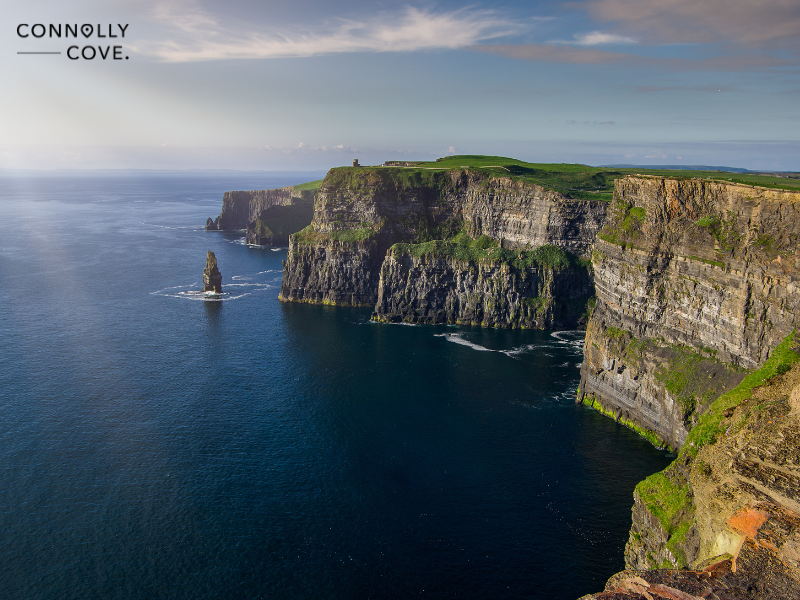
The Cliffs of Moher are an iconic and breathtaking geological marvel that stands as a testament to the rugged beauty of Ireland’s west coast, making them a must-visit destination for nature enthusiasts and travellers. They are situated in County Clare, somewhere near the villages of Doolin and Liscannor.
The cliffs are made of various layers of shale, sandstone, and siltstone. They rise dramatically from the Atlantic Ocean to heights that can reach 217 metres in some places, making them some of the highest sea cliffs in Europe.
Thanks to this, the Cliffs of Moher offer spectacular panoramic views of the Atlantic, the Aran Islands, and the distant Twelve Bens mountain range in Connemara to the north.
At the very highest point of the cliffs stands O’Brien’s Tower, a historic observation tower built in the 19th century by Sir Cornelius O’Brien, a well-known Irish politician and Member of Parliament for Clare from 1832 to 1835. The tower offers even more spectacular views of the surrounding landscape.
Visitors can explore designated walking trails along the cliffs, allowing them to appreciate the stunning scenery while adhering to safety guidelines. There is a visitor centre located near the cliffs that provides information about the geological and natural significance of the site in addition to other facilities such as shops, restaurants, and exhibitions.
The Burren
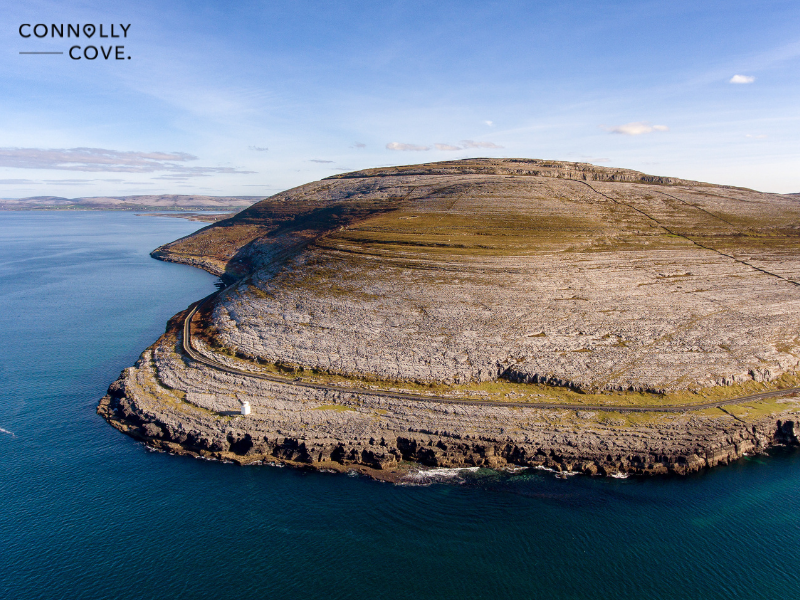
The Burren is a fascinating and visually striking area located in County Clare and renowned for its distinctive rocky terrain. It is primarily composed of limestone that was formed over 340 million years ago. The region’s distinctive karst landscape is characterised by extensive pavement-like surfaces with deep crevices, known as grikes, and isolated rocky outcrops.
Despite its seemingly inhospitable appearance, the Burren is home to a surprisingly rich and diverse variety of plant life. The unique combination of limestone, climate, and soil conditions supports the growth of various rare and arctic-alpine plants, including orchids, gentians, and other wildflowers. It is also the natural habitat of a variety of wildlife, including butterflies, birds, and small mammals.
In 1991, a portion of the Burren was designated as Burren National Park to help protect its unique natural and cultural features. The park encompasses a mix of limestone pavement, hazel scrub, and woodland.
Much like the Cliffs of Moher, the Burren offers a network of walking trails, allowing visitors to explore its remarkable landscapes on foot. The trails provide opportunities to appreciate the flora, geology, and archaeological sites.
Wild Atlantic Way
The Wild Atlantic Way is quite aptly named. It is a strikingly spectacular coastal driving route stretching along the western coastline of Ireland. It is one of the longest-defined coastal touring routes in the world, covering approximately 2,500 kilometres from the Inishowen Peninsula in County Donegal to Kinsale in County Cork, passing by—and through—beloved Country Clare.
Also referred to as the Cliff Coast, the route takes travellers through some of the most stunning and diverse coastal landscapes in Ireland. From rugged cliffs and pristine beaches to picturesque villages and harbours, the scenery along the Wild Atlantic Way is awe-inspiring.
Along the way, the route passes through numerous charming coastal villages and towns where visitors can experience traditional Irish hospitality, enjoy local cuisine, and explore cultural attractions.
The Wild Atlantic Way also features a series of designated “Signature Points” or key highlights along the route. These points showcase the most iconic and scenic spots, including the Cliffs of Moher, the Skellig Islands, Keem Bay, Killary Harbour, Blasket Islands, and Malin Head. Being that well-signposted makes it easy for travellers to navigate and explore at their own pace.
These diverse landscapes provide opportunities for both adventurous and leisurely pursuits, such as hiking, surfing, kayaking, and birdwatching. The Wild Atlantic Way is also accessible by bicycle and motorcycle.
While travellers can discover Ireland’s rich history and culture through visits to historical sites, ancient ruins, and landmarks along the route, they can also enjoy culinary delights, with opportunities to savour fresh seafood delicacies, traditional Irish dishes, and locally sourced produce at restaurants and eateries along the route.
Loop Head
Loop Head is a picturesque peninsula on the west coast of County Clare. Known for its stunning coastal landscapes, the waters around the peninsula are known for sightings of dolphins and whales. Boat tours are available for those interested in marine wildlife encounters.
In addition to its historic sites and vibrant communities, Loop Head is also a famous destination for those seeking natural beauty and tranquillity.
One of the main attractions in Loop Head is the Loop Head Lighthouse, which offers panoramic views of the Atlantic and its rugged coastline. Guided tours are available to provide insights into the lighthouse’s history and the maritime heritage of the area.
Another terrific attraction in Loop Head is the Bridges. These are a series of sea stacks and cliffs known for their diverse birdlife, especially during migration seasons. That is why they provide excellent opportunities for birdwatching.
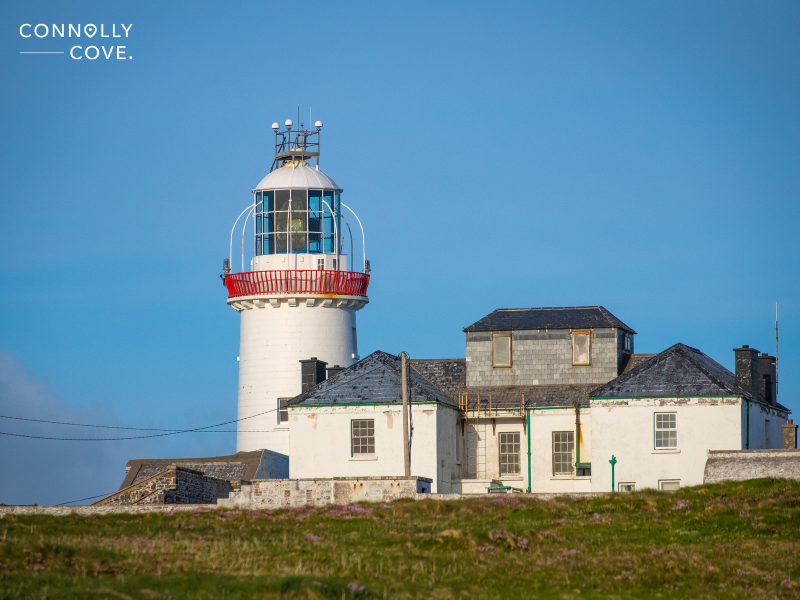
Other areas to visit in the peninsula include the Kilkee Cliff Walk, which is a scenic coastal walking trail offering breathtaking views of the cliffs and the Atlantic Ocean, the Pollock Holes, which are natural rock pools that provide a unique and refreshing swimming experience during low tide, and the historic Church of the Little Ark which dates back to the 19th century.
Traveller’s Guide to County Clare
The tourist season in County Clare, as in many parts of Ireland, tends to be most active during the warmer months of the year when weather conditions are more favourable for outdoor activities and sightseeing.
The primary tourist season in County Clare typically spans from late spring to early autumn. During this time, the landscape is lush and green. Yet, the summer months are considered the peak tourist season in County Clare. This is when the weather is generally at its best, with longer daylight hours and milder temperatures attracting a high volume of visitors.
It is also when popular attractions and accommodations are usually busier.
Tourism remains active during the early autumn months as the weather is usually still pleasant. The shoulder season stretches from late autumn to early spring, but it still attracts visitors anyway, usually those who appreciate the quieter and less crowded atmosphere.
Getting There
To reach County Clare, visitors can fly into Shannon Airport (SNN). This is the main international airport that serves the county and is located just outside the town of Shannon, about 23 kilometres from Ennis. The airport offers flights from various destinations in Europe and North America.
If arriving from further afield or in case there are no direct flights to Shannon, visitors can land at the Dublin Airport. When travelling from the UK or continental Europe, they can better take a ferry to any of the Irish ports, such as Dublin or Rosslare. Once they land on mainland Ireland, visitors can then continue their way to the county either by public transportation or driving.
Irish Rail operates train services to Ennis, the main town in County Clare. Bus Éireann provides bus services to various towns in the county, including Ennis and Shannon. Bus routes usually connect County Clare to major cities and towns across Ireland.
If they are more into exploring the region at their own pace, visitors can rent a car to make their way to County Clare, which is connected to other parts of Ireland through the M18 and N18 roads.
That being said, several tour operators offer guided tours that include County Clare as part of an itinerary. This can be a more convenient option for those who prefer a guided experience or do not want to bother with the planning.
Getting Around
Getting around County Clare is convenient and easy, with many public transportation options available. There are buses to take visitors to various attractions and towns within the county, allowing them to explore at their own pace. Buses are a cost-effective option, especially for those travelling on a budget.
Taxis are available too, yet, in larger towns and can be used for shorter journeys within a specific area. They are great as a door-to-door service or when travelling in a group.
Cycling is also a popular way to explore County Clare, especially in more scenic areas like the Burren or along the coast, with some areas offering bike rental services. In towns and villages, walking is the best way to explore local attractions, shops, and restaurants. Like with the bikes, there are designated walking trails in places like the Burren and around the Cliffs of Moher.
Other ways to get around County Clare include trains, guided tours, ridesharing, and car rentals.
Hotels and Inns
County Clare has various options for accommodation to suit different preferences and budgets.
For solo travellers or backpackers looking for affordable stays, there are budget-friendly hotels and hostels available throughout the county. These accommodations offer comfortable rooms at reasonable prices.
For luxury travellers seeking a more upscale experience, there are also high-end hotels located in towns like Ennis, Lahinch, and Shannon. These hotels offer spacious rooms, elegant decor, luxurious amenities and services, and top-notch facilities to ensure a memorable stay.
For those who want to be closer to nature while keeping costs down, there are various campsites and caravan parks.
Traditional Irish B&Bs are also available in the county, providing comfortable rooms and a hearty breakfast. These are often family-run establishments. Other options, such as self-catering holiday cottages and vacation rentals, are ideal for those who prefer more independence and flexibility.
In addition to those, other accommodation options include country houses, farmstays, spa and golf resorts, and seaside hotels.
When looking for accommodation in County Clare, visitors should consider factors such as their budget, preferred location, and the type of experience they are seeking. Visitors are also recommended to book well in advance, especially when travelling during peak tourist seasons or for popular events in the region. Online booking platforms, local tourism websites, and travel agencies can be helpful in finding suitable accommodations based on their preferences.
Activities
Besides visiting the natural attractions we mentioned earlier, County Clare offers a range of activities, outdoor adventures, and cultural experiences. Here are various activities to enjoy in County Clare:
- Surfing in Lahinch, a renowned surf destination.
- Burren walking trails
- Dolphin and whale watching
- Sea kayaking
- Visiting Bunratty Castle and the village of Folk Park
- Strolling through Ennis
- Cycling in the Burren
- Attending festivals and events
- Golfing at the Lahinch Golf Club
- Birdwatching in Doonbeg
- Climbing Mullaghmore, a 180-metre tall hill in the Burren
- Swimming in the Pollock Holes
Food
County Clare, like the rest of Ireland, boasts a rich cuisine with a focus on fresh, locally sourced ingredients. Here are some delicious foods to try when visiting County Clare:
- Burren Smoked Salmon: The Burren region is known for its excellent smoked salmon. Visitors can try it on brown bread with cream cheese and a squeeze of lemon.
- Irish Stew: A classic Irish dish made with lamb or mutton, potatoes, carrots, onions, and herbs, Irish stew is hearty and flavourful, perfect for a comforting meal.
- Boxty: This is a traditional Irish potato pancake made with grated potatoes, flour, and buttermilk. It is often served with a variety of toppings, such as bacon or salmon.
- Seafood Chowder: Given County Clare’s coastal location, seafood chowder is a must-try. It typically includes a mix of locally caught fish and shellfish in a creamy broth.
- Irish Cheese: It is a must that visitors explore the variety of Irish cheeses, including favourites like Cashel Blue, Burren Gold, and Doolin Cheese.
- Brown Bread and Scones: Irish brown bread is a staple, and freshly baked scones with clotted cream and jam are delightful for breakfast or afternoon tea.
- Lamb Dishes: Given the abundance of pastureland, lamb dishes are common. It is recommended to try roasted or grilled lamb, particularly if it is sourced locally.
- Clare Apple Pie: County Clare is known for its delicious apple pies, often made with locally grown apples. Enjoying a slice with a dollop of fresh cream adds loads of delight to the culinary experience.
- Dulse: Seaweed is a traditional part of Irish cuisine. Dulse, a type of edible seaweed, is often dried and eaten as a snack.
- Irish Coffee: Visitors can enjoy a classic Irish coffee made with hot coffee and Irish whiskey and topped with whipped cream. It is a perfect after-dinner drink.
County Clare stands as a captivating destination that seamlessly weaves together Ireland’s natural beauty with its rich heritage and warm hospitality. From the awe-inspiring Cliffs of Moher and the mysterious Burren to the vibrant towns of Ennis and Doolin, this county invites visitors to embark on a journey that transcends the ordinary.
Whether you find solace in the tranquillity of Loop Head, revel in the cultural richness of Ennis, or savour the seafood delights of Kilkee, County Clare unveils a myriad of treasures at every turn.
Discover The Mythical Valkyrie Horses: Steeds of Legend
Mythology and Folklore
28/04/2024

Exploring the Concept of Anam Cara: A Celtic Perspective on Soul Friendship
Culture Exploration
29/04/2024
Kensington Palace – London Attractions
England
29/04/2024
Harry Potter Shop at Platform 9 3/4 – London Attractions
England
29/04/2024
Exploring the Isle of Man’s Rich History and Culture
Ireland
29/04/2024