


The Miracle Club: A Heartwarming Journey Through the Filming Locations in Ireland
Updated On: April 22, 2024 by  Raghda Elsabbagh
After Maggie Smith’s role as Professor McGonagall in the Harry Potter series, she has forever etched her place in our hearts. We have missed her expressive eyes and the way she is able to project happiness, sadness, care, determination, and anger with those sparkly gems without speaking a word. So, after we knew she would star in The Miracle Club, we definitely couldn’t miss it. Here’s a sneak peek of the trailer to get you in the mood already.
With Emmy nominee Thaddeus O’Sullivan’s directory lead, John Conroy’s sweeping cinematography of the Irish greens and blues, breathtaking filming locations, the vintage ambience, and a heart-melting message, The Miracle Club promises a light, joyful, and cotton-candy experience for audiences everywhere.
Unveiling the Plot and Cast
The Miracle Club has been kicking around as a potential project for 20 years, with filmmakers struggling to make it. It finally got filmed in 2022 under the production of Chris Curling, Joshua Maurer, and Larry Bass and premiered at New York’s Tribeca Film Festival on Monday, 12 June. Starring three legendary actors, Laura Linney, Maggie Smith, and Kathy Bates, with Oscars, Emmys and Baftas associated with their names, this movie ought to leave us impressed.
The Miracle Club is an Irish drama set in 1967 that follows the story of three generations of close friends—Lily, Eileen, and Dolly—living in the working-class village of Ballygar near Dublin. The movie teleports us back to a little village with an old-fashioned ambience and quaint streets in a close-knit community where gossips reign, and everyone knows everyone. We’ll be invited to warm, cosy homes adorned with colourful doors, exactly how homes used to be in the 1960s.



Lily (Maggie Smith), Eileen (Kathy Bates), and Dolly (Agnes O’Casey) long for freedom from their domestic lives and hope to win a pilgrimage to the sacred picturesque French town of Lourdes. Lourdes, visited by millions each year, is renowned for miracles, where the waters are believed to have holy healing powers.
We will have our share of comedy as we watch Lily’s, Eileen’s and Dolly’s funny, flawed, resilient, and vocal personalities. However, we will soon come to realise that all these traits just mask the pain beneath the surface of these women. We will see Lily’s guilt and shame pouring out of her eyes since she can’t get over her son’s tragic loss to the sea decades earlier. Her vulnerability pops out through her aching soul, but she strives to cover all that up with an imperious, prickly, and demanding attitude. We will see Eileen’s concern about her breast lump and Dolly’s pain over her son, but both won’t speak.
After some support from their local priest, the trio wins a talent contest at the local parish. They manage to secure tickets for a humorous and life-changing journey to Lourdes. For women who have never left Ireland, not to mention the outskirts of Dublin, the pilgrimage voyage becomes an opportunity to reflect on their lives and seek their own personal, physical, and spiritual miracles.
Chrissie, Laura Linney, joins the trio on their long-awaited journey after returning from a 40-year exile in the USA. The quartet find themselves crammed together on a bus to Dublin, a ferry to France and off to Lourdes. Chrissie came back and added complexity to the events exposing bitter truths. However, together, they confront their pasts and find their strong friendship, intense love, and unshakeable togetherness is the miracle they’ve been waiting for all along.
What is waiting for us as viewers? We will accompany the quartet on their geographical, spiritual and life-changing journey and experience with them a rollercoaster of emotions, resentments, and never-fading dark clouds of silly old grudges. Brace yourselves for some hand-me-a-tissue moments as well.
An Overview of Lourdes
So what is the big fuss about Loudres? The tale dates back to 1858 when a young girl, Bernadette Soubirous, had a series of apparitions of the Virgin Mary in a cave near the town. From that transformative moment, Lourdes has been synonymous with profound faith, miraculous happenings, and a sense of serenity that’s almost palpable.
The Grotto of Massabielle is the heart of The Sanctuary of Our Lady of Lourdes. This natural cave is where the miraculous apparitions took place. This natural cave holds within it the echoes of that extraordinary encounter, and pilgrims gather here to find solace and seek healing.
The Miracle Club Filming Locations
Since the Sanctuary of Our Lady of Lourdes rarely grants filming permits, scenes at the Grotto of Massabielle were recreated in Ireland’s Ardmore Film Factory in Bray.
Dublin: The Capital and Heart of Ireland
The Dubliners: The Warm Soul of Dublin
Embrace the Spirit of Literary Legends at Trinity College
Known as a literary haven, Dublin has nurtured the souls of renowned writers like Oscar Wilde and James Joyce. Step into their world by visiting Trinity College, Ireland’s oldest university. The campus itself is such a treat for the eyes! It proudly boasts historic buildings dating back hundreds of years ago standing on cobblestone pathways, strikingly juxtaposed with the modern bustling streets. Feel the creative energy flow through your veins as you wander the same tracks that inspired these literary legends, and perhaps, you’ll pen your own masterpiece in the making.
The Old Library lies within the premises of Trinity College. It houses intricate illuminated manuscripts, books dating back over a thousand years, and the illustrious Book of Kells, an ancient 9th-century gospel manuscript. The books are packed on floor-to-ceiling wooden shelves, reachable by a sliding ladder, whispering tales of a gone-by age. Who knew history could be so dazzling?
Explore the Captivating History of Dublin Castle
Marvel at Dublin’s Architectural Wonders
Dublin’s architecture is a symphony of the old and the new dancing hand in hand. Historical landmarks live harmoniously alongside modern structures. Take a leisurely stroll along the River Liffey and witness the iconic Ha’penny Bridge in all its romantic glory.
As you explore the city, you’ll stumble upon the bronze statue of Molly Malone, known as the “Tart with the Cart,” immortalising the beloved fishmonger of Dublin’s traditional ballad.
Escape the City in Phoenix Park: Dublin’s Enchanting Oasis of Nature and History
Embrace the peaceful ambience in Phoenix Park, one of the largest enclosed parks in Europe, and find solace in this tranquil oasis. As you stroll through the greenery and the winding paths, you will find yourself in the arms of open fields and picturesque waterways. Savour a moment for yourself, sit beneath the shade of some ancient trees and bask in the serenity that permeates the park.
While you are exploring, you might be surprised by some deer roaming freely throughout the grounds. So have your camera on standby; you wouldn’t want to miss an impromptu photoshoot with these photogenic pals.

The park is also home to the Dublin Zoo, a true paradise for children and animal enthusiasts. Allow your kids to walk hand in paw with their favourite furry friends and create memories.
As you wander through the park, you’ll encounter the stately Áras an Uachtaráin, the official residence of the President of Ireland. Catch a glimpse of this impressive building and its beautifully manicured gardens.
As you stroll along the tree-lined paths, you’ll discover Farmleigh House, a splendid Georgian mansion owned by the Guinness family. Teleport back in time as you wander through its opulent rooms adorned with elegant antiques and breathtaking art.
The Victorian Walled Garden is a hidden gem within the park that will delight nature enthusiasts. Pamper your eyes and soul with the vibrant flowerbeds, meticulously manicured lawns, and fragrant blossoms filling the air; what else can you ask for?
Taste Dublin’s Vibrant Spirit on Grafton Street
Grafton Street to Dublin is just like how the Avenue des Champs-Élysées is to Paris. Grafton Street, Dublin’s bustling iconic pedestrian street, brims with energy and beckons shopaholics and culture enthusiasts alike. As you amble along the cobblestoned boulevard, local musicians and street performers entertain passersby with their performances, adding melody to your stroll. You’ll stumble upon world-class boutiques with high-end fashion, quirky souvenir shops, and charming cafes that add to the lively atmosphere.
Remember to pick up a traditional Irish Claddagh ring as a keepsake to remember your time in this charming city. For those who don’t know, a Claddagh ring is a coronated heart embraced between two hands. The heart is the love icon, the crown represents loyalty, and two clasped hands symbolise friendship.
Step into the Beating Heart of Dublin’s Cultural Scene: The Temple Bar
Temple Bar, a vibrant neighbourhood on the River Liffey’s south bank, is Dublin’s beating heart. It is home to many art galleries, theatres, and cultural centres that will shower you with Irish vibes. Explore the myriad galleries showcasing contemporary Irish and international art or catch a thought-provoking performance at one of the bohemian theatres. But that’s not all—Temple Bar is also famous for its street performers and lively nightlife, with traditional Irish music beating through its core, inviting you to dance the night away.
The graffiti art adorning the walls of the cobblestone streets exudes an eclectic charm telling stories of rebellion, humour, and love. You’ll find a sense of authenticity and creativity that truly defines the essence of Dublin’s cultural quarters. Pose for a photo with a one-of-a-kind mural, or find inspiration in the powerful messages splashed across the city’s canvases.
If you happen to visit the area on a Saturday, you will encounter the Temple Bar Food Market. Savour some delectable treats, gourmet cheeses, freshly baked bread, and fresh local produce.
Stroll Through the Picturesque St. Stephen’s Green
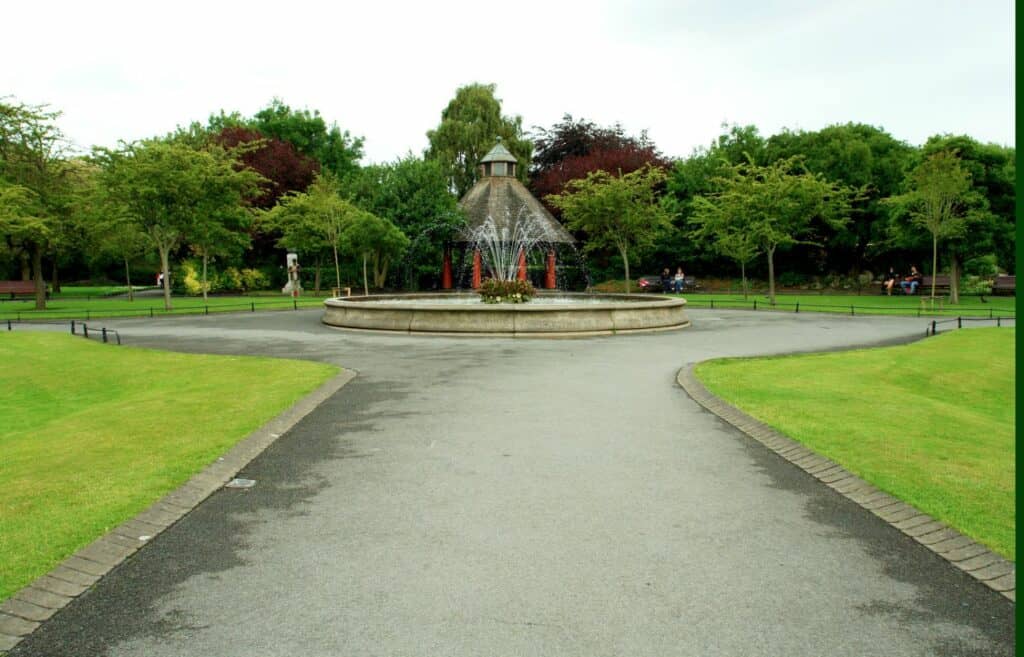
St. Stephen’s Green is an enchanting Victorian park drenched in history that offers a serene escape from the bustling cityscape. Lush lawns, vibrant flowerbeds, and meandering pathways lined with ancient trees encircle you from every angle. The graceful swans gliding across the shimmering pond add to the park’s allure, drawing admirers to marvel at their elegance.
St. Stephen’s Green holds a special place in Dublin’s cultural heritage, witnessing countless historical events and gatherings throughout the years—an exceptional place for strolls or picnics on sunny afternoons.
Explore Dublin’s Museums
Soak in the Coastal Beauty at Howth
Play the Gaelic Games: An Exquisitely Irish Experience
Bray, County Wicklow: A Coastal Haven with Scenic Beauty
- Stroll along the Bray Seafront Promenade and soak in the coastal views. Allow the salty air to fill your heart with contentment and the rhythmic crashing of waves to be your soundtrack as you stroll along.
- Step onto the Cliff Walk, a series of rugged cliffs where waves crash against the rocks below and brace yourself for breathtaking panoramas that will steal your heart.
- Conquer the mighty summit of Bray Head, where panoramic coastline views unfurl.
- Enjoy a relaxing day at Bray Beach, where you can sunbathe, picnic or partake in water sports along Bray’s coastline. From kayaking and paddleboarding to surfing the waves, there’s an activity for everyone. So don your wetsuit and let the waves be your partner in this aquatic dance.
- Explore the National SEA LIFE Centre, showcasing family-friendly exhibits with various marine species.
- Discover the Bray Heritage Centre and learn about the town’s rich history.
Finally, The Miracle Club not only presents a heartwarming story of friendship but also showcases the stunning beauty of Ireland’s filming locations. From Dublin’s historical landmarks and vibrant culture to Bray’s coastal charm, both cities provided an enchanting setting for this remarkable film. Sláinte!
The Ultimate Guide for London One Day Tours!
England
27/04/2024

Key Insights: Global Medical Tourism Statistics and Market Growth Analysis
Travel Statistics
26/04/2024
The Irish Mafia: A Closer Look at Organised Crime Syndicates
History and Heritage
26/04/2024

The Ultimate Guide to Eating Out in Ireland: Tips and Recommendations
Food and Cuisine
26/04/2024
Plan Your Perfect Trips to Northern Ireland: A Guide to the Best Tours and Vacation Packages!
Northern Ireland
26/04/2024