


Cultural Experiences in Ireland: A Guide to the Emerald Isle’s Traditions
Updated On: April 20, 2024 by  Salma Ihab
Known for its rich tapestry of history and culture, there are a plethora of engaging cultural experiences in Ireland for travellers. From the haunting melodies of traditional Irish music in the pubs of Doolin to the literary echoes of Yeats and Joyce, each aspect of the Emerald Isle has a story to tell. Exploring Ireland goes beyond the surface-level tourist attractions; it involves immersing oneself in the heart of Irish culture, language, and the warm camaraderie of its locals.
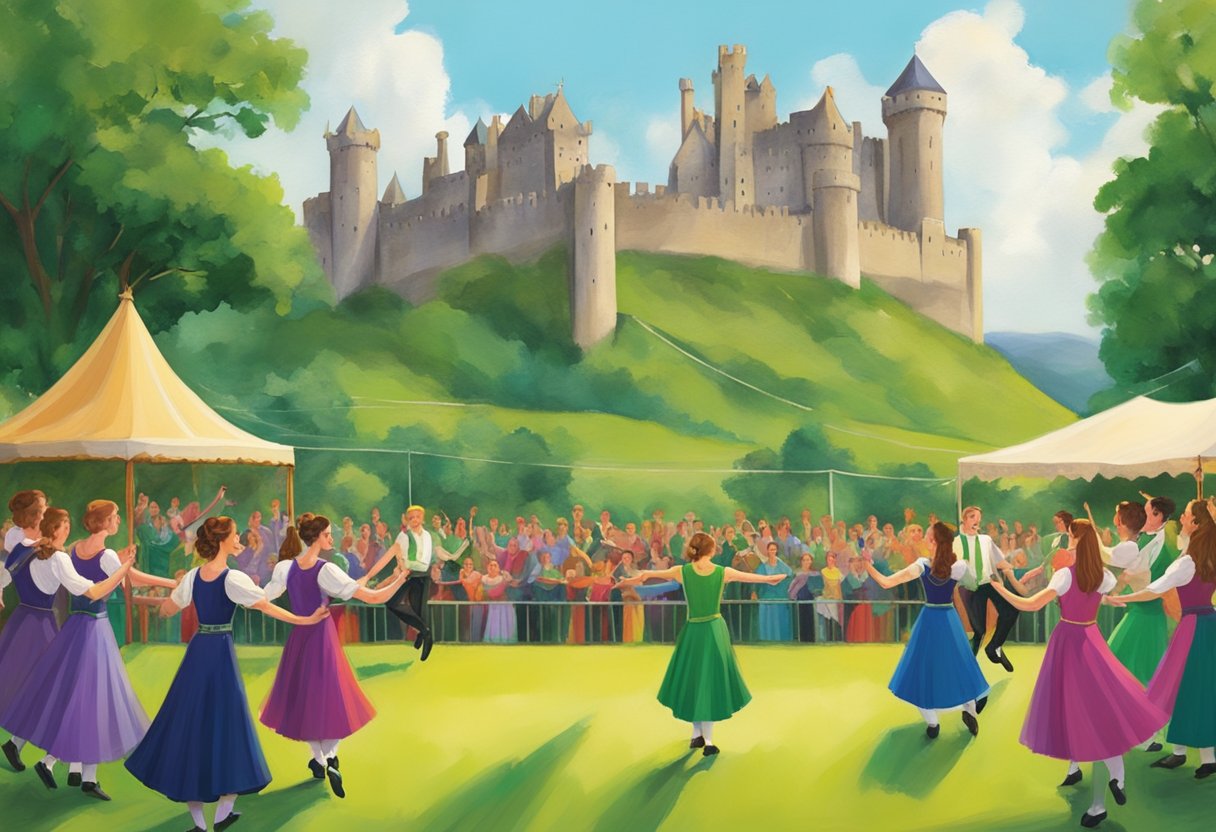
The landscape of Ireland, with its rugged coastlines and verdant hills, is as rich and varied as its cultural heritage. Visiting historical sites provides a glimpse into Ireland’s storied past, while the modern vibrancy of its cities and towns showcases a nation that’s both deeply traditional and contemporaneously dynamic. Irish pub culture, natural wonders, and the culinary delights of Irish gastronomy are just a few facets that create a mosaic of memorable experiences.
Table of Contents
Geography and Landscapes
Ireland’s geography offers a compelling variety of landscapes, from rugged coastlines and pristine beaches to the rolling countryside and majestic mountains. Each landscape carries its own unique beauty and historical significance that contribute to the rich tapestry of Irish heritage.
Coastlines and Beaches
The Wild Atlantic Way stretches for over 2,500 kilometres along Ireland’s west coast, offering breathtaking views of dramatic cliffs, such as the Cliffs of Moher, and some of the most beautiful beaches in the world. These beaches are not only places of natural beauty but also hubs of cultural experiences, with the sea playing a crucial role in Irish tradition.
The Ring of Kerry provides another remarkable coastal experience with its scenic drives through picturesque landscapes and views of the Skellig Michael. This UNESCO World Heritage site and the Aran Islands offer visitors a glimpse into ancient Ireland, with historical and cultural monuments set against the backdrop of the Atlantic Ocean.
Countryside and Mountains
Often referred to as the Emerald Isle, Ireland is renowned for its vibrant green countryside that captures the essence of its natural beauty. This lush landscape is dotted with historical sites, castles, and traditional farms that provide a window into Ireland’s pastoral way of life.
Ireland’s mountains, like the iconic Croagh Patrick, hold a special place in Irish culture and history. A site of pilgrimage, Croagh Patrick offers both a spiritual journey and a physical challenge to those who climb it. Throughout the countryside, various mountain ranges and serene landscapes invite outdoor enthusiasts and provide opportunities for hiking, cycling, and embracing the great outdoors.
Cities and Towns
Exploring Ireland’s cities and towns is to journey through a tapestry of cultural history, vibrant modern life, and tradition. Each destination offers a unique slice of Irish heritage, steeped in a rich past and buzzing with contemporary experiences.
Dublin: The Capital City
Dublin stands proud as Ireland’s capital, boasting a myriad of historical landmarks, such as the imposing Dublin Castle and the venerable Trinity College, home to the treasured Book of Kells. A stroll down the cobbled streets of Temple Bar offers an electrifying mix of live music and culinary delights, solidifying Dublin’s reputation as a hub of festivity and arts.
Galway: The Cultural Heart
Galway, the ‘Cultural Heart of Ireland’, is renowned for its bustling arts scene and year-round festivals, like the famous Galway International Arts Festival. The city is a mosaic of colourful streets where music and performance art come alive, and visitors are welcomed into its creative fold with open arms.
Cork: The Rebel City
Our journey brings us next to Cork, affectionately known as ‘The Rebel City’. Cork’s distinct identity shines through its local food markets like the English Market and historical attractions such as the St. Fin Barre’s Cathedral. Its lively atmosphere and independent spirit make it an unmissable Irish cultural experience.
Limerick and Kilkenny
We discover both Limerick and Kilkenny offering their unique blend of Irish culture. Limerick, with its medieval roots displayed in King John’s Castle and the revitalised waterfront, juxtaposes history with modern vitality. Kilkenny’s charm lies in its well-preserved Norman castle and the spirited Kilkenny Arts Festival that transforms the city annually.
Quaint Irish Towns
Venturing beyond the cities, Ireland’s smaller towns like Dingle, Kinsale, and Doolin enchant with their own character. Dingle Peninsula delights with its rugged scenery and Gaelic culture, Kinsale is a haven for food lovers and sailing enthusiasts, and Doolin is the quintessential spot for traditional Irish music, with a welcoming atmosphere in every pub.
Irish Culture and Language
We immerse ourselves in the vibrant tapestry of Irish culture, where language resonates with the lyrical essence of its people’s heritage. Our journey explores the intertwining of Ireland’s ancient tongue with rich literary traditions, lively music, exhilarating dance, and unique sporting customs that pulse through the heart of Irish society.
Literature and Storytelling
From the earliest manuscripts, Irish literature has been a fundamental thread in the fabric of Irish culture, breathing life into its storytelling traditions. Authors such as James Joyce and Oscar Wilde have left indelible marks on the literary world, while Seamus Heaney and William Butler Yeats have woven the strands of Irish identity through their poetry. In the whispers of the Gaeltacht Region, tales of lore and legend are as alive today as they have ever been.
Traditional Irish Music and Dance
Music is the soul of Ireland’s cultural expression, with melodies that have travelled from generation to generation and across the globe. In a traditional Irish pub, one might find the rhythmic pounding of a Céilí dance or the complex harmonies of a fiddle leading a spirited jig. Irish dance, notable for its precise, quick footwork and controlled upper body, energises audiences far and wide.
Local Sport and Hurling
Sport in Ireland is a binding force, with Gaelic football and hurling serving as cornerstones of community identity. Hurling, in particular, is an ancient game known for its speed and skill, widely considered the fastest field sport in the world. Local matches are highly anticipated events, fostering a sense of camaraderie and regional pride.
Festivals and Celebrations
Ireland’s calendar is dotted with festivals that showcase its cultural richness. St. Patrick’s Day is recognised globally, with parades and events that pay homage to Irish heritage. Meanwhile, the Matchmaking Festival in Lisdoonvarna offers a glimpse into the social tapestry of rural Ireland, combining music, dance, and good-natured fun in the quest for love.
Historical Sites
In traversing Ireland’s historical landscape, we uncover relics of ancient times and fortresses steeped in lore. Here, every stone and battlement has a tale to witness, inviting us to step into the past and explore the continuity of cultural heritage.
Ancient Monuments
Newgrange in County Meath is a crown jewel among Ireland’s ancient wonders. This 5,000-year-old passage tomb is famed for its precise alignment with the winter solstice sunrise, illuminating its chamber in a celestial spectacle. As a testament to Ireland’s Neolithic ingenuity, it predates both Stonehenge and the Great Pyramids of Giza.
County Meath offers more than Newgrange, with its landscape dotted with similarly aged structures that offer a unique glimpse into Ireland’s distant past. These sites allow us to trace the rituals and beliefs of ancient societies through their enduring monuments.
Historic Castles
Heading towards the medieval era, the town of Kilkenny hosts a namesake castle that stands as a central figure in Irish heritage. Kilkenny Castle, established in the 12th century, serves as a majestic testament to Norman occupation and has been remodelled through the centuries to host a rich mix of architectural styles.
In contrast, the village of Doolin in County Clare might be more famous for its musical tradition, yet it is also a portal to historic fortifications like Doonagore Castle, which has latched on to the rugged Irish coastline since the 16th century.
We invite you to trace the outlines of history through these structures, which continue to guard the lore of Ireland’s storied past.
Irish Pub Culture
In Ireland, the pub serves as a focal point for communal life, acting as a stage for traditional music and storytelling. Here, we’ll take you through the time-honoured customs of Irish pubs and the revered craft behind Irish whiskey and spirits.
Pub Traditions
Irish pubs are not merely venues for drinking; they’re institutions engrained in the social fabric of the country. Traditions in these pubs range from impromptu musical sessions (trad sessions), where local musicians gather to play, to the communal spirit of buying rounds of drinks for the group. Pubs such as the historical Brazen Head in Dublin have played significant roles in Irish history, operating for centuries and acting as hubs for both revelry and rebellion.
Another unique feature is the ‘lock-in’, a tradition where pubs would unofficially stay open beyond legal hours, with patrons locked inside to continue their merriment. Dress codes tend to be relaxed, focusing on the comfort and camaraderie of visitors rather than outward appearance.
Irish Whiskey and Spirits
In the sphere of Uisce Beatha, or Irish Whiskey, Ireland is unmatched. From the smooth triple-distilled offerings of Bushmills Distillery, which boasts being the world’s oldest licensed whiskey distillery, to myriad other brands, Irish whiskey is celebrated for its distinctive blend of warmth and smoothness.
Our nation’s public houses are also the perfect place to experience a broad array of spirits. In addition to whiskey, you’ll find a variety of poitíns (a traditional Irish distilled beverage), creams, and liqueurs offering a flavour for every palate. Each dram comes with a story, often shared across the bar by knowledgeable locals or the publicans themselves.
At the core of Irish pub culture is a tapestry woven of hearty drinks, rich history, and the lilting rhythm of folk tunes—a must-experience aspect of our culture.
Natural Wonders
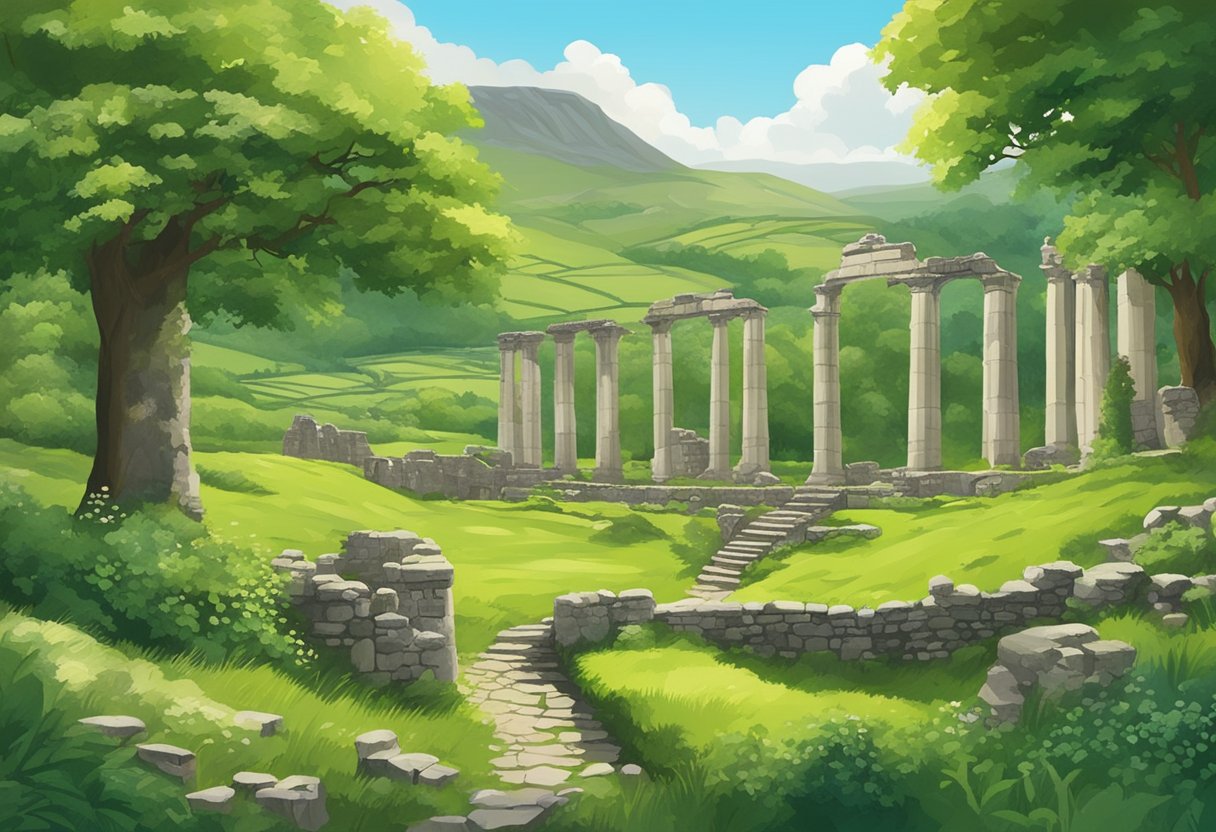
Ireland’s landscape is a tapestry of breathtaking natural beauty, from untamed coastlines to tranquil national parks. Our journey through the Emerald Isle’s natural wonders takes us from the dramatic to the serene, inviting a deeper connection with nature.
National Parks
The Burren National Park in County Clare offers a unique moonscape of limestone pavement. Its fascinating terrain supports a diverse range of flora and wildlife, and the park is a haven for botanists and ecologists alike. Connemara National Park, situated near Galway City, showcases rugged mountains, expansive bogs, and heaths. Its visitor centre, located near the village of Letterfrack, provides us with insights into the area’s rich history and natural features.
The Burren National Park, County Clare
- Limestone pavements
- Flora and Fauna
Connemara National Park, Galway
- Mountains and boglands
- Visitor Centre
Off-the-Beaten Path
Venturing off the beaten path to Dursey Island, we discover a quiet enclave accessible via Ireland’s only cable car. The island’s stark beauty and the surrounding waters are well worth the trip for those seeking solitude and splendour.
In Wexford, we can walk amongst ancient sand dunes and explore the region’s unique coastal ecology. Meanwhile, the picturesque town of Westport is the gateway to wild and rugged landscapes awaiting our exploration.
Dursey Island
- Cable car access
- Peaceful retreat
Wexford
- Sand dunes and coastal walks
Westport
- Scenic beauty and outdoor activities
Our exploration of Ireland’s national parks and hidden natural treasures offers us an immersive cultural experience. With care and respect, we tread lightly on these lands, ensuring their preservation for future generations to marvel at.
Irish Food and Gastronomy
Our exploration of Ireland is incomplete without savouring the rich tapestry of its culinary delights. From the coastal treasures offered by the sea to the hearty inland fare, Irish food and gastronomy present a diverse palette that reflects the country’s cultural heritage and agricultural bounty. Let us take you on a gastronomic journey through the Emerald Isle, where each bite tells a story of tradition and flavour.
Local Delicacies
Seafood: Nestled on the edge of the Atlantic, Ireland boasts an exceptional array of seafood, with dishes such as seafood chowder being a staple in coastal towns. Oysters and mussels enjoy a favourable reputation, often accompanied by the distinct taste of Soda Bread, an Irish classic.
-
Soda Bread: This quintessential component of Irish cuisine is a must-try. Its unique texture and taste perfectly complement a bowl of hearty seafood chowder.
-
Corned Beef: Although often associated with Irish-American culture, corned beef has deep roots, with recipes varying from region to region.
Farm-to-Table Experience
Ireland prides itself on its farm-to-table approach, connecting us directly with foods from the local pastures to our plates. The fertile land yields an abundance of fresh ingredients, ensuring that a meal here is not only a taste sensation but a true reflection of the land.
- Irish Whiskey: The warmth of a traditional Irish whiskey can be the perfect end to a farm-fresh meal. Our whiskies, renowned for their smoothness, are a proud product of centuries-old distilling traditions.
Exploring Irish gastronomy provides us with glimpses of the country’s rich culture and an appreciation for its natural resources. Each meal, infused with history and local pride, becomes more than just nourishment; it is an essential part of the cultural experience.
Arts and Theatre
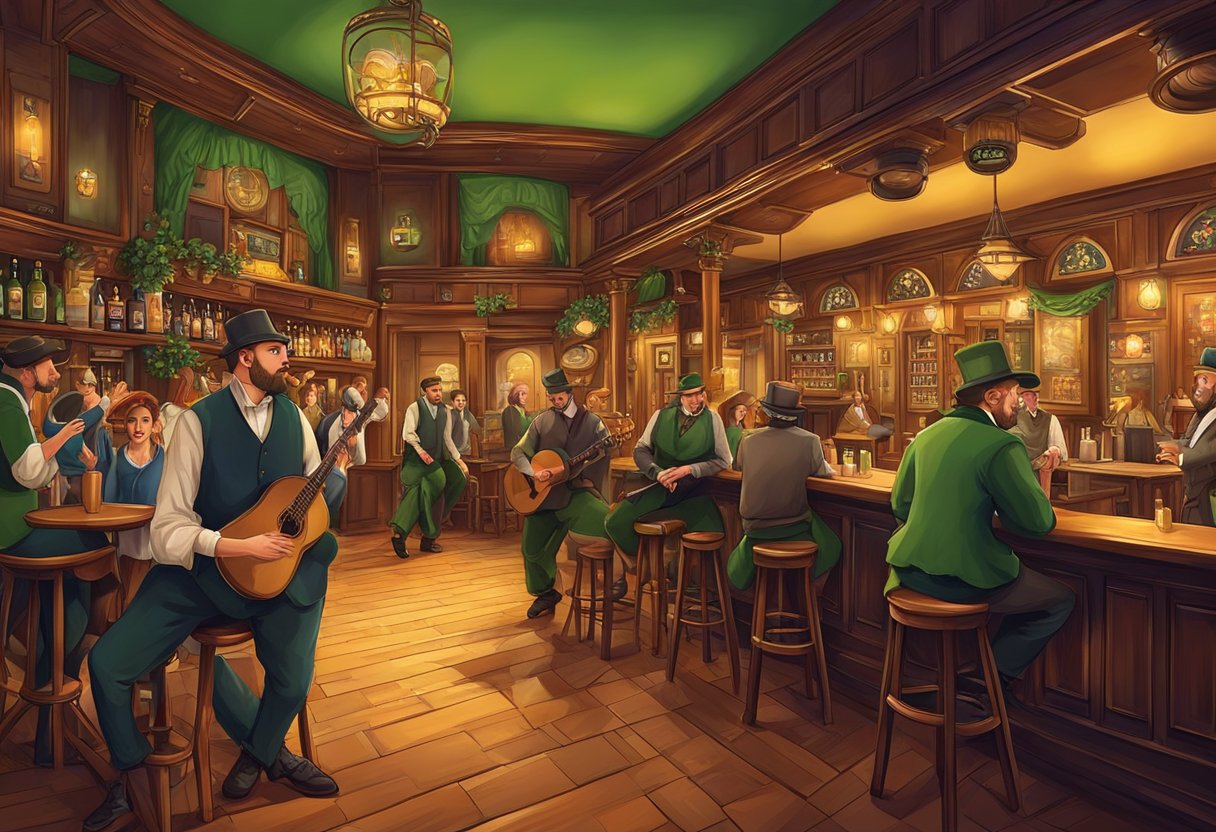
Ireland’s cultural landscape boasts a vibrant arts scene and a rich theatrical heritage. From groundbreaking playwrights like Samuel Beckett to crowd-pleasing shows such as Riverdance, there is a wealth of artistic expression to be experienced across the country.
Live Performances
Theatre in Ireland is characterised by a deep-seated respect for the craft, reflective of a nation’s love for storytelling. The Irish stage has been graced by a myriad of performances ranging from intense dramas to lighthearted comedies. Dublin’s Abbey Theatre is known for premiering the works of renowned playwrights like Seamus Heaney, whose contributions to literary and theatrical arts are celebrated around the Irish isle. Significant productions include thought-provoking plays exploring human experience, politics, and culture.
Noteworthy Venues:
- Abbey Theatre, Dublin
- Druid Theatre, Galway
- Siamsa Tíre, Kerry
Meanwhile, the phenomenon of Riverdance has taken the world by storm, offering a spectacular blend of traditional Irish music and dance that continues to captivate audiences globally. The energy and skill displayed in these performances are a testament to Ireland’s thriving cultural heartbeat.
Musical Traditions
The musical heritage of Ireland resonates through our stunning array of concerts and festivals. Renowned for our musical storytelling, we find the traditional Irish music scene ever-present in pubs and venues across the country, where impromptu sessions are not just entertainment but a way of life.
Musicals, exploring a myriad of themes and stories, are another pillar of our cultural expression. They often incorporate traditional Irish elements, including the iconic Aran Sweater, symbolising Irish craft and family heritage. Each stitch tells a story, mirroring the narratives woven into our musical creations.
Famous Irish Musicals:
- The Shaughraun
- The Playboy of the Western World
Our musical traditions continue to evolve, reflecting the dynamic nature of Ireland’s arts scene. Whether in the hushed reverence of a dimly lit theatre or the rousing chorus of a packed pub, music remains an integral thread in the fabric of Irish culture.
Active Adventures
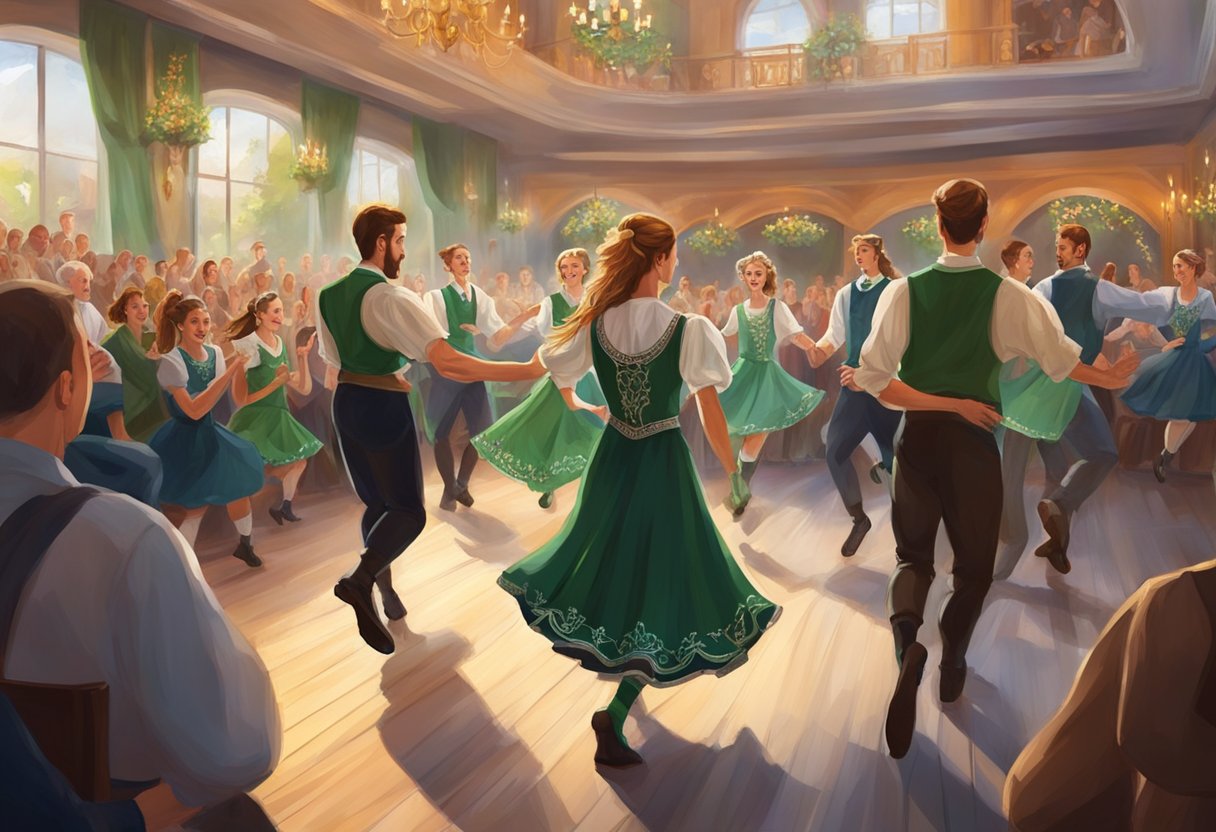
Ireland offers an array of active adventures for those seeking to immerse themselves in its landscapes and culture. From hiking trails that offer breathtaking views to water sports that invigorate the senses, there’s something to cater to every adventurous spirit.
Hiking and Outdoor Activities
Ireland is home to some of the most beautiful and challenging hiking trails. One iconic hike is the ascent of Croagh Patrick, a pilgrimage site with religious significance and stunning panoramic views. Hikers and outdoor enthusiasts can also explore the Wild Atlantic Way, a route famed for its rugged coastline and natural beauty, providing an unmissable experience for anyone who appreciates the great outdoors.
Water Sports and Fishing
For those drawn to the water, Ireland’s coastline and rivers are perfect for an array of activities. The Aran Islands offer unique opportunities for sea kayaking and diving, allowing adventurers to discover the rich marine life and historical sites. Fishing enthusiasts can find excellent spots along the Irish coast, with the possibility of catching a variety of species. Additionally, visitors can witness Riverdance, an iconic celebration of Irish culture and heritage, blending the art of dance with the spirit of the island’s waterways.
Unique Experiences
Embarking on a journey through Ireland offers an array of singular cultural experiences that engage both the mind and soul. From the zealous energy of local festivals to the intellectual charm of literary tours, every moment spent in this country is steeped in a rich cultural heritage.
Literary Tours
We revel in Ireland’s esteemed literary tradition, orchestrating tours that traverse the realms of famed Irish writers. These tours are not merely wanderings; they are narrated voyages through the lives and sparks of genius that have influenced literature globally. You’ll follow in the footsteps of literary greats with storytelling that brings to life the streets and pubs that once inspired legendary works.
- Dublin: Navigate through the historic city where James Joyce set his modernist masterpiece Ulysses.
- Belfast: Explore the homeland of C.S. Lewis and discover the landscapes that birthed Narnia.
Literature enthusiasts can also indulge in rich discussions and perhaps even participate in a reading session at one of the local book haunts recommended by Lonely Planet’s guides.
Cultural Immersion
Beyond the written word, our curated experiences encompass the gamut of Irish culture. From attending a vibrant Matchmaking Festival that celebrates love with traditional Irish music and dancing to toasting your new friends with a handmade glass of Irish whiskey, the tapestry of customs here is as intricate as it is inviting.
- Galway: Experience the flamboyant Galway International Arts Festival, featuring dynamic theatre and arresting visual art.
- Lisdoonvarna: Join the annual Matchmaking Festival, where love and tradition create a jovial atmosphere unlike any other.
These experiences are designed not just to observe but to immerse you in the living culture of Ireland. We find beauty in every glass raised in an Irish pub, and every tale spun at a fireside—a testament to the unique culture that thrives on this lush island.
Travel Tips and Practical Information
Before embarking on your Irish adventure, it’s essential to consider practical aspects to make the most out of your trip. We’ll cover essentials such as getting around the beautiful country, finding the perfect accommodation, and embracing local customs to ensure a seamless experience.
Getting Around
Ireland’s transport network is well-developed, with a range of options suitable for different itineraries:
- Public Buses: Extensive services connect major cities and rural areas.
- Trains: Operated by Irish Rail, train lines offer scenic routes between major destinations.
- Car Hire: Ideal for exploring off-the-beaten-path locations at your own pace.
- Cycling: A sustainable and healthful way to experience the countryside.
Remember that we drive on the left-hand side of the road, so remain vigilant if you’re used to driving on the right.
Accommodation
From luxury hotels to quaint B&Bs, Ireland has accommodation to suit every taste and budget:
- Hotels: Ranging from high-end to budget-friendly, amenities vary widely.
- Bed and Breakfasts (B&Bs): Experience Irish hospitality and local insights.
- Hostels: Perfect for solo travellers and those looking to keep costs low.
- Self-Catering: For those desiring a home away from home.
Local Customs
We Irish are known for our warm hospitality, but there are a few customs to keep in mind:
- Greeting: A simple ‘hello’ often suffices, though don’t be surprised by a friendly conversation.
- Language: While English is widely spoken, the Irish language (Gaeilge) holds a special place in our culture. A greeting in Irish can be well-received.
- Pubs: Pubs are social hubs where locals gather. Enjoying a pint of stout is customary, but remember to drink responsibly.
By respecting these customs and embracing the local way of life, you’ll create a deeper connection with Ireland and its people.
Frequently Asked Questions
In exploring Irish culture, we recognise the abundance of engaging activities and cherished traditions. These key experiences provide insight into the heart of Ireland’s cultural heritage.
What are the traditional Irish cultural activities for tourists to participate in?
Engaging in Irish music sessions and learning traditional dances like the ceili are quintessential activities. Visitors may also explore the craft of Irish storytelling at a local seanchaí session, offering a glimpse into the rich oral traditions of Ireland.
How can students immerse themselves in Irish cultural experiences whilst studying in Ireland?
Students have the opportunity to join university societies that celebrate Irish culture, including GAA clubs for traditional sports, and attend language workshops to learn the Irish language, Gaeilge, enhancing their cultural immersion.
In what ways can the culture and traditions of Ireland be explored through local cuisine?
Sampling traditional dishes such as Irish stew or soda bread at a farmers’ market reveals the farm-to-fork ethos central to Irish culinary culture. Seafood caught off the Irish coast offers a taste of the country’s connection with its waters.
What values and norms are central to understanding modern Irish culture?
Community and familial ties are highly valued in Ireland, along with a witty sense of humour known as ‘craic’. A deep appreciation for literature and storytelling continues to be at the heart of Ireland’s cultural identity.
Which cultural experiences in Ireland are essential to consider for an authentic experience?
Respecting the Irish etiquette of politeness and friendliness when interacting with locals ensures a more authentic experience. It’s also important to acknowledge the historical significance of places and symbols whilst visiting.
How does contemporary Irish culture reflect its historical traditions?
Modern Ireland maintains a strong link to its history through the continuing celebration of festivals like Samhain and St. Patrick’s Day. The country’s music, art, and literature are often infused with themes that honour Ireland’s past.

Unveiling the Enigma of Cronk Sumark: A Mesmerising Ancient Celtic Hill Fort with Stunning Views!
Culture Exploration
03/05/2024

Dylan Thomas: Exploring The Life of Wales’ Creative Wordsmith!
Language and Literature
03/05/2024

The Mythical Power of Viking Ravens: Huginn and Muninn!
Mythology and Folklore
03/05/2024

Exploring the Remote Beauty of the magnificent Shetland Island!
Scotland
03/05/2024

Understanding the Meaning and Symbolism of Heraldry Symbols!
History and Heritage
03/05/2024