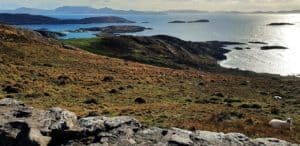

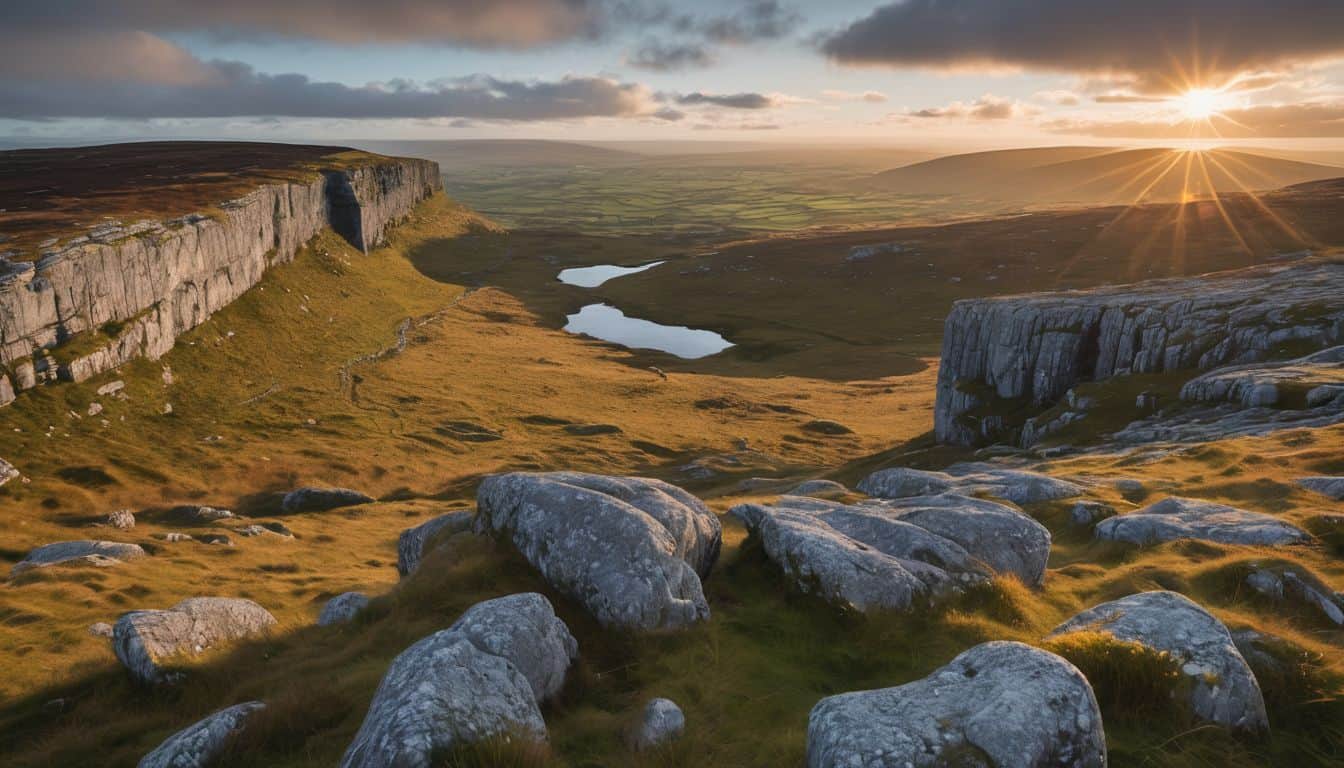
County Clare’s Burren stands as one of Ireland’s most distinctive geological wonders. This vast karst landscape, where exposed limestone pavement stretches across roughly 250 square kilometres of western Ireland, creates an otherworldly terrain unlike anywhere else in Europe. The name derives from the Irish word “Boíreann,” meaning rocky place, though this translation barely captures the region’s character.
The Burren defies expectations at every turn. What appears barren from a distance reveals itself as a thriving ecosystem up close, where rare orchids bloom in limestone cracks and ancient monuments dot the horizon. For those documenting Ireland’s cultural heritage through photography or video production, the Burren offers unmatched visual storytelling opportunities that blend natural drama with human history.
This guide explores what makes the Burren famous, where exactly you’ll find this remarkable landscape in Ireland, and how to experience its unique character beyond the typical tourist trail.
Table of Contents
Understanding the Burren’s Unique Karst Landscape
The Burren represents one of Europe’s finest examples of karst topography, a landscape shaped by limestone dissolution over millions of years. This geological phenomenon creates the region’s characteristic features: expansive limestone pavement, underground cave systems, and dramatic surface formations that attract geologists, nature enthusiasts, and visual content creators from across the globe.
What is the Burren in Ireland?
The Burren is a karst landscape located in northwest County Clare, covering approximately 250 square kilometres between Ballyvaughan, Kinvara, Gort, Corofin, Kilfenora, Lisdoonvarna, and the Atlantic coast. This region forms part of the Burren and Cliffs of Moher UNESCO Global Geopark, recognising its international geological significance.
The landscape’s defining features are its clints and grykes—the flat limestone blocks and deep fissures that create the distinctive pavement pattern. These grykes, some reaching several metres deep, shelter an extraordinary botanical diversity within their protected microclimates. What seems like bare rock from afar transforms into a hidden garden when explored on foot.
The Burren’s elevation ranges from sea level along the coast to 340 metres at Knockanes, with the plateau generally sitting between 200-300 metres above sea level. This varied terrain creates distinct zones where different plant communities thrive, making the region a living laboratory for studying ecological adaptation.
Where is the Burren Located in County Clare?
The Burren occupies the northwestern corner of County Clare, bordered by Galway Bay to the north and the Atlantic Ocean to the west. The region sits roughly a 90-minute drive from Shannon Airport and about three hours from Dublin, making it accessible for day trips or extended stays.
Major towns serving as gateways to the Burren include Ballyvaughan on the northern coast, Lisdoonvarna to the west, Kilfenora in the heart of the region, and Corofin to the southeast. Each offers different perspectives on the landscape and serves distinct visitor needs, from coastal views to interior plateau experiences.
The Burren’s location on Ireland’s western edge means Atlantic weather systems sweep across the exposed limestone regularly. This maritime influence moderates temperatures throughout the year, though visitors should expect changeable conditions and prepare for sudden weather shifts, particularly when exploring the higher plateaus.
The Geology Behind the Limestone Pavement
The Burren’s limestone formed approximately 350 million years ago during the Carboniferous period, when this region lay beneath a warm, tropical sea. Countless marine organisms—corals, crinoids, and shellfish—accumulated on the seabed, their calcium carbonate remains gradually compressing into thick limestone beds.
These limestone layers, some reaching hundreds of metres thick, contain fossils visible throughout the region. Patient observers can spot ancient coral formations, shell impressions, and other marine life evidence preserved in the stone, offering tangible connections to the Burren’s submarine past.
The distinctive pavement pattern emerged through a complex process involving tectonic uplift, glaciation, and chemical weathering. Ice age glaciers scoured away softer overlying rocks and soil, exposing the underlying limestone. Acidic rainwater then exploited natural joints and fractures in the stone, gradually dissolving the limestone along these lines to create the grykes separating each clint.
How the Burren Was Formed Over Millions of Years
The Burren’s formation story spans hundreds of millions of years, beginning with limestone deposition in tropical seas and continuing through dramatic geological events that shaped today’s landscape. After the limestone beds formed, they underwent folding and faulting as tectonic forces compressed and lifted the region above sea level.
During the last ice age, massive glaciers advanced across Ireland, reaching their maximum extent roughly 20,000 years ago. These ice sheets, sometimes several hundred metres thick, scraped across the Burren, removing loose sediment and softer rock layers. The glaciers acted like enormous ploughs, polishing and smoothing the limestone surface whilst exploiting existing weaknesses to gouge out valleys.
As the ice retreated around 13,000 years ago, it left behind a landscape stripped nearly bare of soil. Glacial meltwater carved additional features into the limestone, creating the dolines (enclosed depressions), caves, and underground drainage systems characteristic of karst landscapes. The exposed limestone has continued weathering through chemical dissolution ever since, slowly deepening the grykes whilst widening existing caves and passages.
Natural Wonders: Flora, Fauna and the Burren’s Biodiversity
The Burren’s biodiversity stems from its unique combination of factors: limestone bedrock creating alkaline conditions, maritime climate moderating temperatures, varied topography providing diverse microclimates, and traditional farming maintaining habitat diversity. This confluence creates an ecological anomaly where Arctic-alpine plants grow alongside Mediterranean species, separated by mere metres.
The Botanical Paradox: Arctic and Mediterranean Flora Together
The Burren hosts over 700 plant species, including 75% of Ireland’s native flora within just 1% of its land area. This exceptional diversity reaches its peak in May and June when wildflowers carpet the limestone pavement and grykes in displays that attract botanists from across Europe and beyond.
Spring gentian (Gentiana verna), a tiny blue flower typically found in Alpine regions, grows here at sea level alongside bloody cranesbill (Geranium sanguineum), a plant more common in Mediterranean climates. This botanical impossibility exists because grykes create protected microclimates where different conditions prevail within a few metres of each other. North-facing grykes remain cool and shaded, suiting Arctic-alpine species, whilst south-facing exposures bask in warmth, favouring Mediterranean plants.
Mountain avens (Dryas octopetala), another Arctic-alpine survivor, forms extensive mats across exposed limestone, its white flowers blooming in May. Dense-flowered orchid, pyramidal orchid, and fragrant orchid represent just three of the 23 orchid species found in the Burren, making this region an orchid enthusiast’s paradise. Each species occupies specific niches within the complex habitat mosaic, responding to subtle variations in moisture, shade, and soil depth.
Wildlife and Fauna Throughout the Burren Region
Pine martens, Ireland’s rarest native carnivore, find suitable habitat in the Burren’s wooded valleys and scrubland. These elusive mammals hunt at night, preying on small mammals, birds, and insects whilst also consuming berries and fruits seasonally. Their presence indicates healthy ecosystem function, as pine martens require large territories and diverse prey populations.
Irish hares, darker and larger than their British relatives, inhabit the open limestone pavement and grasslands. These animals, adapted to Ireland’s cool, damp climate, remain active year-round, unlike mountain hares that turn white in winter. Watching hares box during the spring breeding season offers wildlife photographers exceptional opportunities, particularly in the early morning light across limestone terraces.
Butterflies thrive in the Burren’s sheltered microclimates, with 28 of Ireland’s 35 butterfly species recorded here. The Burren green (Callophrys rubi), though found throughout Ireland, reaches particular abundance in this region, its caterpillars feeding on bird’s-foot trefoil growing in limestone cracks. Pearl-bordered fritillary, a species declining elsewhere in Ireland, maintains stable populations in the Burren thanks to suitable habitat and traditional farming practices.
Caves, Cliffs and Coastal Karst Features
The Burren contains over 80 kilometres of surveyed cave passages, formed by underground rivers dissolving the limestone over millennia. Aillwee Cave, opened to visitors in 1976, extends over 600 metres into the hillside, featuring calcite formations, underground waterfalls, and evidence of brown bear habitation from thousands of years ago. The cave’s constant 10°C temperature and high humidity create otherworldly filming conditions for those documenting Ireland’s subterranean landscapes.
Doolin Cave houses one of the world’s longest free-hanging stalactites, the Great Stalactite, measuring 7.3 metres long. This massive formation, formed drip by drip over thousands of years, demonstrates the slow but relentless power of water dissolving and redepositing limestone. The cave system continues actively forming, with water still trickling through the limestone and adding microscopic layers to existing formations.
The Burren’s coastal edges feature dramatic cliffs where limestone pavement meets the Atlantic. These coastal sections, particularly around Black Head and Fanore, display the limestone’s layered structure in cross-section, with horizontal bedding planes clearly visible in cliff faces. Winter storms pound these shores with tremendous force, gradually eroding the rock and creating caves, arches, and isolated sea stacks through marine abrasion.
The Burren National Park and Conservation Areas
Established in 1991, the Burren National Park protects approximately 1,500 hectares of the region’s core landscape, including limestone pavement, woodlands, and important archaeological sites. The park, Ireland’s smallest national park, focuses on preserving the unique interaction between natural and cultural heritage that defines the Burren character.
Mullach Mór, the park’s highest point at 187 metres, offers panoramic views across the limestone plateau towards Galway Bay and the Aran Islands. The walk to the summit passes through varied habitats, from dense hazel scrub in sheltered valleys to exposed limestone pavement on the plateau, demonstrating the ecological diversity compressed within small areas.
The park’s woodlands, dominated by hazel with ash, oak, and other native species, represent remnants of more extensive forests that once covered parts of the Burren. These woods shelter different plant and animal communities than the open limestone, including shade-loving species and woodland birds. The woods also provide important context for understanding how the modern landscape evolved through human activity, as most forest was cleared for agriculture centuries ago.
Planning Your Visit to the Burren
Visiting the Burren requires different preparation than typical Irish destinations. The exposed landscape offers little shelter from the weather, the limestone surface can be slippery when wet, and many interesting sites sit away from main roads. Proper planning turns a casual visit into a memorable exploration of one of Europe’s most distinctive regions.
Best Time to Visit the Burren in County Clare
May and June represent the optimal months for visiting the Burren, when wildflowers reach peak bloom and weather conditions tend toward their most stable. The spring gentian, the Burren’s botanical celebrity, flowers from late April through May, whilst orchids follow through June. These months also offer long daylight hours without the peak summer crowds, making them ideal for photography and unhurried exploration.
September and early October provide a second excellent window, after summer tourists depart but before autumn weather turns harsh. The low-angle autumn light creates dramatic shadows across the limestone pavement, whilst many plants display attractive seed heads and autumn colours. Migratory birds pass through coastal areas, adding wildlife interest for those exploring the shoreline sections.
Winter visits appeal to those seeking solitude and dramatic weather, though conditions can be challenging. The limestone becomes slippery when wet, and exposed areas offer no shelter from Atlantic gales.
Yet winter light often proves spectacular, with low sun angles highlighting the landscape’s texture and dramatic storm clouds adding atmosphere. Traditional winterage grazing, when cattle move onto the limestone, occurs from November through April, demonstrating farming practices visitors might miss during summer months.
Getting to the Burren from Dublin and Shannon Airport
Shannon Airport, located 40 kilometres south of the Burren’s southern edge, serves as the primary international gateway. Car hire from Shannon takes roughly one hour to reach the southern Burren near Kilfenora, or 75 minutes to northern gateways like Ballyvaughan. The N85 and N67 roads provide the main access routes, both offering scenic drives through classic Clare countryside.
From Dublin, the journey takes approximately three hours via the M6 motorway to Galway, then south through Kinvara on the N67 coast road. This route enters the Burren from the north, with Galway Bay views giving way to limestone landscape as you approach Ballyvaughan. Alternative routes via Limerick and Ennis add roughly 30 minutes but pass through different countryside.
Public transport options remain limited, though Bus Éireann operates services from Galway to Doolin via the Burren’s northern edge, stopping at several villages. This route allows access without a car, though visitors remain restricted to areas near the bus route unless willing to walk substantial distances. Organised day tours from Galway or Limerick provide another option, though these typically follow set itineraries with limited time at each stop.
Must-See Attractions and Hidden Spots Worth Finding
Beyond the famous Poulnabrone Dolmen and Cliffs of Moher, the Burren hides numerous sites rewarding those willing to explore beyond the main attractions. Caher River valley, accessible via minor roads near Fanore, features limestone pavement stretching to the coast, with the ephemeral Caher River appearing and disappearing through underground passages depending on rainfall.
The Green Road, an old road between Ballyvaughan and Fanore, traverses limestone terraces and coastal slopes, offering changing perspectives on the landscape without the crowds found at major sites. This route, best walked in sections rather than its full 10-kilometre length, provides access to lesser-known archaeological sites and spectacular coastal views.
Turloughs, seasonal lakes appearing during wet periods, demonstrate the Burren’s active karst hydrology. Carran Turlough, visible from the R480 between Corofin and Carron, fills during winter then drains through underground passages as water tables drop. These temporary wetlands support distinctive plant communities adapted to fluctuating water levels, offering ecological interest beyond the typical limestone pavement habitat.
Food, Drink and Local Culture in the Burren
The Burren’s food culture reflects its unique landscape and farming traditions, with local producers creating distinctive products from livestock raised on limestone pastures. Traditional practices persisting here provide authentic cultural experiences increasingly rare elsewhere in Ireland, making the region attractive for content creators documenting Irish food heritage.
The Burren Food Trail and Artisan Producers
The Burren Food Trail connects local producers, restaurants, and markets throughout the region, celebrating food products rooted in the distinctive landscape and traditional farming. Burren Smokehouse in Lisdoonvarna produces oak-smoked salmon using traditional methods, with tours showing the smoking process and allowing visitors to sample the finished product. The smokehouse’s location in the heart of the Burren connects the food directly to its geographical context.
Burren Gold cheese, produced using raw milk from cows grazing limestone pastures, develops unique flavour characteristics attributed to the diverse wildflowers and herbs the animals consume. The cheese-making process, viewable during scheduled visits, demonstrates how traditional methods and local ingredients create distinctive products that reflect their origin.
Hazel Mountain Chocolate, produced near Aillwee Cave, creates handmade chocolates using Irish cream and butter, often incorporating local ingredients like seaweed or honey. The small production facility welcomes visitors, showing how premium chocolates are made whilst offering samples. These artisan producers, though small in scale, collectively create a food culture distinctive to the Burren region.
Traditional Pubs and Local Hospitality
Doolin’s pubs, Gus O’Connor’s, McDermott’s, and McGann’s, host traditional Irish music sessions almost nightly during summer, maintaining authentic musical traditions whilst accommodating tourist interest. These sessions, where local musicians gather to play traditional tunes passed down through generations, offer visitors genuine cultural experiences rather than staged performances. The informal nature means the music flows naturally, with sets continuing as long as musicians and audience remain engaged.
Linnane’s Lobster Bar in New Quay serves seafood landed at the adjacent pier, with outdoor tables offering views across Galway Bay whilst dining on crab claws, oysters, and lobster caught that morning. This family-run establishment demonstrates the direct connection between sea and table possible in coastal communities, with the restaurant’s popularity requiring advance booking during peak season.
Vaughan’s Anchor Inn in Liscannor, whilst technically just west of the Burren proper, exemplifies the traditional pub culture found throughout County Clare. Thursday night sessions here attract serious traditional musicians and music enthusiasts, creating an atmosphere focused on the music rather than tourism. These authentic cultural spaces, though welcoming to visitors, maintain their primary function of serving local communities.
Cultural Experiences and Community Connections
The Burren Winterage Festival, held each October, celebrates traditional farming practices and cultural heritage through guided walks, talks, and workshops. This relatively new festival (established in 2017) promotes understanding of the relationship between farming, landscape, and biodiversity whilst showcasing local food, music, and crafts. The festival’s timing coincides with cattle moving onto limestone for winter grazing, allowing visitors to witness this traditional practice.
Local farmers occasionally welcome visitors to see traditional farming practices, particularly through programmes arranged by the Burren Ecotourism Network. These interactions provide authentic insights into contemporary rural life and the challenges of maintaining traditional practices within modern economic pressures. For content creators developing material about sustainable agriculture or cultural heritage, these genuine connections prove more valuable than staged tourist experiences.
The Burren Storyfest, held in Kilfenora each spring, celebrates storytelling traditions with workshops and performances by storytellers from Ireland and internationally. This festival, though newer than some traditional arts festivals, draws on deep Irish storytelling traditions whilst making them accessible to contemporary audiences. Attending reveals how oral traditions continue evolving in modern Ireland, adapting to new contexts whilst maintaining connections to older narrative forms.
Conclusion
The Burren rewards those who look beyond its apparent barrenness to discover the complexity beneath. This karst landscape in County Clare offers endless opportunities for exploration, from examining rare wildflowers sheltering in limestone cracks to contemplating prehistoric monuments that have endured for millennia. The region’s accessible scale, concentrated within northwest Clare, means visitors can experience diverse aspects within a few days of exploration.