


An Enchanting Journey Through the Irish Forests — 6 Alluring Forests to Explore
Updated On: April 16, 2024 by  Miranne Khaled
The Emerald Isle is well-known for its alluring landscapes – rolling green hills, dramatic coastlines, rugged mountains, and sparkling lakes. But beyond the postcard-perfect vistas lies a hidden gem, whispering tales of ancient history, teeming with diverse life, and offering tranquil escapes for the soul: Irish forests.
Irish forests weave a magical spell; they beckon nature enthusiasts, history buffs, and adventure seekers, promising experiences that transcend the ordinary. These havens of emerald embrace boast a rich tapestry of landscapes. But the true magic lies in the ancient native woodlands, where gnarled trees have stood for centuries, their branches cradling a symphony of life.
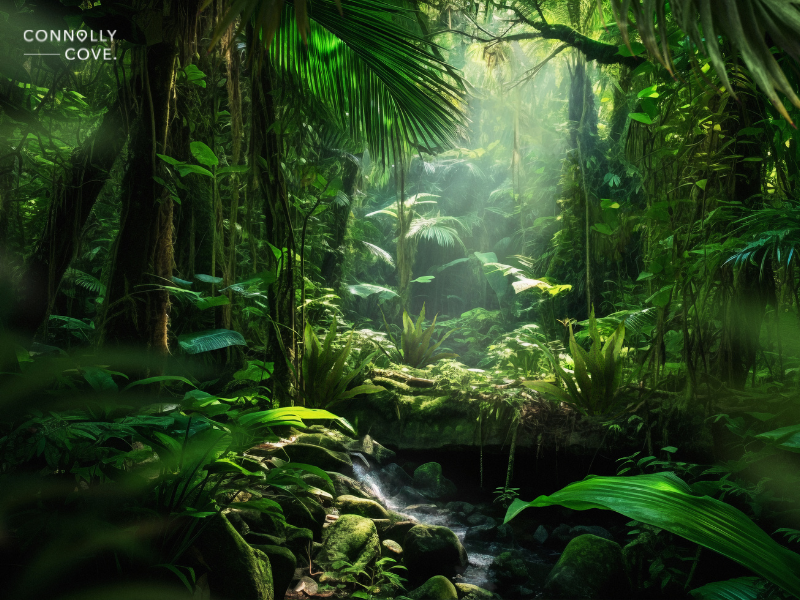
Irish forests are more than just scenic backdrops; they are vital ecosystems, playing a crucial role in the island’s well-being. They provide a sanctuary for diverse species, from majestic red deer and playful otters to the elusive pine marten and the vibrant songbird chorus. They act as natural filters, purifying the air and water we breathe and drink. In an era of climate change, they stand as guardians, absorbing carbon dioxide and mitigating its harmful effects.
Spectacular Irish Forests to Visit At Least Once In Your Lifetime
Walking through an Irish forest is not just a physical journey; it’s a chance to connect with the delicate balance of nature and appreciate the vital role these green havens play in our world. It’s an invitation to slow down, breathe deeply, and immerse yourself in the whispers of the rustling of leaves. So, explore the hidden gem of Ireland and discover the magic that awaits beneath the emerald canopy.
1. Killarney National Park – County Kerry
Killarney National Park, located in County Kerry, Ireland, is widely regarded as one of the most beautiful Irish forests. The park is near Killarney, in the country’s southeastern corner, spanning an impressive 26,000 acres.
Its extraordinary natural beauty, diverse ecosystems, and unique elements make it a must-visit destination for adventurous explorers. One of the distinctive features of Killarney National Park is its magnificent oak and yew woodlands. These ancient forests are home to a rich variety of flora and fauna, including rare and protected species.
The park is also renowned for its stunning lakes, including the famous Lakes of Killarney—Lough Leane, Muckross Lake, and Upper Lake. These immaculate bodies of water are surrounded by lush greenery and provide breathtaking views. The lakes offer boating, kayaking, and fishing opportunities, allowing visitors to experience the park from a different perspective while enjoying its serene ambience.
Whether taking a stroll along the lakeshore, embarking on a challenging hike, or enjoying a picnic amidst the stunning scenery, Killarney National Park offers many outdoor and nature lovers opportunities.
2. Wicklow Mountains National Park – County Wicklow
Wicklow Mountains National Park, located in County Wicklow just south of Dublin, is one of the captivating Irish forests renowned for its breathtaking beauty and diverse landscapes. One of the standout features of Wicklow Mountains National Park is its stunning forested areas. The park is home to extensive woodlands, including oak, birch, and pine forests, which create a picturesque setting.
The forests are alive with various flora and fauna, offering ample opportunities for wildlife spotting and birdwatching. Its scenic Glendalough Valley makes it one of the most prominent Irish forests. This glacial valley is nestled amidst the mountains, home to Glendalough’s ancient monastic settlement.
The ruins of the monastery, admire the intricately carved Celtic crosses and soak in the peaceful atmosphere of this historic site. The valley is also dotted with serene lakes, including the Upper and Lower Lakes of Glendalough, which add to the area’s natural allure.
Another notable feature of Wicklow Mountains National Park is the Powerscourt Waterfall, one of Ireland’s highest waterfalls, creating a mesmerising spectacle. The park’s rivers, such as the Avonmore and Avonbeg, are also fascinating waterways ideal for fishing and canoeing. Visitors can also revel in its historical and cultural richness as the park is dotted with ancient megalithic tombs, stone circles, and remains of early Christian settlements, providing glimpses into Ireland’s past.
3. Glenariff Forest Park – County Antrim
Glenariff Forest Park is among the most beautiful Irish forests, offering a unique blend of woodland charm and coastal beauty. It’s located in County Antrim, Northern Ireland, in the stunning Glens of Antrim and the Irish Sea. The vibrant flora and fauna within the forest add to its allure, with wildflowers, ferns, and mosses creating a tapestry of colours and textures.
One of the key features that sets Glenariff Forest Park apart is its pristine woodland areas. The park boasts lush, ancient forests teeming with native oak, birch, and beech trees. It’s also renowned for its stunning waterfalls, among Ireland’s most impressive. The park is home to the famous Glenariff Waterfalls Trail, a picturesque hiking route that takes visitors through cascading waterfalls nestled within a deep glen.
The park offers various walking and hiking trails, catering to different fitness levels and interests. From strolls along the riverbanks to more challenging hikes up the glens, there is something for everyone to enjoy. The park also features picnic areas, providing a perfect spot to chill and enjoy a meal amidst the scenic surroundings.
For those interested in wildlife, Glenariff Forest Park offers the opportunity to observe numerous bird species, including vultures, sparrowhawks, and even peregrine falcons. It’s also home to red squirrels, badgers, and other small mammals, adding to its ecological richness. Nature lovers can immerse themselves in the sights and sounds of the forest, observing the diverse wildlife that inhabits this natural haven.
4. Slieve Bloom Mountains – County Laois
The Slieve Bloom Mountains are often considered one of the most beautiful Irish forests. Situated in the midlands of Ireland, at the border of County Laois and County Offaly, these ancient mountains are characterised by their rolling hills, dense woodlands, and cascading streams, making them a true gem among Irish forests. Whether hiking, biking, or simply enjoying the tranquillity of nature, the Slieve Bloom Mountains has something for everyone.
One of the unique features of the Slieve Bloom Mountains is their extensive forest cover. The mountains are home to a mix of broadleaf and coniferous forests. These forests are a haven for wildlife, providing habitats for diverse species, including red squirrels, pine martens, and various bird species.
The Slieve Bloom Mountains exhibit the beauty of the Irish forests and offer a range of activities for visitors to enjoy. Hiking enthusiasts can embark on the Slieve Bloom Way, a long-distance trail traversing the mountains that provides breathtaking countryside views. Mountain biking and horse riding are also famous activities in the mountains.
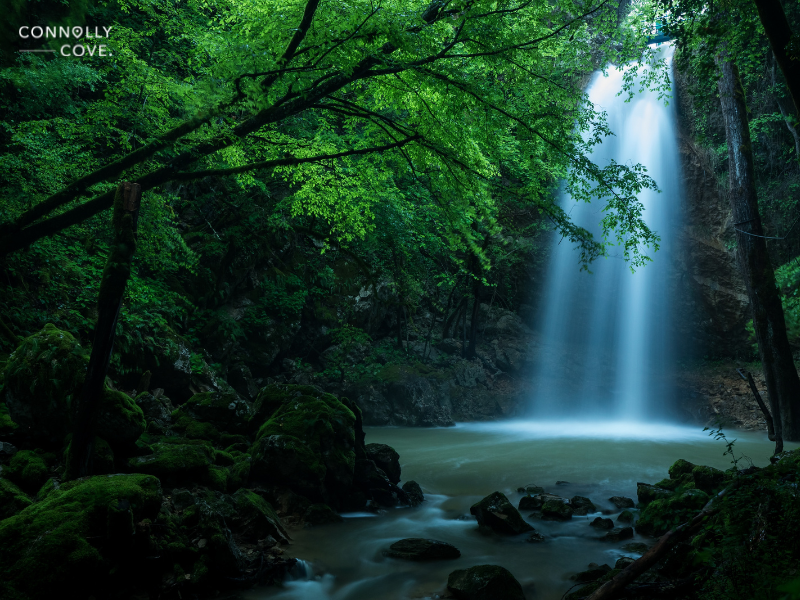
The Glenbarrow Waterfall, located in Glenbarrow Woods, highlights the Irish forest. This cascading waterfall, surrounded by lush greenery, creates a serene and mesmerising sight for those seeking a peaceful and rejuvenating experience. The mountains are also dotted with ancient historical sites, such as the ruins of monastic settlements and ringforts, showcasing the area’s rich cultural heritage.
5. Connemara National Park – County Galway
Situated in County Galway, Connemara National Park covers a vast area of rugged mountains, picturesque lakes, and expansive woodlands. It’s a true gem among Irish forests and a destination well-known for its spectacular natural beauty. The park is home to a mix of native woodlands that create a captivating tapestry of colours throughout the seasons.
The forests of Connemara National Park provide a serene and peaceful environment for nature lovers. The park’s location at the edge of the Atlantic Ocean adds to its allure, where visitors can enjoy breathtaking coastal views and explore the rugged coastline and stunning beaches, such as Glassilaun Beach and Mannin Bay.
Connemara National Park also boasts impressive mountains, with the peaks of the Twelve Bens mountain range dominating the skyline. The park’s highest peak, Benbaun, stands at an impressive height of 729 meters, providing panoramic views of the surrounding landscapes. Hiking trails in the park cater to different skill levels, allowing visitors to explore the mountains and immerse themselves in the wild beauty of Irish forests.
Connemara National Park is home to various wildlife and is known for its population of Connemara ponies, a native breed of pony that roams freely in the area. Visitors may also spot red deer, foxes, and various bird species. Also, picnic areas within the park are for relaxing and enjoying a meal in scenic surroundings.
6. Tollymore Forest Park – County Down
Tollymore Forest Park is often hailed as one of the most beautiful Irish forests; it’s located in County Down, Northern Ireland, nestled at the foot of the majestic Mourne Mountains. Established in 1955, it was the first state forest park in Northern Ireland, covering an expansive area of approximately 630 hectares, providing ample space for visitors to explore and discover its natural beauty.
The forest comprises various tree species, forming a diverse and enchanting woodland canopy. It’s also renowned for its striking natural features, including the cascading waterfalls and the meandering Shimna River. The park is home to the famous Shimna River Trail, a picturesque walking route that follows the river’s course. The waterfalls, such as the majestic Shimna Falls, provide visitors with a delightful sensory experience in the heart of the Irish forests.
The park’s location at the base of the Mourne Mountains contributes to its allure. Towering peaks like Slieve Donard offer a breathtaking backdrop to the forested landscapes. Visitors to Tollymore Forest Park can engage in various activities that allow them to appreciate its natural wonders fully. The park offers well-marked trails catering to different fitness levels and interests.
Tollymore Forest Park is also known for its cultural significance. The park is dotted with several historical and architectural gems, including the impressive Tollymore Forest Park House, which dates back to the 18th century. The park’s Gothic-style gatehouse, known as the “Stone Bridge,” is a prominent landmark that adds to the park’s unique character. Exploring these historical features adds a layer of fascination to the visitor experience.
So, venture beyond the bustling cities and charming towns the next time you find yourself in Ireland. Seek out the whispering woodlands, the mystical bogs, and the hidden glens. Let the Irish forests embrace you with their beauty, whisper their stories, and remind you of the magic that unfolds when nature and history intertwine.
Exploring Aillwee Caves in County Clare, Ireland
County Clare
01/05/2024
Visiting Glasgow | Ultimate Travel Guide
Scotland
01/05/2024
Discovering Ireland | Explore County Tyrone
County Tyrone
01/05/2024
10 Charming Irish Towns You Must Visit
Ireland
01/05/2024

The Art of Solomon’s Knot: Complete Guide
Culture Exploration
01/05/2024