


Exploring the Enchanting Towns in Ireland: Uncovering the Finest Hidden Gems
Updated On: April 22, 2024 by  Maha Yassin
Venturing into the enchanting towns of Ireland can often seem like a tasking endeavour, with countless hidden treasures awaiting discovery. Our initial trip was somewhat daunting; however, we soon recognised that each quaint town has a distinctive charm and allure that’s entirely its own.
This blog endeavours to provide you with an insightful guide to ten picturesque towns scattered throughout Ireland, from the vibrant hues of Adare in County Limerick to the historical grandeur of Strangford Castle, all meticulously selected for their relatively less-known status amongst mainstream travellers.
So, are you ready? Let’s embark on this journey together and uncover these splendid Irish havens’ rich secrets!
Key Takeaways
- Ireland is home to many picturesque and charming towns waiting to be explored.
- These hidden gems, such as Adare, Carnlough, Cobh, Dunmore East, Inistioge, and Westport
- Visitors can enjoy stunning landscapes, historical sites, local restaurants and pubs. They can indulge in various outdoor activities such as hiking, boating, swimming, or even just strolling around the beautiful land of the Emerald Isle.
- You do many activities throughout your journey in Irelan’s quaint little towns. From hanging out with the locals to visiting the historic sights, you won’t run out of things to do!
Uncovering the Hidden Gems of Ireland’s Enchanting Towns
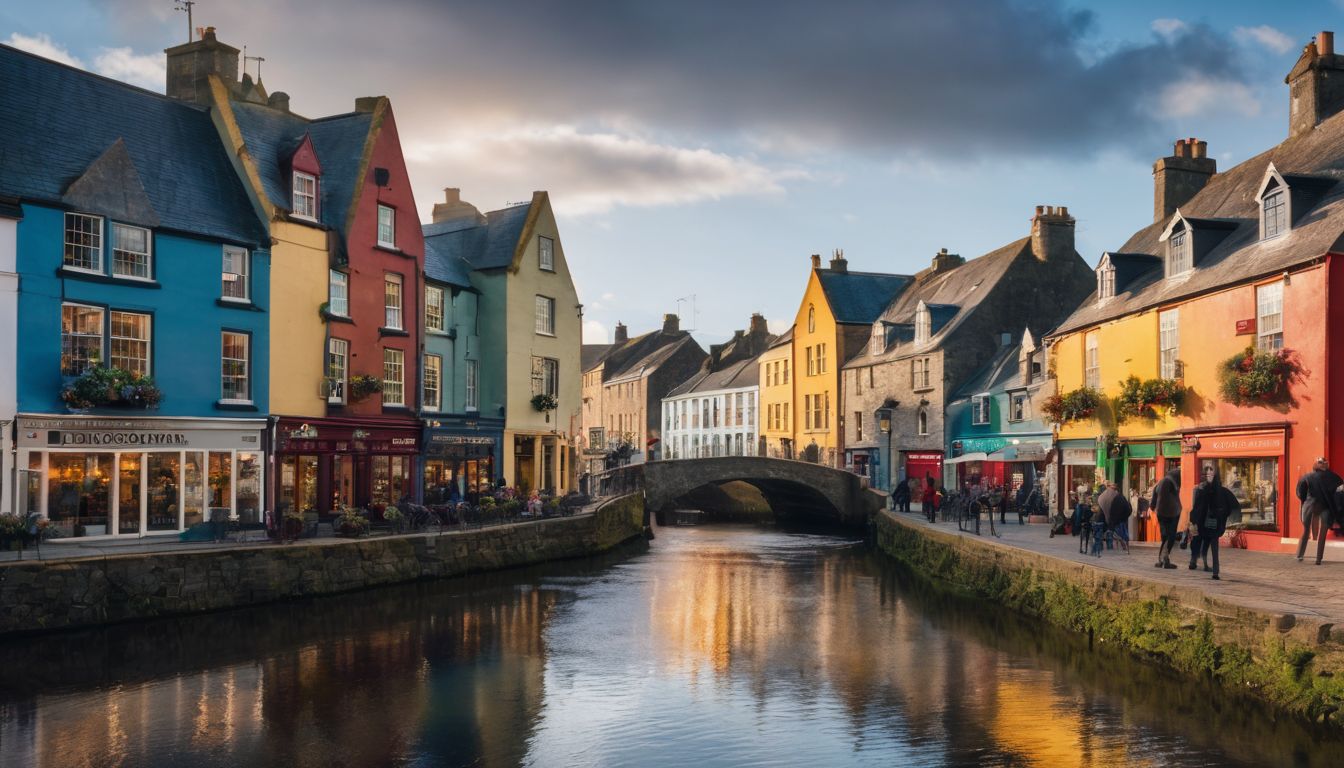
Ireland’s charm lies in its rolling hills, dramatic cliffs, and enchanting towns, each with its unique story. Imagine yourself wandering through beautiful cobblestone streets and vibrant seaside villages adorned with colourful houses overflowing with blooms. Breathe in the crisp sea air and listen to the melodic lilt of Irish folk music spilling from a nearby pub, feeling transported to a world steeped in magic and charm.
The Emerald Isle is full of gorgeous picturesque towns worth visiting and basking in their endless charm. We will introduce you to ten of the most enchanting towns you must visit in Ireland! These hidden gems are not to be missed!
Adare: A Picture-Perfect Village in County Limerick
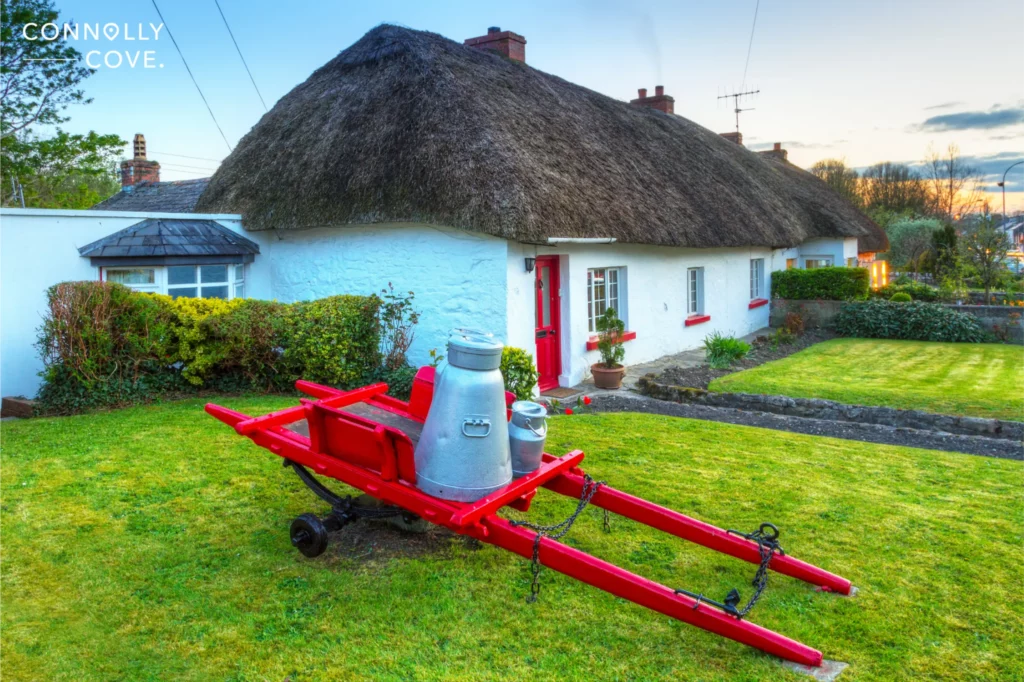
Adare, nestled in the heart of County Limerick, is a village that enchants all who visit. Imagine yourself wandering through a scene from a storybook, with charming thatched-roof cottages adorned with colourful flowers lining the streets. The gentle murmur of the River Maigue provides a soothing soundtrack as you explore the village’s hidden gems.
Step back to the 13th-century Adare Manor, a magnificent historic castle. Explore the manicured gardens and admire the breathtaking views of the surrounding countryside. Adare’s beauty extends beyond its historical sites. Indulge in a stroll along the banks of the River Maigue, or take a scenic drive through the rolling green hills surrounding the village.
Whether you’re seeking a romantic getaway, a family adventure, or a solo exploration, Adare is one of the most beautiful towns in Ireland. Its unique blend of historical charm, natural beauty, and vibrant culture makes it a truly unforgettable destination.
Carnlough: A Coastal Gem in County Antrim
Nestled along the stunning Antrim Coast, Carnlough is one of the most charming towns in Ireland that offers a captivating blend of natural beauty, historical intrigue, and vibrant culture.
Imagine strolling along the picturesque harbour, watching fishing boats bob gently on the turquoise waters. The salty air fills your lungs as you gaze upon the dramatic cliffs that hug the coastline, their weathered faces whispering tales of centuries past. If you’re a history lover, you don’t miss visiting Glenarm Castle, a magnificent 17th-century mansion nestled amidst sprawling gardens and woodlands.
People with a sense of adventure can hike along the Carnlough Coastal Trail, breathing in the fresh sea air and marvelling at the breathtaking panoramas. Take a moment to soak in the serenity of the hidden coves and secluded beaches, or challenge yourself to a thrilling climb to the top of Carnlough Mountain for unparalleled coastline views.
Carnlough is more than just a beautiful village; it’s a place where history whispers in the wind, nature unfolds its breathtaking beauty, and the warmth of Irish culture welcomes you with open arms.
Cobh: Where History and Beauty Collide in Cork
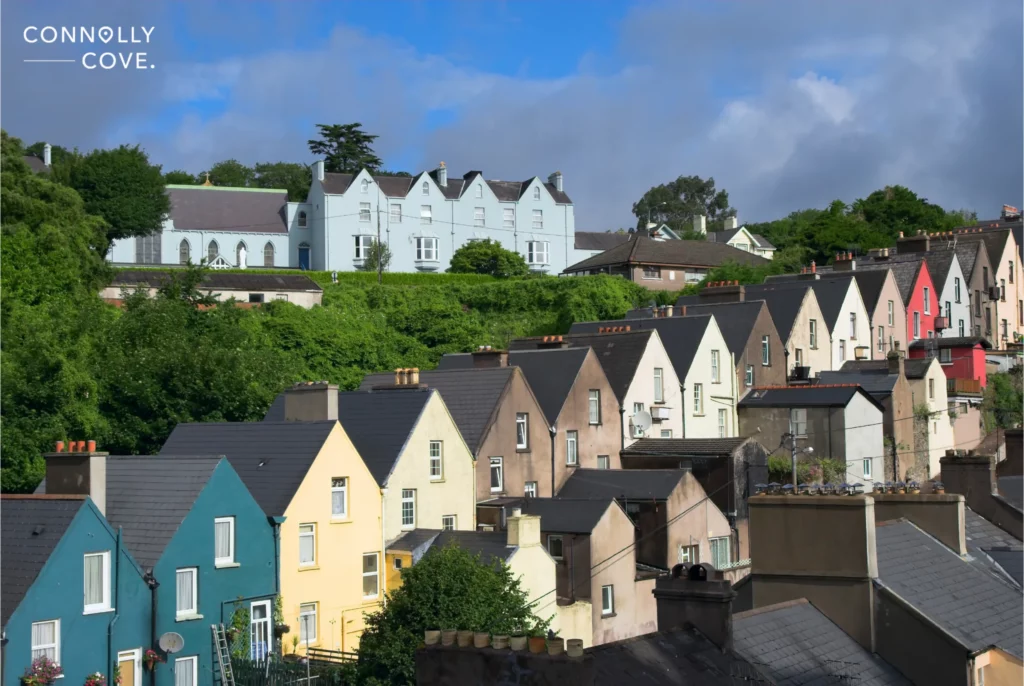
Cobh, nestled on the southern coast of County Cork, is a charming town that boasts a rich history and captivating beauty. Imagine yourself strolling along the colourful waterfront, with Victorian-era buildings lining the streets and the harbour bustling with activity. Cobh’s vibrant atmosphere is a captivating blend of historic charm and contemporary energy.
Indulge in a delicious meal at one of Cobh’s many waterfront restaurants. Sample fresh seafood caught locally, or enjoy a traditional Irish stew with a pint of Guinness. Watch the sunset paint the sky in vibrant hues as you savour the local flavours and soak in the lively atmosphere.
You can also take a scenic walk along the Lusitania Memorial Park, paying tribute to the victims of the First World War maritime tragedy. Many coastal towns in Ireland are breathtakingly beautiful, but Cobh has its charm, making it a top choice for travellers looking for a hidden gem.
Dunmore East: A Charming Fishing Village in Waterford
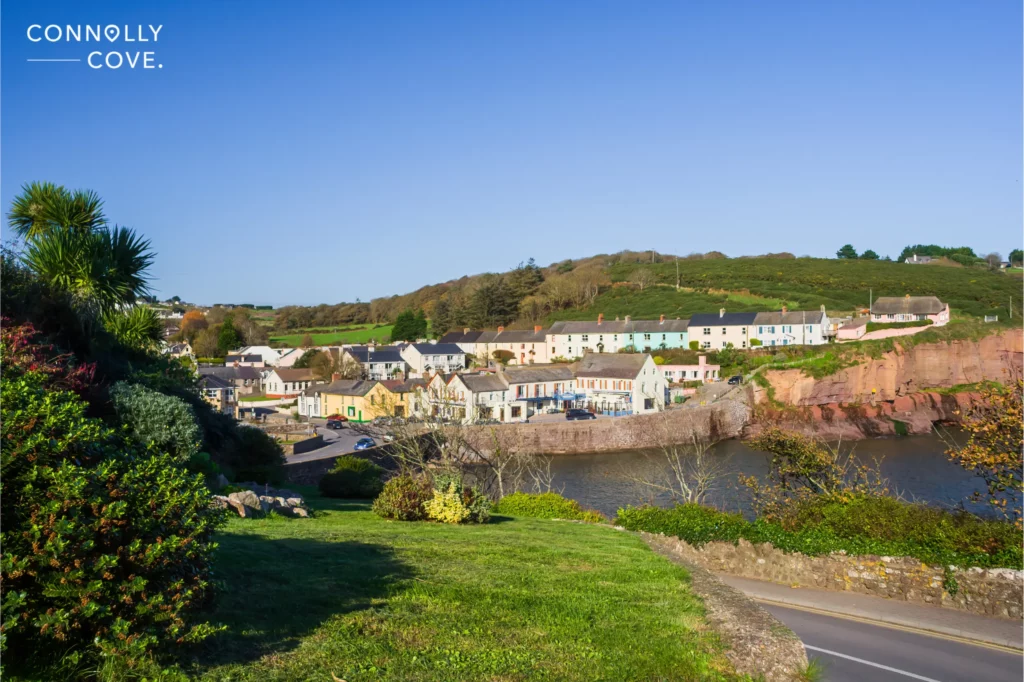
Dunmore East, nestled on the rugged Waterford coastline, is a charming fishing village that captures the essence of coastal Ireland. With a beautiful, colourful harbour lined with brightly painted boats and bustling with fishermen, Dunmore is the perfect seaside town you don’t want to miss!
The air is filled with the salty scent of the sea and the melodic cries of seagulls, creating a scene straight out of a postcard. The fresh seafood at one of the many harborside restaurants will make your taste buds cry in relief! Venture beyond the harbour and explore the village’s charming streets, lined with quaint shops selling local crafts and souvenirs. Discover hidden alleyways adorned with vibrant murals and stumble upon historical gems like the 16th-century Dunmore East Castle, perched on a hilltop overlooking the village.
Dunmore East is more than just a pretty coastal village; it’s where time seems to slow down, and Ireland’s natural beauty surrounds you in every corner.
Inistioge: A Timeless Enchantment in Kilkenny
Nestled in the heart of County Kilkenny, Inistioge is a charming town in Ireland that embodies the timeless beauty of Ireland. Imagine strolling along the banks of the River Nore, with its crystal-clear waters reflecting the vibrant green hills surrounding the village. The air is filled with the soothing sounds of birdsong and the gentle murmur of the river, creating a sense of peace and tranquillity.
Inistioge’s rich history is evident in its architectural gems. Stroll through the 18th-century Woodstock Gardens, a masterpiece of landscape design featuring tranquil ponds, cascading waterfalls, and hidden grottos. Explore the ruins of Duiske Abbey, a Cistercian monastery dating back to the 13th century, and let your imagination wander through the centuries.
Inistioge is a village that offers something for everyone. Whether you’re seeking historical intrigue, natural beauty, or a taste of Irish culture, Inistioge will leave you feeling enchanted and longing for more.
Westport: Where Adventure Meets Charm in Mayo
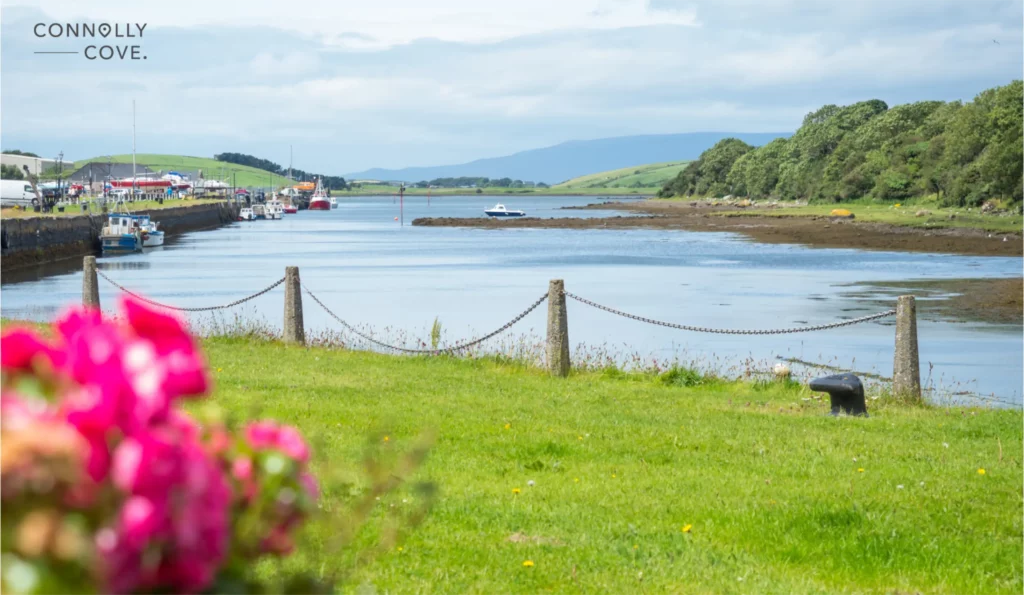
Nestled on the stunning West Coast of Ireland, Westport is a vibrant town that offers a unique blend of captivating scenery, historical charm, and outdoor adventure. History buffs will be delighted by the 13th-century Westport House, a magnificent estate with opulent interiors and expansive gardens. Explore the intriguing Westport Quay, where you can learn about the town’s rich maritime heritage and even take a scenic boat tour on Clew Bay.
With its dramatic coastline and rugged mountains, Westport is a paradise for outdoor enthusiasts. Hike along the breathtaking Great Western Greenway, a 42km cycling and walking trail that offers stunning views of the Atlantic Ocean. For a thrilling experience, try kayaking or stand-up paddleboarding on the sheltered waters of Clew Bay.
Whether seeking a relaxing getaway or an action-packed adventure, Westport has something for everyone. With its breathtaking scenery, rich history, and vibrant culture, this charming town will leave you feeling enchanted and longing for more.
Doolin: A Wild Village in County Clare
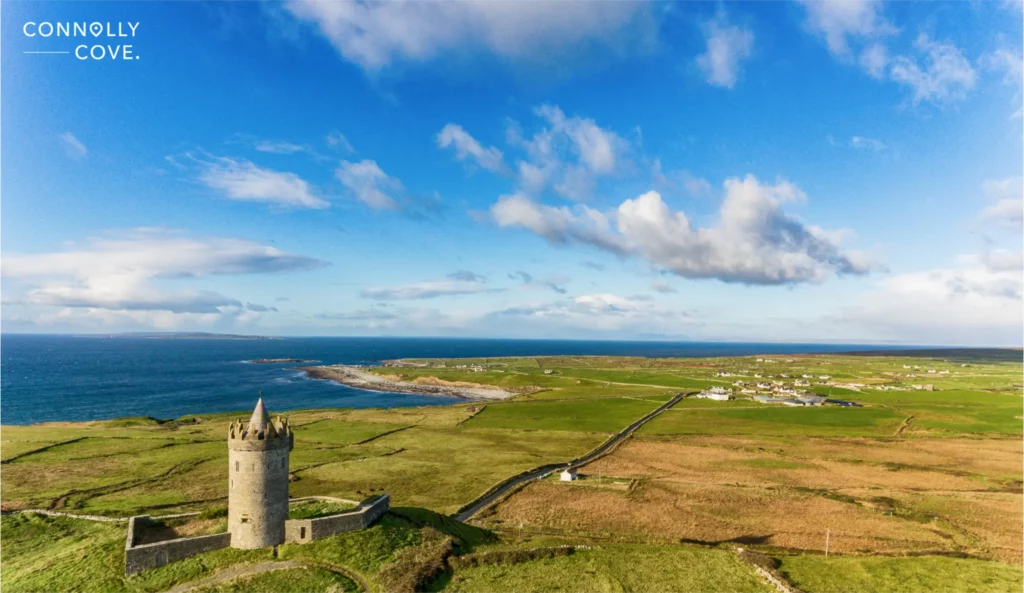
Nestled along the rugged Clare coast, Doolin is a village that captures the essence of wild and untamed Ireland. Imagine yourself standing on the windswept cliffs of Doolin Point, gazing upon the crashing waves of the Atlantic Ocean as they lash against the dramatic coastline.
In Doolin’s cosy pubs, visitors can enjoy traditional Irish music sessions that make you tap your feet and feel the rhythm in your soul. Nature enthusiasts can explore the stunning landscapes surrounding Doolin on scenic hikes or take a boat trip to experience the rugged beauty of the Aran Islands.
With its warm community spirit and natural wonders waiting to be discovered, Doolin is truly a magical destination for all who visit Ireland. So, pack your bags and embark on a journey to Doolin, where you’ll create memories that will last a lifetime.
Strangford Lough: A Magical Kingdom of Nature and History
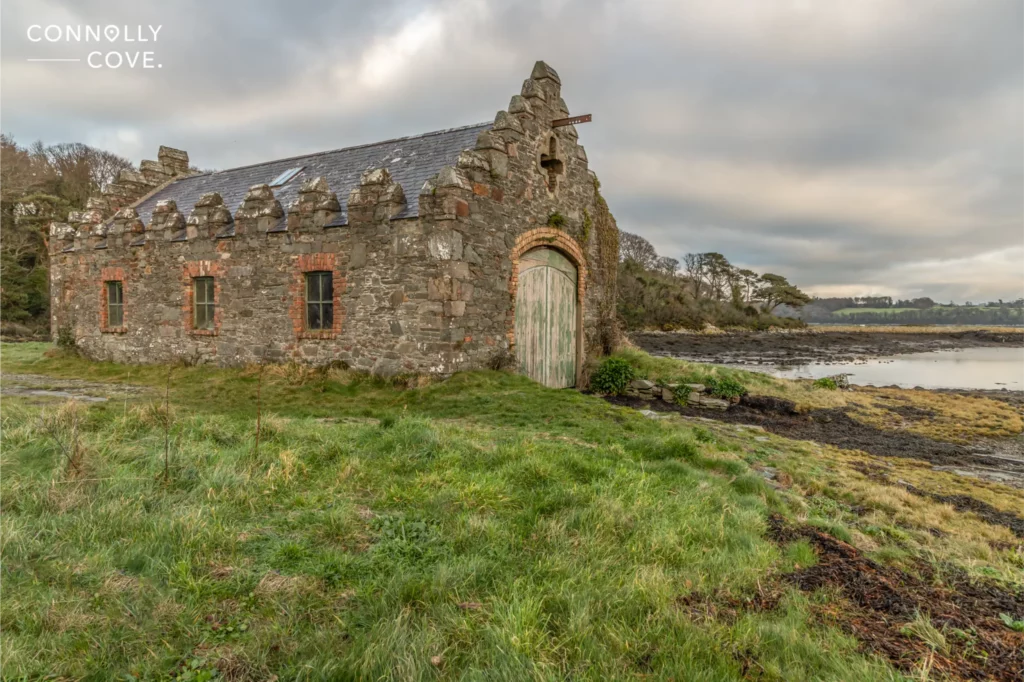
In County Down, Northern Ireland, Strangford Lough is an enchanting haven of natural beauty and rich history. This sparkling body of water, the largest inlet in the British Isles, is a haven for wildlife, with over 250 bird species making it their home.
From birdwatching to kayaking, plenty of outdoor activities can be enjoyed here. History enthusiasts can explore the ruins of ancient castles, like the 16th-century Strangford Castle, perched on the edge of the water, or the 12th-century Grey Abbey, a magnificent example of medieval architecture. For a truly unique experience, take a boat trip to the secluded islands dotting the lough and discover the enchanting beauty of Castle Ward.
From exploring the vast lands of Strangford to eating the most delicious seafood at the many restaurants and pubs that dor the town, your trip to Strangford Lough will be remembered.
Broughshane: A Tranquil Village in the Antrim Countryside
Amidst rolling hills and verdant farmland in County Antrim lies Broughshane, a charming village that exudes tranquillity and old-world charm. Its quaint streets are lined with traditional stone cottages adorned with colourful flowers, while the gentle River Braid flows peacefully through its heart. As you stroll through the village, you’ll be greeted by the friendly smiles of locals and the soothing sound of birdsong, creating a sense of peace and serenity.
Beyond its picturesque beauty, Broughshane boasts a rich history dating back centuries. Explore the ruins of Broughshane Old Church, a 12th-century church that is a testament to the village’s early Christian roots. Immerse yourself in the fascinating stories and legends of the past at the Broughshane Museum, where a collection of artefacts and exhibits sheds light on the village’s rich agricultural heritage.
Whether you’re seeking a peaceful escape from the hustle and bustle of everyday life or a charming base for exploring the wonders of County Antrim, Broughshane offers a unique and unforgettable experience.
Ardara (Donegal)
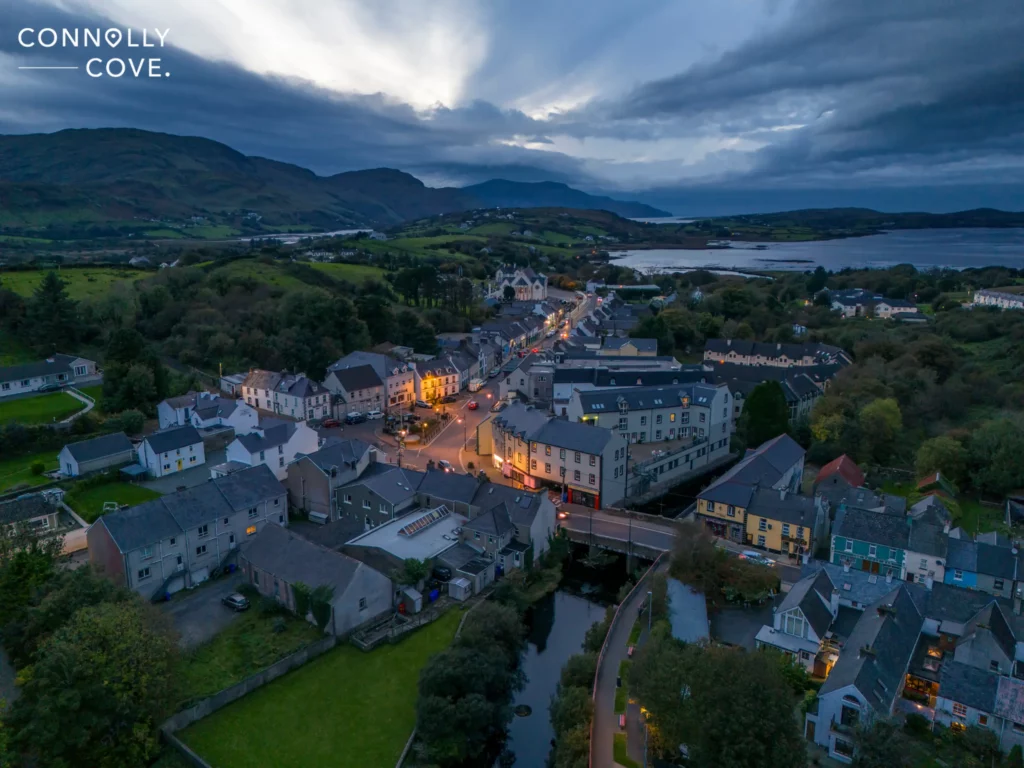
Ardara is a charming village that blends rich Irish tradition with breathtaking natural landscapes. Imagine strolling along the narrow streets lined with brightly painted houses, their windows adorned with handcrafted woollen goods and vibrant flowers. The air is filled with the rhythmic click-clack of handlooms and the lively chatter of locals, creating a unique and welcoming atmosphere.
Ardara is renowned for its centuries-old tradition of tweed weaving. Visit the Donegal Tweed Centre and witness the age-old craft firsthand, from the raw wool dyed and spun to the skilled weavers creating intricate patterns on their looms. In the evenings, soak up the warm atmosphere of a traditional Irish pub. Enjoy a pint of Guinness or a glass of local whiskey while listening to the soulful melodies of Irish folk music.
Ardara is where you can unwind and reconnect with life’s simple pleasures. So, pack your bags and embark on a journey to Ardara, where you’ll discover a hidden gem in the heart of the Emerald Isle.
Creating a Magical Experience in the Towns of Ireland
You can get to many things in the charming towns of Ireland. From immersing yourself in the local culture and traditions, savouring traditional Irish cuisine, exploring hidden trails and natural landscapes, participating in lively festivals and events, and staying in charming bed and breakfasts or boutique hotels. Let’s explore all the fun activities you do in an Irish town.
Experiencing Local Culture and Traditions
Immersing yourself in the local culture and traditions is a must when exploring the enchanting towns of Ireland. From traditional Irish music sessions in cosy pubs to lively festivals celebrating age-old customs, there are plenty of opportunities to experience the rich heritage of this beautiful country.
Take part in a traditional Irish dance class or attend a Gaelic football match to witness the passion for sports. Interacting with friendly locals will also give you insight into their way of life and make your trip even more memorable. Capture these special moments with stunning photographs that will remind you of your time immersing yourself in Ireland’s vibrant culture and traditions.
Trying Traditional Irish Cuisine
One of the highlights of visiting Ireland is the opportunity to try traditional Irish cuisine. From hearty stews to fresh seafood, there’s something for everyone’s taste buds. As a foodie, you can indulge in dishes like Irish stew made with tender lamb and root vegetables or savour a plate of creamy colcannon, which combines mashed potatoes and kale.
Don’t forget to sample the world-famous Irish soda bread, with its rustic texture and slight sweetness. You can find all sorts of traditional Irish dishes in restaurants and pubs in all of the towns in Ireland.
Exploring Hidden Trails and Natural Landscapes
When exploring the enchanting towns of Ireland, one must not overlook the hidden trails and natural landscapes that await. For nature lovers and outdoor enthusiasts, these trails offer a chance to immerse oneself in the breathtaking beauty of the Irish countryside.
From rugged coastal paths to peaceful forest walks, there are endless opportunities to discover hidden gems along these trails. Whether hiking through the stunning Connemara National Park or strolling along the scenic Causeway Coast Way, you’ll be surrounded by picturesque scenery at every turn.
Participating in Local Festivals and Events
You will love immersing yourself in the vibrant culture of Ireland by participating in the local festivals and events. Something exciting always happens in these enchanting towns, from traditional music festivals to lively street parades.
The St. Patrick’s Day celebrations are a must-see, with colourful parades and lively music filling the streets. Foodies will enjoy the Galway International Oyster Festival, where you can sample delicious seafood while listening to live music. History buffs can delve into the past at medieval reenactments or heritage festivals that bring ancient stories to life.
Taking a Guided Tour or Hiring a Local Guide
One of the best ways to fully experience and uncover the hidden gems of Ireland’s enchanting towns is by taking a guided tour or hiring a local guide. They can provide valuable insights into each town’s history, culture, and traditions, offering a deeper understanding of the places you visit.
A knowledgeable guide can take you off the beaten path and show you secret spots tourists often miss. They know all the best viewpoints, local eateries, and hidden trails that showcase the true beauty of Ireland’s countryside.
Staying in a Quaint Bed and Breakfast or Boutique Hotel
Of course, big fancy hotels are great; no one can argue! However, small charming Bed and Breakfasts are the best options to indulge in the town’s vibes. These lovely accommodations offer a unique and cosy experience that you won’t find in larger hotels.
They are often located in picturesque towns and villages, allowing you to immerse yourself in the local atmosphere. From traditional Irish cottages to elegant guesthouses, there are plenty of options. The friendly hosts make you feel at home, and the rooms are usually comfortable and tastefully decorated.
Plus, waking up to a delicious homemade breakfast is a bonus! So, suppose you’re looking for a more personalised and authentic stay during your trip to Ireland. In that case, we highly recommend considering a quaint bed and breakfast or boutique hotel as your accommodation choice.
Visiting Historic Landmarks and Ancient Ruins
As you explore the enchanting towns of Ireland, you won’t be able to resist visiting its historic landmarks and ancient ruins. These sites hold a rich history and offer a glimpse into Ireland’s past. From majestic castles to mystical stone circles, something is fascinating about walking in the footsteps of those who came before us.
One such landmark is the iconic Rock of Cashel in County Tipperary. This ancient fortress sits atop a limestone outcrop and dates back to the 4th century. Another must-visit site is Newgrange in County Meath. This prehistoric monument predates Stonehenge and Egypt’s pyramids, making it awe-inspiring.
Throughout your journey, you will also encounter countless ruined abbeys that dot the Irish countryside. These monastic ruins tell stories of monks seeking solitude amidst lush green landscapes centuries ago.
Shopping for Unique Local Products and Crafts
You’ll love exploring the enchanting towns in Ireland and discovering their hidden gems. But one of the best activities is shopping for unique local products and crafts! Each town has distinct offerings, from handmade jewellery and clothing to traditional Irish crafts like pottery and woodwork.
It’s a great way to support local artisans and take home a special souvenir that you won’t find anywhere else. The markets and boutiques in these towns are filled with treasures waiting to be discovered, making it a must-do activity for everyone lucky enough to visit the charming towns of Ireland.
In conclusion, exploring the enchanting towns in Ireland and uncovering its finest hidden gems is a truly magical experience. From the colourful streets of Kinsale to the breathtaking landscapes of Murlough Bay and Slieve League Cliffs, there are endless treasures to discover. Whether you’ll be travelling solo or with family, these charming Irish towns offer something for everyone. So pack your bags and embark on an unforgettable journey through the hidden gems of Ireland’s countryside.
FAQs
What is it like exploring the enchanting towns in Ireland?
Exploring the enchanting towns of Ireland lets you uncover hidden treasures and gems. You get to see picturesque, charming Irish towns and quaint villages with lots of history.
Can you find lesser-known places when touring Ireland’s small towns?
Yes, when touring small towns and counties in Ireland, you can find many beautiful, lesser-known places that are real hidden gems in the countryside. Ask the locals where they like to hang out and about the best places to visit. They will be happy to help you have a unique and genuine experience of the town.
Why should we visit historical towns in Ireland?
Visiting historical Irish towns gives you a feel for authentic Irish village life while letting you discover its charm along with famous spots.
How can we explore the beauty of rural areas in Ireland?
To fully explore the beauty of rural areas in this country, look at well-loved Irish cities and less crowded but still lovely small towns to live or tour around while visiting there.
Are all pretty sites focused on tourism alone within these historic Irish locations?
Not necessarily! Besides tourism-focused sights, countless charming unknown spots offer visitors an original experience, even within famous Irish locales.
Exploring Aillwee Caves in County Clare, Ireland
County Clare
01/05/2024
Visiting Glasgow | Ultimate Travel Guide
Scotland
01/05/2024
Discovering Ireland | Explore County Tyrone
County Tyrone
01/05/2024
10 Charming Irish Towns You Must Visit
Ireland
01/05/2024

The Art of Solomon’s Knot: Complete Guide
Culture Exploration
02/05/2024