


Top 10 Incredible Irish Instruments for You!
Updated On: April 22, 2024 by  Ciaran Connolly
Ireland is a small island off the coast of mainland Europe. Ireland is also renowned for producing some of the world’s greatest Irish instruments. Irish culture is both joyous and mournful thanks to the nation’s contribution to world culture. Despite this, Irish culture has enriched the lives of millions across the globe.
Irish Instruments
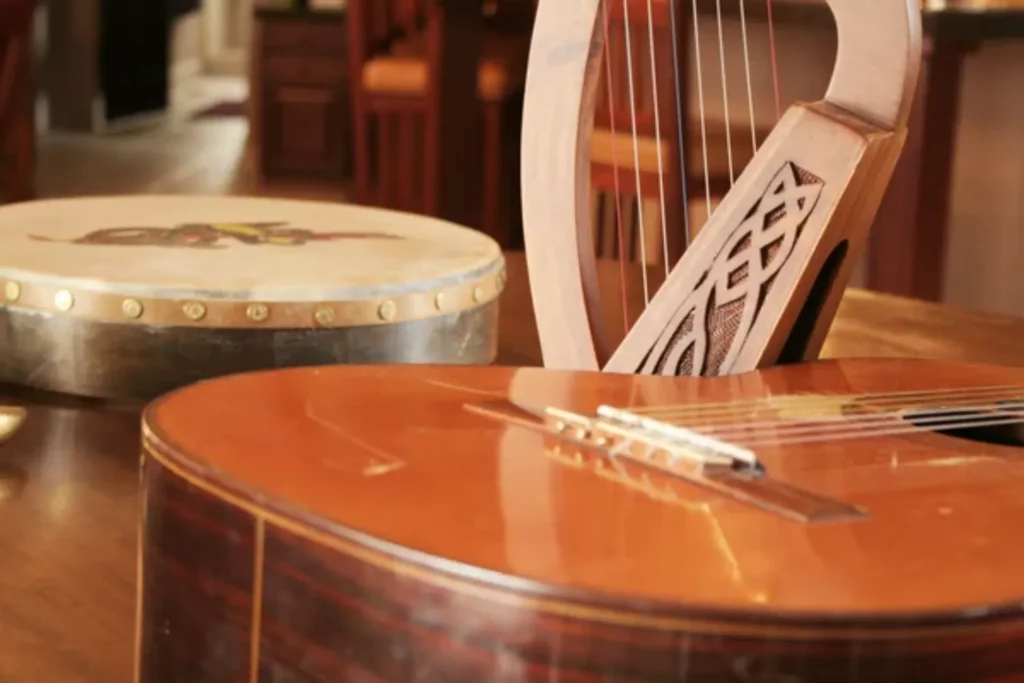
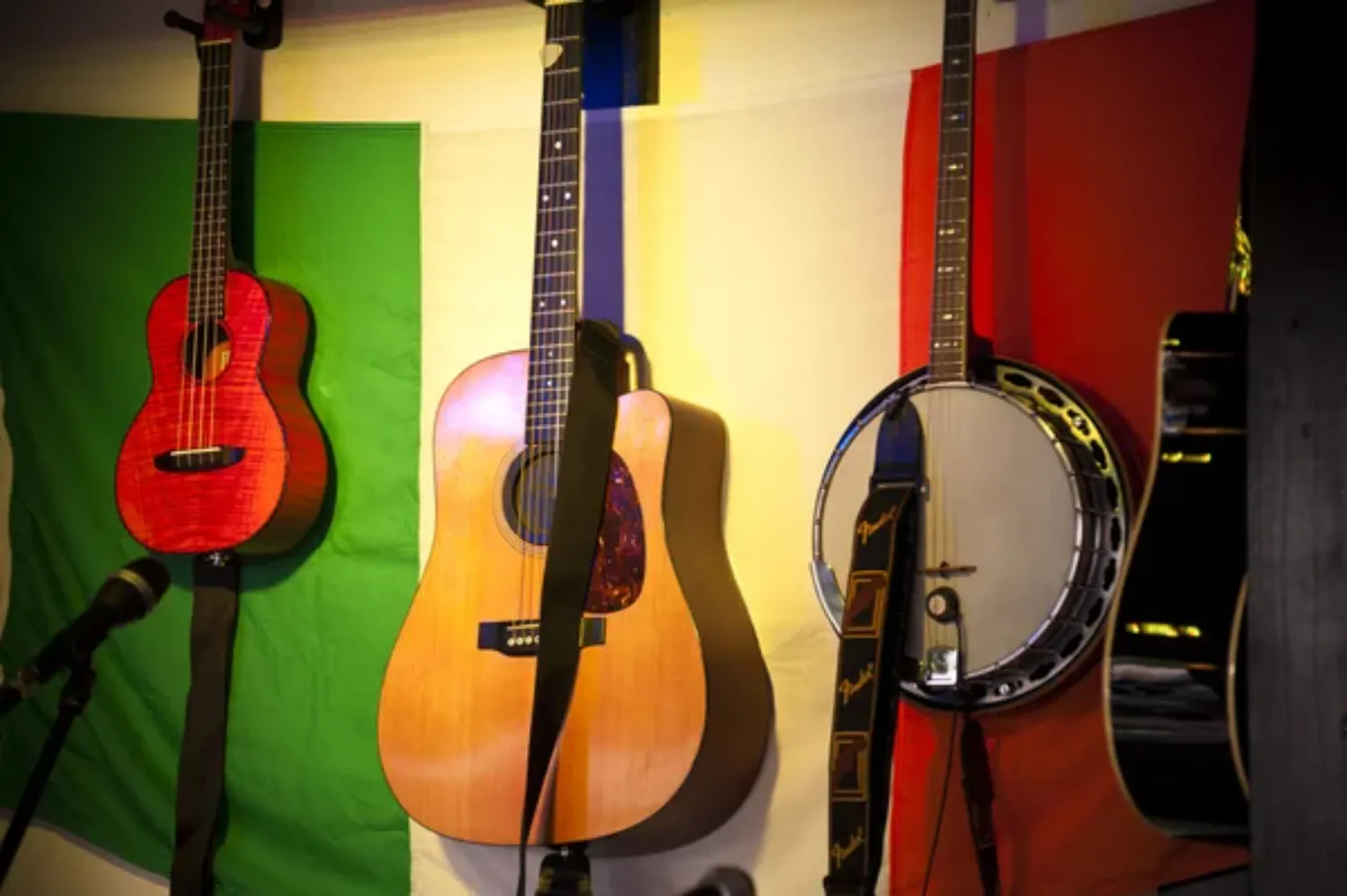
Irish musical instruments are original and have a unique sound. Many Irish traditional tools are made from natural materials such as wood, leather and metal. Musicians used these materials to create a wide variety of sounds. Examples of these instruments include the Irish harp, uilleann pipes, tin whistle and bodhran drum.
These instruments were played together by an ensemble of musicians to create harmony and rhythm. The fiddle was also an essential instrument in Irish music. It was used to create a lively tune that could dance people off their feet. Many traditional Irish instruments are played together to create a multi-part sound.
The Irish love for music has crossed seas and continents to be heard today. For example, the Irish harp is one of the oldest musical instruments in the world. It is part of Ireland’s national heritage and has been played for thousands of years.
Many Irish traditional instruments are used for martial purposes, such as the bagpipes, tin whistle, fiddle and bodhran drum. The bagpipes were often used during wars by Scottish and Irish armies. They were also popular with military bands around Europe during World Wars I and II.
The Irish love for music has spread far and wide since its creation centuries ago. Many famous composers have used Irish themes in their work to bring this music to life.
1) Accordions
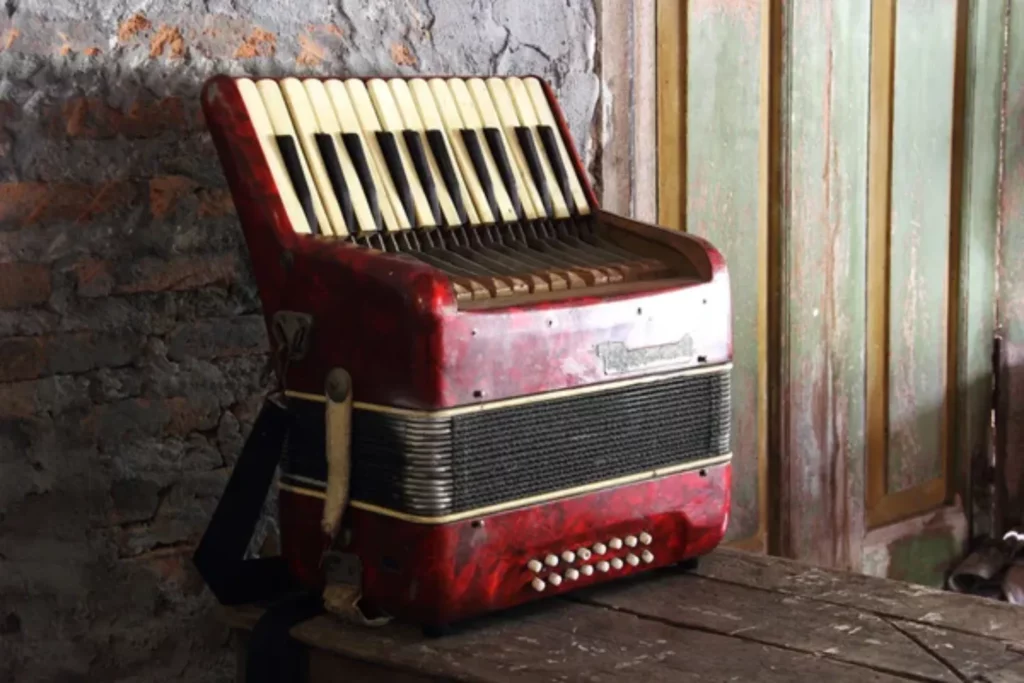
An accordion is similar to a harmonium but is much more compact. It has an outer case with buttons, bellows and an internal mechanism with reeds and valves. A set of keys opens and closes these valves to control how air flows through the instrument. The player then compresses and decompresses the bellows to make sounds with the reeds. The instrument’s name comes from the combination of “add” and “concert.” It’s also sometimes called a concertina.
To play the accordion, the player uses their fingers to push buttons and control airflow through the bellows. They then use their other hand to compress and decompress. This creates sound through the reeds and valves inside the accordion. Musicians use this sound to play songs for live audiences. There are many different types of accordions available for purchase. Some are made for musicians to play in symphonies or on stage. Others are made for casual players and include fewer features.
Serious musicians should look for a chromatic accordion that provides for all 12 notes in western music. This allows them to play in any key without having to retune their instrument. However, you should be aware that an accordion is a delicate instrument that requires careful maintenance.
2) Low Whistle
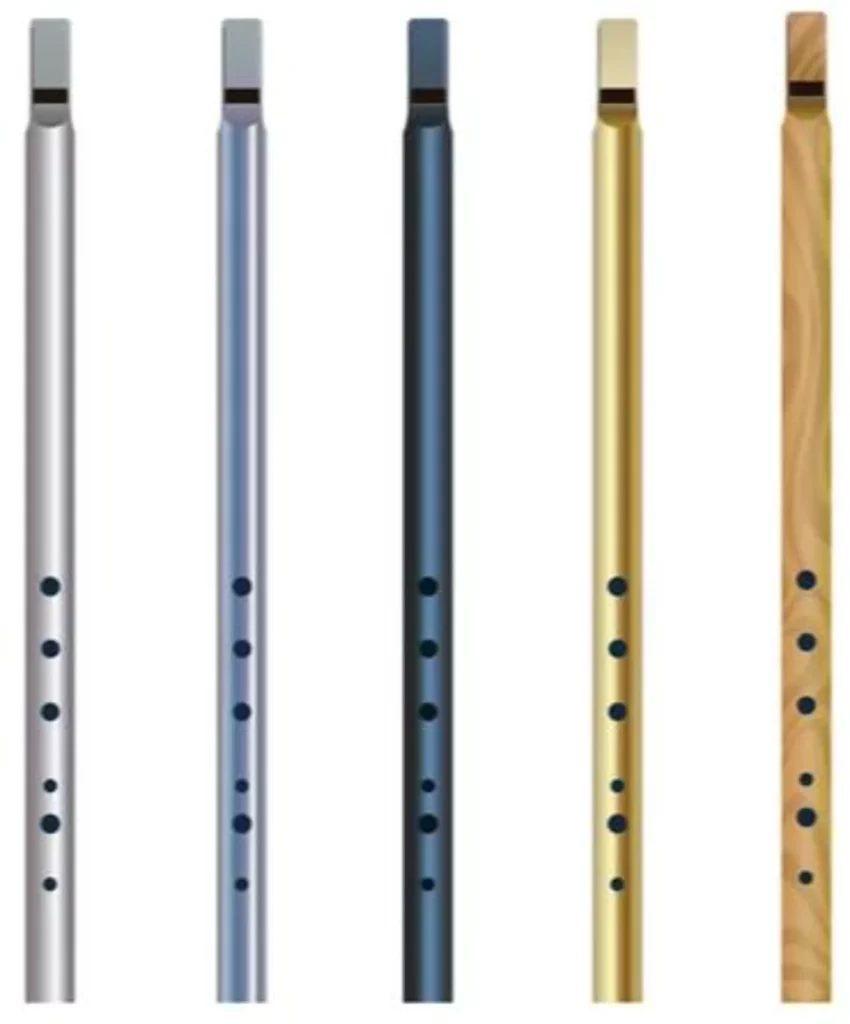
The Irish low whistle is a half-tube instrument played with a mouthpiece and a barrel. The representative plays the tune while the barrel adds depth to the sound. The whistle is held upright with the voice pointing up. It’s played with the thumbs and fingers of both hands. This creates the notes needed to produce music. The Irish low whistle is also known as the penny or highland whistle.
The Irish low whistle plays traditional Irish music and classical pieces. The primary purpose of the low whistle is to play folk tunes or dance music. It’s also used to play jigs, reels, hornpipes, marches, slow airs and hymns. There are many variations of the low whistle: highland or low Scottish whistles. They’re played in the same style as their Irish counterparts but have different sound quality. This is because they’re played with an open mouth instead of a mouthpiece.
The main characteristic of the Irish low whistle is its versatility in creating sounds. It has a wide range of notes- from A3 to D6- and can create various sounds, such as birdcalls, animal noises and other natural sounds. It can also imitate other instruments, such as flutes, guitars and drums. Furthermore, there are several ways to play the instrument and execute certain sounds. The player can use circular motions with their fingers to change the pitch of a note or use the thumbs for fast-paced rhythms.
Musicians use their creativity when playing the instrument by creating music. They often collaborate with other devices, such as bagpipes and fiddles, to form unique pieces of music. The Irish low whistle is also played in various genres such as country, jazz, Celtic and pop rock. All these elements make the Irish low whistle an essential part of modern music. While challenging to play, the low whistle is popular among musicians in Ireland and abroad.
3) Tin Whistle
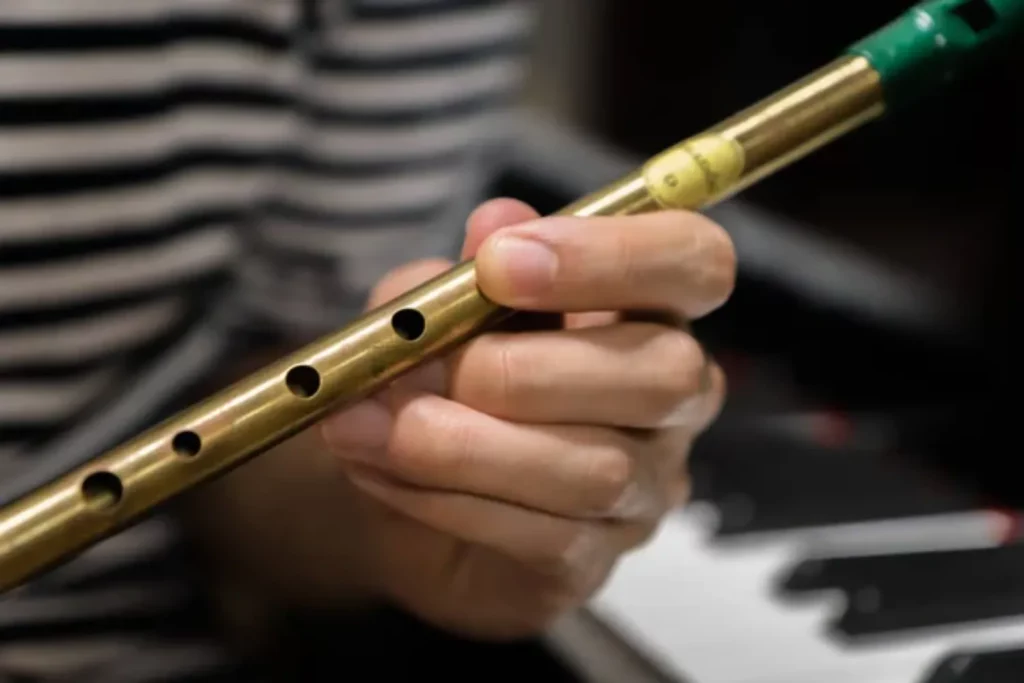
The tin whistle is a traditional Irish instrument played by many generations of people all over the world. It’s an easy-to-play instrument that produces a beautiful tone when played correctly. Plus, the tin whistle is an iconic symbol of Irish heritage. The Irish tin whistle is a simple instrument made from a pipe of tapered holes and wood blocks. It has a cylindrical shape and is played by blowing into the end of the tube while covering and uncovering certain spots with your fingers.
Early tin whistles were made from metal, but modern versions are mostly plastic since they’re easier to play. You can find them in any music store or online. To play the tin whistle, you’ll need to tune it by adjusting the length of the metal pipe inside the wooden block. Then, you can test your whistle and ensure it produces the right notes. Playing the tin whistle requires having a musical ear to understand the messages as you blow through the instrument. After that, you can practise blowing through one hole at a time and then two. Soon you’ll be able to play tunes on your new instrument!
The tin whistle is a reasonably versatile instrument with many possible genres of music. It’s often used in Irish traditional and folk music, jazz, classical and rock styles. One famous example of a tin whistle used in popular culture is in Harry Potter movies when Hedwig’s tune is played on a tin whistle in each film. In addition, some tin whistles can be used to play non-musical sounds like birdcalls or animal noises. This is particularly effective during Halloween when scary monsters are on the prowl. The name comes from the instrument’s earliest form: a whistle made from tin.
The first tin whistles were made from old food containers or used cooking utensils. Regardless of the material, the name soon became a generic term for this type of instrument. The Irish tin whistle was used to teach children patriotic songs during the Irish National Revival in the late 1800s; this was done to instil national pride in the citizens of Ireland. The Irish tin whistle is an iconic symbol of Irish heritage and a beloved musical instrument for people worldwide. It’s easy to play and produces a beautiful tone when played correctly. Plus, it’s used in many music genres and can even play non-musical sounds like birdcalls or animal noises.
4) Irish Flute
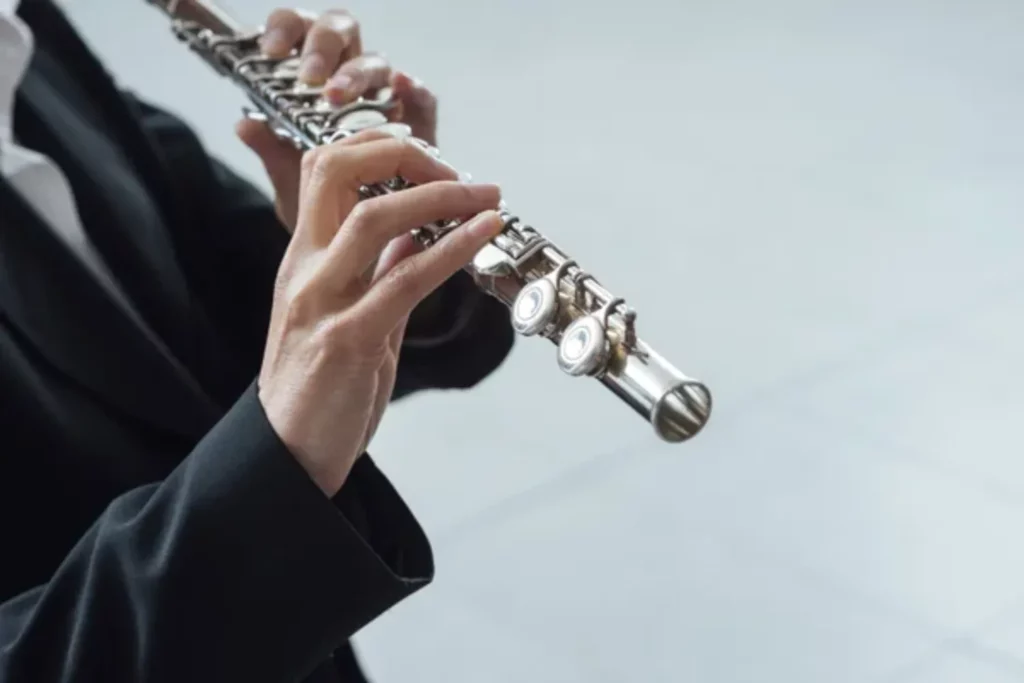
A flute produces a soft, dreamy sound. It is made up of several tubes of varying sizes. Playing the flute is tricky but rewarding- it’s an excellent way to express emotions or create music. Playing the flute is challenging but not impossible. A flute is made up of several tubes of varying lengths and diameters. Each end of the box has a hole that the player uses to create music. Each hole creates a different tone, which leads to a wide range of musical abilities.
The body holds the flute together and directs the air inside the instrument. The mouthpiece is contained in the player’s mouth and controls the air blown into the flute. The foot directs the air travelling through the body of the instrument. This creates the sounds that makeup music. Playing any musical instrument is difficult, but playing the flute is particularly challenging. Unlike other instruments, you can’t directly manipulate the sound produced by your flute. Instead, you have to control how much air you blow into it, which is trickier than it sounds.
Additionally, there are many different ways to hold and play the flute, so you’ll need to learn how to play your specific model and type of flute. Plus, there’s no easy way to know whether or not you’re doing it right; getting feedback from a teacher or other musician is critical. The Irish flute is a traditional Irish instrument used in both Irish and Scottish music. It has six holes on both ends of the main body. These flutes have been used for over 2,000 years and have many uses, including an alarm clock, a call to prayer and an expression of grief and sorrow.
The Irish flute is a trendy instrument and can produce a wide range of sounds when played correctly. An Irish flute can be any size as long as it has six holes on both ends of its body. Commonly, Irish flutes come in G, D and C notes- this allows for easy playability with other instruments since most western music uses these notes. Each end of a flute directs air in similar ways to an organ’s keys; they’re controlled by your fingers and directly create sound without any help from your mouth. This makes these instruments especially difficult to play but also very rewarding once you can control them effectively.
The Irish flute is primarily used in traditional Irish music. Still, it’s also common in classical music thanks to its soft tones. This makes it ideal for playing slow or sad music without overpowering the song with overly emotional playing.
5) Banjo
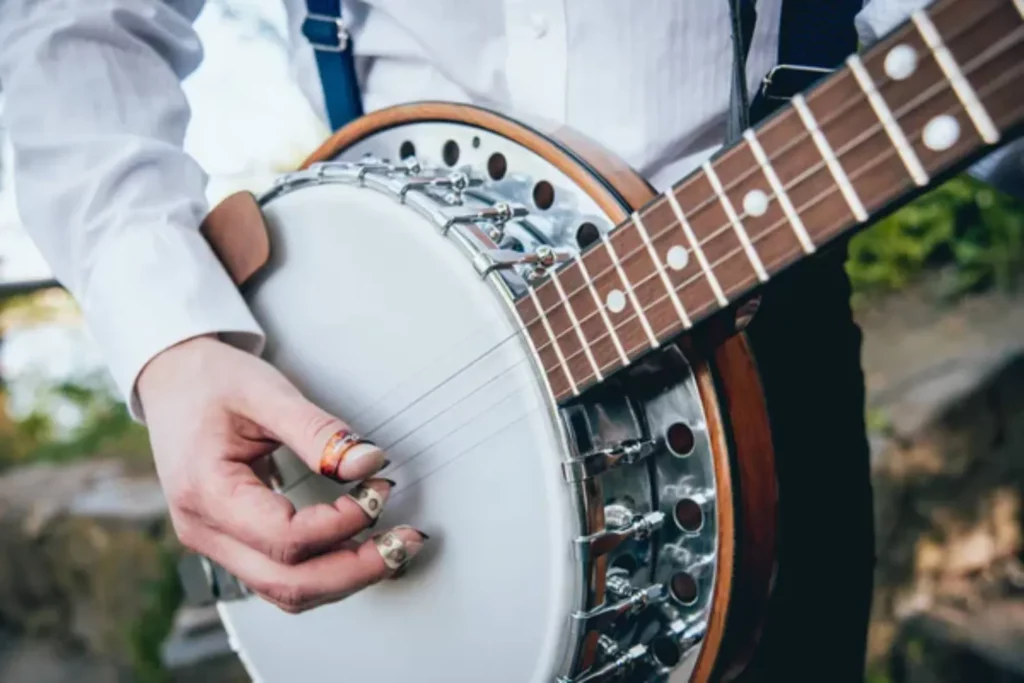
Banjos have been integral to many cultures for centuries. However, the Irish Banjo is a unique instrument that has only recently gained popularity. This is due in part to the distinct sound of this four-stringed instrument. Irish music is a beautiful and dynamic part of the country’s culture. It’s made up of lively tunes and complex rhythms that have been passed down through generations. Traditional Irish music is usually played with the help of a banjo, fiddle, tin whistle and drum.
Many contemporary Irish musicians play modernised rock music on this instrument. Banjos are a vital piece of Ireland’s heritage and culture; they help represent the country’s rich musical traditions. The Irish started playing instruments similar to the Banjo in the 1840s. At this time, the entire country was undergoing rapid social change concerning the rest of Europe. As a result, the Irish imported musical instruments from other countries to add diversity to their music.
They soon mastered these instruments and began exporting them back to other countries. Banjos became popular in both Ireland and America during this time. The four-stringed instrument was easy to learn, play and produce for both countries. The four-stringed Irish Banjo can play various musical notes and chords. Each string can produce a separate message or chord when strummed by the musician’s fingers. Musicians can also use their drums to add percussion to their music.
This provides an exciting contrast to the base note played by the string. These additions make the Irish Banjo an incredibly versatile instrument in many types of music. The traditional Irish Banjo has a drum at its base to add percussion to its music. This allows musicians to use their banjos in contemporary styles such as rock and punk. The drum and string combo produces a unique beat that’s easy to dance to or play along with.
However, traditional Irish styles omit the base drum for more complex musical abilities. These include jigs and reels, which are easy to dance to yet tricky to play musically. Modern-day Irish musicians have updated their instruments and their music. They’ve created new techniques and styles that are easier to learn and play. This increased interest in the Irish Banjo and increased sales in recent years.
6) Irish bouzouki
Bouzouki is a Greek musical instrument with a lute-like body. It is also known as the saz, tamboura, pandura or tar. The word “bouzouki” comes from the Turkish word “book”, which means “broken” or “scratched”. In Greece, musicians play the bouzoukis to accompany Greek folk dances. The Irish adopted the bouzouki and made it their own. The Irish bouzouki is used in traditional Irish music and separates itself from Greek music in several ways.
Bouzouki is a four-stringed musical instrument related to the lute and guitar families. Its body is similar to a long-necked guitar with a rectangular body and a single internal sound chamber. The sound of a bouzouki is bright, strident and piercing. Its name is derived from a Greek word meaning “shepherd’s pipe.” Shepherds initially played the Bouzoukis in Greece to call their flocks. Soldiers later used Bouzoukis to signal the change of guard duty. Bouzouks were also played at weddings, outdoor festivals, and other social gatherings.
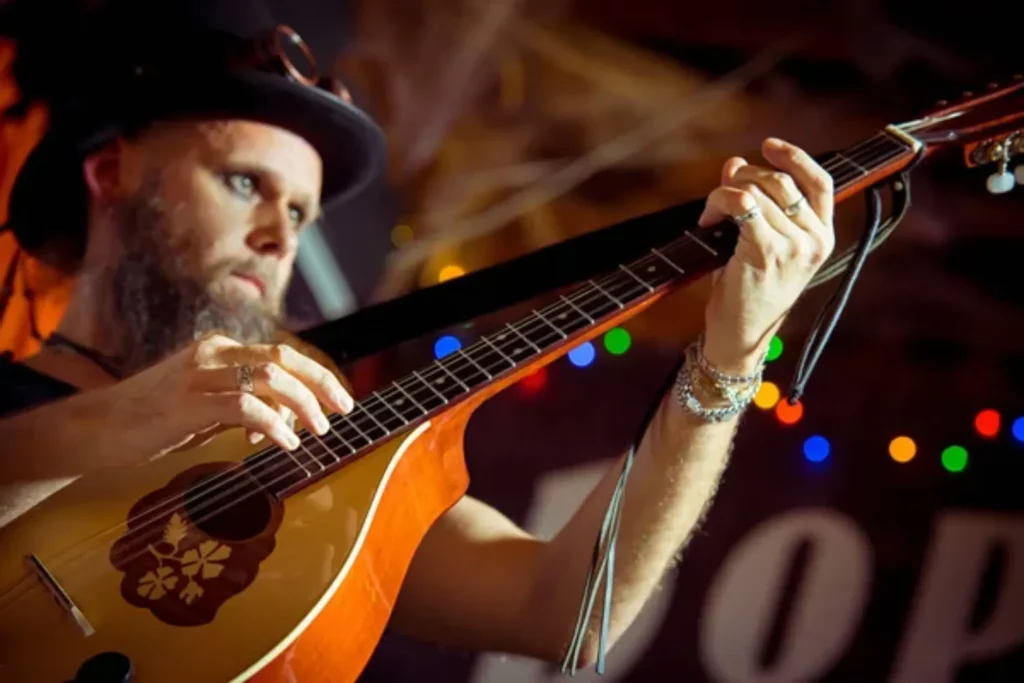
In the 1960s, Irish musicians adopted the bouzouki and made it their own. They renamed it the Irish bouzouki and used it in traditional Irish music. They also used it in rock, folk, and Celtic music. The Irish bouzouki is used in traditional Irish music and separates itself from Greek music in several ways. For starters, the Irish bouzouki has only three strings instead of four. It also has a shorter neck than a Greek bouzouki. It has a more rounded body shape with diamond-shaped soundholes instead of square ones.
The most notable difference between the two is that the Irish bouzouki uses steel strings instead of nylon ones. This gives the Irish instrument a more demanding tone than its Greek counterpart. The Irish bouzouki is easy to learn and maintain because of its simple design. The Irish musician plays open chords on their instrument to accompany traditional dances and sing ballads.
They can also play melodies by moving one finger up and down each string- similar to how a violinist moves his bow across his instrument’s strings. To play more complicated themes, musicians move two fingers up and down each column simultaneously to create a complex pattern of notes.
7) Uilleann pipes
The uilleann pipes are an Irish musical instrument unique to the country. The name is Gaelic for “elbow.” These are a type of bagpipe and are prevalent in traditional Irish music. Generally, there are two types of uilleann pipes: the D drones and the B drones. The D drones are a lower version of the B drones, but both types are essential to playing the uilleann pipes. Without these pipes, there would be no Irish music. The uilleann lines are a below-driven instrument played initially by shepherds and farmers.
Essentially, they’re a bagpipe type that uses bellows instead of a mouth to create sound. There are three uilleann pipes: the elbow, the bass, and the regulators. The elbow is played with both arms and is held under the arm. The bass is played with both hands and is held close to the body. Both types are played with a drone and a chanter. Regulators are played with both hands and are held in front of the body. They have two drones and a chanter.
Uilleann pipes are part of traditional Irish music and are now used in other genres. They’re used in folk, classical, rock, Celtic, jazz and contemporary music. Essentially, uilleann pipes can be played in any style of music. Most people associate them with traditional Irish music, though. That’s because these musical instruments were mainly used for Irish music. More people have played the uilleann pipes in recent years for various reasons. Some people want to use them for entertainment, while others want to preserve traditional Irish music.
The instrument requires a lot of practice to play well. Uilleann pipes are easy to learn if you already know how to play the tin whistle or another instrument like it. However, you’ll need to practise a lot before playing these properly. It’s easy to become disheartened if you don’t practise enough- especially if you want to play these for entertainment purposes. Plus, it isn’t easy to play these with other instruments unless you know how to play them well enough on your own. Practice makes perfect when it comes to playing the uilleann pipes!
Uilleann pipes come in different sizes and with varying numbers of drones. The smallest one is played with one hand and is called a “valved uilleann pipe.” It has two drones and a chanter. The largest one is a drone version of the uilleann pipes and is called an “all-in-one uilleann pipe.”
Many famous musicians have used the uilleann pipes to create beautiful music- some examples include Riverdance and James Galway. Other notable musicians include Davy Spillane, Leo Rowsome and Jackie Ryan. Some modern bands use them, such as Na Fianna Éireann and Paddy Keenan’s Troika; several bluegrass bands also use them in their songs. People use uilleann pipes in many genres of music!
The uilleann pipes are an exciting instrument that’s easy to learn but difficult to play well in any genre of music. They’re used in traditional Irish music but have been incorporated into other styles, too.
8) Celtic harp (Clairseach)
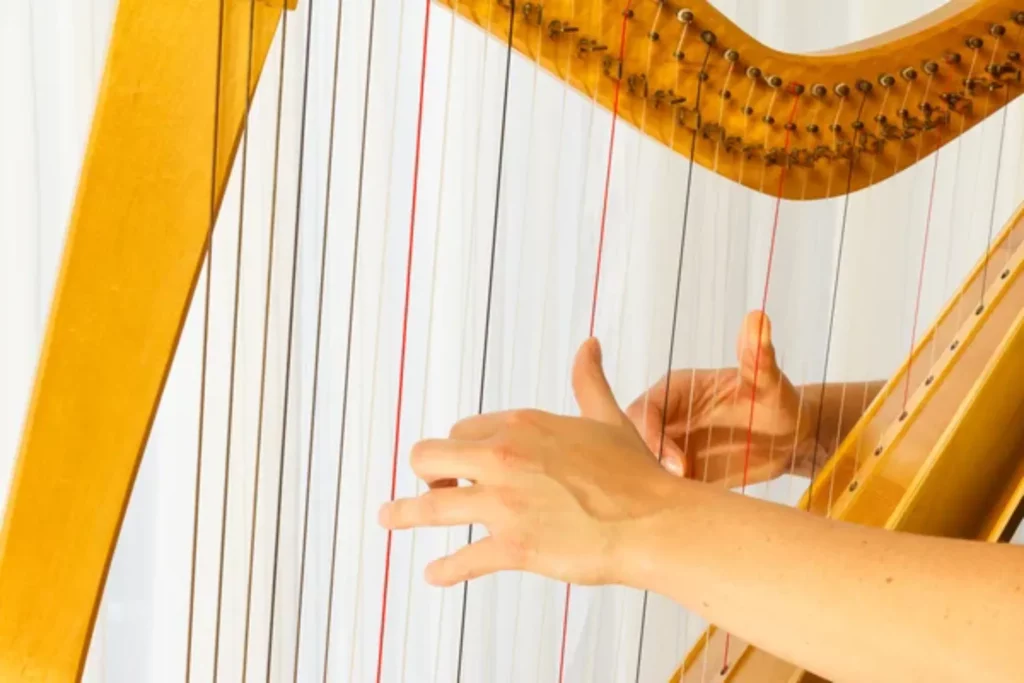
The Celtic harp is an ancient musical instrument played by many famous composers. The harp is a medieval instrument made popular by many prominent composers. The Celtic harp is a popular choice among musicians and music enthusiasts alike. Ancient harps were made from animal skins and were much smaller than modern instruments. In the past, harps were exclusively reserved for rich people. Both men and women played the harps.
The ancient Greeks and Romans played the harp. Still, it was the medieval period that saw a boom in the popularity of this instrument. At the time, many churches and palaces had harpists. The music played on these instruments was meant to soothe the soul and enrich people’s lives. The modern Celtic harp was invented by a doctor who used it to soothe his patients’ mental illnesses. This doctor, Edward Bedson, was inspired to create the Celtic harp after hearing the Irish folk song The Londonderry Air.
In 1889, Bedson started making his first model of the Celtic harp in his mother’s house in Essex, England. His first model was called Bedson’s Folding Celtic Harp and was a portable instrument made from wood and brass. It became a great success among musicians worldwide, including Queen Victoria and Albert Edward, Prince of Wales. The Celtic harp is considered the national instrument of Ireland. This instrument is known for its pleasing sound and rhythmic melody.
It’s the main instrument featured in Irish folk music. There are many different types of Celtic harps. Some have up to twenty-six strings, while others have forty-eight strings. Some are small enough to be carried around easily, while others are large enough that they have to be played on stage or indoors. The Celtic harp is the most popular instrument used in classical music. Many famous composers have used this beautiful instrument in their pieces. These include Mozart, Beethoven, Chopin and Liszt.
Famous compositions that feature the Celtic harp include “The Londonderry Air” by Thomas Moore and “O’ Danny Boy” by Edward Henry Corcoran and Thomas Moore. Both of these songs are part of Irish traditional music- one of the most recognisable genres in the world today. In the ancient past, harps were used as weapons to fight off attackers. In medieval times, people carried small harps as they travelled through dangerous territories. They’d use their small harps to defend themselves from harm if attacked by bandits.
9) Bodhrán
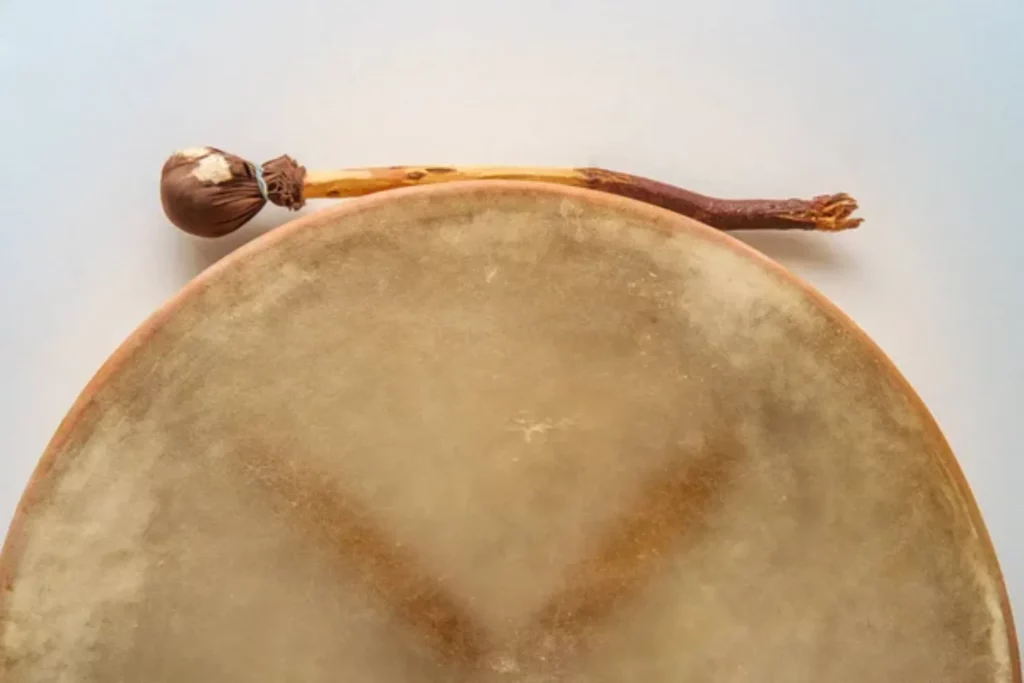
The bodhrán is a popular Irish drum used by traditional Irish musicians. The bodhrán is an integral part of Irish music and culture. It’s also an exciting instrument because it’s made of animal skin. The sound produced by the drum is distinctive and creates a rhythmic backdrop for many Irish folk music styles. The bodhrán is a versatile drum used in traditional and contemporary Irish music. Traditional Irish music often uses the bodhrán to create a pulsing beat. This creates an atmosphere that brings the music to life and makes it truly enjoyable.
Generally speaking, the bodhrán is played with one hand, while a drummer uses the other hand to play the snare drum. The drummer will then use their feet to play the bass drum. This creates a complex but enjoyable sound that everyone can appreciate. “Bodhrán” comes from the Gaelic word for “drum.” Traditional bodhráns are made of hollowed-out animal skin such as goat or cowhide. They’re held in one hand and played with wooden sticks.
These skins are then held together with leather straps and metal hoops. The resulting sound is earthy and raw, with a lot of body and bounce. A traditional bodhrán is a fascinating instrument that would be difficult for most people to play. Modern musicians have taken inspiration from traditional Irish instruments to create new forms of music. This has led to the creation of new instruments like the multi-toned bodhrán. These multi-toned drums are made of synthetic materials instead of animal skin.
They’re also designed to be played with metal beaters instead of wooden sticks. The resulting sound is smoother and less raw but still maintains the traditional Irish sound. This is an exciting way to approach traditional Irish music, as it allows for many different styles based on the same instrument. Drummers use the bodhrán to create a wide range of sounds that fit perfectly with traditional Irish music. They can use the bodhrán to create a strong beat for lively jigs and reels. They can also produce softer sounds for slower conventional Irish ballads.
These smooth sounds are enjoyable to listen to when paired with other instruments, such as fiddles and accordions. These instruments all contribute to creating an atmosphere that’s perfect for dancing and celebrating. The bodhrán is the percussion instrument most associated with traditional Irish music. This means that most people associate the sound of Irish folk music with the bodhrán. Jigs, reels, jammers and other forms of Irish folk music wouldn’t be the same without this distinctive instrument.
10) The Irish Fiddle
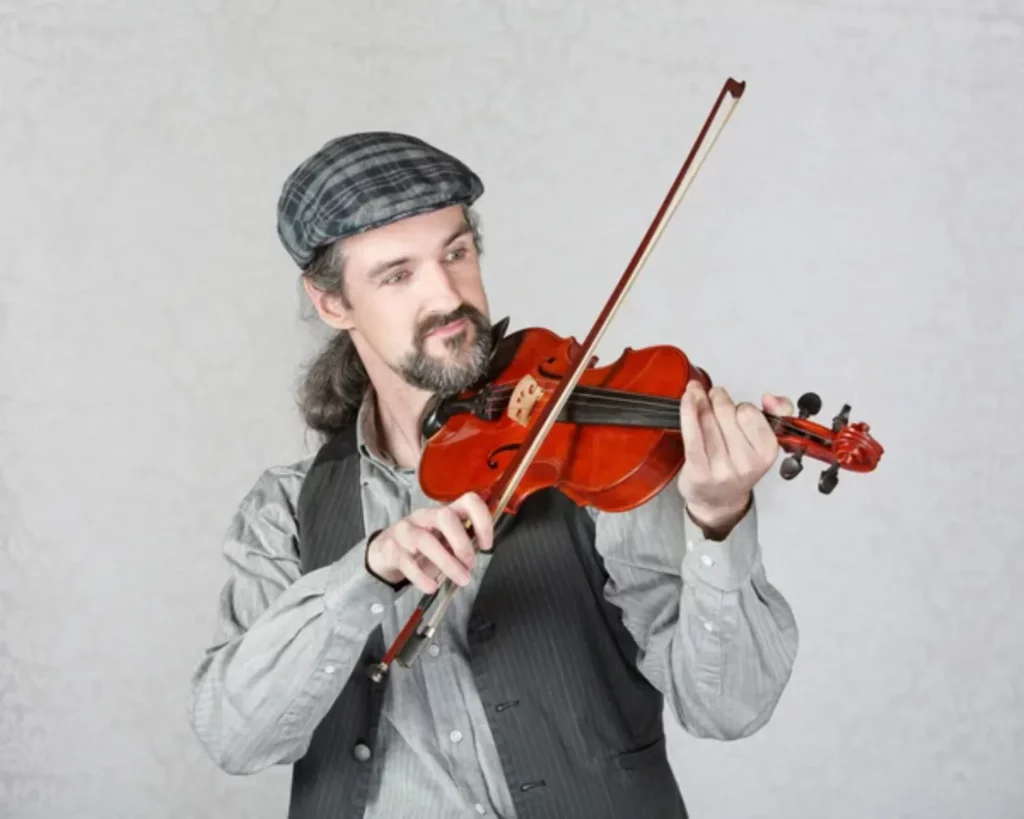
The Irish fiddle is a well-known musical instrument. Irish fiddle music is lively and melancholy at the same time. Fiddle music is also known as “feolin” in Irish Gaelic. In English, it’s known as “fiddlin'”. Fiddle music is a very ancient and popular musical art form that has spread worldwide. Traditional Irish fiddle music comprises lively melodies, complex chords and rapid bowing. The Irish fiddle is a folk instrument played in traditional Irish dance music. A famous example of Irish fiddle music is the tune “The Londonderry Air”. In addition, “Danny Boy” is another popular Irish song composed in a minor key and played on the violin.
The history of the Irish fiddle started when the ancient Celts brought their musical traditions to Ireland. According to some sources, the early Irish used to play harps and lutes. Over time, they began to use a bow on their instruments, leading to fiddle music’s development. The word “violin” means “little bow” in Italian; hence, the name of this instrument.
During the 17th century, Oliver Cromwell banned the playing of Irish fiddles by hanging its players. This led to naming this musical instrument “The Devil’s Instrument”. However, the Irish fiddle symbolised rebellion during the Catholic persecutions of the 17th and 18th centuries. Fiddlers were Protestant and played for an English audience in Ireland. Their songs were about events occurring in Ireland at the time- mainly about battles and massacres against Catholics by Protestant crusaders.
In addition, during these persecutions, Catholics were forbidden to play musical instruments under the penalty of death by hanging. Modern Irish fiddle music uses traditional instruments to create modern tunes. For example, The Chieftains are an Irish folk band that mixes traditional folk tunes with modern rock sounds. The band was formed in Dublin in 1974 and has become one of the most successful conventional Irish music groups ever created.
They have also performed with several other famous musicians, such as Bono and Sting. Today, interest in traditional Irish tunes has never been higher, thanks to their worldwide popularity. The Irish fiddle is widespread across Europe, America, Australia, and Asia. It’s even popular in China, known as “Lao Fu Zi”. Like many other traditional instruments, the Irish fiddle has become famous worldwide thanks to its lively feel and association with tradition. Like other conventional instruments, the Irish fiddle risks disappearing if not practised by new generations.
In A Nutshell;
Music is an essential part of Irish culture. The Irish played many musical instruments in their day-to-day lives. Many modern instruments are based on or inspired by Irish musical instruments.
The country’s musical traditions are unique, colourful and varied- thanks mainly to the creativity of its talented musicians. The tradition continues today, with new musicians continuing to create new instruments based on or inspired by their country’s traditional ones.

Explore the Majestic Beauty of UK National Parks
United Kingdom
23/04/2024

A Comprehensive Guide to Spotting Puffins in Ireland
Ireland
23/04/2024

Analysing Outer Banks Tourism Statistics: Understanding the Impact
Travel Statistics
22/04/2024

Explore the Best Places to Visit in Scotland and Discover its Hidden Gems
Scotland
22/04/2024

The Ultimate Guide to Spending 7 Days in London: Itinerary, Tips, and Must-See Attractions
Travel Guides
22/04/2024