
Are you visiting Ireland and looking for adventure? Living in Ireland and wanting to experience something different? Do you dream of discovering the secrets of the Emerald Isle beyond the usual tourist spots? Look no further—we at ConnollyCove have carefully selected our favourite hidden spots across Ireland that showcase the country’s authentic spirit and character.
These special places offer something for every type of traveller, whether you’re interested in exploring Ireland’s rich history, immersing yourself in stunning natural scenery, or experiencing the unique cultural heritage that makes Ireland so captivating.
Table of Contents
Why Discover Ireland’s Hidden Gems
While the Cliffs of Moher, Blarney Castle, and Temple Bar certainly deserve their fame, venturing off the beaten path reveals a more authentic Ireland—one where local traditions thrive, landscapes remain unspoiled, and genuine connections with people and place become possible.
Some of our most memorable experiences creating travel content have come from those special places that don’t make the typical tourist itineraries. When visitors take the time to explore Ireland’s hidden gems, they discover the true soul of our country—stories, landscapes, and local customs that have shaped our culture for generations,” says Ciaran Connolly, Founder of ConnollyCove.
These lesser-known destinations not only offer a chance to escape the crowds but also provide a deeper understanding of Irish culture, history, and natural beauty. They represent the authentic Ireland that locals cherish and protect.
Planning Your Adventure
Before setting off to discover Ireland’s hidden treasures, it’s worth considering when and how to explore:
Best Time to Visit
Each season offers a unique perspective on Ireland’s hidden gems:
- Spring (March-May): Wildflowers bloom, baby lambs dot the countryside, and days grow longer. Perfect for photography and gentle hikes with fewer tourists.
- Summer (June-August): Longest days with more reliable (though never guaranteed!) weather. Ideal for coastal exploration and outdoor activities.
- Autumn (September-October): Stunning golden light, changing colours, and often surprisingly mild weather make this a photographer’s dream season.
- Winter (November-February): Dramatic skies, cosy pubs, and virtually tourist-free experiences. Some attractions have limited hours, but you’ll have many places entirely to yourself.
Getting Around
- Car Hire: For maximum flexibility, hiring a car is recommended, especially for reaching remote locations like the Kerry Dark Sky Reserve.
- Public Transport: Limited but available to some hidden gems. Research connections in advance.
- Walking/Cycling: Some gems are best discovered on foot or by bicycle, particularly in areas with dedicated greenways or walking trails.
Northern Treasures
Here are Ireland’s hidden gems in the north:
Achill Island | Keel Beach | Keem Bay
Located in County Mayo, Achill is Ireland’s largest Island but remains a genuine hidden gem, accessible by bridge. This place of stunning natural beauty is home to megalithic tombs, ancient forts, historic churches, and haunting deserted villages, all steeped in rich history.
The island boasts two extraordinary beaches that shouldn’t be missed:
- Keem Bay: Often described as Ireland’s own hidden Caribbean, this stunning beach is surrounded by dramatic mountains. As a Blue Flag beach, it’s enjoyed by swimmers and snorkelers throughout the year. The crystal-clear turquoise waters against the backdrop of green cliffs create a scene that feels more tropical than Irish—until you dip your toes in the Atlantic water!
- Keel Beach: A surfer’s paradise with perfect waves for various water sports. Beyond surfing, visitors enjoy swimming, windsurfing, kite surfing, kayaking, and canoeing in the Atlantic. The expansive strand offers plenty of space even on busy summer days, and the views of nearby hills provide a dramatic backdrop.
Beyond the beaches, take time to visit the Deserted Village at Slievemore, where over 80 stone cottages stand as a poignant reminder of families who left during the Great Famine or were evicted by landlords. The Atlantic Drive offers some of Ireland’s most spectacular coastal scenery, with panoramic views that capture the raw beauty of the Wild Atlantic Way without the tour buses.
Cuilcagh Legnabrocky Trail (Stairway to Heaven)
Often referred to as the “Stairway to Heaven,” this remarkable trail in County Fermanagh takes hikers through a pristine blanket bog ecosystem. The journey involves:
- 3,922 steps
- 7.5 kilometres of trail
- An ascent to 665 metres above sea level
Part of the Marble Arch Caves UNESCO Global Geopark, this boardwalk trail protects the fragile bog habitat while offering access to some of Ireland’s most stunning mountain views. Along the way, walkers will encounter abandoned Irish cottages, dry stone walls, and potato cultivation ridges (“lazy beds”) that tell the story of those who lived in this challenging landscape before the Great Famine.
Those who complete the walk are rewarded with breathtaking views, including Lough Atona, a small lake at the mountain’s foot that was carved out approximately 13,000 years ago by a glacier during the last Ice Age.
The boardwalk was originally built to protect the blanket bog from erosion but has become an attraction in its own right, offering a unique hiking experience that combines natural beauty with cultural heritage. Visit early in the morning to avoid crowds, especially during summer months.
Southern Wonders
Check out Ireland’s hidden gems in the south:
Kerry International Dark Sky Reserve
This extraordinary reserve holds the distinction of being:
- The only Gold Tier reserve in Ireland
- One of only three in the world
- The only one in the Northern Hemisphere
The reserve is dedicated to protecting wildlife, Irish heritage, and preserving the increasingly rare experience of truly dark night skies. Located in southwest Kerry between the Kerry Mountains and the Atlantic Ocean, this area has successfully limited light pollution to create a haven for stargazers and nocturnal wildlife.
Wildlife
The Kerry International Dark-Sky Reserve is teeming with wildlife. The reserve takes its responsibility to care for, protect, and educate visitors about animal rights and natural habitats very seriously. Some of the wildlife you might spot when visiting includes:
- Grey seals
- Otters
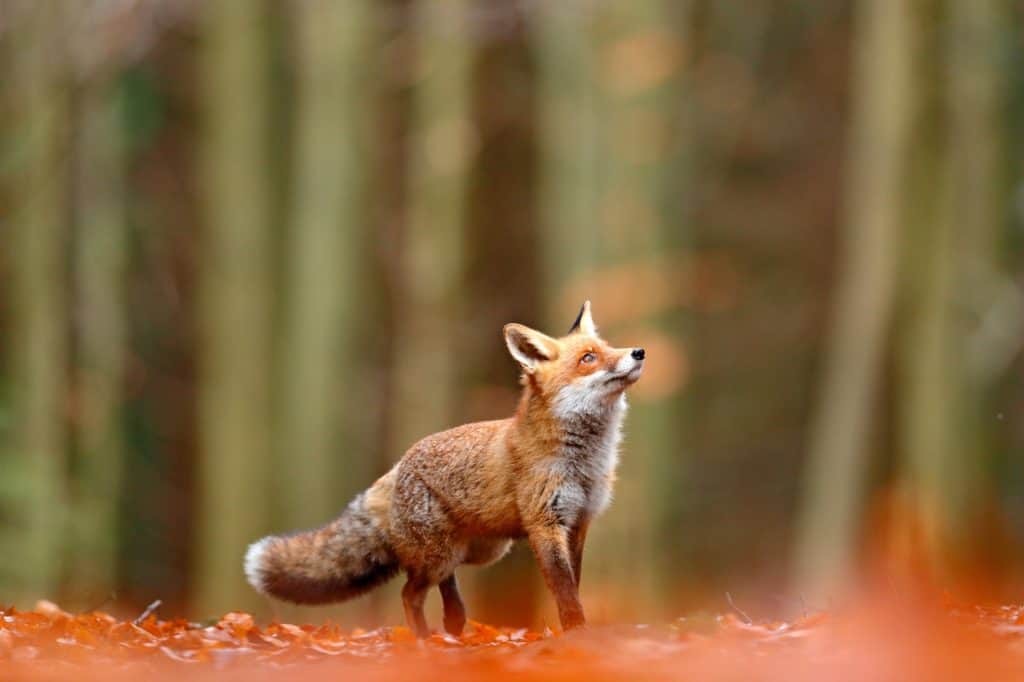
- Red foxes
- Hedgehogs
- Puffins and numerous other bird species
For the best wildlife experience, consider booking a Wildlife Guide who can help you spot and learn about the local fauna while ensuring minimal disturbance to their habitats.
Heritage
Long before computers and modern technology, ancient peoples used stones to track time and map the movements of the sun, moon, and stars. These stones served as both astronomical tools and canvases for artistic expression. This rich prehistoric heritage has been carefully preserved in Kerry.
The ‘rock art’ found in this location differs from others found throughout Europe, consisting of distinctive swirls, cups, and interconnected circles. The meaning of these mysterious drawings remains debated among archaeologists and historians.
Visitors can explore these ancient monuments by booking a guided walking tour. Knowledgeable guides explain the history and significance of these structures while helping to ensure their preservation for future generations.
Astro-Tourism
The reserve offers some of the darkest skies in Europe, allowing visitors to enjoy spectacular views of the night sky with the naked eye. On clear nights, you can observe:
- The Milky Way in stunning detail
- The Andromeda Galaxy (our nearest galactic neighbour)
- Star clusters
- Nebulae
- Planets and their features
The reserve also raises awareness about light pollution – the excessive artificial light that not only obscures our view of the stars but also disrupts wildlife habitats and affects human health. Their educational programmes help visitors understand how to mitigate light pollution in their own communities.
For the best stargazing experience, check the moon calendar and weather forecast before visiting. The darkest skies occur during the new moon phase, and winter nights offer longer viewing opportunities, though they can be quite cold. Bring warm layers regardless of season – even summer nights get chilly in rural Kerry.
Bluebell Wood, Roscommon
While Ireland is known as the Emerald Isle, this enchanting forest in County Roscommon transforms into a sea of purple each spring. For a few magical weeks, usually in late April to early May, the forest floor becomes carpeted with a stunning display of native bluebells.
This spectacular woodland offers visitors:
- A peaceful walking experience among thousands of bluebells
- The sweet, distinctive fragrance that fills the air during peak bloom
- A perfect setting for photography, particularly in the morning light
- A genuine connection with Ireland’s natural heritage
The native Irish bluebell (Hyacinthoides non-scripta) is more delicate and deeply coloured than its Spanish cousin, with a distinctive drooping habit and sweet scent. These ancient woodland indicators suggest this forest has existed for hundreds of years, creating a uniquely magical atmosphere.
Timing is essential for this hidden gem – visit too early or too late, and you’ll miss the breathtaking purple display. Local knowledge suggests the best viewing is typically during the first two weeks of May, but this can vary depending on spring temperatures.
Skibbereen Heritage Centre
This remarkable heritage centre in West Cork houses two distinctive exhibitions that provide profound insights into different aspects of Irish history and natural heritage:
The Great Famine Exhibition
Perhaps the most defining event in Irish history, the Great Famine (1845-1852) was a catastrophic period that changed Ireland forever. Skibbereen was among the worst-affected areas, losing over a third of its population to starvation, disease, and emigration.
This sensitively curated exhibition:
- Tells the story of the famine through local experiences and perspectives
- Features contemporary accounts, illustrations, and artefacts
- Introduces visitors to significant famine sites in Skibbereen, including Abbeystrewry’s Famine Burial Pits, where an estimated 10,000 unidentified victims lie
- Explores how this tragedy shaped Irish identity and led to the global Irish diaspora
The centre opened in 2000 to preserve the memory of this defining tragedy and provide context for understanding its lasting impact on Irish society, culture, and population patterns. It serves as a poignant reminder of the consequences of political failure and natural disaster.
Lough Hyne Exhibit
In stark contrast to the solemnity of the Famine Exhibition, the Lough Hyne display celebrates one of Ireland’s most remarkable natural wonders – Europe’s first Marine Nature Reserve.
This exhibition explores:
- The unique ecosystem of Lough Hyne, a saltwater lake connected to the Atlantic by a narrow channel
- The extraordinary marine biodiversity found in these waters
- The history of scientific research at the lough since its discovery in 1886
- Conservation efforts and the importance of marine protection
The Lough itself is just 5 kilometres from the centre and is worth visiting after seeing the exhibition. Adventurous visitors enjoy the walk up Knockomagh Hill for spectacular views over the lough and the surrounding countryside. Night kayaking tours offer a magical experience, with bioluminescent plankton sometimes visible during summer months.
Huntington Castle & The Temple of Isis
Tucked away in County Carlow, Huntington Castle remains one of Ireland’s genuine hidden treasures. Unlike many historic properties, this 17th-century castle is still occupied by descendants of the original builders, the Esmonde family, giving it an authentic lived-in character that many restored properties lack.
The castle features:
- Spectacular formal gardens with centuries-old yews and expansive lawns
- Historic rooms filled with family heirlooms and artefacts
- A fascinating history spanning Ireland’s turbulent past
- Ghost stories and legends that have accumulated over generations
But what truly sets Huntington apart is found beneath the castle – the Temple of Isis, an unexpected spiritual sanctuary established in 1976. This temple celebrates feminine divinity and has developed into a recognised world religion with tens of thousands of followers globally.
The temple features symbols and artefacts representing feminine deities from various traditions, creating an eclectic and thought-provoking space that challenges visitors’ expectations of what they might find in a historic Irish castle.
Tours available from Easter to Halloween allow visitors to explore both the castle’s historic rooms and this unique temple, offering a genuinely different experience from the typical Irish castle visit. The combination of historical architecture, beautiful gardens, and spiritual exploration makes Huntington a multifaceted gem worth seeking out.
Practical Travel Tips
Make sure to check out these travel tips before visiting Ireland’s hidden gems:
Responsible Tourism
When exploring Ireland’s hidden gems, please remember:
- Leave No Trace: Take only photographs, leave only footprints.
- Support Local Businesses: Choose locally-owned accommodation, eateries, and shops.
- Respect Private Property: Many sites are on or near private land – always use designated paths.
- Protect Fragile Environments: Stay on boardwalks and paths, especially in bog areas and ancient sites.
- Be Weather-Wise: Irish weather can change rapidly – always bring waterproof layers and appropriate footwear.
Getting the Most from Your Visit
- Local Guides: For many of these hidden gems, local knowledge enhances the experience tremendously. Consider hiring guides where available.
- Timing Matters: Visit popular spots early morning or evening to avoid any crowds and catch the best light for photography.
- Seasonal Awareness: Research seasonal aspects of your chosen gems—blooming schedules for Bluebell Wood, optimal stargazing conditions for Kerry Dark Sky Reserve, etc.
- Digital Detox: Consider limiting device use to truly connect with these special places. Many have limited or no mobile coverage anyway!
Other Irish Hidden Gems Worth Exploring
If our favourite hidden gems have inspired you, here are a few more special places we recommend that showcase different aspects of Ireland’s rich heritage:
- Irish Agricultural Museum, County Wexford: Discover Ireland’s farming heritage in the stunning setting of Johnstown Castle.
- Irish National Heritage Park, County Wexford: Journey through 9,000 years of Irish history in this unique outdoor museum.
- Wicklow National Park, County Wicklow: Beyond the popular Glendalough, explore lesser-known valleys and lake walks.
- County Kerry’s Peninsula Drives: While the Ring of Kerry gets all the attention, the Dingle and Beara Peninsulas offer equally spectacular scenery with fewer crowds.
- Northern Lights viewing spots in Donegal: Ireland’s northernmost county offers occasional glimpses of the aurora borealis during winter months.
Ireland’s hidden gems offer something that the famous sites cannot—a chance to connect with the authentic spirit of the country, away from commercial tourism. These special places allow visitors to experience the Ireland that has inspired poets, painters, and dreamers for centuries.
As you plan your Irish adventure, we encourage you to balance the must-see attractions with these more secluded treasures. The memories you’ll create in these lesser-known spots often become the highlights of a journey through Ireland—moments of discovery, wonder, and connection that define what travel is truly about.
Have you discovered a hidden gem in Ireland that we haven’t mentioned? We’d love to hear about your experiences in the comments below. The best hidden gems often come from personal recommendations and shared stories!
Irish Agricultural Museum, County Wexford | Irish National Heritage Park, County Wexford | Wicklow National Park, County Wicklow, Ireland | Take a Trip with Us around County Kerry | Experience the Magical Northern Lights Ireland