


The Complete Guide to County Antrim
Updated On: November 07, 2023 by  Ciaran Connolly
Charming glens, lush forests, mystical pathways and stunning coastlines, County Antrim has it all. Just a short drive from Northern Ireland’s capital city, yet full of rural scenery and natural beauty, this vast, open county begs to be explored. From the Glens of Antrim to the Antrim Coast, there is much to enjoy.
There’s no shortage of things to see and do in this beautiful county. Head north from Belfast and take a drive around the nine mystical glens, boasting awe-inspiring views with quirky villages nestled in between. Keep driving north, and you’ll hit the UK’s most adored coastline. Discover the Giant’s Causeway, named as the eighth wonder of the world by residents, or blow away the cobwebs at the breath-taking Carrick-a-Rede rope bridge. The Glens of Antrim are nestled right by the Antrim Coast as well. Some of the best restaurants, bars and pubs await you here in this fascinating county, rich in history and culture.
Coastal Cruising
As you leave behind the hustle and bustle of Belfast city, head north and cruise the Causeway Coastal Route for some of the most stunning views and scenery this country has to offer. County Antrim’s breathtaking road.
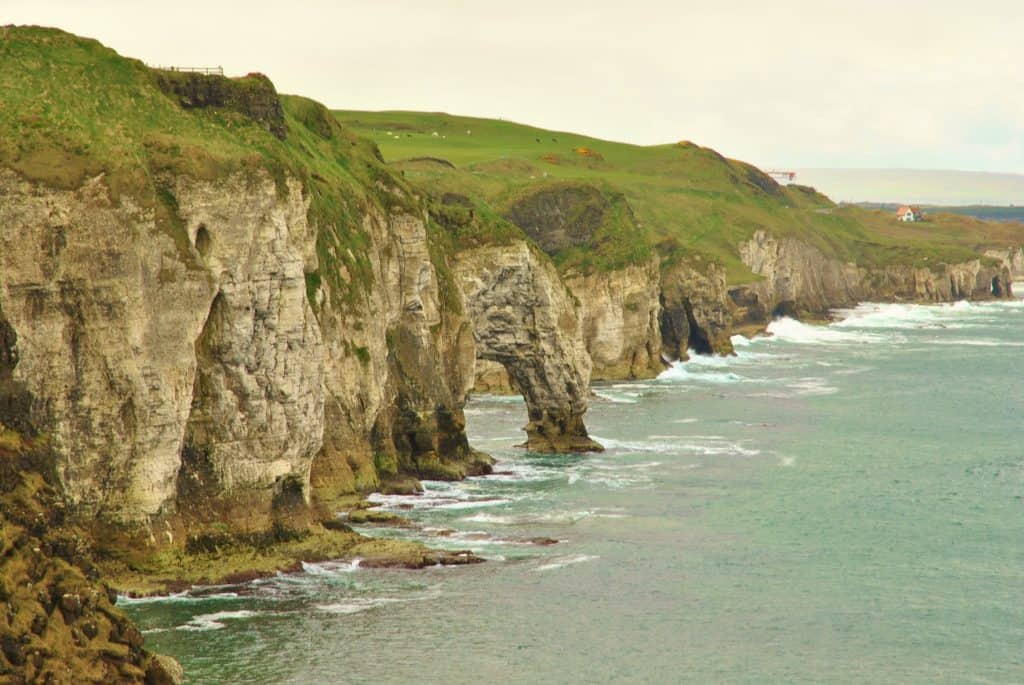
Head to the shore and stop off at Whiterocks Beach. Surrounded by limestone cliffs, this epic sandy beach stretches from Curran Strand to Dunluce Castle. Known for its range of majestic caves and thrilling water sports. The soft, sedimentary rocks of Whiterocks have been carved through centuries into a labyrinth of caves and arches. This beach is a magnet for surfers all year round, alongside bodyboarders, surf kayakers and jet skiers. Plenty of fun on the Antrim Coast.
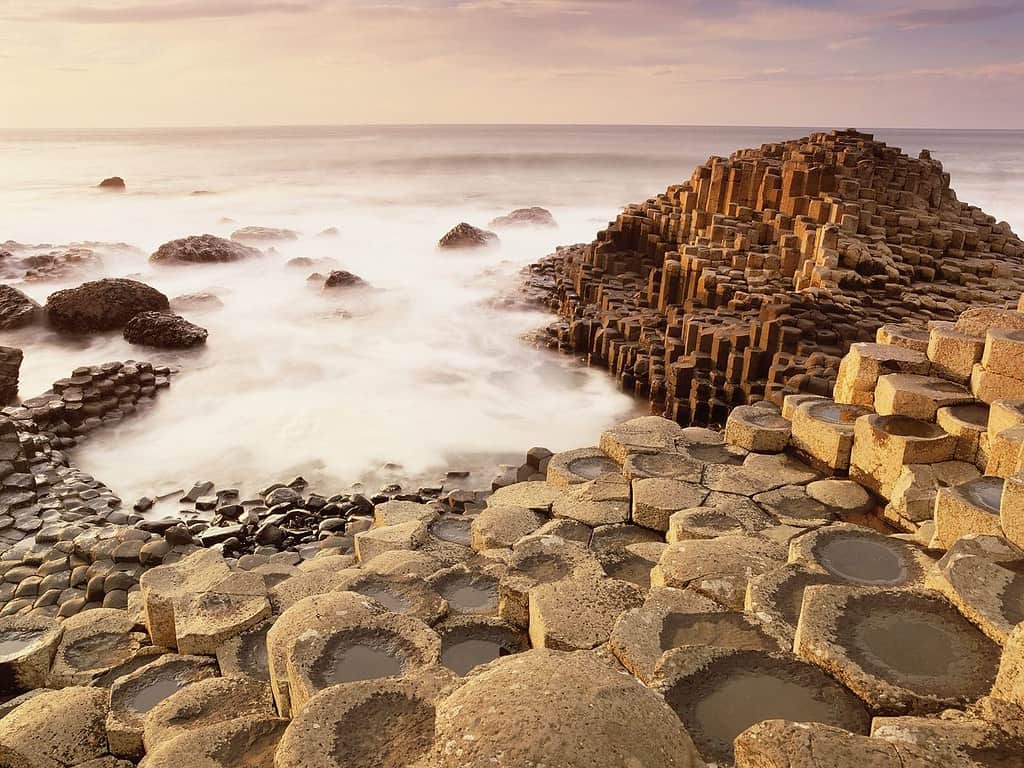
Further along the magnificent coastline, The Giant’s Causeway awaits; drawing tourists from across the world to discover the mystical legend of Finn McCool. This area of 40,000 interlocking basalt columns is believed to be the result of an ancient volcanic fissure eruption and was recently named as the fourth greatest natural wonder in the United Kingdom. Pick up an outdoor audio guide or an orientation leaflet at the Causeway Visitor Centre and enjoy the beautiful stroll down to the rock formation with glorious cliffs and coastal views all around. Alternatively, you can jump onboard the shuttle bus that takes you straight from the Visitor Centre to the causeway at a small additional charge.
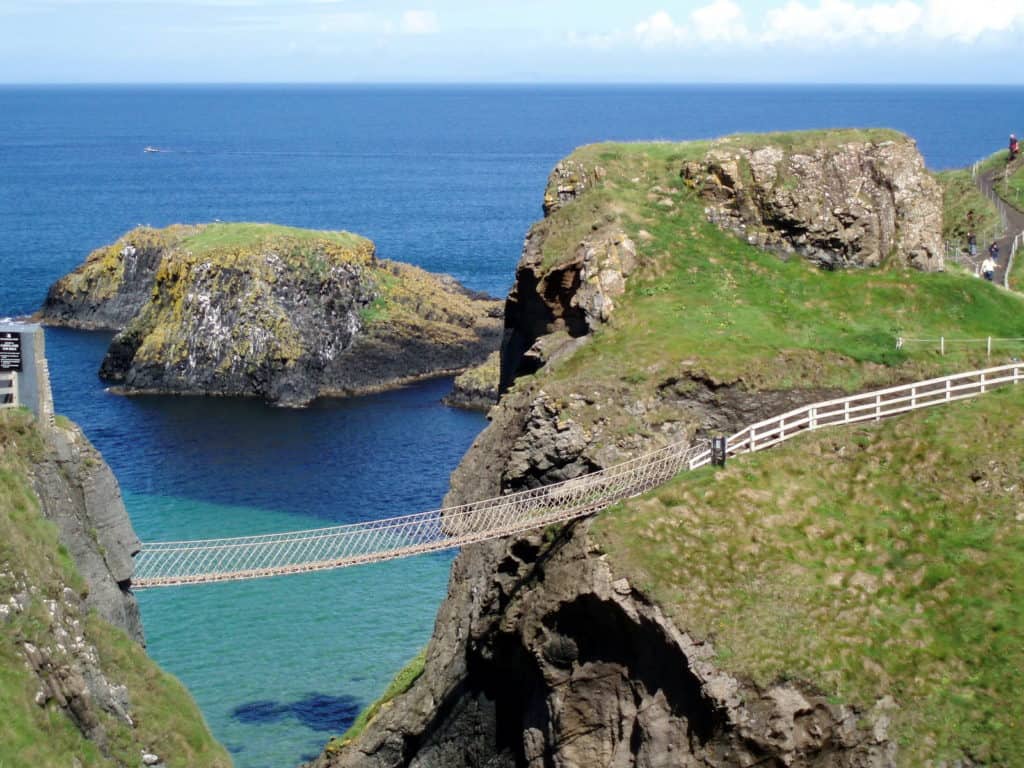
The next stop on your ‘must-see’ list is the Carrick-a-Rede Rope Bridge. Suspended at almost 100ft (30 metres) above sea level, the iconic bridge is over 350 years old. Crossing the bridge is an exhilarating experience and not for the faint-hearted, swaying in the blustering breeze, you are open to the elements up here.
The striking ruins of Dunluce Castle bear witness to a long and tumultuous history. Built by the MacQuillan family in the 1500s, visitors can explore the findings of archaeological digs within the cobbled streets and stone merchants’ houses of the long-abandoned Dunluce Town.
The iconic Dark Hedges is another popular site, especially amongst Game of Thrones fans. Planted by the Stuart family in 1755, the mysterious avenue of trees is almost 250 years old. Fans might recognise this stunning organic tunnel, as otherwise known as the King’s Road in the hit HBO show. Game of Thrones fans may want to visit the Gracehill House during opening hours to take a look at the GoT inspired door. Visitors can also avail of the privately-owned bar, restaurant and golf course at the house, surrounded by fabulous grounds.
Charming Towns & Villages
At the heart of County Antrim is the thrilling capital Belfast but there are countless other towns and villages for you to investigate.
Eleven miles along the A26 is the enchanting market town of Ballymena, often known colloquially as the City of the Seven Towers. Only four of the towers are still intact today, yet this is a town where history is never far from the surface. The Town Hall, which was built in 1924, draws many tourists to the site to discover the past behind the town.
On the outskirts of Ballymena, the oddly flat-domed of Slemish Mountain rises to tower over the village of Broughshane. Ireland’s patron saint, Saint Patrick, is said to have tended to his sheep on the rocky slopes of Slemish.
Hollywood legend Liam Neeson grew up in Ballymena, he was granted Freeman of the Borough by the local council. It’s not unknown for the man himself to be sighted on a slower weeknight, enjoying a pint of Guinness in one of the quieter local pubs.
Just eight miles up the A26 from the town you’ll find Antrim town. On the outskirts, the fabulous Junction Retail Park offers modern outlet shopping in a relaxed and convenient environment.
The historic landscape at Antrim Castle Gardens in the heart of Antrim town features remnants of the formal 17th-century Anglo-Dutch Water Garden – a recent £6m restoration project has now preserved this historic site for generations to come. Step back in time as you stroll around this magnificent setting, visiting beautiful features such as the Large Parterre, Her Ladyship’s Pleasure Garden and Yew Tree Pond.
Along the M5 north, the town of Carrickfergus is a peaceful suburb in a seaside setting, just 10 minutes from Belfast. The town’s strategic position on Belfast Lough ensured its status as Ulster’s leading settlement for centuries. One of the province’s most striking monuments, Carrickfergus Castle draws on 800 years of history. Full of rich combative history, you won’t run shy of adventure stories here. Regularly besieged over the years by the Scots, the Irish, the English and the French, there were active battles here right up to the start of World War II. Inside you’ll find a wealth of informative boards and guides to help you explore the castle further, plus audio-visual displays and life-sized models of significant historic figures. Just down the road, there’s also the Marine Gardens Adventure play area for the younger kids. Fun for everyone in County Antrim.
The thriving coastal town of Larne, about a 20-minute drive from Carrick, along the memorable Coast Road – has its intriguing museum and arts centre housed in the beautifully renovated Carnegie Library building. A series of displays showcase the unique history and heritage of the area which played a central role in the tradition of emigration to the United States.
As you venture along the north Antrim Coast, you’ll spot signs for Ballintoy. This quaint little village is rich in history and tradition, it’s like stepping back in time when you visit the harbour. With an array of pretty shops and restaurants, you can curb your appetite after a long coastal walk or exhilarating hike. Ballintoy Harbour draws tourists and visitors from near and far, famous for its Game of Thrones connections. You might recognise this beautiful spot as the Iron Islands in Westeros.
The beautiful walk through the wispy green hills towards the sandy beach gives you that authentic Irish experience, whilst the delightful little teashop there provides a welcome treat and tea for weary walkers.
Head a little further along the Causeway coastal route and you’ll stumble across Bushmills. This thriving little town contains a great range of fine restaurants, boutiques and cosy pubs. One of the hottest tourist attractions and the oldest working distillery in the country sits tucked inside the town – Bushmills Distillery. The business itself changed hands a couple of years ago when its owner, global drinks firm Diageo, sold it on to Mexican tequila giant, José Cuervo. A guided tour is available which will help to unravel some of the secrets of this world-famous product, from the unique water source at St. Columb’s Rill to the art of triple distillation in copper pot stills.
For an experience you won’t forget, step onboard the Giant’s Causeway and Bushmills Steam Train, which runs for two miles from Bushmills to the stones. The train boasts incredible views of the coast, as you step back in time and enjoy the quirky locomotive that runs on a daily timetable through July and August.
Ballycastle is famous for its warm hospitality and array of great coffee shops and cafes. The fresh, seaside air and pretty town streets make it an ideal place to stop off for some lunch or a browse around the independent local shops. It is also a hotspot for tourists taking a trip offshore to Rathlin Island, one of 43 special areas of conservation in Northern Ireland. Birdwatchers and botanists make frequent visits to this island for the impressive wildlife that call it home. Stroll along the rugged coast, explore the sea caves, or sit back and watch the seals and puffins on the beach. The island is served by a ferry which runs regularly from Ballycastle. Discover the spirit of Rathlin and visit this beautiful island by jumping on the Rathlin Ferry.
No trip to County Antrim would be complete without a visit to Portrush. Endearingly known as ‘the port’ to locals, Portrush has a lot to offer from thrilling entertainment and award-winning restaurants to long sandy beaches and spectacular natural beauty. If you’re looking for fun for the whole family, Barry’s Amusements Park in the heart of the town has it all. Fist clenching rides, scrumptious food stalls and a buzzing atmosphere. Barry’s has been entertaining families from around the world since the 1920s.
Portrush was put on the global map last year when the world of golf ascended onto the Royal Portrush Golf Club for the prestigious 2019 Open Championship. Visitors can take to the links course themselves, tee times are available all week and can be booked online. It also offers stellar views of the Antrim Coast.
Magical Glens
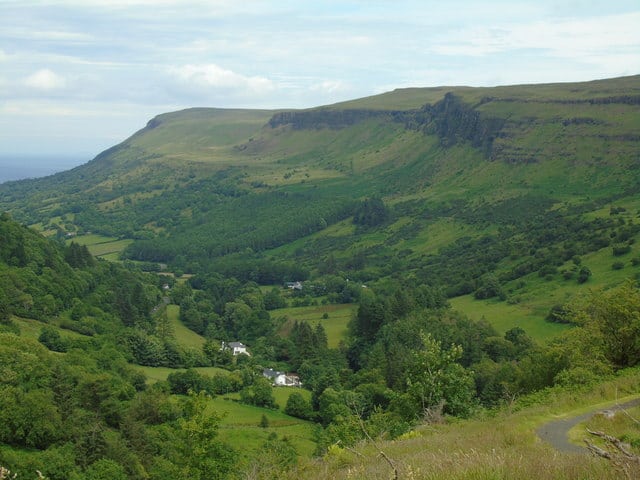
Immortalised through the ages in poetry and song, the Nine Glens of Antrim is an area of outstanding natural beauty. Over 20 square miles of rural land offers visitors everything from picturesque vistas to glacial waterfalls, beaches, forests and ancient sites.
The Glens of Antrim offer legendary stories and myths to inspire imaginations of all ages. In Glenaan you can visit the grave of warrior-poet, Ossian, who lived in 3800BC. In Cushendall, visit the secluded Layd Church which dates from 1366. It is one of the most peaceful and secluded spots in the entire county.
Winding through the spectacular scenery, stop off at Carnfunnock Country Park, offering over 191 hectares of mixed woodland, colourful gardens and panoramic views of the County Antrim Coast and North Channel. The Glens of Antrim are filled with delights. Discover the unique attractions, activities and events the site has to offer along with a five-star touring caravan park and campsite. Splashdown at the beaches of Ballygally, Glenarm, Carnlough, Cushendall or Cushendun, or visit the Glenarm Estate and see superb examples of Irish furniture as well as portraits of family members from the early 17th century.
Glenariff, Queen of the Glens, gives the rest a run for their money with its wild beauty including breath-taking waterfalls. Glenariff Forest Park offers a peaceful haven for the walker and an exciting adventure for the hiker. Don’t miss the Glens of Antrim on a trip to Northern Ireland.
Wine and Dine
Those who are looking for a great bite to eat should look no further than the Ramore Restaurants complex at the harbour in Portrush. This unique hotspot offers five contemporary themed restaurants including The Harbour Bistro, Neptune & Prawn, The Mermaid, Basalt and Ramore Winebar. With Asian cuisine, Spanish tapas and gastro-inspired pub grub, there is something for everyone on each menu.
The Grouse and Smoking Monkey in Ballymena provides delicious grill and bistro-style dished as well as an array of yummy cocktails and drinks in a sleek, contemporary bar. The Smoking Monkey offers live music and entertainment throughout the weekend too.
On the edge of Milltown Village, the rustic Speckled Hen has a warm, cosy atmosphere and a passion for local cuisine, craft beers and great coffee. Enjoy a refreshing drink in the old bar or beer garden or relax inside with a hot beverage by the fire.
For a night on the tiles, look no further than Kelly’s in Portrush. Located on the Antrim Coast, the award-winning nightclub and hotel promise a night to remember, with outstanding DJs, celebrity appearances and festivals through the summer.
Fill your boots with as much succulent meat and tender vegetables as you can at the Sunday carvery at the Bushmills Inn. Nestled in the centre of the town, the Bushmills Inn offers award-winning accommodation for a luxurious get-away and a sensational menu from their restaurant and bar. A perfect way to enjoy a visit to County Antrim.
Take a Look at the Astounding Scenery of County Kerry
County Kerry
27/04/2024
Famous Haunted Houses in Egypt: Spooky Stories for Halloween
Destinations
27/04/2024
St. Paul’s Cathedral – London Attractions
England
27/04/2024

Great Scotland Yard – London Attractions
England
27/04/2024

Bangor Town: The Colorful Open House Festival
Northern Ireland
27/04/2024