Travelling around Ireland and Northern Ireland means getting introduced to the traditional things associated with the place, such as food and music. Ulster Fleadh is full of traditional Irish music, songs, and dance, which is transformed into competitions and festivals.
The Fleadh Cheoil is an Irish competition run by Comhaltas Ceoltoiri, a non-profit group. Irish people pay attention to Fleadh, especially its different stages. In Ireland, county and provincial competitions lead to the All-Ireland Fleadh.
Table of Contents
The History of Fleadh Cheoil na hÉireann
The traditional Irish Fleadh, which started in Mullingar in 1951, has a long history. Following that year, the number of competitors increased so much that qualifying stages had to be arranged at county and provincial levels. The Fleadh has become a yearly event held in Ireland and all over Britain.
Some goals behind starting the Fleadh were establishing standards in Irish traditional music through competitions. The Fleadh started and was known mainly as a competition. But it was then famous for its concerts, céilíthe (a traditional Irish gathering), parades and sessions.
The largest Fleadh ever took place in 2013 in Derry, which attracted 430,000 people. This Fleadh was notable because it was the first All-Ireland Fleadh staged in Northern Ireland.
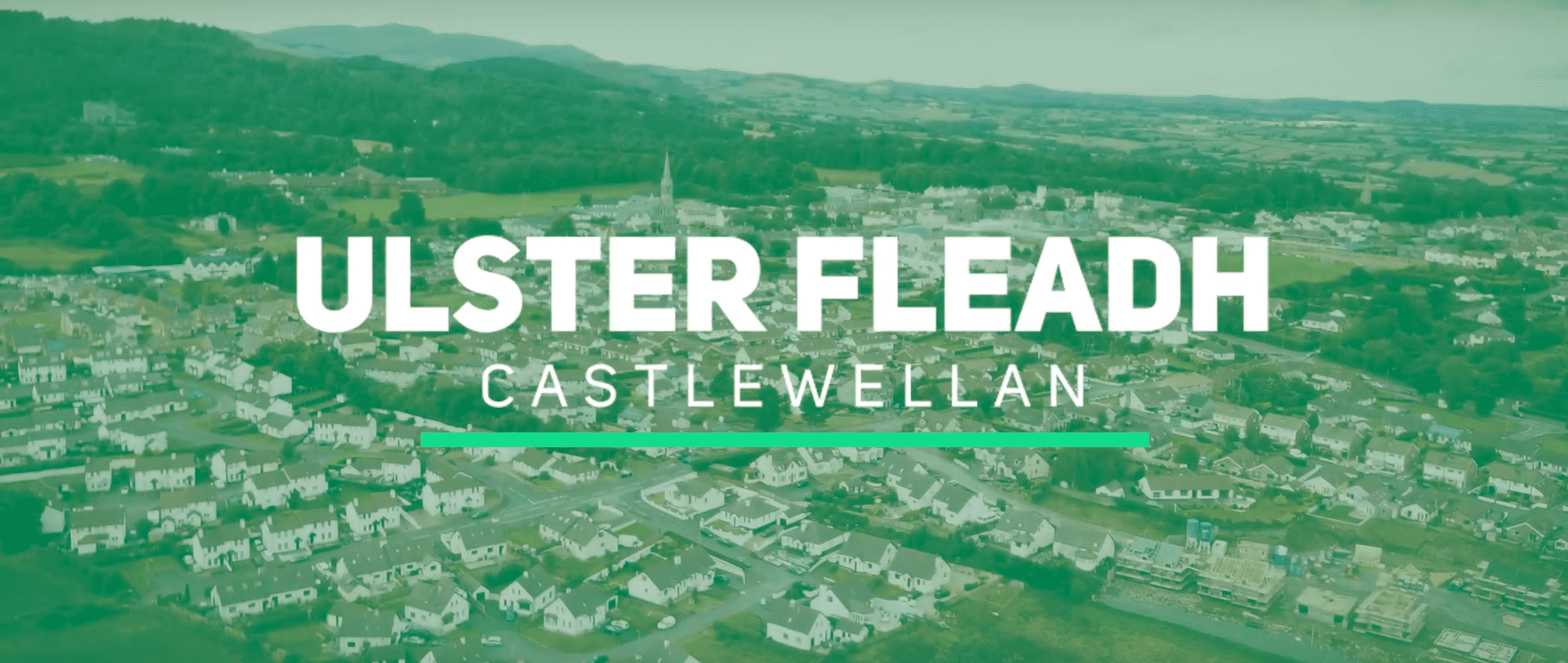
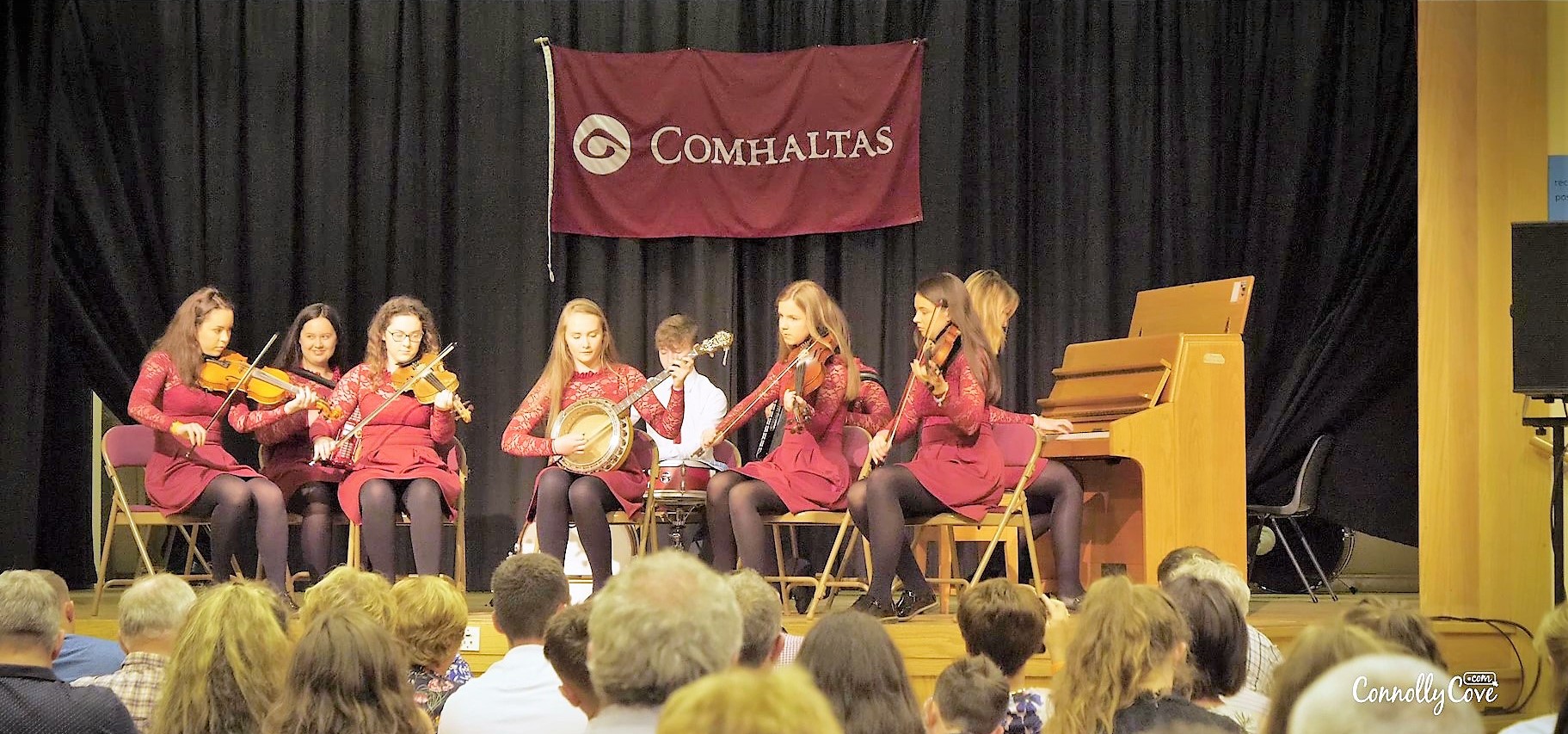
Ulster Fleadh 2018 took place in Castlewellan from 23 July to 29 July. Various people participated in this event, and one of them, Newry, Mourne, and Down Youth Trad Orchestra, played in St. Malachy’s church in Castlewellan.
Unmissable Traditional Irish Songs, Dance and Music
This year, we have attended performances throughout Castlewellan, including the ceili with the Neily O’Connor band. We went to St. Malachy’s church to attend those school competitions. There were also celebrations at Mullholand’s Bar. We visited Mooney Bros’ Lounge, checked out Savages Bar, and attended musical performances at The Townhouse. We enjoyed everything related to this competition and the music festival that is held yearly in Northern Ireland.
For non-Irish visitors coming to Northern Ireland during the time of year when Fleadh is held, we believe they should plan to check out these performances and traditions related to traditional Irish music, songs, and dance because they will learn more about Irish culture.
Music at the Heart of the Fleadh

Instruments and Styles
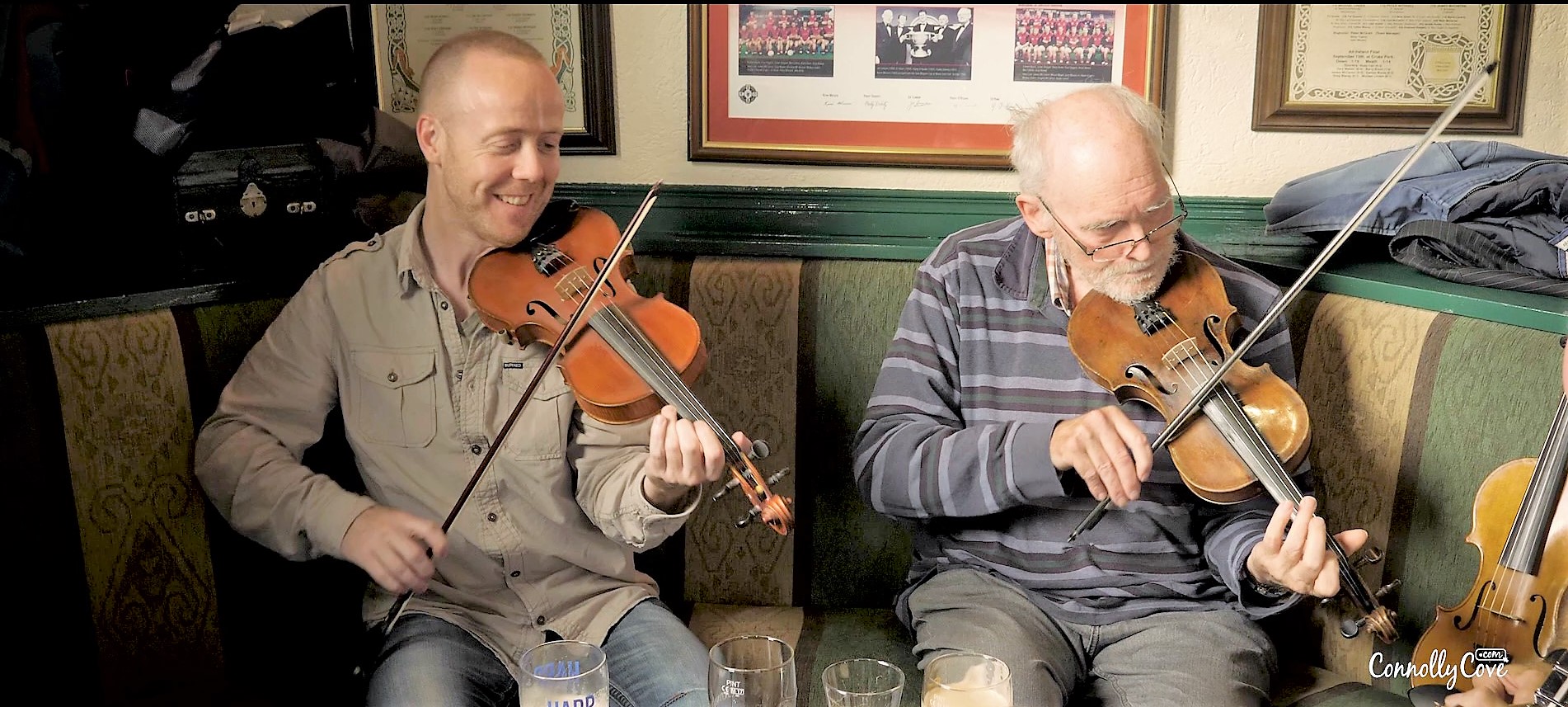
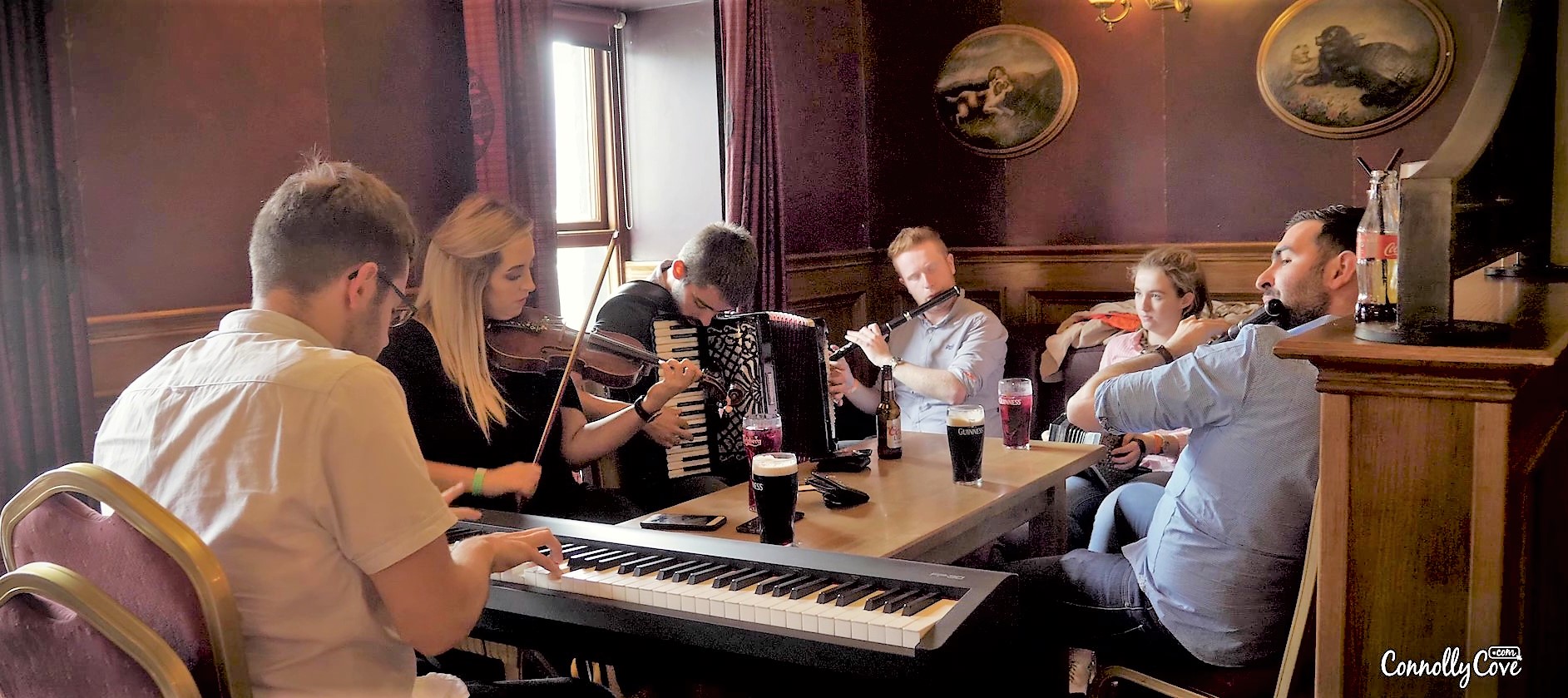
Traditional Irish music is characterised by its use of specific instruments and playing styles. The primary instruments include the fiddle, tin whistle, flute, uilleann pipes, accordion, concertina, and bodhrán. Each instrument contributes to the distinct sound of Irish music, with the fiddle often leading melodies, the uilleann pipes adding a haunting quality, and the bodhrán providing rhythmic accompaniment.
Session Culture
A defining feature of the Ulster Fleadh is the traditional music session, where musicians gather informally to play tunes together. These sessions can occur in various settings, from pubs and community halls to outdoor spaces. The spontaneous and collaborative nature of these sessions embodies the spirit of Irish music, fostering a sense of community and shared heritage. Musicians of all ages and skill levels participate, ensuring the tradition is continually passed down to younger generations.
Competitions
Ulster Fleadh’s competitive aspect is crucial to maintaining high standards of musicianship. Participants compete in various categories based on age and instrument, from solo performances to ensembles. The competition showcases talent and motivates musicians to hone their skills. Winners at the Ulster Fleadh often progress to compete at the All-Ireland Fleadh, gaining national recognition.
Heritage Traditions – Ulster Fleadh
This event aims to keep people in contact with traditional music and keep the kids well informed and aware of their heritage traditions. This was the main reason behind the creation of Fleadh. It’s a unique and special opportunity to see talented Irish musicians and dancers and experience Irish culture at its best.
Songs and Singing Traditions

Sean-nós Singing
Sean-nós, or ‘old style’, is a highly ornamented, unaccompanied form of traditional Irish singing. This style is particularly prevalent in the Gaelic-speaking areas of Ireland and is known for its expressive and free-flowing nature. Sean-nós songs often deal with themes of love, loss, and emigration, reflecting the lived experiences of Irish people throughout history.
Ballads and Folk Songs
In addition to sean-nós, the Ulster Fleadh features a wealth of Irish ballads and folk songs. These songs are typically narrative, telling stories of historical events, legendary figures, and everyday life. Ballad sessions during the Fleadh allow for communal singing, where audiences join in on choruses, creating a powerful sense of unity and shared identity.
Dance: The Heartbeat of the Fleadh

Traditional Irish Dance
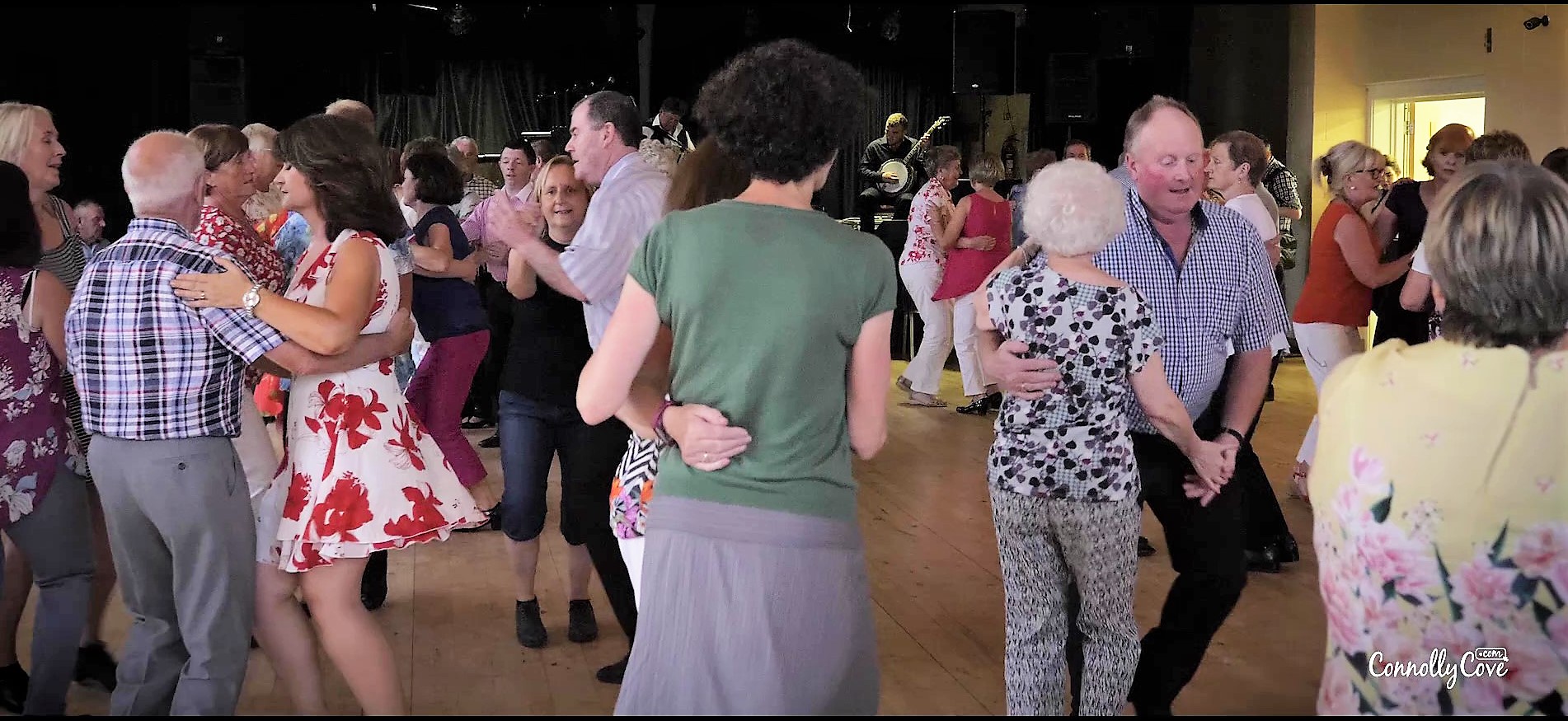
Dance is an integral part of the Ulster Fleadh, particularly emphasising traditional Irish dance forms such as set dancing, céilí dancing, and step dancing. These dances are performed to live music, with intricate footwork and precise timing being key elements.
Set Dancing
Set dancing involves groups of eight dancers performing a series of figures, or set sequences, to specific tunes. This form of dance is social and interactive and is often performed at céilí dances, which are lively community gatherings.
Céilí Dancing
Céilí dancing is similar to set dancing but usually involves larger groups and simpler figures, making it accessible to dancers of all ages and skill levels. Céilí dances are a staple of the Ulster Fleadh, fostering a spirit of inclusivity and community participation.
Step Dancing
Step dancing, made famous by shows like Riverdance, features solo dancers performing intricate and highly technical footwork. Competitions at the Ulster Fleadh showcase the talents of step dancers, who demonstrate remarkable precision and athleticism.
Dance Competitions
Dance competitions highlight the Ulster Fleadh, attracting participants across the province and beyond. Dancers compete in various categories based on age and style, from beginner to advanced levels. These competitions are not only a display of skill but also a celebration of the dedication and discipline required to master traditional Irish dance.
The Role of Comhaltas Ceoltóirí Éireann
Comhaltas Ceoltóirí Éireann (CCE) plays a pivotal role in organising the Ulster Fleadh and other regional fleadhanna. In 1951, CCE promotes and preserves traditional Irish music, song, and dance. The organisation provides education and resources, such as music classes, workshops, and publications, to support musicians and dancers. Through its network of local branches, CCE fosters a sense of community and continuity within the tradition.
The Cultural Impact of the Ulster Fleadh

Preserving Heritage
The Ulster Fleadh is a vital mechanism for preserving Irish cultural heritage. By providing a platform for traditional arts, the Fleadh ensures that these practices are passed down to future generations. The emphasis on education and competition helps maintain high standards and encourages young people to engage with their cultural roots.
Promoting the Irish Language
The festival also promotes the Irish language, with many events conducted in Irish and featuring Gaelic songs and storytelling. This linguistic element is crucial in preserving the cultural identity of the Irish people and fostering a deeper connection to their heritage.
Economic and Social Benefits
The Ulster Fleadh has significant economic and social benefits for the host communities. The influx of visitors boosts local economies, providing revenue for hotels, restaurants, and shops. Socially, the Fleadh fosters community spirit and pride, bringing people together to celebrate their shared heritage.
International Reach
The Ulster Fleadh attracts participants and visitors worldwide, highlighting the global appeal of Irish culture. This international dimension enriches the festival, as musicians and dancers from diverse backgrounds share their interpretations of traditional Irish arts. The global interest in Irish music and dance underscores these cultural forms’ universal themes and emotional resonance.
Highlights of Recent Ulster Fleadhs
Memorable Performances
Recent Ulster Fleadhs have featured memorable performances from renowned musicians and dancers. Notable highlights include virtuoso fiddle performances, breathtaking step dance routines, and heartwarming ballad sessions. These performances exemplify the high calibre of talent at the Fleadh and the participants’ dedication.
Workshops and Masterclasses
Workshops and masterclasses are integral to the Ulster Fleadh, offering participants the opportunity to learn from experts in the field. These sessions cover various topics, from instrumental techniques and dance steps to song interpretation and music theory. The educational aspect of the Fleadh is invaluable in nurturing the next generation of traditional artists.
Community Involvement
Community involvement is a cornerstone of the Ulster Fleadh. Local volunteers play a crucial role in organising and running the festival, ensuring its success year after year. The participation of local schools, community groups, and businesses further strengthens the festival’s ties to the community.
Challenges and Future Directions
Adapting to Change
Like many cultural events, the Ulster Fleadh faces challenges adapting to changing times. Digital technology and social media have transformed how traditional arts are taught, performed, and consumed. While these changes present opportunities for broader dissemination and engagement, they also pose challenges in maintaining the authenticity and communal aspects of the tradition.
Ensuring Accessibility
Ensuring accessibility is another challenge for the Ulster Fleadh. Efforts are continually made to make the festival inclusive, welcoming participants of all ages, backgrounds, and abilities. This includes providing accessible venues, offering workshops for beginners, and ensuring that all community members can participate fully in the festivities.
Promoting Sustainability
Promoting sustainability is an emerging priority for the Ulster Fleadh. This includes environmental sustainability, such as reducing waste and promoting eco-friendly practices and cultural sustainability, ensuring that traditional arts thrive in a modern context. Initiatives such as using digital platforms for remote participation and incorporating contemporary elements into traditional performances are steps towards achieving this goal.
Expanding Reach
Expanding the Ulster Fleadh’s reach, both geographically and demographically, is a crucial focus for the future. This involves attracting more international participants and engaging with younger audiences through schools and youth programmes. The Ulster Fleadh can ensure its continued relevance and vitality by broadening its appeal.
Conclusion
The Ulster Fleadh is more than just a festival; it is a vibrant celebration of Irish cultural heritage, encompassing music, song, and dance. It plays a crucial role in preserving traditional arts, fostering community spirit, and promoting Irish culture globally
Have you ever attended the Fleadh in Ireland or Northern Ireland before? What did you enjoy the most from these different performances and competitions here? Let us know, and share your stories with us!
Also, some other blog posts might interest you: The Bodhran Drums, Irish Linen Centre and Museum, Irish Dishes, and Irish Wedding Traditions.
You may also be interested in reading about Danny Boy, one of the top three popular songs in the world. We have its complete history and more for you to explore. Or maybe you would like to know more about Amazing Grace.