


Grafton Street Dublin – Ireland. Shopping Heaven!
Updated On: April 12, 2024 by  Noha Nabil
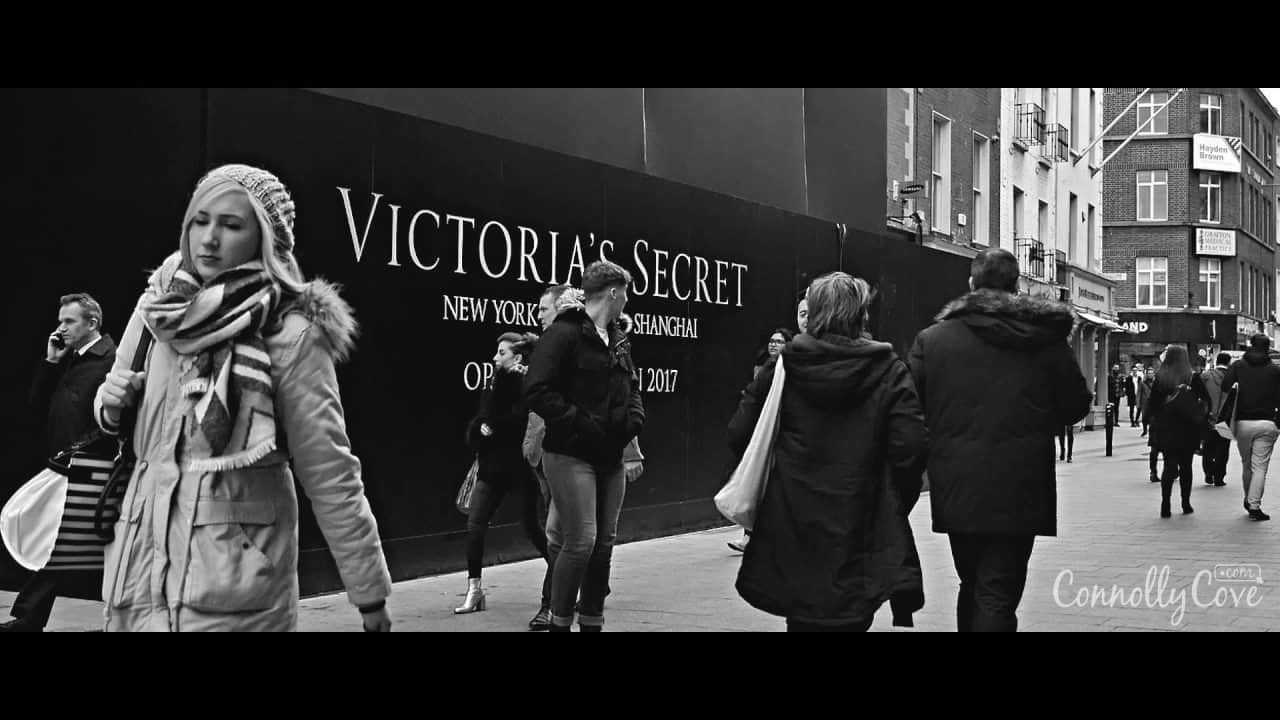
Dublin is always a famous visit when people come to Ireland; the capital city has much to see and do. Especially when it comes to shopping, you can’t miss out on visiting the world-famous Grafton Street in Dublin. It is one of Dublin’s two main shopping areas and has a tremendous and exciting history.
There are endless shops to explore, from designer and high street shops to unique boutiques and vintage shops. If shopping is your thing, you’ll want to head to Grafton Street and wander around. Whether you’re looking to buy something nice, enjoy great food, have a coffee or enjoy the lively atmosphere, this is the place for you.
History of Grafton Street
It is always good to know about the history of the area or place you are visiting, and Grafton Street isn’t short of exciting history. The area was first established by the Dawsons family back in 1708. They were a very wealthy family from Dublin city and named the street after the first Duke of Grafton, Henry Fitzroy.
Beginning as a residential street and was seen as an area associated with the wealthiest people in the 18th century. At this time, the Whytes Academy was created, a grammar school that many of the elite people of Dublin attended. Notable names who participated in this school include Thomas Moore, Robert Emmet and the Duke of Wellington.
The Beginning of the Shopping Area
Then, the O’Connell Bridge was created in 1794, initially known as the Carlisle Bridge. It made it easier for people from the north and south sides of the River Liffey to get across. The Bridge also helped expand the city and for people to experience new things.
Grafton Street then started to come alive as a shopping location, with many merchants choosing to sell their stuff here. Many buildings had been taken over as retail units throughout early 1815.
By the end of the 18th century, the area was a booming shopping location. Grafton Street was considered one of the top commercial streets in Dublin at this time. There are various shopping options, from jewellers, clothing stores, watch and clock designers, and food and wine merchants.
Brown Thomas
One of Dublin’s biggest and most well-known department stores also began here ‘Brown Thomas’ in 1849. Hugh Brown and James Thomas created it, and that’s where the name came from, a combination of theirs.
The store became an essential and popular aspect of the area. The department store is often known for its unique and award-winning window displays, which are still a massive part of its attractions today. You have to check out their displays while on Grafton Street.
Another store that continues to blossom today is the well-known jewellery shop ‘Weirs and Sons’, which first opened in the 1800s. The family-run business got so popular that they had to move to a more prominent location.
The new, more central location meant they continued to do well in the area. They created unique pieces of the finest jewellery and watches that were highly sought after and still are. They have become one of the most recognized retailers in Dublin.
Shopping on Grafton Street
Today, Grafton Street is a beacon of retail excellence, boasting an impressive array of shops, boutiques, and department stores. Whether searching for high-end fashion labels or unique artisanal goods, you’ll find something to suit every taste and budget along this bustling thoroughfare.
For fashion enthusiasts, Grafton Street offers an eclectic mix of international brands and local designers. Stores like Brown Thomas and BT2 showcase the latest trends from renowned fashion houses, while independent boutiques like Om Diva and Folkster offer unique pieces that will make a statement.
In addition to fashion, Grafton Street is home to many speciality shops catering to various interests. From luxury cosmetics at MAC Cosmetics to handcrafted Irish souvenirs at Kilkenny Shop, there’s no shortage of treasures waiting to be discovered.
Grafton Street During the 19th century
In the 19th century, Grafton Street began to be seen as not only a shopping area but a place of leisure. Many up-and-coming restaurants and cafes were created here, where many people from the city were socializing.
Bewleys Cafe
One famous cafe and the oldest in Dublin, known as ‘Bewley’s, ‘ opened its doors on the street in 1927. The cafe became popular for people to relax and enjoy great coffee.
Many famous Irish faces, including writers James Joyce and Patrick Kavanagh, spent time here. James Joyce has even mentioned the cafe in his work ‘The Dubliner’.
The cafe is loved by locals and tourists alike. Even in recent years, it has been visited by Irish singer and writer Bob Geldof. Even on a quiet day, it’s still busy and great to sit and watch the world go by.
Even the design of the cafe, both inside and out, is something to be admired and appreciated. The unique Asian tearooms inspired it. A second influence on the design came from Tutankhuman’s Tomb, which was only discovered three years before Bewleys opened. You are immediately drawn to the cafe’s six stained glass windows that make you want to stop and check it out.
Street Performers
In the late 19th century, there was a ban on cars from entering the area, making it a safer and better experience for people—a no-car zone allowed for street performers and great places for events. Grafton Street became a popular spot for musicians and singers to share their talents.
Even today, you’ll find different people performing on the streets, always attracting a crowd. Many successful musicians have made an appearance at Grafton Street. This includes U2 singer Bono, who did an unannounced gig on Christmas Eve 2009 that has become an annual event each year since. Grafton Street has become an iconic part of Dublin for finding up-and-coming singers, helping to create a great atmosphere in the area.
Molly Malone Statue
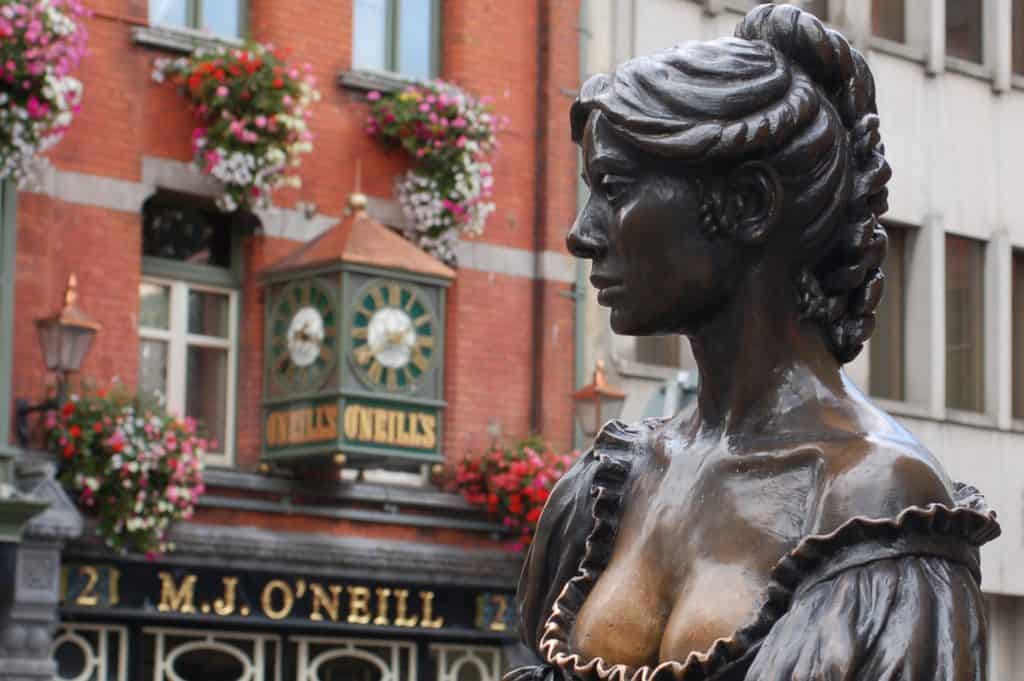
A famous feature to be added to Grafton Street is the Molly Malone Statue, first unveiled in 1988 for Dublin Millennium celebrations. The statue was created honouring the female fishmonger featured in the famous Dublin song ‘Molly Malone’.
The Lord Mayor of Dublin unveiled it at the time ‘Alderman Ben Briscoe’. The song has often been suggested as the unofficial anthem of Dublin.
Cultural Delights: Beyond Shopping
While Grafton Street may be best known for its shopping opportunities, it offers much more than retail therapy. The street pulsates with energy and excitement thanks to its vibrant cultural scene and lively atmosphere.
Street performers add to the charm of Grafton Street, entertaining passersby with music, dance, and other captivating performances. From talented musicians to skilled artists, these performers contribute to the street’s dynamic ambience, creating an immersive experience for visitors.
For those needing a break from shopping, Grafton Street has charming cafes and eateries where you can relax and refuel. Whether you’re craving a hearty Irish breakfast at Bewley’s Café or a freshly brewed cup of coffee at Butler’s Chocolate Café, you’ll find plenty of options to satisfy your appetite.
Tips for Visiting Grafton Street
- Plan your visit during off-peak hours to avoid crowds and long queues.
- Wear comfortable shoes, as you’ll likely be doing a lot of walking.
- Explore side streets and alleyways, where you’ll find hidden gems and unique shops.
- Stop and enjoy the street performers – they highlight the Grafton Street experience.
Exploring Beyond Grafton Street
While Grafton Street offers many shopping and entertainment options, its surrounding area is also worth exploring. St. Stephen’s Green is just steps away, a tranquil oasis in the city’s heart. This lush park provides a serene escape from the hustle and bustle of urban life with its winding pathways, scenic ponds, and verdant foliage.
Nearby attractions such as Trinity College and the National Gallery of Ireland offer further opportunities for exploration and discovery. Immerse yourself in Dublin’s rich history and culture as you wander through the historic halls of Trinity College or admire world-class artworks at the National Gallery.
The Magic of Christmas
No visit to Grafton Street would be complete without experiencing the magic of Christmas. Each year, the street transforms into a winter wonderland adorned with twinkling lights, festive decorations, and the unmistakable scent of mulled wine and roasted chestnuts. Shoppers can browse Christmas markets, sip hot cocoa, and enjoy live performances as they soak in the holiday spirit.
One of the most cherished traditions on Grafton Street is the annual Christmas lights ceremony, where thousands gather to witness the illumination of the street’s iconic decorations. Against the backdrop of carol singers and festive cheer, the lighting ceremony marks the official start of the holiday season, spreading joy and goodwill to all who visit.
Conclusion
Grafton Street epitomizes Dublin’s vibrant spirit, offering a captivating blend of shopping, dining, and entertainment. This iconic thoroughfare embodies the rich tapestry of Irish culture and heritage, from its historic landmarks to its contemporary boutiques.
Whether you’re strolling along its cobblestone streets, savouring a cup of coffee at a sidewalk cafe, or admiring the talents of street performers, Grafton Street promises an unforgettable experience for visitors of all ages. So, lose yourself in the magic of Grafton Street, where every corner reveals a new adventure, and every shop holds the promise of discovery.
Have you ever visited Grafton Street in Dublin? Let us know your experience in the comments below.
More Interesting ConnollyCove Blogs: Shopping in Ireland – An Insider’s Guide | Dublin’s Literary Pubs | 24 Hours in Dublin | The Temple Bar District – Dublin
The Ultimate Guide for London One Day Tours!
England
27/04/2024

Key Insights: Global Medical Tourism Statistics and Market Growth Analysis
Travel Statistics
26/04/2024
The Irish Mafia: A Closer Look at Organised Crime Syndicates
History and Heritage
26/04/2024

The Ultimate Guide to Eating Out in Ireland: Tips and Recommendations
Food and Cuisine
26/04/2024

Plan Your Perfect Trips to Northern Ireland: A Guide to the Best Tours and Vacation Packages!
Northern Ireland
26/04/2024