


Trinity College Dublin – Dublin’s Iconic Museum and University
Updated On: April 22, 2024 by  Noha Nabil
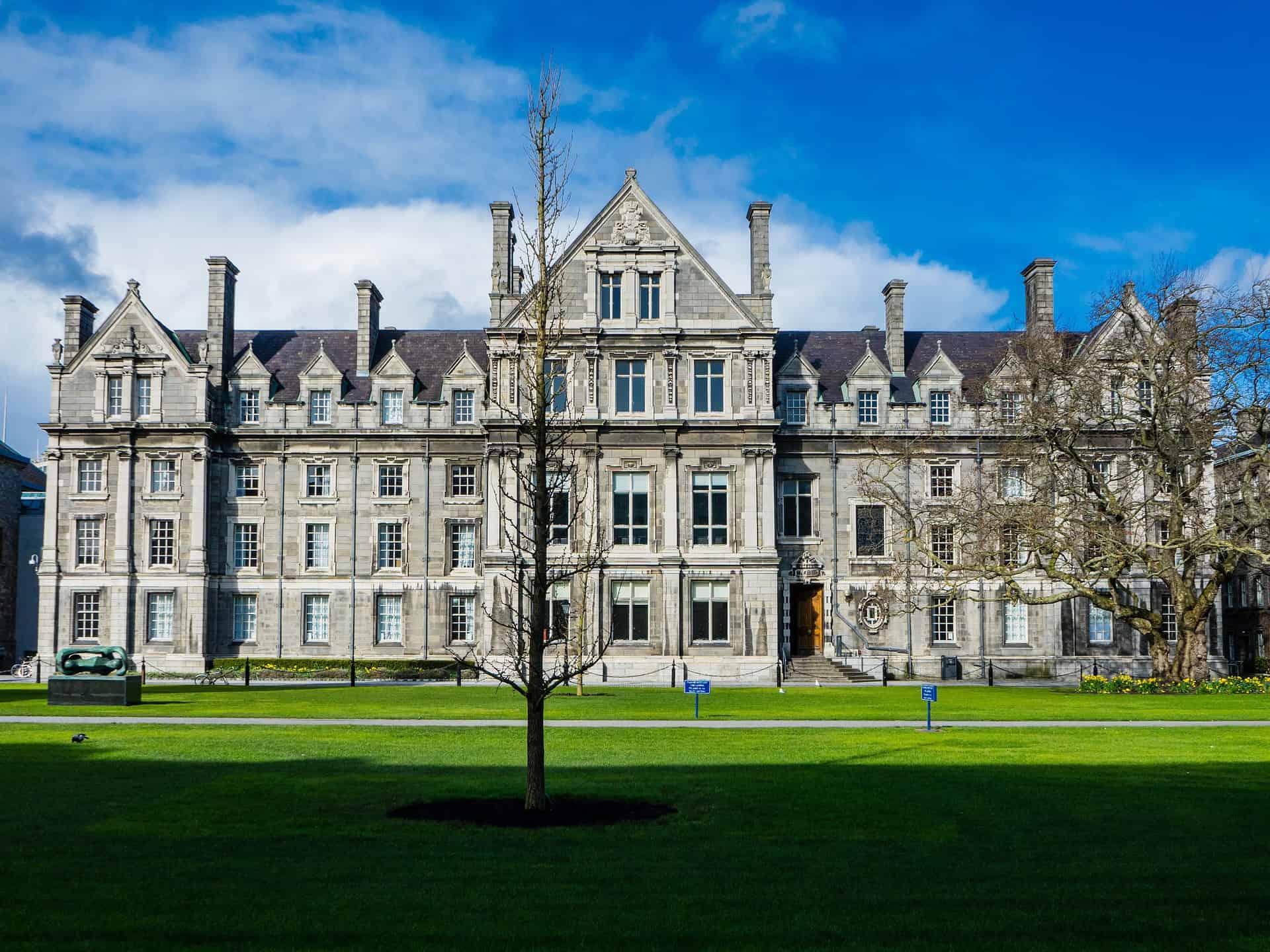
Dublin is Ireland’s capital city and has so much to offer visitors. From its incredible history and culture. To fantastic architecture and great places to eat and drink. You must check out Trinity College Dublin, a world-renowned University and Museum in the heart of Dublin.
The History of Trinity College Dublin
The success story and long history of the College began in 1592 when it was created by the royal charter. It is Ireland’s oldest living university and one of only seven ancient Universities in Britain and Ireland. Not many people know this, but the College’s full name is ‘The College of the Holy and Undivided Trinity of Queen Elizabeth.’
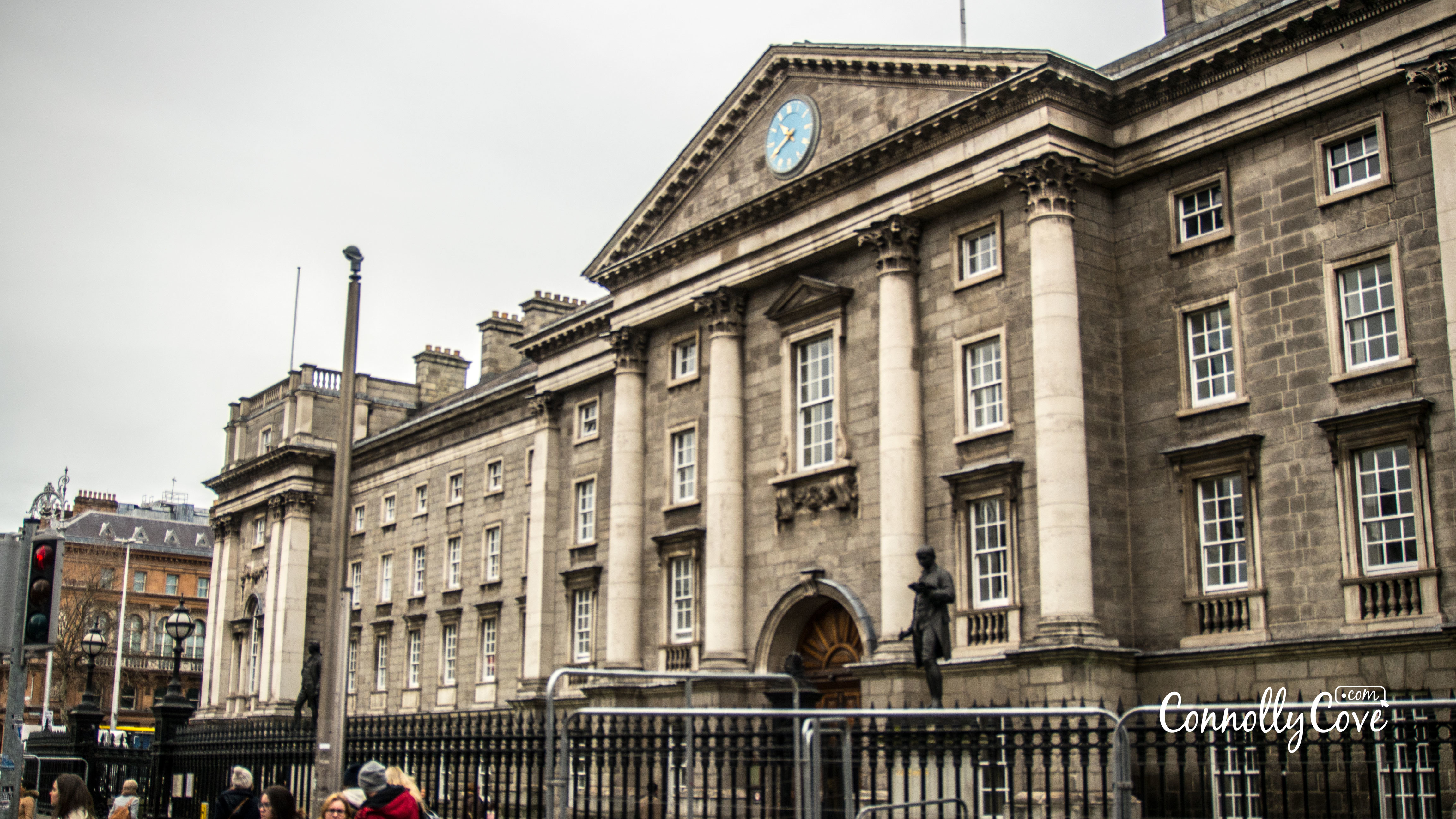
As Trinity College was developing, many British universities were thriving, and the college was intended to be similar to those across the water. Dublin was also developing into a capital city at the time. A respectful university was thought to help it reach the level of other European countries. The queen then granted permission for the college to go ahead and was built at College Green. Facing Trinity College, you will find the Irish Houses of Parliament, another historic site in Dublin.
Trinity College was partially established to consolidate the Tudor Monarch’s rule of Ireland. Among the different things and stories about Trinity College in Dublin is that it was commonly seen as a predominantly Protestant institution. Where professorships, fellowships, and scholarships were initially reserved for Protestants. This rule was then changed in 1873 to further include the Catholic community.
Academic Excellence
Trinity College Dublin is internationally recognized for its academic excellence across various disciplines. With faculties spanning the arts, humanities, sciences, social sciences, and engineering, the university offers a diverse array of undergraduate and postgraduate programs. Renowned for its rigorous academic standards and innovative research, Trinity College attracts top students and scholars from around the globe.
The university’s faculty comprises leading experts and scholars in their respective fields, fostering a dynamic learning environment that encourages intellectual curiosity and critical thinking. Students at Trinity College benefit from small class sizes, personalized attention, and access to state-of-the-art facilities and resources. The university’s commitment to excellence in teaching and research ensures that graduates are well-equipped to succeed in their chosen careers and make meaningful contributions to society.
Cultural and Intellectual Life
Beyond its academic pursuits, Trinity College Dublin offers a vibrant cultural and intellectual scene that enriches the university experience. The university is home to numerous cultural societies, clubs, and events catering to diverse interests and passions. From literary societies to music ensembles drama groups to debate clubs, there is no shortage of opportunities for students to explore their interests and engage with like-minded peers.
Trinity College hosts lectures, seminars, and exhibitions featuring prominent scholars, artists, and thought leaders worldwide. These events provide a platform for intellectual exchange and dialogue, enriching the academic community and fostering a spirit of inquiry and discovery.
In addition to its cultural offerings, Trinity College Dublin is committed to promoting diversity, equality, and inclusion within its campus community. The university actively supports initiatives to create a welcoming and supportive environment for all students, regardless of background or identity. Through its commitment to diversity and inclusion, Trinity College strives to cultivate a campus culture that celebrates differences and fosters mutual respect and understanding.
Trinity College Dublin Campus
The campus of Trinity College is pretty huge, and there are specific things to be spotted in addition to all these old buildings that form the college. An essential library is considered one of the oldest in the country. The Samuel Beckett Theatre and the Douglas Hyde Gallery are also located on the campus.
The Samuel Beckett Theatre
As mentioned above, this is also an essential aspect of the Trinity College Campus. It was named after one of the brilliant playwrights of the 20th century. The theatre was opened in 1992 to help celebrate the 400 years of the college’s beginning. It is part of the college’s drama, film and music department.
During term time, it showcases various works created by students and the different courses. Prestigious dance and theatre companies in Ireland and worldwide also use the theatre facilities. You will see regular events at the Dublin Theatre Festival and the Dublin Dance Festival at this theatre.
Douglas Hyde Gallery
Also found on the historical Trinity College Campus is the contemporary art gallery called ‘The Douglas Hyde Gallery.’ The gallery opened in 1978; it is publicly funded and was once Ireland’s only public contemporary art gallery.
The gallery has gained international recognition for bringing unknown artists to the people of Ireland. Along with being a place where Irish artists can show off their work. It offers a variety of different smaller galleries and exhibitions. It’s worth checking out on your visit to Trinity College.
Trinity College Dublin Library
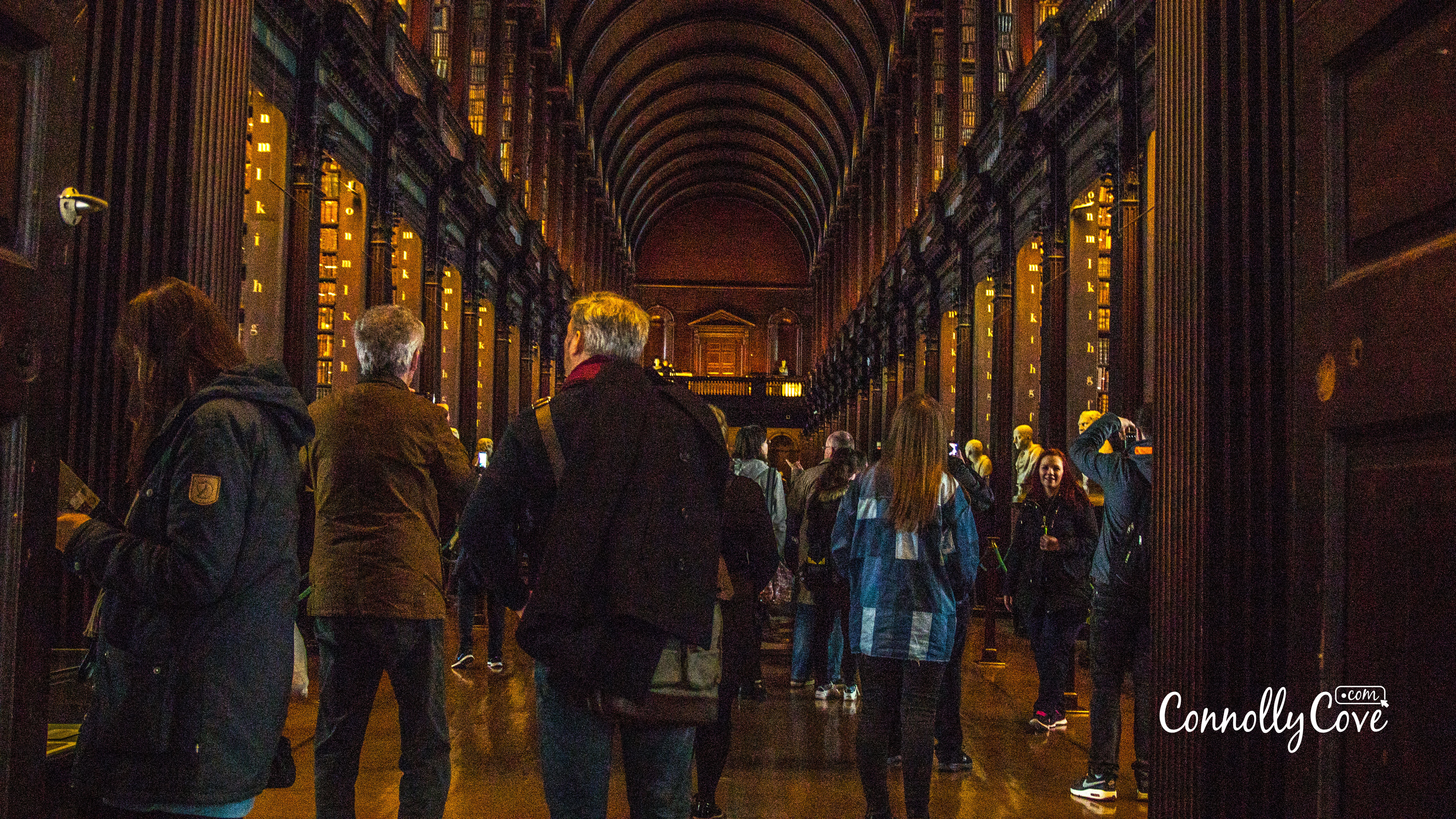
One of the most famous features of the university is its excellent library. Which is also the most extensive Library in Ireland. It has an incredible six million printed volumes for visitors to browse through. As well as a vast collection of journals, manuscripts, and more that reflect over 400 years of academic development.
Walking inside the library is a feeling we won’t be able to describe. But the closest thing we could say is that it feels like walking back in history. With its atmosphere, the statues and all the old books surround you from every corner. It is pretty incredible.
Due to the library’s historical stance, it is considered a legal deposit library for the United Kingdom and assumes a similar role in Ireland. The library has also entitled a copy of every book published in Great Britain and Ireland.
This means that over 100,000 new items are added to the library yearly. It’s just amazing if you’re a book geek; you must visit this incredible library.
The Book of Kells
One of the most famous manuscripts at the Trinity College Library is the Book of Kells. A trip to Dublin would not be complete without checking out this historic and famous book.
The book consists of the four gospels of the Christian scriptures written in Latin. The Book of Kells is the oldest in the world. Dating back to the year 800, scholars have been unable to say where for centuries.
It has been said that the book’s name comes from a Monastery of Kells located in County Meath, Ireland. It is believed that it was brought to Kells after a Viking raid on the island of Iona in Scotland back in 806.
The book stayed at Kells until 1654 before it was sent to Dublin for safekeeping. The bishop of Meath gave the book of Kells manuscript to Trinity College in 1661 and has stayed there ever since. Apart from being loaned out to other libraries and museums, it was always brought back to Trinity College.
It wasn’t until around the 19th century that the book gained worldwide recognition. It is now one of Dublin’s most visited tourist attractions, with people coming far and wide to get a glimpse of the manuscript. Inside the library where the book is housed is an unforgettable experience if you’ve walked into a film set it’s that cool.
Recognition
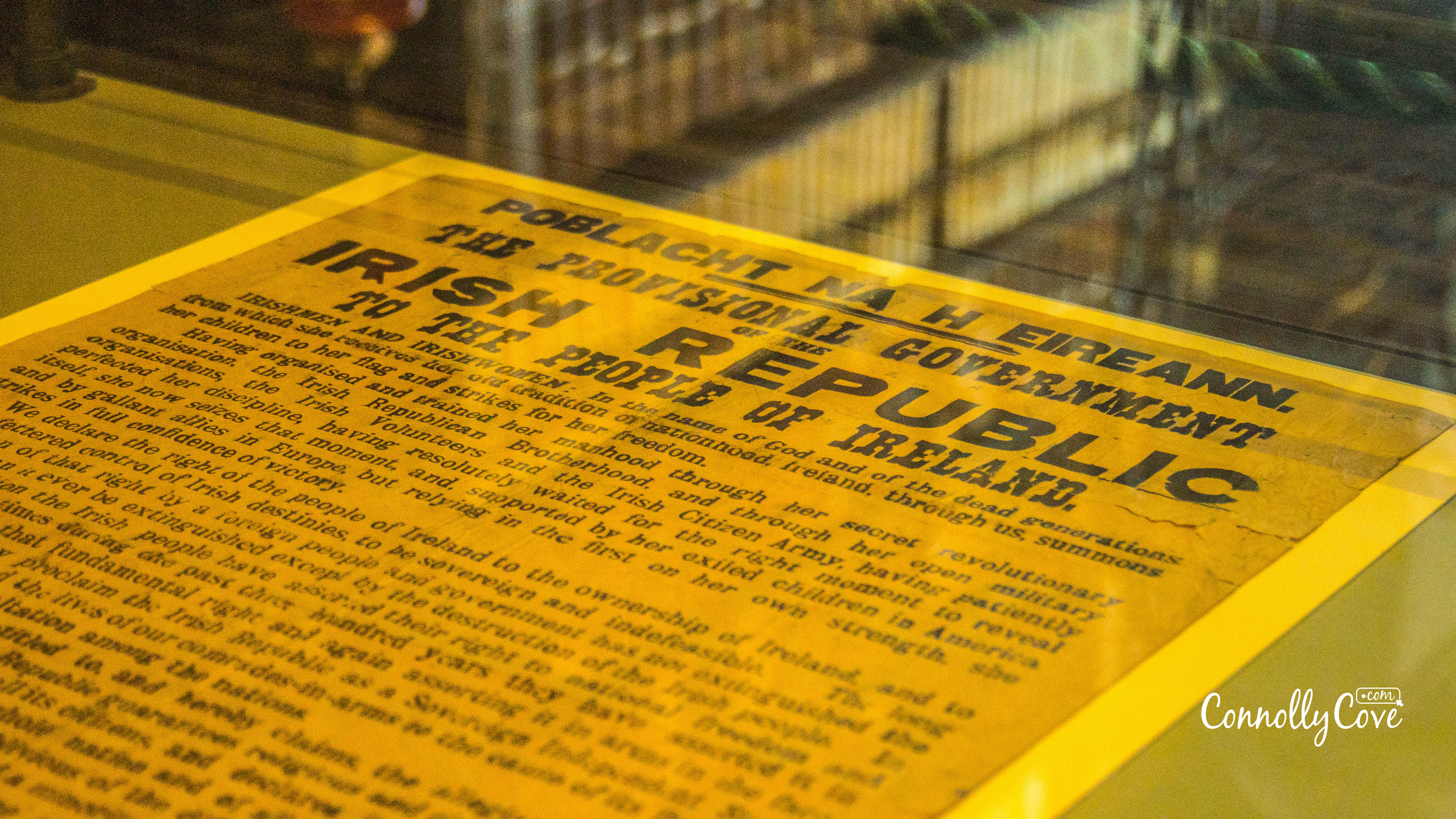
It is important to mention some essential ranks this college received when participating in different polls. 2010 Forbes placed Trinity College as one of the 15 most beautiful colleges worldwide.
Voted number one by Pitchbook in Europe for Graduate Entrepreneurship, an impressive three years in a row. (2016, 2017, 2018) Trinity College also became Reuters’s top 50 most innovative European universities.
Guided Tours
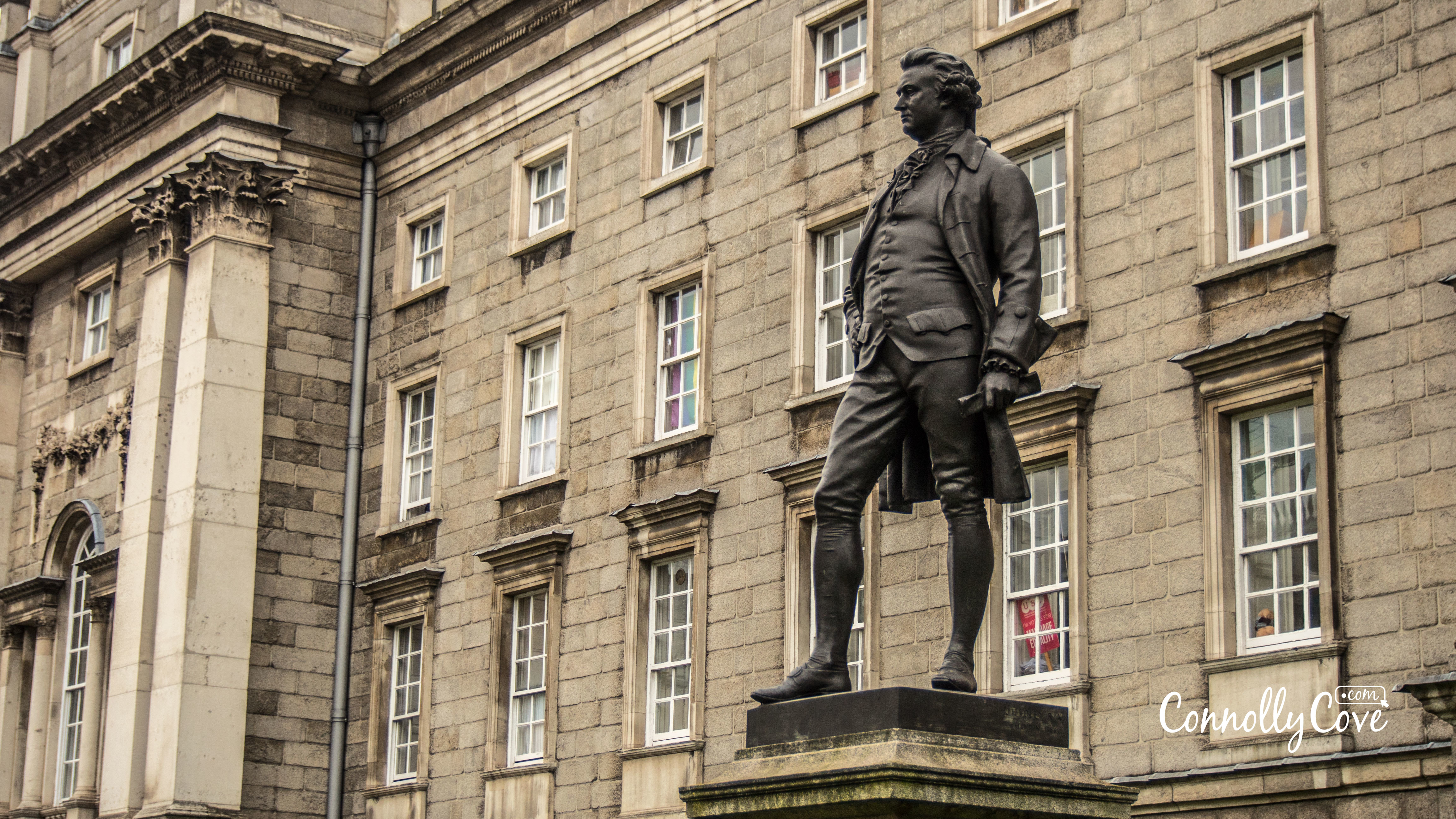
One of the best things is that you can take part in guided tours of the college from its facilities, seeing its fantastic architecture and visiting the famous library.
While on this tour, you will learn all about the impressive history surrounding Trinity College. Its traditions, building uses, and what it’s like today were all told by college students. A must-do when you’re in Dublin, a unique experience.
Conclusion
Trinity College Dublin stands as a beacon of academic excellence, cultural heritage, and intellectual inquiry in the heart of Dublin. With its rich history, stunning architecture, and commitment to excellence in teaching and research, the university inspires generations of students, scholars, and visitors worldwide. As Trinity College looks to the future, it remains dedicated to its founding principles of scholarship, integrity, and service, ensuring its legacy of excellence for generations to come.
Have you ever been to Trinity College in Dublin? We would love to hear any experiences you have in the comments below.
Don’t forget to check out other places and attractions in Dublin worth checking out: The Famous Temple Bar | Dublinia Viking Museum | The Famous Guinness Storehouse | Molly Malone Statue | Phoenix Park | O’Connell Street | Merrion Square

7 Top Amusement Parks in England for an Unforgettable Adventure
England
25/04/2024

Miami Tourism Statistics: A Comprehensive Overview of Visitor Numbers and Revenue
Travel Statistics
25/04/2024

The Enchanting Charm of Scotland Wedding Castles!
Scotland
25/04/2024
London in June: An Ultimate Guide to 13 Unmissable Events and Festivals
United Kingdom
25/04/2024
The Perfect Day Trip from London: Where Will Your Adventure Take You?
United Kingdom
25/04/2024