


The Famous St. Stephen’s Green, Dublin

Updated On: April 07, 2024 by  Noha Nabil
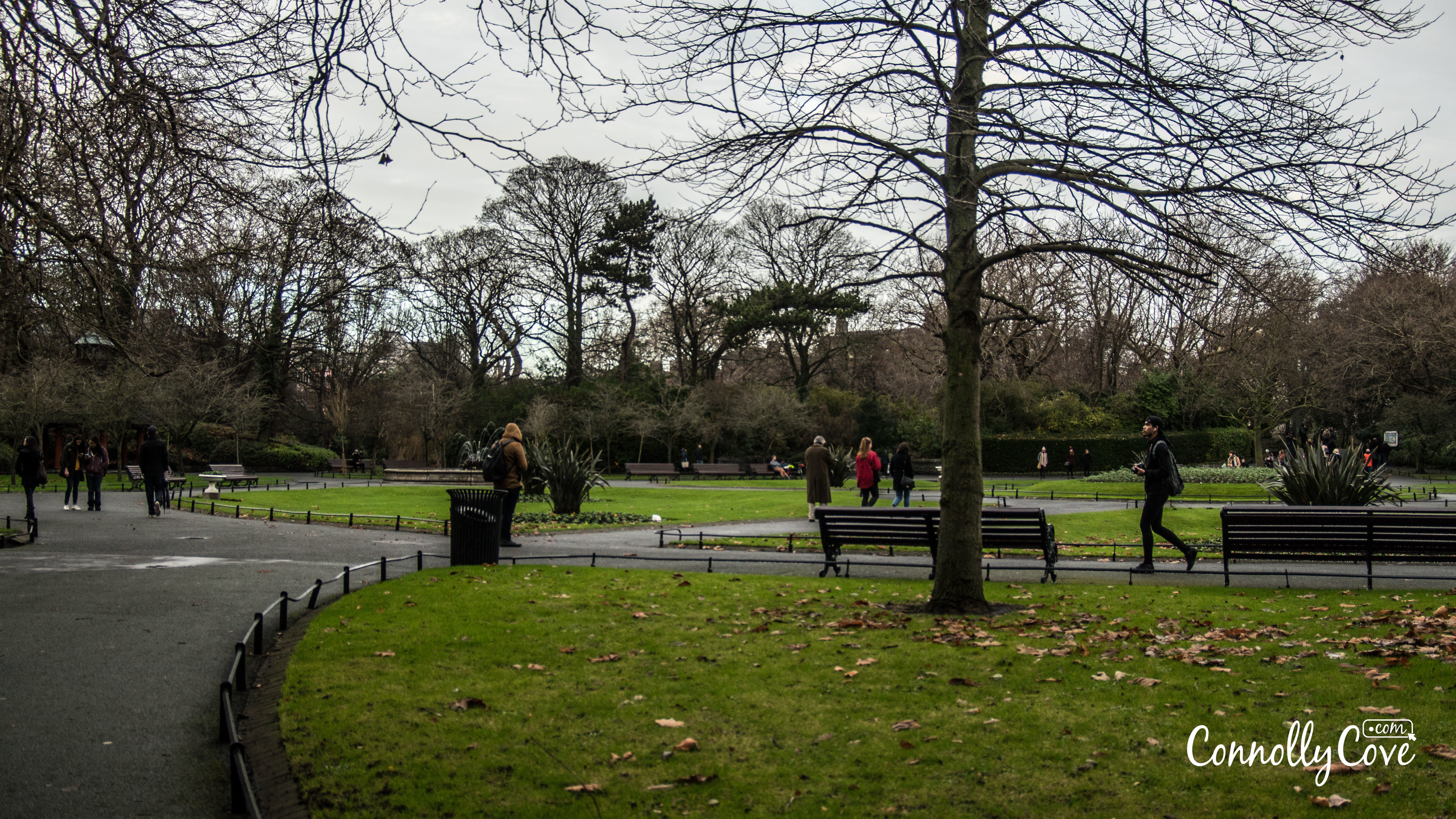
St. Stephen’s Green is a significant historic public park in the City Centre of Dublin, Ireland. The park was initially opened in 1880 by Lord Ardiluan. William Sheppard designed the current landscape of St. Stephen’s Green. The park has been maintained to its original Victorian layout with extensive perimeter trees, shrub planting, and spring and summer Victorian bedding.
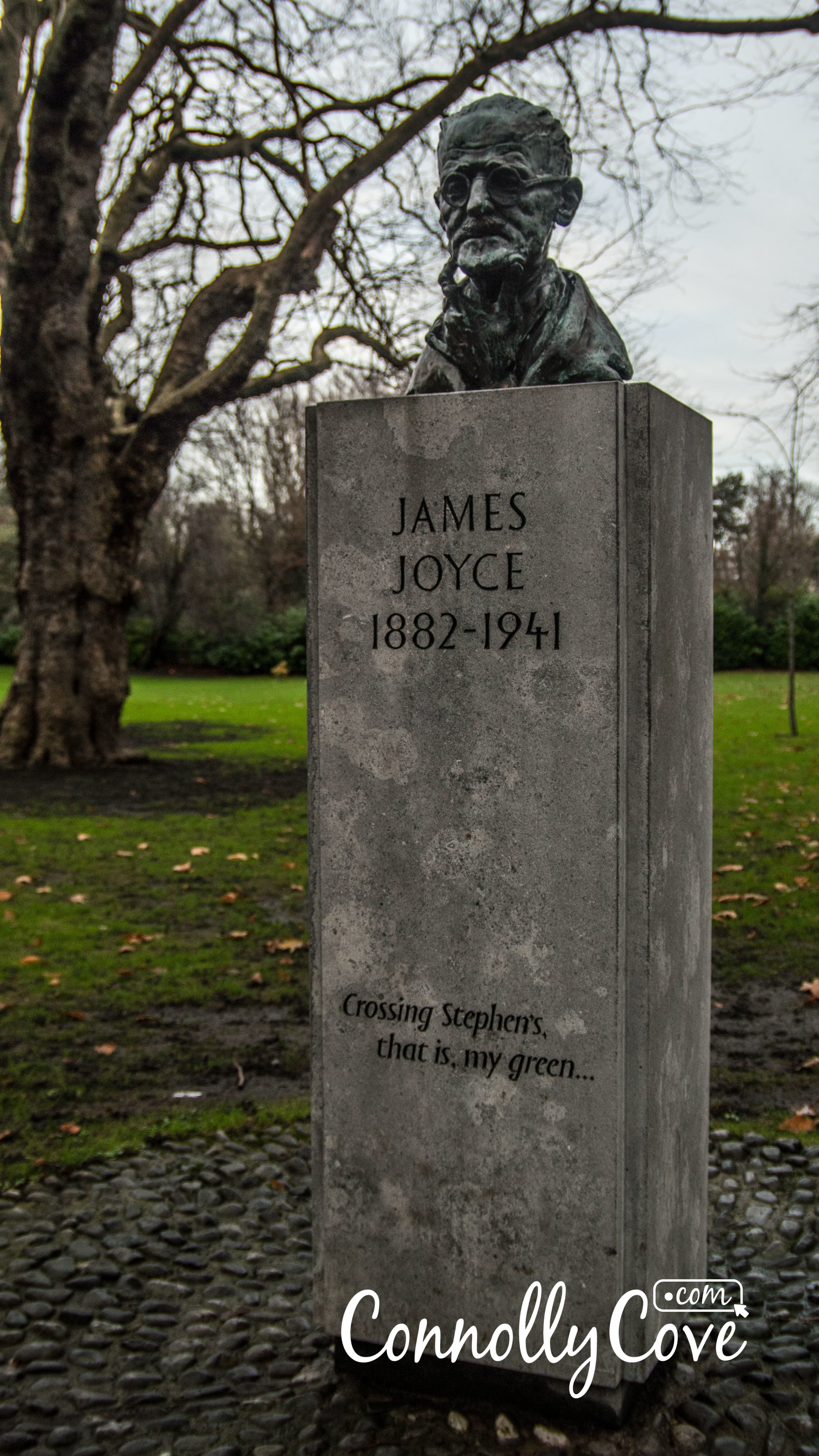
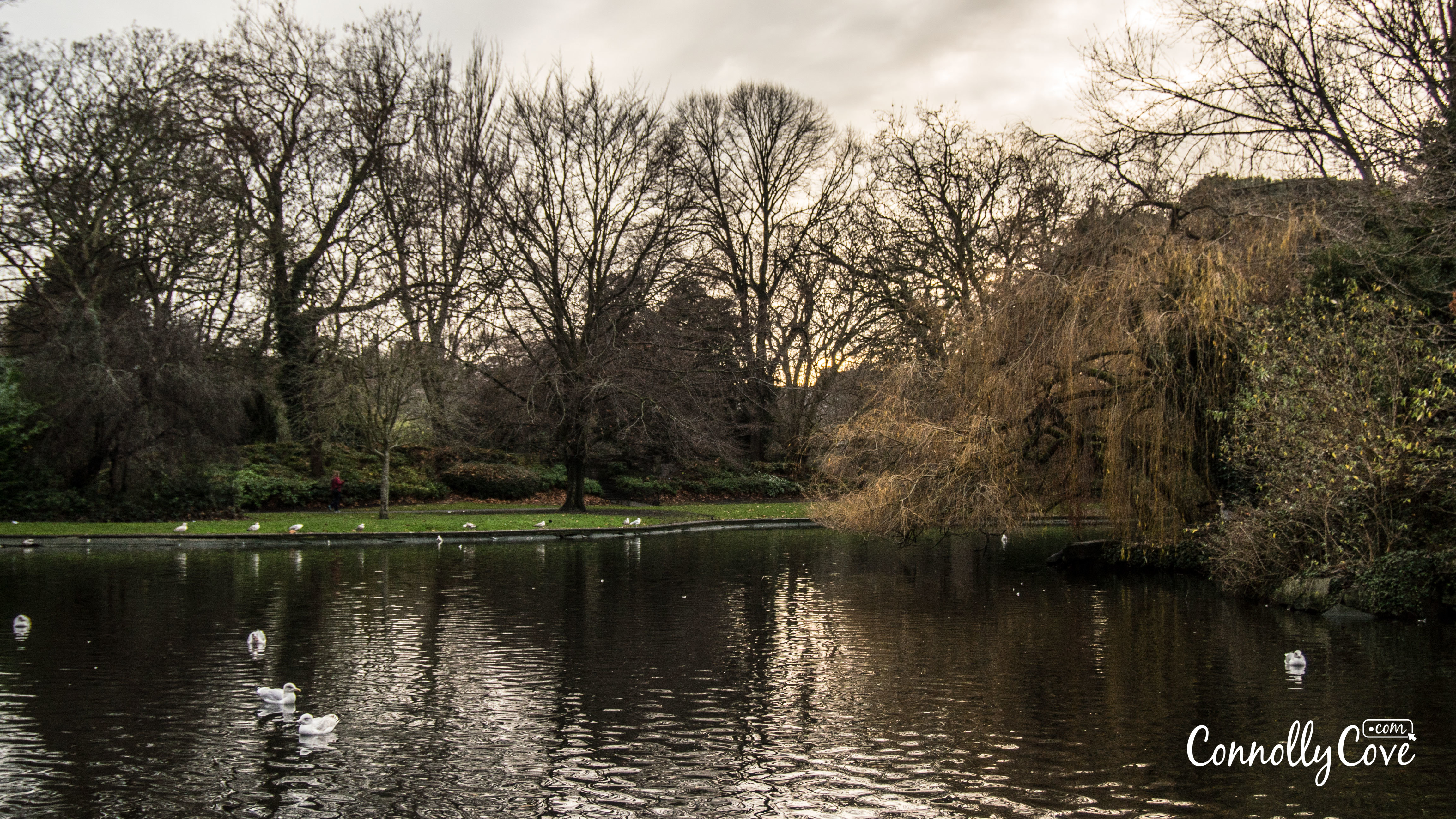
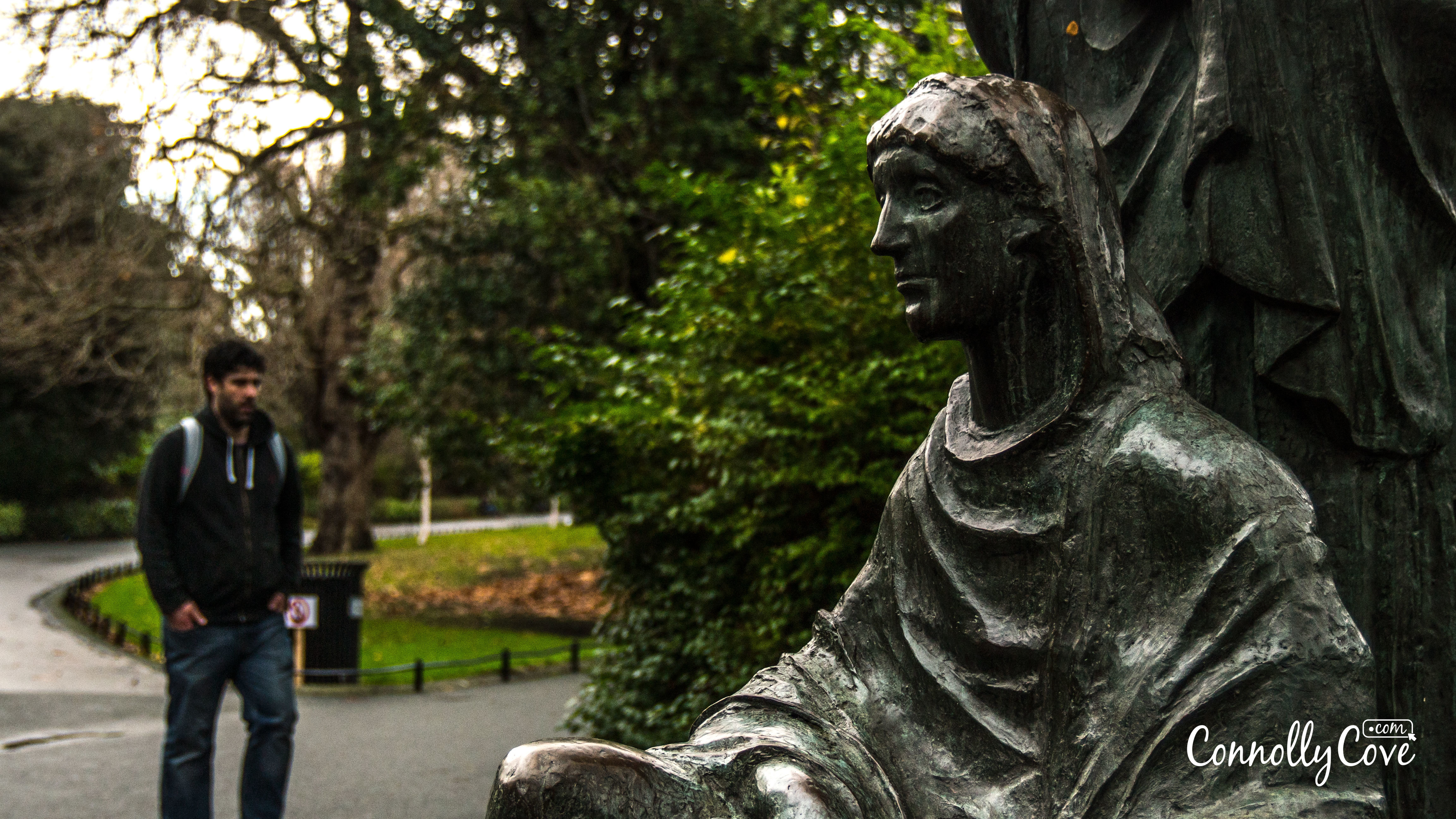
The Paparkeatures waterfall and Pulham rockwork on the west side of the green and an ornamental lake allow for water flow. Various sculptures throughout St. Stephen’s Green are recognized for their Irish history. A children’s playground and a garden for the visually impaired are also available.
The central opening times of the park are from 1 January Until 24 December from Monday to Sunday, 7.30-19.00 (except Sunday w, which opens later at 9.30 am)
Check out some photos below from our day out to St. Stephen’s Green, Dublin. (Click on the image to enlarge)
A Historic Overview
St. Stephen’s Green boasts a storied past dating back to the 17th century. Initially a marshy area outside the city walls, the green underwent a transformative journey under the guidance of renowned architect William Sheppard. In 1664, Sheppard was commissioned to design a formal park with walkways, ponds, and manicured lawns, transforming the landscape into the picturesque sanctuary it is today.
Over the centuries, St. Stephen’s Green has witnessed significant milestones in Dublin’s history. The park has been a focal point for various events, from political rallies to social gatherings. One of its most poignant moments came during the Easter Rising of 1916 when the green became a battleground for Irish rebels seeking independence from British rule. Today, memorials and plaques throughout the park pay tribute to the heroes and martyrs who fought for Ireland’s freedom.
An Architectural Gem
Beyond its historical significance, St. Stephen’s Green showcases architectural brilliance. The park is bordered by elegant Georgian buildings, many of which have been meticulously preserved, adding to its allure. The iconic Fusilier’s Arch, erected in 1907, serves as the main entrance to the park and stands as a symbol of Dublin’s resilience and spirit.
Wandering through St. Stephen’s Green, visitors are greeted by various architectural styles, from Victorian-era bandstands to ornate statues depicting figures from Irish mythology. The Victorian Garden, with its intricate floral displays and serene atmosphere, offers a glimpse into Dublin’s past while providing a quiet escape from the chaos of modern life.
Natural Splendor
Despite its urban setting, St. Stephen’s Green is a haven for nature and outdoor enthusiasts. The park’s expansive lawns provide ample space for picnics and strolls, while its winding pathways offer opportunities for exploration and discovery. The tranquil lake, teeming with waterfowl and surrounded by weeping willows, invites visitors to pause and reflect amidst the beauty of nature.
St. Stephen’s Green undergoes a stunning transformation throughout the seasons, each offering its unique charm. In spring, vibrant blooms carpet the park in a riot of colour, while summer brings the sweet scent of freshly cut grass and the sounds of laughter echoing through the trees. Autumn casts a golden hue over the landscape as leaves crunch underfoot and the air grows crisp with the promise of winter’s approach.
Cultural Hub
Beyond its natural beauty and historical significance, St. Stephen’s Green is a cultural hub, hosting various events and activities throughout the year. From outdoor concerts to art exhibitions, there’s always something happening within the park’s leafy confines. The annual Bloomsday celebrations, commemorating James Joyce’s masterpiece Ulysses, draw literary enthusiasts worldwide, while summer festivals showcase the best Irish music, food, and culture.
Preserving a Legacy
As one of Dublin’s most cherished landmarks, St. Stephen’s Green holds a special place in the hearts of locals and visitors alike. Efforts to preserve and enhance the park’s natural beauty and historical integrity are ongoing, ensuring that future generations can enjoy its splendour for years. Through careful stewardship and community engagement, St. Stephen’s Green will remain a timeless symbol of Dublin’s past, present, and future.
Attractions Near St. Stephen’s Green
St. Stephen’s Green is in the heart of Dublin, surrounded by many attractions catering to various interests. Here are some notable attractions located near St. Stephen’s Green:
- Grafton Street: Just a stone’s throw away from St. Stephen’s Green, Grafton Street is Dublin’s premier shopping thoroughfare. Lined with an array of shops, boutiques, cafes, and street performers, it offers a vibrant atmosphere for locals and tourists.
- Trinity College Dublin: Located a short walk from St. Stephen’s Green, Trinity College is Ireland’s oldest university, renowned for its stunning architecture and rich history. Visitors can explore the historic campus, home to the Book of Kells, a beautifully illuminated manuscript dating back to the 9th century.
- National Museum of Ireland – Archaeology: Situated on Kildare Street, just a brief stroll from St. Stephen’s Green, this museum houses an extensive collection of archaeological artefacts, including the Ardagh Chalice, the Tara Brooch, and the famous bog bodies.
- Dublin Castle: A short distance from St. Stephen’s Green lies Dublin Castle, a historic landmark dating back to the 13th century. Visitors can explore the castle’s State Apartments, Gothic Chapel, and the stunning Dubhlinn Gardens.
- Merrion Square: Adjacent to St. Stephen’s Green, Merrion Square is another picturesque Georgian square renowned for its vibrant atmosphere and historic significance. It is home to the National Gallery of Ireland and a statue of Oscar Wilde, one of Ireland’s most celebrated literary figures.
- National Museum of Ireland – Natural History: Located on Merrion Street, this museum is affectionately known as the “Dead Zoo” and boasts an extensive collection of taxidermy specimens, fossils, and exhibits showcasing Ireland’s natural heritage.
- Merrion Street Upper: This street is lined with beautiful Georgian townhouses and is home to the Government Buildings where the Taoiseach (Prime Minister) of Ireland resides. Visitors can admire the architectural splendour of the buildings while taking a stroll.
- St. Patrick’s Cathedral: A short walk from St. Stephen’s Green, St. Patrick’s Cathedral is one of Dublin’s most iconic landmarks. Dating back to the 12th century, it is the largest church in Ireland and is renowned for its stunning Gothic architecture and rich history.
- Dublin’s Creative Quarter: Located near St. Stephen’s Green, Dublin’s Creative Quarter is a vibrant hub of creativity and innovation, featuring an eclectic mix of independent boutiques, art galleries, cafes, and design studios.
- Dublin’s Literary Pub Crawl: A guided tour of Dublin’s historic pubs is a must-do activity for literary enthusiasts. Starting near St. Stephen’s Green, these tours offer a fascinating insight into Dublin’s literary heritage, visiting famous haunts frequented by renowned writers such as James Joyce, Samuel Beckett, and Oscar Wilde.
With its central location and proximity to these diverse attractions, St. Stephen’s Green is an ideal starting point for exploring Dublin’s rich tapestry of history, culture, and creativity. Whether you’re interested in shopping, history, art, or literature, there’s something for everyone in this vibrant cityscape.
Conclusion
St. Stephen’s Green is a testament to Dublin’s rich history, architectural beauty, and natural splendour. From its humble beginnings as a marshy wasteland to its current status as a beloved urban oasis, the park has captivated the hearts and imaginations of all who wander within its gates. As Dublin continues to evolve and grow, St. Stephen’s Green remains a steadfast symbol of the city’s enduring spirit and timeless charm.
Have you ever visited St. Stephen’s Green in Dublin? Let us know in the comments below.
Other Great Dublin Blogs: Phoenix Park, Dublin | Merrion Square, Dublin | Bloomsday Festival, Dublin | 24 Hours in Dublin | O’Connell Street, Dublin’s Main Street

Explore the Top Hotels in County Cavan for Your Ultimate Getaway
County Cavan
17/04/2024

Irish Golf: Exploring the Top Golf Courses in Ireland
Culture Exploration
17/04/2024

Exploring the Rich Tradition of Gaelic Festivals: Samhain, Imbolc, Bealtaine, and Lughnasadh
Festivals and Events
16/04/2024

Legendary Irish Golfers: A Celebration of the Emerald Isle’s Champions
Culture Exploration
16/04/2024

Westminster Pier – London Attractions
England
16/04/2024