


10 Intriguing Pilgrimage Sites Around the World
Updated On: April 22, 2024 by  Miranne Khaled
In various religions and belief systems, pilgrimage has always held a profound significance, being an integral part of different practices. Throughout history, numerous destinations have become pilgrimage sites, holding an authentic prominence to many respective faiths. These hallowed grounds are believed to hold a different ambience and powerful energy from other ordinary places around the world.
Recorded history claims that Christians were the first to undertake the earliest pilgrimage, dating back to the 1st century C.E. That was followed by Muslims, who had their own pilgrimage rituals in the 6th century. Several centuries later and these faiths have withstood the test of time, with the same pilgrimage sites staying well-kept and preserved. Various other beliefs have followed in the footsteps of the Christians and Muslims, creating their very own pilgrimage sites.
The true essence of the pilgrimage concept lies in its profound depiction of the human journey through life. According to many faiths, pilgrimage is believed to have an immensely positive impact on the pilgrims, assisting in exploring spirituality and nurturing personal growth. It’s also commonly believed that these holy places unite people with a shared purpose: to deepen their connection with their Mighty God.
Many people have always been intrigued yet perplexed by pilgrimage rituals, and we sense that you have also been among those crowds. In this article, we satisfy your thirst for knowledge and feed your curiosity with genuine information on the world’s most renowned pilgrimage sites.
1. Jerusalem, Palestine
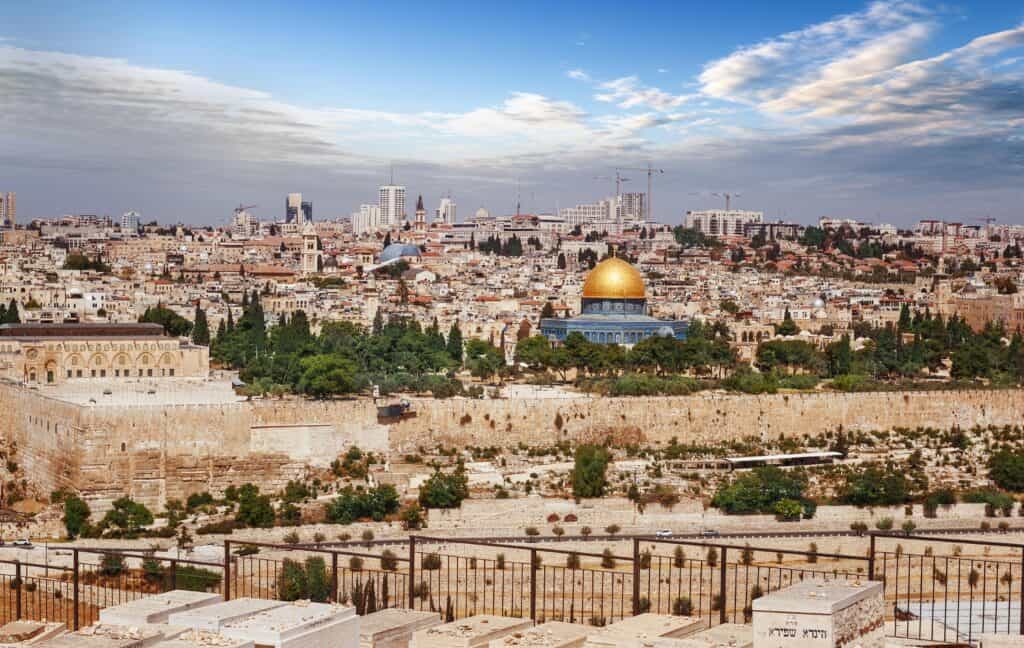
Jerusalem is almost the oldest of all the pilgrimage sites in the world. Not only does it hold a paramount significance for Christians, but it’s also quite sacred in the Islamic and Jewish faiths. According to Christian beliefs, Palestine was the birthplace of Jesus, and Jerusalem was where he spent his last moments, walking its holy streets.
Consequently, Christian pilgrims from all over the world are devoted to performing their pilgrimage rituals during the Holy Week in the ancient city of Jerusalem. It’s a spiritual journey where the pilgrims seek to strengthen their faith and connection with the divine. It also holds significance in Islamic beliefs, considering their shared ideas in Jesus with the Christians.
Though it’s one of the important pilgrimage sites and the most ancient cities with rich history, gaining entry isn’t always an easy feat, given the political instability and terrorism taking place within the holy lands. Yet, the city welcomes tourists from all around the world every year. It’s a fascinating place to be, where you’ll get to see iconic landmarks, including the Western Wall, Dome of the Rock, Church of the Holy Sepulchre, Al Aqsa Mosque, and Mount of Olives.
2. Mecca, Kingdom of Saudi Arabia
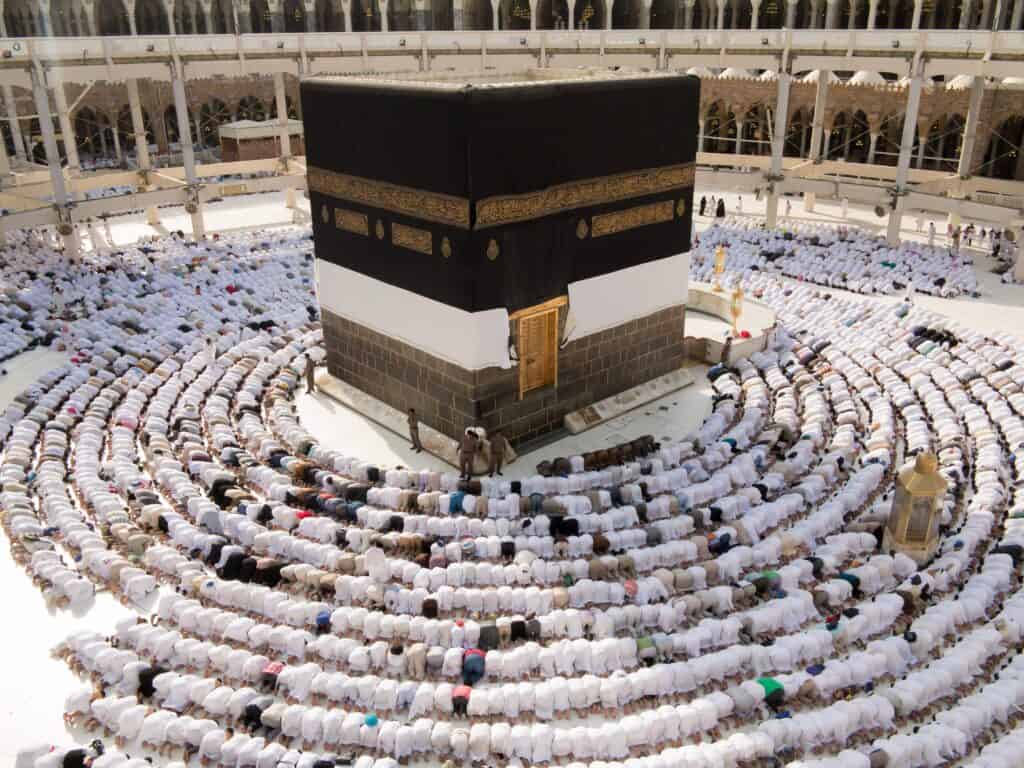
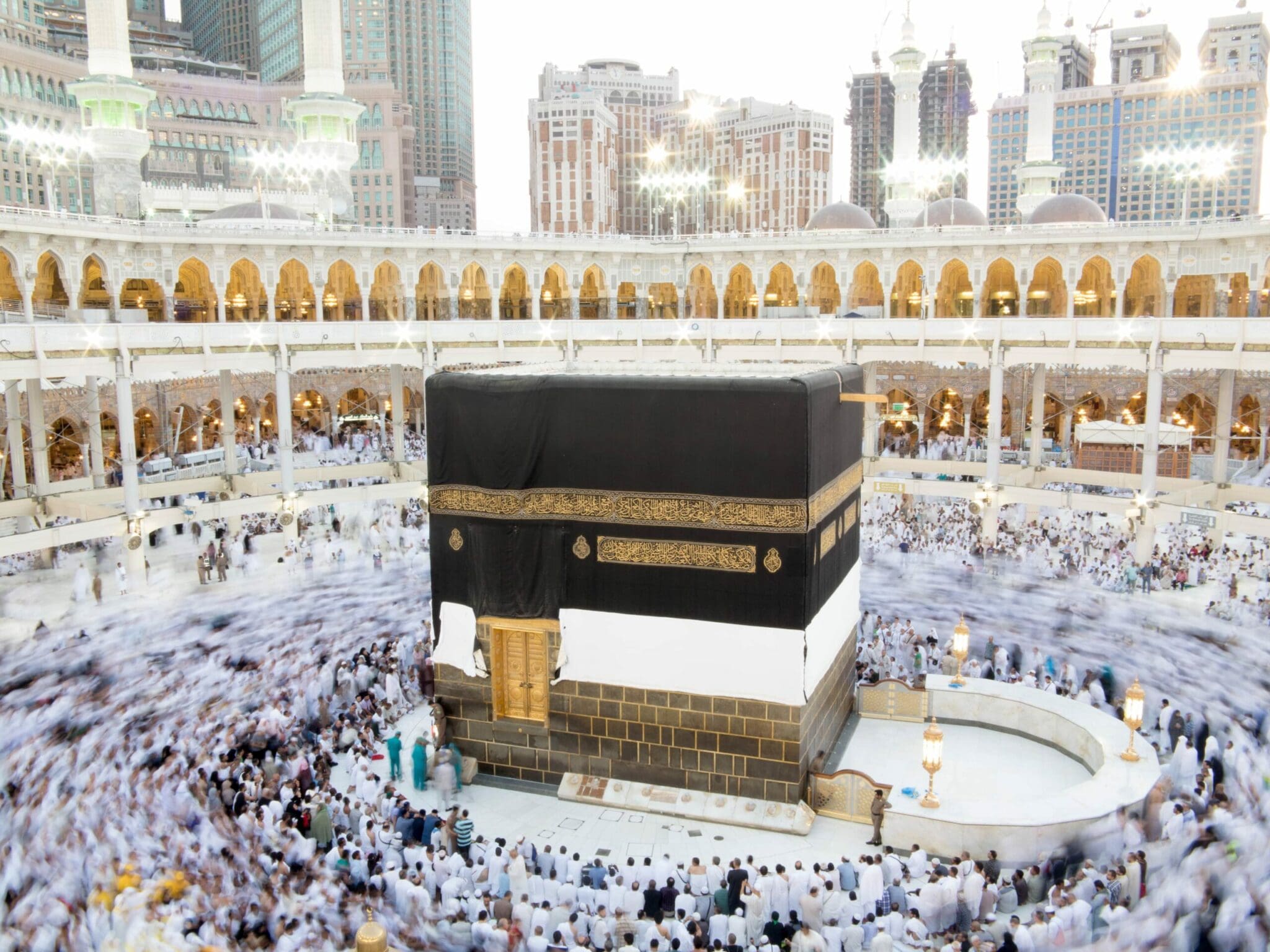
Mecca is known to be the holiest city in the Islamic faith, believing that it’s the birthplace of Prophet Muhammed and where the religion of Islam started. It’s one of the most prominent cities in Saudi Arabia, commonly known as Mecca Al Mukarramah, which means “Mecca the Honoured.” Muslims flock from all corners of the globe not only to visit the sacred Kaaba but also to explore the city where their religion began and their prophet lived.
Out of all the pilgrimage sites, Mecca is known to be the world’s largest human gathering, not only during the Hajj season in Eid El Adha but also for Umrah throughout the whole year. It’s also home to the largest mosque in the world, known as Al Masjid Al Haram, the Sacred Mosque, and the sacred Kaaba.
Although Saudi Arabia is a fantastic destination with a unique culture and rich history that welcomes tourists from all over the world, Mecca is confined to Muslims, forbidding non-Muslims from entering the holy city. Despite being a fascinating centre for different races and all walks of life, you can enter if you share the same Islamic beliefs.
3. Wailing Wall, Jerusalem
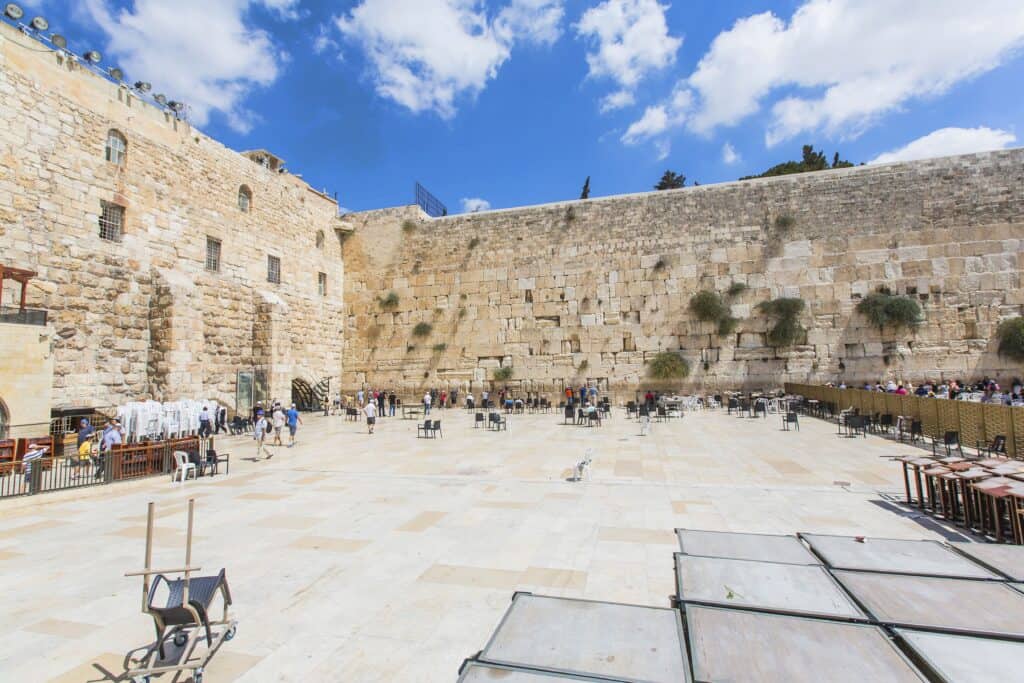
Here we are, back again to the ancient city of Jerusalem. It makes sense that this holy land appears twice on the same list since it’s deemed a pilgrimage site for different religious beliefs. The Jews are among the religious faiths, and Jerusalem holds a spiritual significance for them, especially the Western Wall, often known as the Wailing Wall.
That wall is the remnants of the original Jewish Temple that used to be at the very same site before its destruction in A.D. 70. During that time in history; many Jews were banished, resulting in that place becoming the holiest spot and one of their main pilgrimage sites. The term “wailing wall” depicts their lamentation for losing the temple.
Thus, it became a spot where Jews from all corners of the world flock to pray and perform their pilgrimage rituals. The most common practice of the Jews is writing their prayers and wishes on a piece of paper and placing it between the stones’ gaps as a way to communicate with God. Luckily, you can visit this sacred spot yourself, for it’s open all year round, but note that there’s a dress code required, where women are required to cover their body parts and heads while men should cover their heads.
4. The Vatican City, Rome
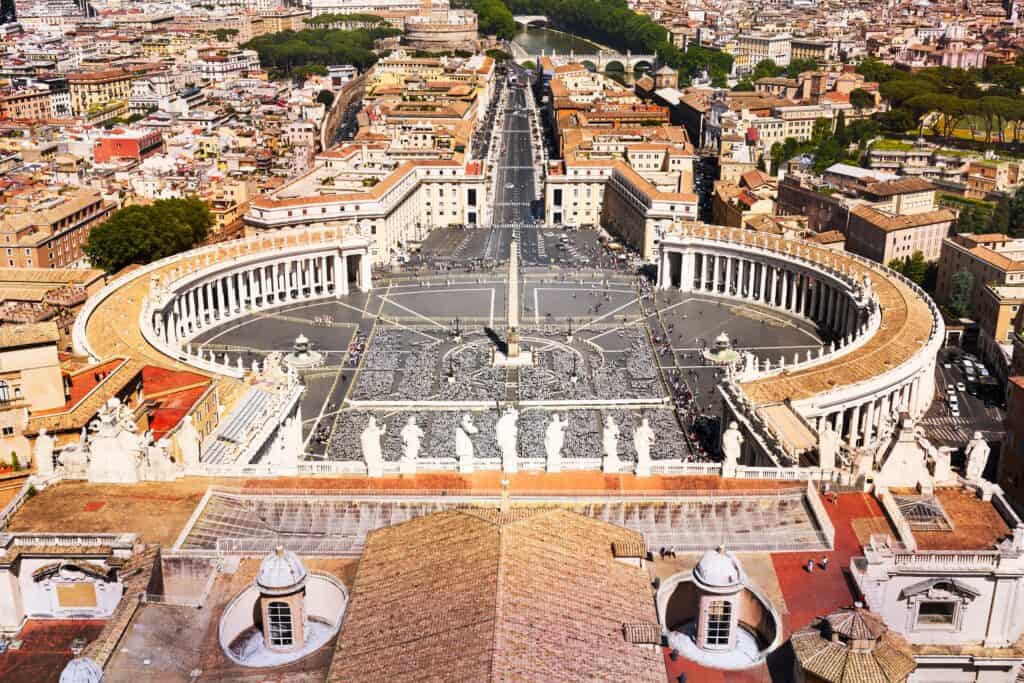
Vatican City has long captured the attention of many for its rich history and enchanting allurement. This destination has been steeped in mystery, perplexing people for centuries for being nestled within the bustling Italian city of Rome yet entirely independent. Its thick layers of history have always been tied to the ancient roots of Christianity, making it one of the revered pilgrimage sites for Christians.
One of the main factors that make Vatican City a remarkable destination is being home to the illustrious St. Peter Basilica. This renowned basilica was of great prominence in the history of the Catholic Church, paving the way for the city to be the seat of Catholicism. Consequently, this has established the Vatican as one of the world’s most revered pilgrimage sites, hosting various momentous papal events.
The Renaissance architectural style of the sacred church leaves the beholders in utter fascination, drawing people from all over the world to observe its allure firsthand. Visitors are allowed to enter the basilica for free; however, you should expect long queues before gaining entry. Waiting times may be as long as two hours, depending on the volume of visitors on the day of your visit.
5. Basilica de Guadalupe, Mexico
Mexico has lately been a hot tourist destination, featuring a plethora of iconic landmarks and fascinating natural wonders that leave visitors spellbound. Its rich history, musical language, and mouthwatering Hispanic cuisine were prominent factors that put the country on top of wanderlust destinations.
Even more interestingly, it’s home to one of the world’s foremost pilgrimage sites that draws millions of people from all corners of the world — the Basilica de Guadalupe. This huge basilica has been steeped into the history of Mexico, marking among the significant sites for Christian beliefs. You won’t help but realise the face of Virgen de Guadalupe, the Queen of Mexico, on every object and street’s walls.
Though it’s one of the pivotal pilgrimage sites for Christians, non-Christians still add the awe-inspiring basilica to their itinerary. You’re allowed to visit the renowned church at any time throughout the year. However, we would recommend you stir clear from visiting in December, especially on the 12th, during the feast day of the Virgin of Guadalupe. On this day, you’ll encounter pilgrims crawling on their knees to the front altar to show their dedication and firm beliefs.
6. Notre Dame Cathedral, Paris
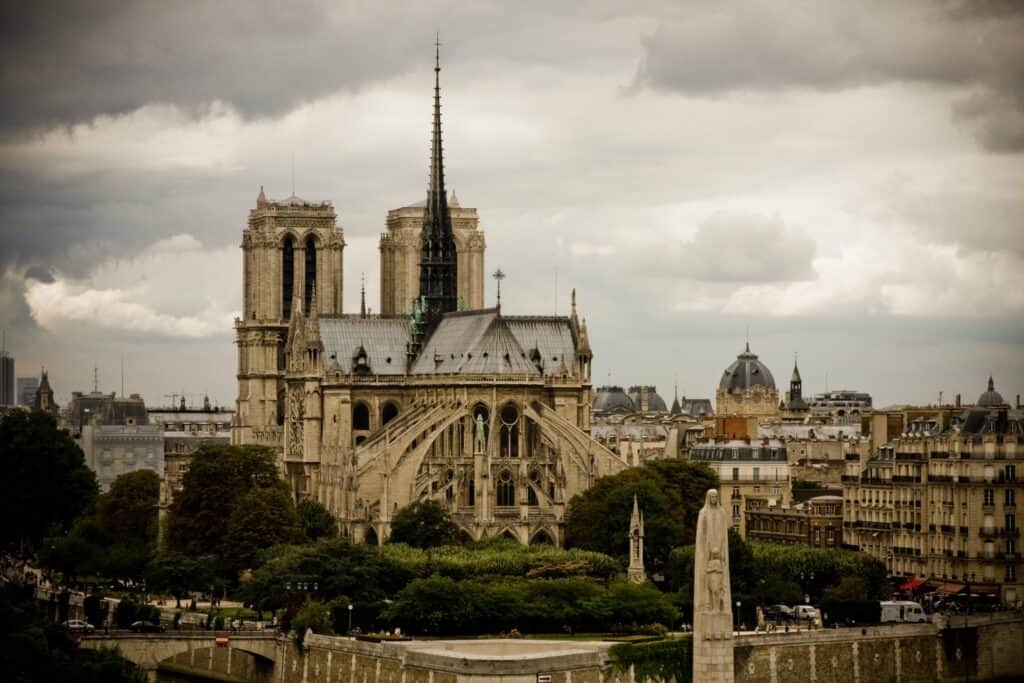
France is an ever-enchanting country with splendid views, rich history, and distinctive culture, not to mention that it hosts the romantic city of Paris. Paris has always captivated the attention of many, considering its outstanding raw beauty. It may be home to a plethora of iconic landmarks, but none of them could ever measure up to the renowned Notre Dame Cathedral.
It’s one of the oldest and wealthiest structures witnessed throughout history, with its Gothic-style architecture mesmerising the beholders. The cathedral weighs heavily in the balance of history, being even the primary setting of many famous tales, including that of Victor Hugo. Not many are aware that the Notre Dame Cathedral is, in fact, one of the significant pilgrimage sites.
It’s long been known as a popular destination for tourists of all beliefs to visit and behold its magic. Yet, there are those few Christians who embark on a profoundly personal journey to this sacred sanctuary to test the essence of their spirituality. Being a pilgrimage site has long been rooted in history, and it only grows sturdier and more relevant in the modern world.
7. Golden Temple, India
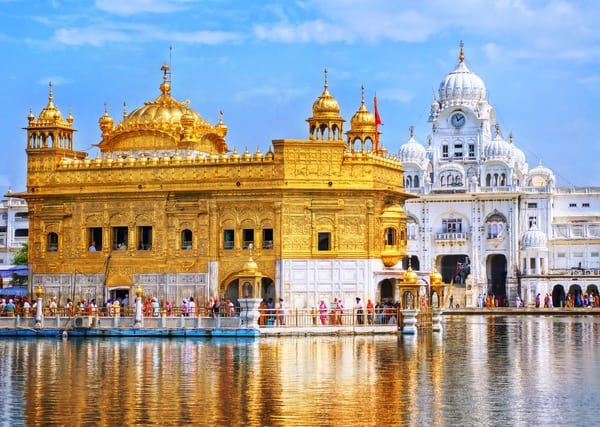
Many people have this stereotypical belief about India being crowded and loud. While this may be true in some areas, India is still home to some of the most serene and tranquil destinations. It’s also been famous for being the ideal spot for calming meditations where you can explore your identity and seek spiritual solace.
Indians are known to be religious and spiritual; this explains their multiple sacred places, which include the renowned Golden Temple. The Golden Temple is a dazzling structure with appealing fine architecture, holding significance to the spiritual beliefs of the Indians. The gold-covered building is more than just a luxurious structure that captures the eye.
It’s also one of the world’s most acclaimed pilgrimage sites that welcomes all faiths and religions. Long before the Golden Temple was brought into being, the very site was still deemed a sacred spot where spiritual rituals were performed. Legends have it that prominent figures, including Lord Buddha and Guru Nanak, the first Sikh Guru, used to stay at the site back when it was a thick forest surrounding the calm lake to meditate.
8. The Cathedral of Santiago de Compostela, Spain
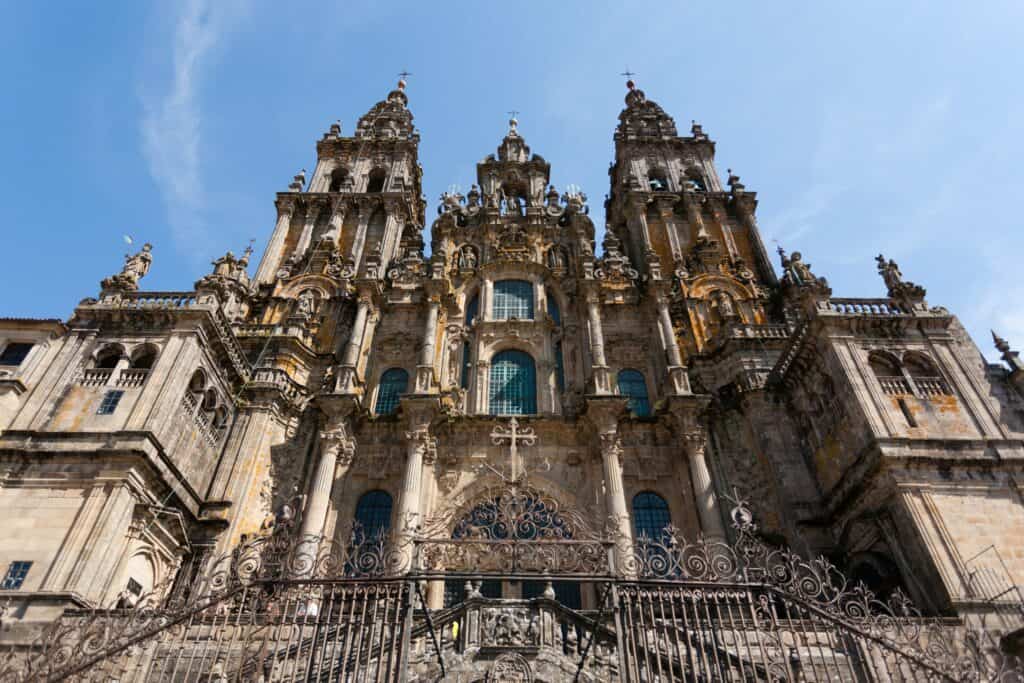
Spain is a wonderful country that embraces a wide array of people with different religious backgrounds, co-existing in peace. It’s one of the European countries where you can encounter churches and mosques standing proudly on the same street. But more importantly, it’s home to one of the world’s most renowned pilgrimage sites, the Cathedral of Santiago de Compostela.
This pilgrimage ritual is known as Camino de Santiago, or the Way of St. James Santiago, where there’s a network of pilgrimage routes all leading to the renowned Cathedral of Santiago de Compostela. The church is located in Galicia in northwest Spain and was once a chapel specially built for St. James by King Alfonso II before turning into the iconic cathedral.
The tradition is that you start the Camino from wherever you reside in the world, taking the closest route that leads to the cathedral. However, in today’s world, an officiated beginning for the route was agreed on, starting from Saint-Jean-Pied-de-Port in France. The cathedral is among the pilgrimage sites open for visitors from all parts of the world. You don’t have to take the entire Camino in order to see the beautiful church.
9. Sensoji Temple, Japan
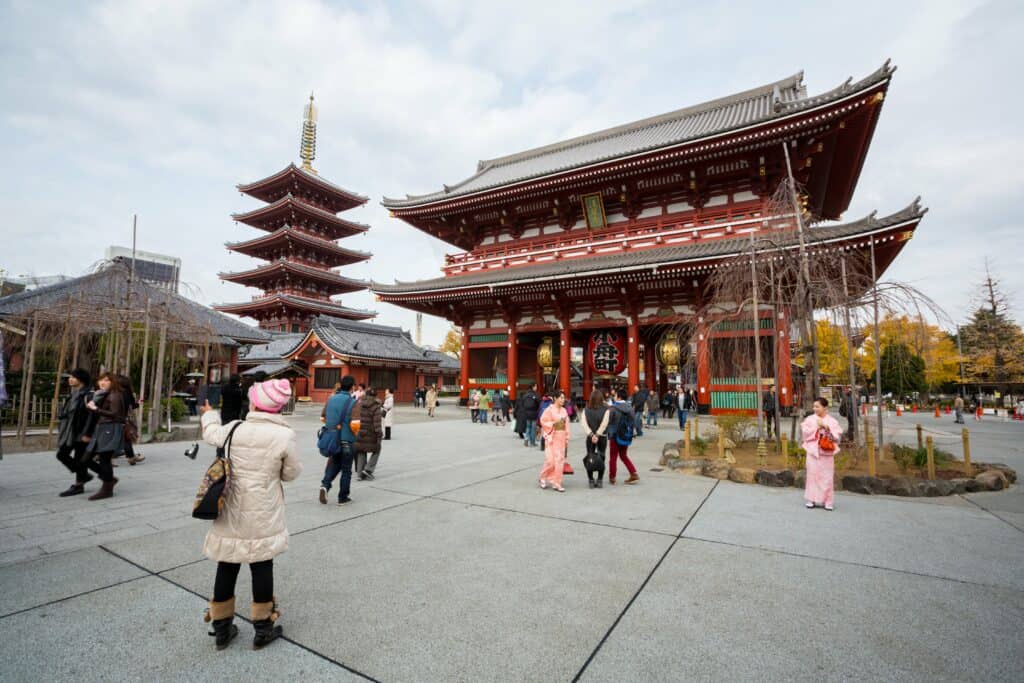
Tokyo, the lively capital of Japan, embraces a wide array of religious and pilgrimage sites. It houses the ancient treasure that is the Sensoji Temple, one of the sacred places steeped in Buddhist history. The temple dates back to 645 A.D., proudly holding the title of being the city’s most ancient temple. Countless visitors visit the temple every year, seeking healing and solace.
Buddhist pilgrims have their own rituals and traditions, where they wrap themselves in an intensely fragrant smoke in an attempt to heal their ailments. The temple’s popularity goes way beyond its spiritual significance, where even non-pilgrims fly from all corners of the world to witness its outstanding architectural style and take in its grandeur.
After exploring the temple, we urge you to wander the nearby compelling streets, which are brimming with an array of local shops. They offer unique handicrafts that make for thoughtful souvenirs, which may pique your interest. Meanwhile, make sure you indulge in a delightful snack that compellingly adorns the shops.
10. Machu Picchu, Peru
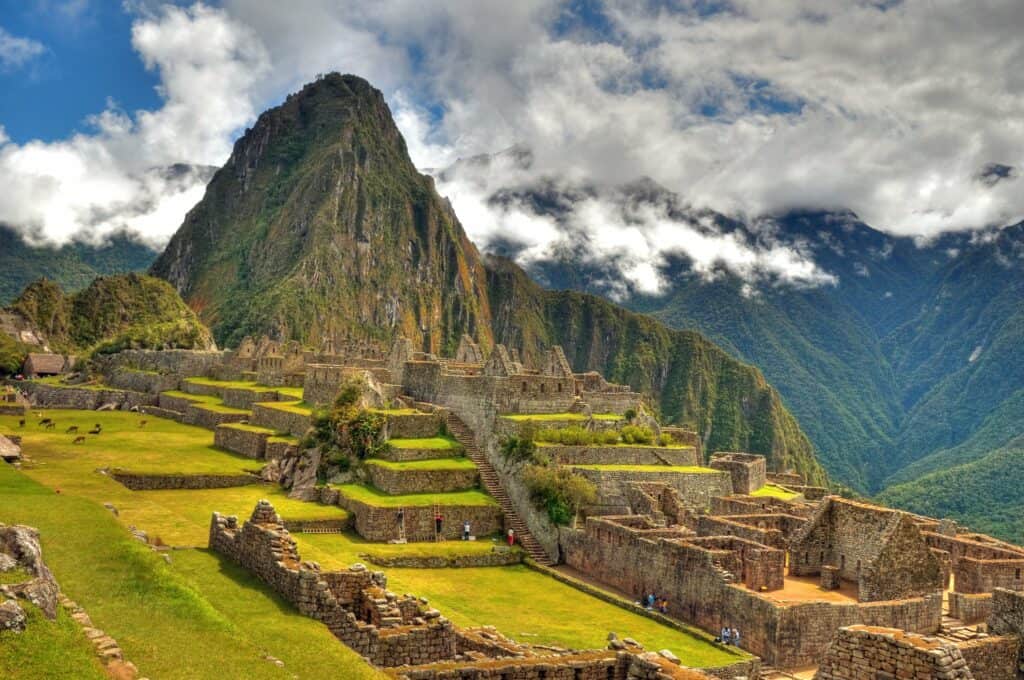
Machu Picchu is often hailed as Peru’s most iconic destination, holding a warm spot in the hearts of enthusiastic travellers eager to seek a glimpse of a bygone era. Nestled amidst the mighty Andes Mountains, this fascinating mountain stands as a testament to the ancient Inca Empire, marking the grandeur of a civilisation shrouded in mystery.
Numerous theories have emerged over the years in an attempt to decipher the mystery of this magnificent site, with one of them suggesting that Machu Picchu was once among the world’s most substantial pilgrimage sites. It’s home to the renowned Inca Trail, which is believed to have been the pilgrimage route during ancient times.
Today, it serves as one of the most famous hiking spots and fascinating historical landmarks. Nonetheless, given its prominent cultural and historical significance, it’s been declared one of the renowned UNESCO World Heritage Sites. Undeniably, the Inca site of Machu Picchu has always been an enchanting scene to behold, attracting people from every spot to observe the gorgeous city in person.
The immense diversity existing within our world is undoubtedly mesmerising, no matter how different our beliefs and faiths are. Many of these revered pilgrimage sites remain exclusive for pilgrims of the respective faith, yet others graciously welcome tourists and visitors from all over the world. This offers you the opportunity to embark on a thrilling journey to any of those pilgrimage sites and experience an enchanting ambience where history and spirituality harmoniously intertwine.

Exploring Aillwee Caves in County Clare, Ireland
County Clare
01/05/2024
Visiting Glasgow | Ultimate Travel Guide
Scotland
01/05/2024

Discovering Ireland | Explore County Tyrone
County Tyrone
01/05/2024

10 Charming Irish Towns You Must Visit
Ireland
01/05/2024

The Art of Solomon’s Knot: Complete Guide
Culture Exploration
02/05/2024