Skip to content
Updated on: by Avatar image of authorCiaran Connolly

One of the unmissable spots in County Wicklow is the Bray Head Walk. Here, you’ll enjoy spectacular views across the beautiful area of Bray.

Bray Head forms part of the Wicklow Mountains and has quickly become a favourite spot among walkers in the area. This is expected due to the unforgettable Irish scenery that will surely capture your attention.

The Head is located in the north of the county between the two towns of Bray and Greystones. The popular hiking spot is part of the Wicklow Mountains, and in 2008, the hill and the neighbouring lands were designated under a Special Amenity Area Order.

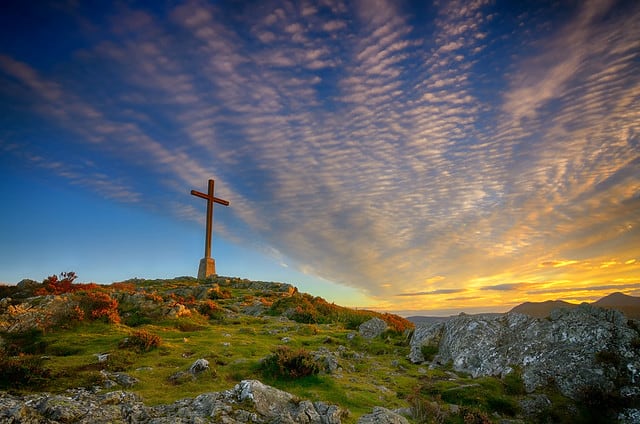
When you reach the top of Bray Head, you’ll discover a historic cross left there during the holy year of 1950. Every Good Friday, Bray Head attracts many visitors who mark the stations of the cross and honour the sacred grounds at the top of Bray Head. 

Locals making their way up to the cross mark the stations of the Cross as they head to the top of the hill. The Cross’ final station is held at the holy year cross.

The easiest way to reach the cross is by walking up the half-hour walk footpath, which starts from the car park at the car park on the lower northern slopes. The path begins as cut steps and gradually changes to a rough path formed by rain and harsh weather conditions.

There’s another more direct way up to the hill’s top, except that it is too steep: on the side of the Greystones. When you reach the top of the mountain, you can easily walk up to the famous Cross. The Sea Cliffs at Bray were established as a minor rock climbing location in the 1970s. Several recorded climbs in the spot date back to the 1940s.

The panoramic views from Bray Head include Bray Town and Beach, North East Wicklow, Dublin Bay, and other neighbouring mountains. It is one of the highlights of walking in Wicklow, as it takes you from Bray to Greystone through its pretty coastal path, with views at every corner for you to capture and remember forever.

Geographical and Geological Significance Of Bray Head

Bray Head
Bray Head

Location and Accessibility

Bray Head is situated on the eastern coast of Ireland, south of the town of Bray and north of Greystones. The hill rises to approximately 241 metres (791 feet) and extends into the Irish Sea, forming a striking headland. Accessible via several well-marked trails, Bray Head can be reached by foot, car, or public transport, making it a convenient escape for both locals and tourists.

Geological Formation

Bray Head’s geological history dates back to the Cambrian period, over 500 million years ago. The hill is predominantly composed of quartzite, a complex, metamorphic rock that gives the headland its rugged appearance. Over the millennia, erosion and glacial activity have sculpted the landscape, creating its distinctive features. The fossils within the rock layers offer a glimpse into the ancient marine environments that once dominated the region.

Flora and Fauna

Plant Life

Bray Head is home to a diverse array of plant species, many of which are adapted to the harsh coastal conditions. The lower slopes are dominated by grasslands and heath, where hardy species like gorse, heather, and bracken thrive. As one ascends the hill, the vegetation becomes sparser, with rocky outcrops and exposed quartzite surfaces.

In the spring and summer, the headland bursts into colour with the blooming of wildflowers such as thrift, sea campion, and devil’ s-bit scabious. These vibrant displays not only enhance Bray Head’s visual appeal but also support a variety of pollinators, including bees and butterflies.

Wildlife

The varied habitats of Bray Head provide refuge for a wide range of animal species. Birdwatchers will delight in the abundance of seabirds, including fulmars, kittiwakes, and razorbills, that nest on the cliffs and soar above the waves. Inland, the heathland and grassland areas are frequented by skylarks, meadow pipits, and stonechats.

Mammals are also present, though often more elusive. Foxes, badgers, and rabbits are known to inhabit the area, while the occasional sighting of deer adds to the sense of wildness. The coastal waters surrounding Bray Head are rich in marine life, with seals, dolphins, and even basking sharks appearing in warmer months.

Historical and Cultural Significance

Bray Head

Early Inhabitants and Archaeological Sites

Human activity on Bray Head dates back thousands of years, with evidence of the area’s Neolithic and Bronze Age settlements. Archaeological excavations have uncovered artefacts such as flint tools, pottery shards, and burial cairns, indicating that early inhabitants recognised the strategic and aesthetic value of the headland.

Religious Heritage

One of the most notable historical landmarks on Bray Head is the large cross near its summit. Erected in 1950 during the Holy Year celebrations, the cross has since become a symbol of the town and a popular pilgrimage site. Each Good Friday, locals and visitors make the ascent to the cross, continuing a tradition that blends spiritual reflection with the appreciation of nature.

Maritime History

Bray Head has long served as a navigational aid for sailors navigating the treacherous waters of the Irish Sea. The headland’s prominent position and distinctive profile make it an easily recognisable landmark from the sea. In the 19th century, the construction of the Bray Head railway tunnel further cemented the area’s importance, facilitating the transport of goods and passengers along the coast.

Recreational Opportunities

Hiking and Walking Trails

Bray Head offers a variety of trails that cater to different fitness levels and interests. The most popular route is the Bray Head Loop, a moderate hike that takes about 2 to 3 hours to complete. Starting from the seafront promenade in Bray, the trail ascends through woodland and heath before reaching the summit, where hikers are rewarded with panoramic views of the coastline and the Wicklow Mountains.

The Bray to Greystones Cliff Walk is excellent for those seeking a more extended adventure. This 7-kilometre (4.3-mile) trail follows the rugged coastline, offering stunning vistas at every turn. The path is well-maintained and relatively flat, making it accessible to walkers of all ages and abilities.

Rock Climbing and Paragliding

The quartzite cliffs of Bray Head are a popular destination for rock climbers. The area features a variety of climbing routes that cater to different skill levels, from beginner-friendly slabs to challenging overhangs. Climbing on Bray Head provides an adrenaline rush and offers unparalleled views of the sea and the surrounding landscape.

For those who prefer to take to the skies, paragliding from Bray Head is an unforgettable experience. The updrafts the coastal winds create provide excellent conditions for this exhilarating sport. Paragliders launch from the hilltop and glide gracefully over the coastline, enjoying bird’s-eye views of the area.

Birdwatching and Nature Photography

With its rich biodiversity and stunning landscapes, Bray Head is a haven for birdwatchers and nature photographers. The best time for birdwatching is during the breeding season, from late spring to early summer, when seabirds are most active. Photographers will find endless opportunities to capture the beauty of the headland, from the dramatic cliffs and rolling heathlands to the vibrant wildflowers and wildlife.

Conservation and Sustainability

Environmental Protection

Bray Head is recognised as a Special Area of Conservation (SAC) under the European Union’s Habitats Directive. This designation helps to protect the area’s unique habitats and species, ensuring that future generations can continue to enjoy its natural beauty. Conservation efforts focus on maintaining the health of the ecosystems, controlling invasive species, and promoting sustainable land use practices.

Community Involvement

Local communities play a crucial role in conserving Bray Head. Volunteer groups and environmental organisations regularly organise clean-up events, habitat restoration projects, and educational programmes. These initiatives help preserve the headland’s natural heritage and foster a sense of stewardship and connection among residents and visitors.

Seasonal Highlights and Events

Spring and Summer

Spring and summer are the best times to visit Bray Head, as the weather is generally mild, and the flora and fauna are at their most vibrant. The headland comes alive with the colours of blooming wildflowers, and the air is filled with birds’ songs and insects’ buzzing. During these months, the longer days provide ample time for hiking, birdwatching, and other outdoor activities.

Autumn and Winter

While autumn and winter bring cooler temperatures and shorter days, Bray Head remains a compelling destination. The autumn foliage adds a new palette of colours to the landscape, and the migratory patterns of birds offer unique wildlife viewing opportunities. With its crisp air and occasional snowfall, winter transforms the headland into a serene and almost otherworldly place, perfect for contemplative walks and photography.

Annual Events

Bray Head hosts various annual events celebrating its natural beauty and cultural heritage. The Bray Head Easter Pilgrimage is a longstanding tradition that sees hundreds of participants climbing to the summit to celebrate Easter. Additionally, the Bray Air Display, held each summer, features spectacular aerial acrobatics that can be enjoyed from the headland’s vantage points.

Practical Information for Visitors

 Bray Head
Bray Head

Getting There

Bray Head is easily accessible from Dublin, about 20 kilometres (12 miles) to the north. The journey takes approximately 30 minutes by car via the M11 motorway. Public transport options include regular train services from Dublin’s Connolly Station to Bray and bus routes that connect the town with the capital and other nearby destinations.

Facilities and Amenities

The town of Bray offers a range of facilities and amenities to cater to visitors. Numerous cafes, restaurants, and pubs are available for hikers to relax and enjoy a meal or a drink after exertion. Accommodation options in the area range from cosy bed-and-breakfasts to hotels and self-catering cottages, providing suitable choices for all budgets.

Safety Tips

While Bray Head is generally a safe destination, it is essential to take some precautions, especially when engaging in outdoor activities. Hikers should wear appropriate footwear and clothing, carry sufficient water and snacks, and be mindful of changing weather conditions. It is also advisable to inform someone of your plans and estimated return time, particularly hiking alone or exploring less frequented trails.

Conclusion

Bray Head is a jewel in the crown of County Wicklow, offering a unique blend of natural beauty, historical intrigue, and recreational opportunities. Whether you are an avid hiker, a nature lover, a history enthusiast, or simply someone looking for a tranquil escape, Bray Head has something to offer. Its spectacular views, rich biodiversity, and welcoming community make it a destination that leaves a lasting impression on all who visit. As efforts to conserve and protect this precious landscape continue, Bray Head will remain a beloved landmark for generations.

Have you ever visited Bray Head in County Wicklow? Let us know in the comments below.

Explore the Haunted Wicklow Gaol | Powerscourt House: The Heart of County Wicklow | Kippure Adventure Centre | A Visit to County Wicklow Awaits

Leave a comment

Your email address will not be published. Required fields are marked *