

Bring Back Memories – 13 Most Exciting Traditional Irish Games
Updated On: February 02, 2024 by  Ciaran Connolly
Many traditional Irish games rule the roost. The Irish love to play sports known as Gaelic games. Ireland is Europe’s third-largest island, so there is plenty of space for various sports. Traditional Irish games are a set of games popular and favoured in Ireland.
Of the many traditional games, some are played indoors while others are played outdoors. Indoor games include Ring and Croquet. On the other hand, Hurling, Gaelic Football and Rounders are outdoor games. Each game has specific rules to follow, and some games are suitable for the whole family to play.
In this article, we’re exploring some of the best traditional Irish games. Scroll down to read through the blog, or click on one of the highlighted sections below to jump ahead!
Table of Contents
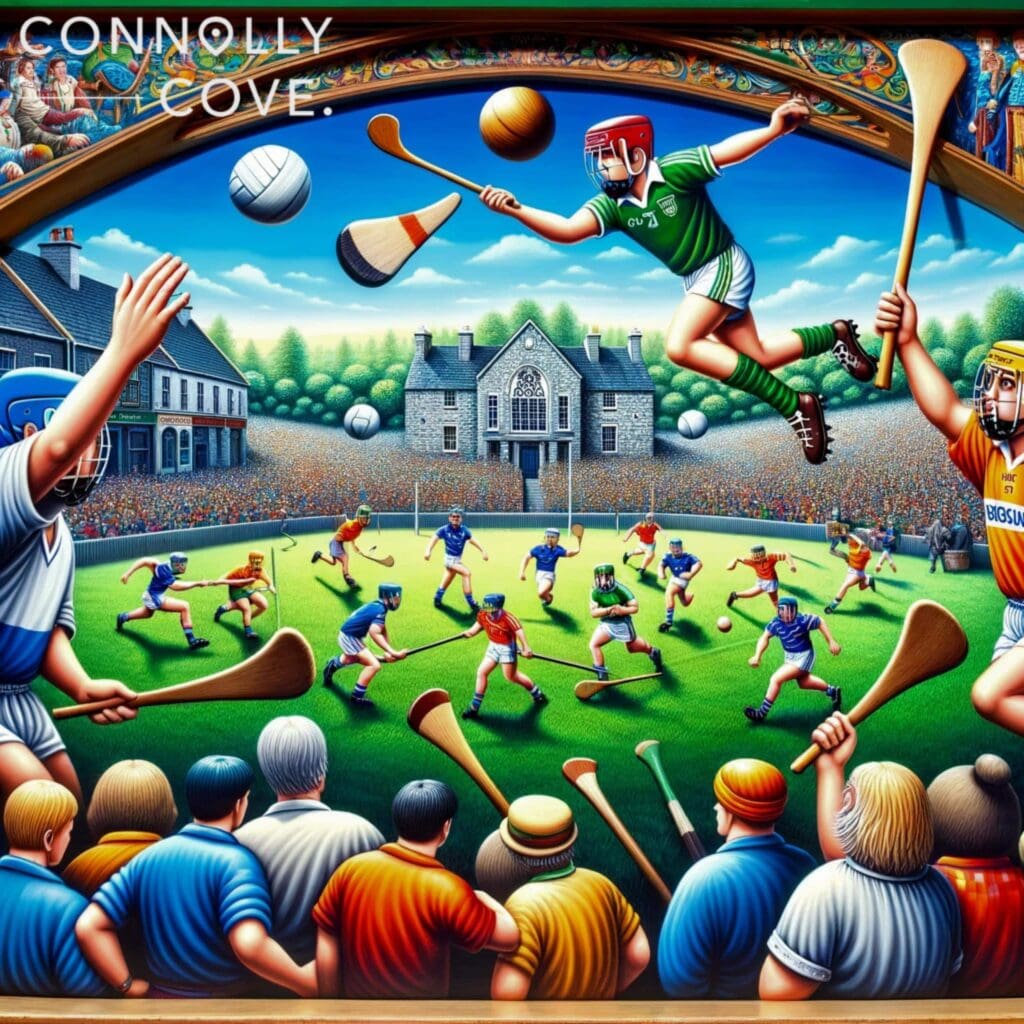
Hurling
Hurling, Iomànàoch, can be traced back thousands of years to pre-Christian times when Celtic warriors invented it. Hurling was first mentioned in written reference in 1272 BC. It is the fastest grass game and the most skilled game in the world. Substitutions are permitted.
The game is playable by both men and women. The game is played by two fifteen-player teams: one goalkeeper, six backs, two midfielders, and six forwards. It is played with sticks called hurleys or camáns in Gaelic and a small leather ball, nearly the exact size as a tennis ball, called a sliotar.
The pitch measures 130-140 metres in length and 80-90 metres in width. Many players wear a helmet, which may or may not have a faceguard.
The primary objective is to score a goal by kicking the ball through or over the bar. Three points are awarded for the goal. The sliotar can be touched and carried for four steps at the most. The player can use his hurley to propel the sliotar forward, on the ground or in the air, or run with it on the hurley. The match lasts 70 minutes.
Rounders
Rounders is a game resembling baseball and cricket. The Rounders Council of Ireland, a division of the GAA, once organised the game. Then, the rules were formalised in the United Kingdom, where Rounders England governs the game. According to the earliest reference, the game was first played in 1744.
Rounders is a game between two teams, with a ball and a bat. The teams rotate fielding and batting. The game includes innings, each with three attempts, in which one team bats while the other team fields. A rounder is scored when a batting team completes a circuit without being declared out. The batter is declared out if the fielder manages to catch the ball.
Gaelic Football
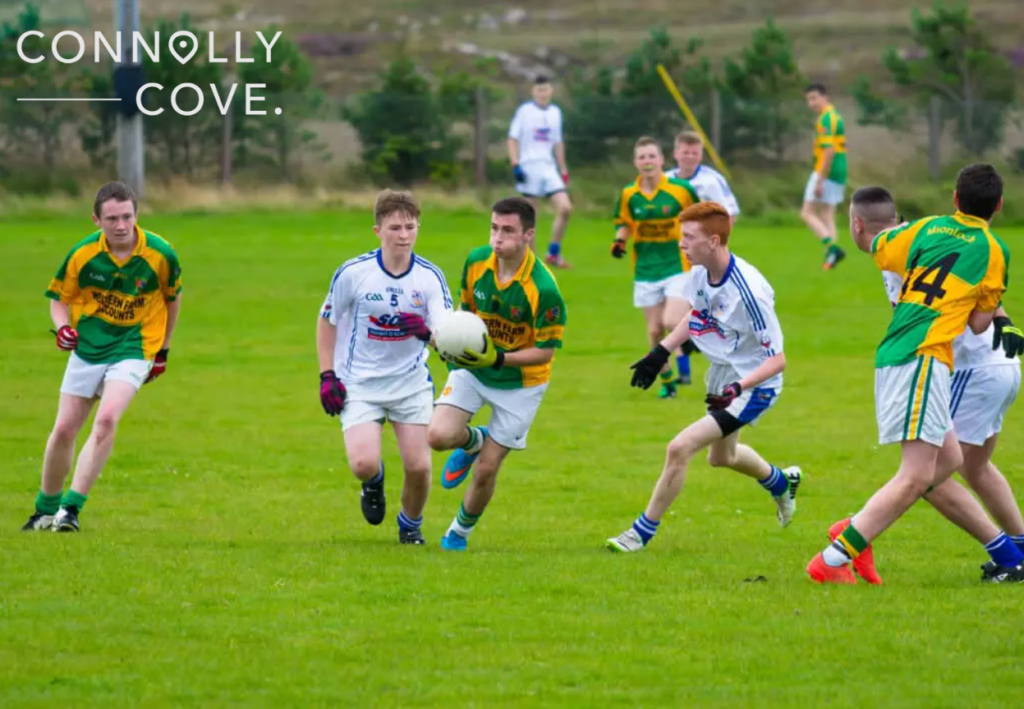
In Ireland, Gaelic football is commonly referred to as ‘Gaelic’, ‘football,’ or ‘gah’. Teams of 15 compete on a rectangular grass pitch with H-shaped goals at each end. The pitch is approximately 130-145 metres long and 80-90 metres wide. Adult football and under-21 matches last 60 minutes, while senior intercounty games last 70 minutes. At halftime, there is a 15-minute break.
Points and goals are the two types of scoring. A point is awarded for successfully kicking and hand-passing the ball over the crossbar. Two teams of 15 players each play Gaelic football. The football, a spherical leather ball, can be carried, bounced, kicked, and hand-passed by the players. The ability to field a ball, jump high, and snatch a ball from the air is a skill that is highly valued.
There are two cornerbacks, a full-back, two wingbacks, a centre-back, two midfielders, two wing forwards, a centre-forward, two corner forwards, and a full-back. Finally, the team with the highest points is declared the winner at the end of the game.
Mayo has many clubs divided into North, South, East, and West Clubs. County Mayo’s senior Gaelic football team competes in the Connacht Senior Football Championship, making it to the finals in 2012 and 2013.

Road Bowling
Road Bowling is a traditional and thrilling Irish sport. It has a long history, beginning in ancient Ulster in the Irish Cork. It’s similar to bowling, but you need space to run 10 or 15 yards. It is played with a small iron and steel cannonball, a “bowl,” tossed down a twisty road by the player. The standard ball size is similar to that of a tennis ball.
The competition aims to cover a predetermined distance with a predetermined number of throws. Throws can travel up to 300 yards.
The player who makes the fewest throws to the finish line wins. They move along a 4 km long country road course. The twists and turns of a narrow country lane and the road surface angle provide a fertile ground for strategy and elicit heated debate among the thrower, his coach, and full-throated spectators.
Horse Racing
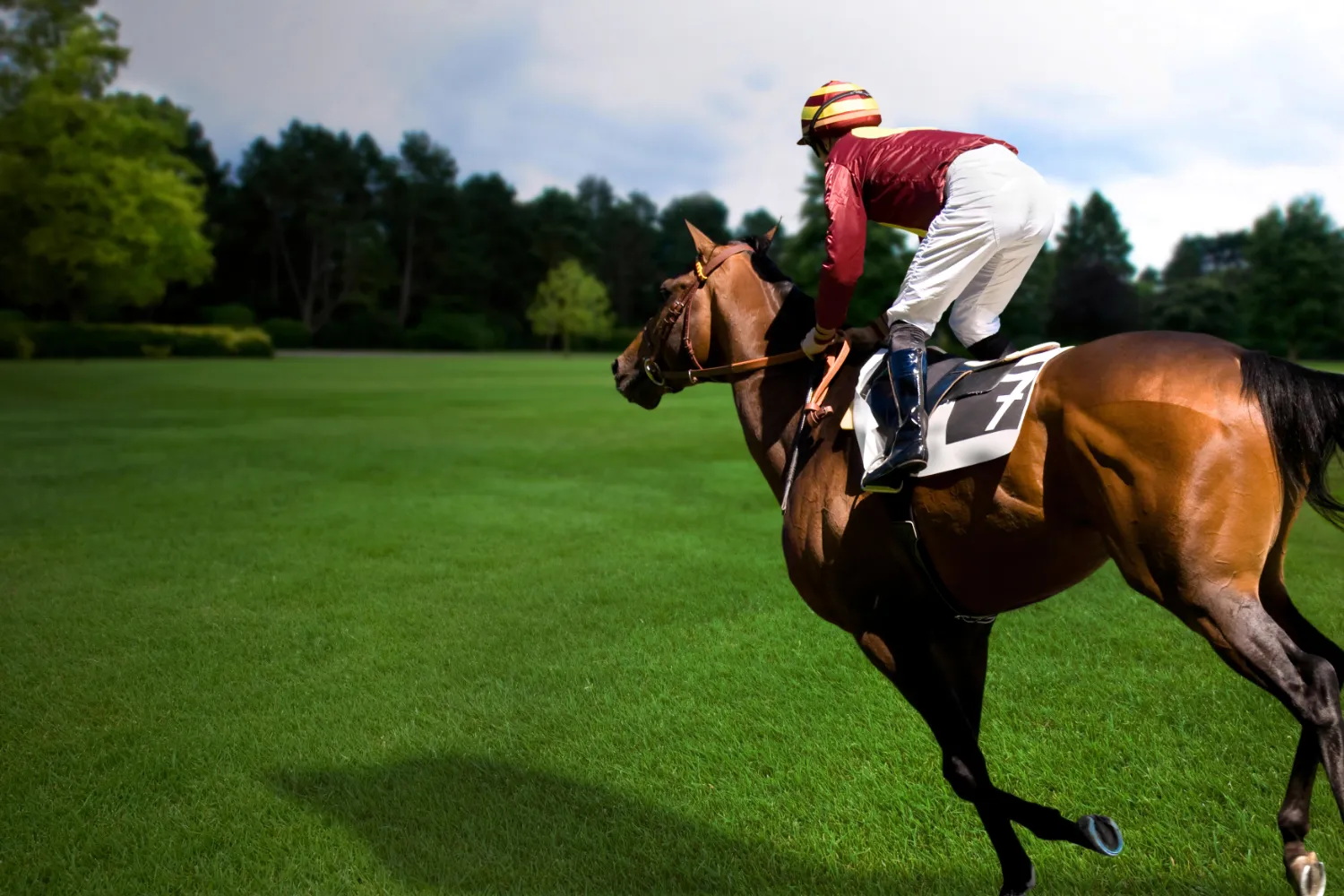
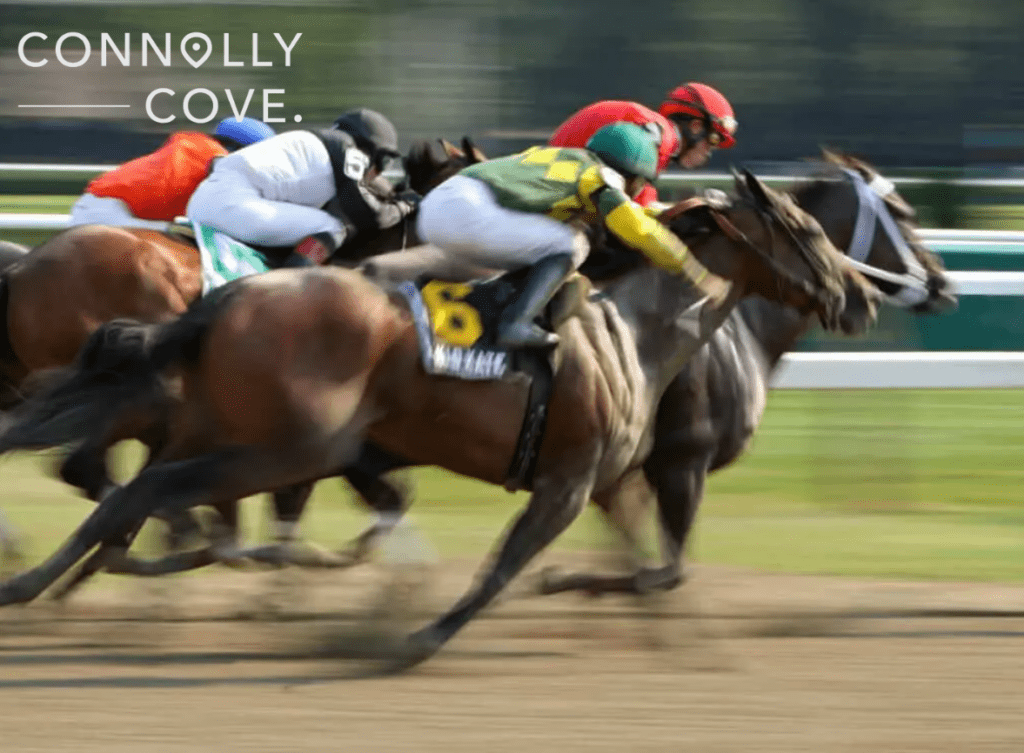
Horse racing has an illustrious and long history in Ireland. It is a very deep-rooted passion in Irish culture and is often called “the sport of kings“. Horse racing is one of Ireland’s most beloved spectator sports, and the country is a significant producer and trainer of Thoroughbred horses.
In County Mayo, there are numerous opportunities to see horses in action, including cross-country races, horse trials, and show jumping competitions. The first written record of horse races is a royal warrant from 1603. It gave the governor of Derry the authority to hold fairs and markets where horse races could be held.
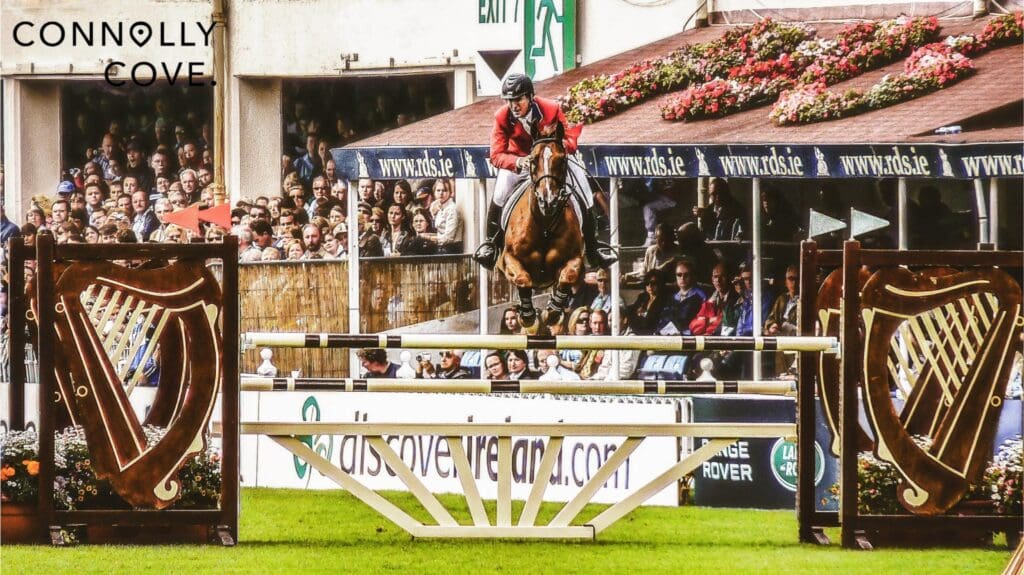
The Irish Derby, held at the Curragh, is one of Ireland’s most prestigious flat horse racing events. It has a long history and is considered one of the highlights of the Irish racing calendar. Additionally, while not in Ireland, the Cheltenham Festival in England is a major event for Irish horse racing enthusiasts. Many Irish-trained horses and jockeys participate in the festival.
Ireland has produced numerous successful jockeys and trainers who have achieved international recognition. Names like Ruby Walsh, Tony McCoy, Willie Mullins, and Aidan O’Brien are synonymous with Irish racing excellence.
Historically, the Irish have a strong affinity for horse racing, and it has become an integral part of the country’s culture and sporting traditions. Many people across Ireland will bet and gamble on horse races, hoping that the horse they choose will pull ahead for the win. Bets can be placed on various aspects of a race, such as a winner, place, show, and exotic bets, like exactas and trifectas.
Horse racing events in Ireland are not just about betting; they are also social occasions. Attendees often dress up for the races, enjoy the atmosphere, and partake in traditional Irish hospitality. Watching a horse race in person allows fans and casual bettors to enjoy and interact with the beloved sport.
Golf
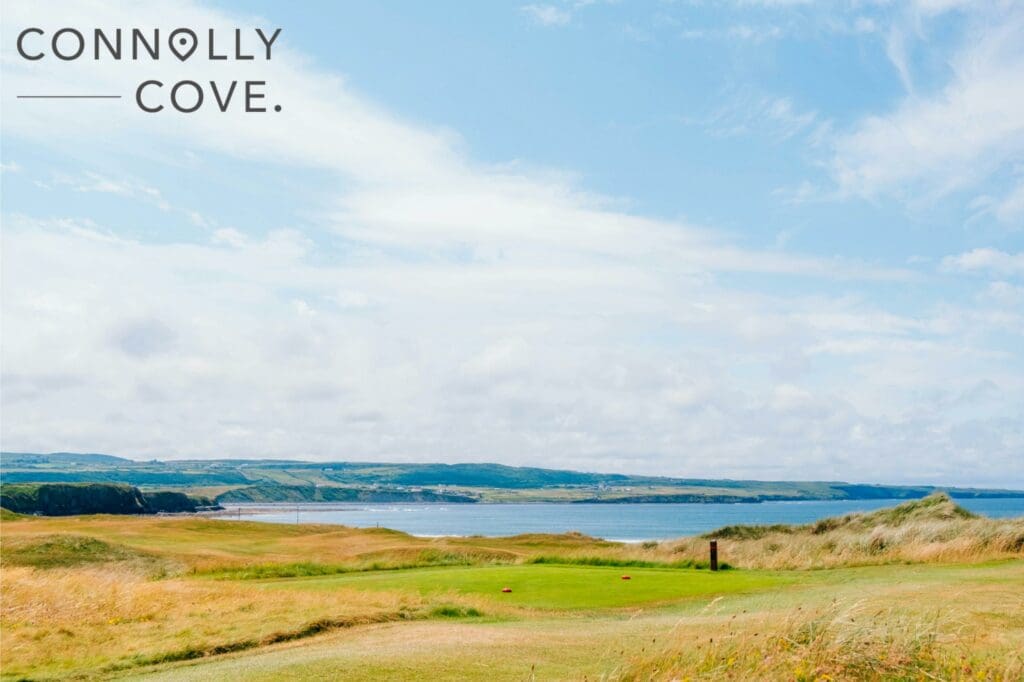
Although golfing was invented in Scotland, it is an immensely popular sport in Ireland. The origins of golf in Ireland can be traced back to the early 17th century. The first known reference to golf in Ireland dates to 1611, when Sir William Ussher, Archbishop of Armagh, wrote about the game being played at the Royal Curragh Golf Club in County Kildare.
The Open Championship, one of golf’s major championships, has been hosted in Ireland several times. The Royal Portrush Golf Club in County Antrim hosted the event in 1951 and then again in 2019, marking its return to Irish soil after a long hiatus.
The Ryder Cup, a prestigious biennial team competition between Europe and the United States, has also been hosted in Ireland. The K Club in County Kildare was the venue for the 2006 Ryder Cup. These world-famous competitions have helped to establish Ireland as a premier destination for golfers of all skill levels.
In addition to being renowned for its beautiful golf courses, Ireland has also produced several world-class professional golfers who have made their mark on the international stage. Notable Irish golfers include Rory McIlroy, Padraig Harrington, Shane Lowry, and Graeme McDowell, among others.
Tip/Kick the Can
Kick the Can has been a popular game since the 1930s. For many years, it has been widespread. Tag, Capture the Flag, and Hide and Seek are all combined into one exciting game. The game’s goal is to “arrest” all the players by identifying them in their hiding places. You can play Kick the Can with at least three and up to twenty players.
Whoever is ‘it,’ a player is tasked with finding everybody, stands at the Can, counting to 20, while the rest of the players flee to hide. ‘It’ goes on the hunt once the counting is over. Everyone caught is sent to ‘jail,’ but if someone manages to ‘Tip the Can’ before being held captive, they can free one of their comrades. The last hider standing wins.
Heads and Volleys
“Heads and volleys” is a high-risk game. All you need is at least three people, one of whom will serve as the goalkeeper. A rotating keeper with about ten lives begins the game, and outfield players cross or chip a ball to one another.
The goal is to score with a header or volley from about 6 yards outside the box. Simply put, one player crosses the ball, and the remaining players try to score with a header or volley. If an outside player hits the ball wide or over, or the keeper cleanly catches the ball, the player is now in the goal. If a player scores and the ball bounces, he is also in goal.
Another game rule is to shout a footballer’s name as you hit an audacious volley towards the goal. A goal shortens the keeper’s life; in some variations, a header counts for two. The game is over only when all the keepers’ lives are gone.
Camogie
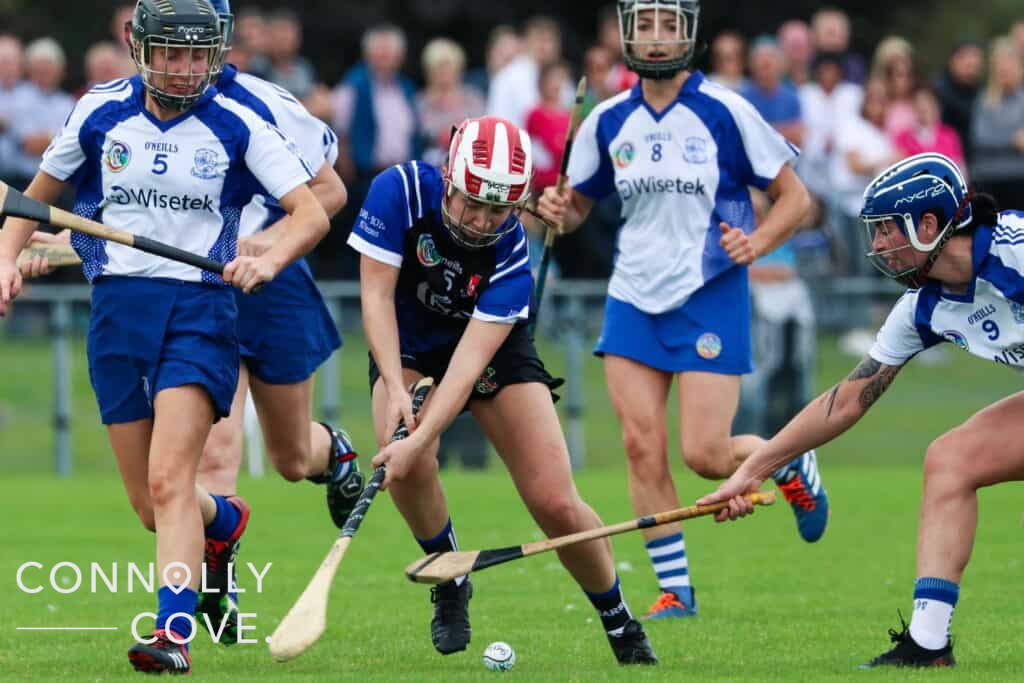
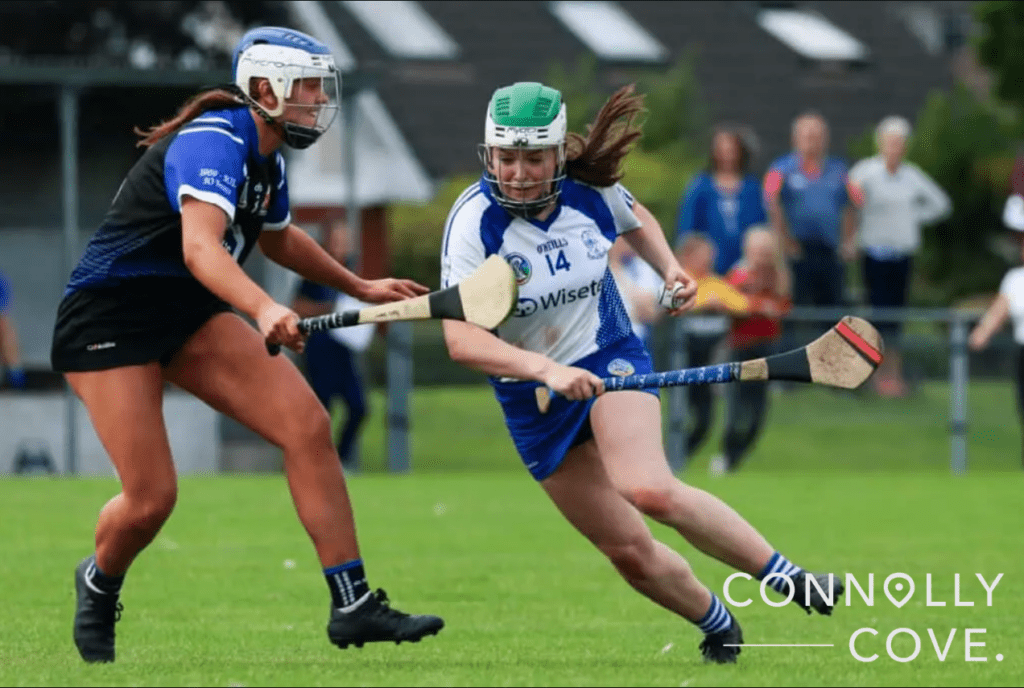
Camogie is a female-dominated Irish contact sport. It is the female equivalent version of hurling. Two teams of fifteen players each compete in the game. The game lasts 60 minutes. There are three clubs in Mayo, the most important of which is Na Brideogra Camogie Club in Tooreen, which has teams in all grades from under 6 to seniors.
A goal equals three points; a team gets one point when the ball goes over the bar. Positions in camogie are similar to those in other team sports, with one goalkeeper, six defenders, two midfielders, six forwards and a variable number of substitutes.
These figures will vary depending on the available field size. In addition, Camogie goalkeepers wear the same colours as the outfield players. The Sliotar is thrown between all four midfielders in the centre of the field to start the game.
Conkers
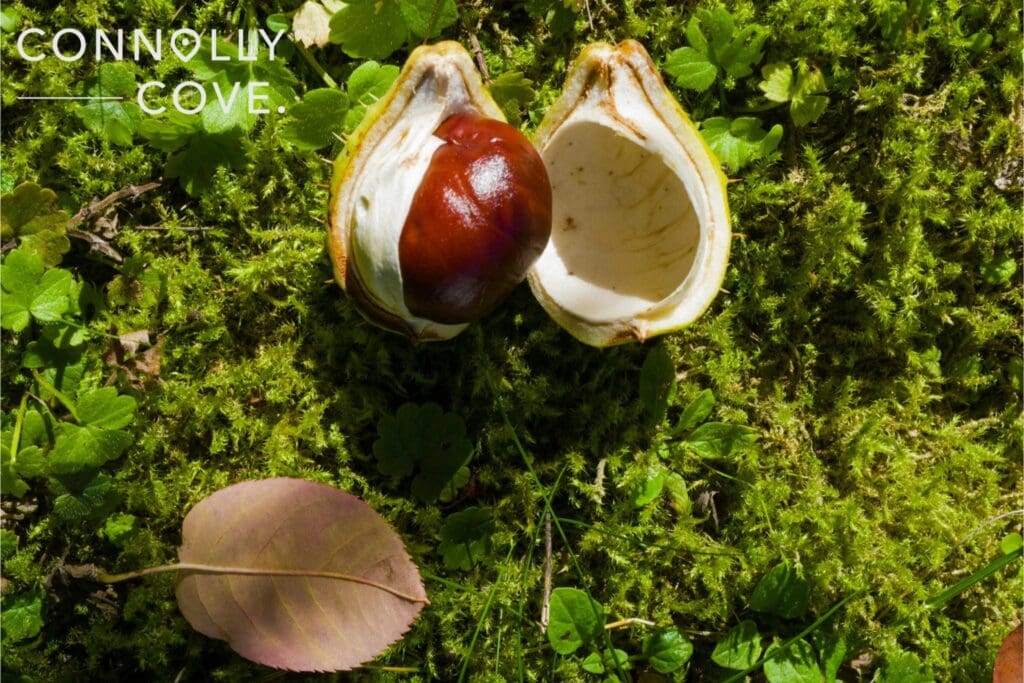
Conkers is a traditional Irish children’s game made from horse chestnut tree seeds. The game is played by two players, one of whom keeps the conker perfectly still at the height chosen by the opponent. The opponent then retracts his one.
The goal is to smash the chestnut of the opponent. You have seven consecutive shots to break your friend’s chestnut. Whoever smashes the other’s chestnut first wins.
Snatch the Bacon
Steal the Bacon is a high-energy game that requires two teams of players and a large open area, such as a playground or gym. The players are divided into two groups. Count the players so that each team member has the same number.
The players sprint to the opposite inside tramline, then back to their inside tramline to retrieve the ball. Only those whose numbers have been called are allowed on the field. Play until one team has as many points as you set as the winning goal.
What’s the Time, Mr Wolf?
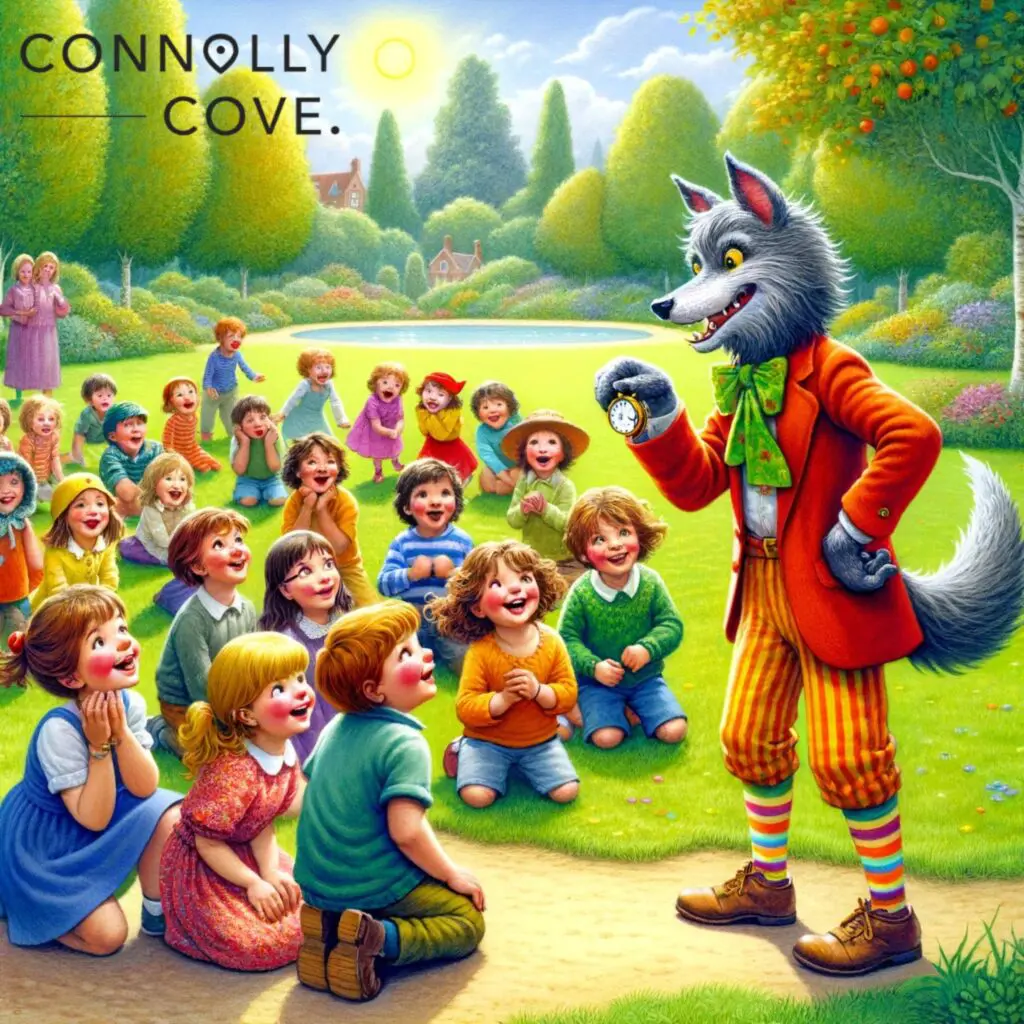
This game can be enjoyed both inside and outside. It is a simple chasing game that can also help children practise counting. Allow the children to choose which child will be Mr Wolf, the person telling the time, and have that child stand at one end with their back to the other children. “What’s the time, Mr Wolf?” the other players ask as they form a line behind the wolf.
When the wolf says a time, such as “2 o’clock,” the children take two steps towards the wolf. The players get closer and closer to the wolf this way. However, the wolf may respond, “It’s dinner time!” If this is the case, he turns around and chases the other players, attempting to reach the starting line. The player caught by the wolf transforms into a wolf in turn.
Blind Man’s Bluff
Blind Man’s Bluff is a fun game, convenient for both indoor and outdoor parties. One kid is blindfolded while the other kids are scattered. They spin the blindfolded kid around several times to lose his sense of direction. Then, he must locate one of the other players and question them. If the kids can identify who he chooses, he wins. Then, the other players take turns.
Bulldog
The game Bulldog dates back to the 18th and 19th centuries. It necessitates a large playing area for a large number of children. The game’s goal is for one player to try to intercept other players who must run from one designated space to another.
The ‘bulldog’ is the person who stands in the middle of the field and tries to tag the other players as they run across the playing area. When the players are captured, they are turned into bulldogs. The last player standing wins and becomes the starting bulldog in the next game.
The game Bulldog is frequently regarded as violent, leading to its ban in many British and Irish schools due to injuries sustained by participants.
The Importance of Preserving Traditional Irish Games
Traditional Irish games hold a unique place in Ireland’s cultural heritage and contribute significantly to the nation’s identity, history, and sense of community. They have been preserved over generations as pastimes and have brought fun and laughter to the young and old.
Traditional Irish games are a tangible link to the country’s rich history and folklore. These games often date back centuries. By preserving them, we are protecting a piece of Ireland’s past that connects us to the customs and values of our ancestors.
Furthermore, preserving traditional Irish games provides a means of keeping the Irish language alive and relevant. Many of these games have unique Gaelic names and terminology, and they offer a practical context in which the language can be used and promoted. Many Irish people are dedicated to helping preserve the Irish language, as it has nearly died out due to the British colonisation of Ireland.
There are Many Fun Traditional Irish Games!
The traditional games of Ireland hold a special place in the country’s rich cultural heritage. They have been passed down through generations and have brought fun and delight to many children (and adults!) over the years.
Through games like hurling, Gaelic football, and Irish road bowling, Ireland showcases its passion for sportsmanship and community. These games are not just recreational activities but also vehicles for preserving the Irish language, folklore, and history. They bring people together, fostering a sense of camaraderie and belonging.
What childhood games did you play in the garden or on the street as a child? Tell us in the comments below!
If you enjoyed this article, check out some of our other amazing blogs!
Exploring the Enchanting Skellig Islands | Your Ultimate Guide To Horseback Riding in Ireland! | Top 10 Fascinating Irish Landmarks to Explore | Top 10 Holiday Parks in Ireland | A Journey to the Best Castles in the UK | Famous Irish People Who Made History in Their Lifetime | The 25 Best Pubs in Galway City
One comment on “Bring Back Memories – 13 Most Exciting Traditional Irish Games”
The Truth about the Claddagh Ring Curse: Debunking Myths and Exploring the Symbolism
Mythology and Folklore
19/04/2024
Top 10 Irish Public Holidays and Traditions to Experience on Your Ireland Holidays
Festivals and Events
18/04/2024

6 Top Mourne Camping Sites for an Unforgettable Experience Under the Stars
Northern Ireland
18/04/2024

Eostre: The Germanic Goddess of Dawn and Spring Equinox Celebrations
Mythology and Folklore
17/04/2024

Explore the Top Hotels in County Cavan for Your Ultimate Getaway
County Cavan
17/04/2024
Log on to ‘Crickrts Irish Roots’ on Youtube and view my documentary about the origin of Cricket and other well-known games.