Skip to content
Updated on: by Avatar image of authorCiaran Connolly

Next on your County Wicklow adventures is visiting the Wicklow National Park, just south of Ireland’s capital, Dublin. The Wicklow National Park is most known for being one of the largest national parks in Ireland. Much of the area extends over the Wicklow Mountains, and the authentic Irish beauty surrounds you.

Wicklow National Park covers nearly 50,000 acres and is one of six national parks in the country. It includes scenic views of the natural Wicklow landscape, with wild bogland, meadows, lakes, and enchanting forests that make it feel and look like something straight out of a fairytale. It’s pretty magical, to say the least, and well worth visiting.

The park’s establishment was primarily proposed in 1988, and three years later, it was officially opened. The National Parks and Wildlife Service, under the Department of Art, Heritage, Regional, Rural, and Gaeltacht Affairs, is in charge of the park.

Wicklow National Park aims to conserve the area’s biodiversity and unique landscape. It has also become a much-loved and essential recreational space for both Wicklow locals and tourists, with various activities, such as walking, water sports, horse riding, and more.

The three most popular ways to discover and explore Wicklow National Park are visiting Glendalough, taking the incredibly scenic drive through the mountains, or hiking in its remote locations. Of course, this last one requires experience with hiking.

Historical Significance

Wicklow National Park is steeped in history, with evidence of human activity dating back to the Neolithic period. The park’s most famous historical site is the monastic city of Glendalough, founded in the 6th century by St. Kevin. This ancient settlement became a renowned centre of learning and pilgrimage, drawing visitors from across Ireland and Europe. Today, Glendalough’s well-preserved round tower, stone churches, and scenic lakes offer a fascinating glimpse into Ireland’s early Christian heritage.

The park also bears the scars of more turbulent times, including the 1798 Rebellion, when Irish insurgents clashed with British forces. Remnants of military roads and old barracks are poignant reminders of these conflicts. Exploring Wicklow National Park thus provides a unique opportunity to connect with Ireland’s rich and varied history, set against its stunning natural beauty.

Natural Beauty

Wicklow National Park’s natural beauty is nothing short of spectacular. The landscape has diverse habitats, from heathlands and blanket bogs to oak woodlands and pristine lakes. This diversity supports a wide variety of flora and fauna, making the park a haven for biodiversity.

The Wicklow Mountains

Wicklow National Park

At the park’s heart lie the Wicklow Mountains, a rugged range that includes some of Ireland’s highest peaks. Lugnaquilla, the highest point in the range, stands at 925 metres and offers breathtaking views of the surrounding countryside. The mountains are crisscrossed by an extensive network of trails, making them a paradise for hikers and climbers. The Wicklow Way, one of Ireland’s oldest long-distance trails, runs through the park and provides an excellent way to explore its diverse landscapes.

Glendalough Valley

Glendalough | Wicklow | Ireland | Wicklow Ireland | Things to do in Ireland | Glendalough Ireland

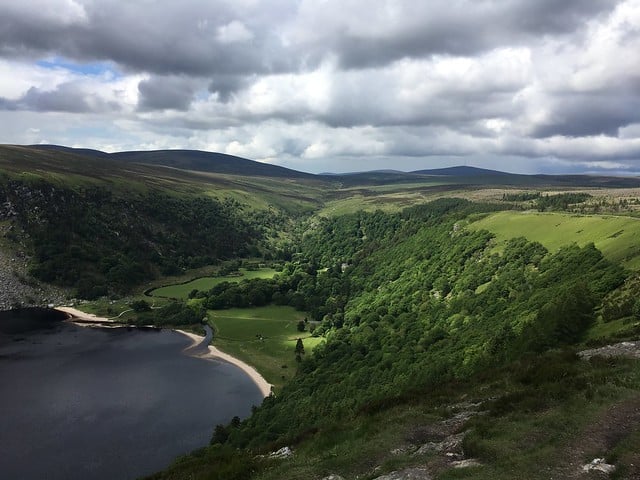
Glendalough, meaning “Valley of the Two Lakes,” is one of the park’s most iconic locations. This glacial valley, with its upper and lower lakes, is surrounded by steep wooded slopes and offers some of the most picturesque scenery in Ireland. The valley is a popular destination for walking, picnicking, and wildlife watching, and its tranquillity and beauty have inspired poets and artists for centuries.

Lough Tay and Lough Dan

Lough Tay and Lough Dan are two of the most beautiful lakes in Wicklow National Park. Lough Tay, often referred to as the “Guinness Lake” due to its dark waters and white sandy beach that resemble a pint of Guinness, is surrounded by dramatic mountains and is a popular spot for photography. Lough Dan, the largest natural lake in the park, is equally stunning and offers excellent opportunities for kayaking and fishing.

Flora and Fauna

The park’s varied habitats support various plant and animal life. In spring and summer, the heathlands are ablaze with the vibrant colours of heather and gorse, while the woodlands are carpeted with bluebells and wild garlic. Rare and endangered species, such as the peregrine falcon and red squirrel, can also be spotted in the park. The bogs are home to specialised plants like the insect-eating sundew and bog cotton, adding to the park’s botanical diversity.

Recreational Activities

Wicklow National Park is a haven for outdoor enthusiasts, offering a wide range of recreational activities that cater to all levels of fitness and interest. Whether you seek adventure, relaxation, or a bit of both, the park has something to offer.

Hiking and Walking

Hiking is undoubtedly one of the most popular activities in Wicklow National Park. The park boasts an extensive network of trails, ranging from strolls to challenging hikes. The Wicklow Way is the most famous trail, stretching 130 kilometres from Marlay Park in Dublin to Clonegal in County Carlow. This long-distance trail takes hikers through some of the park’s most scenic landscapes, including lush forests, open moorlands, and dramatic mountain passes.

For those seeking shorter walks, the Glendalough area offers several well-marked trails that cater to different abilities. The Spinc and Glenealo Valley Loop is a favourite among hikers, offering stunning views of the Glendalough lakes and the surrounding mountains. The Miners’ Village and Upper Lake Trail provide a more accessible option, leading visitors through Glendalough’s historical ruins and along the Upper Lake’s shores.

Cycling and Mountain Biking

Cycling is another popular way to explore Wicklow National Park. The park’s quiet country roads and challenging mountain trails offer something for cyclists of all levels. The Sally Gap and Wicklow Gap are two of the most scenic cycling routes in the park, providing breathtaking views of the mountains, valleys, and lakes. For mountain biking enthusiasts, the Ballinastoe Woods trails offer a thrilling ride through dense forests and open heathlands.

Wildlife Watching

Wicklow National Park is a haven for wildlife, making it an ideal destination for nature lovers and wildlife watchers. The park’s diverse habitats support a wide variety of bird species, including the majestic peregrine falcon, the elusive woodcock, and the colourful stonechat. Birdwatchers can enjoy spotting these and many other species throughout the year, with spring and summer being advantageous times to visit.

The park is also home to several mammal species, including the red deer, Irish hare, and pine marten. Early morning or late evening walks offer the best chances of spotting these elusive animals. The rivers and lakes in the park are rich in fish, such as trout and salmon, attracting otters and herons to their banks.

Rock Climbing and Bouldering

Wicklow National Park offers excellent rock climbing and bouldering opportunities for those seeking more adventurous pursuits. The granite cliffs and crags of the Wicklow Mountains provide a challenging and varied climbing terrain. Popular climbing spots include Glendalough, Luggala, and the Glenmalure Valley. Bouldering enthusiasts will find plenty of problems to solve in the Glendalough and Lough Dan areas, with routes suitable for all experience levels.

Fishing

Fishing is a tranquil and rewarding way to enjoy the natural beauty of Wicklow National Park. The park’s rivers and lakes are well-stocked with trout and salmon, making them popular spots for anglers. The Avonmore and Avonbeg rivers and the Glendalough lakes offer some of the best fishing opportunities in the park. Anglers should have the necessary permits and adhere to local fishing regulations to protect the park’s aquatic ecosystems.

Conservation and Sustainability

Wicklow National Park

Wicklow National Park is a place of natural beauty and recreational enjoyment and a vital area for conservation and biodiversity. The park is managed by the National Parks and Wildlife Service (NPWS), which works to protect its unique habitats and wildlife while promoting sustainable tourism.

Habitat Conservation

The diverse habitats within Wicklow National Park, from upland heathlands and bogs to woodlands and lakes, are carefully managed to preserve their ecological integrity. Conservation efforts focus on protecting rare and endangered species, controlling invasive species, and maintaining the natural processes that sustain these habitats. The park’s bogs, for example, are crucial for carbon sequestration and water regulation, making their preservation vital for combating climate change.

Wildlife Protection

Protecting the park’s wildlife is a top priority for the NPWS. This includes monitoring and conserving populations of rare and endangered species, such as the peregrine falcon, red squirrel, and otter. The park also supports several research projects to understand and mitigate the impacts of climate change, habitat loss, and other threats to its wildlife.

Sustainable Tourism

Promoting sustainable tourism ensures that Wicklow National Park remains a pristine and enjoyable destination for future generations. The NPWS encourages visitors to follow the Leave No Trace principles, which include respecting wildlife, disposing of waste properly, and minimising the impact of their activities on the environment. The park also offers educational programmes and guided tours to raise awareness about its natural and cultural heritage and the importance of conservation.

Visitor Facilities and Amenities

To enhance the visitor experience, Wicklow National Park offers a range of facilities and amenities designed to cater to different needs and interests. These include visitor centres, picnic areas, car parks, and accommodation options.

Glendalough Visitor Centre

The Glendalough Visitor Centre is the main gateway to the park and provides a wealth of information about its history, wildlife, and recreational opportunities. The centre features interactive exhibits, a video presentation, and a gift shop offering local crafts and souvenirs. Knowledgeable staff are on hand to provide maps, advice, and guided tours, making it an excellent starting point for exploring the park.

Accommodation

While the park has no accommodation facilities, the surrounding areas have plenty of options—from cosy bed and breakfasts and self-catering cottages to luxury hotels and campsites. Staying in nearby towns and villages, such as Glendalough, Laragh, and Rathdrum, allows visitors to enjoy the park’s tranquillity while benefiting from local amenities and hospitality.

Food and Drink

Visitors to Wicklow National Park will find various dining options in the surrounding areas. From traditional Irish pubs and charming tea rooms to fine dining restaurants, there is something to suit every taste and budget. Many establishments pride themselves on using locally sourced ingredients, offering a delicious taste of County Wicklow’s culinary heritage.

Conclusion

Wicklow National Park is a mesmerising destination that offers a perfect blend of natural beauty, historical significance, and recreational opportunities. Whether the breathtaking landscapes draw you, the rich history of Glendalough, or the chance to explore the great outdoors, the park has something to offer everyone. Its diverse habitats, abundant wildlife, and commitment to conservation make it a true gem in the heart of Ireland. As you explore the trails, lakes, and mountains of Wicklow National Park, you will undoubtedly be captivated by its enchanting charm and timeless beauty.

If you feel you are experienced enough to walk around the national park, you should do so to appreciate the area and its offerings.

If you wish to see the best of the Wicklow Mountains, take the 81-mile Wicklow Way trail. If you had the time and dedication, it would take around one week to complete, but it’s very worth it.

Wicklow’s National Park combines beauty and history to create a magnificent landscape waiting to be explored.

Wicklow National Park is one of the most relaxing attractions in County Wicklow. Have you ever been? Share your thoughts in the comments below.

More related blogs you might enjoy

Wicklow Town: The Heart of County Wicklow, Ireland | Russborough House, Blessington Lake, County Wicklow
Leave a comment

Your email address will not be published. Required fields are marked *