
Kraven the Hunter Filming Locations: A Thrilling Adventure
Updated On: March 31, 2024 by  Fatma Mohamed
Are you a Marvel Adventures fan and would like to know where they film their films? So, our journey today will be to Kraven the Hunter filming locations. This Marvel Comics-based film location took the cast and crew on a global adventure, capturing the essence of the notorious villain’s world on camera. From the bustling streets of London to the otherworldly landscapes of Iceland, each location offered a unique backdrop for Kraven’s thrilling story to unfold. Buckle up as we embark on a journey exploring the diverse filming sites that brought Kraven the Hunter to life.
Table of Contents
An Overview of the Story of Kraven the Hunter
Kraven the Hunter is an upcoming Marvel Comics-based superhero film featuring the iconic villain of the same name. It delves into the origins of Sergei Kravinoff, a Russian immigrant driven by an obsessive desire to prove himself as the most excellent hunter in the world.
Strapline: Before the web, there was the hunt.
This tagline captures the film’s focus on Kraven’s journey before his infamous clashes with Spider-Man, emphasising the darkness and tragedy that shape his character. It also hints at his pursuit’s primal and brutal nature, contrasting it with the superhero world with which Kraven eventually becomes entangled.
Kraven the Hunter Filming Locations
Calling all movie location enthusiasts! If you are curious about the real-world settings behind your favourite films, buckle up for a thrilling journey. This article dives deep into the captivating filming locations of “Kraven the Hunter,” taking you across continents to explore the diverse landscapes that brought this supervillain’s story to life.
From the bustling streets of the United Kingdom to the otherworldly beauty of Iceland, get ready to discover the hidden gems that shaped Kraven’s cinematic journey.
Trabzon, Türkiye
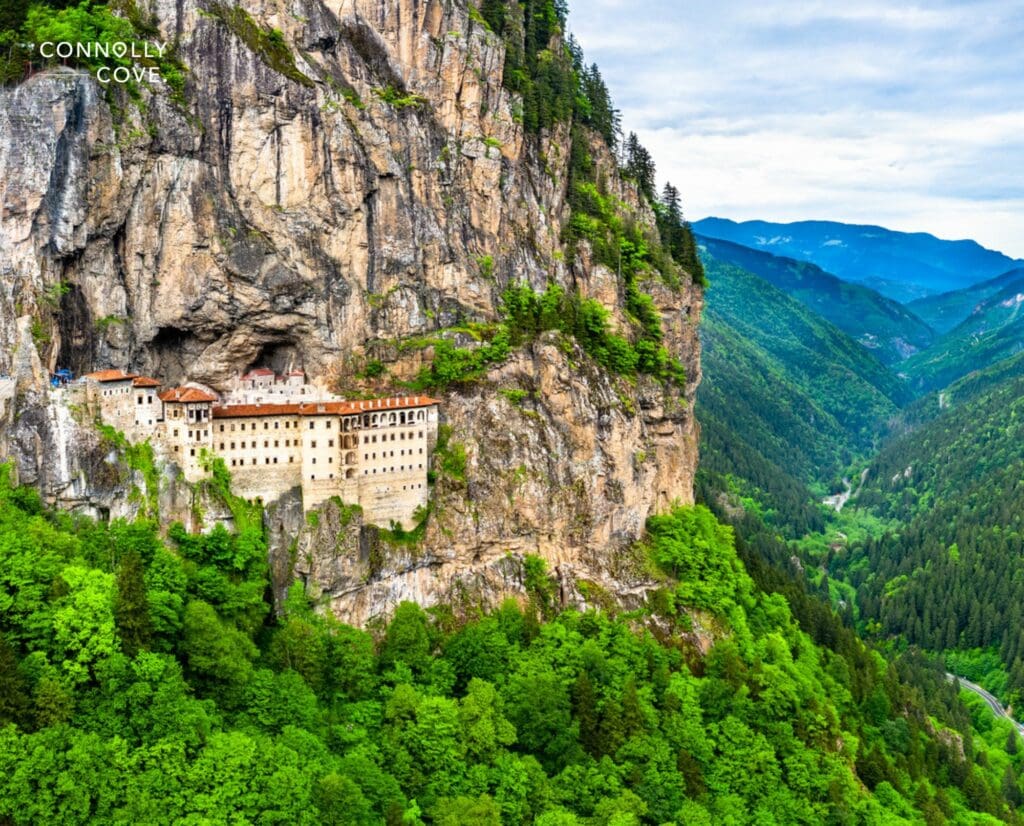
Kraven Hunter’s global quest for the ultimate challenge takes him beyond the concrete jungles and volcanic landscapes, leading him to the enchanting city of Trabzon, Türkiye. Nestled along the breathtaking Black Sea coast, Trabzon is a place of great historical significance, cultural diversity, and natural splendour, making it a captivating backdrop for the film’s narrative.
A Step Back in Time: The film crew set foot at the majestic Sumela Monastery — a historic landmark perched on a cliffside. This ancient Greek Orthodox monastery, dating back to the 4th century, exudes an aura of mystery and intrigue, perfectly complementing the enigmatic nature of Kraven’s character. The intricate architecture and stunning mountain views create a visually stunning and symbolic setting for a pivotal moment in the film, hinting at the deeper motivations and secrets fuel Kraven’s relentless pursuit.
Beyond the Monastery: Trabzon offers more than just historical wonders. The city’s vibrant culture, characterised by its unique blend of Turkish, Greek, and Armenian influences, adds another layer of richness to the film’s visual tapestry. Imagine bustling marketplaces, traditional wooden houses, and scenic coastal views serving as a counterpoint to the film’s darker themes and action-packed sequences.
Other Places to Visit in Trabzon
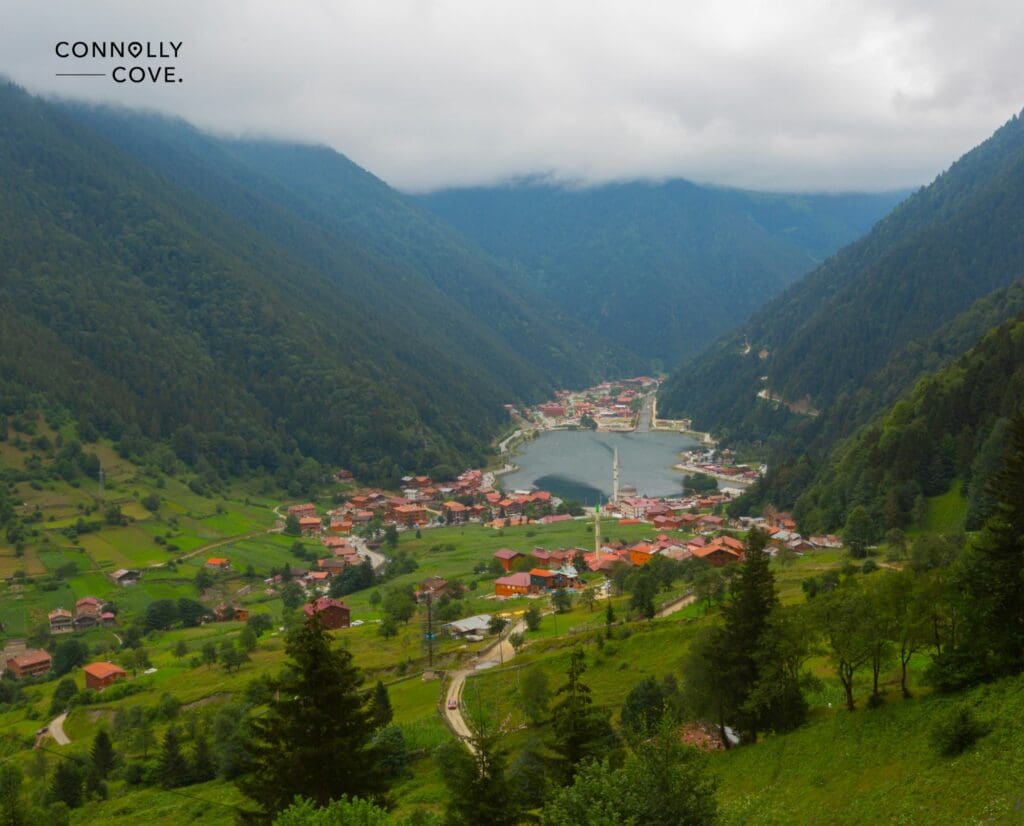
- Uzungöl: Uzungöl, meaning “long lake,” is a picturesque destination surrounded by dense forests and overlooked by majestic mountains. The tranquil lake and its shores offer a perfect retreat for nature lovers, with activities such as boat rides, hiking trails, and charming lakeside cafes, making it a must-visit spot in Trabzon.
- Boztepe: For unparalleled views of Trabzon and the Black Sea, Boztepe is the go-to destination. Boztepe is a popular hilltop among locals and tourists for its stunning skyline at sunrise and sunset, providing a tranquil escape from the city’s hustle and bustle.
- Trabzon Castle: Trabzon Castle is a testament to the city’s ancient fortifications. With its strategic location overlooking the sea, the castle offers a journey back in time, allowing visitors to explore its historic walls and enjoy panoramic views.
- Sera Lake: Sera Lake, surrounded by lush greenery and mountains, is a hidden gem in Trabzon. This serene destination is perfect for strolls, picnics, and enjoying the calm waters. Sera Lake provides a peaceful escape, adding another dimension to the diverse attractions of Trabzon.
London, England, UK
Kraven the Hunter’s journey begins amidst London, England’s gritty and pulsating heart. The film’s initial scenes unfold within the concrete jungle of this iconic city, immersing viewers in the underbelly where Kraven’s hunger for the hunt takes root.
A World of Contrasts: London’s diverse landscape contrasts the far-flung locations Kraven encounters later on. The towering skyscrapers and bustling streets establish a fast-paced and chaotic environment, mirroring the internal turmoil brewing within Kraven. Picture neon-lit alleyways acting as his hunting grounds, where the thrill of the chase intensifies amidst the anonymity of the urban sprawl.
Beyond the Surface: London’s rich history also subtly plays a narrative role. The city’s ancient architecture and famed landmarks are silent witnesses to Kraven’s transformation, hinting at the long and complex history of hunters and the hunted that may have shaped his obsession.
London’s unique character becomes more than just a backdrop in Kraven the Hunter. It is a crucible where Kraven’s primitive instincts confront the modern world, setting the stage for a thrilling and confrontational origin story.
As the film progresses, audiences will likely witness the contrast between the urban setting and the more natural environments Kraven encounters, further highlighting his evolution and shifting motivations.
London Wall, Barbican, London, England, UK
Kraven the Hunter’s London journey delves into the city’s historical heart, specifically the London Wall and the Barbican Centre. These contrasting locations offer a glimpse into the duality of the city, mirroring the internal conflict brewing within the film’s protagonist.
Whispers of the Past: London Wall, a remnant of the city’s Roman past, provides a secluded and atmospheric backdrop for Kraven’s early encounters. The narrow pathways winding between ancient stones create a sense of intrigue and mystery, hinting at hidden forces shaping his pursuit. Imagine shadowy figures lurking in the crumbling alleyways, adding a layer of suspense to Kraven’s initial ventures in the underbelly of London.
Modernity’s Maze: In stark contrast, the Barbican Centre, a Brutalist architectural masterpiece, offers a stark and imposing setting. Its geometric concrete structures and labyrinthine walkways create a sense of oppression and confinement, reflecting Kraven’s internal turmoil as he grapples with his obsession. Imagine the stark concrete jungle serving as a hunting ground, where Kraven’s pursuit takes on a desperate and relentless edge.
Lake Mývatn, Iceland
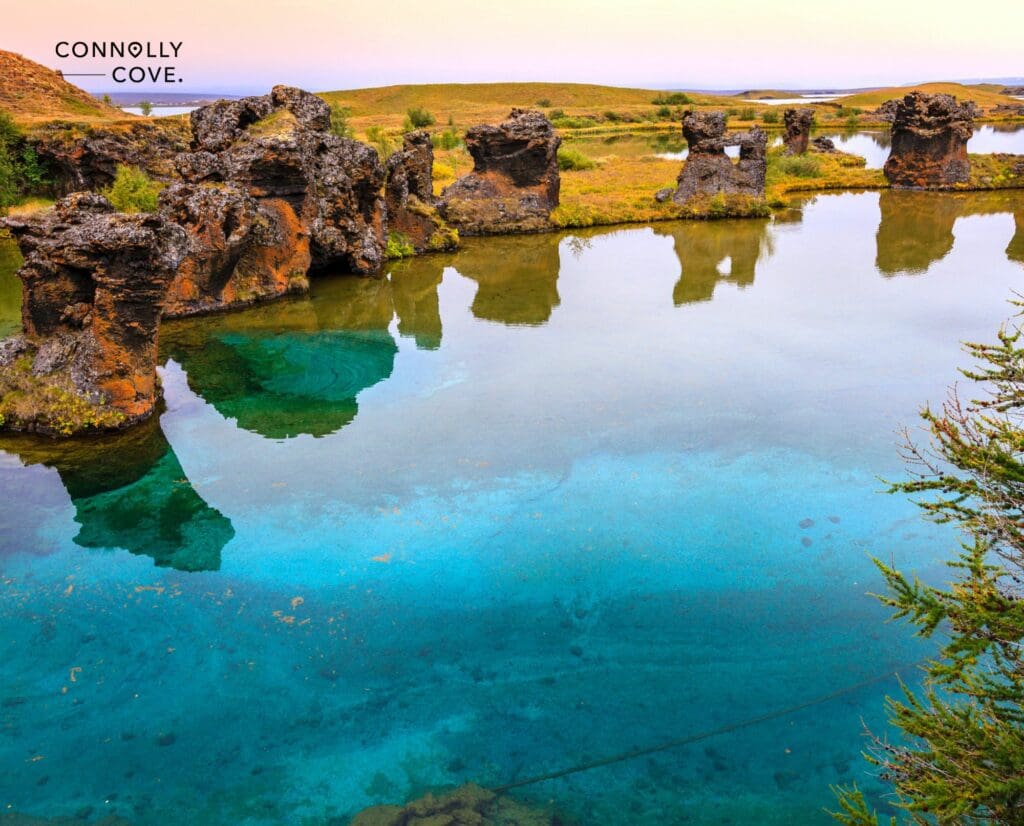
Kraven the Hunter ventures beyond the city to explore Iceland’s stunning Lake Mývatn. This volcanic wonderland, nestled in the northern part of the country, contrasts the film’s initial setting, immersing viewers in a breathtaking and desolate environment that mirrors the internal conflicts brewing within the protagonist.
A Landscape of Extremes: Lake Mývatn’s dramatic volcanic terrain, characterised by lava rock formations, geothermal vents, and pseudocraters, creates a visually stunning backdrop for the film’s action sequences. Imagine Kraven, clad in his signature garb, navigating this harsh and unforgiving landscape, his pursuit mirroring the primal nature of his quest.
The region’s stunning beauty and unpredictable elements serve as a constant challenge for Kraven, forcing him to adapt his hunting skills and confront his own limitations.
Other Places to Visit Near to Lake Mývatn, Iceland
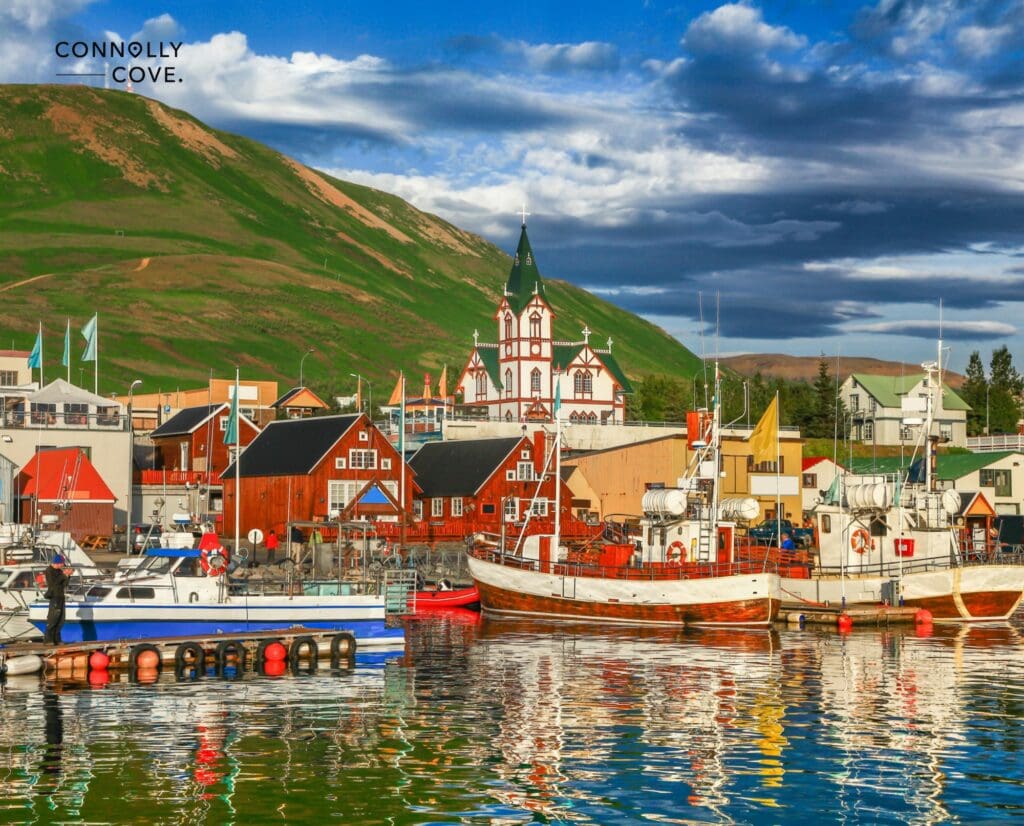
- Húsavík: Known as the whale-watching capital of Iceland, Húsavík is a charming town near Lake Mývatn that offers unparalleled opportunities to witness these majestic marine creatures. Visitors can embark on thrilling boat tours to observe various whale species, creating unforgettable memories against the stunning backdrop of the North Atlantic.
- Dimmuborgir Lava Fields: The otherworldly landscapes of the Dimmuborgir Lava Fields near Lake Mývatn beckon adventurers with their eerie beauty. This intricate labyrinth of volcanic formations, twisted caves, and towering rock pillars provides a surreal hiking experience, allowing visitors to explore the unique geological wonders shaped by ancient volcanic activity.
- Grjótagjá Cave: Nestled amidst the striking scenery near Lake Mývatn, Grjótagjá Cave is a geothermal wonder that captivates with its thermal spring. While the water temperature can vary, the cave’s mystical ambience, surrounded by rugged rocks and earthy hues, offers a unique bathing experience. Although swimming is not always permitted due to fluctuating temperatures, the cave remains a fascinating attraction for its natural beauty and historical significance.
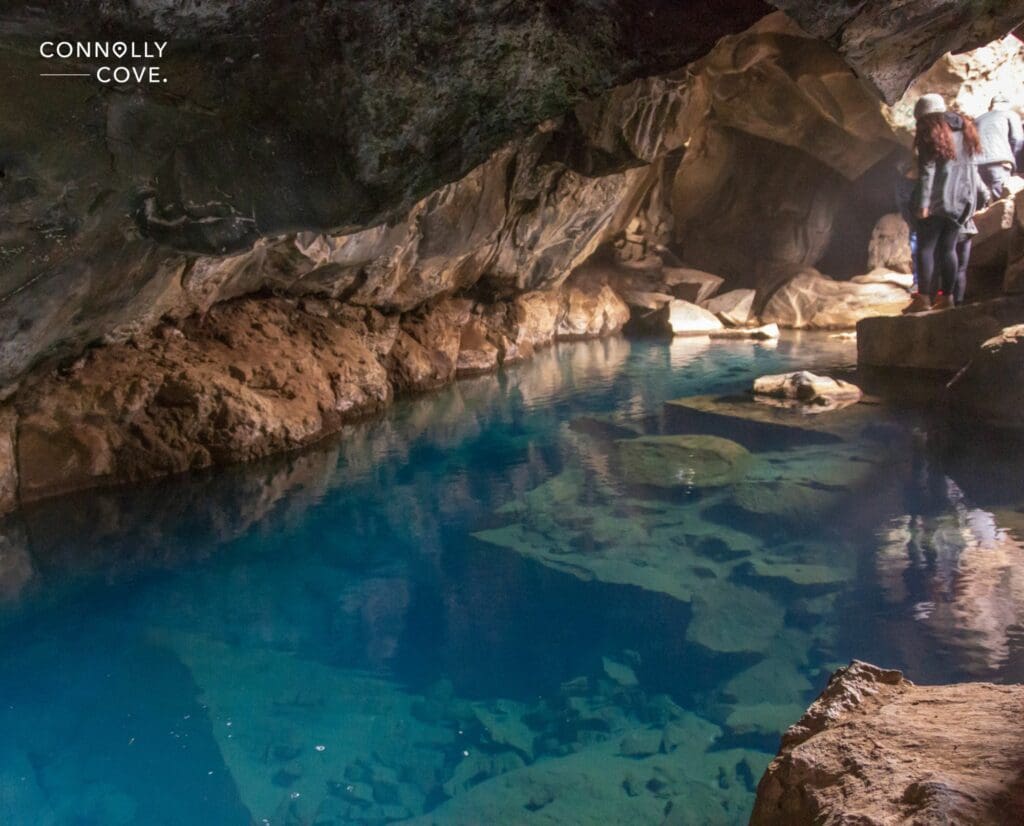
Exploring these sites provides an immersive experience of the captivating natural wonders that make Lake Mývatn and its surroundings a must-visit destination in Iceland.
Last Words
We reached the end of our journey today through the filming locations for Kraven the Hunter, which span a remarkable range of landscapes, from the uniqueness of Trabzon, Türkiye, to the stark beauty of Iceland. This variety reflects the character’s own global hunting grounds and adds a layer of visual intrigue to the film. The filmmakers’ commitment to capturing these diverse settings promises a truly immersive cinematic experience.
FAQs
What ethnicity is Kraven the Hunter?
Kraven the Hunter, a fictional character named Sergei Kravinoff, is a Russian immigrant. His aristocratic family fled to the United States after the fall of the Russian nobility.
Why is Kraven called Kraven?
Kraven’s real name is Sergei Kravinoff, but he shortens it to Kraven. This name reflects his identity as the ultimate Hunter, sounding strong and determined.
When is Kraven the Hunter coming out?
The release date of Kraven the Hunter is August 30, 2024.
Exploring The Town of Carrickfergus
County Antrim
29/04/2024
Commercial Court: The Dazzling Lights of Belfast
Northern Ireland
29/04/2024

How to Make a Killy Kiss Cocktail By Killyhevlin Hotel
Northern Ireland
28/04/2024

Middle East Travel Statistics from 2019 to Now
Middle East
28/04/2024
Exploring the Rich Heritage of Mining in Ireland
History and Heritage
28/04/2024