
Belfast has transformed from an industrial powerhouse into one of Europe’s most compelling city break destinations. The Northern Irish capital offers an extraordinary blend of maritime heritage, political history, vibrant culture, and warm hospitality that captivates visitors from across the UK, Ireland, and beyond. City breaks in Belfast have become increasingly popular as travellers discover this remarkable destination’s unique character. Whether you’re planning a weekend escape from London, a short break from Dublin, or exploring Northern Ireland for the first time, Belfast delivers an unforgettable urban adventure.
This comprehensive guide draws from extensive local knowledge and visitor experiences to help you make the most of your Belfast city break. From the world-famous Titanic Belfast to hidden cultural gems, authentic local experiences, and practical planning advice, we’ll show you how to experience the real Belfast beyond the typical tourist trail.
Table of Contents
Why Choose Belfast for Your Next City Break
Belfast stands out among European city break destinations for its unique combination of compelling history, cultural renaissance, and genuine local character. The city has undergone a remarkable transformation over the past two decades, emerging as a dynamic cultural hub whilst preserving its distinctive identity.
A City Steeped in Maritime Heritage
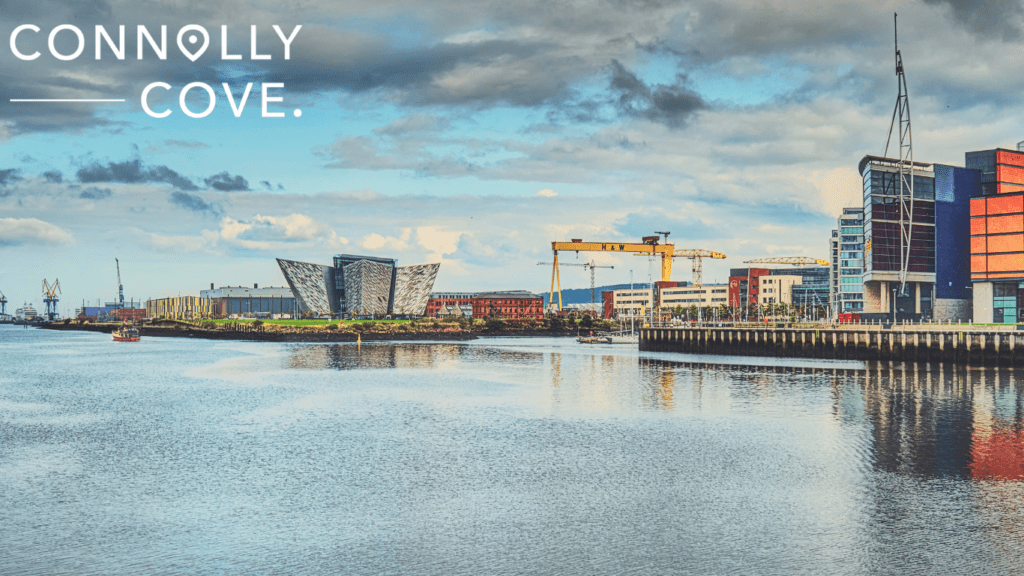
Belfast’s shipbuilding legacy forms the backbone of its modern tourism appeal. The city that built the Titanic has transformed its industrial waterfront into a world-class visitor destination. The Titanic Quarter showcases how thoughtful urban regeneration can honour the past while creating vibrant new spaces for locals and visitors alike.
The story of Belfast’s shipbuilding prowess extends far beyond one famous vessel. Harland and Wolff shipyard was once one of the world’s largest, employing over 35,000 people at its peak. This industrial heritage shapes the city’s character and provides a fascinating context for understanding Belfast’s role in global maritime history.
Political History and Peace Process
Understanding Belfast’s recent history enhances any visit to the city. The Troubles, spanning roughly from the late 1960s to the Good Friday Agreement in 1998, left an indelible mark on Belfast’s landscape and psyche. Today, the city offers visitors unique opportunities to learn about this complex period through guided tours, museums, and preserved historical sites.
The peace walls and political murals throughout Belfast tell stories of division and reconciliation. Visiting these areas with a knowledgeable local guide provides valuable context and demonstrates how communities have worked towards peace and shared prosperity.
Cultural Renaissance and Creative Energy
Modern Belfast pulses with creative energy. The Cathedral Quarter buzzes with street art, independent galleries, and live music venues. The city has produced internationally acclaimed musicians, writers, and filmmakers who draw inspiration from Belfast’s unique character and history.
This cultural vibrancy extends to Belfast’s festival calendar. From the Belfast InternationaL Arts Festival to smaller community celebrations, the city offers year-round cultural programming that reflects both its Irish heritage and cosmopolitan outlook.
Essential Belfast Experiences
A successful Belfast city break must balance must-see attractions with authentic local experiences. These carefully selected highlights offer diverse perspectives on the city’s history, culture, and contemporary life.
Titanic Belfast and Maritime Heritage
Titanic Belfast stands as the city’s flagship attraction and rightfully so. This award-winning museum goes far beyond telling the story of one ship, offering comprehensive insights into Belfast’s shipbuilding industry, social history, and maritime connections.
The museum’s nine galleries use innovative technology and immersive experiences to bring Belfast’s industrial past to life. Visitors can experience a simulated shipyard ride, explore the ship’s construction through interactive displays, and learn about the human stories behind this maritime tragedy and triumph of engineering.
Adjacent to Titanic Belfast, the SS Nomadic provides the only remaining White Star Line vessel open to the public. This beautifully restored tender ship ferried passengers to the Titanic and other great liners, offering tangible connections to the golden age of ocean travel.
The wider Titanic Quarter demonstrates how historic industrial sites can be reimagined for modern use. The area now houses film studios, apartments, offices, and recreational spaces whilst preserving important heritage structures like the iconic Harland and Wolff cranes.
Cathedral Quarter: Arts and Entertainment Hub
The Cathedral Quarter represents Belfast at its most bohemian. Cobbled streets and Victorian architecture provide the backdrop for a thriving arts scene that includes galleries, studios, pubs with traditional music sessions, and innovative restaurants.
Street art throughout the quarter reflects Belfast’s creative spirit and provides Instagram-worthy backdrops for visitors. The area’s transformation from a somewhat neglected part of the city centre to a cultural hotspot demonstrates Belfast’s ongoing regeneration.
Key venues in the Cathedral Quarter include the MAC (Metropolitan Arts Centre), which hosts contemporary art exhibitions, theatre productions, and musical performances. The Duke of York pub serves as a focal point for traditional Irish music sessions and has walls adorned with political and cultural memorabilia.
Peace Walls and Political Murals
No Belfast city break is complete without understanding the city’s complex political history. The peace walls, built during the Troubles to separate communities, remain standing as powerful reminders of past divisions and symbols of the ongoing peace process.
The most accessible way to explore these sensitive areas is through a Black Taxi Tour with experienced local guides. These tours provide balanced perspectives on the conflict, explain the symbolism in murals and monuments, and demonstrate how communities have worked towards reconciliation.
The Shankill and Falls Roads feature the most extensive collections of political murals. These artworks serve multiple purposes: commemorating historical events, expressing political views, and increasingly, promoting peace and cultural exchange.
Visitors should approach these areas with respect and awareness that they remain home to communities still processing difficult histories. Professional guides help navigate these sensitivities while providing educational context that enriches understanding of Belfast’s journey towards peace.
Crumlin Road Gaol and Justice System History
The Crumlin Road Gaol offers fascinating insights into Belfast’s legal and penal history. This Victorian prison, operational from 1846 to 1996, housed prisoners from across Ireland’s political and social spectrum.
Guided tours reveal stories of political prisoners, notorious criminals, and the evolution of prison conditions over 150 years of operation. The gaol’s connection to the courthouse across the street via an underground tunnel demonstrates the integrated nature of Victorian criminal justice systems.
The prison’s most famous inmates included political prisoners from various traditions during the Troubles, as well as ordinary criminals whose stories illuminate social conditions in different eras of Belfast’s history.
Ulster Museum and Cultural Collections
The Ulster Museum provides comprehensive coverage of Northern Ireland’s natural history, archaeology, and cultural heritage. The museum’s collections span from dinosaur fossils and ancient Irish gold to contemporary art and industrial heritage.
Particularly relevant to city break visitors are the museum’s exhibitions on Belfast’s industrial development, the province’s role in major historical events, and contemporary Northern Irish culture. The museum’s location in the Queen’s Quarter places it within easy walking distance of the Botanic Gardens and Queen’s University.
Belfast Neighbourhoods for City Break Visitors
Understanding Belfast’s distinct neighbourhoods helps visitors choose accommodation and plan activities that match their interests. Each area offers different perspectives on the city’s character and history.
Titanic Quarter: Modern Belfast
The Titanic Quarter represents Belfast’s most ambitious urban regeneration project. This waterfront area combines heritage attractions, modern apartments, entertainment venues, and business facilities within a carefully planned development.
For city break visitors, the Titanic Quarter offers luxury accommodation options with harbour views, easy access to major attractions, and striking contemporary architecture. The area’s modern infrastructure includes excellent transport connections and pedestrian-friendly streetscapes.
The quarter’s location slightly outside the traditional city centre provides tranquil surroundings whilst maintaining convenient access to Belfast’s main shopping and entertainment districts via the Glider bus service or pleasant walks along the Lagan towpath.
Cathedral Quarter: Cultural Heart
The Cathedral Quarter serves as Belfast’s primary arts and entertainment district. Victorian and Edwardian buildings house galleries, restaurants, pubs, and boutique shops that cater to both locals and visitors seeking authentic Belfast culture.
Accommodation in the Cathedral Quarter places visitors at the centre of Belfast’s nightlife and cultural scene. The area’s compact size makes it easy to explore on foot, whilst its central location provides convenient access to other parts of the city.
The quarter’s character changes throughout the day, from quiet morning streets perfect for photography to bustling evening scenes with live music spilling from traditional pubs and contemporary venues.
Queen’s Quarter: Academic and Green Spaces
The Queen’s Quarter, centred around Queen’s University Belfast, offers a more residential feel with tree-lined streets, Victorian architecture, and expansive green spaces. This area appeals to visitors seeking a quieter base with easy access to cultural attractions.
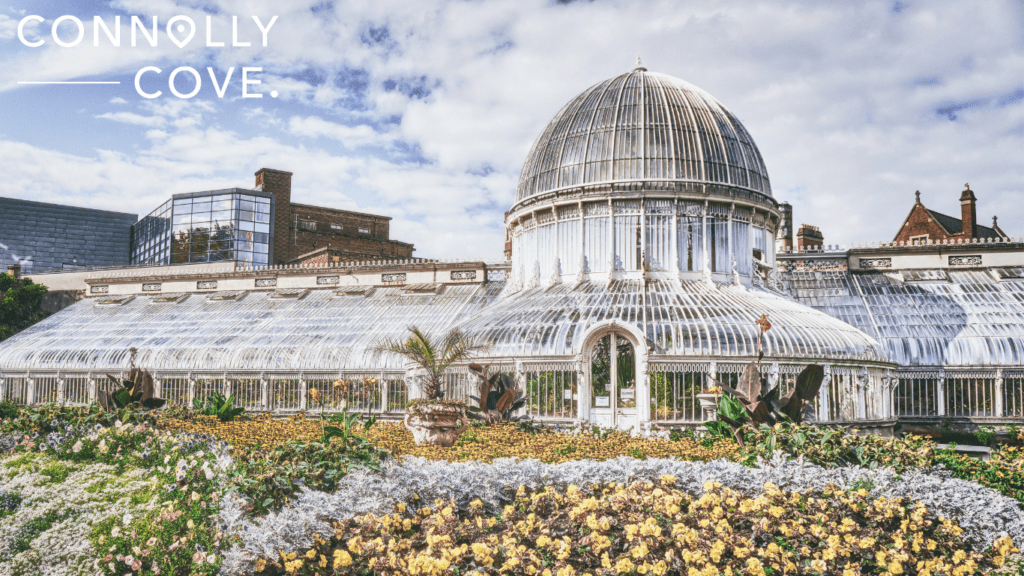
The neighbourhood’s highlights include the Botanic Gardens with its famous Palm House, the Ulster Museum, and numerous independent cafes and bookshops along Botanic Avenue. The area’s academic atmosphere provides a different perspective on Belfast life beyond the more tourist-focused districts.
Accommodation in the Queen’s Quarter often offers better value than city centre options whilst maintaining good transport connections and walkable access to major attractions.
City Centre: Shopping and Business District
Belfast city centre provides the highest concentration of shops, restaurants, and commercial activity. The area around Donegall Place and Royal Avenue offers major retail chains alongside local businesses and historic landmarks like the City Hall.
City centre accommodation puts visitors at the heart of Belfast’s commercial activity with easy access to public transport, shopping, and dining options. The area’s hotels range from budget chains to luxury historic properties.
The compact nature of Belfast city centre makes it easy to explore on foot, with most major shopping and dining destinations within a few minutes’ walk of each other.
Belfast Food and Drink Scene
Belfast’s culinary landscape has evolved dramatically, blending traditional Ulster cooking with international influences and innovative local ingredients. The city’s food scene offers everything from historic pubs serving traditional fare to Michelin-starred restaurants pushing culinary boundaries.
Traditional Ulster Cuisine
The Ulster Fry remains Belfast’s most famous culinary export and an essential experience for first-time visitors. This hearty breakfast typically includes bacon, eggs, sausages, black pudding, white pudding, soda bread, and potato bread, providing fuel for a full day of city exploration.
Established venues like Maggie May’s have perfected this traditional breakfast over decades of serving locals and visitors. The quality of ingredients, particularly locally-sourced meats and freshly baked bread, distinguishes superior Ulster Fries from inferior imitations.
Traditional Irish stew, colcannon, and champ represent other essential Ulster dishes available throughout Belfast. These comfort foods reflect the region’s agricultural heritage and provide warming sustenance during cooler months.
Contemporary Dining Revolution
Belfast’s restaurant scene has undergone a remarkable transformation, with innovative chefs drawing on local ingredients to create contemporary cuisine that reflects both Irish traditions and international influences.
Michelin-starred establishments like EIPIC demonstrate Belfast’s culinary ambitions, offering sophisticated tasting menus that showcase Northern Irish produce in elegant presentations. These restaurants attract food enthusiasts from across the UK and Ireland.
Mid-range restaurants throughout Belfast combine quality ingredients with innovative cooking techniques to offer excellent dining experiences at accessible prices. Many of these establishments occupy beautifully converted historic buildings that add atmospheric dining environments to exceptional food.
St George’s Market and Local Produce
St George’s Market operates as Belfast’s premier food destination, combining a Victorian market hall with contemporary food vendors, live music, and artisan products. The market opens Friday through Sunday, offering different experiences each day.
Weekend visits to St George’s Market provide opportunities to sample local specialities, purchase artisan products, and enjoy live musical performances in an atmospheric historic setting. The market’s vendors represent both traditional Ulster producers and contemporary food entrepreneurs.
Local specialities available at the market include Comber potatoes, Armagh apples, Strangford Lough seafood, and artisan cheeses from across Northern Ireland. These products reflect the region’s agricultural heritage and provide authentic tastes of Ulster.
Digital Marketing Success Stories in Belfast’s Food Scene
Belfast’s food and hospitality sector demonstrates excellent digital marketing practices that local businesses can learn from. Many restaurants and pubs have successfully used social media platforms, professional photography, and content marketing to build strong online presences that attract both local customers and tourists.
Successful venues combine authentic storytelling about their heritage and ingredients with high-quality visual content that showcases their food, atmosphere, and unique selling points. This approach has helped many Belfast establishments build followings that extend far beyond their immediate geographic area.
The city’s tourism marketing, supported by professional video production and SEO-optimised content, has successfully positioned Belfast as a must-visit food destination. This coordinated digital marketing effort demonstrates how strategic online marketing can transform perceptions and drive visitor growth.
Planning Your Belfast City Break
Proper planning ensures your Belfast city break maximises both enjoyment and efficiency. Consider these practical aspects when organising your visit to Northern Ireland’s capital.
Getting to Belfast
Belfast enjoys excellent transport connections with the rest of the UK and Ireland. Multiple airlines service Belfast International Airport and George Best Belfast City Airport from major British and Irish cities, with flight times typically under 90 minutes from London or Dublin.
Ferry services connect Belfast with Liverpool, Cairnryan, and other British ports, offering an alternative travel option that allows visitors to bring their cars. These services provide scenic approaches to Belfast through Belfast Lough and can be more economical for longer stays or group travel.
Train services connect Belfast with Dublin, with the journey taking approximately two hours through scenic countryside. This option appeals to visitors who combine Belfast with other Irish destinations or those who prefer overland travel.
Accommodation Options
Belfast offers accommodation options to suit all budgets and preferences. Luxury hotels in the city centre and Titanic Quarter provide full-service experiences with concierge assistance, spa facilities, and fine dining restaurants.
Mid-range hotels and guesthouses throughout Belfast offer comfortable accommodation with local character and knowledgeable staff who can provide insider advice about the city’s attractions and hidden gems.
Budget accommodation includes hostels, budget hotel chains, and bed-and-breakfast establishments that provide affordable bases for city exploration whilst maintaining good standards of cleanliness and service.
Transport Within Belfast
Belfast’s compact size makes walking the most practical way to explore the city centre and nearby attractions. Most major sights, restaurants, and shopping areas lie within easy walking distance of each other.
The Glider bus rapid transit system connects major destinations, including the Titanic Quarter, the city centre, and the Queen’s Quarter. This modern system offers frequent services and provides an efficient way to cover longer distances within the city.
Taxis remain readily available throughout Belfast and offer convenient transportation for evening activities or when the weather makes walking less appealing. Black taxi tours provide both transportation and educational experiences for visitors interested in learning about Belfast’s history.
When to Visit Belfast
Belfast enjoys a temperate maritime climate with mild temperatures year-round, making it suitable for city breaks in any season. Each season offers different experiences and advantages for visitors.
Summer months provide the warmest weather and longest daylight hours, ideal for outdoor activities and photography. However, this peak season also brings larger crowds and higher accommodation prices.
Spring and autumn offer pleasant weather with fewer crowds and often better value accommodation. These shoulder seasons provide excellent conditions for walking tours and outdoor activities whilst avoiding peak tourist numbers.
Winter visits to Belfast offer atmospheric experiences with festive decorations, cosy pub interiors, and often spectacular lighting of the city’s architectural landmarks. Indoor attractions remain fully operational, and reduced tourist numbers can make visits to popular sites more enjoyable.
Digital Tools for Planning Your Belfast Visit
Modern city break planning benefits significantly from digital tools and online resources. Professional travel websites, social media platforms, and mobile applications provide real-time information about attractions, restaurants, and events in Belfast.
High-quality travel content, supported by professional photography and videography, helps visitors make informed decisions about their Belfast itinerary. Many local businesses have invested in professional content creation and SEO-optimised websites that provide valuable planning information.
Mobile applications for public transport, restaurant bookings, and attraction tickets streamline the visitor experience and reduce planning stress. Belfast’s tourism infrastructure has embraced digital innovation to enhance visitor experiences and provide convenient access to services.
Current Seasonal Considerations
Belfast’s attractions and experiences vary seasonally, affecting optimal timing for different types of city breaks. Current seasonal factors to consider include:
Spring (March-May): Mild temperatures averaging 8-15°C make this ideal for walking tours and outdoor photography. The Botanic Gardens come alive with spring blooms, and reduced tourist numbers mean shorter queues at major attractions. Light rain is common, so waterproof clothing is advisable.
Summer (June-August): Peak season brings temperatures of 12-18°C and extended daylight until after 9 PM. All attractions operate full schedules, outdoor dining becomes popular, and festival season peaks. Advance booking is recommended for accommodation and popular restaurants.
Autumn (September-November): Comfortable temperatures of 9-16°C and beautiful autumn colours in parks and gardens. This season offers excellent value with reduced crowds but maintained good weather for most activities. The cultural season begins with theatre and music venues returning to full programmes.
Winter (December-February): Cooler temperatures of 4-8°C create atmospheric conditions perfect for cosy pub visits and indoor cultural experiences. Christmas markets and festive decorations enhance the city’s charm, whilst shorter daylight hours (8 AM-4 PM) require adjusted planning for outdoor activities.
Weather in Belfast can change quickly regardless of season, so layered clothing and waterproof outerwear remain advisable year-round. The city’s indoor attractions and covered shopping areas provide excellent wet-weather alternatives.
Frequently Asked Questions

How many days do you need for a Belfast city break?
A weekend (2-3 days) provides sufficient time to experience Belfast’s major attractions, sample the local food scene, and gain an understanding of the city’s history and culture. Longer stays allow for day trips to the Giant’s Causeway or other regional attractions.
Is Belfast safe for tourists?
Yes, Belfast is considered very safe for tourists. The city centre, major attractions, and tourist areas are well-policed and welcoming to visitors. As with any city, standard precautions regarding personal belongings and awareness of surroundings apply.
What’s the best way to see the political murals?
Black taxi tours with local guides provide the most informative and respectful way to explore areas with political murals and peace walls. These tours offer balanced historical context and ensure visitors understand the significance of what they’re seeing.
Do you need a car in Belfast?
No, Belfast is very walkable and has good public transport. Most city centre attractions, restaurants, and accommodation are within walking distance. The Glider bus system and regular taxi services cover longer distances efficiently.
What currency is used in Belfast?
Belfast uses the British Pound Sterling (£). Most establishments accept card payments, and ATMs are widely available throughout the city centre.
Making the Most of Your Belfast City Break
Belfast rewards curious visitors with authentic experiences that combine historical significance, cultural richness, and warm hospitality. The city’s compact size and efficient infrastructure make it ideal for short breaks, whilst its complex history and vibrant contemporary culture provide plenty to discover.
Success in Belfast comes from balancing must-see attractions with spontaneous discoveries. Leave time for unplanned conversations in traditional pubs, unexpected street art encounters, and serendipitous discoveries of hidden courtyards and local gems that don’t appear in guidebooks.
The city’s greatest asset remains its people, whose stories and perspectives bring Belfast’s history and culture to life in ways that no museum or attraction can replicate. Engage with locals, listen to their recommendations, and allow their pride in their transformed city to enhance your own experience of this remarkable destination.
Your Belfast city break offers more than just a weekend away—it provides insights into resilience, reconciliation, and the power of communities to transform their circumstances whilst preserving their distinctive identity. This combination of profound human stories and contemporary vitality makes Belfast one of Europe’s most compelling city break destinations.