
Skip to content
Updated on: by Avatar image of authorRebekah McCaig

Northern Ireland offers some of the most rewarding weekend breaks in the British Isles, combining dramatic coastal scenery, vibrant city culture, and rich heritage sites within a remarkably compact region. Whether you’re drawn to Belfast’s thriving arts scene, the mythical landscapes of the Causeway Coast, or the tranquil beauty of the Fermanagh Lakelands, this guide reveals how to experience the authentic Northern Ireland beyond the typical tourist trail.

The beauty of weekend breaks in Northern Ireland lies in their diversity. You can explore ancient Celtic mythology at the Giant’s Causeway in the morning, sample award-winning local cuisine in Belfast by afternoon, and enjoy traditional music in a cosy pub by evening. This comprehensive guide draws on local knowledge and cultural insights to help you plan the perfect short break that connects you with the real spirit of Northern Ireland.

Planning Your Weekend Break

Understanding the practical elements of your Northern Ireland weekend break ensures you maximise your time exploring rather than navigating logistics. The compact nature of Northern Ireland means you can experience multiple regions in a single weekend, but careful planning helps you avoid the common mistake of trying to pack too much into your itinerary.

Getting There and Around

Northern Ireland’s accessibility makes it ideal for spontaneous weekend breaks. Belfast International and George Best Belfast City airports serve major UK cities, with frequent direct flights from London, Manchester, Edinburgh, and Glasgow. Ferry services from Cairnryan and Liverpool provide scenic alternatives, particularly appealing if you’re bringing a car.

The road network connects major attractions efficiently, with the M1 linking Belfast to the south and the A2 Causeway Coastal Route providing one of Europe’s most scenic drives. Public transport via Translink serves main towns and attractions, though a car offers greater flexibility for exploring rural areas and hidden gems.

Best Times to Visit

Spring brings wildflower blooms and fewer crowds, making it perfect for coastal walks and cultural site visits. The weather can be changeable, but this season offers excellent value for accommodation and a more intimate experience of popular attractions.

Summer provides the warmest weather and longest days, ideal for outdoor activities and coastal exploration. This peak season requires advance booking for accommodations and popular attractions, but rewards visitors with vibrant festivals and outdoor events.

Autumn transforms the landscape into spectacular colours, particularly beautiful in areas like Tollymore Forest Park. The shoulder season offers comfortable temperatures, reduced crowds, and often the best photographic conditions.

Winter brings a special magic to Northern Ireland’s cities, with Christmas markets and cosy pub culture coming alive. While outdoor activities may be limited, it’s the perfect season for cultural immersion and indoor attractions.

Budgeting Your Weekend

Weekend breaks in Northern Ireland can suit various budgets, from backpacker-friendly hostels to luxury country estates. Mid-range travellers can expect to spend £60-80 per night for comfortable B&B accommodation, while luxury options range from £120-200 per night.

Dining costs vary significantly between casual pub meals (£12-18) and fine dining experiences (£35-55 per person). Many attractions offer excellent value, with several world-class museums providing free entry and natural attractions like the Mourne Mountains offering spectacular experiences at no cost beyond transport.

Belfast City Adventures

Belfast has transformed into one of Europe’s most dynamic cities, where cutting-edge architecture sits alongside Victorian grandeur, and world-class museums tell stories of both triumph and tragedy. The city’s compact centre makes it perfect for weekend exploration, with most major attractions within walking distance of each other.

Cultural Immersion in the Cathedral Quarter

The Cathedral Quarter represents Belfast’s creative heart, where cobblestone streets house galleries, music venues, and artisan eateries. The Metropolitan Arts Centre (MAC) showcases contemporary Irish and international art, while smaller galleries display emerging local talent.

Street art throughout the quarter tells Belfast’s evolving story, from political murals documenting the Troubles to contemporary pieces celebrating the city’s cultural renaissance. The area comes alive in the evening, with traditional music sessions in pubs like the Duke of York and Kelly’s Cellars, where authentic Irish music continues centuries-old traditions.

“When we first started documenting Belfast’s cultural transformation, the Cathedral Quarter exemplified how creativity could heal and unite communities. Today, it offers visitors an authentic taste of contemporary Irish culture alongside historical context.” – Ciaran Connolly, Founder of ConnollyCove

Historical Depth at Titanic Belfast

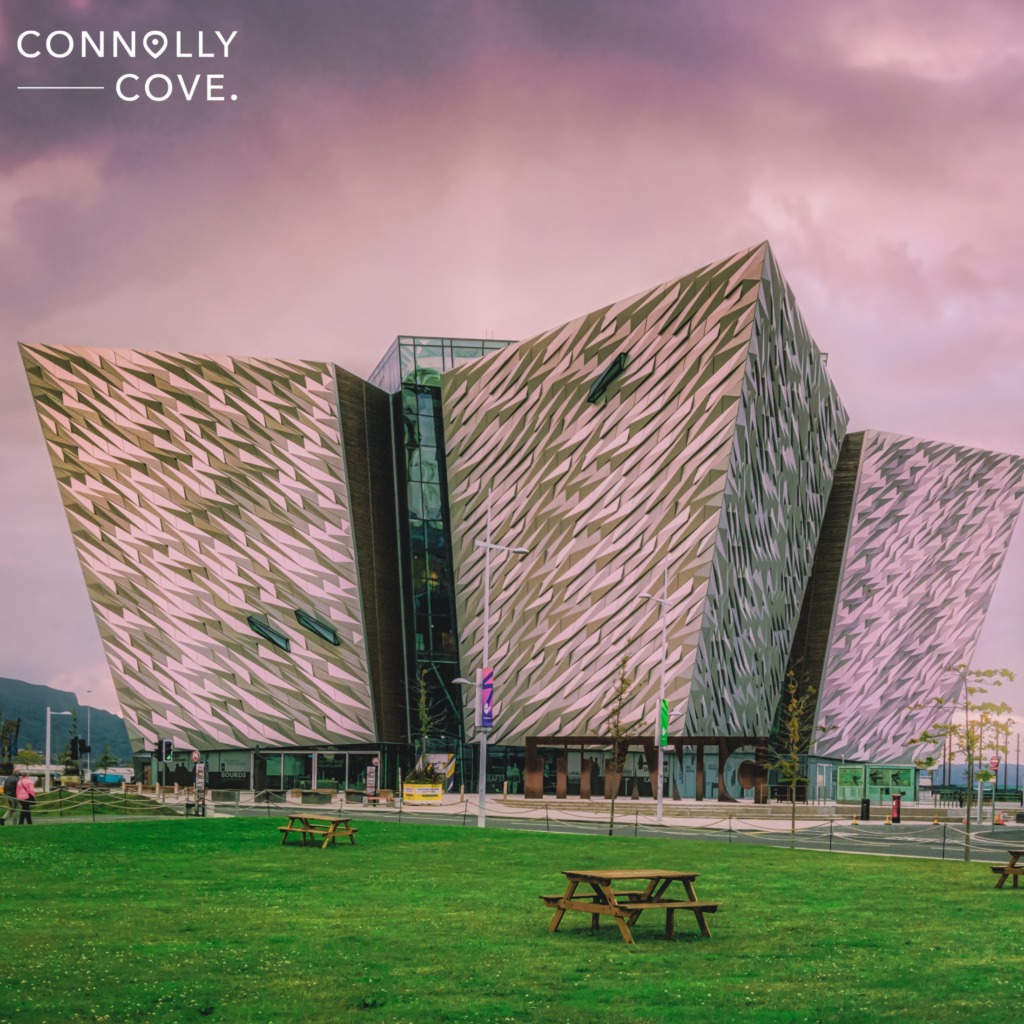
Titanic Belfast offers more than just the story of the famous ship; it provides insight into Belfast’s industrial heritage and shipbuilding prowess. The interactive exhibits and authentic artefacts create an immersive experience that typically requires 3-4 hours to fully appreciate.

The surrounding Titanic Quarter showcases Belfast’s ongoing transformation, with modern developments complementing restored historical buildings. The nearby HMS Caroline, the last surviving ship from the Battle of Jutland, adds another layer to the maritime story.

Culinary Excellence Beyond St George’s Market

While St George’s Market remains a weekend highlight with its Victorian architecture and local produce, Belfast’s food scene extends throughout the city. The Botanic area hosts several award-winning restaurants, including Michelin-starred establishments that celebrate local ingredients and traditional cooking techniques with contemporary flair.

Local specialities like Ulster Fry, soda bread, and Comber potatoes provide authentic tastes, while craft breweries and distilleries offer tours and tastings that reveal Northern Ireland’s growing reputation for quality spirits and ales.

Causeway Coast Escapes

The Causeway Coastal Route delivers some of Europe’s most dramatic scenery, combining geological wonders with mythological significance and charming seaside towns. This UNESCO World Heritage region requires at least a full day to explore properly, though many visitors find themselves returning to discover new aspects of its beauty.

Giant’s Causeway: Beyond the Tourist Crowds

Explore the Giant’s Causeway Near Portrush

The Giant’s Causeway attracts visitors worldwide, but timing your visit can provide a more intimate experience with this natural wonder. Early morning or late evening visits offer the best lighting for photography and fewer crowds, allowing you to appreciate the geological significance and mythological stories in relative peace.

The accompanying visitor centre provides essential context about the volcanic activity that created these hexagonal basalt columns 50-60 million years ago. Local legends of the giant Finn MacCool add cultural depth to the geological marvel, connecting visitors to centuries of Irish storytelling tradition.

Coastal Towns with Character

Portrush and Portstewart offer contrasting coastal experiences. Portrush combines traditional seaside charm with modern amenities, including world-class surfing beaches and the historic Royal Portrush Golf Club. The town’s Victorian promenade and amusement arcades provide family-friendly entertainment alongside more sophisticated dining options.

Portstewart presents a more refined coastal experience, with its distinctive promenade overlooking golden beaches. The Flowerfield Arts Centre hosts exhibitions and performances, while local eateries like Morelli’s ice cream parlour maintain traditions dating back generations.

Carrick-a-Rede and Dunluce Castle

The Carrick-a-Rede rope bridge provides an adrenaline rush with spectacular coastal views, but visitor numbers are limited, making advance booking essential during peak seasons. The 30-metre crossing to the small island offers bird watching opportunities and panoramic views of Rathlin Island and the Scottish coast.

Dunluce Castle’s dramatic clifftop ruins embody the romantic appeal of Ireland’s medieval past. The partially collapsed structure, with rooms literally hanging over the Atlantic Ocean, provides spectacular photographic opportunities and connects visitors to centuries of Irish history.

Authentic Dining Experiences

The Causeway Coast’s culinary scene reflects its maritime heritage and agricultural richness. The Ramore Restaurant Complex in Portrush offers multiple dining experiences, from casual harbour views to fine dining with coastal panoramas. Their newest addition, Basalt, provides contemporary cuisine with ingredients sourced from local farms and the Atlantic Ocean.

The Tides restaurant in Portstewart exemplifies the region’s commitment to fresh, local produce, with seafood landed daily by local fishing boats and vegetables sourced from nearby farms. Reservations are essential due to its growing reputation among both locals and visitors.

Hidden Gems & Nature

Northern Ireland’s compact size conceals remarkable diversity in landscapes and experiences. Beyond the well-known attractions lie hidden gems that provide deeper cultural insight and natural beauty without the crowds of major tourist sites.

Sperrin Mountains: Ulster’s Secret Wilderness

The Sperrin Mountains offer Northern Ireland’s most underrated hiking experiences, with rolling hills, ancient bog lands, and some of the clearest night skies in Western Europe. The region holds International Dark Sky Park status, making it exceptional for stargazing and astronomical observation.

Walking trails range from gentle family-friendly paths to challenging hill walks that reward hikers with panoramic views across Ulster. The area’s gold mining history adds cultural interest, with archaeological sites and interpretive trails explaining the region’s industrial heritage.

Local accommodation includes farmhouse B&Bs where hosts share knowledge of local history and walking routes, providing authentic rural experiences that connect visitors to traditional Ulster life.

Lough Erne: Fermanagh’s Lake District

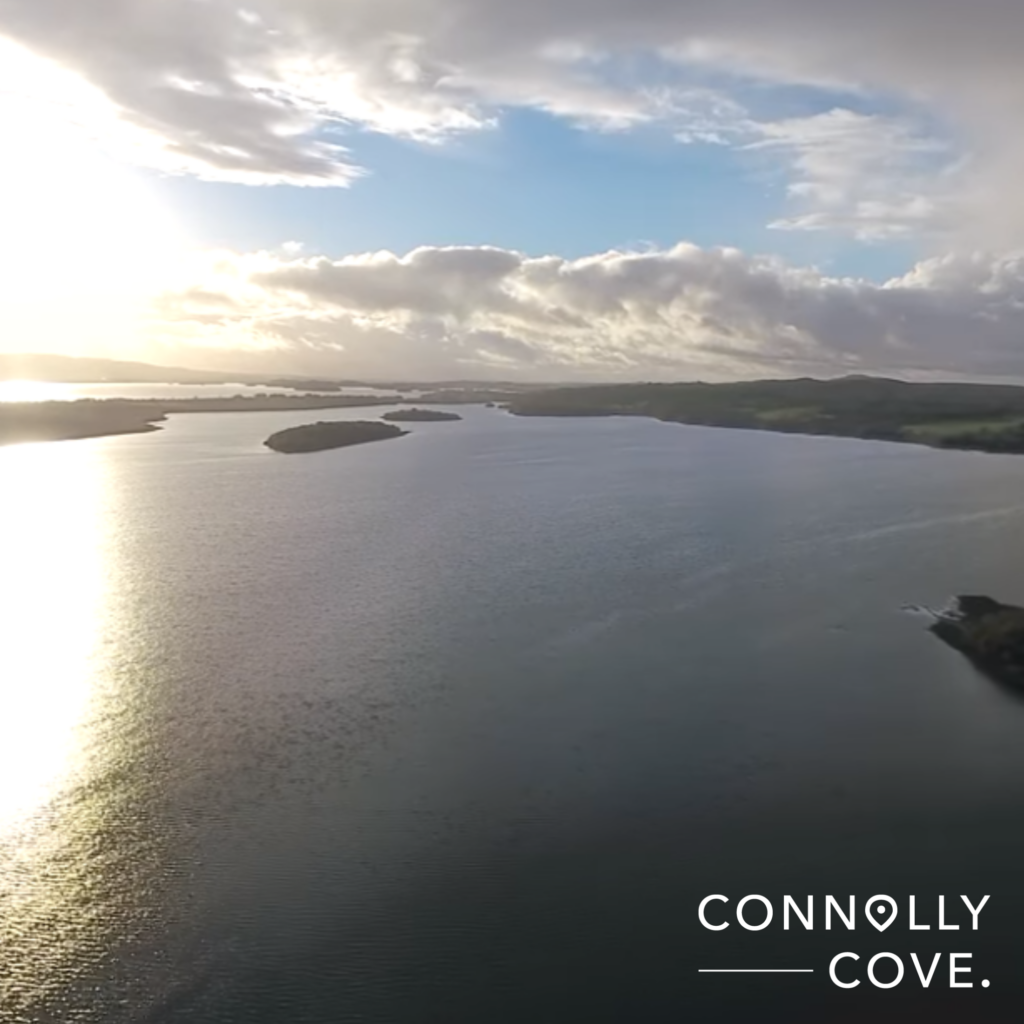
Lough Erne offers a different perspective on Northern Ireland’s natural beauty, with boat trips revealing secluded islands, ancient monastic sites, and diverse wildlife. The waterway system provides opportunities for fishing, kayaking, and peaceful cruising through landscapes largely unchanged for centuries.

Devenish Island houses medieval round towers and monastic ruins accessible only by boat, creating a sense of pilgrimage and discovery. The Marble Arch Caves, while technically underground rather than on the lake, provide spectacular geological formations and underground boat trips that complement the surface water experiences.

Mourne Mountains: Literary Landscapes

The Mourne Mountains inspired C.S. Lewis’s Chronicles of Narnia, and walking these peaks reveals the landscapes that sparked his imagination. The range offers hiking suitable for various fitness levels, from gentle valley walks to challenging summit ascents.

Silent Valley Reservoir provides family-friendly walking with spectacular mountain views, while more adventurous hikers can attempt the Mourne Wall walk, following the 35-kilometre stone wall that crosses fifteen summits. Local mountain rescue teams emphasise proper preparation due to rapidly changing weather conditions.

Tollymore Forest Park combines mountain scenery with ancient woodlands, offering walking trails that showcase diverse ecosystems and provide filming locations for the Game of Thrones series, adding contemporary cultural connections to natural beauty.

Armagh: Ireland’s Ecclesiastical Capital

Often overlooked by weekend visitors, Armagh offers profound cultural and historical experiences. The city houses two cathedrals, both dedicated to St Patrick, representing Catholic and Protestant traditions while sharing the patron saint’s heritage.

The Armagh Observatory and Planetarium provides astronomical education in historic surroundings, while the nearby Navan Centre interprets ancient Irish royal sites with archaeological precision and engaging interpretation.

Local restaurants celebrate Armagh’s agricultural heritage, particularly the famous Bramley apples that have grown in the region for over two centuries. Seasonal menus incorporate local produce in dishes that connect visitors to the region’s farming traditions.

Seasonal Travel Guide

Each season transforms Northern Ireland’s landscapes and cultural offerings, creating different opportunities for memorable weekend breaks. Understanding seasonal variations helps visitors choose the perfect time for their interests and ensures appropriate preparation for weather conditions.

Spring Awakening (March-May)

Spring brings Northern Ireland’s countryside to life with wildflower displays and emerging green landscapes. This season offers some of the best value for accommodation while providing increasingly comfortable weather for outdoor activities.

Rathlin Island becomes particularly special during spring puffin season (late April-July), when thousands of seabirds return to nest on the cliffs. RSPB boat trips from Ballycastle provide close encounters with these charismatic birds alongside spectacular coastal scenery.

Garden enthusiasts should visit Mount Stewart and Rowallane Gardens during spring blooming periods, when carefully planned displays create spectacular colour combinations. Both National Trust properties offer guided tours that explain horticultural techniques and historical context.

Summer Vibrancy (June-August)

Summer provides the warmest weather and longest days, perfect for coastal activities and outdoor festivals. The season demands advance planning for accommodation and popular attractions, but rewards visitors with vibrant cultural events and optimal conditions for photography.

Belfast’s festival calendar peaks during summer, with events like Cathedral Quarter Arts Festival and Féile an Phobail showcasing music, arts, and cultural traditions. These events provide authentic insight into contemporary Northern Irish creativity alongside historical cultural expressions.

Coastal areas offer ideal conditions for water sports, with surfing schools in Portrush and sailing opportunities throughout the region. Beach activities become comfortable, and coastal walking paths provide spectacular views with minimal weather concerns.

Autumn Splendour (September-November)

Autumn transforms Northern Ireland’s landscapes into spectacular displays of colour, particularly beautiful in forested areas like Tollymore Forest Park and Castle Ward. This shoulder season offers comfortable temperatures with fewer crowds and often the most dramatic photographic conditions.

Harvest season brings special culinary experiences, with restaurants celebrating local produce through seasonal menus. Apple orchards in County Armagh offer picking experiences and cider tastings that connect visitors to agricultural traditions.

Traditional music sessions in pubs become particularly appealing during autumn evenings, with cosy interiors and warming fires creating perfect atmospheres for experiencing authentic Irish culture.

Winter Magic (December-February)

Winter reveals Northern Ireland’s cosy side, with Christmas markets in Belfast and Derry~Londonderry creating festive atmospheres perfect for cultural immersion. Indoor attractions become particularly appealing, offering comfortable environments for learning about local history and culture.

Pub culture reaches its peak during the winter months, with traditional music sessions, storytelling, and local conversation providing authentic cultural experiences. Many pubs maintain traditions of welcoming travellers and sharing local knowledge.

Storm watching along the coast provides spectacular natural displays for adventurous visitors, though safety precautions are essential. Coastal accommodations offer dramatic views of Atlantic weather systems while maintaining comfortable indoor environments.

Frequently Asked Questions

weekend breaks in northern ireland
A dramatic coastal cliff with a natural rock arch juts into the sea at sunset, waves crashing and golden light illuminating the green landscape—an ideal scene for weekend breaks in Northern Ireland. Connolly Cove is written in the bottom right corner.

How many days do I need for a proper Northern Ireland weekend break?

Two to three days provide sufficient time to experience either Belfast plus one coastal area, or focus on the Causeway Coastal Route with overnight stays in Portrush or Bushmills. Longer stays allow exploration of multiple regions or deeper cultural immersion in chosen areas.

Do I need a car for weekend breaks in Northern Ireland?

A car provides maximum flexibility and access to remote areas, particularly important for coastal drives and mountain regions. However, Belfast’s compact centre and good public transport connections make car-free city breaks entirely feasible.

What’s the best way to experience authentic Northern Irish culture?

Traditional music sessions in pubs provide the most accessible cultural experiences, while local festivals and community events offer deeper immersion. Staying in family-run B&Bs often provides personal insights and recommendations from local hosts.

How does Northern Ireland’s cost compare to other UK destinations?

Northern Ireland generally offers better value than London or Edinburgh, with accommodation and dining costs similar to those of other regional UK cities. Many attractions, including world-class museums and natural sites, provide free or low-cost access.

What should I know about currency and practical matters?

Northern Ireland uses British pounds sterling, with the same currency as England, Scotland, and Wales. Credit cards are widely accepted, though some rural areas and small establishments may prefer cash.

Planning Your Perfect Northern Ireland Weekend

weekend breaks in northern ireland
Dramatic sea cliffs with green tops rise above a sandy beach and ocean waves at sunset—an ideal spot for memorable weekend breaks in Northern Ireland. A large sea stack sits offshore, with “Connolly Cove” written in the bottom right corner.

Weekend breaks in Northern Ireland offer remarkable diversity within a compact, accessible region. Whether you’re drawn to Belfast’s urban energy, the Causeway Coast’s natural drama, or hidden gems like the Sperrin Mountains, careful planning ensures memorable experiences that connect you with authentic Northern Irish culture and landscapes.

The key to successful Northern Ireland weekend breaks lies in balancing must-see attractions with spontaneous discoveries, allowing time for both planned activities and unexpected encounters with local culture. This approach creates lasting memories and often inspires return visits to explore areas discovered during initial trips.

For more insights into Northern Ireland’s cultural treasures and travel planning, explore our comprehensive guides to Irish traditions, Celtic mythology, and regional travel throughout Ireland and the UK.

Leave a comment

Your email address will not be published. Required fields are marked *