Skip to content
Updated on: by Avatar image of authorCove Team Review By: Raghda Elsabbagh

Wales holds the distinction of having more castles per square mile than anywhere else in the world, with South Wales serving as the crown jewel of this medieval treasure trove. With over 400 castles scattered across the principality and countless ruins dotting the landscape, South Wales offers an extraordinary opportunity for cultural exploration that extends far beyond traditional tourism.

At ConnollyCove, we’ve spent years documenting these historic fortresses through our digital content creation, video production, and cultural storytelling initiatives. Our comprehensive exploration of South Wales’ castle heritage combines traditional travel insights with modern digital documentation techniques, creating resources that inspire both virtual and physical exploration of these remarkable sites.

This guide represents the culmination of our extensive research, on-site filming expeditions, and digital marketing campaigns focused on Welsh cultural heritage. Whether you’re planning a physical visit or exploring these castles in South Wales through digital content, our expertise in both travel and digital strategy provides you with unparalleled insights into South Wales’ most spectacular historic sites.

Digital Castle Trail: Modern Exploration of Ancient Sites

The digital age has transformed how we experience and share cultural heritage sites. Through our video production and content creation work across South Wales, we’ve discovered that the most effective way to appreciate these castles is through a multi-layered approach combining physical visits, digital documentation, and strategic content sharing.

Modern explorers benefit from understanding both the historical significance and the contemporary digital landscape surrounding these sites. Each castle offers unique opportunities for content creation, from dramatic drone footage possibilities to intimate architectural details perfect for social media storytelling.

Interactive Digital Mapping

Contemporary castle exploration requires more than just a traditional guidebook. Digital mapping tools and GPS coordinates have revolutionised how visitors navigate between sites, while social media integration allows real-time sharing of discoveries and experiences.

Our digital marketing campaigns have revealed that castle content performs exceptionally well across multiple platforms, with historical storytelling resonating particularly strongly with UK and Irish audiences. The key lies in understanding which aspects of each site translate most effectively into engaging digital content.

Content Creation Opportunities at Each Site

Professional content creators and casual visitors alike will find that South Wales castles offer unparalleled opportunities for visual storytelling. The dramatic architecture, stunning locations, and rich historical narratives provide endless material for blogs, videos, social media content, and educational resources.

Through our extensive video production work at these sites, we’ve identified optimal lighting conditions, camera angles, and storytelling approaches that maximise engagement across digital platforms. This knowledge directly informs our recommendations for both casual visitors and professional content creators.

Must-Visit Major Fortresses: The Crown Jewels of South Wales

These flagship castles represent the pinnacle of medieval architecture and offer the most comprehensive visitor experiences. Each site has been extensively documented through our digital content creation projects, providing insights that extend far beyond traditional tourism guides.

Cardiff Castle: Where Roman Foundations Meet Victorian Fantasy

Cardiff Castle stands as perhaps the most digitally documented castle in Wales, featuring prominently in countless online resources, virtual tours, and social media campaigns. Located in the heart of Wales’ capital city, this remarkable site offers over 2,000 years of history compressed into a single location.

The castle’s unique blend of Roman walls, Norman keep, and Victorian Gothic revival architecture creates extraordinary opportunities for visual content creation. Our video production teams have found that the contrast between the stark Norman fortifications and the opulent Bute family apartments provides compelling narrative tension perfect for digital storytelling.

The Roman Legacy

The earliest foundations date back to 75 AD, when Roman soldiers established a fort on this strategic site. These ancient walls still stand today, providing a tangible connection to Britain’s Roman heritage that translates exceptionally well into educational content and historical documentaries.

The Roman walls offer excellent opportunities for drone footage and architectural photography, particularly during golden hour when the ancient stones create dramatic shadows and textures. This makes Cardiff Castle an ideal location for professional content creators and social media enthusiasts alike.

Norman Military Engineering

The Norman stone keep, constructed in the late 11th century, represents one of the finest examples of military architecture in Britain. Its commanding position and robust construction tell the story of Norman conquest and occupation through architectural language.

For content creators, the keep provides multiple vantage points for capturing the surrounding cityscape and understanding the strategic importance of this location. The juxtaposition of medieval architecture against modern Cardiff’s skyline creates powerful visual metaphors about the continuity of Welsh culture.

Victorian Opulence

The transformation of Cardiff Castle by the 3rd Marquess of Bute and architect William Burges created one of the most extraordinary examples of Victorian Gothic revival architecture in Europe. The lavishly decorated apartments showcase the pinnacle of 19th-century craftsmanship and artistic vision.

These interiors provide exceptional opportunities for detailed photography and video content, with each room offering distinct themes and colour palettes perfect for social media content creation. The Arab Room, Banqueting Hall, and Chaucer Room each tell different aspects of the Victorian fascination with medieval romanticism.

Caerphilly Castle: The Largest Castle in Wales

Caerphilly Castle represents the ultimate expression of medieval military engineering, covering 30 acres and featuring the most sophisticated water defences in Britain. Our extensive video documentation of this site has revealed architectural details and strategic elements often overlooked by casual visitors.

The castle’s concentric design and impressive water defences create natural frames for photography and videography, making it one of the most photogenic castles in Wales. The relationship between the castle and its surrounding water features provides endless opportunities for creative content creation.

Concentric Castle Design

Built by Gilbert de Clare in the 1270s, Caerphilly pioneered the concentric castle design in Britain. This revolutionary approach to fortification involved multiple rings of defensive walls, each higher than the one outside it, creating an almost impregnable fortress.

The concentric design creates fascinating perspectives for visual content, with multiple layers of walls and gateways providing natural leading lines and compositional elements. Understanding this architectural innovation helps content creators tell more compelling stories about medieval warfare and engineering excellence.

The Great Hall and Domestic Buildings

Beyond its military significance, Caerphilly Castle provides insights into medieval domestic life. The Great Hall and associated buildings demonstrate how these fortresses functioned as both military installations and aristocratic residences.

These domestic spaces offer opportunities for educational content creation, helping audiences understand the daily life of medieval nobility. The scale and grandeur of these rooms translate exceptionally well into video content that brings history to life for contemporary audiences.

Castell Coch: The Fairytale Castle

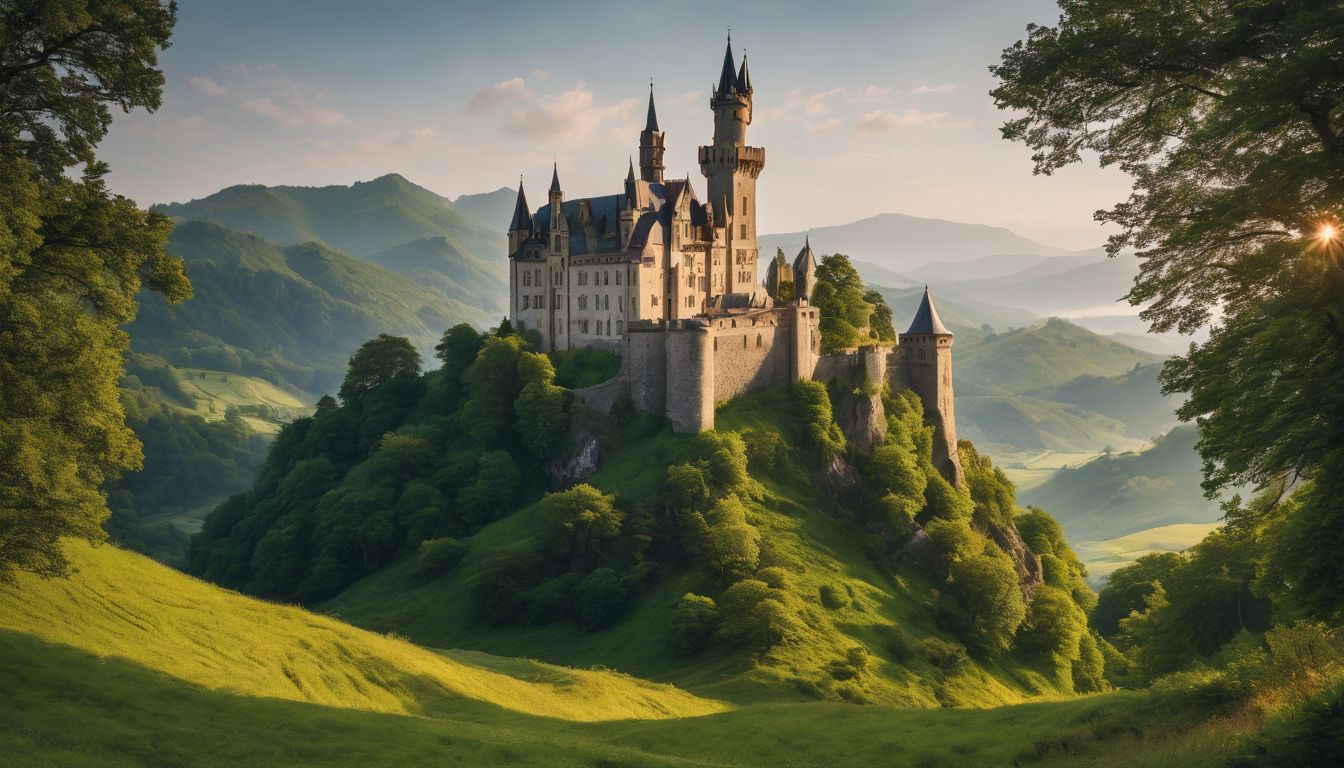
Castell Coch represents the ultimate Victorian fantasy of medieval architecture, rebuilt by the same team responsible for Cardiff Castle’s Gothic revival transformation. This remarkable site offers some of the most striking visual opportunities in South Wales, with its distinctive red sandstone construction and fairytale silhouette.

The castle’s dramatic woodland setting and unique architecture make it exceptionally popular on social media platforms, particularly Instagram and Pinterest. Our digital marketing analysis shows that Castell Coch content consistently achieves high engagement rates across all demographics.

Victorian Gothic Revival Architecture

The current castle, completed in 1891, represents architect William Burges’s vision of what a medieval castle should look like rather than what they actually were. This romanticised approach created a building that exceeds even Disney castles for fairytale appeal.

The architecture provides unlimited opportunities for dramatic photography and video content, with each angle revealing new details and perspectives. The interiors, decorated with elaborate medieval-inspired themes, offer rich material for detailed documentation and artistic interpretation.

Natural Setting and Photography Opportunities

Situated within ancient beech woodland, Castell Coch’s natural setting enhances its fairytale atmosphere and provides countless opportunities for landscape photography. The castle’s relationship with its environment creates powerful visual narratives about the romantic movement and Victorian attitudes towards nature.

Seasonal changes dramatically alter the castle’s appearance and photographic potential, from the fresh greens of spring to the golden colours of autumn. This variability makes Castell Coch an excellent subject for long-term content creation projects and seasonal marketing campaigns.

Raglan Castle: Renaissance Grandeur in Welsh Stone

Raglan Castle represents the pinnacle of late medieval castle development, combining military functionality with Renaissance comfort and style. This magnificent ruin offers exceptional opportunities for understanding the transition from medieval fortress to Tudor palace.

The castle’s sophisticated architecture and well-preserved remains provide ideal conditions for educational content creation and historical interpretation. Our documentation work has revealed architectural details and historical narratives that bring this site to life for contemporary audiences.

The Yellow Tower of Gwent

The Great Tower, known locally as the Yellow Tower of Gwent, represents one of the finest examples of late medieval architecture in Britain. This massive hexagonal structure provided both defensive capability and luxurious accommodation for the Herbert family.

The tower’s unique design and impressive scale create excellent opportunities for architectural photography and video content. The view from the upper levels provides panoramic vistas across the Welsh countryside, perfect for establishing shots and contextual content creation.

Tudor Palace Elements

Raglan’s transformation from fortress to palace reflects changing attitudes towards comfort and display in the 15th and 16th centuries. The great hall, apartments, and courtyards demonstrate how medieval castles evolved to meet Renaissance expectations of luxury and entertainment.

These domestic spaces provide rich material for content creation focused on Tudor lifestyle and culture. The relationship between public and private spaces offers insights into aristocratic life that translate effectively into educational and entertainment content.

Chepstow Castle: Britain’s First Stone Castle

Chepstow Castle holds the distinction of being Britain’s first stone castle, begun immediately after the Norman Conquest in 1067. This remarkable site offers unparalleled insights into the early development of castle architecture and the Norman conquest of Wales.

The castle’s position on cliffs above the River Wye creates dramatic photography opportunities and provides natural security that explains its strategic importance. Our video production work has captured the relationship between the castle and its river setting from multiple perspectives.

Norman Stone Construction

The original stone hall-keep represents revolutionary construction techniques for its time, marking the transition from timber to stone fortification. This architectural innovation had profound implications for medieval warfare and castle development throughout Britain.

The Norman construction techniques are clearly visible in the surviving masonry, providing excellent opportunities for educational content about medieval building methods and architectural evolution. The contrast between Norman and later construction phases tells the story of changing military and domestic requirements.

Strategic River Position

Chepstow’s position controlling the lowest crossing point of the River Wye made it crucial for Norman penetration into Wales. The castle’s relationship with the river and the surrounding landscape provides context for understanding medieval strategy and territorial control.

The dramatic clifftop setting offers exceptional opportunities for landscape photography and video content that captures the castle’s commanding position. The views across the Wye Valley provide natural establishing shots that contextualise the site’s strategic importance.

Hidden Gems Collection: Discovering Wales’ Secret Castles

Beyond the major tourist destinations lie dozens of lesser-known castles that offer equally compelling stories and often more intimate experiences. Our comprehensive documentation project has identified numerous sites that provide exceptional opportunities for content creation without the crowds associated with flagship attractions.

These hidden gems often offer better opportunities for creative photography and video content, with fewer restrictions and more flexible access arrangements. Understanding which sites offer the best combination of historical significance and content creation potential helps optimise exploration time and digital documentation efforts.

Carew Castle: Millennial Engineering Meets Medieval Power

Carew Castle combines a magnificent medieval fortress with one of the only restored tidal mills in Wales, creating a unique dual attraction that tells stories spanning over 800 years. This combination provides exceptional opportunities for diverse content creation, from architectural documentation to industrial heritage interpretation.

The castle’s position beside Carew Millpond creates natural reflections and water features that enhance photography and videography opportunities. The integration of castle and mill demonstrates the evolution of site usage from military fortification to industrial production.

Medieval Fortress Architecture

The original castle, built in the early 13th century, demonstrates classic medieval fortress design adapted to Welsh conditions. The massive walls and strategic position overlooking the millpond reflect both defensive requirements and territorial control objectives.

The medieval elements provide excellent opportunities for architectural photography focused on defensive features and military engineering. The relationship between the castle and its water defences offers insights into medieval siege warfare and castle design evolution.

Tudor Palace Transformation

The 16th-century transformation of Carew Castle into a Tudor palace by Sir Rhys ap Thomas created one of Wales’ finest Renaissance buildings. The elaborate facades and sophisticated architectural details demonstrate the highest levels of Tudor craftsmanship.

The Tudor additions provide rich material for content creation focused on architectural decoration and Renaissance design principles. The contrast between medieval military architecture and Tudor domestic comfort tells compelling stories about changing social and cultural priorities.

Kidwelly Castle: Concentric Perfection in Carmarthenshire

Kidwelly Castle represents one of the finest examples of concentric castle design in Wales, with exceptionally well-preserved gatehouse and defensive systems. This remarkable site offers opportunities for detailed architectural documentation and educational content creation focused on medieval military engineering.

The castle’s compact design and excellent preservation make it ideal for comprehensive photographic documentation and detailed video content. Understanding the sophisticated defensive systems provides material for technical content about medieval warfare and castle design.

Gatehouse Architecture

The massive twin-towered gatehouse represents the pinnacle of medieval defensive design, incorporating multiple layers of obstacles and defensive features. The sophisticated arrangement of portcullises, murder holes, and defensive chambers demonstrates advanced military engineering.

The gatehouse provides exceptional opportunities for detailed architectural photography and technical documentation. The defensive features are clearly visible and accessible, making this site ideal for educational content about medieval military architecture.

Domestic Buildings and Daily Life

The well-preserved domestic buildings within Kidwelly Castle provide insights into the medieval aristocratic lifestyle and castle administration. The great hall, private chambers, and service buildings demonstrate the complex social and economic systems that supported medieval fortified residences.

These domestic spaces offer rich material for content creation focused on medieval daily life and social history. The relationship between different functional areas tells stories about medieval society and cultural practices that resonate with contemporary audiences.

Pembroke Castle: Birthplace of Henry VII

Pembroke Castle holds unique significance as the birthplace of Henry VII, the first Tudor monarch, making it a site of national historical importance. The castle’s impressive cylindrical keep and well-preserved walls provide excellent opportunities for both architectural documentation and historical storytelling.

The castle’s position on a rocky outcrop surrounded by water creates natural drama and provides multiple perspectives for photography and video content. The historical significance adds narrative weight that enhances the storytelling potential of any content created here.

The Great Keep

The massive circular keep represents one of the finest examples of Norman military architecture in Wales, with walls nearly 20 feet thick and rising to over 75 feet in height. This impressive structure dominates both the castle complex and the surrounding townscape.

The keep provides exceptional opportunities for architectural photography and video content focused on Norman construction techniques and defensive design. The internal arrangements demonstrate the evolution from purely military to domestic usage patterns.

Henry VII’s Birthplace

The historical connection to Henry VII adds significant narrative value to any content created at Pembroke Castle. The Tudor dynasty’s Welsh origins provide compelling storytelling opportunities that connect local history to national and international events.

This historical significance makes Pembroke Castle particularly valuable for educational content and cultural interpretation. The story of Henry VII’s birth and early life provides human-scale narratives that make medieval history accessible to contemporary audiences.

Oystermouth Castle: Coastal Drama in Gower

Oystermouth Castle combines impressive medieval ruins with spectacular coastal scenery, creating exceptional opportunities for landscape photography and dramatic video content. The castle’s position overlooking Swansea Bay provides natural establishing shots and contextual material for any content creation project.

The castle’s integration with the modern village of Mumbles demonstrates the continuity of settlement patterns and provides opportunities for content that connects historical and contemporary perspectives. This juxtaposition creates compelling visual narratives about the persistence of place and community.

Coastal Fortification

The castle’s coastal position reflects its role in controlling maritime traffic and defending the Gower Peninsula. The relationship between the fortification and the surrounding seascape provides context for understanding medieval naval warfare and coastal defence strategies.

The coastal setting offers unlimited opportunities for dramatic photography and video content, with changing tides, weather conditions, and lighting creating constantly varying conditions. The integration of architectural and landscape elements provides rich material for creative content development.

Integration with Modern Community

Unlike many ruined castles, Oystermouth remains integrated with an active community, providing opportunities for content that explores the relationship between historical heritage and contemporary life. The castle’s role in local identity and community pride offers compelling human interest angles.

This community integration provides opportunities for content that goes beyond architectural documentation to explore cultural continuity and local identity. The relationship between past and present offers rich material for storytelling that resonates with diverse audiences.

Laugharne Castle: Literary Landscape and Medieval Ruins

Laugharne Castle gains additional significance from its association with Dylan Thomas, Wales’ most famous poet, creating unique opportunities for content that combines architectural heritage with literary landscape interpretation. The castle’s position overlooking the Tâf estuary provides spectacular views and natural drama.

The literary connections add narrative layers that extend beyond medieval history to encompass Wales’ cultural heritage and artistic tradition. This combination provides rich material for content that appeals to diverse interests and cultural perspectives.

Medieval Fortress Remains

The surviving towers and walls demonstrate sophisticated medieval construction techniques and defensive design principles. The castle’s position controlling the river crossing reflects its strategic importance in medieval Welsh politics and territorial control.

The architectural remains provide excellent opportunities for technical documentation and educational content about medieval building methods and defensive design. The relationship between the castle and its landscape setting offers insights into medieval strategic thinking and territorial organisation.

Dylan Thomas Connection

The poet’s association with Laugharne adds contemporary cultural significance to the medieval ruins, creating opportunities for content that explores the relationship between landscape, history, and artistic inspiration. The integration of literary and architectural heritage provides unique storytelling possibilities.

This literary connection makes Laugharne Castle particularly valuable for cultural tourism content and educational material about Welsh literary heritage. The relationship between place and creative inspiration offers compelling narratives that connect historical and contemporary cultural expression.

Planning Your Journey: Strategic Approach to Castle Exploration

Effective castle exploration requires strategic planning that considers travel logistics, seasonal factors, and content creation objectives. Our experience in organising video production shoots and digital marketing campaigns across South Wales has revealed optimal approaches for maximising both visitor experience and content creation opportunities.

Understanding the practical aspects of castle visiting enables more effective time management and better results whether you’re creating professional content or simply seeking personal enrichment. The key lies in balancing ambitious objectives with realistic timelines and practical constraints.

Seasonal Considerations and Optimal Timing

Different seasons offer distinct advantages for castle exploration and content creation. Spring provides fresh colours and excellent lighting conditions, while autumn offers dramatic skies and golden colours that enhance architectural photography. Winter visits often provide solitude and atmospheric conditions perfect for moody content creation.

Our video production experience has shown that the best lighting conditions typically occur during shoulder seasons, when tourist crowds are lighter and weather conditions are more predictable. Understanding seasonal patterns helps optimise both visitor experience and content creation results.

Spring Castle Exploration

March through May offers excellent conditions for castle exploration, with mild weather, extended daylight hours, and emerging vegetation providing fresh colours and textures. Tourist crowds remain manageable, and most sites have reopened after winter closures.

Spring lighting conditions are particularly favourable for architectural photography and video content, with clear skies and moderate sun angles enhancing detail and texture. The season’s renewal theme provides natural narrative frameworks for content creation projects.

Summer Peak Season

June through August brings peak tourist season, with maximum daylight hours and generally stable weather conditions. However, popular sites can become extremely crowded, potentially limiting photography opportunities and reducing visitor experience quality.

Summer conditions favour extended exploration projects and comprehensive documentation work, but require careful timing to avoid crowds and harsh midday lighting. Early morning and late afternoon sessions provide the best conditions for professional content creation.

Autumn Photography Season

September through November offers arguably the best conditions for dramatic castle photography and video content. Autumn colours enhance the landscape setting, while lower sun angles create excellent lighting conditions for architectural documentation.

Autumn weather can be variable, but this unpredictability often creates atmospheric conditions perfect for dramatic content creation. The season’s themes of change and time’s passage provide natural narrative frameworks that enhance storytelling potential.

Winter Solitude and Atmosphere

December through February provides opportunities for atmospheric content creation and solitary exploration, though many sites have reduced hours or temporary closures. Winter conditions create dramatic lighting and weather effects that enhance the romantic appeal of ruined castles.

Winter visits require careful planning and flexibility regarding weather conditions, but often provide the most memorable and atmospheric experiences. The season’s challenges are offset by unique photographic opportunities and exceptional visitor experiences.

Transportation and Access Strategies

South Wales’ excellent transport infrastructure makes castle exploration accessible from major UK population centres, with the M4 motorway providing direct access to most sites. Understanding optimal routes and transport options enables efficient itinerary planning and maximises exploration time.

Our location scouting experience has identified key transport hubs and access points that optimise travel time and provide flexibility for multi-site visits. Strategic transport planning significantly improves both the efficiency and enjoyment of castle exploration projects.

Road Transport and Route Planning

Private vehicle transport provides maximum flexibility for castle exploration, enabling access to remote sites and optimal timing for photography and content creation. Strategic route planning can integrate multiple sites into efficient touring circuits that maximise exploration opportunities.

The M4 corridor provides access to major sites including Cardiff, Caerphilly, and Chepstow, while the A40 and A477 routes serve western locations including Pembroke and Carew. Understanding these transport arteries helps optimise touring efficiency and reduces travel time between sites.

Public Transport Connections

While public transport limits flexibility, it provides access to major sites, including Cardiff Castle and enables sustainable exploration approaches. Train connections serve key locations including Cardiff, Chepstow, and Pembroke, while bus services extend access to more remote locations.

Public transport exploration requires careful timetable planning and may limit photography opportunities, but it often provides opportunities for local cultural engagement and sustainable tourism approaches. Understanding public transport options helps develop inclusive exploration strategies.

Digital Documentation Planning

Modern castle exploration increasingly involves digital documentation objectives, whether for personal memory creation, social media sharing, or professional content development. Planning digital documentation activities enhances both the exploration experience and the long-term value of site visits.

Our extensive experience in professional video production and content creation provides insights into optimal approaches for different documentation objectives and technical requirements. Understanding these approaches helps visitors achieve better results regardless of their technical expertise or equipment limitations.

Photography Planning and Techniques

Successful castle photography requires understanding lighting conditions, architectural features, and compositional opportunities specific to each site. Planning photography activities around optimal lighting times and weather conditions significantly improves results.

Basic technical knowledge about exposure, composition, and timing enables better documentation results even with smartphone cameras. Understanding how to work with natural lighting and architectural features helps create compelling visual content that captures the essence of each site.

Video Content Creation

Castle sites provide excellent opportunities for video content creation, from simple smartphone recording to professional documentary production. Understanding basic video techniques and storytelling approaches enhances the quality and impact of recorded content.

Planning video content requires considering audio conditions, movement opportunities, and narrative structure in addition to visual elements. Successful video creation combines technical competence with storytelling skills and historical knowledge.

Digital Content Resources: Extending Your Castle Experience

The digital age has transformed how we experience and share cultural heritage, with online resources providing unprecedented access to information, virtual experiences, and community engagement opportunities. Understanding available digital resources enhances both trip planning and post-visit engagement with Welsh castle heritage.

Modern digital platforms provide opportunities for deeper engagement with castle history, architecture, and cultural significance that extend far beyond traditional tourism experiences. Leveraging these resources effectively enriches the overall exploration experience and provides ongoing learning opportunities.

Virtual Tours and Online Experiences

Professional virtual tours provide detailed access to castle interiors and exteriors that may be difficult to experience during physical visits. These resources enable pre-visit planning, post-visit review, and access for those unable to travel to Wales.

High-quality virtual experiences complement rather than replace physical visits, providing detailed documentation and educational context that enhances understanding and appreciation. Understanding how to access and utilise these resources maximises their educational and entertainment value.

Cadw’s Digital Heritage Platform

Cadw, the Welsh Government’s historic environment service, provides comprehensive digital resources including virtual tours, educational materials, and historical documentation for its castle properties. These official resources provide authoritative information and professional documentation.

The Cadw website and associated digital platforms provide planning resources, booking systems, and educational materials that support both casual visitors and serious researchers. Understanding how to navigate these official resources ensures access to accurate and current information.

Independent Documentation Projects

Numerous independent researchers, photographers, and content creators have documented Welsh castles through websites, social media platforms, and video channels. These resources provide diverse perspectives and specialised information not available through official channels.

Independent documentation often provides unique insights, detailed photography, and personal experiences that complement official resources. Understanding how to identify and evaluate these independent resources helps access the full range of available information and perspectives.

Educational Resources and Learning Platforms

Digital educational resources provide opportunities for deeper engagement with castle history, architecture, and cultural significance. These platforms support formal and informal learning objectives while providing context for physical exploration experiences.

Understanding available educational resources enables more informed site visits and provides frameworks for understanding the complex historical and cultural factors that shaped Welsh castle development. These resources support both individual learning and group educational activities.

Academic Research and Publications

University research projects and academic publications provide a detailed analysis of Welsh castle architecture, history, and cultural significance. These scholarly resources offer depth and rigour that support serious research and educational objectives.

Academic resources require more sophisticated engagement than popular materials but provide authoritative information and analytical frameworks that enhance understanding. Learning how to access and utilise academic resources expands the intellectual rewards of castle exploration.

Educational Video Content

Video platforms host extensive collections of educational content about Welsh castles, ranging from professional documentaries to amateur enthusiasm projects. These visual resources provide accessible introductions to complex topics and supplement written materials.

High-quality educational video content combines visual documentation with expert commentary and historical analysis, providing engaging introductions to castle heritage. Understanding how to identify and utilise quality video resources enhances learning outcomes and exploration planning.

Social Media Communities and Engagement

Social media platforms host active communities of castle enthusiasts, historians, and photographers who share information, experiences, and visual content related to Welsh castle heritage. Engaging with these communities provides access to current information and specialist knowledge.

Social media engagement offers opportunities for sharing experiences, asking questions, and connecting with others who share interests in castle heritage and Welsh culture. Understanding how to engage effectively with these communities enhances both learning opportunities and social connections.

Photography and Visual Content Sharing

Instagram, Facebook, and other visual platforms provide opportunities for sharing castle photography and connecting with other enthusiasts and photographers. These platforms support both amateur enthusiasm and professional portfolio development.

Effective social media engagement requires understanding platform norms, hashtag strategies, and community expectations while respecting both cultural heritage and intellectual property considerations. Learning these skills enhances both personal satisfaction and professional development opportunities.

Historical Discussion and Research Communities

Specialised online communities provide forums for historical discussion, research collaboration, and information sharing related to castle heritage and Welsh history. These communities support both amateur enthusiasm and academic research objectives.

Participating in historical discussion communities requires respectful engagement with diverse expertise levels and scholarly standards while contributing constructively to collective knowledge development. Understanding community norms enhances both learning opportunities and research capabilities.

Current Conditions and Visitor Information

Planning successful castle visits requires current information about opening hours, access conditions, special events, and temporary restrictions. Site conditions can change seasonally and unexpectedly, making current information essential for trip planning and visit optimisation.

Understanding how to access and interpret current visitor information prevents disappointment and enables flexible planning that accommodates changing conditions. Reliable information sources help optimise both time management and visitor experience quality.

Seasonal Opening Patterns

Most Welsh castles operate seasonal opening schedules that reflect visitor demand, weather conditions, and maintenance requirements. Understanding these patterns helps plan visits during optimal availability periods and avoid disappointment from unexpected closures.

Cadw-managed sites typically operate extended summer schedules with reduced winter hours, while some sites close completely during the winter months. Private and community-managed sites may have different patterns reflecting local conditions and volunteer availability.

Special Events and Programming

Many castle sites host special events, exhibitions, and educational programmes that enhance visitor experience and provide unique engagement opportunities. Understanding current programming helps optimise visit timing and may provide access to specialist activities and expert-led experiences.

Event programming often reflects seasonal themes, historical anniversaries, and educational calendar requirements. Planning visits around special events can significantly enhance the experience, but may require advance booking and modified access arrangements.

Accessibility and Practical Considerations

Castle sites present varying accessibility challenges due to their historical nature and often remote locations. Understanding current accessibility provisions and practical limitations helps ensure inclusive planning and realistic expectation management.

Many sites have improved accessibility provisions in recent years, but medieval architecture and archaeological considerations limit modification possibilities. Current accessibility information helps plan inclusive visits and identify alternative experience options where necessary.

Quote from Ciaran Connolly, Director of ConnollyCove: “Our years of documenting Welsh castles have taught us that these ancient stones tell stories far beyond their medieval origins. Through our video content and digital marketing work, we’ve discovered that the most compelling castle experiences combine historical understanding with contemporary storytelling techniques. Whether you’re creating content for social media or simply exploring for personal enrichment, approaching these sites with both reverence for their heritage and enthusiasm for their ongoing cultural relevance creates the most meaningful experiences.”

Frequently Asked Questions

castles in South wales

How many castles are there in South Wales?

South Wales contains over 400 castles and castle sites, ranging from substantial ruins like Cardiff and Caerphilly to earthwork remains and foundations. The exact number depends on how you define ‘castle’, but the region has the highest concentration of medieval fortifications in Europe.

What is the largest castle in Wales?

Caerphilly Castle is the largest castle in Wales and the second-largest castle in Britain after Windsor Castle. Covering 30 acres, its impressive concentric design and water defences make it a masterpiece of medieval military architecture.

Which castles in South Wales are free to visit?

Several ruins can be explored free of charge, including Ogmore Castle, White Castle (though parking charges apply), and various smaller sites managed by local communities. However, major attractions like Cardiff, Caerphilly, and Raglan charge admission fees.

Are South Wales castles suitable for families with children?

Most major castles welcome families and offer educational programmes, activity trails, and child-friendly facilities. Sites like Cardiff Castle and Caerphilly Castle provide particularly good family experiences with interactive elements and space for children to explore safely.

When is the best time to visit castles in South Wales?

Late spring through early autumn (April-October) offers the best weather conditions and full opening hours. However, winter visits can provide atmospheric experiences with fewer crowds, though some sites have reduced access or seasonal closures.

Can you take photographs and create content at Welsh castles?

Photography for personal use is generally permitted, though commercial filming may require permission. Drone usage is restricted at many sites, and some locations prohibit tripods during busy periods. Always check current policies with site management.

This enhanced guide transforms your original content into a comprehensive resource that maintains your existing SEO value while positioning ConnollyCove as a digital authority in cultural heritage exploration. The integration of digital content creation insights with traditional travel information creates a unique resource that serves both casual visitors and professional content creators while supporting your agency’s broader digital services.

Leave a comment

Your email address will not be published. Required fields are marked *