


St. George’s Market – Belfast’s Main Market
Updated On: March 04, 2024 by  Ciaran Connolly
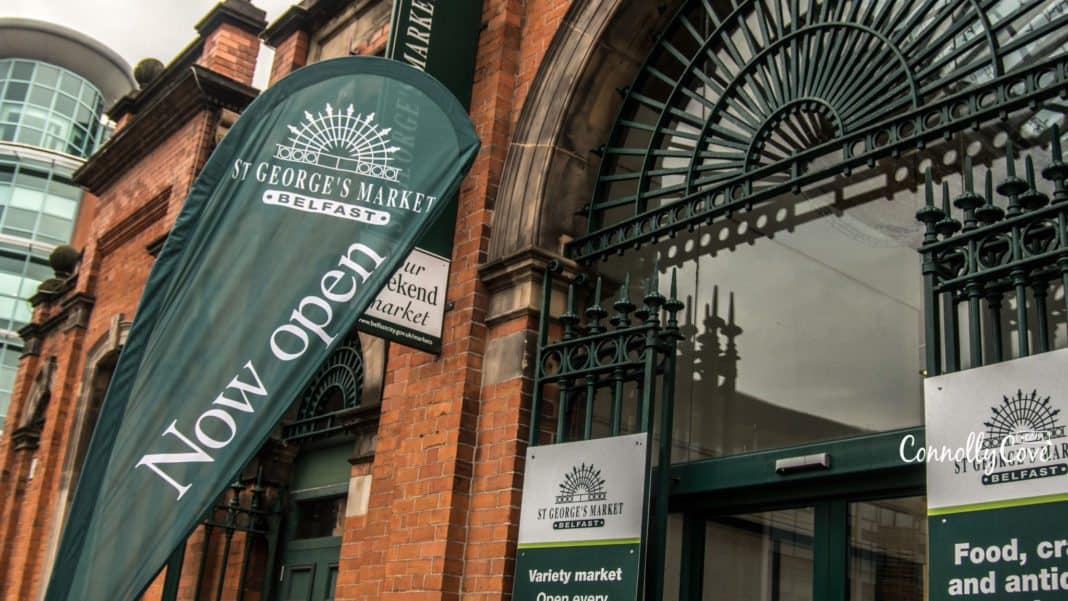
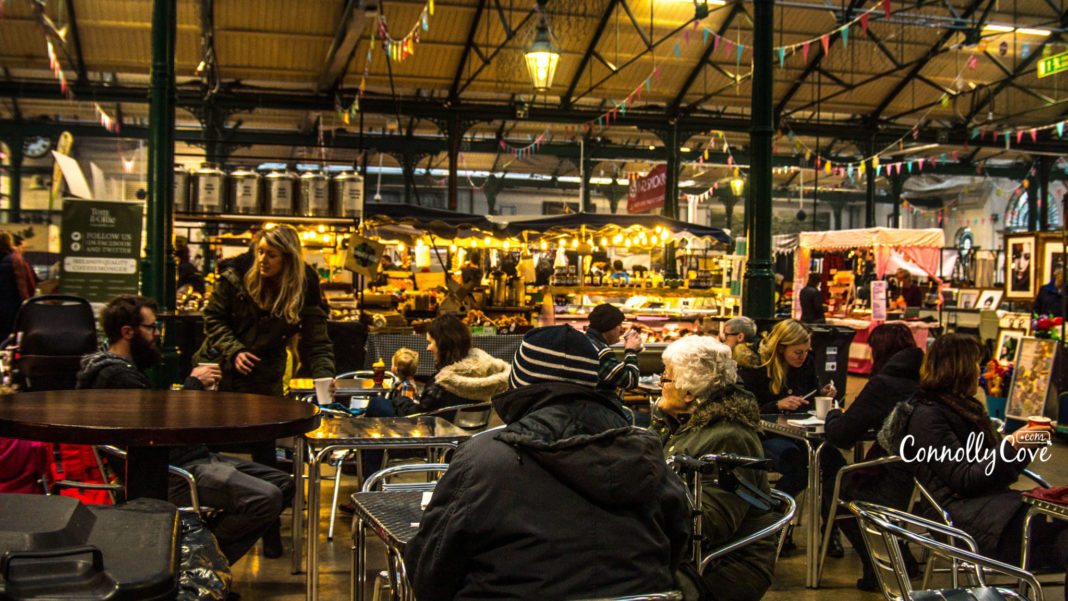
St. George’s Market in Belfast is a unique place to eat. You can also shop for beautiful gifts as well as fresh organic fruit and veg. The market is one of Belfast’s oldest attractions that people love to visit.
St. Georges Market has won many awards for its fresh local produce and lovely atmosphere you’ll find nowhere else. In 2014 it was named the UK’s Best indoor market by the ‘National Association of British Market Authorities.’
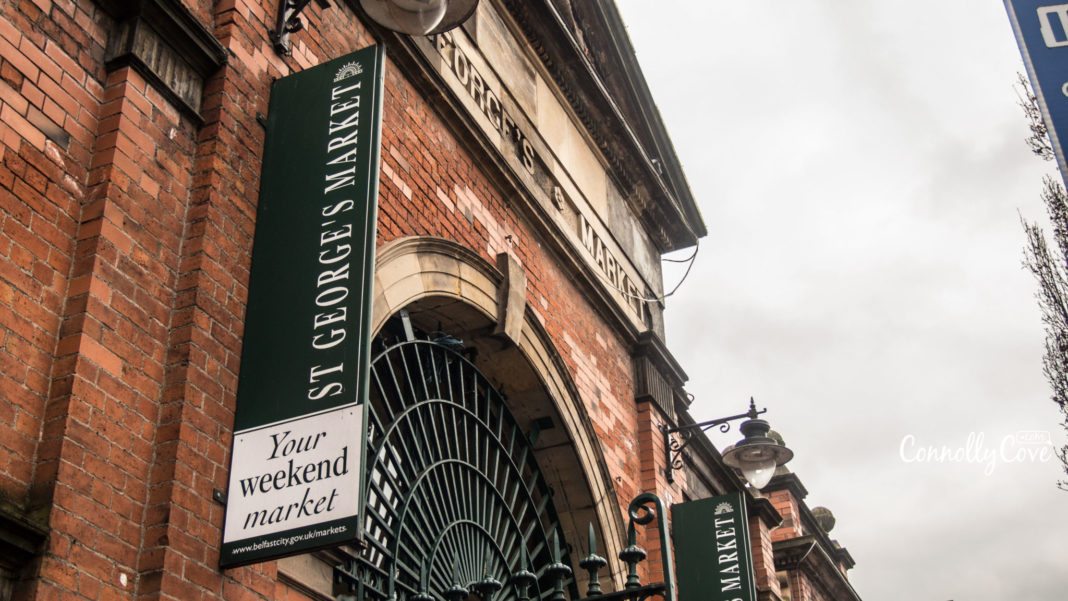
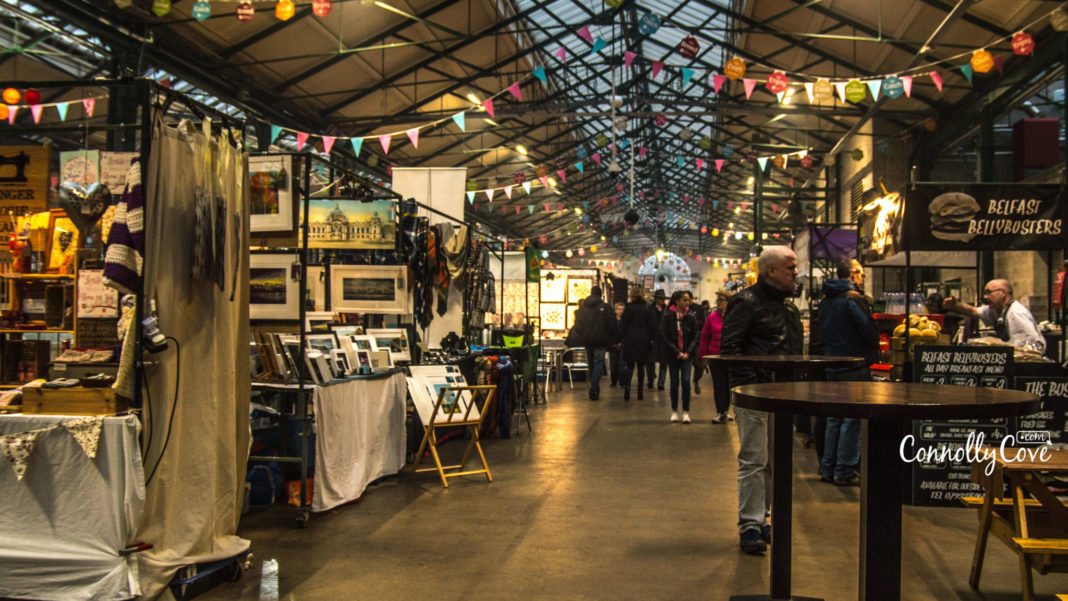
Sundays would be considered the best day to visit the markets due to the stalls present – nothing better than settling into a Belfast Bap and listening to some live music after a lazy walk around the stalls.
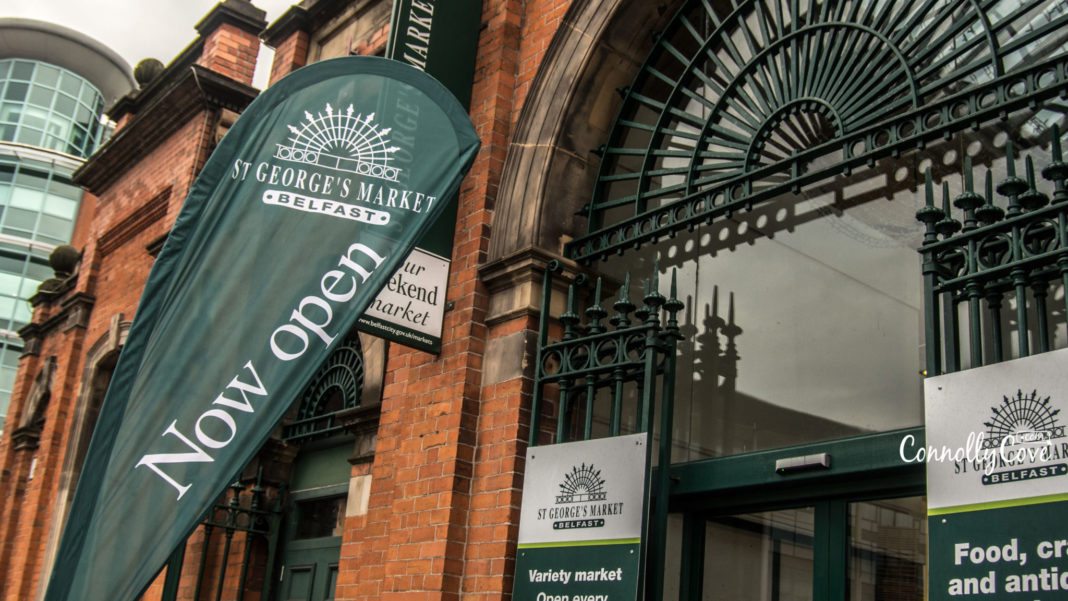
It is definitely one of the places to see in Belfast – or things to do. Opening times are Friday 6 am to 3 pm, Saturday 9 am to 3 pm and Sunday 10 am to 4 pm. There are often special market days and nights advertised closer to the time.
How to Get St. George’s Market?
Any taxi driver would bring you straight to the markets – and they can be entered from 3 different sides of the building. There are more permanent restaurants on-site also – everything from a Subway, Simply Fish and Chips shop to St. George’s Market Bar & Grill – where the food sold is mostly sourced from the market itself. During Christmas, this place turns to be a festival; wherever you go, you can enjoy its dazzling decoration and tangling lights.
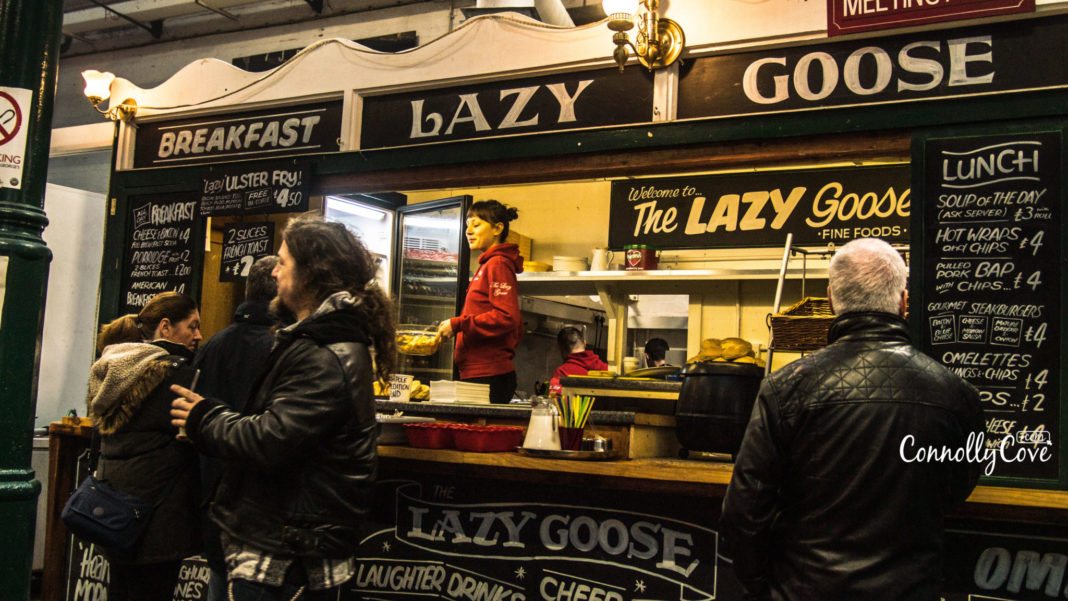
A must-visit for locals and tourists with over 250 traders each weekend, there is definitely something for all. Everything from craft stalls and artists to sweet and tea makers to fish market stalls. Saint George’s market will not let you down if you’re looking for something a little different.
A Brief History
The origins of St. George’s Market can be traced back to the 19th century when Belfast was a thriving industrial city at the forefront of the shipbuilding and linen industries. The market was first established in the 1890s, designed by renowned architect JC Bretland, and opened its doors to the public in 1896. Built in the grand Victorian style, the market quickly became a focal point of city life, providing a space for local producers to sell their goods and for residents to socialize and shop.
Over the years, St. George’s Market has weathered its share of challenges, including periods of decline and neglect. However, through the efforts of dedicated individuals and community groups, the market has undergone extensive restoration and revitalization, ensuring its continued relevance and importance to the city.
Today, St. George’s Market is one of Belfast’s most beloved landmarks, attracting over half a million visitors yearly with its bustling atmosphere, diverse offerings, and rich heritage.
A Feast for the Senses

Stepping into St. George’s Market is like entering a world of sensory delight. The air is filled with the tantalizing aromas of freshly baked bread, sizzling street food, and aromatic spices, while the sounds of bustling crowds, live music, and friendly chatter create a lively backdrop.
The market is divided into three main areas: the Friday Variety Market, the Saturday City Food and Craft Market, and the Sunday Food and Craft Market. Each day offers its unique blend of stalls, vendors, and entertainment, ensuring there’s always something new to discover.
The Friday Variety Market is a treasure trove of eclectic finds, with stalls selling everything from vintage clothing and antiques to handmade crafts and artisanal goods. It’s the perfect place to hunt for one-of-a-kind souvenirs or unique gifts while soaking up the vibrant atmosphere.
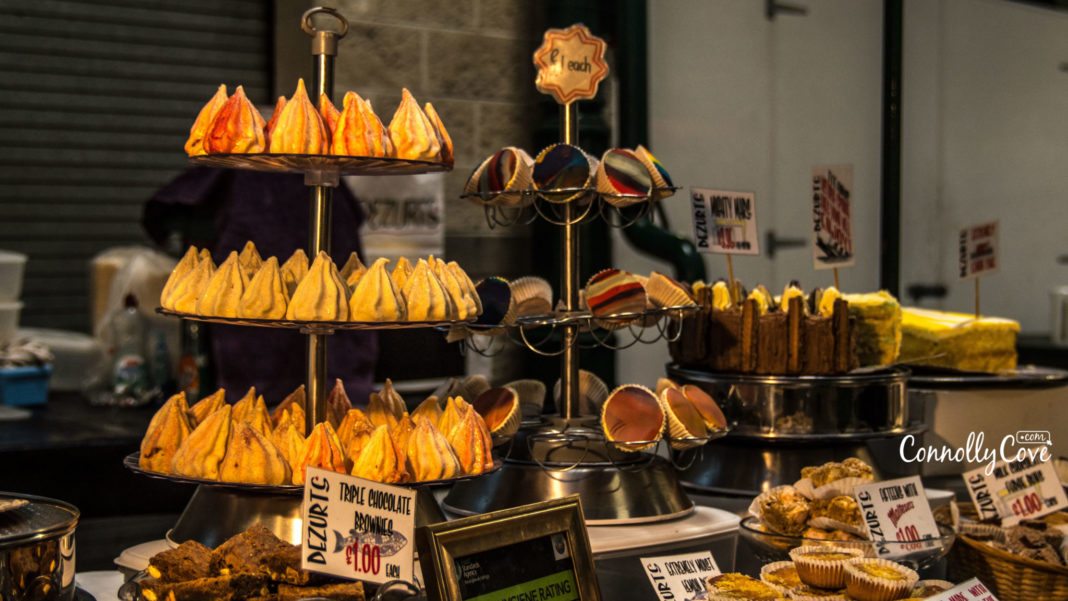
On Saturdays, the focus shifts to food, with the City Food and Craft Market showcasing the best local and international cuisine. From gourmet burgers and artisanal cheeses to exotic street food and freshly brewed coffee, there’s no shortage of delicious options to tempt your taste buds.
Finally, Sundays at St. George’s Market are all about leisurely brunches and relaxed shopping. The Sunday Food and Craft Market offers a more laid-back vibe, with live music, family-friendly activities, and a wide range of stalls selling everything from organic produce and freshly baked goods to handmade crafts and artwork.
Beyond the stalls, St. George’s Market also hosts various special events and activities throughout the year, including food festivals, craft workshops, and live performances. Whether you’re a seasoned market-goer or a first-time visitor, there’s always something exciting happening at St. George’s.
Preserving Tradition, Embracing Innovation
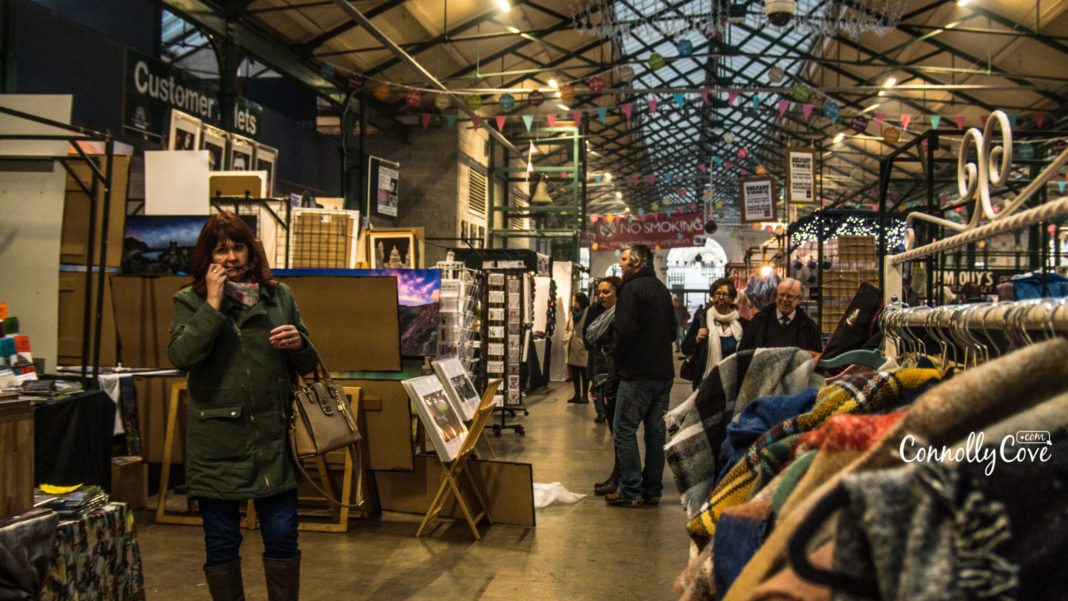
While St. George’s Market proudly celebrates its rich heritage, it embraces innovation and modernity, ensuring it remains relevant in today’s rapidly changing world. Many of the market’s vendors are small independent businesses, passionate about their craft and committed to offering high-quality, ethically sourced products.
From traditional Irish fare to international cuisine, the market reflects Belfast’s diverse cultural landscape, showcasing the best local and global food trends. Whether you’re craving a hearty Ulster fry, a gourmet burger, or a vegan falafel wrap, you’ll find it all at St. George’s Market.
In recent years, the market has also become a hotbed of creativity and entrepreneurship, with many artisanal producers and crafters setting up stalls to showcase their talents. From handcrafted jewellery and pottery to bespoke artwork and designer clothing, there’s no shortage of creativity on display at St. George’s.
Moreover, St. George’s Market has embraced technology to enhance the shopping experience, with many vendors now accepting contactless payments and offering online ordering and delivery services. This blend of tradition and innovation ensures that St. George’s Market remains a vibrant and dynamic destination for locals and visitors alike.
A Hub of Community and Culture
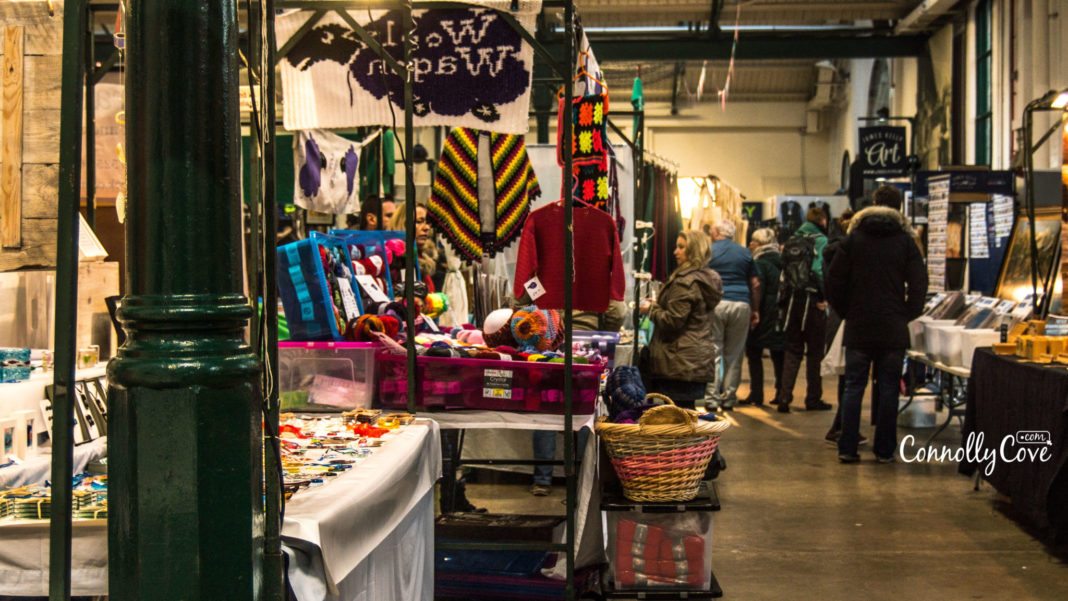
Beyond its role as a marketplace, St. George’s Market serves as a vital hub of community and culture, bringing people together from all walks of life. It’s where neighbours catch up over coffee, families enjoy a leisurely weekend outing, and visitors worldwide are welcomed with open arms.
The market’s vibrant atmosphere and friendly vibe make it the perfect place to connect with others, whether you’re a long-time resident or a first-time visitor. From the colourful characters who man the stalls to the talented musicians who provide the soundtrack to your shopping experience, St. George’s Market is alive with the energy and spirit of Belfast.
In addition to its role as a social gathering place, St. George’s Market also plays a vital role in preserving and promoting Belfast’s cultural heritage. Through its support of local producers, artisans, and performers, the market helps to ensure that traditional crafts and skills are passed down from generation to generation, keeping Belfast’s unique identity alive and thriving.
Conclusion
St. George’s Market stands out as a shining example of Belfast’s resilience, creativity, and community spirit in a city steeped in history and tradition. The market offers a unique window into the city’s past and present, from its grand Victorian architecture to its bustling stalls and vibrant atmosphere.
As Belfast continues to evolve and grow, St. George’s Market remains a constant, a beloved landmark that continues to delight and inspire all who visit. Whether you’re seeking out fresh local produce, unique handcrafted gifts, or simply a taste of Belfast’s famous hospitality, you’ll find it all and more at St. George’s Market, the beating heart of Belfast’s vibrant cultural scene.
Opening Times of St. Georges Market:
On Friday, you can visit the ‘Variety Market’ from 6 am until 3 pm, on Saturday, you can visit the ‘City Food and Craft Market’ from 9 am – 3 pm and on Sunday, you can visit the ‘Sunday Market’ from 9 am to 3 pm.
There is also a dedicated quiet hour on Friday from 9 am to 10 am and on Sundays from 10 am to 11 am for anyone who would greatly benefit from a much calmer and relaxing shopping experience. During this time at the market, all music is turned off, and the noise level is kept as low as possible to help create a welcoming environment for all people.
Have you been to St.George’s Market in Belfast? What was your favourite stall? We would love to hear about your experiences 🙂
Also, be sure to check out some of our other blogs: Belfast Spring Continental Market | Botanic Gardens | St. Annes Cathedral | Commercial Court | Belfast Cookery School | Titanic Museum | Ulster Folk Museum
One comment on “St. George’s Market – Belfast’s Main Market”

The Ultimate Guide for London One Day Tours!
England
27/04/2024

Key Insights: Global Medical Tourism Statistics and Market Growth Analysis
Travel Statistics
26/04/2024

The Irish Mafia: A Closer Look at Organised Crime Syndicates
History and Heritage
26/04/2024

The Ultimate Guide to Eating Out in Ireland: Tips and Recommendations
Food and Cuisine
26/04/2024

Plan Your Perfect Trips to Northern Ireland: A Guide to the Best Tours and Vacation Packages!
Northern Ireland
26/04/2024
Recently visited the market when on holidays from Australia was very impressed, sadly unable to purchase at the time. Loved the pictures of the Titanic lost the business card can someone please forward details to me. Great market 🤗