Skip to content
Updated on:November 27, 2024 by Avatar image of authorCove Team

Once scarred by conflict, Belfast has undergone a remarkable transformation in recent years. As the city has emerged from its troubled past, it has embraced a vibrant cultural renaissance. One of the most striking manifestations of this transformation can be found in the city’s burgeoning street art scene.

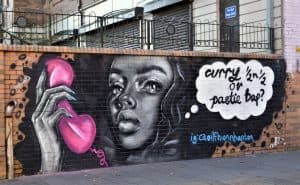
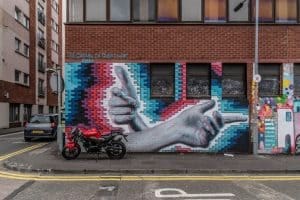
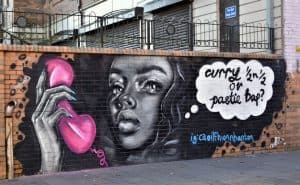
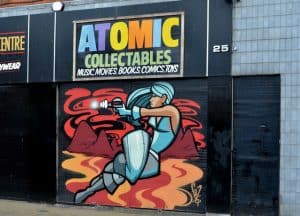
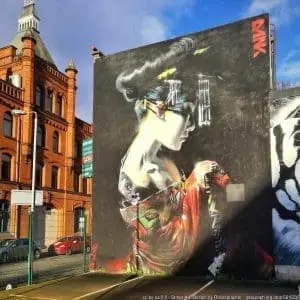
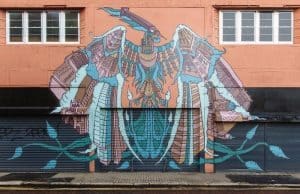
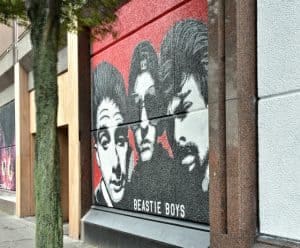
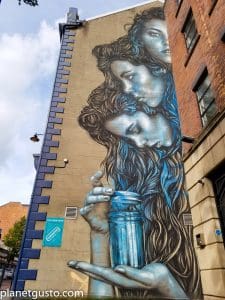
Belfast street art has become powerful in revitalising the city’s urban landscape. Colourful murals, intricate stencils, and thought-provoking installations now adorn the walls of buildings throughout Belfast. These works of art beautify the city and serve as powerful expressions of local identity, history, and social commentary.

The Cathedral Quarter: A Street Art Haven

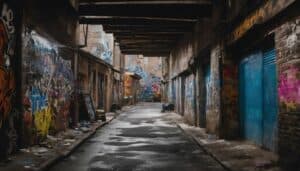
The Cathedral Quarter, located in the heart of Belfast, has emerged as a vibrant hub for Belfast street art. Once characterised by its architectural grandeur and religious significance, this historic district has undergone a remarkable transformation in recent years. The streets and alleyways of the Cathedral Quarter are now adorned with a diverse array of murals, stencils, and installations, showcasing the creativity and talent of local and international artists.

A Historical Tapestry

The Cathedral Quarter’s rich history provides a compelling backdrop for its thriving street art scene. The district’s name is derived from St. Anne’s Cathedral, a magnificent Gothic Revival church built in the late 19th century. The Cathedral Quarter also boasts several other historic landmarks, including the Ulster Museum, the Grand Opera House, and the Belfast City Hall. These architectural gems offer a glimpse into Belfast’s past and serve as a testament to the city’s resilience.

A Cultural Renaissance

In recent years, the Cathedral Quarter has experienced a cultural renaissance. The district has become a popular destination for tourists and locals alike, attracted by its vibrant atmosphere, eclectic mix of shops and restaurants, and thriving arts scene. Street art has played a crucial role in this transformation, adding colour, energy, and a sense of community to the area.

Iconic Murals and Installations

The Cathedral Quarter is home to several iconic Belfast street art pieces. One of the most well-known murals is “The Troubles,” a large-scale work by artist Danny Devenney depicting the history of the Northern Irish conflict. Other notable murals include “The Belfast Story,” a colourful depiction of Belfast’s past and present, and “The Big Fish,” a whimsical sculpture by artist Rowan Gillespie that has become a city symbol.

In addition to murals, the Cathedral Quarter features a variety of other street art installations. These include stencils, wheat pastes, and mixed-media pieces that explore a wide range of themes, from social justice to environmentalism to personal expression.

The Intersection of Art and Community

Belfast street art has transformed the Cathedral Quarter’s physical appearance and significantly impacted the local community. Artists and residents have collaborated on numerous projects, creating spaces for dialogue, expression, and social change. The Cathedral Quarter’s street art scene has helped foster a sense of pride and belonging among residents and has attracted a diverse and creative community.

A Global Platform for Artistic Expression

The Cathedral Quarter’s street art scene has gained international recognition, attracting artists worldwide. The district has become a platform for artistic expression, where artists can showcase their work to a global audience. This has helped to raise the profile of street art and solidify the city’s reputation as a cultural destination.

The Cathedral Quarter’s thriving Belfast street art scene is a testament to the city’s creativity and resilience. This historic district has been transformed into a vibrant cultural hub where artists and visitors alike can come together to appreciate the beauty and power of street art.

Beyond the Cathedral Quarter: Street Art Across Belfast

While the Cathedral Quarter is undoubtedly a focal point for Belfast street art, the city’s vibrant street art scene extends far beyond this historic district. Street art can be found in neighbourhoods throughout the city, each with a unique character and artistic style.

The Falls Road: A Mural Mecca

Falls Road, a predominantly nationalist area in west Belfast, is renowned for its impressive collection of murals. These murals often depict Irish history, politics, and culture. The Bobby Sands mural, located on the corner of Falls Road and Ardoyne Street, is one of the most iconic murals in Belfast and commemorates the hunger strikes of the 1980s.

The Shankill Road: A Loyalist Tapestry

The Shankill Road, a predominantly unionist area in north Belfast, is also home to several striking murals. These murals often depict themes related to British history, the Royal Family, and the Ulster Volunteer Force (UVF). The Shankill Road murals glimpse the loyalist perspective on the Northern Irish conflict.

The East Side: A Diverse Landscape

The east side of Belfast is a diverse area with a rich cultural heritage. The streets and alleyways are adorned with various art pieces, from traditional murals to contemporary street art. The East Side Arts Festival held annually, showcases the creativity and talent of local artists.

The Waterfront: A Modern Canvas

The Belfast Waterfront, a modern development along the River Lagan, is another popular destination for Belfast street art. This area features several large-scale murals and installations celebrating the city’s maritime heritage and transformation into a vibrant urban centre.

The Titanic Quarter: A Monument to Industrial Heritage

The Titanic Quarter, a former shipyard where the RMS Titanic was built, has been transformed into a thriving cultural and leisure destination. The area is home to several street art pieces that celebrate the city’s maritime history and the legacy of the Titanic.

Community-Driven Art Projects

Belfast Street Art

Belfast street art is often created in collaboration with local communities. Artists work with residents to develop projects that reflect their shared experiences and aspirations. These community-driven art projects help to strengthen social cohesion and create a sense of pride in local neighbourhoods.

A Catalyst for Change

Belfast street art has been crucial to the city’s healing process. By addressing issues of conflict, social injustice, and cultural identity, street art has helped to foster dialogue, understanding, and reconciliation.

Belfast street art is a dynamic and ever-evolving scene. The city’s diverse neighbourhoods offer a rich tapestry of artistic expression, reflecting the city’s complex history and vibrant culture. Visitors can discover a hidden world of creativity and beauty by exploring the streets and alleyways of Belfast.

Street art is a testament to the city’s resilience and ability to transform adversity into opportunity. These works of art beautify the city and serve as powerful expressions of local identity, history, and social commentary. As Belfast continues evolving, street art will remain integral to the city’s cultural landscape.

The Impact of Street Art on Belfast

Belfast Street Art

Belfast street art has profoundly impacted the city, transforming it into a vibrant cultural hub. This section explores its economic, social, and cultural implications.

Economic Benefits

Belfast’s street art has attracted many tourists, contributing to the local economy. Visitors visit Belfast to admire the city’s street art and spend money on accommodation, food, and other activities. This has led to new business tourism and hospitality jobs.

Moreover, Belfast street art has helped revitalise neighbourhoods once characterised by economic decline. Street art has increased property values and economic development by making these areas more attractive to visitors and residents.

Social and Cultural Implications

Belfast street art has been crucial to the city’s healing process. By addressing issues of conflict, social injustice, and cultural identity, street art has helped to foster dialogue, understanding, and reconciliation.

Belfast street art has also contributed to developing a strong sense of community. Artists and residents have collaborated on numerous projects, creating spaces for expression, social change, and civic engagement. This has helped to strengthen social cohesion and develop a sense of pride in local neighbourhoods.

Challenges and Opportunities

Despite its many benefits, Belfast street art also faces challenges. One of the main challenges is the risk of vandalism and removal. Some street art pieces have been defaced or removed, which can hurt the city’s image and the morale of local artists.

Another challenge is copyright infringement. Artists may sometimes use copyrighted images or characters without permission, leading to legal disputes and financial losses.

However, street art also presents significant opportunities. The city can continue to promote it as a cultural asset and attract more visitors. Belfast can enhance its reputation as a vibrant and creative city by supporting local artists and investing in public art programs.

Belfast street art has transformed the city, contributing to its economic revitalisation, social cohesion, and cultural identity. As Belfast continues evolving, street art will remain integral to the city’s cultural landscape.

Belfast street art has been crucial to the city’s healing process. By addressing issues of conflict, social injustice, and cultural identity, street art has helped to foster dialogue, understanding, and reconciliation.

Street art has also contributed to developing a strong sense of community. Artists and residents have collaborated on numerous projects, creating spaces for expression, social change, and civic engagement. This has helped to strengthen social cohesion and develop a sense of pride in local neighbourhoods.

Conclusion: A City Transformed

Belfast street art has become influential in revitalising the city’s urban landscape. From the historic Cathedral Quarter to the diverse neighbourhoods beyond, street art can be found throughout the city, adding colour, energy, and a sense of community.

Belfast street art has transformed the city’s physical appearance and significantly impacted its social and cultural fabric. By addressing issues of conflict, social injustice, and cultural identity, street art has helped foster dialogue, understanding, and reconciliation.

As Belfast continues evolving, street art will remain integral to the city’s cultural identity. The city’s vibrant street art scene is a testament to its resilience, creativity, and ability to transform adversity into opportunity.

Belfast street art is a testament to the city’s resilience and ability to transform adversity into opportunity. These works of art beautify the city and serve as powerful expressions of local identity, history, and social commentary. As Belfast continues evolving, street art will remain integral to the city’s cultural landscape.

Leave a comment

Your email address will not be published. Required fields are marked *