

Add to Bucket List: 10 Instagrammable Sightseeing Attractions
Updated On: April 23, 2024 by  Yasmin Elwan
Sightseeing attractions are like a gold mine of knowledge for folks young and old. They are key to unlocking the mysteries of other civilisations’ religious practises and social customs. They can also open our eyes to the rich tapestry of human history and the countless mind-blowing feats of mankind.
The World Tourism Organisation says that international tourist arrivals are back in the saddle, reaching 80% of their pre-pandemic glory in the first quarter of 2023. This clearly indicates that tourism is making a grand comeback with high hopes for a full recovery soon.
Global Responsibility Towards Sightseeing Attractions
Sightseeing attractions are more than meets the eye; they are gateways to a world of countless stories, diverse traditions, and breathtaking marvels that paint the face of our planet. Millions of tourists each year are inspired, educated, and entertained by sightseeing attractions as diverse as China’s Great Wall and England’s mystery Stonehenge.
It’s crucial, though, to be mindful of these attractions’ cultural, environmental, and historical significance when you’re out exploring. It’s not just about getting the perfect Instagram shot—we need to tread lightly and make sure we’re not damaging these precious sights.
As travellers, it’s our job to appreciate and protect these wonders, not just for our own pleasure but also for the sake of future generations. This way, we can keep the momentum going and ensure that no resource is wasted for future generations.
The Dark Side of Sightseeing
While sightseeing attractions offer an opportunity for global cultural exchange and economic growth, it’s essential to consider diverse perspectives. Some critics argue that the overwhelming influx of tourists can have detrimental effects on these attractions.
Overcrowding is a common concern. Places like Machu Picchu and Venice have implemented visitor caps to preserve their cultural and natural integrity. The Guardian reported on how Venice, Italy, struggles to balance tourism with environmental conservation.
Environmental sustainability is another issue. The delicate ecosystems of places like the Great Barrier Reef face threats from pollution and climate change, prompting calls for responsible tourism. Organisations like the Great Barrier Reef Foundation actively work towards its preservation.
Cultural preservation is equally vital. The influx of tourists can lead to the degradation of historic sites, as witnessed in the case of Angkor Wat in Cambodia. UNESCO has been working with the Cambodian government to mitigate these effects, as detailed in a report by The Diplomat.
Top 10 Sightseeing Attractions From Around the World
Whether you’re a seasoned traveller seeking new horizons or an armchair explorer dreaming of far-off destinations, our curated list of the top 10 sightseeing attractions from around the world promises to ignite your wanderlust and inspire your next adventure.
The Great Wall of China
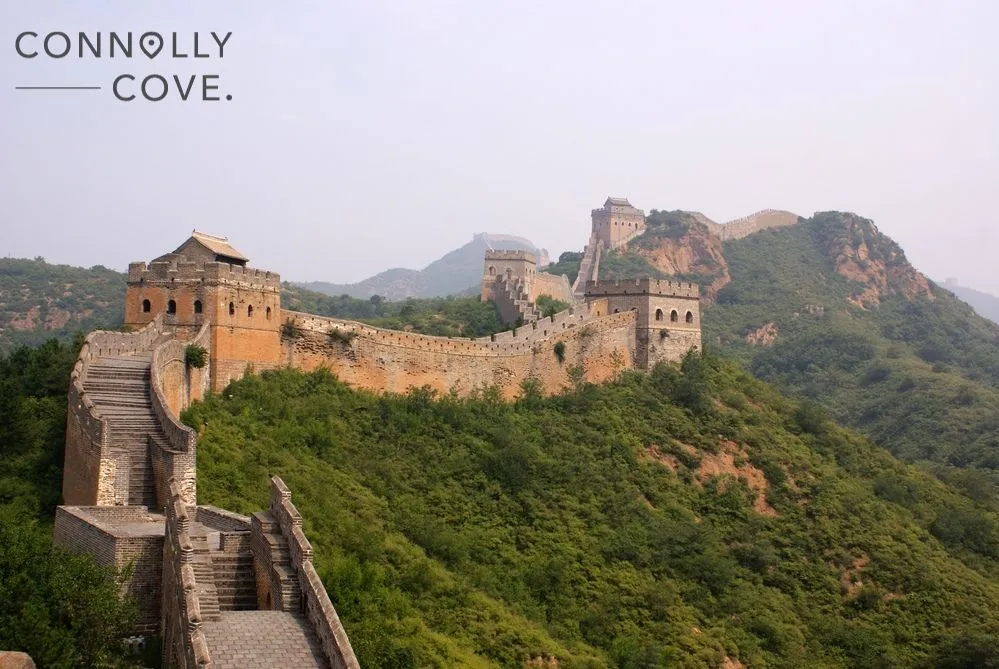
The Great Wall of China is one of the world’s most iconic landmarks, stretching over 21 km like a stone dragon winding its way through the mountains. It’s a colossal testament to China’s rich history and ingenuity, and it’s still as impressive today as it was when it was first built. This epic structure was primarily built to keep the enemies at bay, but nowadays, it pulls in droves of sightseers who flock to admire its splendour and delve into its captivating history.
Visiting the Great Wall is like stepping into a time machine. You can hike along various sections, such as Mutianyu or Badaling, to marvel at its impressive architectural design and breathtaking scenery. Take in panoramic views of rolling hills and lush greenery as the wall snakes its way through the landscape. Don’t forget to snap some Instagram-worthy photos!
Construction of the Great Wall began over two millennia ago during the Qin Dynasty and continued to evolve over the centuries. It’s not visible from space, despite popular belief, but it’s still an impressive feat of engineering.
Length: About 21,196 kilometres
Construction Time: From 7th century BC to 17th century AD
Estimated Visitors per Year: Around 10 million
Taj Mahal, India
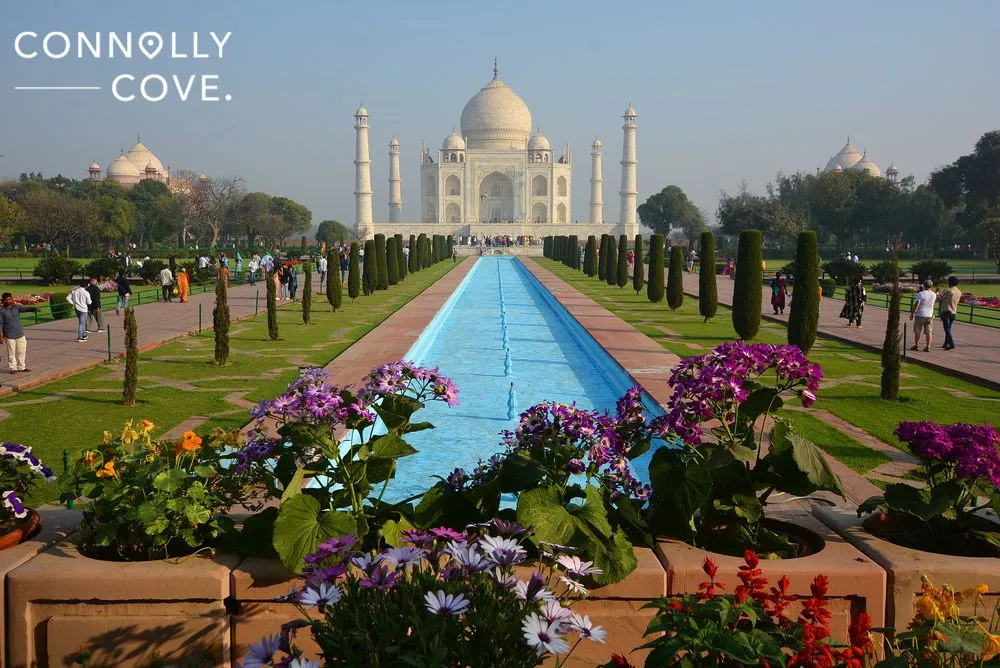
The Taj Mahal, located in Agra, India, is often described as the world’s most beautiful building and is a symbol of eternal love. Built by Emperor Shah Jahan as a tribute to his beloved wife Mumtaz Mahal, who died during childbirth, the Taj Mahal is a masterpiece of Mughal architecture. It took over 20,000 craftsmen and 21 years to complete this monument of love.
As you enter the ornate gateway, you’ll be greeted by the stunning ivory-white mausoleum. Wander through lush gardens, admire the intricate marble inlays, and take in the Taj’s symmetrical beauty. Inside, you’ll find the tombs of Emperor Shah Jahan and Mumtaz Mahal, a poignant testament to their love story.
Construction Time: 21 years (from 1632 to 1653)
Estimated Visitors per Year: Over 7 million
Machu Picchu, Peru
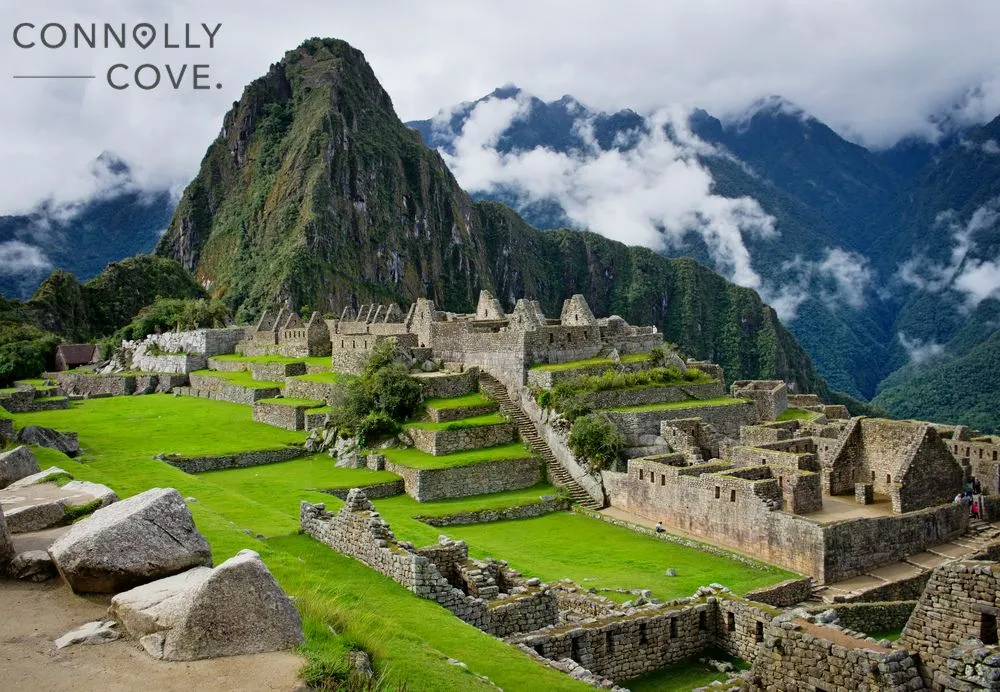
Nestled high in the Andes Mountains, Machu Picchu is an ancient Incan citadel that offers a mystical journey into the past. Machu Picchu was built in the 15th century but abandoned during the Spanish Conquest. It remained hidden from the world until its rediscovery by American historian and explorer Hiram Bingham in 1911.
Explore the well-preserved ruins, including the Temple of the Sun, the Intihuatana Stone, and the agricultural terraces. Hike the Inca Trail for a challenging but rewarding adventure. The jaw-dropping scenery of the surrounding mountains and the Urubamba River below is a photographer’s dream.
Elevation: 2,430 metres
Estimated Visitors per Year: Around 1.6 million
The Eiffel Tower, France
For many people, Paris means the Eiffel Tower. It’s like the ultimate French logo. This iconic landmark was designed by the brilliant Gustave Eiffel and built for the 1889 World’s Fair, which celebrated the 100th anniversary of the French Revolution.
The tower was initially met with mixed reactions, with some Parisians calling it an eyesore. But it was only meant to be a temporary structure, standing for just 20 years. Luckily, it was given a new lease on life as a radio transmission tower, sparing it from the wrecking ball. Today, it’s like the Queen of sightseeing attractions, drawing millions of people for romantic proposals and dinners, taking pictures, getting souvenirs, and simply admiring its splendour.
A trip to Paris is incomplete without taking a lift ride to the top of the tower. At 330 metres above ground, you’ll be treated to stunning panoramic views of the city. It’s a sightseeing experience like no other. You can also enjoy a gourmet meal at the Michelin-starred Jules Verne restaurant or have a casual snack on the first-floor terrace. Dining with a view of the city’s twinkling lights is a magical experience.
Height: 330 metres
Estimated Visitors per Year: Around 7 million
Construction Time: Over 2 years
The Grand Canyon, USA
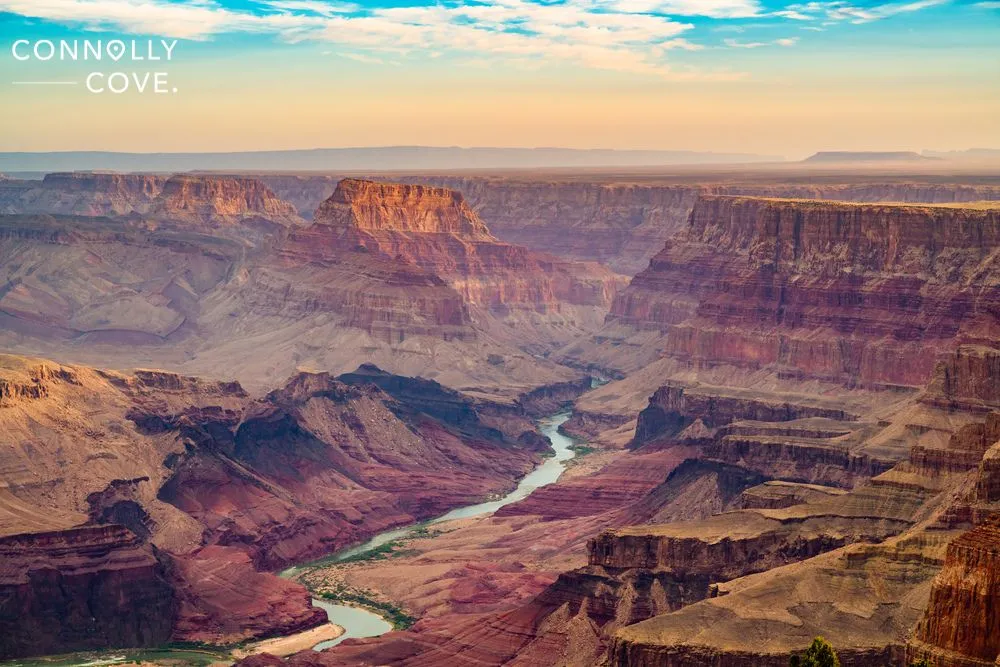
If you’re seeking awe-inspiring natural beauty, look no further than the Grand Canyon in the United States. This colossal chasm, carved by the Colorado River over millions of years, is a geological wonder that will leave you speechless. The canyon’s appearance changes dramatically with the shifting light. Catching a sunrise or sunset at the Grand Canyon is a magical experience that photographers and nature enthusiasts cherish.
The Grand Canyon, with its ancient roots stretching back for a whopping 6 million years, holds a special place in the hearts of Native American tribes like the Hopi and Navajo. It’s a land steeped in sacredness and significance. In the year 1919, it became a national park, making sure that its natural beauty would be as safe as houses for the generations to come.
Explore the canyon’s trails, from easy rim walks to challenging hikes that take you deep into the gorge. The famous Bright Angel Trail is a must-do for an unforgettable trek. Or, experience the Colorado River up close on a thrilling rafting adventure—it’s a unique way to witness the canyon’s beauty from a different perspective.
Length: Approximately 446 kilometres
Depth: Up to 1,829 metres
Width: Varies from 180 metres to over 28 kilometres
Estimated Visitors per Year: About 5 million
The Pyramids of Giza, Egypt
Imagine building something incredibly amazing that the world thinks aliens did it! The Pyramids of Giza, standing tall and proud on the outskirts of the Egyptian capital, are a real feather in the cap of the ancient Egyptians, showcasing their out-of-the-box thinking and top-notch engineering skills. It’s estimated that the construction of the Great Pyramid took a whopping number of over 2 million limestone and granite blocks, with some weighing a hefty 80 tonnes.
You can really go down the rabbit hole and delve into the hidden depths of certain pyramids, especially the Great Pyramid, where you’ll find a secret passage that leads straight to the King’s Chamber. The intricate architecture and sheer size of these structures will leave you in awe.
Right next to the pyramids, you’ll find the enigmatic Sphinx, an outstanding work of art with its lion body and pharaoh head. It’s the statue that tourists can’t keep their lips off in their pictures. And you know what’s really cool? You can take in this unique view while taking a camel ride.
In the evening, the Pyramids of Giza come to life with a mesmerising light and sound show. The pyramids are illuminated as the history of ancient Egypt unfolds through narration and music, creating a magical atmosphere.
Estimated Visitors per Year: Over 14 million
The Vatican Museums, Vatican City
Why settle for one country when you can literally visit two different countries in one day with a single ticket? If you’re jetting off to Italy, specifically to the Eternal City (Rome), make sure to pay a visit to Vatican City, the smallest country in the world.
Nestled in the heart of Vatican City, the Vatican Museums are a dazzling showcase of art, history, and culture. This extraordinary treasure trove is more than just a home to masterpieces; it’s a journey through time and a window into the rich heritage of the Catholic Church. Popes, cardinals, and other influential figures have contributed to this eclectic collection, making it a truly remarkable cultural institution.
What to See in the Vatican Museums
Visiting the Vatican Museums is an enriching experience that immerses you in the heart of art, history, and spirituality. Here are the highlights you shouldn’t miss:
- Sistine Chapel: Your journey through the Vatican Museums reaches its zenith in the awe-inspiring Sistine Chapel. The crown jewel of the Vatican, Michelangelo’s spectacular frescoes, including the iconic “Creation of Adam,” adorn the ceiling. Visitors are often left speechless in the presence of these timeless masterpieces.
- Raphael Rooms: The Raphael Rooms are a series of four interconnected chambers adorned with frescoes painted by the High Renaissance artist Raphael and his students. These exquisite works of art are a testament to the artistic brilliance of the era.
- Gallery of Maps: Imagine wandering through a gallery lined with ancient maps, each depicting different parts of Italy. This stunning corridor provides a unique glimpse into how cartography evolved over the centuries.
- Vatican Pinacoteca: Art enthusiasts will find themselves in paradise here, surrounded by a remarkable collection of paintings by renowned artists such as Leonardo da Vinci, Caravaggio, and Raphael.
- Vatican Ethnological Museum: For a different perspective, explore the ethnological museum, which houses an extensive collection of artefacts from various cultures around the world. It’s a fascinating journey through human history and diversity.
Victoria Falls, Zambia/Zimbabwe
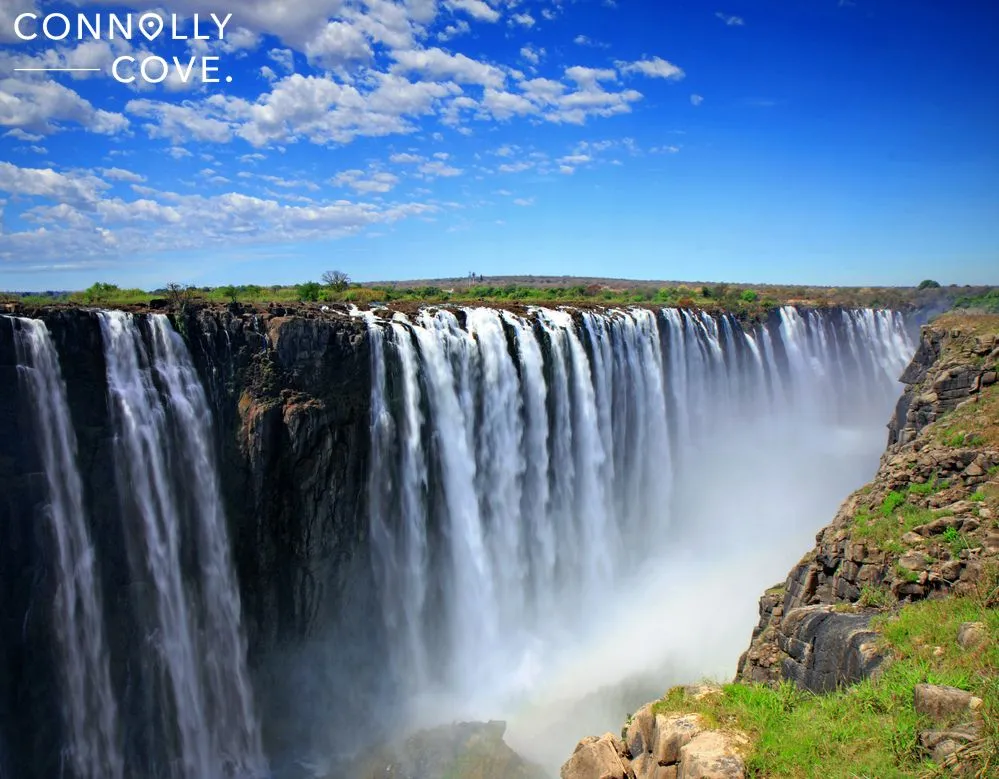
“The Smoke that Thunders” is a fitting nickname for a place that leaves visitors utterly mesmerised. Stretching over 1.7 kilometres and plunging as much as 108 metres, Victoria Falls is twice the height of Niagara Falls and boasts the largest curtain of falling water in the world. Witness the sheer force and grandeur of the falls as millions of litres of water crash down into the chasm below. Don’t forget your raincoat; you’re bound to get wet from the mist!
Named after Queen Victoria by the Scottish explorer David Livingstone, who was the first European to see them in 1855, the falls are among the world’s seven natural wonders. This African gem is also home to a diverse range of wildlife, including hippos, crocodiles, and elephants, making it a must-visit for any nature lover.
Thrill-seekers can take their adventure to new heights with activities like ziplining or bungee jumping near the falls. Feel the adrenaline rush as you soar above the Zambezi River. Another unforgettable experience to try is to take a swim in the infamous Devil’s Pool. This natural infinity pool sits right at the edge of the falls, offering an exhilarating but safe experience where you can peer over the precipice and feel like you’re on top of the world.
Location: at the border between Zimbabwe and Zambia, Africa
Estimated Visitors per Year: Over one million
Stonehenge, United Kingdom
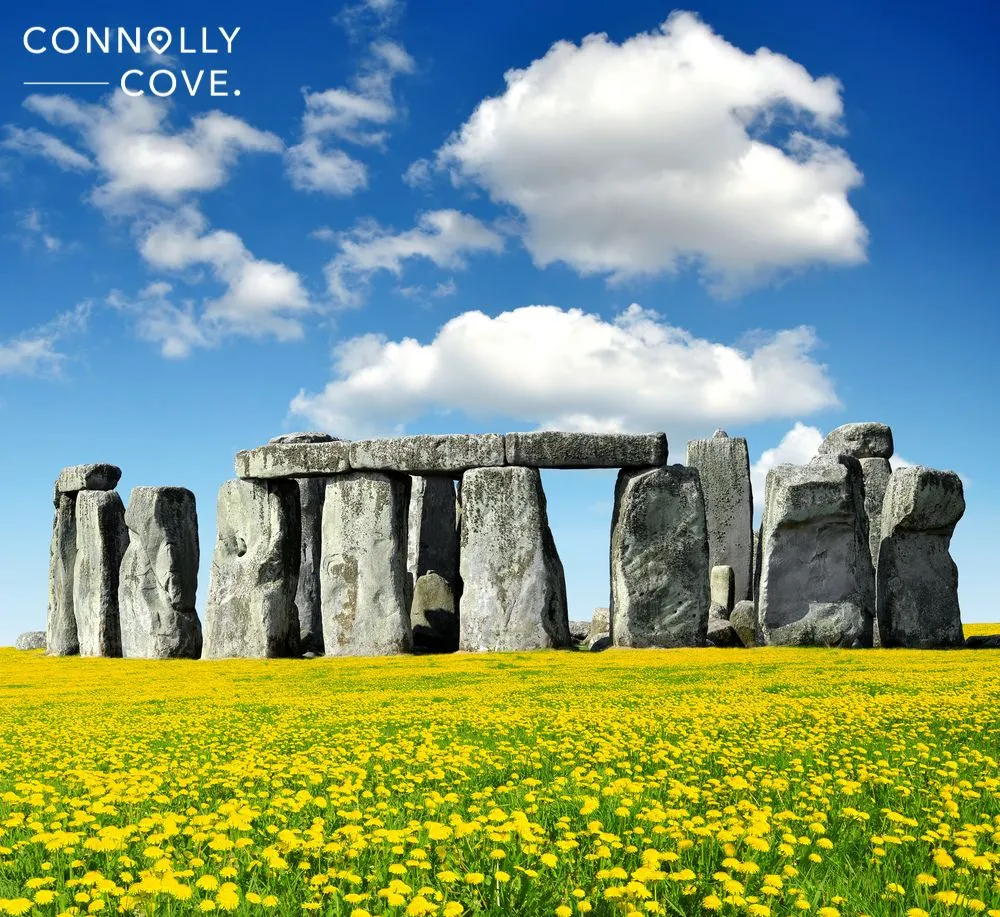
Standing amidst the windswept plains of Salisbury, England, Stonehenge is an enigma wrapped in mystery, an iconic symbol of ancient wonder that continues to baffle and bewitch all who lay eyes upon it. It’s a big question mark that’s been making scholars scratch their noggins for centuries. They say it’s been around since about 2500 BCE, and it’s attracting everyone from curious wanderers to history buffs and spiritual types.
Now, the star of the show at Stonehenge is that ring of massive stones. We’re talking boulders as big as 25 tonnes! Those things have been making experts go, “How on earth did they get here?” for ages. When you get up close, you can’t help but gawk at the size of these rocks and wonder what secrets they’re hiding.
If you plan your visit during the summer or winter solstices, you can witness a truly magical event. Stonehenge aligns perfectly with the rising sun during these celestial occurrences, drawing crowds of revellers, druids, and modern-day pagans to celebrate the changing seasons.
Estimated Visitors per Year: Over one million
Mount Fuji, Japan
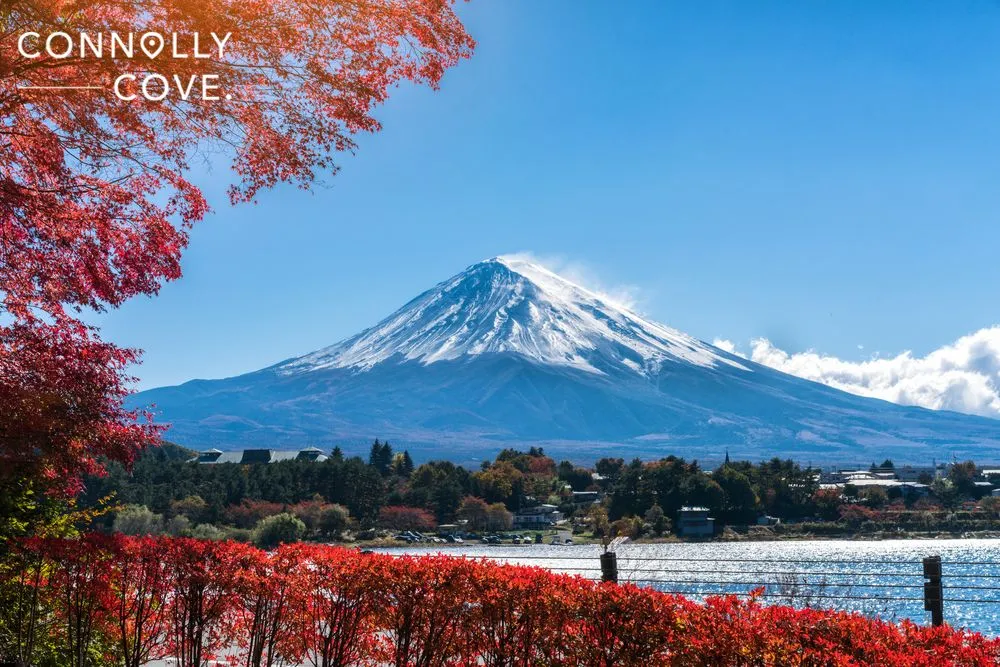
Rising majestically on the Japanese horizon, Mount Fuji, or “Fuji-san” as it’s affectionately known by locals, is an iconic symbol of Japan’s natural beauty and cultural significance. This holy volcano, towering at a whopping 3,776 metres, has stolen the hearts of tourists and creative souls alike for ages. In 2013, it earned its stripes and was recognised as a UNESCO World Heritage Site, thanks to its cultural mojo and natural charm.
One of the most coveted experiences is ascending the volcanic giant. The official climbing season typically runs from early July to mid-September when the snow has melted enough to make the hike safe. Climbers can choose from several trails, with the Yoshida Trail being the most popular. The trek to the summit is an adventure filled with spectacular vistas and a sense of accomplishment that is truly unparalleled.
The Fuji Five Lakes region, made up of Lake Kawaguchi, Lake Yamanaka, Lake Saiko, Lake Shoji, and Lake Motosu, offers breathtaking views of the iconic mountain reflected in the mirror-like waters. Visitors can enjoy scenic boat rides, leisurely lakeside strolls, and rejuvenating hot spring baths while soaking up the tranquil atmosphere.
Mount Fuji is more than just a physical experience; it’s a spiritual one too. For centuries, it has been revered as a sacred site in Japan, and even today, it fills visitors with awe and reverence. Whether you’re braving the slopes, meditating at a lakeside shrine, or simply gazing at its astonishing beauty from afar, Mount Fuji offers a profound connection with nature and Japanese heritage that’s nothing short of terrific.
Estimated Visitors per Year: over 300,000
Sightseeing attractions are the keys that unlock a treasure box of different cultures, legacies from the past, and Mother Nature’s marvels. From ancient monuments like the magnificent Pyramids of Giza to natural marvels like the awe-inspiring Mount Fuji, these destinations leave an indelible mark on our hearts and minds. What do you seek? A new adrenaline-filled adventure? A spark of inspiration? Or simply a deeper connection with the world? These attractions offer something for everyone. So, what’s your next stop?
Top Things To Do in Hamburg: A Hamburger’s Guide!
Germany
27/04/2024

Take a Look at the Astounding Scenery of County Kerry
County Kerry
27/04/2024

Famous Haunted Houses in Egypt: Spooky Stories for Halloween
Destinations
27/04/2024
St. Paul’s Cathedral – London Attractions
England
27/04/2024

Great Scotland Yard – London Attractions
England
27/04/2024