

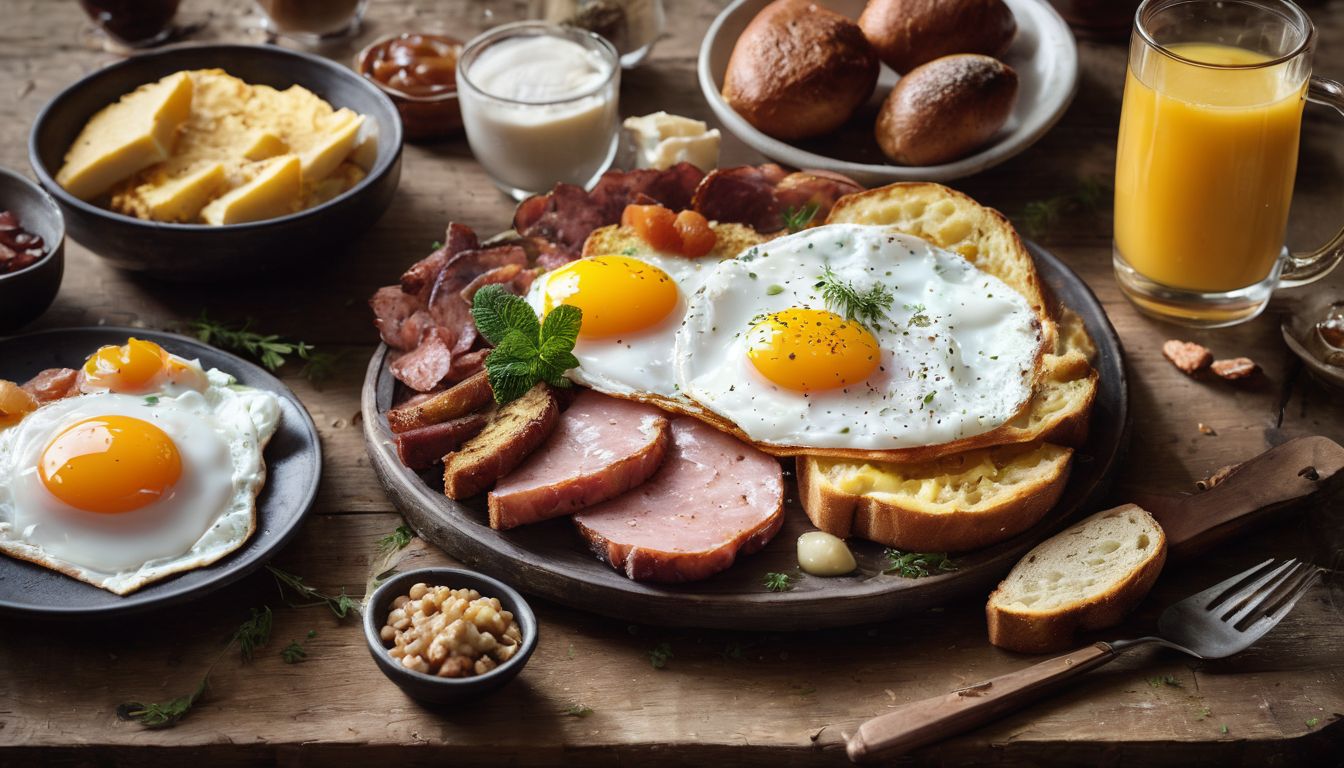
Exploring the Traditional Irish Breakfast From Farm to Table
Updated On: April 23, 2024 by  Maha Yassin
Have you ever wondered what gives the Irish their unshakeable vitality and zest, powering them through each day, come rain or shine? Like fellow food lovers with an insatiable curiosity about culinary traditions, we’ve asked ourselves this very question. The answer lies not in a magic potion but in something more delightful – the hearty traditional Irish breakfast!
This article is your one-way ticket into an authentic Irish kitchen. We’ll navigate each scrumptious component of this beloved morning meal and even sprinkle some insider tips on how to create it within your own four walls. And if you’re not the cook-at-home type, don’t worry! We also have a list of recommendations for the best breakfast restaurants in the Emerald Isle.
So dust off your apron, mates! It’s time to embark on our tasty journey, shall we?
Key Takeaways
- A traditional Irish breakfast is a hearty meal that typically includes bacon, sausages, eggs, baked beans, mushrooms, grilled tomatoes, and sometimes black pudding and white pudding.
- This breakfast originated as a meal for farmers who needed lots of energy for their work. It has now become a beloved part of Irish cuisine.
- The preparation involves cooking crispy bacon and browning sausages, frying sunny-side-up eggs in butter, sautéing mushrooms, heating up baked beans, and grilling tomatoes until soft and juicy. Black pudding and white pudding can also be fried if desired. Serve with soda bread or toast for a satisfying morning meal.
- Many breakfast restaurants and pubs around Ireland are known for serving the perfect traditional Irish breakfast to tourists and locals alike.
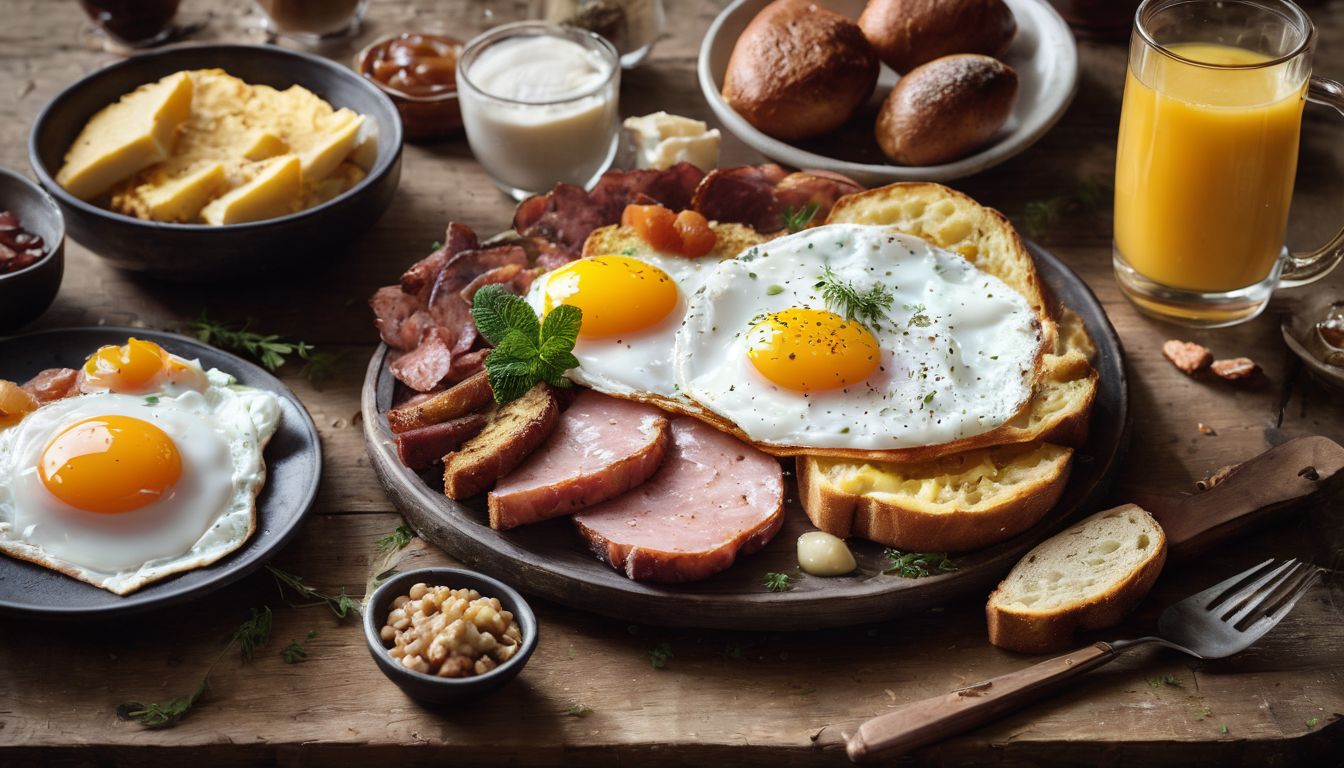
The Origin of the Traditional Irish Breakfast
The traditional Irish breakfast, also known as a “fry-up,” has a rich and fascinating history. While its exact origins are debated, it’s believed to have evolved from the English breakfast, which itself dates back to the 14th century. As Ireland’s farming culture developed, the Irish adapted this hearty meal to their own needs and resources.
Traditionally eaten by farmers to fuel them for long days of hard labour, the Irish breakfast was designed to be filling and nutritious. It typically consisted of locally sourced ingredients like sausages, rashers (cured bacon), black pudding (blood pudding), fried eggs, grilled tomatoes, baked beans, white pudding (similar to pork sausage), and potato bread.
Over time, the Irish breakfast has become a beloved national symbol, enjoyed by people of all walks of life. It’s a popular choice for tourists and locals alike, and it’s often served in pubs and restaurants throughout the country. There are even regional variations of the dish, such as the Ulster fry, which includes soda bread and dulse (a type of seaweed).
Whether you’re looking for a hearty breakfast to start your day or a delicious way to experience Irish culture, the traditional Irish breakfast is a must-try.
The Components of a Traditional Irish Breakfast
The traditional Irish breakfast, a hearty and flavorful symphony of ingredients, boasts a history as rich and complex as its taste. While variations exist across the Emerald Isle, core components remain constant, each with a fascinating story and regional origin.
Bacon and Sausages
Bacon, a staple since the Middle Ages, finds its Irish incarnation as smoky, crispy back bacon. Sausages, documented as early as the 9th century, offer two delicious options: the juicy, herb-infused Irish pork sausage and the savoury, slightly crumbly black pudding crafted from pork blood.
Pudding, Fried Eggs, Mushrooms, Tomatoes and Baked Beans
White pudding, introduced by the English in the 16th century, provides a milder counterpoint with its oat-based, pork-infused flavour. Fried eggs, a timeless breakfast staple, are joined by grilled mushrooms, caramelized tomatoes, and the sweetness of baked beans.
Mashed or Roasted Potatoes, Soda Bread and Tea
Potatoes, a cornerstone of the Irish diet since the 16th century, are often presented in the form of mashed, roasted bliss or fluffy, warm potato bread. Soda bread, born in the 1830s, adds a dense, slightly sour touch, while tea, the beloved national beverage since the 17th century, washes it all down.
Regional variations add a delightful layer to this culinary journey. The Ulster region boasts soda farls alongside potato bread, while Munster embraces the unique flavours of white pudding and drisheen, a local blood sausage.
From its ancient origins to its modern variations, the traditional Irish breakfast is more than just a meal; it’s an experience. Each bite takes you on a journey through history, culture, and the heart of Irish culinary tradition. So, whether you’re a seasoned breakfast connoisseur or simply seeking a taste of Ireland, this iconic dish awaits to tantalize your taste buds and leave you feeling full and satisfied.
How to Prepare a Traditional Full Irish Breakfast
Now that we know all about the history and origin of the traditional Irish breakfast, it’s time to learn how to make it! The hearty, Full Irish breakfast is a feast for the senses, packed with flavour and history. Here’s how you can prepare this iconic dish:
What you’ll need
- Bacon: 4 slices of Irish back bacon
- Sausages: 4 Irish pork sausages or a mix of pork and black pudding
- Eggs: 2 large eggs
- Mushrooms: 4 large mushrooms, sliced
- Tomatoes: 2 large tomatoes, grilled or sliced
- Baked Beans: 1 can (415g) baked beans
- Potatoes: 2 large potatoes, boiled and mashed or roasted
- Soda Bread: 2 slices of soda bread
- Butter: Knob of butter
- Olive oil: 1 tablespoon
- Salt and pepper: To taste
- Optional: Drisheen, white pudding, potato bread, soda farls
How to Prepare It
- Prepare the Potatoes: Boil or roast the potatoes until tender. Mash or leave them whole, depending on your preference.
- Cook the Bacon: Heat a large frying pan over medium heat. Add the bacon and cook until crispy, about 5-7 minutes per side.
- Brown the Sausages: Add a little oil to the pan and brown the sausages for 10-12 minutes, turning occasionally.
- Fry the Eggs: While the sausages are cooking, fry the eggs in a separate pan with a knob of butter. Season with salt and pepper.
- Saute the Mushrooms: Heat a little olive oil in another pan and saute the mushrooms until golden brown and tender.
- Warm the Beans: Heat the baked beans in a saucepan until warmed through.
- Assemble the Plate: Place the sausages, bacon, eggs, mushrooms, tomatoes, baked beans, and potatoes on a large plate. Add a slice of soda bread and butter it generously.
- Serve: Enjoy your full Irish breakfast with a hot cup of tea!
The Best Breakfast Restaurants in Ireland
The Emerald Isle is renowned for its breathtaking landscapes, rich history, and, of course, its mouthwatering cuisine. A cornerstone of Irish culinary tradition, the full Irish breakfast is guaranteed to tantalize your taste buds and fuel your day.
We already told you how to cook it at home, but if you’re visiting Ireland and want to taste it from the local hands, then a restaurant or a pub is where you want to go. But with so many fantastic options available, where can you find the best traditional Irish breakfast in Ireland? Here are some top picks:
Dublin
- Lovinspoon: This charming cafe in Temple Bar serves up a classic and generously sized full Irish breakfast featuring locally sourced ingredients and fluffy soda bread.
Address: 13 Frederick St N, Rotunda, Dublin - Murphy’s Bistro: Nestled in the heart of Dublin’s Georgian Quarter, Murphy’s offers a refined take on the traditional breakfast with gourmet ingredients and a beautiful setting.
Address: 22 Bachelors Walk, North City, Dublin - Wuff: A popular spot with both locals and tourists, Wuff boasts a lively atmosphere and a delicious full Irish breakfast featuring their signature homemade sausages.
Address:23 Benburb St, Smithfield, Dublin - Balfes: Situated in the bustling city centre, Balfes is a historic pub with a warm and welcoming atmosphere. Their full Irish breakfast is a true crowd-pleaser, known for its perfectly cooked eggs and flavorful sausages.
Address: 2 Balfe St, Dublin - The Bakehouse: This bakery and eatery offers a delightful, full, traditional Irish breakfast made with fresh, locally sourced ingredients. Their homemade soda bread is a must-try.
Address: 6 Bachelors Walk, North City, Dublin
Galway
- Finnegans: This lively pub in the heart of Galway offers a hearty and authentic traditional Irish breakfast, perfect for fueling a day of exploring the city.
Address: 2 Market St, Galway - O’Connell’s Bar & Restaurant: A Galway institution, O’Connell’s serves a classic, full traditional Irish breakfast with stunning views of the River Corrib.
Address: 8 Eyre Square, Galway - Ard Bia at Nimmos: This renowned restaurant offers a gourmet take on the full Irish breakfast, showcasing the best of local and seasonal ingredients.
Address: Spanish Arch, The Long Walk, Galway
Cork
- Tony’s Bistro: This award-winning bistro serves a delicious and authentic full traditional Irish breakfast featuring locally sourced ingredients and a focus on traditional recipes.
Address: 69 N Main St, Centre, Cork - Cafe Paradiso: This popular cafe offers a delicious and affordable full Irish breakfast, perfect for a quick and satisfying bite.
Address: 16 Lancaster Quay, Mardyke, Cork - The English Market: This iconic market is home to a variety of stalls where you can find all the ingredients to create your own traditional Irish breakfast at home.
Address: Grand Parade, Centre, Cork
Beyond the Cities
- The Bulman Bar & Restaurant in Kinsale: This charming pub in the picturesque town of Kinsale offers a delicious full Irish breakfast with stunning views of the harbour.
Address: The Bulman Bar, Summercove, Kinsale - The Lime Tree Restaurant in Wicklow: This award-winning restaurant serves a gourmet full Irish breakfast featuring locally sourced ingredients and stunning views of the Wicklow Mountains.
- The Old Thatch Pub in Dingle: This traditional pub in the heart of Dingle offers a hearty and authentic full Irish breakfast, perfect for fueling a day of exploring the beautiful Dingle Peninsula.
No matter where you find yourself in Ireland, you’re sure to discover a delicious and satisfying full Irish breakfast. With its fresh, local ingredients and hearty portions, this iconic dish is the perfect way to start your day and experience the true flavours of Ireland. So grab your fork and knife and prepare to embark on a culinary adventure through the Emerald Isle!
FAQs
What are common foods found in an Irish breakfast?
Common ingredients of an authentic farmhouse-cooked traditional Irish breakfast include bacon, eggs, sausages, beans, mushrooms, and white or black pudding.
Is there any special dish unique to an Irish breakfast?
Yes! The black or white pudding is unique to Irish cuisine, adding a distinct taste to your morning meal. Even though the Full English Breakfast is very close to the Irish breakfast, each of them still has its unique components.
How does enjoying a traditional Irish Breakfast relate to the culture there?
Having a Traditional dish like this for breakfast reflects heavily on their heritage, showcasing the hearty meals typical of rural Ireland’s past.
Do they drink anything specific with an Irish Breakfast?
Yes! A hot cup of strong tea, also known as “Irish Breakfast Tea”, complements the meal perfectly.

Must-See Casablanca
Africa
27/04/2024

The Ultimate Guide for London One Day Tours!
England
27/04/2024

Key Insights: Global Medical Tourism Statistics and Market Growth Analysis
Travel Statistics
26/04/2024

The Irish Mafia: A Closer Look at Organised Crime Syndicates
History and Heritage
26/04/2024

The Ultimate Guide to Eating Out in Ireland: Tips and Recommendations
Food and Cuisine
26/04/2024