
The Land of Saints and Sinners sits almost entirely in County Donegal, with a short stretch of Dublin standing in for the same era. Liam Neeson’s 2023 thriller was shot over seven weeks in spring 2022, built around the coastal parish of Glencolmcille and a handful of neighbouring villages along the Wild Atlantic Way.
For anyone who watched the film and wondered whether that pub, that beach, or that cliff edge is a real place you can stand on, the answer is mostly yes. ConnollyCove has pulled together what’s actually confirmed by production reports and location listings, rather than repeating guesswork, so you can plan a visit to south-west Donegal with confidence.
Table of Contents
Where Was In the Land of Saints and Sinners Filmed?
The short answer is Donegal, with Glencolmcille as the main base and Dublin used sparingly for period street scenes. Production reports from Donegal Daily and Sunday World name Glencolmcille, Kilcar, Killybegs and Ardara as the villages used during the seven-week shoot, and IMDb’s own location listing confirms Ardara for street work and the Silver Strand at Malin Beg for beach scenes.
Here’s a quick reference before we get into detail on each spot:
| Location | Role in the Film | Can You Visit? |
|---|---|---|
| Glencolmcille | Main village setting, interior scenes | Yes, open village |
| Ardara | Street and exterior scenes | Yes, open village |
| Kilcar | Supporting location during filming | Yes, open village |
| Killybegs | Used during production; exact scenes unconfirmed | Yes, a working harbour town |
| Silver Strand, Malin Beg | Beach scenes | Yes, public beach |
| Dublin city centre | Period street scenes | Yes, public streets |
Why 1970s Donegal? The Story Behind the Setting
The film is set in 1974, during the Troubles, and follows Finbar Murphy, a retired hitman played by Liam Neeson, whose quiet life unravels when an IRA cell led by Doireann arrives in his village after a bombing in Belfast. Director Robert Lorenz chose to shoot with an entirely Irish cast, including Ciarán Hinds, Colm Meaney, Sarah Greene and Jack Gleeson, alongside Kerry Condon in the lead antagonist role.
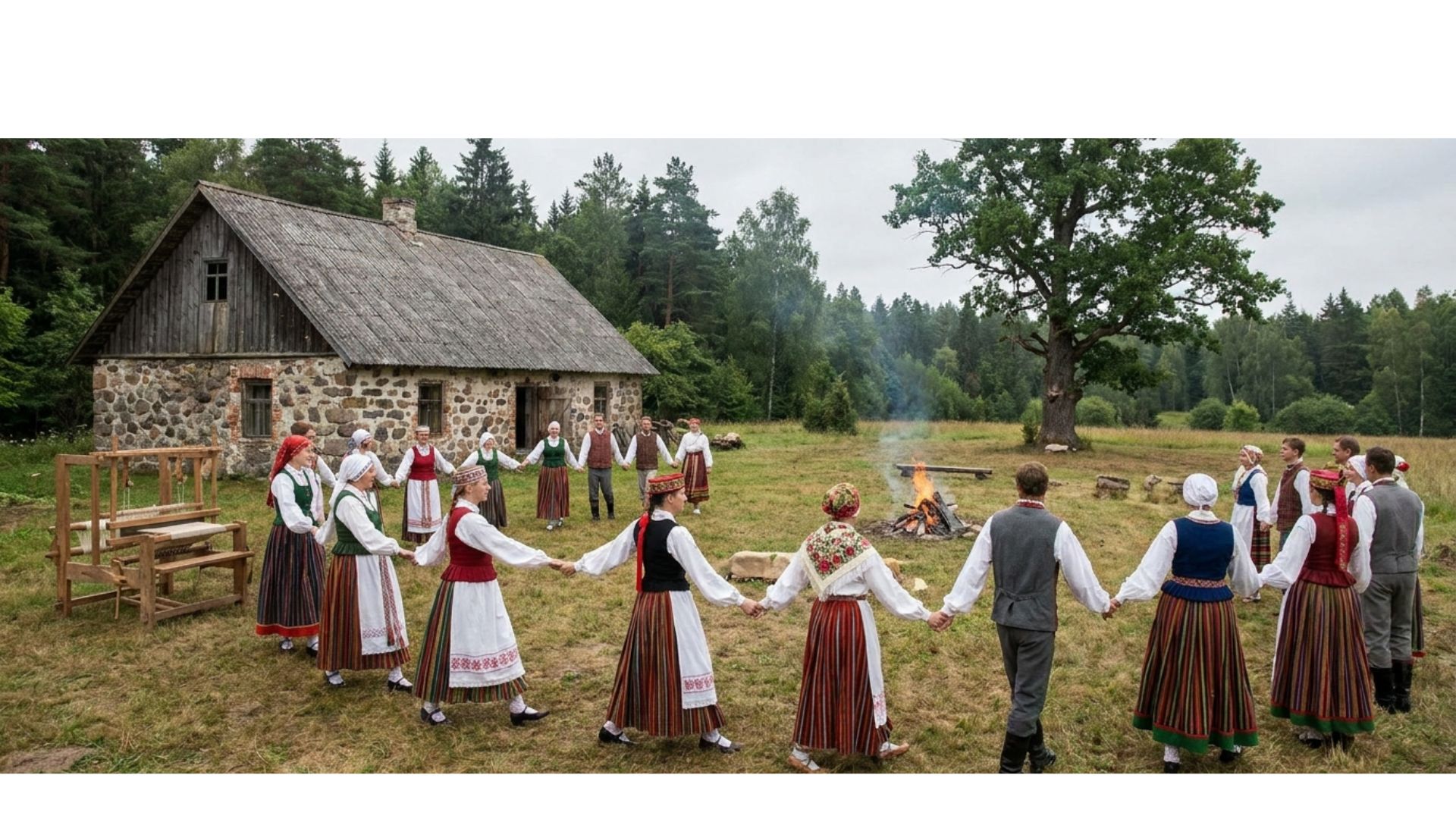
That decision shows in the finished film. Rather than dressing up a generic backdrop, the production leaned on Donegal’s own character: stone walls, working harbours, and a landscape that hasn’t been smoothed over for tourism. It’s part of why the county reads as authentically 1970s Ireland rather than a film set standing in for it, and why so many viewers have gone looking for the real villages afterwards.
Glencolmcille: The Village at the Centre of the Story
Glencolmcille (Gleann Cholm Cille in Irish) served as the film’s core setting, and it’s the place Liam Neeson has spoken about most warmly since. He called Donegal “Ireland’s forgotten county” in press interviews around the release, and locals from the parish presented him with a St Brigid’s cross made by artist Gabriel Gillespie during the shoot.
The village’s Folk Village Museum played host to cast and crew during downtime, and reports mention Jack Gleeson becoming a regular at its café. If you’re planning a visit, this is where to start. The parish sits right on the Wild Atlantic Way and gives you the same rugged, low-lying coastline that defines the film’s look. There’s a genuine pub scene here too, though which specific pub was used for interiors is one of the details we couldn’t fully confirm (more on that below).
Ardara and Kilcar: Street Scenes and Everyday Donegal
Ardara provided the street exteriors, with its terrace of shopfronts standing in for the film’s fictional village centre. It’s a working town rather than a film set, so you’ll find the same pubs, bakeries and hardware shops that appear on screen still trading as normal. Ardara also hosts the Cup of Tae Festival and the Ardara Bluegrass Festival, so timing a visit around either gives you a livelier atmosphere than a typical weekday stop.
Kilcar sits a short drive away and is known locally for handmade tweed, with Studio Donegal among its landmarks. Production reports place some of the shoot here too, including at least one entertainment outlet’s claim that the film’s football match scene was filmed in Kilcar rather than Ardara. It’s worth combining both villages on the same day trip since they’re only about twenty minutes apart by car.
Killybegs: A Supporting Location, Not the Fishing Village You Might Remember
Killybegs is Ireland’s largest fishing port, and it does appear in coverage of the shoot alongside Kilcar and Ardara. What we can’t confirm is whether any dedicated fishing-harbour footage made it into the finished film. If you watched closely and didn’t spot a fishing village sequence, that lines up with what the available sources actually support, so it likely didn’t make the final cut even if the crew spent time there.
Either way, Killybegs is worth a stop for its own sake. The working harbour and seafood restaurants make it a natural addition to a Donegal itinerary, film connection or not, and it gives a good sense of the industry that still shapes this part of the coast.
Malin Beg and the Donegal Coastline
The Silver Strand beach at Malin Beg, known locally simply as Malin Beg, is confirmed by IMDb’s location data as one of the beach settings used in the film. It’s a short, steep walk down from the car park, and the payoff is a horseshoe of pale sand tucked beneath cliffs that most visitors have entirely to themselves outside July and August.
This stretch of coast also sits close to Sliabh Liag, one of Europe’s highest sea cliffs, and though we couldn’t independently confirm the cliffs themselves were used for filming, they’re a natural extension of any visit to this part of Donegal.
The Dublin Scenes
A smaller portion of the film was shot in Dublin to recreate the same 1974 setting, with period-appropriate streets standing in for the capital’s older quarters. Production notes from the time describe a Dublin street being dressed to look decades older for the shoot, though the exact block used isn’t something we could pin down with certainty from public sources. If you’re combining a Donegal trip with a Dublin stopover, Dublin Castle and the surrounding Georgian streets are worth exploring regardless of their exact role in the film.
Planning a Trip to the Donegal Filming Locations
South-west Donegal rewards visitors most between May and September, when daylight runs long, and the coastal roads are easiest to manage. Winter brings dramatic skies and quieter villages, but shorter days and exposed cliff walks mean it’s worth checking conditions before setting out, particularly around Sliabh Liag and Malin Beg.
You’ll need a car. Donegal has limited rail access and rural bus services can be sparse, so self-driving is the practical option for stringing together Glencolmcille, Ardara, Kilcar and Killybegs in a single trip. Donegal Airport and Derry Airport are the closest airports, though many visitors find it easier to fly into Dublin and drive north, a journey of around three and a half hours. Ardara, Glencolmcille and Killybegs all have a reasonable spread of guesthouses and B&Bs, so basing yourself in one and driving out to the others works well for a two- or three-day trip. Fáilte Ireland’s Wild Atlantic Way resources are a reliable source for up-to-date road and seasonal information if you’re mapping a route.
If Donegal has you thinking about the wider Troubles-era history the film touches on, ConnollyCove’s guide to Belfast date ideas covers a very different, urban side of that same period of Irish history.
Experience Donegal for Yourself
Donegal’s screen moment in In the Land of Saints and Sinners is a good excuse to explore a corner of Ireland that gets far less attention than Kerry or Galway. If you’re building out a wider Irish itinerary, ConnollyCove’s guides to famous Irish women, Celtic mythology’s legendary creatures, and the Tuatha Dé Danann all connect to the folklore that runs through this same landscape. You can also find more of ConnollyCove’s Ireland coverage on our YouTube channel.
FAQs
Here’s what people most often ask about the film’s real-world locations.
Where was In the Land of Saints and Sinners actually filmed?
Mainly in south-west Donegal, around Glencolmcille, Ardara, Kilcar and Killybegs. A small number of scenes were shot in Dublin to recreate the 1974 setting.
Is the pub in the film a real, working pub?
A real Donegal pub was used for the interior scenes, though public sources differ on exactly which one, so we’d recommend checking locally rather than assuming a specific name.
Can you visit Glencolmcille?
Yes, it’s an open parish on the Wild Atlantic Way with no restrictions on visiting. The Folk Village Museum, used by the cast during filming, is open to the public.
Is the beach in the film real?
Yes, the Silver Strand at Malin Beg is a public beach and one of the confirmed filming locations. It involves a steep path down from the car park.
Do you need a car to see the filming locations?
Yes. Public transport in rural Donegal is limited, and the villages used in the film are spread across a wide stretch of coastline.
When is the best time to visit South West Donegal?
May to September offers the most reliable weather and longest daylight. Autumn and winter are quieter but come with shorter days and more exposed conditions on the cliffs.