

Exploring the Weather in Ireland in December: A Guide for Travelers
Updated On: April 26, 2024 by  Marwa Abdel Moniem
Planning a tour to Ireland in December? You are most likely curious about what the weather’s going to be like. Having experienced the beguiling charm of the Emerald Isle during this season, we can let you in on a little secret—it’s an unpredictable blend!
Nippy temperatures with sporadic rain showers punctuated by moments of pleasantly cool days—that pretty much sums up an Irish December forecast.
This guide is brimming with crucial insights about average temperatures, daylight hours and even advice on what garments to stow away for your winter Irish adventure. Are you prepared for our deep dive into this captivating Celtic mystery? Let’s unravel the enchanting tapestry of an Irish December together!
Table of Contents
Understanding Ireland’s Weather in December
In December, Ireland experiences cool temperatures, strong winds, occasional snowfall and high levels of rainfall. Daylight hours are limited, making it essential to plan activities accordingly.
Temperature
In December, Ireland gets pretty cold. The weather starts to get wintery and wet. Highs can reach about 10°C/50°F, but they can also dip to 3°C/37°F. So you must pack warm clothes if you plan a trip around this time.
Yes, December is officially wintertime in Ireland, but it is not the coldest month in the country. In places like Dublin on the eastern side of Ireland, highs are likely to drop even further, ranging between 47°F and 40°F (8°C-5°C).
But don’t let these chilly temps put you off; there are still plenty of fun things to do in Ireland in December!
Wind
In December, the wind in Ireland can be quite intense at times. After all, it is the windiest month of the year there. An average wind speed is estimated at around 22.4 mph (36.0 kph).
It would be best if you were prepared for gusty conditions as you explore the country. The coastal areas tend to experience stronger winds compared to inland regions—always bear this in mind.
When planning your activities, you should expect that specific outdoor adventures, like hiking or cycling, may be affected by the wind. Some activities are just better from spring through autumn.
Make sure to check the weather forecast and dress appropriately with warm layers and a windproof jacket to stay comfortable during your travels.
Whether you’re a solo traveller looking for new experiences or a history buff seeking ancient sites, embracing the windy weather adds an extra element of adventure to your trip in Ireland’s winter months.
Snow
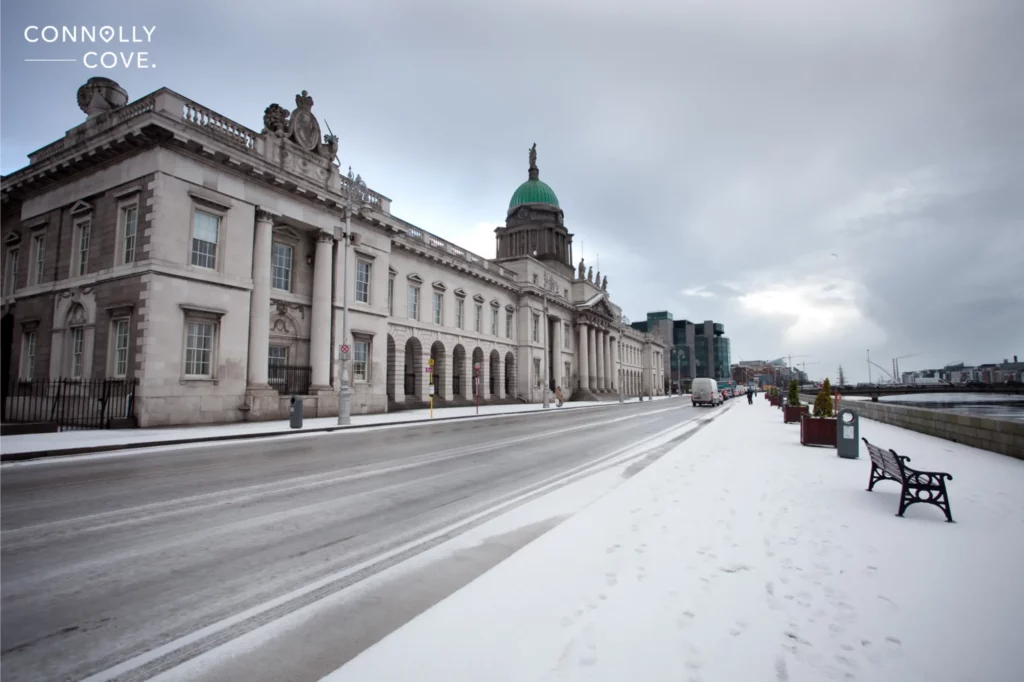
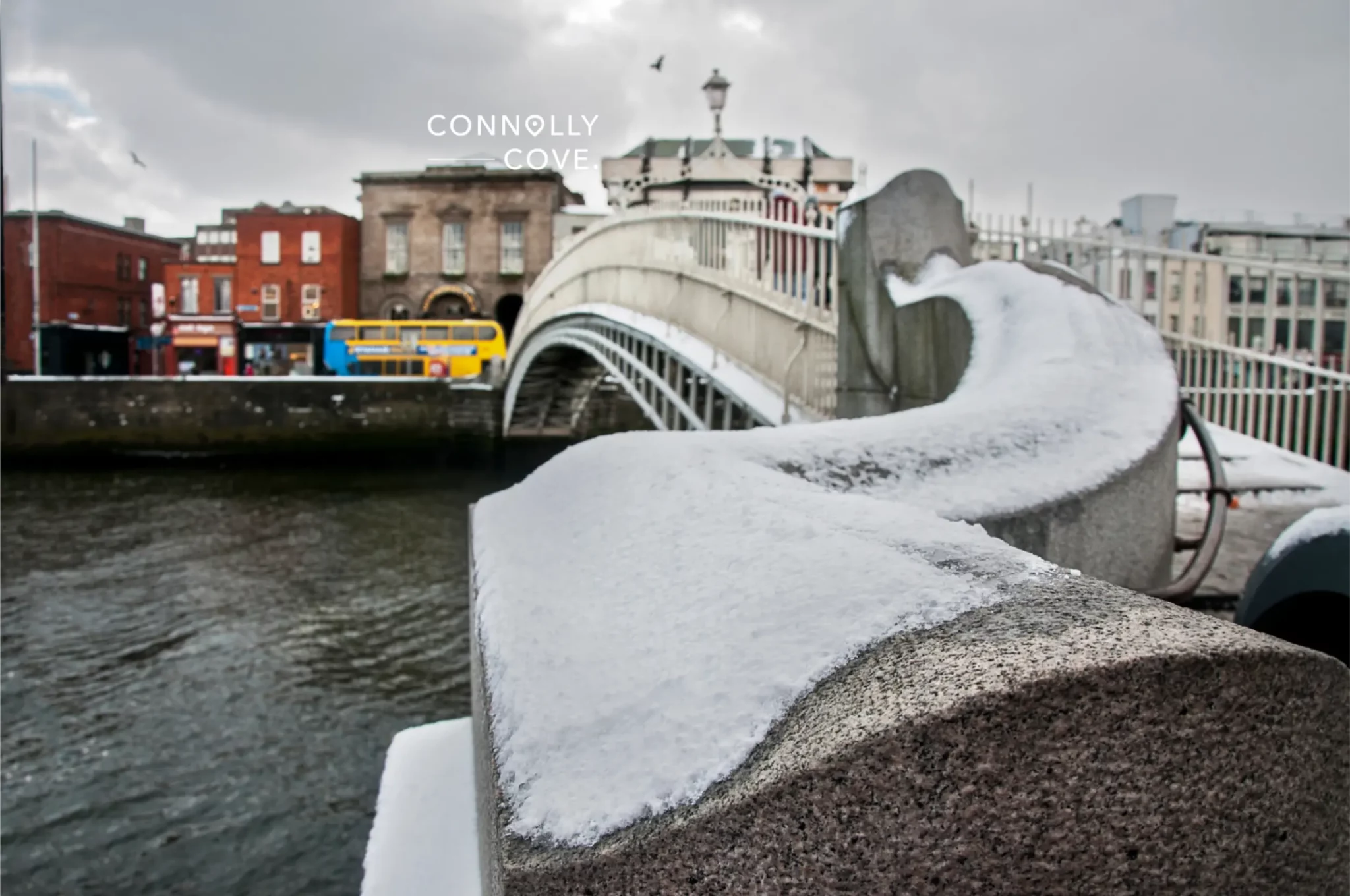
It is not common to witness a white December in Ireland. Still, it can snow during this month, with some light dusting sticking around for a couple of days.
Snow can make the landscapes even more beautiful and offer unique opportunities for outdoor activities like hiking or building snowmen. So, if you’re a nature lover or an adventurous traveller, experiencing the occasional snowfall in Ireland during December could make some of the memorable moments and beautiful pictures.
Rain
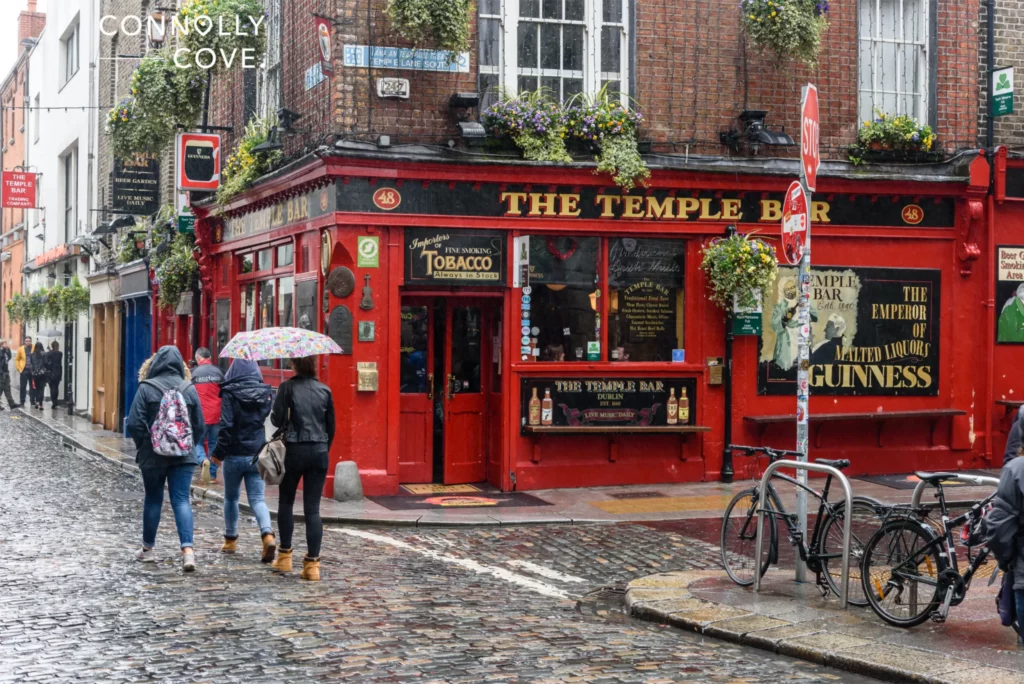
December in Ireland can be pretty rainy. Rainfall is expected throughout the month. Well, it is one of the wettest months in Ireland! The Irish people expect about 17 rainy days throughout December, and so should you.
It is essential to come prepared with waterproof clothing and an umbrella. However, don’t let the rain deter you from exploring this beautiful country.
In fact, the rainy weather adds a certain charm to the landscapes, making them even more stunning. Just make sure to pack appropriate gear and enjoy the misty atmosphere as you discover Ireland’s rich history, indulge in delicious food, and immerse yourself in its breathtaking nature.
Daylight
In December, the days in Ireland are short, with the shortest day of the year occurring on the 21st of the month. So, we are talking about fewer, the least to be accurate, daylight hours here.
With sunrise at about 8.30 a.m. and sunset around 4.15 p.m., travellers have less for outdoor activities and sightseeing. It’s important to plan your itinerary accordingly and make the most of the limited daylight.
Consider starting your day early and prioritising the attractions or places you want to visit. Keep in mind that some areas may have shorter daylight hours compared to others, so be prepared for varying levels of daylight depending on where you are in Ireland during December.
Travelling to Ireland in December
When travelling to Ireland in December, it’s essential to pack for varying weather conditions and plan ahead for festivals and events happening around the country.
Best Areas to Visit
If you’re planning a trip to Ireland in December, there are many great areas to visit that cater to different interests.
Travellers can make the most of their trip to Ireland by exploring the vibrant city of Dublin and enjoying its lively atmosphere. History enthusiasts are also in for some landmarks that would take their breath away, like Trinity College, Ireland’s oldest university, and Dublin Castle.
Meath is yet another go-to place for travellers to marvel at the ancient wonders of this Irish county. Home to the passage of tombs of Brú na Bóinne (Newgrange and Knowth), a UNESCO World Heritage Site, and Trim Castle, County Meath is a “that’s it” for many history lovers.
Backpackers might want to venture out into the countryside, visiting places like the Cliffs of Moher in County Clare or the Ring of Kerry, a circular tourist route in County Kerry.
Foodies will delight in Kinsale, a town famous for its seafood restaurants. No wonder it is described as “The Gourmet Capital of Ireland“.
What to Pack?
For your trip to Ireland in December, it’s essential to pack for the chilly and wet weather. Make sure to bring sweaters, jackets, and long-sleeved shirts. Don’t forget a waterproof coat or an umbrella because there might be rain showers throughout the month.
It’s also a good idea to pack sturdy walking shoes or boots since you’ll likely be exploring outdoor areas. And if you’re planning on visiting historical sites or castles, comfortable footwear is essential.
Lastly, don’t forget a hat and gloves to keep yourself cosy during those chilly winter days.
Festivals and Events
In December, Ireland is filled with festive cheer and exciting events for travellers to enjoy. The Christmas season brings a variety of festivals and events that cater to the whims of all travellers.
The vibrant Christmas markets in Dublin are highly recommended if you are the shopaholic type and want to buy unique gifts or the foodie person seeking a deal on a meal!
Backpackers can join in on the lively festivities at the Galway Winter Festival, which includes ice skating, live music, and tasty treats. Foodies will delight in the various culinary events held throughout the country, showcasing traditional Irish dishes with a festive twist.
History buffs can visit ancient castles hosting medieval-themed celebrations, bringing history to life during this special time of year. Nature lovers can take part in winter hikes or watch wildlife along Ireland’s stunning coastlines.
With so many options available, there is something for everyone to enjoy during their visit to Ireland in December.
Transportation Tips
To explore Ireland in December, you should know some transportation tips. Public transportation is always a convenient option. Buses and trains connect major cities, allowing you to get around easily.
Backpackers can also consider renting a car for more flexibility and freedom to explore remote areas. Luxury travellers may prefer hiring private chauffeurs or booking tours for a comfortable travel experience.
Foodies and history buffs can take advantage of guided food or historical walking tours in various cities. Nature lovers can opt for hiking trails or bike rentals to immerse themselves in Ireland’s stunning landscapes.
Remember that the weather can be hard to predict, so make sure to check for any disruptions or delays before your trip.
Accommodation Options
When visiting Ireland in December, there are a variety of accommodation options to suit different types of travellers. Solo travellers and backpackers may prefer staying in hostels, which offer affordable rates.
Luxury travellers can choose from high-end hotels and resorts that provide top-notch amenities and services. Foodies may enjoy staying in bed and breakfasts or guesthouses, where they can experience traditional Irish hospitality and indulge in delicious homemade meals.
History buffs may opt for historic castles or country estates that have been converted into hotels. Nature lovers can find cosy cottages or eco-friendly lodges nestled amidst Ireland’s stunning landscapes.
December is High Season in Ireland
Ireland in December offers travellers a chance to experience mild winter weather and beautiful scenery. Despite the occasional drizzle of rain, it’s a great time to visit if you enjoy Christmas festivities and want to explore the country without dealing with extremely cold temperatures.
From exploring historical sites to enjoying events and festivals, there are plenty of fun activities to do in Ireland during this time. So pack your warm clothes and get ready for an exciting adventure!
FAQs
What is the weather like in Ireland in December?
The weather in Ireland during December can be pretty cold, with average winter temperatures falling and a chance of snowfall. Wind chances are high since it is the windiest month of the year in Ireland.
How does Dublin’s weather differ from Ireland’s overall climate in December?
Dublin may have similar December weather to other parts of Ireland, but exact conditions may vary. It could be worth checking the specific forecast for your stay.
What should I wear when travelling to Ireland in December?
When packing for travel to Ireland in December, plan for colder temperatures and possible snowfall by bringing warm clothes suited for their winter climate. Don’t forget an umbrella or a waterproof jacket—it could come in handy on rainy days!
Can you give any travel tips for visiting Ireland during its winter season, especially between November & January, including activities that can be done at this time?
Certainly! Between November and January, which includes the month of December, it would be advisable to monitor daily temperature forecasts and pack suitable clothing accordingly. You might need to plan indoor activities due to unpredictable Irish weather conditions prevalent during these months.
Are October & August good alternative times to visit, assuming one seeks warmer climates than what is seen through an average Winter Season?
Yes, both October and August offer milder climates compared to winter months such as January or even November. October and August are very strong candidates that you should consider if you prefer a warmer Ireland.

Exploring Aillwee Caves in County Clare, Ireland
County Clare
01/05/2024
Visiting Glasgow | Ultimate Travel Guide
Scotland
01/05/2024
Discovering Ireland | Explore County Tyrone
County Tyrone
01/05/2024
10 Charming Irish Towns You Must Visit
Ireland
01/05/2024

The Art of Solomon’s Knot: Complete Guide
Culture Exploration
02/05/2024