


The Muramasa Katana: The Demonic Blade That Shaped Japanese History
Updated On: April 22, 2024 by  Aya Radwan
Japanese history and culture have bewildered us with its mastery of swordsmiths’ talents. These talents might be mere stories in history books today, but they helped shape the events and drive local traditions and beliefs back in time. One of these legends is that of the Muramasa Katana. This unique, razor-sharp sword fought wars and terrorised enemies and local governors; its history is as deep as the wounds it created.
This article will delve into the history, folklore and modern interpretations of the Muramasa Katana to separate the fact from fiction about this notorious blade. So, be prepared to step into Samurai lore as we embark on this exciting journey through the realm of Muramasa!
The Legend of the Muramasa Katana
The Muramasa Katana, a legendary Japanese sword, has captivated people’s imaginations for centuries with its rich history and mythical powers. What dark past does this blade carry?
Origin and History of the Muramasa Katana
The Muramasa Katana’s dark history begins with the line of swordsmiths; it carries its name: the Muramasa Swordsmiths. These swordsmiths crafted some of the finest blades in Japan. Unfortunately, due to unforeseeable circumstances, some of the Katana’s bearers suffered defeat in battle, and they attributed that to their Muramasa Katanas. Then, myths about the swords accumulated a reputation for bad luck.
Rumours circled that one Muramasa swordsmith’s ill intentions and violent headset transferred from his character into the Katanas he made. Sengo Muramasa led a miserable life, literally! His life was dipped into the well of misfortune, creating another well of anger inside him. Sengo did not try to hide his anger towards his neighbours or work on his attitude. Eventually, everyone in the village disowned him, an act that made him even angrier.

How did Sengo Muramasa transfer his evilness to his blades? It began with where he got the materials because Sengo would visit old battlefields and places of rumoured murders or suicides and hunt for remaining pieces of blades. These allegedly haunted places infused their spirits into the remains until they combined with Sengo’s madness as he infused all the pieces to make the Muramasa Katana.
The result was a demonic blade that everyone perceived as a sign of bad luck, a bringer of bloodshed and misfortune. If the villagers considered buying any of these Muramasa Katanas, they’d doomed themselves. If the fact that the Tokugawas steered away from using Muramasa Katanas isn’t an indication of how cursed these blades were, we don’t know what is. The Tokugawas also believed the swords’ curse would infect them, make them thirsty for bloodshed and act wildly.
Relationship to the Tokugawa Dynasty
Before the Muramasa Katana accumulated such a disgraceful reputation, it had earned the admiration of the Shogunate for its sharpness and fine skills in battles. It adopted the blade as the official sword. Sadly, history books, the Mikawa Monogatari and the Mikawa Gofudoki revealed that someone had used the Muramasa to kill the heir of the Tokugawa Ieyasu, his father and grandfather. The books said it was likely the heir who did it and killed himself afterwards.
While other history books debunk the legends that Ieyasu banned using the Muramasa Katana, he allowed his villagers to use it freely. He only banned those in his immediate circle from using it and refused to accept gifts bearing the Muramasa sign. The Muramasa proved one of the anti-imperialists’ most potent tools against the Tokugawa Shogunate. Rumours had it that the Muramasa was powerful enough to kill Tokugawa members. The Shishi, who fought against the Shogunate, defeated Tokugawa and legends about the Muramasa Katana began transpiring.
Cultural Significance
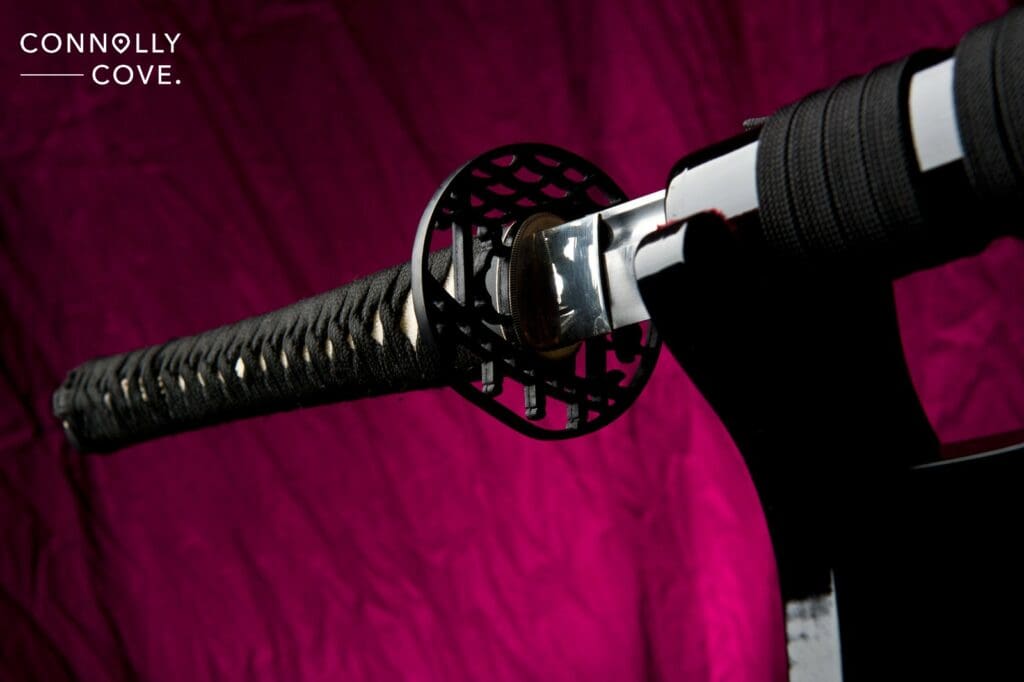
The Muramasa Katana is vital to Japanese history and holds a great place in the country’s culture and mythology. Revered and despised for its demonic powers, the Muramasa, surprisingly, isn’t Japan’s most powerful blade. While it is the sharpest blade, the blade was so sharp it was easy to harm oneself, but this sharpness required the blade to be thinner and affected its durability.
Legends surrounding the Muramasa Katana remain a favourable aspect of Japanese history, even when these legends have been refuted. This legendary blade enjoyed the same importance as other Katana blades. In Japanese culture, a Katana expresses the Samurai’s soul and inner qualities, such as morality and discipline. This representation explains why a sword like the Muramasa was believed to exhibit evil: a depiction of its maker’s inner qualities and works on enhancing its owner’s worst inner qualities as well.
The Muramasa Katana and the Masamune
Masamune was a swordsmith like Sengo Muramasa, and his reputation and craftsmanship made him Japan’s most renowned swordsmith. Some folklore tales put the two swordsmiths head-to-head to compare the blades of Masamune’s kindness and Muramasa’s wickedness. One myth in the Collected Ears Japanese folklore tales clarifies the difference between the blades.
One tale in the book explains how each swordsmith placed their blade, point first, in the face of the river current to test their sharpness and refined craftsmanship. While the Muramasa sliced through anything coming its way, whether dead leaves or fish, the Masamune only sliced through the leaves and didn’t harm the fish. This action proved the evilness of the Muramasa; it would cut or kill anything that lives, even if it were peaceful.
The Mysterious Powers of the Muramasa Katana
The Muramasa Katana has long been shrouded in mystery and legends, with tales of its cursed nature and supernatural abilities captivating people for centuries.
Cursed Sword Myths
The Muramasa Katana is shrouded in terrifying legends and myths. It is often said to be cursed, with the power to bring bad luck and bloodlust to its owners. The sheen and sharpness of the Muramas Katana lured Samurais to seek them. The blades were believed to fill their wielders with uncontrollable violence, causing them to act violently against others. Over time, if the Muramasa Katana wasn’t wielded in battle, legend says it persuaded its owner to take an innocent human’s life, even if it were their own.
One myth alleges that a Muramasa Katana cannot be sheathed for too long. Otherwise, it would start whispering to its owner. Such aggressiveness led the locals to seek the destruction of the blades or, at least, remove the Muramasa name. However, the latter method proved ineffective as new owners reported the blade talked to them as well.
The bloodshed didn’t stop there; two esteemed Samurais in Japanese history committed atrocities using their Muramasa Katanas. The first bought the blade knowingly erased its engraved name and placed the sword in his bedroom after training. When he awoke at night, he was frightened to find himself drenched in his wife’s blood, whom he allegedly killed in her sleep using his Muramasa blade. The second Samurai killed his childhood best friend and himself after the sword supposedly told him to.
Depiction in Popular Culture

The Muramasa Katana has captured the imagination of popular culture, appearing in various media and entertainment adaptations. From films to video games, this legendary sword has become an iconic symbol of power and danger. The sword’s dark history and mysterious powers add depth and intrigue to characters who wield it.
In films, the Muramasa Katana is often depicted as a cursed weapon with supernatural abilities. In Wolverine, the Katana that Muramasa forged from Wolverine’s soul is rumoured to be the only blade that could kill Wolverine, a mutant who happens to be immortal. The sword returns in the newest Marvel franchise, X of Swords, as one of the top sought-after weapons. Its malevolent reputation and association with demons make it a thrilling addition to any storyline.
The influence of the Muramasa Katana extends to video games as well. Players can equip their characters with this legendary blade in action role-playing games such as the Demon Blade videogame set in ancient Japan or feudal settings. Another popular game is Vampire Survivors, where players can combine several elements to forge the Muramasa Katana. Its reputation for bloodlust and its ability to unleash devastating attacks make it a coveted weapon among gamers.
Legacy and Legacy Versions of The Sword

The legacy of the Muramasa Katana is one filled with fear and fascination. Even though there are no official records of how many swords were made by Muramasa, his name became synonymous with demonic blades. Over the years, to avoid killing themselves with the blade, local swordsmiths forged many replicas of the sword to sway the Shogunate’s men from capturing them and sentencing them to kill themselves for possessing a Muramasa Katana.
Even though folk stories often depicted Muramasa and Masamune as rivals, many perceive Muramasa as Masamune’s natural successor. The swordsmith’s reputation led to the belief that owning a Muramasa sword brought terrible luck and bloodlust. Over time, these legendary swords became almost mythical in Japanese culture.
Today, no original Muramasa Katanas are left; there isn’t a listing of any original Muramasa Katana in the country’s archive. Various versions inspired by Muramasa’s craftsmanship can still be found in museums and private collections worldwide. Their legacy lives on as a testament to this infamous swordsmith’s skill and dark allure.
In conclusion, the Muramasa Katana is a legendary and feared sword with a dark reputation. Its association with curses and violence has made it a fascinating topic for historians and fans of Japanese culture alike. While the mysteries surrounding this mythical weapon may never be fully unveiled, its impact on history and popular culture continues to captivate our imagination.
FAQs
What is the Muramasa Katana?
The Muramasa Katana is a famous Japanese sword from the Muromachi period, known for its blade sharpness and unique sword-making techniques.
Where was the Muramasa Katana made?
This top samurai sword was made in Ise Province on Honshu Island, part of today’s Japan.
Who used to use the Muramasa Katana?
Back then, samurais used this Katana because it showed their culture’s fine traditional weapon craftsmanship.
Can you tell me more about how a katana gets forged?
Katana forging involves high-level skill in swordsmithing, where a piece of metal turns into a robust and sharp-bladed weapon like the demon blade of our story!
What is the strongest Katana in History?
Surprisingly, it’s the Honjo Masamune, not the Muramasa Katana. When Masamune created the Honjo Katana, he ensured the blade’s unique sharpness, aesthetic design and refined balance.
How can one obtain the Muramasa in the Vampire Survivors game?
In the Vampire Survivors video game, players who obtain the Stone Mask from Level 5 and the Night Sword from Level 8 can forge these two to evolve the Night Sword into the Muramasa Katana.
Is there a video game about Muramasa Katana?
Yes, Muramasa: The Demon Blade is a thrilling PlayStation game where you can role-play and choose your favourite blades. You must collect all 108 blades throughout the game to rank up to the next level.

Albania Tourism Statistics: Following the Boom from 2019 to 2023!
Travel Statistics
16/05/2024

Ibn Tulun Mosque: Astounding Example of Islamic Design and Architecture
Egypt
16/05/2024
14 Exciting Things to Do in Italy for an Exhilarating Stay
Italy
16/05/2024

Meet the Famous Irish Warrior – Queen Maeve Irish Mythology
Ireland
16/05/2024
Things to do in Naples
Italy
16/05/2024