


Whispers of the Past: Unearthing County Donegal’s Hidden Legends
Updated On: March 16, 2024 by  Maha Yassin
County Donegal, a rugged and enchanting corner of Ireland, beckons us with its whispers of a past steeped in legends and folklore. It’s a place where the landscape tells the story, with every hill and glen, castle ruin and coastal inlet holding a wealth of tales just waiting to be unearthed. This county’s history colourfully paints the canvas of time, depicting a rich tableau from the sacred sites of Celtic tribes to the poignant remnants of the Great Famine.
We find ourselves drawn to the physical and intangible heritage of Donegal, a testament to Ireland’s resilient spirit and the enduring richness of the Irish language. Here, the music, dance, and storytelling traditions form an intrinsic part of the cultural fabric, while the seasons add to the county’s allure, each bringing its unique beauty and narrative. Architecture, from thatched cottages on Cruit Island to imposing castles, also speaks of a storied legacy.
The Historical Canvas of County Donegal
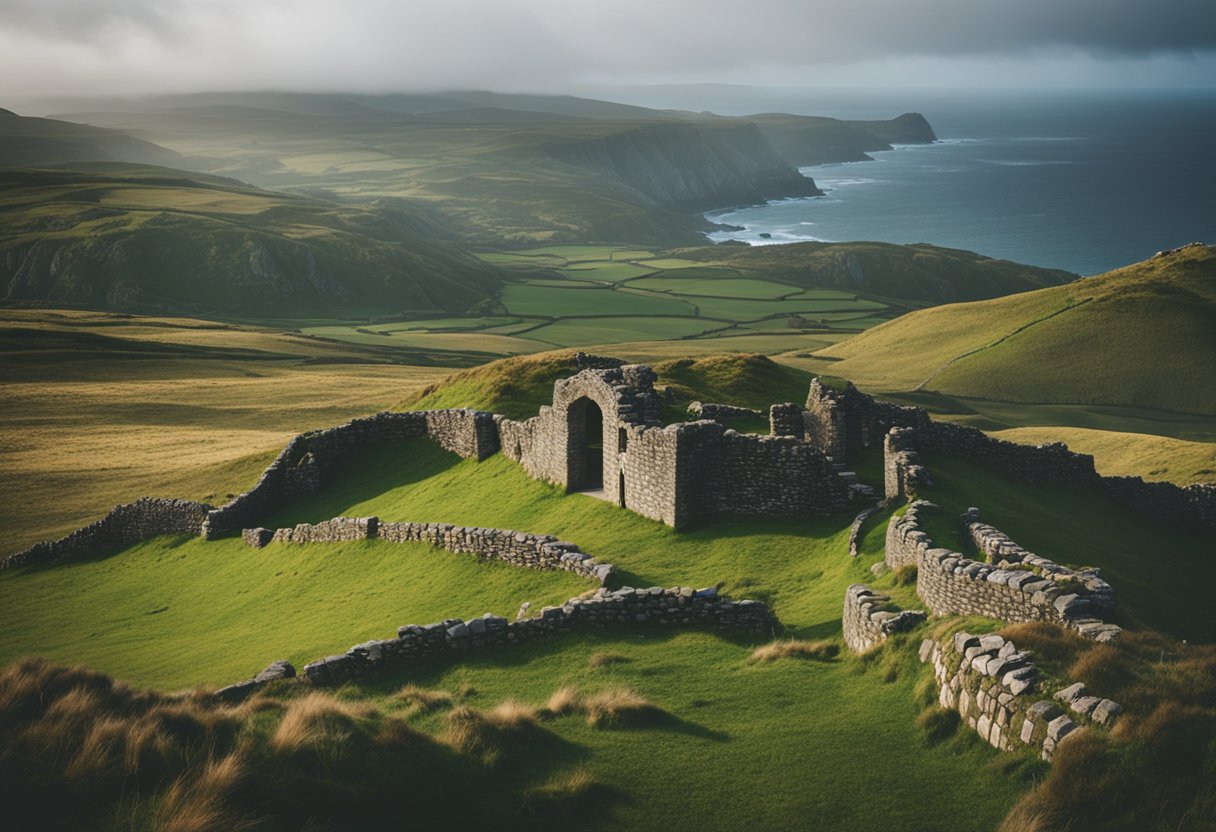
County Donegal’s history paints a complex and fascinating tapestry that reflects the broader narrative of Ireland’s past. The county’s historical journey begins with the earliest forms of human settlement, traces through the twists and turns of medieval conflicts, the Plantation of Ulster, and reaches into modern times, deeply affected by the Civil War.
Early Human History: Settled by humans since prehistoric times, Donegal boasts a wealth of ancient monuments. These Neolithic stone circles and megalithic tombs scatter across the landscape, silent testimony to the county’s long-standing human occupancy.
Medieval Turmoil: During medieval times, Donegal was a seat of power for the O’Donnell dynasty, who built Donegal Castle in the 15th century. Conflicts were rife during this period, with local chieftains vying for control and resisting Anglo-Norman incursions.
Plantation and Division: The 17th century brought the Plantation of Ulster, profoundly disrupting the social fabric. Land was confiscated and settled by English and Scottish Protestants, seeding divisions that would echo into the future.
Civil War Impact: The echoes of Ireland’s Civil War (1922–1923) reverberated within Donegal. It left scars on the community and landscape, and the division eventually contributed to the county’s position in the Republic of Ireland, bordering Northern Ireland.
Donegal is a place where history is interwoven with the landscape, each hill and glen holding stories of battle, folklore, and endurance. The county’s historical narrative is an essential piece of Ireland’s tapestry, offering rich insights for those who seek to understand the land and its people.
Landscape and Nature’s Artistry
Nestled in the northwest corner of Ireland, County Donegal’s landscape boasts a raw beauty that is as diverse as captivating. Our exploration reveals how nature has sculpted a rugged and refined scene, perfect for those who appreciate the artistry of the natural world.
The Rugged Mountains
In the heart of County Donegal, the mountains stand as ancient sentinels of the landscape. Glenveagh National Park is a prime example, where the Derryveagh Mountains command the skyline. Their imposing granite peaks reflected in the park’s placid lakes testify to nature’s might and artistry. Walking their numerous trails, one can’t help but be awestruck by the towering presence of these rugged guardians of the land.
The Scenic Coastline
Along the Wild Atlantic Way, our eyes are greeted by the stunning scenic coastline of Donegal, with its myriad of beaches that unfurl like ribbons of gold and silver. Each beach, from the remote majesty of Kinnagoe Bay to the gentle sands of Rossnowlagh, is a brushstroke on nature’s canvas. The coastline, shaped by the relentless force of the Atlantic, serves as both a barrier and a gateway to the profound beauty of the wild ocean beyond.
Legends and Folklore
We are venturing into the heart of Irish tradition, where County Donegal’s rich tapestry of legends and folklore reverberates through its rolling hills and rugged coastline. Our quest unearths tales where myth and history are woven together, revealing the cultural depth of this enchanting region.
Myths and Ancient Tales
Donegal’s storytelling tradition is steeped in ancient myths passed down through generations. Each tale serves as a cultural conduit, connecting us to the Celtic warriors and mystical beings of old. For instance, the legend of Balor of the Evil Eye, a formidable figure in Irish mythology, was said to reside on Tory Island, his sinister gaze wrought destruction with a glance. Myth intertwines with place, infusing landscapes like the Grianan of Aileach, a hilltop ringfort, with a sense of the otherworldly.
Pagan Roots and Christianity
The interlacing of Ireland’s pagan roots with Christianity is evident in Donegal’s folklore. As pagan gods transformed into saints and ancient festivals were reimagined with Christian symbolism, the very essence of storytelling evolved. St. Patrick is a prominent figure in local lore, often represented atop the holy mountain of Croagh Patrick, where he fasted for forty days. The Pagan festival of Samhain, a time when the veil between our world and the next is believed to thin, has given rise to countless ghost stories and legends that encapsulate the enduring mystique of the region.
Cultural Heritage and the Irish Language
County Donegal’s rich cultural tapestry is woven from the threads of its Gaelic traditions and the Irish language, complemented by a vibrant music and dance scene that continues to thrive in modern times.
The Gaelic Tradition
In County Donegal, the Gaelic tradition is alive and invigorating. Gaeilge, the Irish language, is a cornerstone of cultural heritage in this area, underpinning not just communication but also the identity of its people. Our Gaelic tradition is more than a means of communication; it’s a conduit for passing down lore, customs, and values integral to our way of life. The bardic poets of yore would be heartened to see Gaeilge still spoken in homes and taught in schools; the language of our ancestors provided a continuous link to our storied past.
- Primary language in Gaeltacht areas: Gaeilge remains the heart language of the Gaeltacht regions of Donegal and is truly a soulful expression of our cultural heritage.
- Influence on modern culture: Bands like Clannad and Altan, with their lyrics often steeped in Gaeilge, draw heavily from this Gaelic tradition, mixing timeless stories with contemporary melodies.
Music and Dance
Music and dance in County Donegal are vibrant threads in the fabric of our community, pulsating with the lifeblood of Irish tradition. Clannad, hailing from Donegal, has achieved global renown, and their melodies are often interwoven with the ethereal sounds of our native language, showcasing to the world the rich musical heritage of this region. Altan, another group proud of their Donegal roots, have become ambassadors of our traditional music, fusing the old with the new to create a sound that resonates with all who listen.
- Instruments and styles: Traditional instruments like the fiddle and bodhrán feature prominently, often accompanied by the fluid, rhythmic steps of our folk dances.
- Cultural gatherings: Ceilidhs and sessions in local pubs are where music and dance come to life, drawing people together in celebration of our shared heritage.
Seasonal Beauty of Donegal
County Donegal’s landscapes transition beautifully with the seasons, each bringing its unique charm and allure. From winter’s snow-dusted peaks to summer’s vibrant hues, the county’s natural tapestry invites exploration.
The Winter Wonder
During winter, Donegal transforms into a picture of serene, frosty beauty. We find a particular romance in the crisp air and shorter days as they offer enchanting evenings by the fireside. Donegal’s mountains and dramatic coastline are often cloaked in a soft blanket of snow, making for spell-binding scenes that captivate photographers and nature lovers alike. Our favourite haunts, such as Glenveagh National Park, wear winter’s touch with a dignified, stunning, and humbling grace.
Summer Spell
As we advance into the summer, Donegal bursts into life with greens and wildflowers dotting the countryside. Long days and warmer weather facilitate adventures and exploration. With its golden beaches, the coastline becomes a haven for visitors seeking the gentle kiss of the Irish sun. The season’s beauty is not just in its colours but also in the sense of renewal and vivacity that infuses the air, compelling us to venture outdoors and bask in the glory of Donegal’s summer enchantments.
County Donegal’s Architectural Marvels
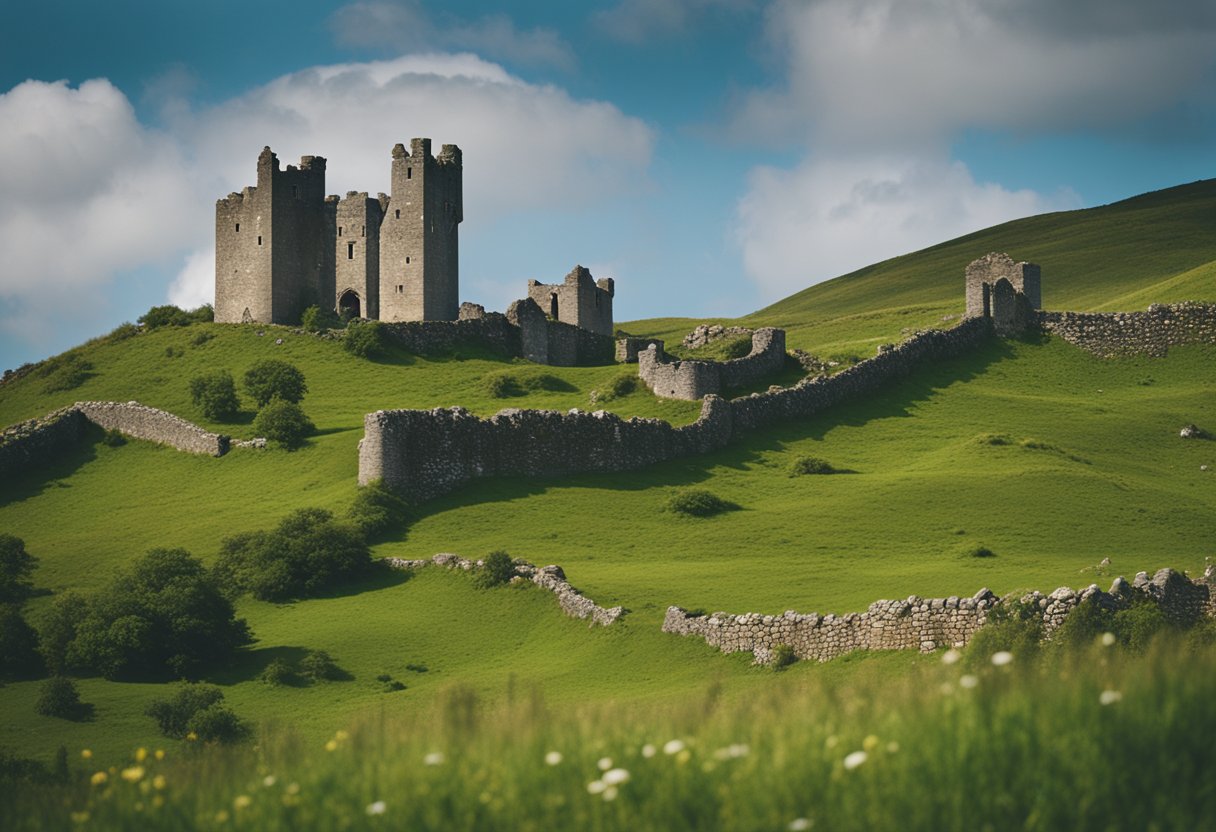
County Donegal, located in the north-west of Ireland, offers a unique window into the nation’s historical wealth through its varied architecture. The region is a microcosm of Ireland’s built heritage, from the remnants of ancient societies to the echoes of modern design.
Castles and Ancient Structures
Donegal’s landscape is punctuated with castles and structures that tell tales of the past. Foremost among these is Donegal Castle, positioned on the banks of the River Eske. Originating from the 15th century, this castle was the stronghold of the O’Donnell clan, one of the most powerful Gaelic families in Ireland. Further afield, visitors can explore numerous prehistoric remains, megalithic tombs, and stone circles, each a testament to a bygone era. These enduring monuments, stretching back thousands of years, offer invaluable insights into early inhabitants’ rituals and day-to-day life.
Modern Architectural Influences
As time progressed, Donegal embraced new architectural styles and influences. During the mid-1800s, the introduction of the Scottish Baronial style was typified by Glenveagh Castle, a majestic structure nestled amidst the rugged beauty of the Glenveagh National Park. With its romantic turrets and parapets, the castle reflects a period when Victorian sensibilities steered architectural expression in the region. Contemporary designs have emerged in recent years, showcasing how modern architectural thought has seamlessly entwined with the county’s historical narrative.
While Donegal doesn’t host a UNESCO World Heritage Site within its borders, its architectural assets resemble world-renowned heritages, like the iconic Blarney Castle in County Cork, resonating through centuries of Irish lore. Each stone and turret within Donegal’s storied structures continues to uphold the region’s reputation as a bastion of cultural and historical intrigue.
The Allure of Islands and Coastal Towns
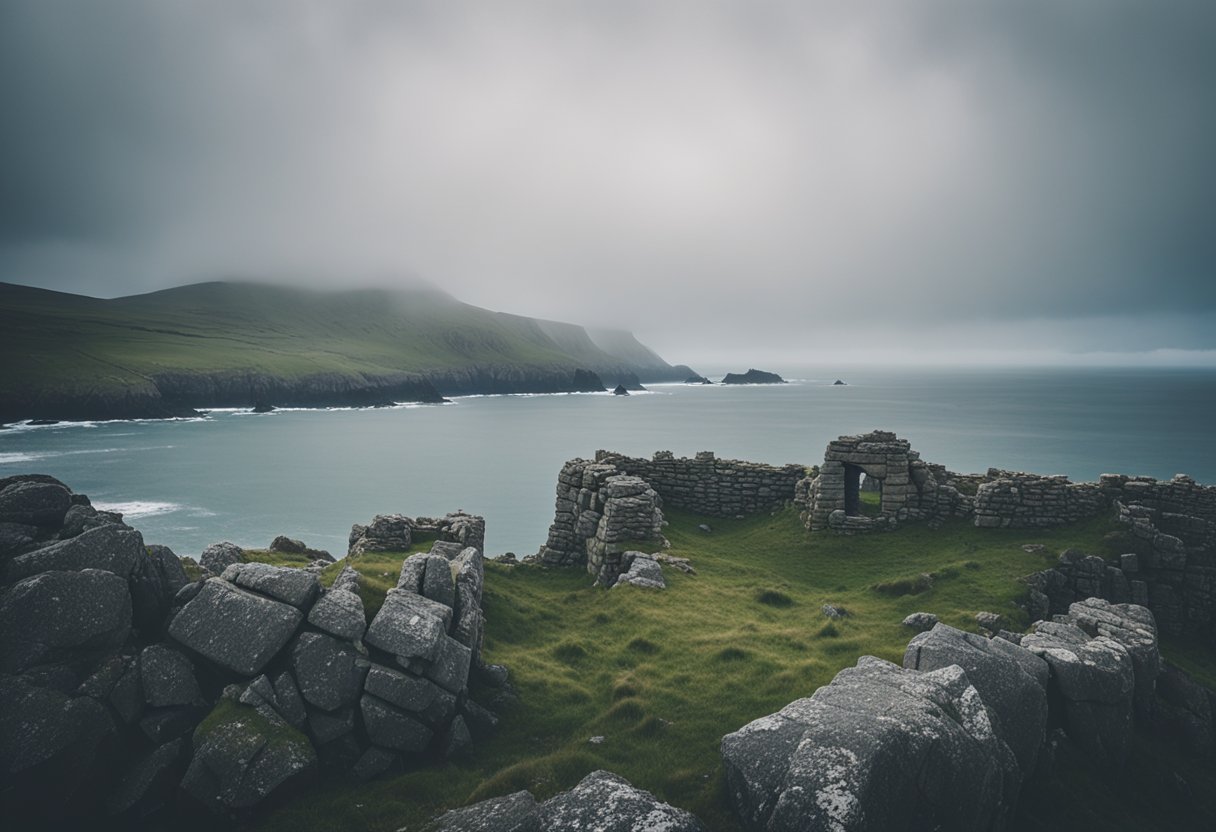
County Donegal’s landscape is a tapestry of rugged beauty, with its islands and coastal towns holding stories from deep within the mists of time. Each location whispers tales of ancient days, beckoning travellers to discover their enduring charm.
Tory Island’s Mystique
Tory Island, or Toraigh, sits as an isolated bastion off the north-west coast of County Donegal. It’s where folklore meets the wild Atlantic, creating an intoxicating blend of history and natural beauty. The island embodies a strong sense of community and the Irish language flourishes here, with traditions preserved across centuries.
- Location: 14.5 kilometres off County Donegal’s coast
- Language: Predominantly Irish-speaking (Gaeltacht)
- Attractions:
- A Cloigtheach (The Bell Tower)
- Tau Cross
- Traditional Irish music sessions
The island’s few but spirited inhabitants maintain a culture enriched by mythology, such as the tale of the Land of Eternal Youth and their king, an elected representative upholding age-old customs. Visitors are often mesmerised by the stark landscapes and the rich tapestry of artistic heritage, particularly the distinctive Tory Island paintings. Let us not forget the island’s lighthouse, a sentinel guiding seafarers through the dangerous waters.
The Charm of Dunfanaghy
In stark contrast to the isolated Tory Island, Dunfanaghy, a quaint village nestled beside the shores of Sheephaven Bay, welcomes visitors with its serene landscapes and accessible location. It’s a place where the past merges with present-day pleasures, as historic buildings stand shoulder to shoulder with contemporary cafes and artisan shops.
- Location: Along the coast near Horn Head
- Points of Interest:
- Killahoey Beach
- Horn Head cliffs
- Dunfanaghy Workhouse, a heritage centre
While strolling through Dunfanaghy, an array of watersports beckons the adventure-seekers, and the serene beaches call to those seeking tranquillity. The area is also a haven for wildlife, making it a prime spot for bird watchers and nature enthusiasts. Riding stables offer a unique vantage point from which to enjoy the stunning vistas that define the region.
Our journey through County Donegal’s coastal heritage might lead us to further offshore havens like Arranmore or the pristine sands at Carrickfinn. Still, the islands and towns like Tory and Dunfanaghy symbolise the region’s enchantment and cultural wealth.
Donegal’s Enticing Traditions
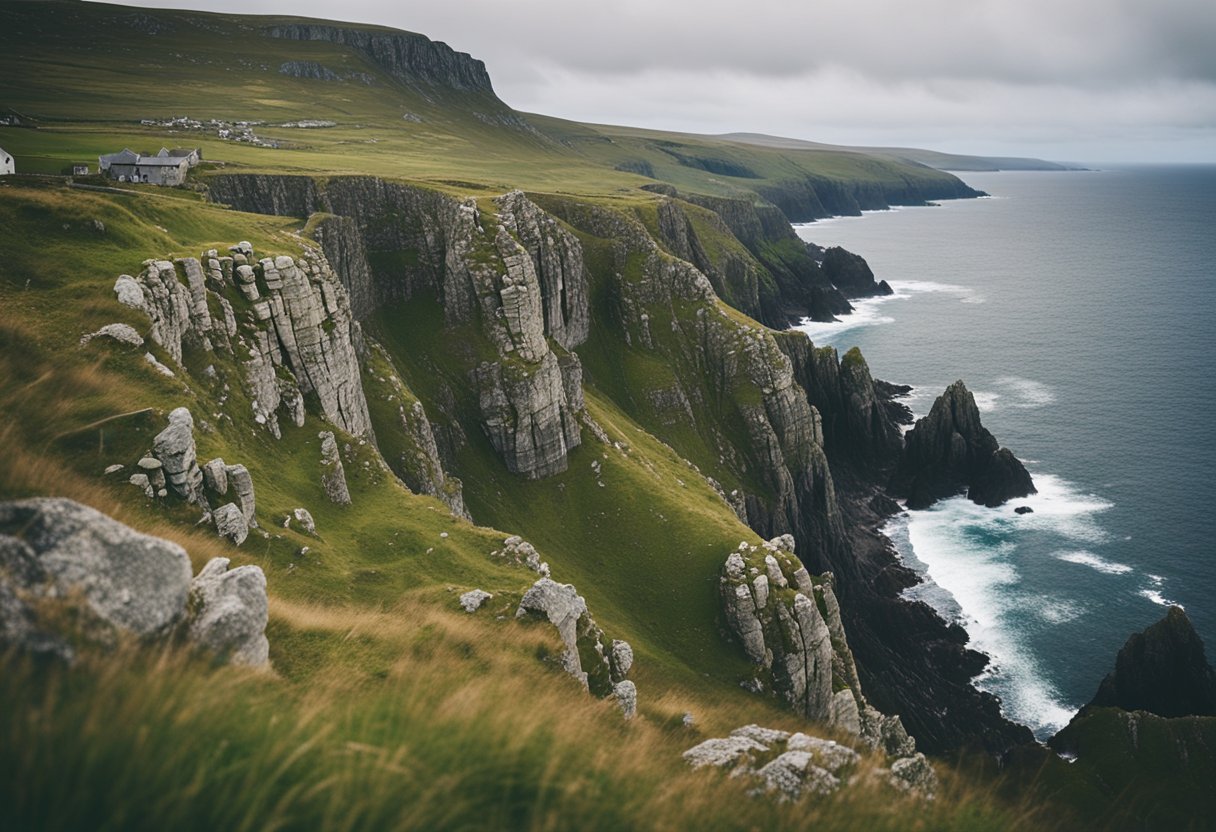
County Donegal’s traditions whisper echoes of a bygone era, weaving together a tapestry of cultural richness that extends beyond its enchanting landscapes. The enduring charm of this region of Ireland is palpable through its crafts, imbued with the gift of eloquence that endeared them to hearts worldwide.
Crafts and Weaving
In the heart of Donegal lies a thriving tradition of craftsmanship, a testament to the county’s dedication to preserving its heritage. Weaving, in particular, stands as a staple craft, connecting the past to the present with every thread and loom. Donegal Tweed, renowned for its quality and durability, is a product of this rich weaving tradition. Our artisans still employ age-old techniques to create this iconic fabric, known for its intricate patterns and natural, earthy colours.
The tradition of Donegal crafts extends to the creation of hand-knitted garments. With each stitch, the story of Donegal’s culture continues to be told, as these pieces are not just apparel but narrators of history and tradition. Many local weavers and craftspeople operate their workshops, and through their skilful hands, crafts that might once have been on the brink of being forgotten continue to thrive and adapt. They fuse contemporary design with traditional methods, ensuring these crafts remain relevant and cherished.
By fostering these crafts, we resonate with the ethos of platforms like Connolly Cove, which emphasise sustainable travel and cultural preservation. We understand that by supporting local artisans and emphasising the beauty of locally made products, we contribute to the sustainability of the community’s economy and cultural identity. Donegal’s enticing traditions are not merely remnants of the past; they are living, breathing practices that continue to allure and fascinate visitors and locals alike.
Influences from Afar
In exploring the legends of County Donegal, we must acknowledge that its cultural landscape has been shaped by diverse international influences, leaving an indelible mark on its heritage.
Global Connections
County Donegal’s history is steeped in layers of interaction with countries near and far. For instance, with its ships battered by storms, the Spanish Armada found a fleeting sanctuary on our shores. This historical episode interwoves Spanish influence within local folklore, evident in the remnants of shipwrecks and oral histories passed down through generations. Further afield, the vibrant tales of Donegal have resonated in the bazaars of India and markets of Turkey, where wandering storytellers and merchants spread the word of our enchanting landscapes alongside their native sagas. The euro’s adoption facilitated stronger economic bonds with our European neighbours, amplifying Paris’s impact on local art and architecture, a kinship evident in the francophone names etched into the facades of certain buildings.
Touristic Endeavours
As Donegal’s legends captivate ever-wider audiences, international tourism has flourished, with tangible influences from visitor hotspots like Chicago and Mexico. These global visitors don’t merely leave footprints; they weave their threads into our cultural tapestry. Gastronomy sees the infusion of Mexican spices into traditional dishes. At the same time, local musicians draw inspiration from the jazz lounges of Chicago, fusing the bravado of brass with the soulful lilt of Donegal folk melodies. This cultural exchange has not only enriched our traditions. Still, it has also allowed us to share our heritage with the world, inviting travellers to immerse themselves in the whispers of our past.
Eminent Personalities and Local Heroes
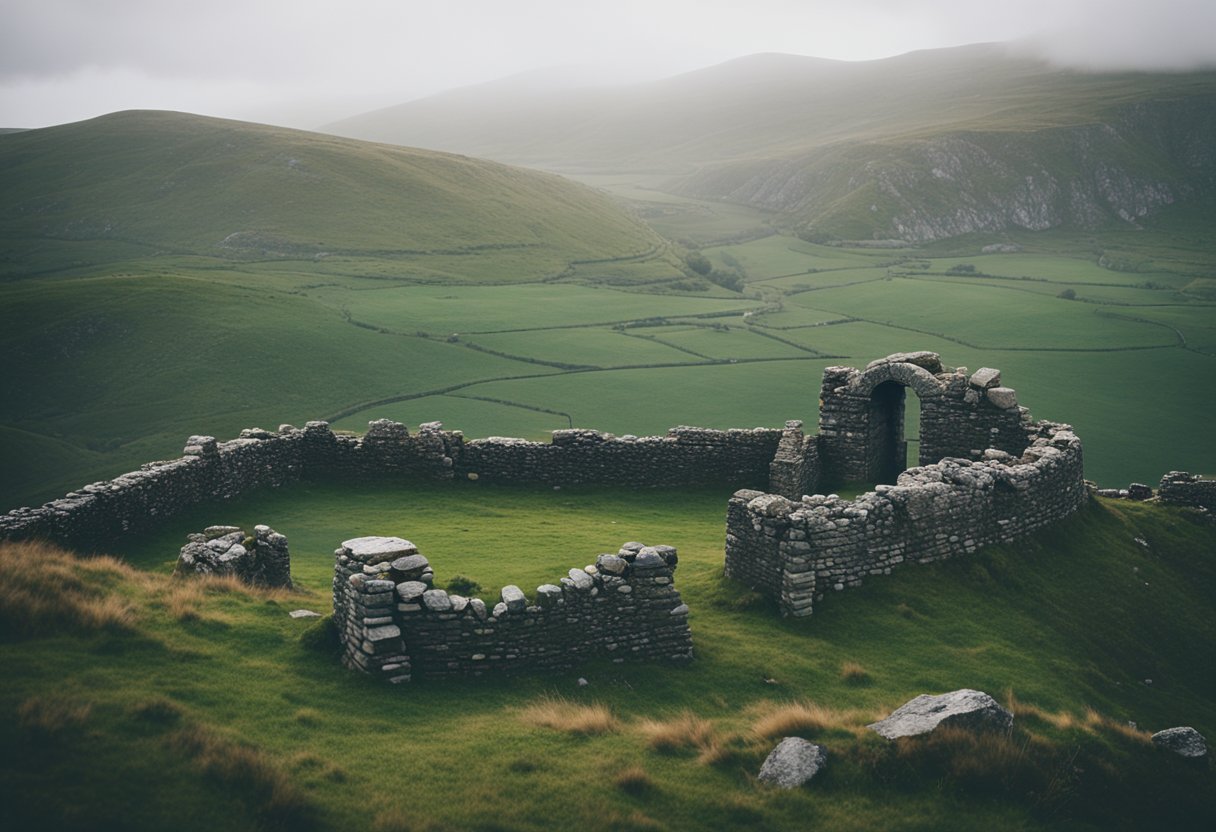
In exploring County Donegal’s rich tapestry of history and folklore, we pay homage to its eminent personalities and local heroes. These individuals have not only shaped the narrative of Donegal but have also infused its culture with their indelible spirit. Their resilience, bravery, and romance stories resonate through the county’s misty hills and rugged coastline.
Inspiring Women
- Gráinne Mhaol (Grace O’Malley): The legendary Irish Pirate Queen who defied the norms of her time. A leader at sea and on land, she is celebrated for her unyielding independence and romantic entanglements as much as for her maritime prowess.
Prominent Figures in History
- Saint Colmcille: One of the patron saints of Ireland, born in Gartan, Donegal, his influence and contributions to Irish Christianity are still honoured across County Donegal and beyond.
We find ourselves privileged to share the sagas of such formidable figures. These individuals, with their tales of bravery and affection, not only colour our retelling of the past but remain an integral part of our cultural identity within County Donegal.
Exploring Donegal Today
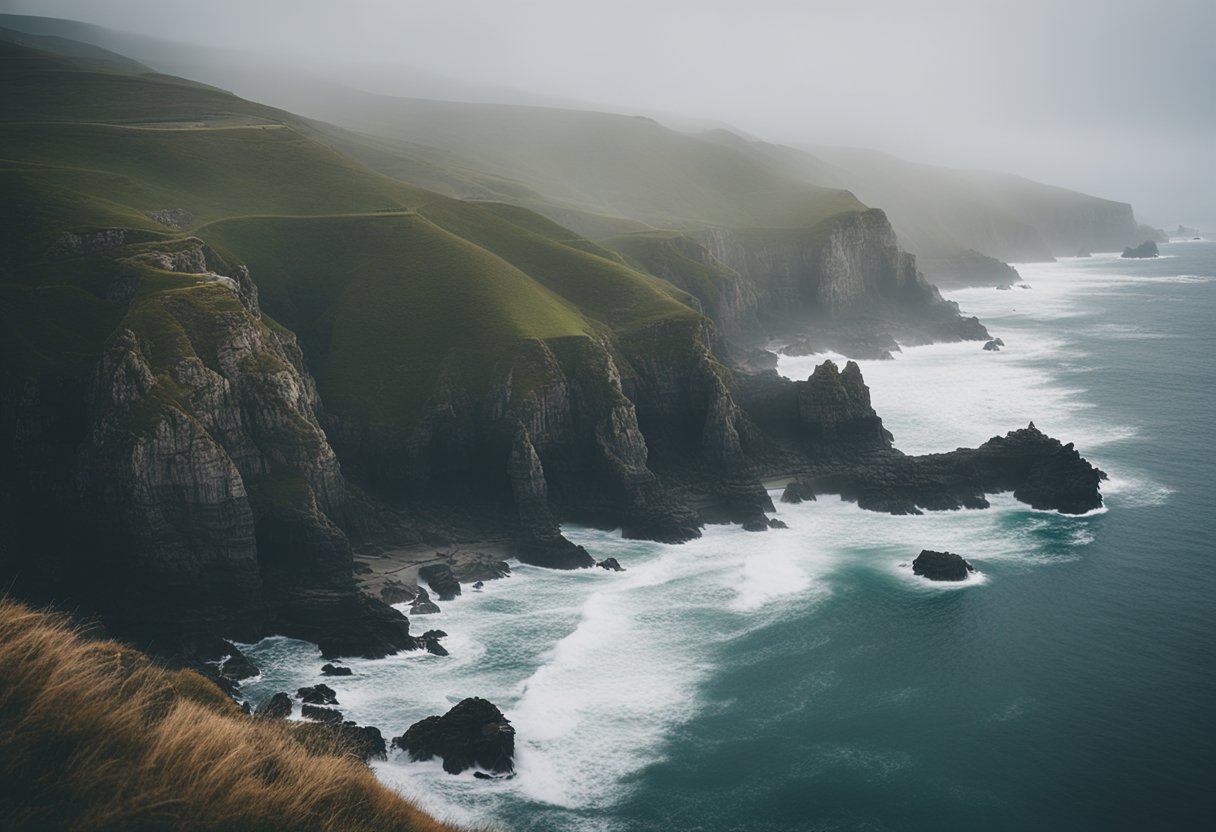
Uncovering the magic of contemporary Donegal calls for a visit to its vibrant towns and tranquil villages, where the echoes of Irish myths and the pulse of modern life coexist.
Letterkenny and Its Vibrancy
Letterkenny is the bustling urban centre of County Donegal, where cultural vitality meets historical charm. It’s the gateway from which many an exploration into the northern gems of Ireland, including nearby Derry and further afield to Northern Ireland, commences. Here, the An Grianán Theatre stages a compelling blend of local and international performances. At the same time, the Regional Cultural Centre hosts a dynamic range of arts and education events, showcasing our commitment to cultural engagement.
The town’s streets are lined with an array of shops, cafés, and pubs, ideal for a day’s exploration or a starting point before venturing north to the rugged landscapes and cultural wealth of Northern Ireland. Letterkenny also serves as a convenient base to explore the wider county, offering easy access to the wild Atlantic coastline and the serene beauty of Gortahork.
The Quiet Enchantment of Gortahork
In contrast to Letterkenny’s rhythm, Gortahork invites us to embrace tranquillity. A small village nestled in the rugged Donegal landscape, Gortahork is a reflection of Ireland’s serene side, where Irish language and culture flourish amidst stunning scenery.
The journey from Letterkenny to Gortahork takes us through the heart of Donegal, with vistas of rolling hills and wild seaside cliffs, before arriving in this peaceful countryside abode. Often overlooked by the casual traveller, Gortahork’s proximity to areas such as Sligo, a county renowned for its cultural legacy and dramatic landscapes, provides us with a perfect retreat that feels untouched by time.
Gortahork epitomises the gentle pace of rural Irish life, where each day is an opportunity to connect with our heritage and the natural environment. Whether rambling through its verdant surroundings or delving into the area’s storied past, Gortahork’s quiet charm is a balm for the soul, inviting us to slow down and savour the stillness.
Frequently Asked Questions
We receive numerous inquiries about the book ‘Whispers of the Past: Unearthing the Legends of County Donegal’, and we’ve compiled the most frequent questions to help provide clarity on its content and contributions.
Who authored the book ‘Whispers of the Past: Unearthing the Legends of County Donegal’?
The book was written by a collective of historians and folklorists who deeply appreciate Irish culture and history, particularly that of County Donegal.
What are some notable legends or stories featured in ‘Whispers of the Past: Unearthing the Legends of County Donegal’?
The book dives into captivating stories such as the tale of the Grianán of Aileach and the fabled lost city of Atlantis of the Sands, believed by some to be connected to Donegal through ancient texts.
Is ‘Whispers of the Past: Unearthing the Legends of County Donegal’ based on historical events?
Yes, the stories and legends in the book are rooted in the rich tapestry of historical events and cultural narratives passed down through the generations in County Donegal.
How does ‘Whispers of the Past: Unearthing the Legends of County Donegal’ contribute to the cultural understanding of the region?
The book serves as a vital resource in preserving the folklore and enhancing the cultural literacy of the region, providing insight into the myths and legends that have shaped County Donegal’s identity.
Are any guided tours or events associated with the themes of ‘Whispers of the Past: Unearthing the Legends of County Donegal’?
There are indeed tours and events that explore the themes discussed in the book, allowing visitors to experience the real-world locations tied to these ancient tales.
Can ‘Whispers of the Past: Unearthing the Legends of County Donegal’ be purchased locally in Donegal, and if so, where?
The book can be found in many local bookshops throughout Donegal, providing an accessible way for residents and tourists to engage with the region’s storied past.
Discover The Mythical Valkyrie Horses: Steeds of Legend
Mythology and Folklore
28/04/2024

Exploring the Concept of Anam Cara: A Celtic Perspective on Soul Friendship
Culture Exploration
29/04/2024
Kensington Palace – London Attractions
England
29/04/2024
Harry Potter Shop at Platform 9 3/4 – London Attractions
England
29/04/2024
Exploring the Isle of Man’s Rich History and Culture
Ireland
29/04/2024