


Summer in Ireland: Top 11 Must-Do Activities
Updated On: January 17, 2024 by  Eman Sameh
Summer in Ireland is so unique because of its long sunlight hours. Imagine rolling green hills bathed in the warm glow of long evenings, charming villages rich with busy markets, and the infectious energy of traditional music spilling from historic pubs.
Come and delve into the heart of Ireland: discover ancient ruins and their tales of the past, explore charming towns adorned with colourful storefronts, and lose yourself in the artistic pulse of lively cities. From kayaking on pristine lakes to climbing Cliffs of Moher, this guide unlocks the top activities to do during summer in Ireland. Get ready to embrace the rhythm of Irish life, one sun-drenched summer day at a time.
Table of Contents
Embrace Rugged Beauty During Summer in Ireland
Ireland’s landscapes are famous for their raw and untamed beauty. Green hills surrender to dramatic cliffs overlooking the wild Atlantic, while hidden trails snake through ancient woodlands and crystal-clear lakes shimmer in the sunlight. This is a land where adventure awaits around every bend, inviting you to witness breathtaking coastal vistas, explore diverse hiking trails, and capture the magic of unforgettable summer in Ireland sunsets.
Witness the Power of the Coast
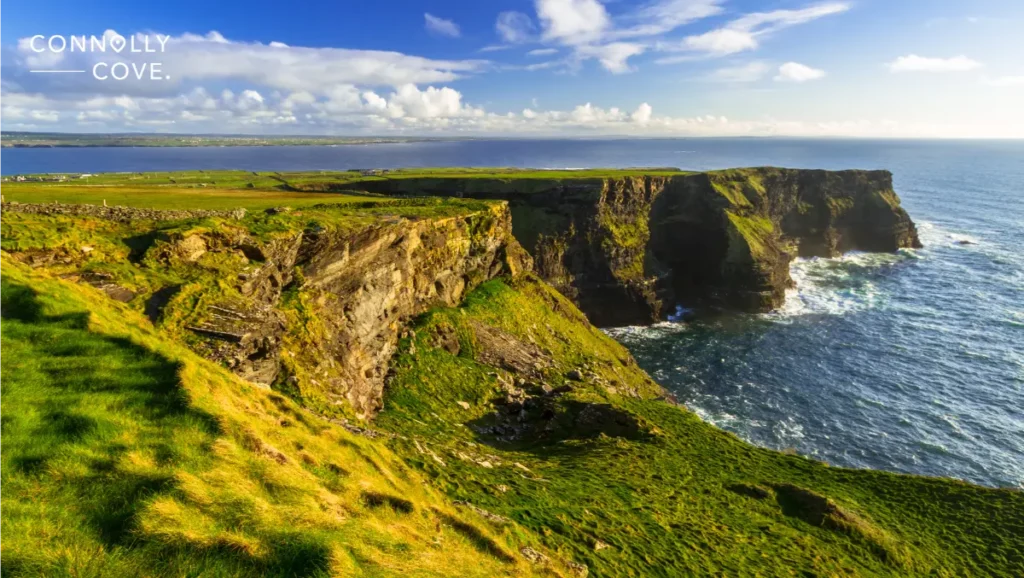
- Cliffs of Moher: Towering 700 feet above the crashing waves, these iconic cliffs offer panoramic views of the Ocean and the Aran Islands. Hike along the clifftop path, breathe in the salty air, and feel the spray of the ocean on your face.
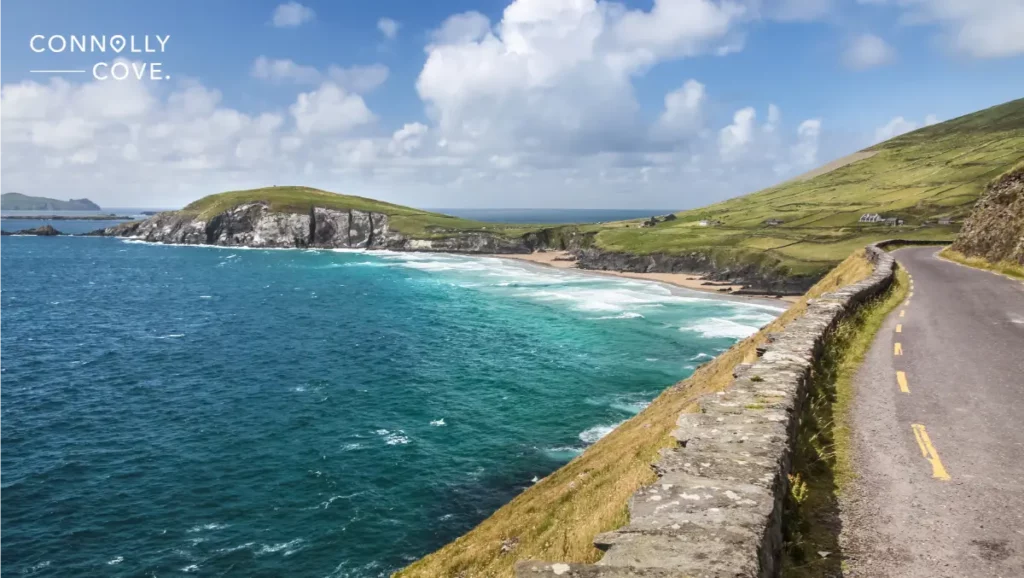
- Wild Atlantic Way: Embark on a scenic road trip along this 2,500-kilometre coastal route, discovering hidden beaches, charming fishing villages, and dramatic natural wonders like the Slieve League cliffs and the Giant’s Causeway.
- Dingle Peninsula: Hike along the windswept cliffs of the Dingle Peninsula, explore ancient beehive huts, and spot playful dolphins in the nearby waters.
Explore Hidden Trails
- Wicklow Way: This 127-kilometre self-guided trail winds through the Wicklow Mountains National Park, offering stunning scenery, waterfalls, and historical sites.
- Connemara National Park: Hike through heather-covered hills, beside sparkling lakes, and along rugged coastlines in this scenic national park.
- Killarney National Park: Explore ancient woodlands, discover waterfalls cascading into lakes, and climb the slopes of Mangerton Mountain for breathtaking panoramic views.
Capture the Magic of Sunsets
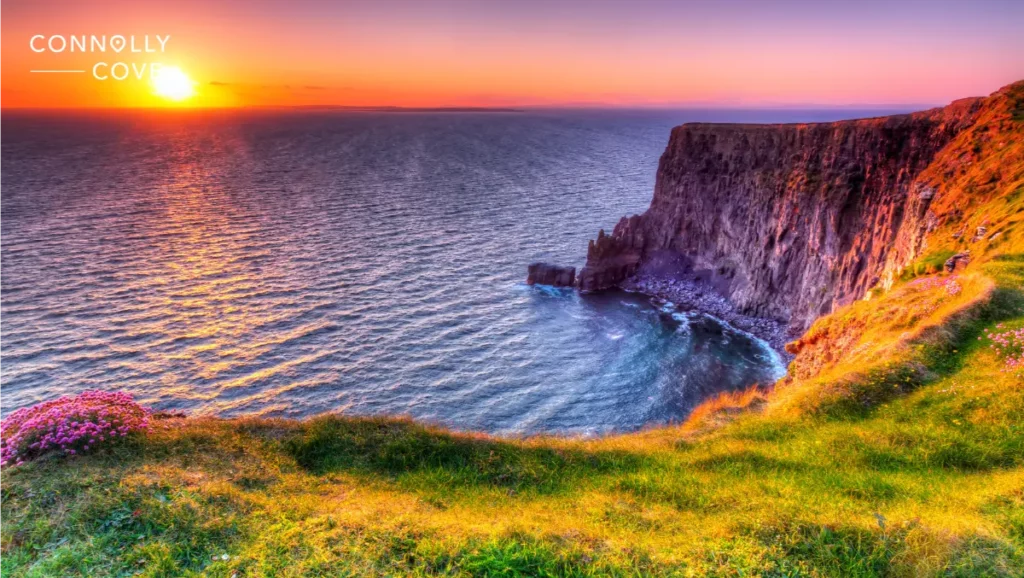
- Galway Bay: Watch the sun set over Galway Bay, painting the sky in orange, pink, and purple while Galway City twinkles with lights in the distance.
- Kerry Ring: Enjoy a scenic drive along the Ring of Kerry, stopping at lookout points to capture the dramatic sunsets over the Atlantic Ocean.
- Inishowen Peninsula: Hike to the top of Malin Head, the most northerly point of Ireland, and witness the sun sinking into the endless expanse of the ocean.
Breathtaking Coastal Vistas
- Cliffs of Moher: Towering 700 feet above the crashing waves, these iconic cliffs offer panoramic views of the Atlantic Ocean and the Aran Islands. Take a walk along the clifftop path, feel the ocean spray on your face, and let the vastness of the sea fill you with awe.
- Slieve League Cliffs: Experience Europe’s highest sea cliffs, soaring 600 metres above the crashing waves. Hike along the scenic boardwalk, breathe in the fresh ocean air, and capture the dramatic coastal panoramas.
- Kerry Ring: Wind your way through this scenic coastal loop dotted with charming villages, dramatic cliffs, and secluded beaches. Witness the rugged beauty of the coastline, stop at quaint fishing villages like Portmagee, and soak in the breathtaking views.
Hidden Gems and Unspoiled Beaches
- Coral Strand, Galway: Discover this picturesque beach with turquoise waters and sheltered coves. Relax on the warm sands, enjoy water sports, or explore the nearby cliff walks for stunning coastal views.
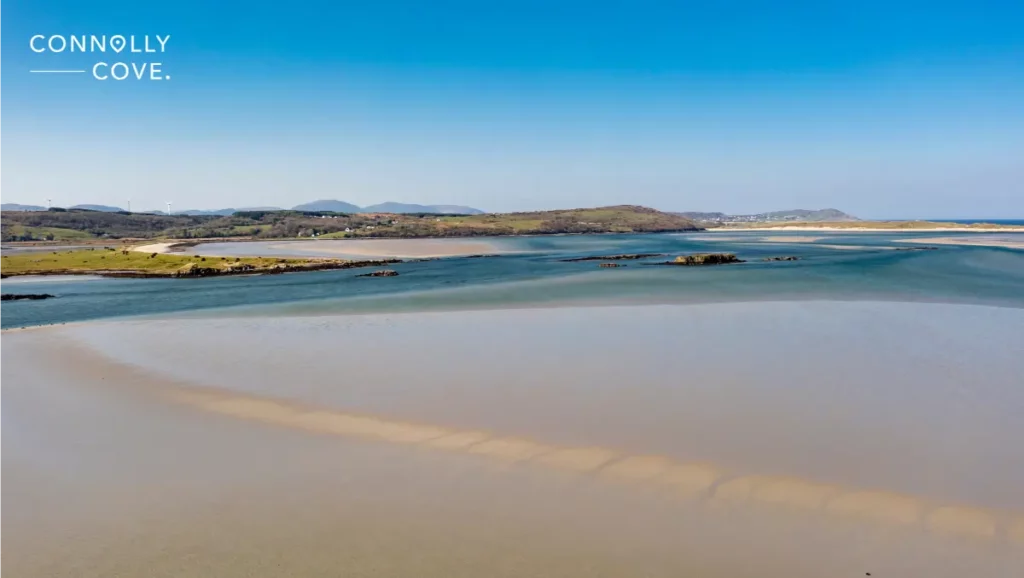
- Gweebarra Beach, Donegal: Seek serenity in this hidden gem, untouched by crowds. Unwind on the pristine white sand, soak in the sun, and let the sound of waves lull you into tranquillity.
- Derrynane Beach, Kerry: Explore this secluded beach, a favourite amongst locals. Hike along the rugged cliffs, swim in the crystal-clear waters, and discover hidden coves perfect for picnicking and soaking in the sunshine.
Experiencing Local Charm
- Quaint Fishing Villages: Wander through charming villages like Dingle, Kinsale, and Westport, brimming with colourful houses, bustling pubs, and friendly locals. Savour fresh seafood, enjoy live music sessions and immerse yourself in the laid-back Irish atmosphere.
- Ancient Ruins and Castles: Uncover Ireland’s rich history by exploring medieval castles like Dunluce Castle in Antrim and Bunratty Castle in Clare. Discover ancient burial mounds, delve into stories of Celtic mythology, and let the ruins whisper tales of the past.
- Festivals and Celebrations: Familiarise yourself with the vibrant spirit of Irish culture by attending regional festivals throughout the summer. From traditional music sessions in Galway to oyster festivals in Kerry, experience the warmth and hospitality of the Irish people.
Hike Amidst Waterfalls and Glacial Wonders
- Glendalough Valley: Immerse yourself in the mystical charm of Glendalough, a glacial valley dotted with ancient monastic ruins and shimmering lakes. Hike alongside the gushing Lough Tay Walk, marvelling at the Powerscourt Waterfall along the way.
- Spinc Hike: Embark on this challenging 9.5-kilometre trek, ascending into the heart of the Wicklow Mountains. Traverse heather-covered hills, encounter abandoned mining ruins and reach the summit for unique panoramic views of the valley below.
- Wicklow Way: Tackle this self-guided 127-kilometre trail, winding through diverse landscapes of forests, mountains, and lakes. Encounter charming villages, historical sites, and hidden waterfalls along the way, creating memories that will last a lifetime.
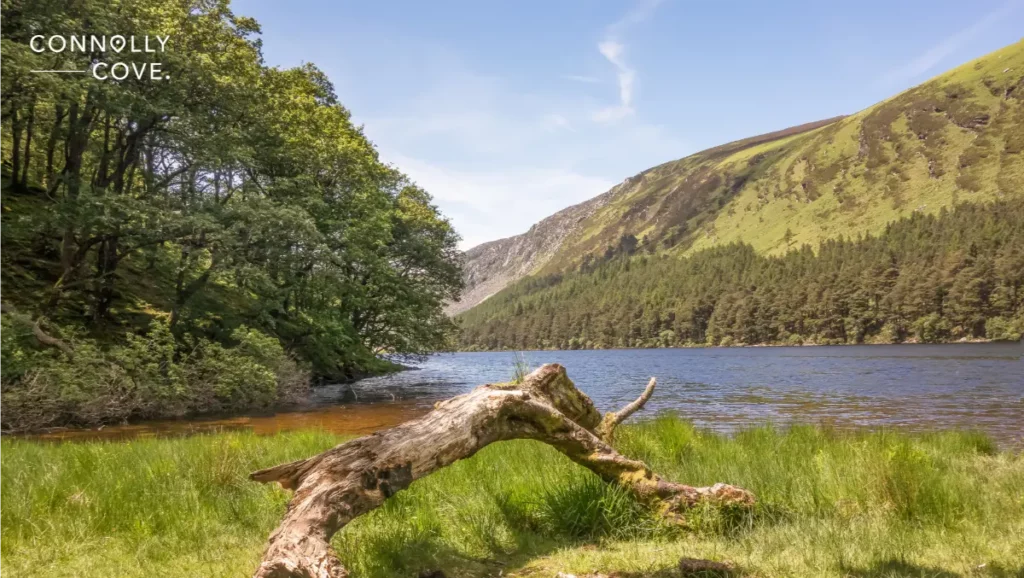
Glide Across Shimmering Waters
- Kayak with the Wind: Feel the spray tickle your face as you paddle through sheltered coves and past emerald islands. Witness the majesty of ancient ruins like Corrib Castle from a waterborne perspective and soak in the panoramic views of the surrounding mountains.
- Cruising Bliss: Embark on a leisurely boat tour or charter your own vessel for a day of exploration. Discover hidden inlets, spot playful otters darting through the water, and listen to tales of local folklore from experienced guides.
Step into a National Park’s Wonderland
- Connemara National Park: Just a stone’s throw from Lough Corrib, this park beckons with rolling hills cloaked in purple heather, sparkling lakes reflecting jagged peaks, and dramatic Atlantic coastlines. Hike along scenic trails, encounter friendly Connemara ponies, and discover ancient burial mounds whispering secrets of the past.
- Kylemore Abbey: Nestled beside the lough’s shimmering waters, this Victorian gem offers a glimpse into a bygone era. Explore the lavishly decorated rooms, stroll through the walled gardens, and soak in the fairytale atmosphere.
Savour Lakeshore Delights
- Eatery with a View: Settle into a cosy lakeside eatery for local Irish dishes. Savour fresh seafood plucked straight from the lough, soak in the convivial atmosphere, and listen to traditional tunes performed by local musicians.
- Fishing Paradise: Cast your line for wild brown trout, salmon, and pike, known for their abundance in Lough Corrib. Hire a local guide for expert tips and techniques, and enjoy the thrill of reeling in a prize catch.
Beyond the Boat and the Hike
- Birdwatching Haven: Lough Corrib and its surrounding wetlands are a haven for birdlife. Observe graceful swans serenely gliding across the water, listen to the haunting calls of curlews, and spot elusive kingfishers flitting through the reeds.
- Horseback Riding Adventures: Explore the lough’s shores on horseback, traverse hidden paths, and feel the wind in your hair. Several stables offer guided tours for all levels, providing a unique landscape perspective.
- Cycling Serendipity: Embark on a scenic cycle tour along the shores of Lough Corrib, stopping at charming villages, ancient ruins, and hidden beaches. Breathe in the fresh air, appreciate the panoramic views, and find your own peaceful rhythm.
Discover Culture and Heritage in Summer in Ireland
Summer in Ireland isn’t just about breathtaking landscapes and outdoor adventures; it’s also an invitation to delve into the vibrant tapestry of its culture and heritage. From ancient castles whispering tales of the past to lively cities pulsating with contemporary art, here are a few experiences that will enrich your summer in Ireland journey:
Killarney National Park
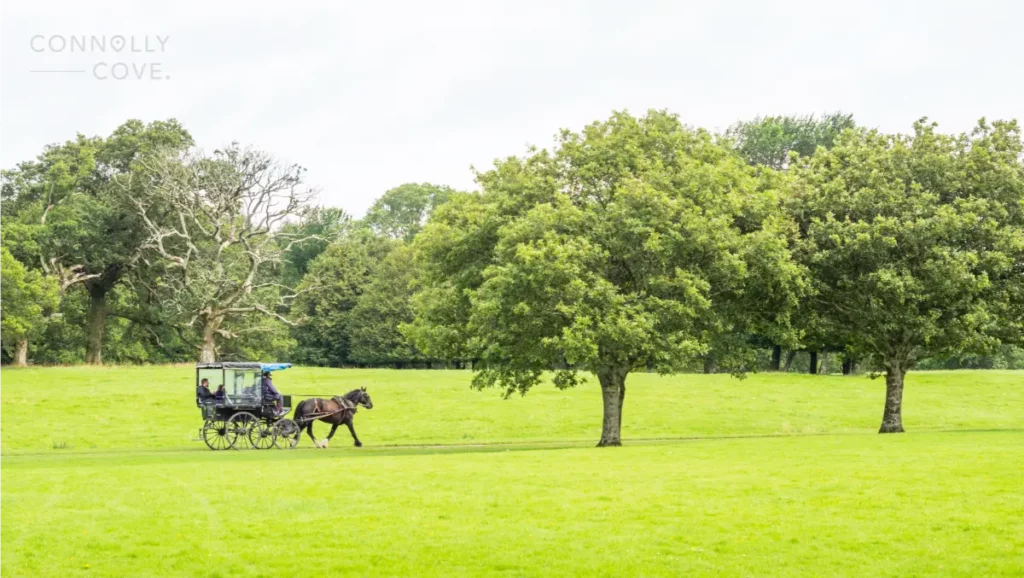
Step into a fairytale realm within Killarney National Park. Explore ancient woodlands teeming with life, discover the majestic Ross Castle perched on Lough Leane, and uncover the stories hidden within the elegant Muckross House. Immerse yourself in local folklore by the crackling fire of a traditional pub, or join a guided walk to hear captivating tales of mythical creatures and Celtic heroes.
Galway City
Let the infectious energy of Galway City sweep you away. Wander through cobbled streets echoing with the lively strains of street musicians playing jigs and reels. Dive into the welcoming atmosphere of traditional eateries and lose yourself in the city’s vibrant arts scene. Explore galleries showcasing contemporary works, catch a captivating performance at the Galway Theatre Festival, or browse the colourful stalls at the Eyre Square market, immersing yourself in the creative spirit of Galway.
Blarney Castle
Climb the winding staircase of Blarney Castle, a timeless symbol of Irish resilience. Follow the footsteps of generations who have puckered up to kiss the renowned Blarney Stone, said to bestow the gift of eloquence. Explore the atmospheric medieval ruins and wander through enchanting gardens, soaking in the panoramic views of the surrounding countryside. Blarney is a reminder of Ireland’s rich history, offering a glimpse into a time of knights, battles, and captivating legends.
Giant’s Causeway
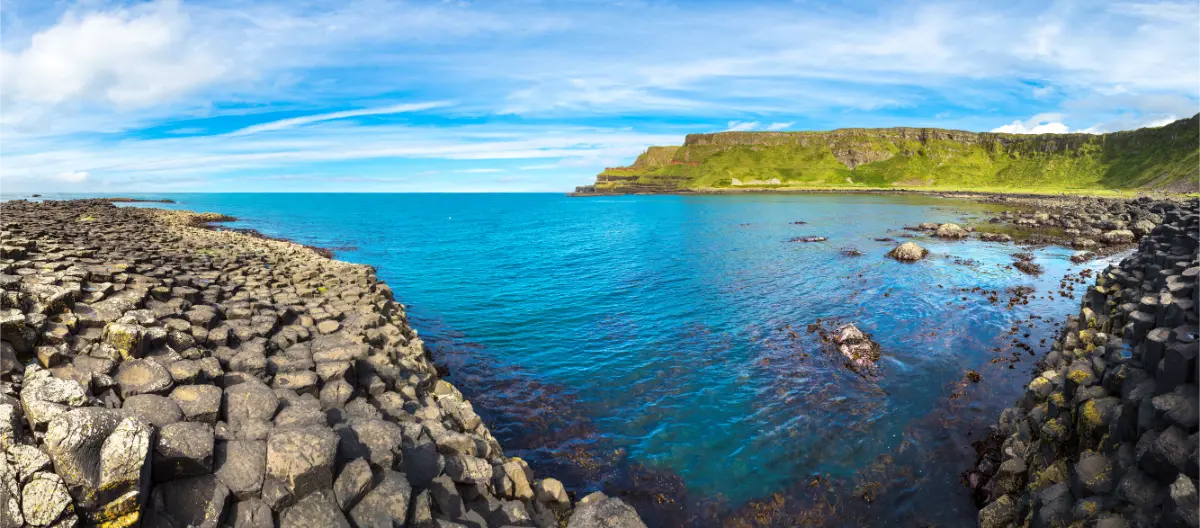
Marvel at the breathtaking geological wonder of the Giant’s Causeway. Explore the hexagonal basalt columns formed by ancient volcanic eruptions, letting your imagination wander amidst the myths and legends woven around these natural giants. Wander along the dramatic coastal cliffs, breathe in the fresh sea air, and let the ocean’s vastness inspire awe. The Giant’s Causeway is a testament to the power of nature and a source of endless fascination for geologists and storytellers.
Celebrate Summer with Irish Joy and Flavour
Ireland’s summer explodes with vibrant festivals and delectable dining experiences, offering a chance to immerse yourself in the country’s lively spirit and culinary delights. From traditional music sessions to international arts extravaganzas, here are a few ways to tantalise your taste buds and tap your feet:
Ceoláí
Step into the rhythm of Ireland with a lively ceoláí. These informal gatherings in pubs or community centres bring musicians and dancers together in a joyful celebration of traditional music. Sit by the fire, listen to the enchanting melodies of fiddles, pipes, and bodhráns, and perhaps even learn a few basic steps from the locals. Witness the infectious energy of ceolís, where generations connect through music and laughter, creating memories that stay with you long after the last note fades.
Galway International Arts Festival
Immerse yourself in a whirlwind of creativity at the renowned Galway International Arts Festival. This vibrant event transforms the city into a showcase of artistic expression, featuring world-class theatre, music, dance, and street performances. Discover hidden talents in intimate pub gigs, be captivated by contemporary dance productions, or marvel at awe-inspiring aerial performances set against the backdrop of Galway Bay. The festival is a sensory feast, catering to diverse tastes and leaving you inspired and exhilarated.
Taste of Dublin
Amuse your taste buds at the Taste of Dublin, a culinary extravaganza showcasing the best of Ireland’s food scene. Wander through stalls with fresh produce, local delicacies, and international flavours. Sample dishes from renowned chefs, attend cooking demonstrations to learn culinary secrets and mingle with food producers passionate about their craft. Be it Irish cheese plates paired with craft beers, melt-in-your-mouth seafood chowder, or decadent desserts, Taste of Dublin is a paradise for gourmands seeking unique culinary experiences.
Seafood Feasts
No summer in Ireland is complete without indulging in the sea’s bounty. Savoury fresh oysters, succulent lobster, and steamed mussels are just a few culinary treasures waiting to be devoured. Head to bustling coastal villages and charming harbour towns to discover hidden gems serving the freshest seafood, often accompanied by breathtaking ocean views. Whether you choose a rustic beachside shack or an elegant waterfront restaurant, a seafood feast is a celebration of Irish coastal cuisine and a perfect way to savour the essence of summer.
So, as you pack your bags and book your flights, remember that this journey is more than just a collection of sightseeing stops. It’s an invitation to immerse yourself in the rhythm of Irish life, embrace the warm smiles of locals, and discover the magic hidden in every corner.
FAQs
Where is Taste of Dublin going to be held?
While Taste of Dublin was traditionally held in the beautiful Iveagh Gardens, in 2024, the event will be moving to the equally iconic Merrion Square.
How big is Killarney National Park?
Killarney National Park is extensive, covering an impressive 10,200 hectares (25,200 acres) of diverse landscapes. That’s roughly the size of 5 Central Parks in New York City, or about 14,000 football fields!
When is summer in Ireland?
Summer is the warmest time of the year, occurring from June to August in Ireland.
Do you pay for food at Taste of Dublin?
All signature dishes at Taste of Dublin will be priced at €6. Some restaurants may offer special “icon” dishes for up to €10.
What month during summer in Ireland is the cheapest to fly?
The entire month of August generally offers more affordable flight options compared to the pricier months of June and July.
The Enchanting Helen’s Bay Beach – Northern Ireland
Northern Ireland
29/04/2024

Discover The Mythical Valkyrie Horses: Steeds of Legend
Mythology and Folklore
28/04/2024

Exploring the Concept of Anam Cara: A Celtic Perspective on Soul Friendship
Culture Exploration
29/04/2024
Kensington Palace – London Attractions
England
29/04/2024
Harry Potter Shop at Platform 9 3/4 – London Attractions
England
29/04/2024