
Letterkenny – Co. Donegal. The Cathedral Town
Updated On: April 07, 2024 by  Noha Nabil
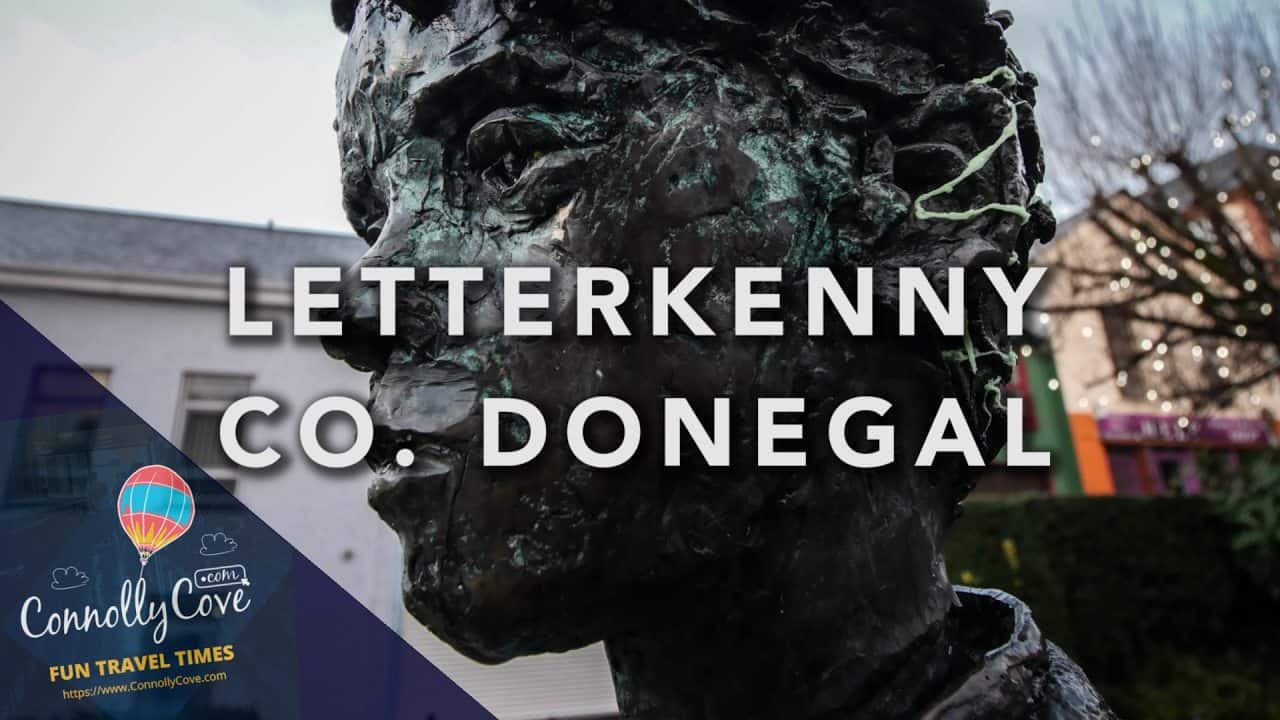
Letterkenny is the largest town in County Donegal in Ulster, Ireland. Its name is derived from ‘Leitir Ceanainn’, meaning “hillside of the O’Cannons”. The O’Cannons were the last of the ancient chieftains of Tír Conaill. The town has now been nicknamed “the Cathedral Town” because its tallest building is the Cathedral of St. Eunan and St. Columba.
History of Letterkenny
The town gained its name from the famous chieftains, the O’Cannon dynasty, allegedly descendants of two of Ireland’s most famous Kings—Conn of the Hundred Battles and Niall of the Nine Hostages.
By the early 17th century, the name Uí Canannain had been changed to its anglicized version, O’Connor.
At that time, Letterkenny was a market town. Letterkenny Castle, built in 1625, was located south of Mt Southwell on Castle Street. Sadly, no remains of the castle exist today.
Cultural Delights
Beyond its historical significance, Letterkenny is a cultural melting pot, with a vibrant arts scene that celebrates both tradition and innovation. The town is home to an array of galleries, theatres, and cultural centres, where visitors can immerse themselves in the creative talents of local artists and performers.
The Regional Cultural Centre, located in the heart of Letterkenny, is a prime example of the town’s commitment to the arts. With its diverse events, exhibitions, and workshops, the centre showcases the best of contemporary Irish culture while paying homage to the region’s rich artistic heritage.
Natural Beauty
Letterkenny is a paradise for nature lovers, surrounded by rolling hills, lush forests, and pristine lakes. The town’s proximity to County Donegal’s rugged coastline offers ample outdoor exploration opportunities, from scenic hikes along the Wild Atlantic Way to strolls through tranquil woodland trails.
Glenveagh National Park, just a short drive from Letterkenny, is a must-visit destination for anyone seeking to connect with nature. Spanning over 16,000 hectares of wilderness, the park is home to diverse ecosystems, rare wildlife, and the majestic Glenveagh Castle, making it a haven for photographers, hikers, and enthusiasts.
Architecture in Letterkenny
Most of the current buildings in Letterkenny were built in the early 1850s. William Hague from County Cavan designed the Cathedral of St. Eunan and St. Columba. It is made in a light Victorian neo-Gothic version of the French 13th-century Gothic style.
Another dominant building in the town is the historic Saint Eunan’s College. Saint Eunan’s is three stories high with four round towers at each corner. It was constructed in the Edwardian version of the neo-Hiberno-Romanesque style.
Other notable buildings include the Mount Southwell Terrace, a Georgian-style terrace of red brick built in 1837 by Lord Southwell. It contains five of the most distinctive examples of Georgian houses in Letterkenny.
The Donegal County Museum can be found in the old workhouse on the High Road. It was built in 1843 in the neo-Tudor style.
Community Spirit
What truly sets Letterkenny apart is its sense of community spirit. Despite its growing popularity as a tourist destination, the town has retained its small-town charm and hospitality, with locals known for their warmth, friendliness, and genuine welcome to visitors.
Throughout the year, Letterkenny plays host various festivals, events, and celebrations that bring the community together in camaraderie and joy. From traditional music sessions in cosy pubs to lively street parades and cultural festivals, there’s always something happening in Letterkenny to delight and entertain visitors of all ages.
What to do in Letterkenny
Letterkenny has no shortage of activities for locals and visitors alike. A cinema complex with eight giant screens is located right in the town. If you’re interested in live performances, visit the Grianán Theatre, the largest theatre in County Donegal.
In recent years, Letterkenny hosted the annual Irish traditional music festival, the Fleadh Cheoil and the International Pan Celtic Festival, drawing in Celtic crowds from Ireland, Wales, Scotland, the Isle of Man, Brittany and Cornwall. Market Square always hosts daily street performances for passersby.
The town also regularly hosts well-known events like the St. Patrick’s Day Parade, North West 10K, St Eunans College 5k, Donegal International Rally, Earagail Arts Festival, and Donegal Harvest Rally.
The Main Street is now a hub of popular nightclubs and pubs, including Voodoo, The Pulse, The Grill Music Venue, The Central Bar, The Cavern, Sister Sara’s, Josie’s Bar, McGinley’s, The Cottage Bar and Warehouse.
For Sports Enthusiasts
Letterkenny has a modern sports complex with a swimming pool, football pitches, and several sports halls. Many sports enthusiasts visit the complex to practice their favourite sports, including Gaelic football, rugby, soccer, hurling, boxing, karate, kickboxing, handball, bowling, golf, swimming and gymnastics.
Places to See in Letterkenny
Glenveagh Castle
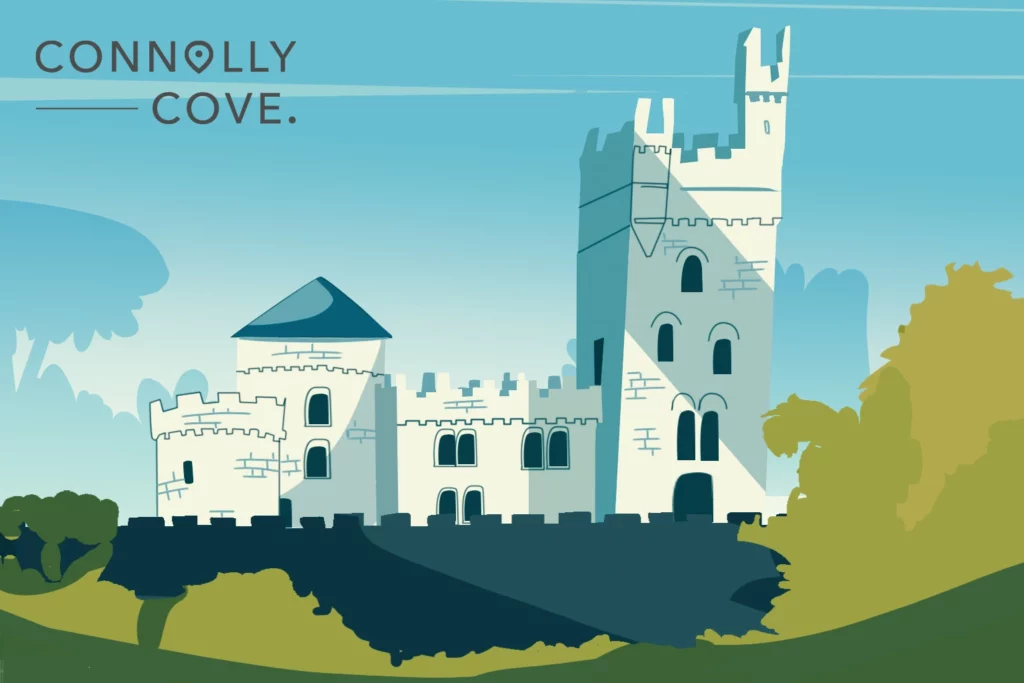
Glenveagh Castle is a large castellated Mansion in County Donegal, Ireland, built between 1870 and 1873. Captain John Adair built the castle to construct an estate that surpassed Balmoral, Queen Victoria’s Scottish retreat.
Like many Irish castles, Glenveagh Castle has not escaped a few rumours or legends, including one that stated that a curse was placed on the castle due to the cruel evictions of the estate’s tenants, which resulted in none of the subsequent owners bearing any heirs to the family name. True or not, it is an exciting place to visit.
Poisoned Glen
Another area with interesting legend it is said that Poisoned Glen got its name when the ancient one-eyed giant king of Tory, Balor, was killed there by his exiled grandson, Lughaidh, and the poison from his eye split the rock and poisoned the glen.
You can follow a rough walking path into the rocky fastness of the glen and see it for yourself.
Cathedral of St. Eunan and St. Columba
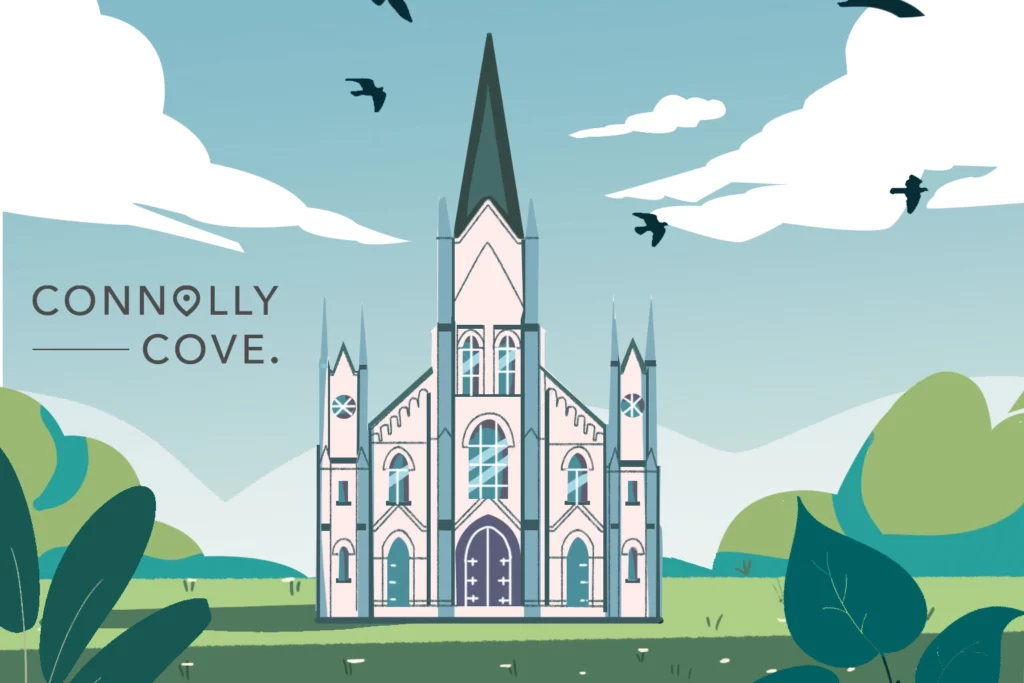
Built between 1890 and 1900 in Victorian neo-Gothic style on a site overlooking the town, the Cathedral of St. Eunan and St. Columba’s stained glass windows, flying buttresses, and extensive grounds are not to be missed!
Donegal County Museum
Located on High Road in Letterkenny, the building opened in 1845 as the Warden’s House of the Letterkenny Workhouse during the Famine. Its purpose is to collect, record, preserve and display the material evidence and associated information of the history of Donegal.
The Museum showcases a collection of original artefacts. Covering subjects such as archaeology, history, social history and folklife. The Temporary Exhibition Gallery annually shows between 6 and 11 local, national and international temporary exhibitions.
The first-floor gallery contains artefacts connected to the history of County Donegal from the prehistoric Stone Age period through to the 20th century and the present day.
If you’re a history buff or simply interested in taking a trip to the past and learning more about the history of Donegal, then be sure to visit the Donegal County Museum during one of your excursions.
Ballymacool Town Park
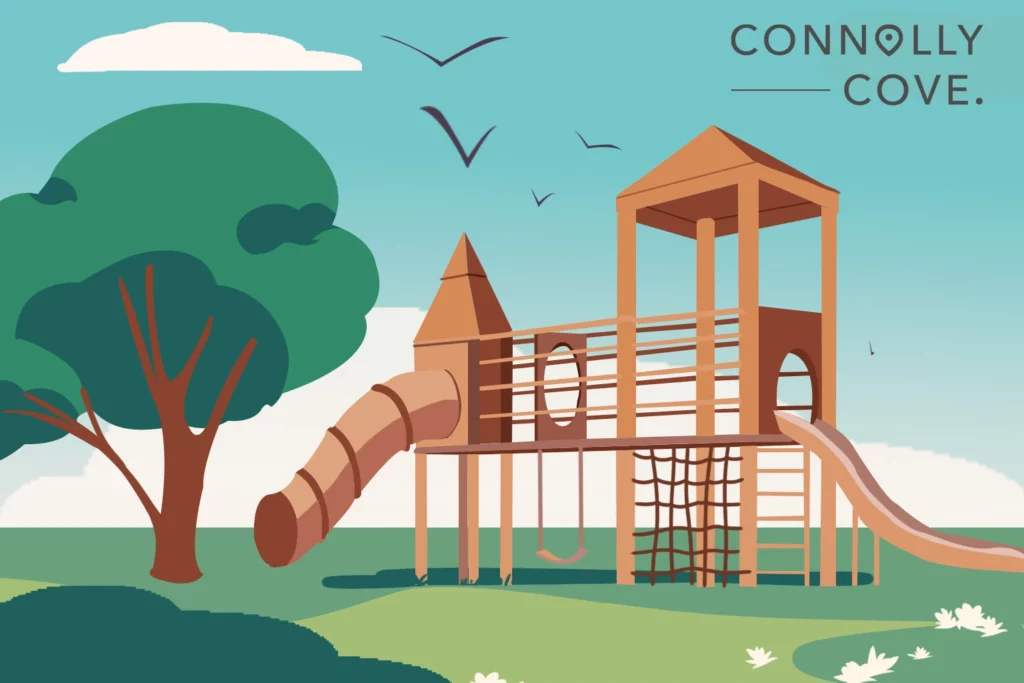
The park is located on the Glenties Road. The park has an area for picnics and benches. Three gardens are secluded from the central green area, basketball courts, football pitches and a children’s playground.
Killydonnell Friary
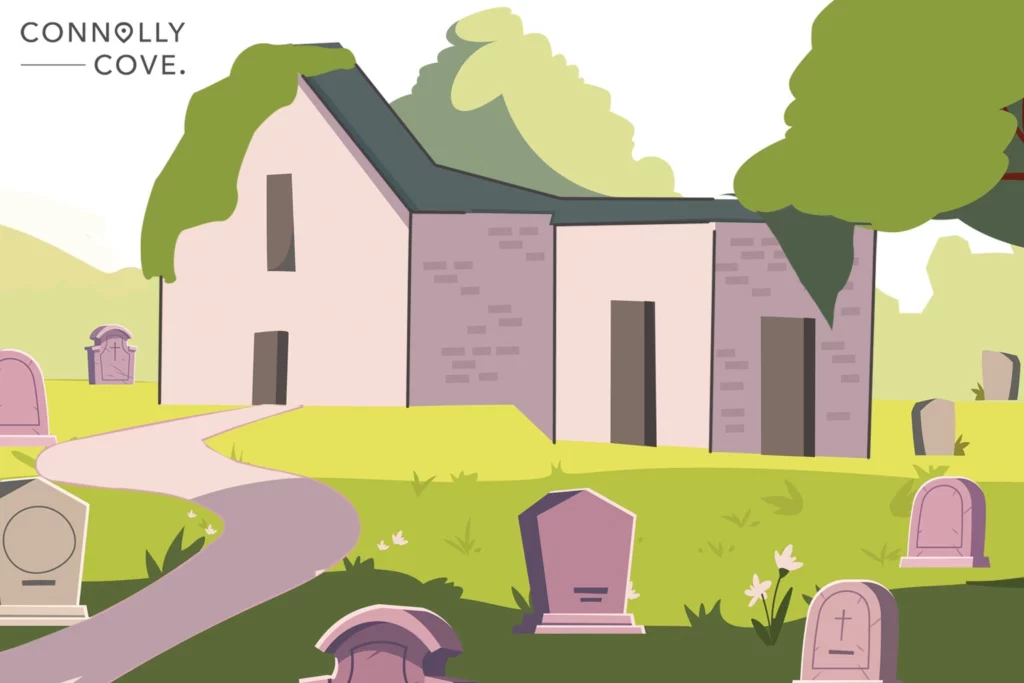
Killydonnell Friary was founded in 1471 by the O’Donnells, the ruling clan of Donegal. It was completed in the early 16th Century. However, it was closed down and remained a burial ground for the local community.
According to local legends, the bell of Killydonnell was carried off by raiders from Tyrone, who were put to sea with it in a boat. A storm came up, and they drowned. The bell is heard to toll once every seven years at midnight.
Interesting, isn’t it? Be sure to stop there on your travels to explore the area.
Bealach Na Gaeltachta
If you love the outdoors and taking long walks or hiking, this is the place for you. Bealach Na Gaeltachta comprises four circular long-distance trails in the Gaeltacht areas of County Donegal. All four trails are graded from easy to moderate. So be sure to pick the suitable trail for you, whether you’re a beginner or an experienced hiker.
Worthy Visit to Letterkenny
The Town of Letterkenny in County Donegal has proven to be a must-visit location for travellers, no matter their interests! You can enjoy the local nightlife, practice your favourite sport or experience the great outdoors there. What more could anyone ask for?
Conclusion
Letterkenny is a town like no other, where history, culture, and natural beauty converge to create an unforgettable experience for all who visit. Whether you’re exploring its historic landmarks, immersing yourself in its vibrant arts scene, or simply taking in the breathtaking scenery that surrounds it, Letterkenny has something to offer everyone.
So, whether you’re planning a weekend getaway or a more extended stay, be sure to put Letterkenny at the top of your travel itinerary. With its warm hospitality, rich heritage, and undeniable charm, it’s a destination that will capture your heart and leave you longing to return time and time.
Have you ever been to Letterkenny? If so, let us know your experience in the comments below.
Also, don’t forget to check out other attractions and places in Ireland that might interest you: Exploring County Monaghan | Kilkenny: The Splendid Reflection of the History of Ireland | The Beautiful County of Kerry | Visiting Connemara in Galway | The Magnificent County of Cork
Viking History: Insight into the Age of Phantom Travellers
History and Heritage
28/04/2024
The Symbolism and Meaning of the Dara Knot
Culture Exploration
28/04/2024
An Overview of Michigan Tourism Statistics: Visitor Spending, Growth, and Industry Impact
United States
28/04/2024
Top Things To Do in Hamburg: A Hamburger’s Guide!
Germany
27/04/2024
Take a Look at the Astounding Scenery of County Kerry
County Kerry
27/04/2024