


Discover the Top Northern Ireland Landmarks You Must See
Updated On: April 24, 2024 by  Fatma Mohamed
The top Northern Ireland landmarks are calling all adventurous souls and history buffs! This emerald isle, nestled snugly beside its larger sibling, packs a mighty punch when it comes to must-see sights. From the Giant’s Causeway to the iconic Carrick-a-Rede Rope Bridge, this region will leave you in awe of its natural beauty and historical charm.
Whether you are a history buff, a nature enthusiast, or simply seeking a breathtaking escape, this emerald isle has something for everyone. Join us; we will delve deeper into each of these must-see wonders, offering insider tips, historical insights, and practical details to help you plan your own unforgettable Northern Irish adventure! So, let’s start!
Top Northern Ireland Landmarks: Uncovering These Natural Landmarks
Northern Ireland has several stunning natural landmarks, including the Giant’s Causeway, a UNESCO World Heritage site with unique hexagonal basalt columns. The stunning Carrick-a-Rede Rope Bridge offers breathtaking views of the coastline and Rathlin Island. The rugged landscapes of the Mourne Mountains and the scenic Glens of Antrim are also must-see natural wonders in Northern Ireland.
In this section, we will uncover some of Northern Ireland’s natural landmarks. So, let’s shed light on these natural wonders and captivating landscapes!
Giant’s Causeway
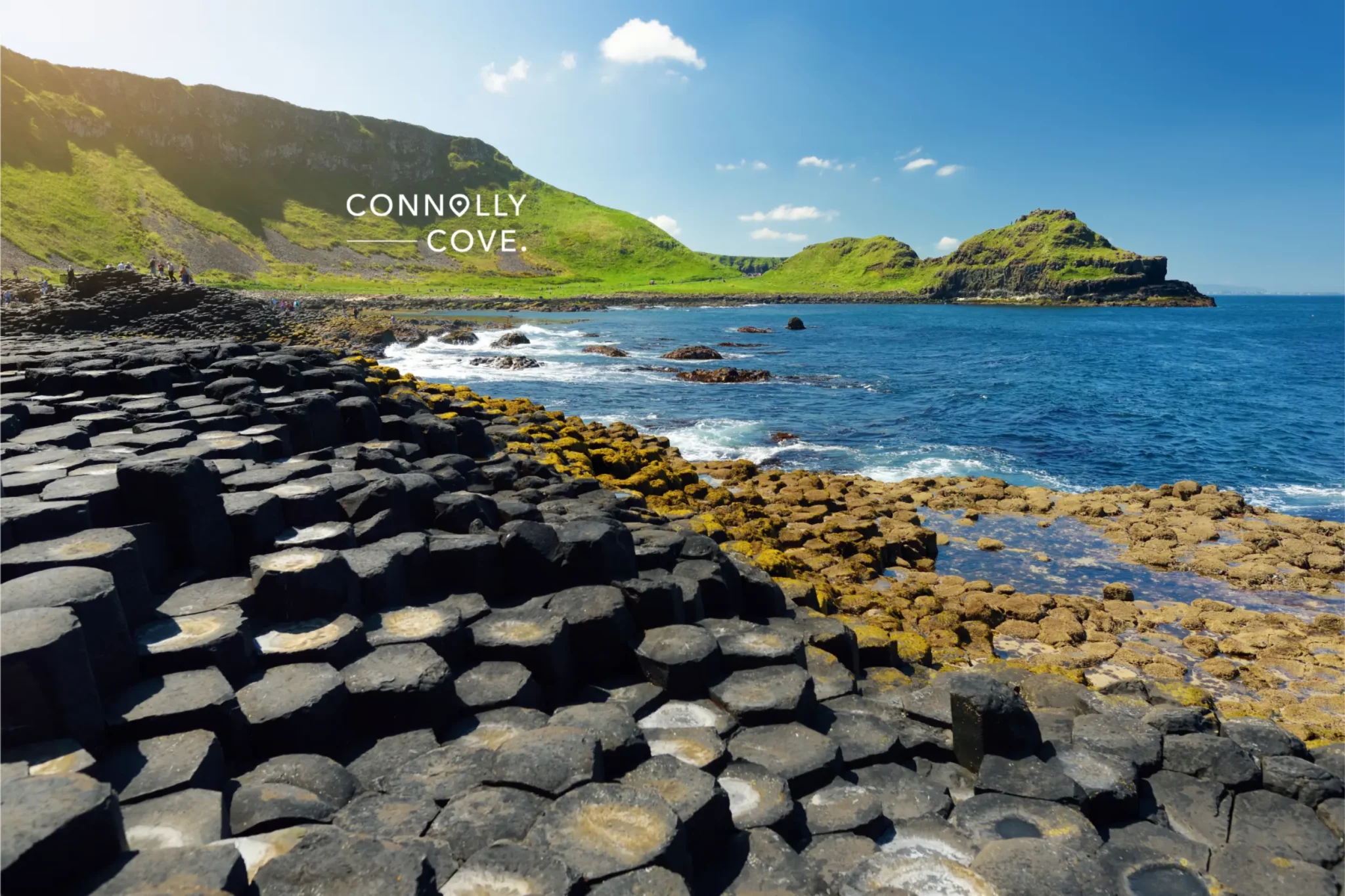
A mythical landscape of hexagonal giants, Giant’s Causeway is Northern Ireland’s crown jewel. This UNESCO wonder boasts over 40,000 basalt columns created by old volcanic eruptions thousands of years ago.
Tourists come from all over to walk these giant steps. The view at the end makes it worth every step you take. The waves crashing into these strange stones create an amazing sight!
Wander among these mesmerising geometric formations, each column a unique work of geological art. Explore the “Wishing Chair,” a naturally formed seat said to grant desires, or marvel at the “Giant’s Boot,” a massive hexagonal column resembling footwear for a mythical being.
Carrick-a-Rede
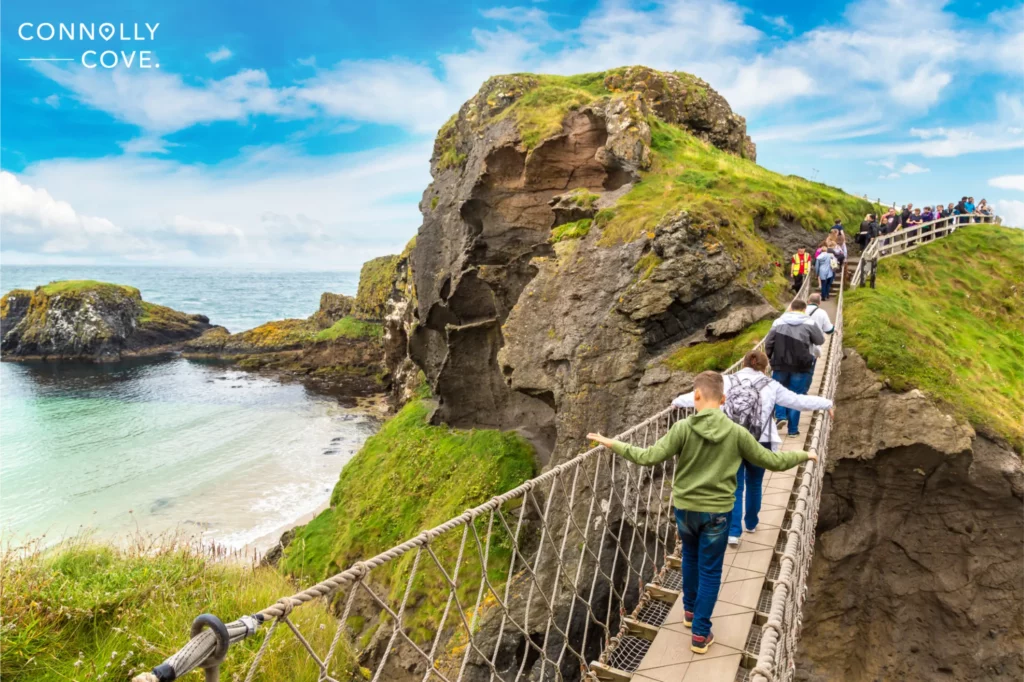
Built in 1755, Carrick-a-Rede is a famous landmark in Northern Ireland that appeals to all travellers. It is a rope bridge that stretches over 20 meters. It sways 30 meters above the Atlantic, providing marvellous views of the surrounding coastline and the crystal-clear waters below.
Salmon fishermen originally used the bridge to access the best fishing spots. Today, it offers an adrenaline-pumping experience for those brave enough to cross it.
In addition to the bridge, Carrick-a-Rede offers beautiful coastal walks, birdwatching opportunities, and a chance to learn about the area’s rich history and wildlife. The National Trust manages the site and features a visitor centre with facilities and information about the local area.
The Dark Hedges
The Dark Hedges in Northern Ireland were truly spectacular. This iconic landmark is famous for its beautiful avenue of beech trees, which create a hauntingly atmospheric tunnel-like effect.
It’s no wonder that this location has become a popular spot for photographers and filmmakers alike. These unique beech trees have been used as a filming location in the marvellous series Game of Thrones, representing the King’s Road.
The Dark Hedges also have an exciting history, dating back to the 18th century when the Stuart family planted the trees as an impressive entrance to their estate. Today, this picturesque stretch of road attracts visitors from all over the world who come to admire its natural beauty and feel like they are stepping into a fairytale scene.
Tollymore Forest Park
Tollymore Forest Park is the place where enchantment blooms in nature’s embrace. Imagine sunlight dappling a mossy forest floor and ancient oaks like silent sentinels guarding hidden waterfalls.
Located in County Down, this beautiful park offers stunning natural beauty with its ancient woodland, riverside walks, and picturesque bridges. It covers an area of around 630 hectares at the foot of the Mourne Mountains.
It’s the ideal place to go hiking, explore hidden caves or relax amidst nature. The park also has historic features like the Gothic-style Tollymore Bridge and the remnants of an old castle wall.
Mourne Mountains
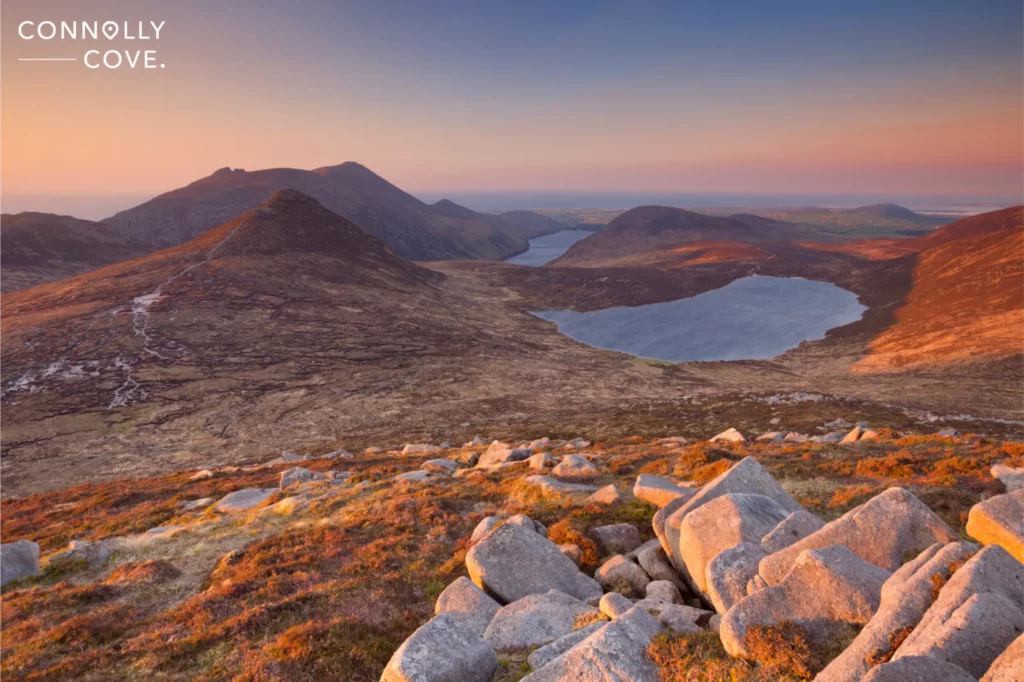
The Mourne Mountains in Northern Ireland are a paradise for nature lovers and outdoor enthusiasts. These majestic mountains offer thrilling views, stunning hiking trails, and opportunities for activities such as rock climbing and mountain biking.
The highest peak, Slieve Donard, stands at an impressive mountain with 850 metres (2,789 feet) and provides panoramic vistas of the surrounding countryside. With its variety of flora and fauna, including rare species such as red grouse and peregrine falcons, the Mourne Mountains are a haven for wildlife enthusiasts.
Beyond the serene walks, the Mournes offer a playground for thrill-seekers. Bike challenging mountain trails or kayak along the dramatic coastline. Whether you seek serenity or adventure, the Mournes promise an unforgettable escape.
Famous Monuments and Buildings in Northern Ireland
It is a country well-known for its charming land and remarkable monuments and buildings, each with its unique beauty. From ancient whispers to modern masterpieces, they stand as testaments to the region’s rich history, captivating imagination and inviting exploration.
Dunluce Castle
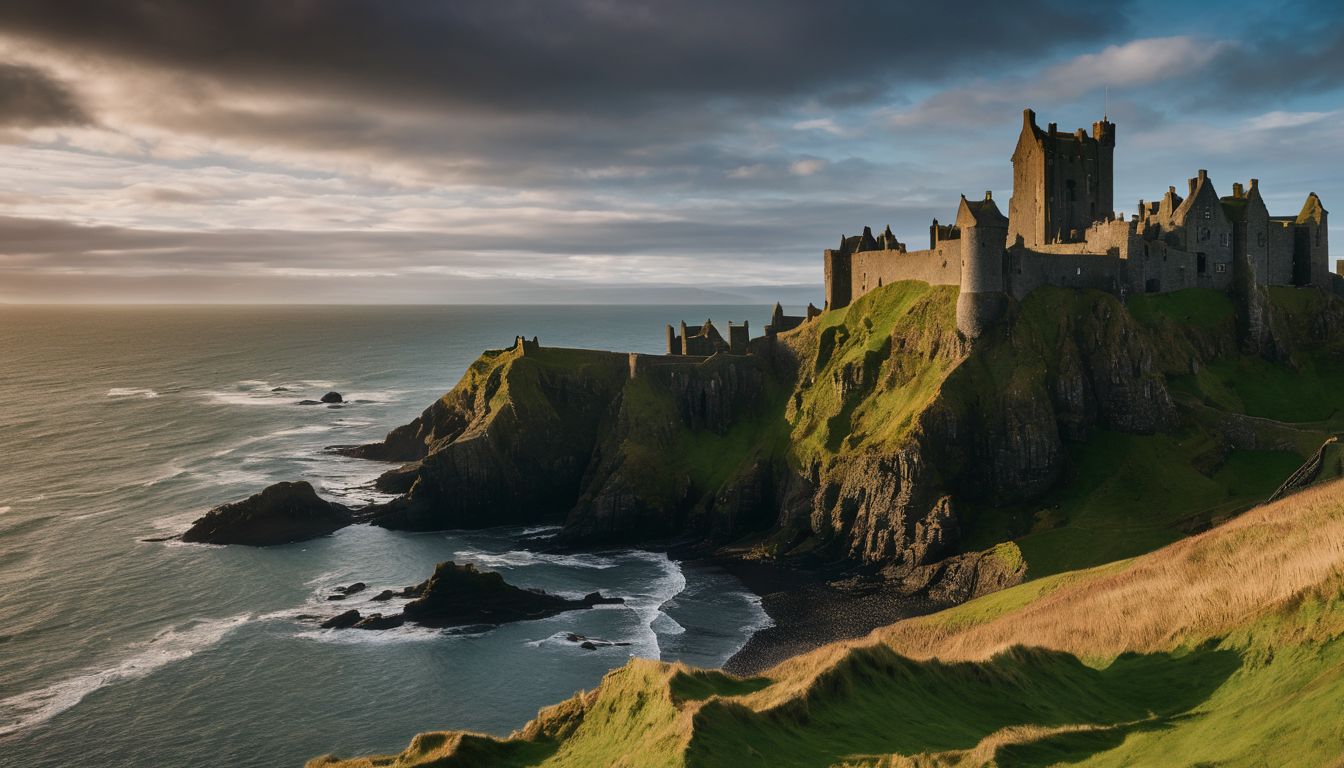
One of the most picturesque Irish Castles, Dunluce Castle is a historic castle that sits on a dramatic cliff overlooking the Atlantic Ocean. The castle dates back to the 13th century and has a fascinating history.
This magical castle will captivate visitors with its ancient ruins and breathtaking views. This ancient tapestry holds whispers of early Viking strongholds and feuding Irish clans, all stained with the echoes of battles and treachery.
This iconic castle has a unique charm and romantic atmosphere, making it an ideal option for weddings or special events. You can also explore nearby restaurants that offer delicious cuisine while enjoying the castle’s stunning backdrop or learn about Dunluce Castle’s rich past, including stories of battles and legends associated with this iconic site.
Titanic Belfast
Titanic Belfast is located beside the Titanic Slipways, where Titanic was designed, built and launched in 1911. This iconic museum was named the world’s leading tourist attraction in 2016 in the World Travel Awards.
If you’re visiting Northern Ireland, one landmark you shouldn’t miss is Titanic Belfast. It’s the birthplace of the famous RMS Titanic; this unique museum offers an immersive experience of the tragic story of the ill-fated ship.
Belfast Castle
Located on Cave Hill, Belfast Castle overlooks the city of Belfast. It was built in the 19th century and has since become one of the most iconic landmarks in Northern Ireland.
As you explore the castle, you will be amazed by its stunning Scottish baronial style and understand its fascinating history through informative exhibits. You wander through landscaped gardens, fragrant with roses and alive with birdsong, basking in the city’s emerald embrace. You will have the chance to explore Cave Hill Country Park, with its network of hiking trails and hidden caves, a playground for nature lovers.
Castle Ward (Winterfell)
Castle Ward is an iconic 18th-century mansion famed for its mixture of architectural styles and interiors. This iconic castle is famous for its appearance in the overwhelming TV series Game of Thrones. Imagine the courtyard where Stark banners once fluttered, now echoing with the laughter of picnicking families. Picture Jon Snow brooding by the fire or Daenerys plotting conquest in the sunlit halls.
You can explore the sprawling grounds and imagine yourself in the world of Westeros. The castle itself offers stunning views and a glimpse into the past with its unique architectural style.
Whether you’re a fan of the show or not, Castle Ward is an exciting attraction that shouldn’t be missed when visiting Northern Ireland.
Carrickfergus Castle
Built in the 12th century, Carrickfergus Castle is a must-visit landmark in Northern Ireland. It is one of the best-preserved medieval castles in the country, with a rich history.
You can explore its impressive stone walls and towers and imagine what life was like for knights and nobles during ancient times. This isn’t just a castle; it’s a whisper of centuries, tales of shipwrecks and battles etched in every crumbling wall.
This impressive castle is more than just a historical landmark; it offers several adventures. Tourists can admire the castle’s picturesque location on the shores of Belfast Lough, offering stunning views of the sea. They can even indulge in traditional Irish cuisine at one of the nearby restaurants or cafes.
Today’s story reaches its last station, but Northern Ireland’s landmarks have no end! We will continue in other stories to complete the exploration of its hidden gems. So, until we meet again, hurry up and plan your trip to Northern Ireland now; it’s really the perfect choice to break the traditional trips!
FAQs
Are there open borders between the United Kingdom and the Republic of Ireland to visit these attractions?
There is an open border between both countries, allowing you to visit unmissable Northern Ireland sights from either side easily.
Is there a list of popular sights in Northern Ireland?
You can find lists online that will guide you through the must-visit spots.
Why should I discover these top landmarks?
By exploring these provinces’ iconic landmarks, you will learn about their history while enjoying some of the most stunning views that make up the very fabric of what makes Northern Ireland unique.
Top Things To Do in Hamburg: A Hamburger’s Guide!
Germany
27/04/2024
Take a Look at the Astounding Scenery of County Kerry
County Kerry
27/04/2024
Famous Haunted Houses in Egypt: Spooky Stories for Halloween
Destinations
27/04/2024
St. Paul’s Cathedral – London Attractions
England
27/04/2024

Great Scotland Yard – London Attractions
England
27/04/2024