


The Mourne Mountains: Home to Secret Trails and Wonders
Updated On: April 20, 2024 by  Miranne Khaled
Are you yearning to explore the awe-inspiring splendour of majestic mountain ranges but need help figuring out where to start? Fret not! The world has bestowed upon us an unspoiled gem, the Mourne Mountains in County Down, Northern Ireland. The Mourne Mountains are located in southeastern Northern Ireland, specifically in County Down.
They stretch along the coast, roughly between Newcastle and Kilkeel, with their highest peak, Slieve Donard, standing proudly near Annalong. It’s a remarkable UNESCO-protected nature sanctuary, offering scenic vistas, exhilarating hiking trails, delectable local cuisine, and fascinating historical landmarks bound to leave a lasting impression.
And let’s not forget the historical treasures scattered throughout the region. The Mourne Mountains are home to numerous ancient stone circles and burial sites, offering a glimpse into the area’s rich history and Celtic heritage. Discover the stories behind these intriguing archaeological marvels as we delve into the past.
Are you ready? Let’s embark on this unforgettable journey together!
Area of Outstanding Natural Beauty
The Mountains of Mourne are not just ordinary mountains – they have been recognised as an Area of Outstanding Natural Beauty. This means that the beauty and uniqueness of this area are exceptional and worth preserving. For several compelling reasons, the Mourne Mountains, a compact yet mighty range in Northern Ireland, have earned their title as an Area of Outstanding Natural Beauty (AONB).
Their dramatic landscapes, rich cultural heritage, and vital role in recreation and sustainable development make them a true treasure trove for nature lovers, history buffs, and adventurers alike. It is also a UNESCO site, which adds to its significance and allure for history buffs and travellers alike.
The Mourne Mountains, rising from the southeastern coast of Northern Ireland, are more than just a picturesque backdrop. They are a land of ancient secrets and diverse wonders waiting to be explored.
Granite Giants and Silent Guardians:
Sculpted by time over 600 million years ago, the Mournes are a compact yet mighty range composed entirely of granite. This ancient rock shapes their character, etching rounded peaks and valleys that whisper tales of a fiery past.
The Mourne Wall, a 19.5-mile dry stone serpent, transcends mere aesthetics. It stands as a silent guardian, encircling the catchment area for Silent Valley and Ben Crom Reservoirs, safeguarding the lifeblood of Belfast.
Treasures Hidden in Plain Sight:
But the Mournes are more than just imposing giants. Keep your eyes peeled, and you might stumble upon hidden treasures. Look for the delicate beauty of the Mourne spurge, a rare plant found only in these mountains, clinging to rocky crevices like a jewelled secret. Or, gaze upwards and witness the majestic dance of peregrine falcons, their wings slicing through the valleys like light arrows.
A Symphony of Landscapes:
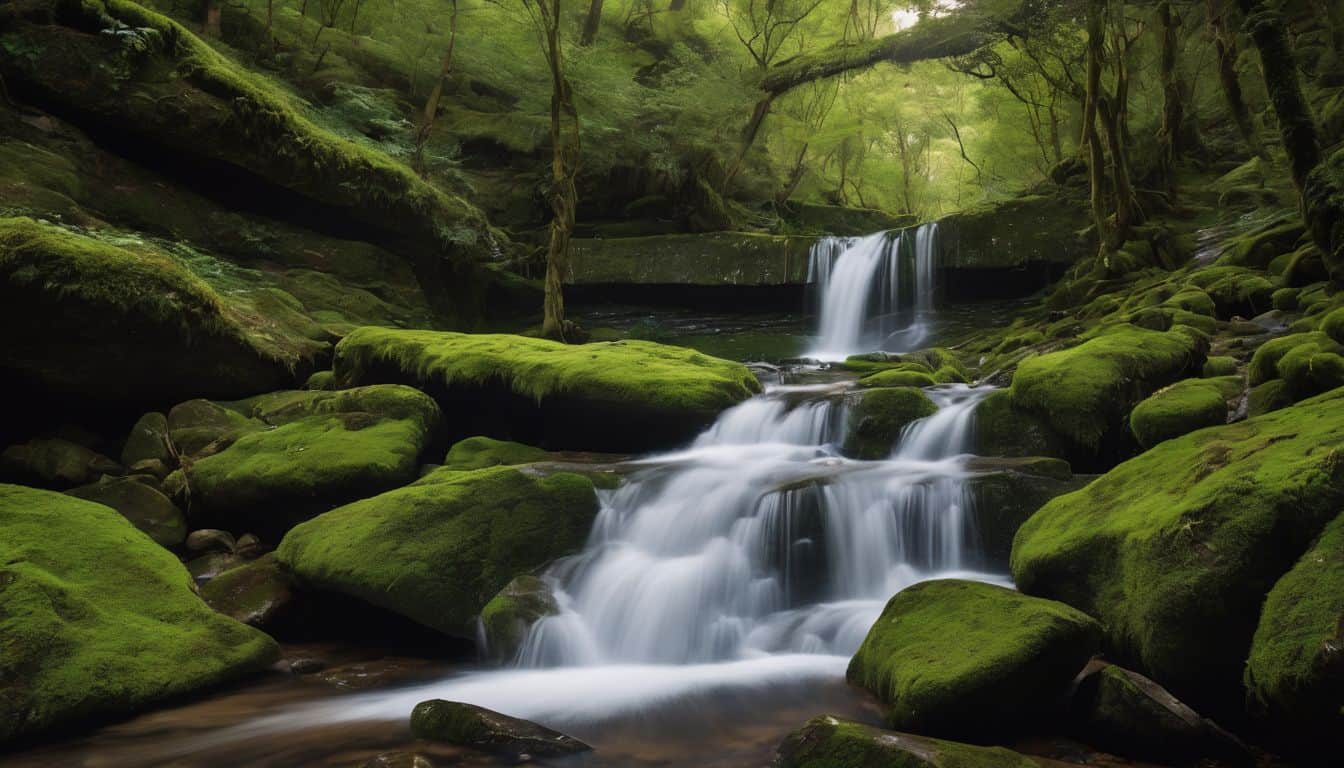
From the cascading music of Spelga Waterfall, its waters plunging into a verdant embrace, to the ancient whispers of Rostrevor’s oak forests, the Mournes offer a symphony of landscapes. Hike through heather-carpeted hills, cycle along serene coastal paths, or simply wander through charming villages, revealing a new facet of this enchanting realm.
Beyond the Surface:
The Mournes are more than just granite and waterfalls. They are a tapestry woven with history, myth, and the resilience of the human spirit. Explore crumbling castles that whisper of battles long past, discover ancient burial mounds that echo with the stories of forgotten tribes, and feel the heartbeat of a land that has nurtured generations.
Tollymore Forest Park
Tollymore Forest Park is a popular starting point for many Mourne Mountain adventures. This picturesque forest park, located at the foot of the Mournes, offers a variety of well-marked trails that wind through ancient woodlands, along the banks of the Shimna River, and past enchanting features such as the iconic “Wooden Arch” and the charming “Hermitage.”
Tollymore Forest Park is known for its diverse flora, fauna, ancient trees, and meandering river. It offers a range of walking trails, from leisurely strolls to more challenging hikes, allowing visitors to blend with the park’s natural wonders. The Wooden Arch is a captivating feature along these trails, inviting visitors to pause, appreciate the scenery, and create lasting memories.
Overall, the Wooden Arch in Tollymore Forest Park is a delightful attraction that showcases the park’s harmonious blend of nature and human creativity. It provides a unique and picturesque spot for visitors to enjoy the beauty of the Shimna River and its surroundings while immersing themselves in the tranquillity of this renowned forest park.
The Wooden Arch in Tollymore Forest Park
The Wooden Arch is one of the delightful features within Tollymore Forest Park, located at the foot of the Mourne Mountains. This enchanting structure is a picturesque wooden bridge that spans the Shimna River, adding a touch of whimsy and charm to the park.
The Wooden Arch serves as a focal point and a popular spot for visitors to pause, capture photographs, and soak in the natural beauty of the surroundings. It is an architectural gem that blends seamlessly with the serene woodland environment, enhancing the park’s ambience and providing a unique spot for exploration.
The bridge is a beautiful arched structure made entirely of wood, with intricate detailing and craftsmanship. It complements the surrounding landscape and adds a touch of elegance to the tranquil setting. Crossing the Wooden Arch allows visitors to experience adventure and discovery as they traverse the Shimna River and continue their journey through the park’s extensive trail network.
Popular Hiking Trails in the Mourne Mountains
The Mourne Mountains in County Down, Ireland, offer many hiking trails catering to all experience and fitness levels. And let’s remember the historical treasures scattered throughout the region. The Mourne Mountains are home to numerous ancient stone circles and burial sites, offering a glimpse into the area’s rich history and Celtic heritage.
Discover the stories behind these intriguing archaeological marvels as we delve into the past. Here are some of the most popular routes that attract outdoor gurus from far and wide.
Slieve Donard
Slieve Donard isn’t only a favourite among hikers seeking a challenge but also the highest peak in Northern Ireland. The trail begins in the charming town of Newcastle. It takes you through lush forests, along a meandering river, and up to the summit. Up there, you’ll be rewarded with panoramic views of the surrounding landscape and the Irish Sea.
The Mourne Wall Walk
This iconic trail follows the route of the Mourne Wall, a 22-mile (35 km) dry-stone wall traverses 15 of the highest peaks in the Mournes. The wall was constructed in the early 20th century as a means of defining the boundary of the local water catchment area. The trail offers an excellent opportunity to experience the mountains’ diverse beauty, stunning views, and challenging terrain.
Slieve Binnian
This striking peak is known for its distinctive rock formations, including the famous “Back Castles” and “Devil’s Coach Road.” The hike to Slieve Binnian takes you through rugged terrain, rewarding you with panoramic scenes of the surrounding mountains and the dazzling expanse of the Silent Valley Reservoir.
Silent Valley Mountain Park
Not only does Silent Valley offer breathtaking scenery and serene surroundings, but it also provides access to a network of trails suitable for various fitness levels. Whether you’re seeking a stroll or a more challenging hike, you’ll find options to suit your preferences, all while being immersed in the tranquillity of this stunning mountain park.
A Culinary Adventure in the Mournes
As you explore the Mourne Mountains, a delightful parallel journey awaits – an adventure for your taste buds. County Down’s reputation for fresh seafood precedes it, and here, the sea’s bounty finds its way onto plates in countless mouthwatering ways. This culinary journey isn’t just a matter of deliciousness; it’s a way to connect with the land and its people.
Each bite speaks of the salty wind, the sun on the waves, and the generations who have sustained themselves on these shores. Imagine biting into fish and chips, the batter light and crispy, the fish flaky and perfectly cooked. Local catches, from plump oysters to succulent prawns, arrive on your plate at their peak, their natural sweetness singing in every bite.
So, come hungry to the Mournes. Let the fresh seafood tantalise your taste buds, the pleasing dining surprise you and the local flavours weave a tale of this incredible destination. It’s an experience that will linger long after you’ve left, a reminder that the magic of the Mournes extends far beyond its breathtaking landscapes.
Where Myth and Mountains Meet: Folklore of the Mourne Mountains
The Mourne Mountains have long captivated the imagination with their rugged peaks and mystical valleys. This is no mere coincidence – they are steeped in folklore, a tapestry of tales woven from ancient beliefs, whispers of the wind, and the enduring spirit of the land.
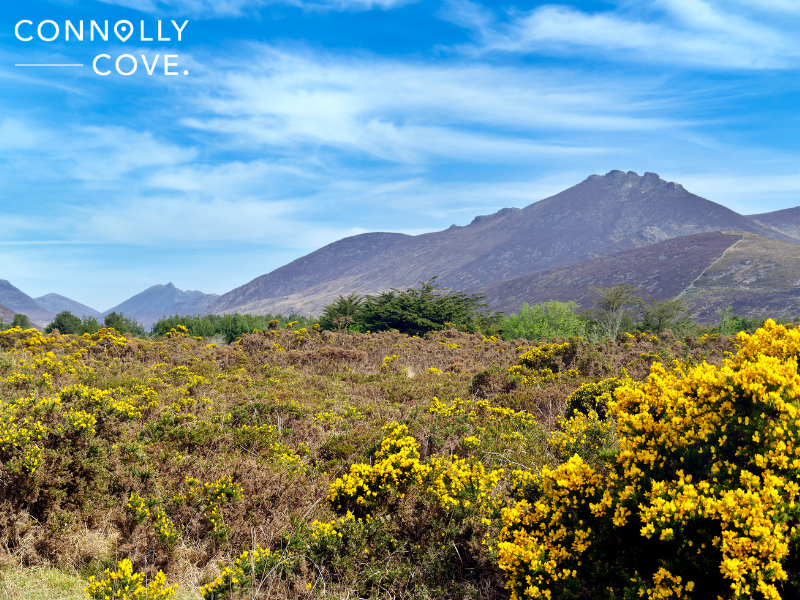
Not only are the Mourne Mountains a hiker’s paradise but they are also steeped in rich folklore and mythical tales. Legend has it that the mountains inspired C.S. Lewis’s magical world of Narnia, with its enchanting landscapes and hidden wonders. Imagine traversing the same paths that sparked the imagination of one of the world’s greatest fantasy authors ever!
Giants of Granite:
Legends tell of the Cú Chulainn, mighty giants said to have carved the Mournes themselves. Their footprints, massive depressions in the earth, are reminders of their presence. Some say the Mourne Wall was built by Fionn mac Cumhaill, another legendary giant, to keep the sea at bay.
Spelga Waterfall in the Mourne Mountains:
Spelga Waterfall, with its cascading waters, is said to be the home of the Clurichaun, a mischievous water sprite. Legend believes that if you leave a gift by the falls, he might grant you a wish. Lough Shannagh, a dark and mysterious lake, is whispered to be the abode of the Pooka, a shapeshifting trickster spirit.
Hidden Creatures:
The Mournes are said to be a haven for fairies, mischievous creatures who dwell in the hidden corners of the landscape. Some say they can be seen dancing in the moonlight or whispering in the rustle of leaves. Be warned, though – they are known to play tricks on unsuspecting travellers!
The Watchful Dead:
Ancient burial mounds dot the Mournes, whispering of those who came before. Some stories speak of the restless dead, their spirits haunting the mountains, seeking peace or revenge. Others tell of the Dearg Due, a red-haired woman said to wander the hills, guiding lost souls and protecting those in need.
Echoes of the Past:
The Mournes are not just a place of fantastical creatures but a living history book. Stories of ancient battles, Viking raids, and smugglers’ caves linger in the air. The ruins of castles like Dundrum and Kilkeel are silent sentinels, their stones bearing witness to centuries of triumphs and tragedies.
A Legacy of Storytelling:
The folklore of the Mournes continues to inspire. Writers, musicians, and artists find themselves drawn to the magic of these mountains, weaving new tales into the fabric of the region’s history. These stories are not just entertainment; they are a way of connecting with the land, its people, and its enduring spirit.
So, if you’re seeking an adventure unlike any other, it’s time you check the Mourne Mountains off your bucket list. Immerse yourself in their breathtaking beauty, uncover hidden gems, treat yourself to delicious cuisine, and immerse yourself in the fascinating history of this remarkable destination.
An Overview of Michigan Tourism Statistics: Visitor Spending, Growth, and Industry Impact
United States
28/04/2024

Top Things To Do in Hamburg: A Hamburger’s Guide!
Germany
27/04/2024
Take a Look at the Astounding Scenery of County Kerry
County Kerry
27/04/2024
Famous Haunted Houses in Egypt: Spooky Stories for Halloween
Destinations
27/04/2024
St. Paul’s Cathedral – London Attractions
England
27/04/2024