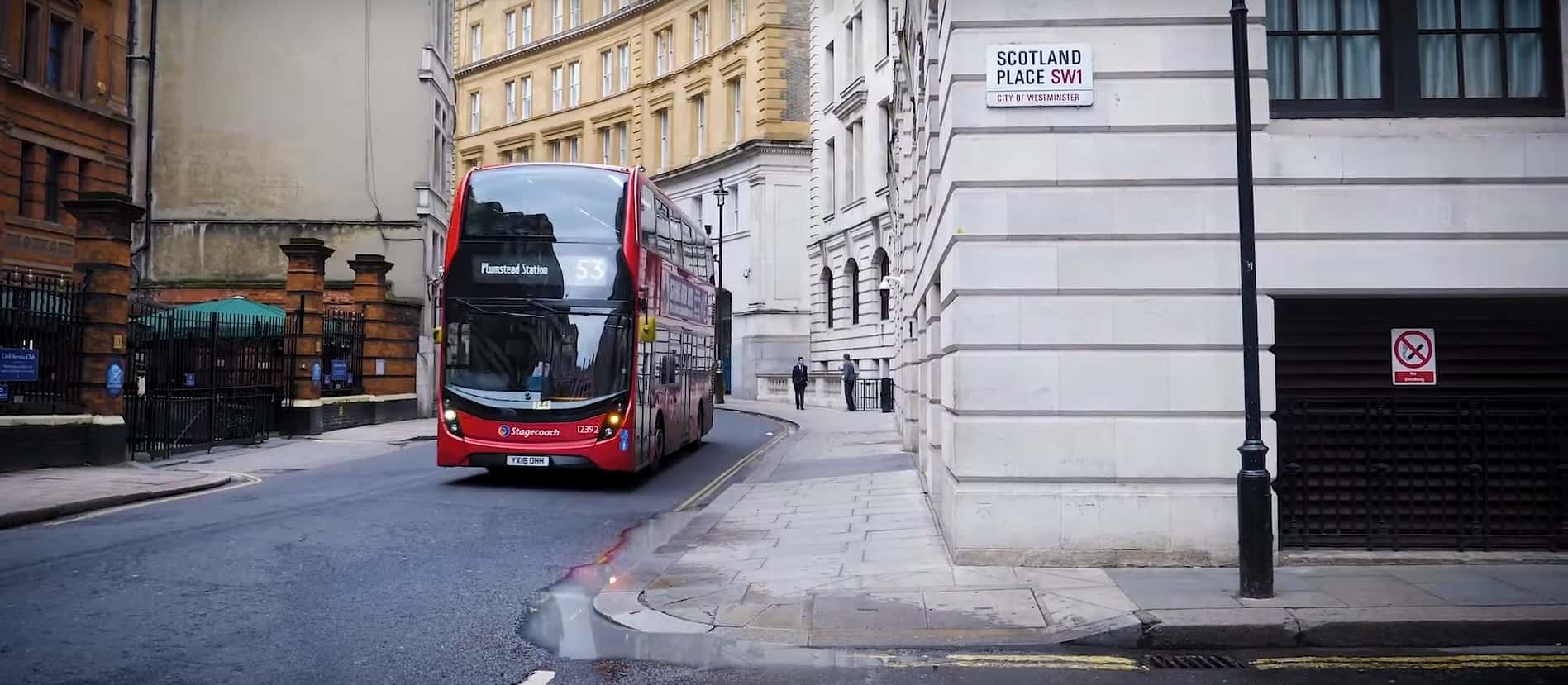


In the heart of Westminster, amidst the bustling thoroughfares and iconic landmarks that define the cityscape of London, there stands a venerable institution steeped in history and shrouded in intrigue—Great Scotland Yard. Far more than a mere name etched upon a signpost, this hallowed establishment embodies the essence of the city’s narrative, weaving together threads of law, order, and the pursuit of justice into a tapestry spanning centuries.
Table of Contents
A Historical Tapestry Woven with Threads of Intrigue
The origins of Great Scotland Yard can be traced back to the dawn of the 19th century when London was undergoing a profound transformation. Against burgeoning industrialization and rapid urbanization, the need for effective law enforcement became increasingly apparent. Amidst this backdrop of social flux, the Metropolitan Police Service found its home in what would soon become one of London’s most iconic addresses.
The name “Great Scotland Yard” conjures images of fog-drenched streets, gas-lit alleyways, and the enigmatic figures who stalked them in search of justice. Though the precise origins of the name remain shrouded in myth and speculation, it is widely believed to have been derived from the lodging of high-ranking police officers who hailed from Scotland, coupled with its proximity to a thoroughfare bearing a similar name.
Guardian of London’s Streets
From its earliest days, Great Scotland Yard emerged as a bastion of law and order in a city teeming with life and intrigue. In the hallowed halls of this venerable institution, some of the most pivotal moments in British policing history unfolded.
As the headquarters of the Metropolitan Police Service, Great Scotland Yard played a pivotal role in orchestrating investigations that captured the public’s imagination and shaped the course of the nation’s history. From the infamous case of Jack the Ripper, whose reign of terror sent shockwaves through Victorian society, to the daring pursuit of the Great Train Robbers, whose exploits captured headlines around the world, the corridors of this storied establishment bore witness to triumphs and trials alike.
A Symbol of Continuity and Reinvention

As London evolved and the demands of law enforcement changed, so did Great Scotland Yard. Yet, amidst the flux of progress and innovation, the institution remained a steadfast beacon of continuity—a silent sentinel standing guard over the city’s streets.
In the early 21st century, as the landscape of policing underwent yet another transformation, the future of Great Scotland Yard hung in the balance. Faced with the prospect of relocation, the question arose: What fate awaited this venerable institution?
The Transformation
In 2013, the Metropolitan Police Service relocated its headquarters to a modern facility, leaving Great Scotland Yard vacant. Recognizing the building’s historical significance, plans were made to preserve its heritage while repurposing it for contemporary use. After an extensive renovation, Great Scotland Yard was reborn as a luxury hotel, blending its Victorian charm with modern amenities.
The transformation of Great Scotland Yard into a hotel has breathed new life into this historic building, allowing visitors to experience its grandeur while enjoying unparalleled hospitality. The hotel offers luxurious accommodations, fine dining experiences, and bespoke services, ensuring a memorable stay for guests from around the globe.
Preserving History
While Great Scotland Yard has undergone a remarkable transformation, its commitment to preserving history remains unwavering. The hotel pays tribute to its law enforcement legacy through carefully curated displays and artefacts, allowing guests to delve into the building’s fascinating past.
From original police memorabilia to archival photographs and documents, Great Scotland Yard offers a glimpse into the evolution of policing in London and the pivotal role played by this iconic building. Visitors can immerse themselves in the stories of detectives, criminals, heroes, and villains woven into Great Scotland Yard’s history.
Exploring Great Scotland Yard

Visitors to Great Scotland Yard are greeted by its impressive facade, ornate details and elegant architecture. Stepping inside, they are transported to a world of timeless luxury and sophistication. The hotel’s interior seamlessly combines period features with contemporary design, creating a unique ambience that pays homage to its storied past.
Guests can choose from various beautifully appointed rooms and suites, each offering modern comforts and amenities. Whether indulging in a gourmet meal at the hotel’s restaurant, enjoying a cocktail in the stylish bar, or relaxing in the serene surroundings of the courtyard, every moment at Great Scotland Yard is an experience to savour.
Discovering London’s Cultural Gems Near Great Scotland Yard
Beyond the captivating allure of Great Scotland Yard itself, the surrounding area of Westminster offers many attractions and landmarks to explore, each adding its unique charm to the tapestry of London’s cultural landscape. Here are some notable destinations that await visitors near Great Scotland Yard:
1. Westminster Abbey
Just a stone’s throw away from Great Scotland Yard lies the majestic Westminster Abbey, a UNESCO World Heritage Site and one of London’s most iconic landmarks. Steeped in history and architectural splendour, this centuries-old abbey has been the setting for coronations, royal weddings, and state funerals, making it a must-visit destination for history enthusiasts and architecture lovers.
2. Buckingham Palace
No visit to London would be complete without a glimpse of Buckingham Palace, the official residence of the British monarch. This grand tower is a short distance from the Great Scotland Yard and symbolises royal splendour and tradition. Visitors can witness the Changing of the Guard ceremony, explore the lavish State Rooms during summer, or simply admire the palace’s magnificent façade from the surrounding gardens.
3. Houses of Parliament and Big Ben
Adjacent to the Palace of Westminster, the Houses of Parliament and the iconic clock tower known as Big Ben command attention along the banks of the River Thames. A short stroll from Great Scotland Yard will lead visitors to this architectural marvel, where they can marvel at the intricate Gothic Revival design of the parliamentary buildings and snap photos of the towering clock face of Big Ben.
4. The Churchill War Rooms
History comes alive at the Churchill War Rooms, an underground complex that served as the nerve centre of Britain’s wartime operations during World War II. Situated nearby in the Westminster area, this museum offers visitors a fascinating glimpse into the secret world of Winston Churchill and his inner circle, with exhibits showcasing the bunker’s preserved rooms and wartime artefacts.
5. Trafalgar Square
A hub of activity and cultural significance, Trafalgar Square beckons visitors with its iconic landmarks, bustling atmosphere, and vibrant energy. From the towering Nelson’s Column to the stately National Gallery, there’s no shortage of sights to behold in this historic square within walking distance of Great Scotland Yard.
6. The London Eye
Visiting the London Eye is necessary for those seeking a bird’s-eye view of the city. This iconic observation wheel offers unparalleled vistas of London’s skyline, including panoramic views of the River Thames, Westminster Abbey, and beyond. Situated just a short distance from the Great Scotland Yard, the London Eye promises an unforgettable experience for visitors of all ages.
Conclusion
Great Scotland Yard is a testament to London’s rich history and the enduring spirit of innovation and reinvention. From its humble beginnings as a law enforcement hub to its current incarnation as a beacon of luxury and hospitality, it continues to captivate and inspire all who encounter its timeless charm.
As travellers venture through its hallowed halls and traverse its storied corridors, they are invited to embark on a journey through time and tradition, where the past intertwines with the present, and the spirit of Great Scotland Yard lives on.