


Haunted Edinburgh: Dare to Unveil the City’s Spooky Secrets?
Updated On: April 26, 2024 by  Esraa Mahmoud
When a city is ripe with grisly tales from yesteryears and unsolved enigmas, spilling over with haunted nooks begging to be discovered, then it wouldn’t be an exaggeration to name it haunted like haunted Edinburgh!
Haunted Edinburgh, aka Edinburgh is renowned for its rich history and eerie atmosphere, making it a prime destination for those seeking a spine-tingling experience. The city is steeped in tales of ghosts, ghouls, and haunted locations, with a plethora of spooky secrets waiting to be unveiled.
Edinburgh, affectionately known as “Auld Reekie”—which means Old Smoky in the Scottish language—for its once smoke-filled streets, isn’t just a city steeped in rich history. From the mournful moans echoing through Greyfriars Kirkyard to the phantom piper haunting the ramparts of Edinburgh Castle, tales of spectral encounters have captivated imaginations for centuries.
Haunted Edinburgh Top Attractions!
Discovering the haunted side of Edinburgh will give you chills while immersing yourself in its historical past. So get ready to uncover dark secrets and embrace the thrill of its haunted history! Our guide to Haunted Edinburgh promises to take you on an extraordinary journey through narrow cobbled lanes and dim-lit vaults teeming with centuries-old secrets – it’s as if they’ve been waiting just for us!
Ready for a thrilling delve into Scotland’s shadowy past that will have your spine tingling down to the very last word? Well then, chum, let’s plunge right in as we explore the haunted places in Edinburgh.
West Bow House of Horrors
West Bow House is a well-known spooky spot in Edinburgh. Long ago, it was home to a wicked wizard named Major Weir. People tell tales of his dark magic and creepy cane, and they say he confessed to all his bad deeds before dying.
But the horror didn’t end with Major Weir! As after many years, folks started seeing strange things at night — shadows moving in windows or even hearing cries! So, if you’re brave enough, add West Bow House to your list when exploring haunted spots in this city.
Edinburgh Castle
Edinburgh Castle is a must-visit for anyone interested in history and the supernatural. As you step through its ancient gates, you can feel the weight of centuries of stories lingering in the air.
The castle has seen countless battles, royalty, and even ghostly apparitions. One famous tale involves a headless drummer boy who haunts the castle’s corridors. Visitors have reported hearing his ghostly drumming echoing through the halls at night.
It’s an eerie reminder of Edinburgh Castle’s haunted past. Exploring this historic landmark is like stepping back in time and immersing yourself in Scotland’s fascinating history.
Brodie’s Close
Brodie’s Close is a historic close (a narrow alley or passage) located in the Old Town of Edinburgh, Scotland. It is known for its connection to the infamous Deacon Brodie, a respected citizen by day and a notorious burglar by night, who inspired Robert Louis Stevenson’s character Dr. Jekyll and Mr. Hyde.
Brodie’s Close in Edinburgh is definitely a must-see for anyone interested in Edinburgh’s haunted history. This narrow alleyway has a dark past filled with tales of murder and mystery.
As you walk through the close, you can feel a chilling presence in the air. The old buildings loomed overhead, their stone walls whispering secrets from centuries ago. It is said that Brodie’s Close is haunted by the restless spirit of George Mackenzie, who was known as the “Bloody Mackenzie” due to his brutal treatment of prisoners.
Many visitors have reported eerie encounters and feelings of unease while exploring this haunted location. So, if you’re a fan of ghost stories or want to experience a spine-tingling adventure, be sure to add Brodie’s Close to your list when visiting Edinburgh.
Greyfriars Kirkyard
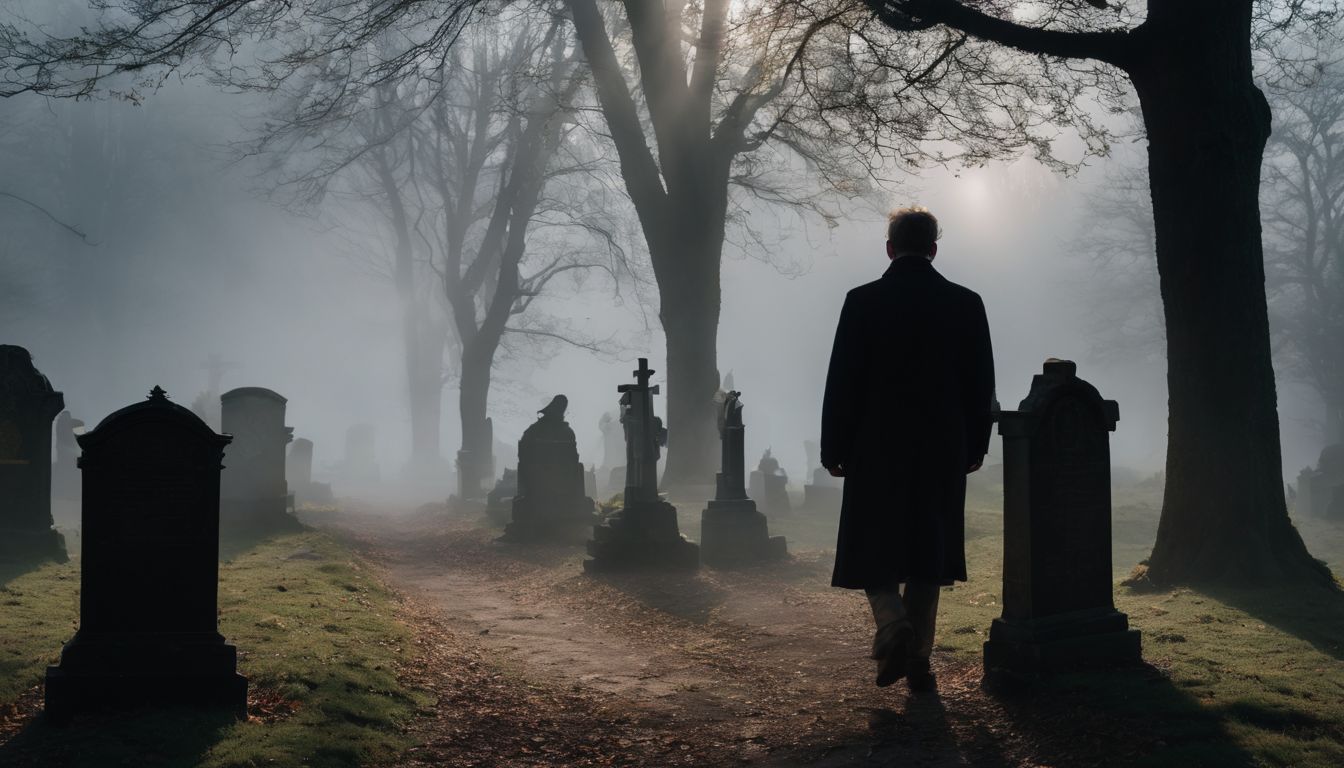
Nicknamed “the most haunted cemetery in the world,” Greyfriars Kirkyard is a chilling canvas painted with stories of restless spirits. Among the weathered tombstones lies the Mackenzie Poltergeist, said to torment visitors with mischievous pranks and chilling whispers.
Legend has it that his rage stems from a brutal murder, his spirit forever bound to the grounds where he met his demise. Then there’s the Watcher, a shadowy figure allegedly spotted lurking amidst the mausoleums, his purpose and identity shrouded in the mists of time. These are just whispers; dig deeper, and you’ll uncover tales of Black Agnes, a notorious torturer, and countless unnamed souls forever bound to this eerie expanse.
This ancient cemetery dates back to the 16th century and is said to be haunted by restless spirits. It is home to some eerie tales, including that of Greyfriars Bobby, a loyal dog who guarded his owner’s grave for 14 years.
You can wander among the tombstones and feel the mysterious atmosphere as you learn about the dark history and paranormal activity associated with this hauntingly beautiful graveyard. Be prepared for spooky encounters, and keep an open mind as you delve into the ghostly legends of Greyfriars Kirkyard in Edinburgh.
South Bridge Vaults
As we delve into Edinburgh’s haunted history, one eerie location that cannot be missed is the South Bridge Vaults. These underground vaults were once home to businesses and residences in the 18th century, but they eventually became a dark and mysterious place.
Today, they are said to be haunted by the spirits of those who suffered there. As you explore these ancient tunnels, you may feel a chill in the air or hear whispers from unseen entities.
Mary King’s Close
Mary King’s Close is one of the most famous and haunted attractions in Edinburgh. Located beneath the bustling Royal Mile, this close offers a glimpse into the city’s dark past. As you explore its narrow streets and hidden passages, you can’t help but feel a sense of unease.
Mary King’s Close was once a thriving street, home to many residents. However, during the 17th-century plague outbreak, it became an abandoned and forgotten place.
Walking through Mary King’s Close, you’ll learn about its haunting history and hear chilling tales of ghostly encounters. The knowledgeable guides bring the stories to life as they recount the hardships faced by those who lived here during plague times. You might even catch a glimpse of some supernatural activity yourself!
Banshee Labyrinth
The Banshee Labyrinth is a must-visit haunted attraction in Edinburgh. As the reputedly most haunted pub in Scotland, it offers a unique experience for those seeking supernatural thrills.
With its dark underground tunnels and eerie atmosphere, the Banshee Labyrinth is perfect for those who are looking to uncover Edinburgh’s spooky past. The pub also hosts regular horror movie nights and live music events, making it a favourite spot for culture enthusiasts as well. So, if you’re up for some ghostly encounters and chilling tales, don’t miss out on exploring the Banshee Labyrinth during your visit to Haunted Edinburgh.
Borthwick Castle
The magnificent Borthwick Castle, located just outside of Edinburgh, has a haunted history that adds to its allure. With its towering stone walls and stunning architecture, the castle transports you back in time to the 15th century when it was first built.
Inside, you can explore the grand halls and majestic rooms while learning about the fascinating stories of its past inhabitants. Rumour has it that Borthwick Castle is haunted by several ghosts, including Lady Margaret Drummond, who tragically died there on her wedding day.
Whether you believe in ghostly encounters or not, a visit to Borthwick Castle is sure to leave you with an unforgettable experience steeped in history and mystery.
Dalhousie Castle Hotel & Spa
This historic castle, dating back over 800 years, is not only known for its luxurious accommodations but also its paranormal activity.
It is said to be inhabited by several ghosts, including the famous Grey Lady, who roams the corridors at night. Guests have reported hearing mysterious footsteps and feeling cold spots throughout the castle.
For those seeking a truly unique and eerie experience, staying at Dalhousie Castle Hotel & Spa is a must-visit destination.
History buffs will appreciate the rich heritage of the castle and its intriguing ghostly tales that date back centuries. Nature lovers can enjoy exploring the beautiful surrounding countryside while keeping an eye out for any supernatural encounters.
Foodies will delight in indulging themselves in traditional Scottish cuisine offered at Dalhousie Castle’s award-winning restaurant, where they can dine like kings and queens amidst historical surroundings.
With activities such as archery and falconry available on-site, visitors can immerse themselves in ancient Scottish traditions.
Tips for Exploring Haunted Edinburgh
When exploring haunted Edinburgh, plan your route carefully to make the most of your time and cover all the spooky sites. Book a ghost tour for an immersive experience that highlights the city’s eerie history.
Stay at a haunted hotel for a chance to have a ghostly encounter of your own. Visit during the Halloween season for an extra dose of supernatural thrills. Keep an open mind and be respectful of these haunted locations, as they hold dark secrets and mysterious tales waiting to be discovered.
Be prepared for spooky experiences along the way, but don’t forget to also enjoy Edinburgh’s non-haunted attractions – this city has something for everyone!
Plan Your Trip!
To make the most of your exploration of haunted Edinburgh, it’s important to plan your route in advance. With so many spooky sites to visit, you’ll want to ensure that you can cover as much ground as possible during your stay.
Start by researching the haunted places you’re interested in and map out their locations. This will help you create an efficient itinerary and minimise travel time between attractions.
Take into consideration the opening hours of each site and any guided tours that may be available. By planning ahead, you’ll be able to navigate the city’s eerie streets with ease and maximise your chances of encountering some supernatural activity along the way.
Book a Ghost Tour
If you’re looking to uncover the haunted history of Edinburgh, booking a ghost tour is a must. It’s an exciting way to delve into the city’s spooky side and learn about its haunted locations.
You can join guided tours that take you through underground vaults or explore haunted houses during the Halloween season. These tours offer firsthand experiences and stories about paranormal activity in Edinburgh. So grab your brave spirit and book a ghost tour for an unforgettable adventure in the supernatural world of Edinburgh!
Visit During the Halloween Season
When visiting haunted Edinburgh, one of the best times to go is during the Halloween season. This is when the city comes alive with spooky festivities and events.
From ghost tours that delve into Edinburgh’s paranormal activity to haunted attractions that showcase the city’s dark secrets, there are plenty of hair-raising activities to choose from.
Whether you’re exploring the haunted vaults or wandering through Greyfriars Kirkyard at night, visiting during the Halloween season adds an extra level of supernatural excitement to your trip.
Keep an Open Mind
As you explore the haunted history of Edinburgh, it’s important to keep an open mind. The supernatural tales and ghostly encounters may seem unbelievable, but remember that this city has a rich history full of mysterious legends.
By approaching these stories with an open mind, you might just find yourself experiencing something truly eerie and unexplainable. Embracing the unknown can make your journey through haunted Edinburgh even more thrilling.
So, put aside any scepticism and allow yourself to be immersed in the dark secrets and paranormal activity that this intriguing city has to offer.
Be Respectful of the Sites
When exploring the haunted sites in Edinburgh, it’s important to show respect. These locations hold historical and cultural significance, so treat them with care. Avoid causing any damage or disturbance, as it can disrupt the atmosphere and ruin the experience for others.
Remember that these places are not just a source of spooky entertainment but also a part of Edinburgh’s history. By being respectful, we can ensure that future visitors can continue to appreciate and learn from these haunted sites.
Explore Beyond Haunted Edinburgh Locations!
While exploring the haunted side of Edinburgh can be thrilling, don’t miss out on the city’s other incredible attractions! You will find plenty to enjoy in this vibrant city.
From stunning architecture to world-class cuisine, Edinburgh offers a wide range of experiences. Take a stroll through the picturesque streets of the Old Town or visit iconic landmarks like Arthur’s Seat and Holyrood Palace.
Dive into Scottish history at the National Museum of Scotland or indulge in delicious local dishes at traditional pubs and restaurants. There is something for everyone in Edinburgh, so make sure to immerse yourself in all that this captivating city has to offer – beyond its haunted tales!
As we conclude our exploration of Edinburgh’s most notorious haunts, remember this is just the tip of the spectral iceberg. Edinburgh’s haunted heart is waiting to be discovered, offering a unique and unforgettable experience for those who dare to look beyond the veil. So, pack your curiosity, embrace the chills, and prepare to be awed by the secrets whispered by the City of the Dead.

Exploring the Isle of Man’s Rich History and Culture
Ireland
29/04/2024
Exploring The Town of Carrickfergus
County Antrim
29/04/2024
Commercial Court: The Dazzling Lights of Belfast
Northern Ireland
29/04/2024

How to Make a Killy Kiss Cocktail By Killyhevlin Hotel
Northern Ireland
28/04/2024

Middle East Travel Statistics from 2019 to Now
Middle East
28/04/2024