

Skip to content
Updated on: by Avatar image of authorCove Team Review By: Fatma Mohamed

The United Kingdom holds one of the world’s richest concentrations of historic castles—over 4,000 fortifications spanning nearly a millennium of conflict, ambition, and architectural evolution. Identifying the best castles in the UK requires looking beyond tourist brochures to understand what each fortress actually offers: from the windswept cliffs of Dunluce to the opulent State Rooms of Windsor, these stone sentinels provide tangible connections to the events and people who shaped British and Irish history.

Planning which castles to visit means understanding what type of experience you’re seeking. Some of the best castles in the UK remain atmospheric ruins where you can touch 800-year-old stonework and climb uneven medieval stairs. Others function as living museums with priceless art collections, guided tours, and prohibitive entry fees. This guide cuts through the promotional material to help you identify the castles worth your time and money, organised by region to support practical trip planning.

Whether you’re a history enthusiast chasing Norman architecture, a family seeking a full day out with interactive exhibits, or a photographer hunting for dramatic coastal backdrops, you’ll find detailed insights on the UK’s most significant strongholds below.

Understanding UK Castle Types: Ruins vs. Royal Residences

Before programming your satnav, recognise that “castle” encompasses vastly different experiences across the UK. Managing expectations prevents disappointment and helps you select sites matching your interests.

The Atmospheric Ruin

These are fortifications where history feels most immediate. Often managed by English Heritage, Cadw, Historic Scotland, or left entirely unmanned, ruins expose visitors to the elements alongside centuries-old stonework.

What to expect:

  • Open-air exploration with minimal modern intervention
  • Uneven surfaces, steep stairs, exposed heights
  • Windswept, romantic settings perfect for photography
  • Generally lower admission fees (£8-£12) or free access
  • Dog-friendly throughout the grounds
  • Limited facilities—basic toilets, perhaps a small visitor centre

Best for: Photographers, couples, hikers, history purists, anyone seeking an authentic atmosphere over a polished presentation

Pack accordingly: Waterproof jacket, sturdy walking boots, and realistic expectations about the weather. These sites rarely close for rain.

The Living Residence

Castles like Windsor, Warwick, and Alnwick remain fully roofed, furnished, and staffed. Many stay in private ownership or operate under Royal Collection Trust management.

What to expect:

  • Grand interiors with priceless artwork and period furnishings
  • Guided tours or audio guides included
  • Security procedures, bag checks, photography restrictions
  • Significant admission costs (£25-£35 per adult)
  • Excellent cafés, gift shops, and accessible facilities
  • Better accessibility for visitors with mobility limitations

Best for: Families, rainy day alternatives, art enthusiasts, those interested in royal history, visitors requiring wheelchair access

The trade-off: Higher prices and larger crowds, particularly during school holidays. Book online in advance for cheaper tickets and guaranteed entry.

The Membership Value Calculation

If you’re planning to visit more than three heritage sites during your UK trip, individual tickets become expensive quickly. Consider these annual memberships:

  • English Heritage: £62 (covers 400+ sites in England)
  • National Trust: £76 (includes gardens, houses, and some castles)
  • Historic Scotland: £59 (covers Scottish monuments)
  • Cadw: £45 (covers Welsh heritage sites)

Reciprocal arrangements: National Trust members from Northern Ireland can use their cards at National Trust properties in England, Wales, and Scotland. Some heritage passes offer limited reciprocal entry—check specific terms before purchasing.

For UK residents planning regular heritage visits, these memberships typically pay for themselves after three visits. International visitors on shorter trips should calculate based on their specific itinerary.

Northern Ireland’s Coastal Strongholds

Northern Ireland’s castles cluster along dramatic coastlines where Norman adventurers, Scottish clans, and English garrisons fought for control of strategic harbours and trade routes. The province offers fewer castles than other UK regions, but compensates with spectacular settings and compelling stories.

Dunluce Castle

Location: Bushmills, County Antrim
Type: Dramatic Clifftop Ruin
Best for: Photography, Game of Thrones fans, atmospheric exploration

Perched on a sea stack with Atlantic waves crashing 30 metres below, Dunluce represents Northern Ireland’s most photographed medieval ruin. The 16th-century stronghold of Clan MacDonnell endured centuries of clan warfare before nature delivered the final blow: in 1639, the kitchen wing collapsed into the sea during a storm, taking servants with it (their bodies were never recovered).

Today’s ruins reveal both medieval military architecture and remnants of Victorian-era renovation attempts. Walk carefully—the site’s dramatic position means steep drops and slippery grass when wet. The visitor centre provides context on the MacDonnells’ turbulent history and the castle’s starring role as House Greyjoy’s stronghold in Game of Thrones.

Practical details:

  • 2-hour visit typical
  • Limited accessibility due to uneven terrain
  • £5.50 adults (2025 rates)
  • Often windy—dress appropriately
  • Combine with Giant’s Causeway (10-minute drive)

Carrickfergus Castle

Location: Carrickfergus, County Antrim
Type: Preserved Norman Keep
Best for: Military history, families, accessible visiting

Built in 1177 by John de Courcy, Carrickfergus served continuously as a military installation for over 750 years—one of Ireland’s longest-occupied fortifications. Its double-walled design and waterside position demonstrate Norman military engineering at its most effective. Unlike many Irish castles, Carrickfergus survived relatively intact through centuries of sieges, providing modern visitors with Northern Ireland’s best-preserved medieval keep.

The Great Tower’s interior houses displays spanning from medieval weaponry to Victorian military equipment. Children appreciate the wax figure displays depicting castle life across different centuries, while history enthusiasts value the detailed information on the 1690 Williamite siege.

Climb the keep’s steep stone stairs for panoramic views of Belfast Lough—the same vantage point medieval guards used to spot approaching enemies.

Practical details:

  • 1.5-hour visit typical
  • Good accessibility (ground floor only)
  • £5 adults
  • Free parking adjacent
  • The town centre location allows combining with the Carrickfergus shopping

Belfast Castle

Location: Cave Hill, Belfast
Type: Victorian Country House
Best for: Scenic views, afternoon tea, accessible facilities

Don’t let the name mislead you—Belfast Castle bears little resemblance to medieval fortresses. Built in 1870 in Scottish Baronial style, it functions more as a Victorian country house than a defensive structure. The Donegall family commissioned renowned Belfast architect William Henry Lynn to create an elaborate estate showcasing their wealth and status.

What Belfast Castle lacks in medieval authenticity, it compensates for with panoramic city views and well-maintained grounds. The estate sits 120 metres above sea level on Cave Hill, providing the backdrop for countless Belfast wedding photographs (the castle operates as a popular wedding venue).

Visit for afternoon tea in the Victorian Parlour Restaurant, explore Cave Hill’s walking trails, or tour the Cellar Theatre for occasional performances. The Castle Visitor Centre provides a local history context, though dedicated castle historians may find limited historical content compared to genuine medieval sites.

Practical details:

  • Free entry to grounds; tours £5
  • Excellent accessibility throughout
  • Café and restaurant on-site
  • 30-minute drive from Belfast city centre
  • Combine with Cave Hill walking trails (allow 3-4 hours)

Enniskillen Castle

Location: Enniskillen, County Fermanagh
Type: 15th-Century Tower Keep with Museum
Best for: Local history, museum visitors, families

The Maguire clan’s 15th-century stronghold on Lough Erne’s banks now houses Fermanagh County Museum, blending medieval architecture with comprehensive local history exhibits. Enniskillen’s strategic position controlling Lough Erne’s waterways made it a crucial border fortress during centuries of Irish-English conflict.

The Watergate Tower, the castle’s most distinctive feature, stands guard over the lough much as it did 500 years ago. Inside, museum exhibitions cover everything from prehistoric Fermanagh to World War II’s impact on the region. The castle also houses the Inniskillings Museum, dedicated to two famous Irish regiments.

For castle purists, Enniskillen offers less architectural drama than Dunluce or Carrickfergus. However, the museum’s quality and the castle’s integration into modern Enniskillen’s streetscape create an interesting contrast between medieval fortification and contemporary town life.

Practical details:

  • 2-hour visit typical
  • Good ground-floor accessibility
  • £5 adults (includes museum)
  • Town centre location
  • Explore the Fermanagh Lakelands while visiting

Castle Coole

Location: Enniskillen, County Fermanagh
Type: 18th-Century Neoclassical Estate
Best for: Architecture enthusiasts, National Trust members, and gardeners

Strictly speaking, Castle Coole isn’t a castle at all—it’s a neoclassical mansion built in 1790 for the Earl of Belmore. The name persists from an earlier fortress that once occupied the site. What Castle Coole lacks in medieval credentials, it recovers through architectural significance as one of Ireland’s finest neoclassical buildings.

Architect James Wyatt designed pristine white Portland stone facades that gleam against County Fermanagh’s green landscape. Inside, elaborate plasterwork, marble columns, and period furnishings demonstrate 18th-century aristocratic taste. The restored State Rooms show the mansion as it appeared during the Earls of Belmore’s residence.

The National Trust manages the 700-hectare estate, which includes woodland walks and Lough Coole. Visit during spring when the estate’s rhododendrons create spectacular colour displays, or autumn when mature parkland trees provide photography opportunities.

Practical details:

  • 1.5-2 hour visit
  • Partial accessibility (ground floor)
  • £10 adults (National Trust members free)
  • Large free car park
  • Café in converted stable block

Scotland: Where Landscape Meets Legend

Scotland’s castles benefit from the most dramatic natural settings in the UK. Built atop volcanic plugs, scattered across Highland glens, or positioned on tiny islands where lochs meet, Scottish fortifications demonstrate how geography shaped military architecture. The country’s turbulent history—clan warfare, English invasions, Jacobite uprisings—left a legacy of fortifications ranging from impregnable Edinburgh Castle to hundreds of ruined tower houses dotting the Highlands.

Edinburgh Castle

Location: Edinburgh City Centre
Type: Active Military Site and Museum Complex
Best for: First-time visitors, military history, Crown Jewels

Edinburgh Castle dominates Scotland’s capital from atop Castle Rock, an extinct volcano rising 130 metres above sea level. As Scotland’s most-visited paid attraction (over 2 million visitors annually), it requires strategic planning to avoid crushing crowds and maximise your experience.

The castle has been besieged more than any other place in Britain—at least 26 times since the 12th century. This violent history left layers of architectural development spanning 900 years, from St Margaret’s Chapel (Edinburgh’s oldest surviving building, circa 1130) to 18th-century military barracks still housing army offices today.

What to prioritise:

The Honours of Scotland: Scotland’s crown jewels predate the English Crown Jewels and hold deeper national symbolism. The Crown, Sceptre, and Sword of State survived Cromwell’s attempt to destroy them through a clever smuggling operation during the 1650s siege. The queue moves steadily—expect a 15-20 minute wait during peak times.

The Great Hall: Built by James IV in 1511, this hammer-beam-roofed hall hosted lavish banquets and state occasions. The restored interior and weapons displays provide context on royal court life.

St Margaret’s Chapel: This tiny Norman chapel survived centuries of destruction when larger structures fell. Its simple stone interior offers a contemplative break from the castle’s busier sections.

The One O’Clock Gun: Since 1861, a cannon has fired daily at 1 PM (except Sundays, Good Friday, and Christmas Day) to help ships in the Firth of Forth set their maritime clocks. The tradition continues despite modern timekeeping—tourists jump in unison when the blast echoes across Princes Street.

Crowd management strategy: Book the earliest entry slot (9:30 AM) online. Head directly to the Honours of Scotland before tour buses arrive at 10:30 AM. Save the National War Museum and castle views for midday when other attractions are busiest.

Practical details:

  • 2-3 hour minimum visit
  • A courtesy vehicle is available for steep slopes (limited mobility)
  • £19.50 adults (book online for cheaper rates)
  • Audio guide included in admission
  • Expect queues year-round; worst during August’s Edinburgh Festival

Eilean Donan Castle

Location: Dornie, Kyle of Lochalsh, Scottish Highlands
Type: Restored Medieval Fortress
Best for: Photography, Highlands tours, Outlander fans

If you’ve seen one Scottish castle photograph, you’ve likely seen Eilean Donan. This tiny island fortress, where three sea lochs meet (Loch Duich, Loch Long, Loch Alsh), appears in countless calendars, shortbread tins, and film productions. The Highlander, Made of Honour, and The World Is Not Enough were all filmed here.

Despite its ancient appearance, the castle you see today is largely a 20th-century reconstruction. The original 13th-century fortress was destroyed in 1719 during the Jacobite Uprising when government forces bombarded it into ruins. It remained derelict for 200 years until Lt. Col. John MacRae-Gilstrap purchased the island in 1911 and spent 20 years rebuilding based on surviving architectural fragments.

The restoration was remarkably thorough. Inside, furnished rooms recreate medieval living quarters with period-appropriate furniture, weapons, and textiles. The Banqueting Hall’s hand-painted wooden ceiling took craftsmen months to complete using traditional techniques.

Visit at dawn or dusk for photography without crowds—the castle’s position creates spectacular reflections in the lochs during calm weather. The on-site visitor centre explains the reconstruction process and the MacRae clan’s history.

Practical details:

  • 1-hour visit typical
  • Limited accessibility (stairs throughout)
  • £10 adults
  • Small car park fills quickly (arrive before 10 AM or after 4 PM)
  • 2-hour drive from Inverness; combine with Skye trips

Palace of Holyroodhouse

Location: Edinburgh (opposite end of the Royal Mile from Edinburgh Castle)
Type: Working Royal Palace
Best for: Royal history, art collections, accessibility

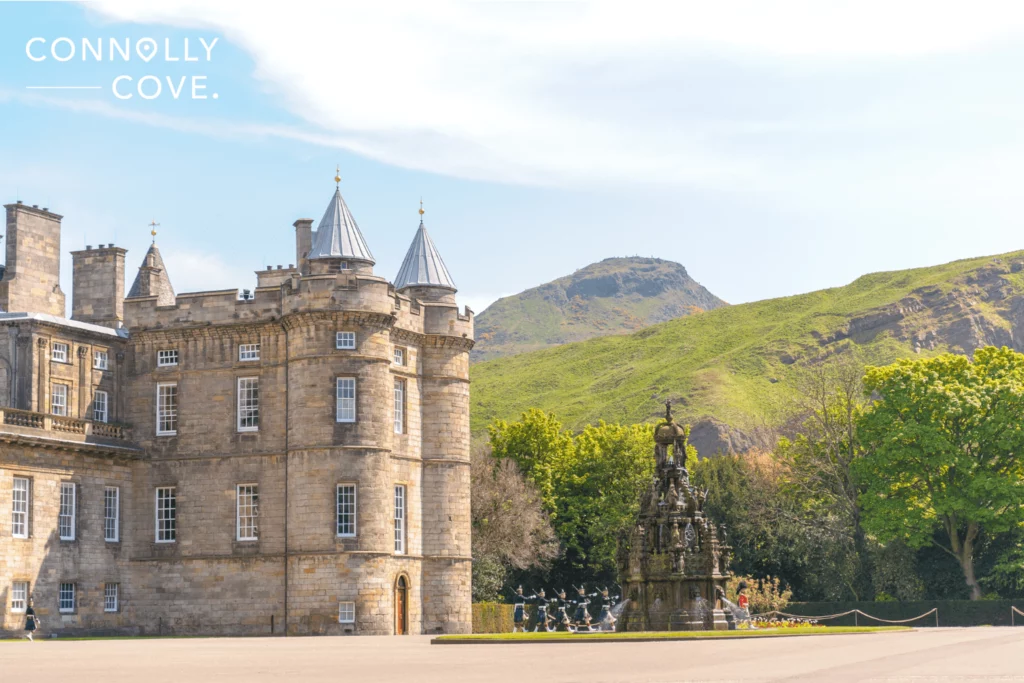
Holyroodhouse serves as the Queen’s official Scottish residence, making it one of the few UK castles still fulfilling its original royal function. When the Royal Family isn’t in residence (most of the year), visitors can tour the State Apartments, Historic Apartments, and the ruined Holyrood Abbey in the palace gardens.

Mary, Queen of Scots, lived here during the most dramatic years of her reign (1561-1567). Her chambers preserve the spot where her private secretary, David Rizzio, was murdered in 1566 by her husband, Lord Darnley and co-conspirators—they stabbed him 56 times. A brass plaque marks where he fell, and legends claim his bloodstain never completely washes away.

The Great Gallery displays portraits of 111 Scottish monarchs, many fictional or semi-legendary figures, painted by Jacob de Wet II in the 1680s. While historically dubious (he painted Scotland’s entire royal lineage in two years, completing a portrait every two weeks), the portraits create an impressive visual spectacle.

The ruined Holyrood Abbey predates the palace by 400 years. Founded in 1128, it operated as an Augustinian monastery until the Scottish Reformation. The atmospheric roofless nave, with grass growing between ancient flagstones, provides a stark contrast to the palace’s maintained opulence.

Practical details:

  • 2-hour visit typical
  • Excellent accessibility throughout the palace
  • £17.50 adults (cheaper online)
  • A combined ticket with Edinburgh Castle is available
  • Closed when the Royal Family is in residence (check calendar)
  • The Queen’s Gallery next door houses rotating exhibitions

Stirling Castle

Location: Stirling
Type: Renaissance Palace and Medieval Fortress
Best for: Renaissance history, families, military heritage

Stirling Castle occupies one of Scotland’s most strategic positions—a volcanic crag controlling the main route between Scotland’s Highlands and Lowlands. Every Scottish king and queen was crowned here between 1214-1651. Major battles were fought within sight of its walls: Stirling Bridge (1297), Bannockburn (1314), and Sauchieburn (1488).

While less famous than Edinburgh Castle, Stirling offers richer Renaissance architecture and fewer crowds. James V transformed the medieval fortress into a Renaissance palace during the 1530s-1540s, creating elaborate carved stone facades modelled on French châteaux. The Great Hall’s hammer-beam roof, completed in 1503, remains Scotland’s largest medieval banqueting hall.

Recent restoration projects recreated the Chapel Royal’s painted ceiling and the King’s Inner Hall’s vibrant Renaissance interiors—a rarity in UK castles where most period décor has been lost. The palace kitchens operate as a living history exhibit where costumed interpreters prepare authentic 16th-century meals (not for public consumption, but the process and smells are engaging).

Children appreciate the castle’s interactive approach: try on reproduction armour, handle medieval weapons (supervised), and watch craftspeople working in the Tapestry Studio, where weavers continue creating massive Renaissance tapestries using 16th-century techniques.

The Regimental Museum of the Argyll and Sutherland Highlanders occupies the castle’s lower levels, displaying military artefacts spanning 200 years.

Practical details:

  • 2-3 hour visit
  • Good accessibility (main areas)
  • £16 adults
  • Free parking
  • A combined ticket with Stirling Old Town Jail is available
  • More authentic medieval experience than Edinburgh Castle

Dunnottar Castle

Location: Stonehaven, Aberdeenshire
Type: Dramatic Clifftop Ruin
Best for: Photography, dramatic landscapes, Scottish history

Dunnottar earns its reputation as Scotland’s most spectacularly positioned ruin. The fortress occupies a near-island: a flat-topped promontory surrounded by 50-metre cliffs and connected to the mainland by a narrow pathway. Approaching down the coastal path, the ruins appear to float above the North Sea—Aberdeenshire’s answer to Dunluce.

The castle’s fame rests partly on its successful defence of Scotland’s crown jewels during the English Civil War. When Cromwell’s forces besieged Dunnottar in 1651-52, the Honours of Scotland were hidden within. After eight months, with the castle about to fall, two women smuggled the regalia out disguised among rolls of linen. The jewels survived; the castle’s defences did not—Cromwell’s forces burned much of it after the surrender.

What remains spans 14th-17th-century construction: ruined keep, chapel, forge, storehouses, and kitchens scattered across the clifftop. Unlike reconstructed castles, Dunnottar shows genuine medieval decay—collapsed walls, roofless buildings, stonework worn by centuries of Atlantic storms. This authenticity makes it popular with photographers willing to brave the coastal path.

Important considerations: Reaching the castle requires descending steep steps, crossing a slippery stone path, then climbing stairs up to the ruins—approximately 160 steps total. The path becomes treacherous when wet or icy. This isn’t suitable for young children or anyone with mobility limitations. Allow at least 90 minutes for careful exploration and the hike back up.

Practical details:

  • 1.5-2 hour visit (including walk)
  • Poor accessibility (steep coastal path)
  • £9 adults
  • Small car park at clifftop (often full)
  • Best visited in dry weather
  • Sunrise/sunset photography is spectacular

England: From Norman Keeps to Royal Palaces

England holds the UK’s highest concentration of castles—over 1,500 fortifications survive in various states. From William the Conqueror’s motte-and-bailey strongholds to Henry VIII’s coastal artillery forts, English castles reflect 900 years of military architecture evolution. The finest blend of defensive strength with royal comfort, creating palatial fortresses that defined medieval kingship.

Windsor Castle

Location: Windsor, Berkshire
Type: Working Royal Palace
Best for: Royal history, State Apartments, art collections

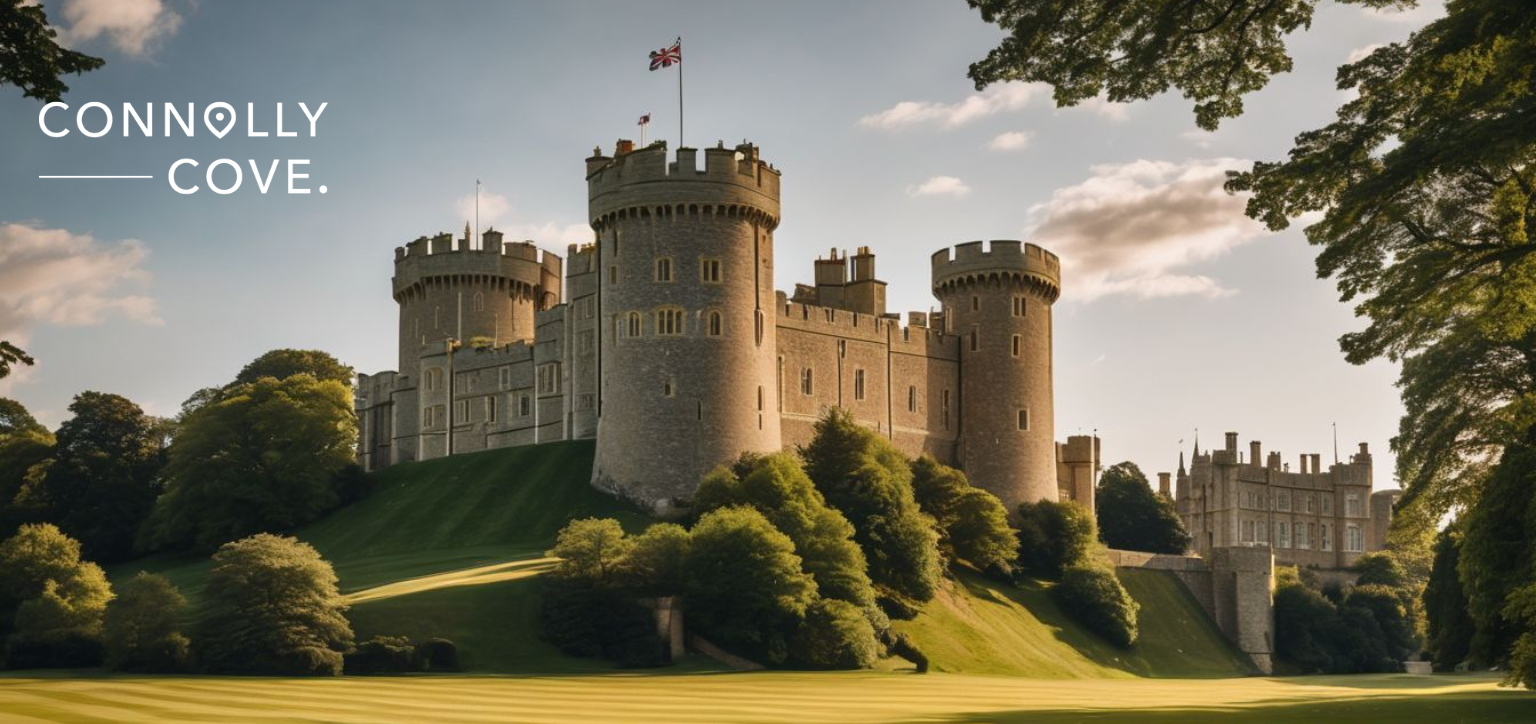
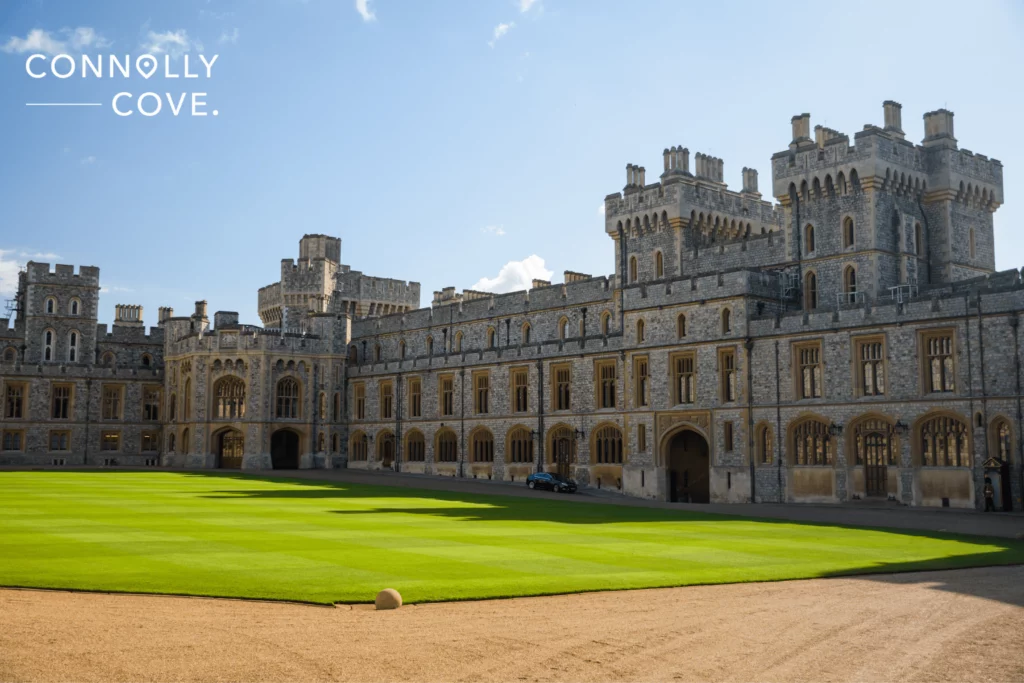
Windsor Castle holds the distinction of being both the world’s oldest and largest occupied castle. British monarchs have continuously resided here for 900 years since William the Conqueror built a motte-and-bailey fortress in 1070. Today, it remains Queen Elizabeth II’s preferred weekend residence and a working royal palace hosting state visits.

The sheer scale overwhelms first-time visitors: Windsor covers 13 acres with over 1,000 rooms. Fortunately, public tours follow a logical route through the castle’s highlights: the State Apartments, St George’s Chapel, and Queen Mary’s Dolls’ House.

State Apartments: These lavish rooms demonstrate royal wealth across centuries. The Grand Reception Room’s golden ceiling, Waterloo Chamber’s massive portraits of European leaders who defeated Napoleon, and the King’s Drawing Room’s Rubens paintings showcase royal collecting on an unprecedented scale. The State Dining Room seats 160—consider the logistics of a formal dinner for that many guests with period service standards.

St George’s Chapel: This perpendicular Gothic masterpiece houses the tombs of ten monarchs, including Henry VIII, Charles I, and George VI. Prince Harry married Meghan Markle here in 2018; the chapel’s fan-vaulted ceiling and medieval choir stalls created the ceremony’s dramatic backdrop. The chapel functions as a working church—the Order of the Garter, Britain’s oldest order of chivalry (founded 1348), holds services here.

Queen Mary’s Dolls’ House: Created in 1924 for Queen Mary, this 1:12 scale palace includes working lifts, running water, electricity, and flush toilets. Every detail was custom-built: miniature books with readable text, tiny bottles of actual wine, and paintings by leading artists of the period. Children find it fascinating; adults appreciate the craftsmanship.

Changing of the Guard: This ceremony occurs at 11 AM (check schedule—it’s cancelled in very wet weather). Arrive by 10:30 AM to secure good viewing positions near the castle gates.

Practical details:

  • 2.5-3 hour visit minimum
  • Good accessibility (main routes)
  • £28.50 adults (includes audio guide)
  • Nearest stations: Windsor and Eton Riverside or Windsor and Eton Central
  • Book online for guaranteed entry
  • Closed when used for state occasions
  • Photography is prohibited inside the State Apartments

Warwick Castle

Location: Warwick, Warwickshire
Type: Commercialised Medieval Castle
Best for: Families, interactive experiences, full-day visits

Warwick Castle divides opinion among castle enthusiasts. Purists lament its transformation into a medieval theme park under Merlin Entertainments’ ownership (the company also operates Alton Towers and Madame Tussauds). Families appreciate the interactive attractions that keep children engaged for 4-6 hours.

Built by William the Conqueror in 1068, Warwick served as a powerful earl’s stronghold for centuries. The 14th-century towers, curtain walls, and Great Hall survive impressively intact. However, the 19th-century conversion into a country house altered interiors significantly—what you see represents Victorian ideas about medieval life more than authentic medieval architecture.

What works:

  • The towers: Climbing Guy’s Tower (39 meters) and Caesar’s Tower provide excellent views and a physical sense of medieval defensive height
  • The Great Hall: Impressive arms and armour displays, including a genuine 15th-century suit made for man and horse
  • The ramparts walk: Following the castle walls offers perspectives on its defensive design
  • Trebuchet demonstration: Europe’s largest working siege engine fires daily (weather permitting)

What feels commercial:

  • Wax figure displays throughout
  • Dungeons attraction (additional charge)
  • Various upsells for “enhanced experiences”
  • High prices (£35+ per adult)

Family verdict: If you’re visiting with children aged 5-14, Warwick delivers value through interactive elements that maintain interest. If you’re a serious castle historian, you’ll find more authentic experiences elsewhere for less money.

Practical details: A

  • 4-6 hour visit is typical for families
  • Good accessibility (main areas)
  • £35 adults; £29.50 children (online advance booking cheaper)
  • Large car park (£7)
  • Multiple food outlets on-site
  • Busiest during school holidays
  • 15-minute walk from Warwick railway station

Hampton Court Palace

Location: Richmond, London Borough
Type: Tudor and Baroque Royal Palace
Best for: Tudor history, gardens, and architecture enthusiasts

Hampton Court Palace isn’t technically a castle—it’s an unfortified palace built for comfort rather than defence. However, its historical significance and architectural brilliance earn it a place among England’s must-visit heritage sites.

Cardinal Thomas Wolsey built Hampton Court in 1515 as a demonstration of his wealth and power (he served as Henry VIII’s chief minister). When Wolsey fell from favour in 1529, he “gifted” the palace to Henry VIII in a desperate attempt to regain royal favour. It didn’t work—but Henry kept the palace and expanded it into one of Europe’s grandest royal residences.

The palace is divided into distinct architectural zones reflecting different monarchs’ tastes:

Tudor Sections (Henry VIII): The Great Hall’s hammer-beam roof represents Tudor architectural achievement at its peak. The Chapel Royal’s blue and gold ceiling dazzles, while the Tudor Kitchens—reconstructed as working exhibits—demonstrate the logistics of feeding 600 courtiers daily. During summer, interpreters prepare authentic Tudor dishes, filling the kitchens with period cooking smells.

The King’s Apartments display portraits of Henry VIII’s six wives and the 90-foot-long Abraham Tapestries depicting scenes from Genesis.

Stuart/Georgian Sections (William III and Mary II): The Baroque State Apartments added in the 1690s contrast sharply with Tudor grandeur. Elaborate ceiling paintings by Antonio Verrio, carved wood panels by Grinling Gibbons, and continental European furnishings reflect William and Mary’s Dutch aesthetic preferences.

The Gardens: Hampton Court’s gardens rank among the finest in England. The Privy Garden’s formal parterres were reconstructed based on 1702 designs. The famous Maze, planted in 1690, remains popular with children (and causes genuine disorientation—average solving time is 20 minutes). The Great Vine, planted in 1768, still produces grapes annually.

Practical details:

  • Half-day visit minimum (3-4 hours)
  • Excellent accessibility throughout
  • £27 adults (includes gardens and maze)
  • Hampton Court station (30 minutes from London Waterloo)
  • Excellent café and restaurant options
  • The Magic Garden adventure playground keeps children 3-10 entertained

Dover Castle

Location: Dover, Kent
Type: Medieval Fortress and WWII Tunnels
Best for: Military history, coastal defences, underground tours

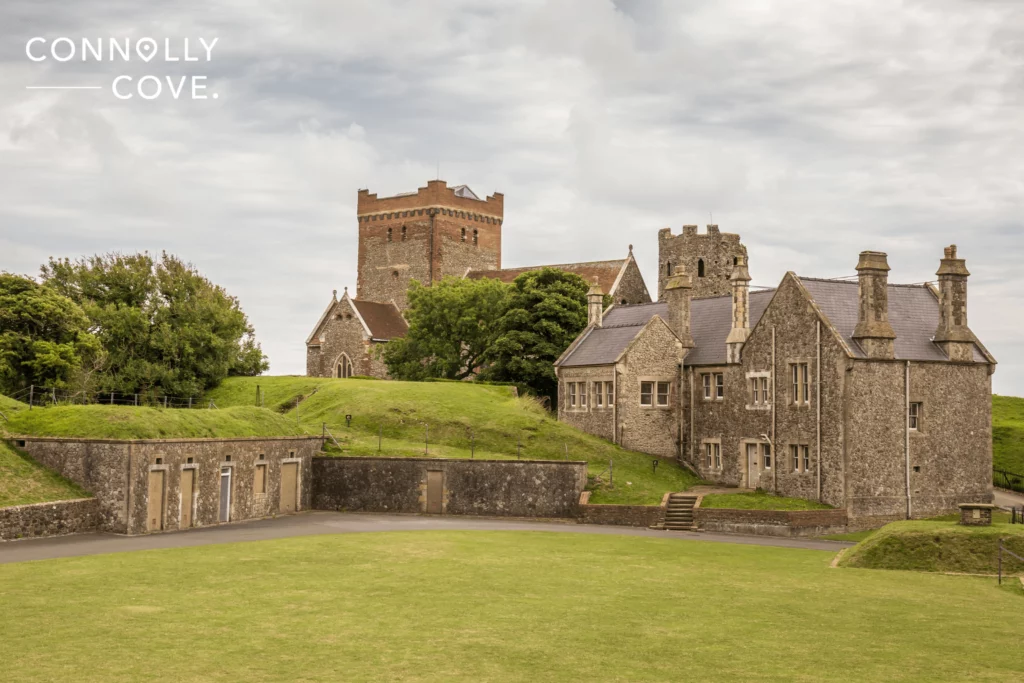
Dover Castle’s nickname—”Key to England”—reflects its strategic position guarding Britain’s narrowest channel crossing to continental Europe. On clear days, France is visible from the castle walls just 21 miles away. This proximity made Dover Castle essential to English defence for 900 years, from the Norman conquest through World War II.

While the Norman Keep forms the castle’s medieval heart, Dover’s most compelling story lies 80 feet beneath in the Secret Wartime Tunnels. These chalk passages, originally cut during the Napoleonic Wars (1790s-1815), were expanded massively during WWII to house an underground hospital and the command centre that coordinated the 1940 Dunkirk evacuation.

The tunnel tours (included in admission, timed entry) transport you into wartime Britain. Reconstructed hospital wards show period medical equipment and mannequins in 1940s dress. The operations room preserves the spot where Vice Admiral Bertram Ramsay coordinated 338,000 British and French troops from Dunkirk beaches under constant German attack. The temperature stays constant year-round—bring a jumper even in summer.

Above ground, the medieval Great Tower received Henry II’s lavish 12th-century makeover, transforming a defensive keep into royal apartments with England’s most elaborate medieval palace interiors. Recent restoration recreated the vibrant paint schemes and furnishings—medieval castles weren’t grey stone; they were explosions of colour, gold leaf, and elaborate decoration.

The castle’s curtain walls stretch for miles, incorporating Roman lighthouse ruins (Pharos), medieval gates, and Napoleonic-era artillery positions. Allow time to walk the walls for Dover harbour views and to appreciate the fortification’s massive scale.

Practical details:

  • 3-4 hour visit minimum
  • Moderate accessibility (many stairs)
  • £22 adults
  • Free parking
  • Tunnel tours every 15-20 minutes
  • Costumed interpreters during the summer
  • Combine with Dover’s white cliffs walk

Bamburgh Castle

Location: Bamburgh, Northumberland
Type: Restored Medieval Fortress
Best for: Northumbrian coast, Anglo-Saxon history, dramatic setting

Bamburgh dominates Northumberland’s coastline from its basalt crag, visible for miles along windswept beaches. The fortress occupies one of Britain’s most historically significant defensive positions—it served as the royal seat of the Anglo-Saxon kingdom of Bernicia before Northumbria even existed.

Archaeological evidence suggests fortification here since the Iron Age. King Ida of Bernicia built a timber stronghold in 547 AD, making Bamburgh one of Britain’s oldest continuously occupied fortified sites. The present stone castle largely dates from the 12th-14th centuries, though Victorian industrialist Lord Armstrong undertook major restoration beginning in 1894.

Armstrong’s restoration shapes what visitors see today: a Victorian vision of medieval grandeur rather than strictly authentic medieval interiors. The State Rooms display Armstrong’s extensive collections, including medieval armour, porcelain, and furniture spanning several centuries. The King’s Hall—actually built by Armstrong—houses an impressive array of weaponry.

Despite Victorian alterations, Bamburgh impresses through its coastal position and well-maintained condition. Walking the ramparts provides spectacular North Sea views and perspectives on why Anglo-Saxon kings chose this site. The beach below the castle stretches for miles—one of Northumberland’s finest.

The castle remains privately owned by the Armstrong family trust, which explains its excellent maintenance but also higher prices compared to English Heritage properties.

Practical details:

  • 2-hour visit typical
  • Moderate accessibility (some stairs)
  • £14.75 adults
  • Free parking in the village
  • Best visited from spring through autumn
  • Combine with Lindisfarne (20 minutes north)
  • The beach walk from Seahouses (3 miles) offers stunning approach views

Wales: Edward I’s Iron Ring of Conquest

Wales holds one of medieval Europe’s most impressive castle concentrations—over 600 fortifications survive, more per square mile than anywhere else on the continent. Most dramatically, North Wales preserves Edward I’s “Iron Ring”—a chain of massive fortresses built during the 1280s-1290s to crush Welsh independence. These UNESCO World Heritage castles (Caernarfon, Conwy, Harlech, Beaumaris) represent medieval military engineering at its peak.

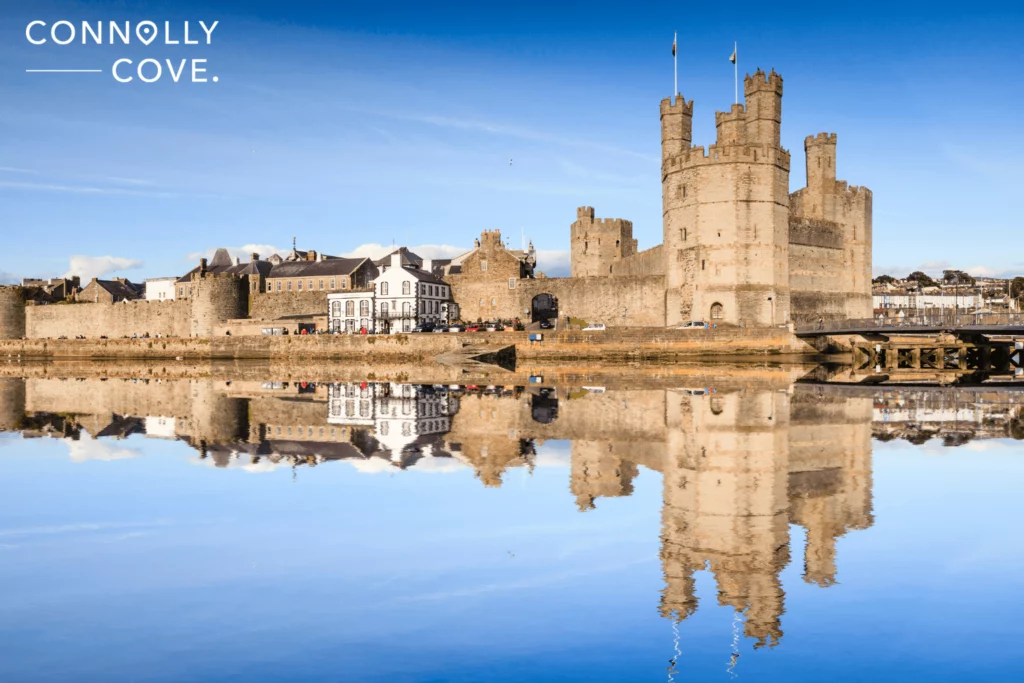
Caernarfon Castle

Location: Caernarfon, Gwynedd
Type: UNESCO World Heritage Fortress
Best for: Medieval architecture, Welsh history, intimidating scale

Edward I designed Caernarfon Castle as a symbol of English imperial power over Wales. Built 1283-1330, it intentionally referenced both Roman walls (the polygonal towers) and Constantinople’s legendary defences to position England as heir to imperial Rome. The message to Welsh resistance was clear: English rule carried the inevitability of empire.

The castle’s scale still intimidates 700 years later. Walking beneath walls up to 6 meters thick and 20 meters high demonstrates how medieval engineering created psychological dominance alongside physical defence. The King’s Gate, guarded by five doors and six portcullises (murderous holes dropped boiling oil, arrows, or rocks on attackers), was designed to be impregnable. It was never completed—Edward ran out of money before finishing Wales’ conquest.

Prince Charles’s 1969 investiture as Prince of Wales occurred here, reviving the tradition of proclaiming royal authority from Caernarfon’s Eagle Tower. The ceremony, broadcast globally, brought international attention to Welsh nationalism as protests challenged the English monarchy’s symbolic use of Welsh titles.

The castle never saw the siege warfare it was built to withstand—its very presence, alongside Edward’s other fortresses, made Welsh resistance militarily futile. Today, visitors can walk most of the wall-walks, climb towers, and explore the interior buildings (mostly roofless).

The Royal Welch Fusiliers Museum occupies part of the castle, displaying regimental history from 1689 to the present. Military history enthusiasts find value here; others may prefer focusing on the architectural spectacle.

Practical details:

  • 2-hour visit typical
  • Limited accessibility (stairs throughout)
  • £12.50 adults (cheaper as part of Cadw membership)
  • Caernarfon town centre location
  • Combine with Segontium Roman Fort (15-minute walk)
  • Most dramatic views from the waterfront

Cardiff Castle

Location: Cardiff city centre
Type: Roman Fort/Norman Keep/Victorian Gothic Palace
Best for: Architectural variety, Victorian history, accessible location

Cardiff Castle shouldn’t work—it’s an architectural hodgepodge spanning 2,000 years where Roman walls, Norman keep, and Victorian Gothic fantasy exist side-by-side. Yet this eclectic combination creates one of Wales’ most entertaining heritage sites.

The Romans built a fort here in the 1st century AD; substantial sections of their 3rd-century walls survive within the castle grounds. Normans added a motte-and-bailey castle in the 11th century—the stone keep atop its artificial mound remains Cardiff’s oldest surviving building. Medieval Cardiff Castle served various Welsh and English nobles before falling into relative neglect.

Then came the 3rd Marquess of Bute. As one of Britain’s richest men (his family owned Cardiff’s booming coal-shipping docks), he hired architect William Burges in 1868 to transform the castle into a Victorian Gothic masterpiece. Burges, unrestrained by budget or historical accuracy, created elaborate fantasy rooms that look like a Disney fairy tale designed by someone who’d read too much Chaucer.

The absurdly ornate highlights:

  • Arab Room: An octagonal chamber with a gold-star ceiling and a fountain
  • Banqueting Hall: Medieval-revival with carved figures representing Cardiff’s history
  • Library: Floor-to-ceiling bookshelves with sliding ladders and an elaborate overmantel
  • Clock Tower apartments: Three levels of themed rooms (Winter Smoking Room, Summer Smoking Room, Bachelor’s Bedroom), each more elaborate than the last

The 50-minute guided house tours (included in premium admission) explain Burges’s symbolism—every carved figure, painted ceiling, and stained glass window references classical mythology, medieval history, or Victorian moral lessons.

Cardiff Castle’s central location (minutes from Cardiff Central station) makes it easy to combine with city visits. The castle grounds host regular events, including summer concerts and winter ice rinks.

Practical details:

  • 2-hour visit is typical (longer with tours)
  • Good accessibility (ground floor)
  • £15.50 adults (house and grounds); £11 grounds only
  • Frequent guided tours (booking recommended)
  • Cardiff city centre location
  • Excellent gift shop and café

Conwy Castle

Location: Conwy
Type: UNESCO World Heritage Fortress
Best for: Medieval walls, town integration, architectural preservation

Conwy Castle and its accompanying town walls represent medieval military architecture at its most complete. Unlike most UK castles that stand isolated from later development, Conwy’s fortress and walls still embrace the medieval town in their protective circuit. Walking the nearly mile-long town walls provides a rare experience of how medieval citizens lived within defensive enclosures.

Edward I’s architect, James of St. George, completed Conwy Castle in just four years (1283-1287)—remarkable speed for such massive construction. The limestone fortress incorporates eight massive round towers and two barbicans, creating imposing defences that never saw serious siege warfare. Welsh forces under Madog ap Llywelyn temporarily surrounded the castle in 1294-95, but English control never seriously wavered.

What makes Conwy particularly valuable for understanding medieval life is its preservation of the complete defensive system: castle, town walls with 21 towers and three gateways, and the fortified quay (Conwy served as a supply port for English garrisons throughout Wales). This integrated defence demonstrates how medieval warfare shaped civilian life—townspeople lived permanently within walls, gates closing at nightfall.

The castle’s interior remains largely roofless, but substantial stonework survives. Climbing tower stairs provides views across the Conwy estuary to Snowdonia’s mountains—the landscape Welsh resistance fought to control. The Great Hall’s scale (125 feet long) suggests Edward’s intended message: English power was here to stay.

Thomas Telford’s 1826 suspension bridge, built to mimic the castle’s crenellated towers, spans the river alongside. This successful integration of 19th-century engineering with medieval architecture demonstrates how historic sites can adapt to modern needs while preserving character.

Practical details:

  • 1.5-hour visit is typical (longer with a town walls walk)
  • Limited accessibility (stairs throughout)
  • £11.50 adults castle; £8.70 town walls (combined ticket available)
  • Conwy town centre location
  • Excellent views from all eight towers
  • Combine the town walls walk with a castle visit (allow 3 hours total)

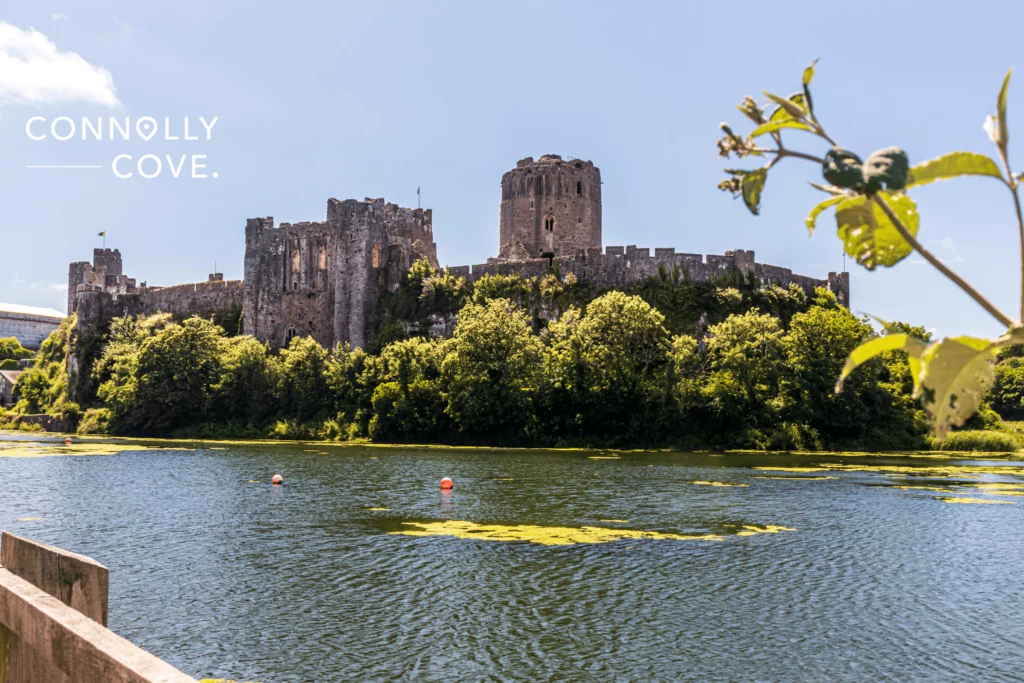
Pembroke Castle

Location: Pembroke, Pembrokeshire
Type: Medieval Fortress and Birthplace of Henry VII
Best for: Welsh medieval history, intact architecture, riverside setting

Pembroke Castle occupies a limestone ridge surrounded on three sides by tidal waters—natural defences that made it one of medieval Wales’ strongest fortifications. The castle’s claim to historical significance extends beyond architecture: Henry VII, founder of the Tudor dynasty, was born here in 1457.

The castle’s evolution reflects Welsh medieval history. Normans built the first fortress in 1093, capturing this strategic position from Welsh princes. William Marshal, known as “the Greatest Knight,” transformed it during the 13th century from a military stronghold into a luxurious palace with the Great Hall and state apartments. Later fortifications added during the Wars of the Roses (1455-1487) demonstrate how the castle remained militarily relevant for 400 years.

Pembroke’s 23-meter-high Norman keep stands impressively intact—you can climb its spiral staircase to the roof for panoramic views of Pembroke town and the estuary. The keep’s massive circular design and stone dome roof represent an unusual architectural choice; most English keeps are square or rectangular.

The castle suffered severe damage during the English Civil War (1648 siege by Cromwell’s forces), but substantial structures survive. Walking the wall-walks provides perspectives on the defensive design, while the underground passages (Wogan Cavern—a natural limestone cave incorporated into defences) intrigue children.

Practical details:

  • 2-hour visit typical
  • Moderate accessibility (many stairs)
  • £8 adults
  • Free parking adjacent
  • Good museum displays on medieval life
  • Pembroke town has several pubs and cafés nearby

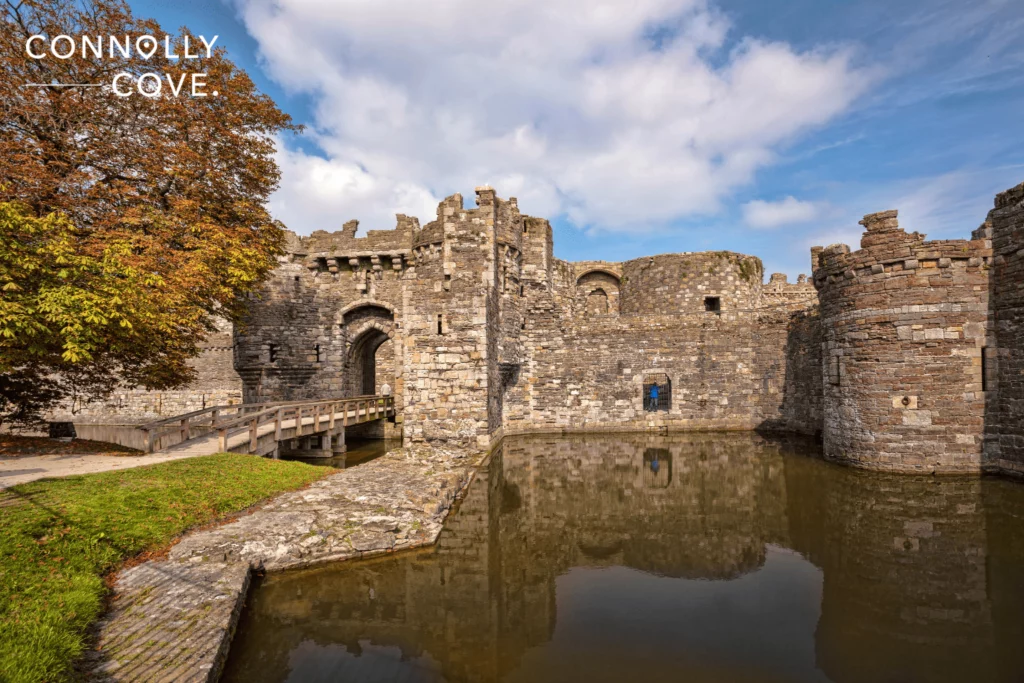
Beaumaris Castle

Location: Beaumaris, Isle of Anglesey
Type: UNESCO World Heritage Fortress (Unfinished)
Best for: Military architecture study, moated defences, symmetry

Beaumaris Castle represents the culmination of Edward I’s Welsh castle-building programme—and its incomplete state makes it uniquely valuable for understanding medieval military architecture. Started in 1295 as the final link in Edward’s Iron Ring, construction halted around 1330 when funds ran out, and Edward’s attention turned to Scottish wars.

What makes Beaumaris architecturally significant is its “perfect” concentric design: two rings of fortified walls, one inside the other, surrounded by a water-filled moat. This represented the theoretical ideal of medieval defence—previous Edward I castles had been built on rocky promontories where terrain influenced design. Beaumaris was built on flat ground, allowing architect James of St. George to create his vision of perfect symmetry.

The castle’s unfinished state means you can study its construction methods—see where builders intended to add towers, examine half-finished walls, and understand the massive scale Edward envisioned. Had it been completed, Beaumaris would have surpassed even Caernarfon in grandeur.

The perfectly symmetrical outer walls, punctuated by twelve towers and two massive gatehouses, enclose an inner ward that was never built. Walking around the wall-walks and crossing the stone bridge over the moat provides the clearest views of the architectural plan.

Beaumaris Gaol and Courthouse, housed within the Victorian-era town walls adjacent to the castle, offers a fascinating contrast: a 19th-century prison and courtroom preserved with period cells, a treadwheel, and courtroom furniture. The combined ticket makes for an interesting day exploring justice across seven centuries.

Practical details:

  • 1-hour visit is typical for a castle
  • Good accessibility (mostly ground level)
  • £7.70 adults castle; combined ticket with gaol £9.90
  • Free parking
  • 15 minutes from Menai bridges
  • Less crowded than Caernarfon/Conwy

Beyond the Obvious: Hidden Castle Gems

The castles above represent the UK’s most famous and accessible fortifications. However, hundreds of lesser-known castles offer rewarding experiences without crowds. Consider these alternatives:

Kilchurn Castle, Scotland: A photogenic ruin on Loch Awe’s shore, free to visit, with a dramatic Highland backdrop.

Goodrich Castle, England: One of England’s finest medieval ruins near the Welsh border; better preserved than more famous sites.

Carreg Cennen Castle, Wales: Spectacularly positioned atop a limestone crag in Brecon Beacons National Park; includes cave exploration.

Dunstanburgh Castle, England: Dramatic Northumberland coastal ruin accessible only by a 1-mile coastal walk (no road access).

Tantallon Castle, Scotland: A coastal fortress near North Berwick with Bass Rock views; substantial ruins on a dramatic clifftop.

Planning Your Visit to the Best Castles in the UK

After your third castle of the day, every medieval hall starts looking identical, and your enthusiasm for arrow slits completely evaporates. Smart castle touring requires strategic pacing—two castles maximum per day, genuine rest days between, and a realistic assessment of whether you prefer atmospheric ruins or furnished palaces.

Create Realistic Itineraries

Castle fatigue is real. After visiting two or three castles, the medieval halls and rampart walks blend together. Schedule no more than two castles per day, and avoid consecutive days of castle visits unless you’re a genuine fortification enthusiast.

Sample 3-day castle itinerary (North Wales):

  • Day 1: Caernarfon Castle (2 hours) + Conwy Castle and town walls (3 hours)
  • Day 2: Beaumaris Castle (1 hour) + Penrhyn Castle Victorian mansion (2 hours) + Anglesey coastal walks
  • Day 3: Harlech Castle (1.5 hours) + Portmeirion village (2 hours) + Snowdonia exploration

Consider Weather Impact

Ruins become genuinely miserable in heavy rain—you’re essentially walking around waterlogged construction sites. Living palaces with furnished interiors (Windsor, Stirling, Hampton Court) provide better wet-weather alternatives. Check forecasts before committing to clifftop ruins like Dunnottar or Dunluce.

Factor in Genuine Accessibility Needs

Heritage sites’ “accessible” claims vary wildly. Windsor Castle’s “good accessibility” means ground-floor routes exist but miss key attractions (State Apartments require stairs). Dunnottar’s “poor accessibility” means if you can’t manage 160 steep steps over uneven terrain, you can’t visit at all.

Before travelling, contact castles directly about specific accessibility questions. Website descriptions often understate barriers.

Photography Considerations

Most atmospheric ruin photographs require:

  • Early morning or late afternoon light (harsh midday sun creates unflattering shadows)
  • Calm days for water reflections (Eilean Donan, Caernarfon waterfront)
  • Moderate crowds (arrive at opening or 2 hours before closing)

Living palaces often restrict photography entirely in furnished rooms (Windsor, Hampton Court). Check policies before assuming you can photograph interiors.

FAQs

These questions come up repeatedly in castle trip planning—from train connections to admission prices and accessibility realities. We’ve answered the most common queries with specific, actionable information you can use immediately when booking your UK castle visits.

What is the nearest train station to Windsor Castle?

The nearest stations are Windsor and Eton Riverside.

What is a fun fact about Edinburgh Castle?

In 1912, archaeologist W.T. Oldrieve stumbled upon a curious anomaly—a bricked-up window hidden within the castle’s coal cellar. Intrigued, he led excavations that unearthed the outer wall of a hidden tower.

How far is Warwick Castle from the Warwick train?

The distance between the station and the castle is just 15 minutes if you take it on foot.

How many castles are there in the UK?

If we adhere to a strict definition of a castle as a fortified medieval dwelling typically surrounded by a moat and walls, the number falls somewhere between 3,000 and 4,000.

Leave a comment

Your email address will not be published. Required fields are marked *