


Discover the Magnificence of Scotland’s National Parks
Updated On: April 15, 2024 by  Raghda Elsabbagh
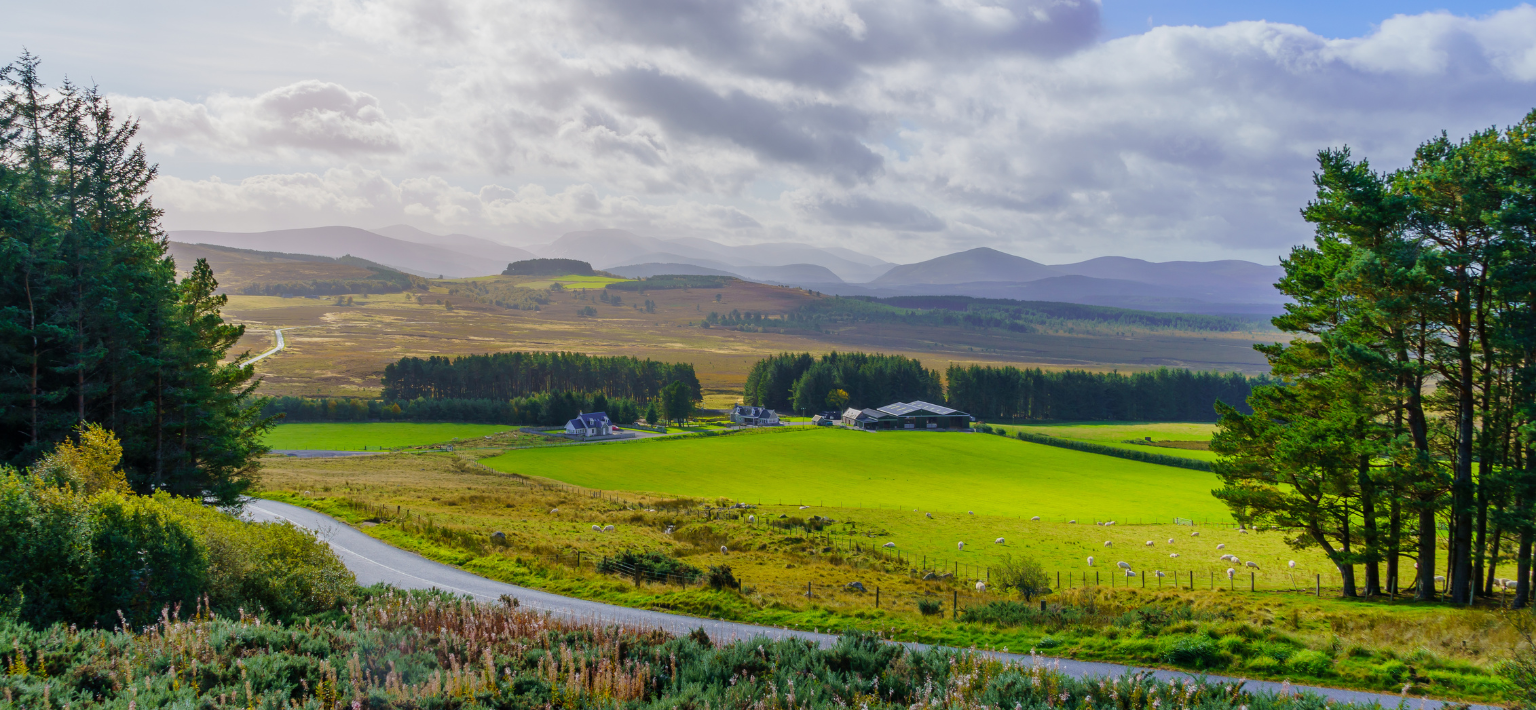
Embracing the wonders of the great outdoors can sometimes be overwhelming, with such an abundance of places to explore and experiences to savour, especially when charting out your exploration escapade through Scotland’s national parks.
But don’t you worry your pretty little head over it! This blog is here to guide you skilfully on a journey across Scotland’s majestic landscapes—from the towering peaks that scrape the sky to peaceful lochs rippling gently under the morning sun.
We’ll delve into top attractions within each national park and Scotland, come face-to-face with fascinating wildlife, and pinpoint scenic nooks for that picture-perfect moment. And if adrenaline’s what you’re after, we won’t shy away from heart-thumping outdoor activities, too. Ready for an adventure worthy of any seasoned explorer? Right ho! Let’s dive straight in, then!
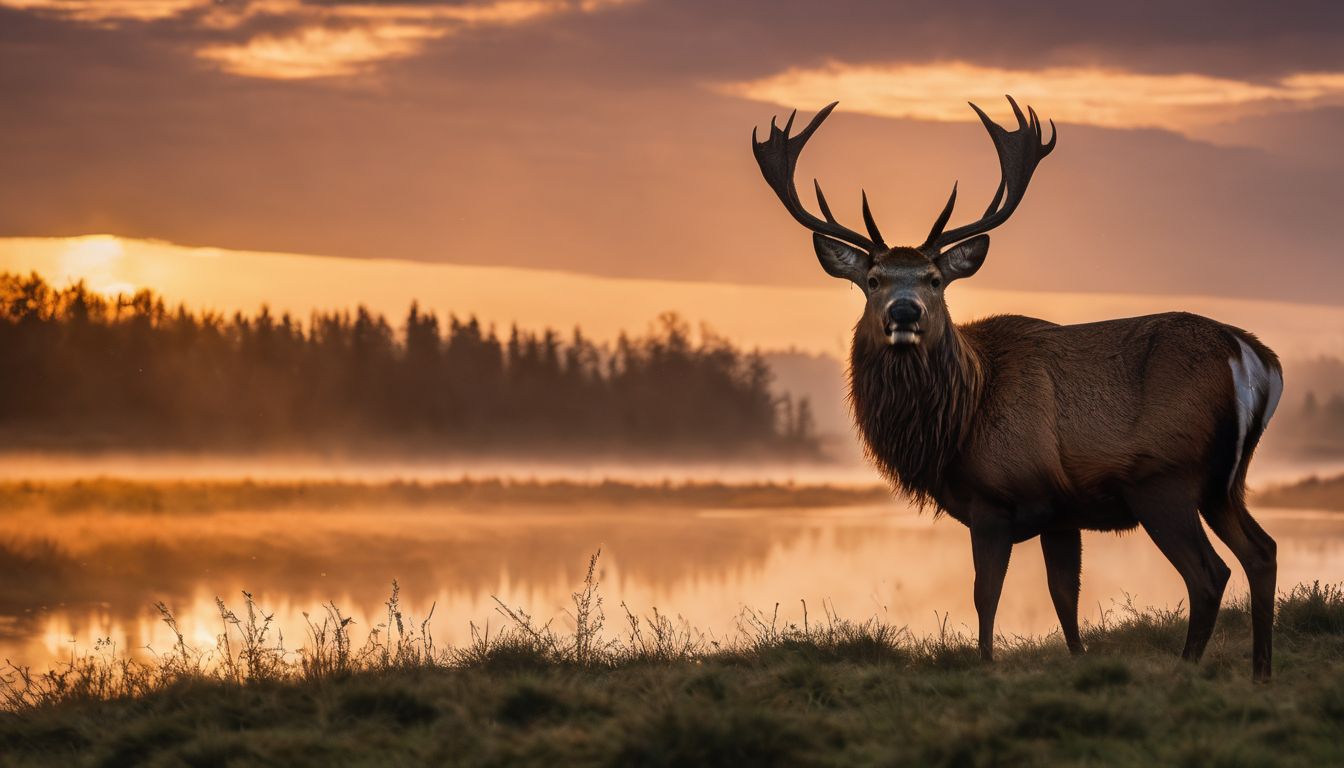
Table of Contents
Organisation of Scotland’s National Parks and Natural Heritage Sites
Scotland has two incredible national parks that let us enjoy Scotland’s nature at its best: Cairngorms National Park and Loch Lomond and The Trossachs National Park.
Cairngorms National Park, nestled in the eastern Highlands, covers an area of 4,528 sq km. In comparison, Loch Lomond and The Trossachs National Park is located in the southern part of the Highlands and covers an area of 1,865 sq km. Both national parks offer stunning landscapes and various outdoor activities such as hiking, cycling, wildlife watching, and skiing.
A group called NatureScot takes care of these parks. They ensure that the plants, animals, and land stay safe and beautiful for years to come. They help people enjoy all the fun things, like hiking or bird watching, while keeping damage low.
Proposals for Additional National Parks
People have ideas for making more national parks in Scotland, too! This means we may soon discover more places full of natural beauty. There are suggestions to create new parks in areas like Galloway Forest Park, Glenmore Forest, and Royal Botanic Garden Edinburgh. These places are home to stunning landscapes, diverse wildlife, and unique plant species. Establishing new national parks in these areas will ensure their protection and provide visitors with even more outdoor activities and exploration opportunities.
Scotland’s National Parks
Here’s an overview of Scotland’s national parks and their top attractions:
Cairngorms National Park
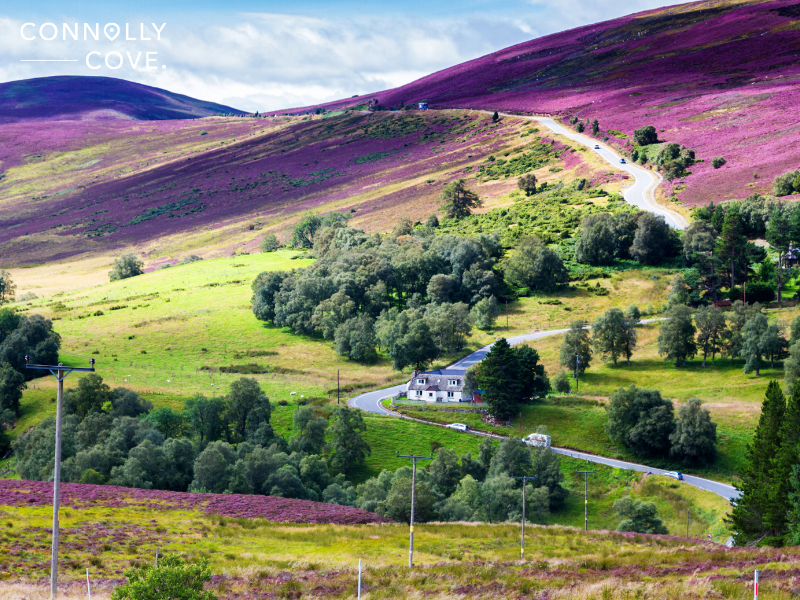
Cairngorms National Park is one of Scotland’s most magnificent natural treasures. As the largest national park in the UK, it offers breathtaking landscapes that are perfect for exploring.
It is known for its towering, rugged mountains, lush forests, vast heather moorlands, crystal-clear lochs, and pristine rivers. The park is also home to five of the UK’s six highest mountains.
If you’re a backpacker seeking adventure, hiking and mountain biking trails lead to stunning viewpoints and secluded spots. The scenic beauty and tranquillity of this park will awe-inspire you. You might be lucky to spot rare and endangered species like red deer, golden eagles, red squirrels, and ospreys. The Cairngorms National Park is also home to several picturesque towns and villages, including Aviemore, a popular destination for outdoor enthusiasts.
Loch Lomond and Trossachs National Park
Loch Lomond and Trossachs National Park are must-visit destinations in Scotland. It is a stunning natural beauty area located just a short drive from Glasgow. The park is home to Scotland’s largest freshwater loch, Loch Lomond, surrounded by rugged mountains and forests. Loch Lomond provides a picturesque setting for fishing, kayaking, and boating.
The Trossachs, sometimes referred to as Scotland’s “miniature highlands,” are located east of the loch and are characterised by rolling hills, sparkling lochs, and dense forests. They offer multiple opportunities for hiking, cycling, and wildlife spotting. You can hike up Ben Lomond for stunning panoramic vistas or explore the lush forests of Glenmore Forest.
As you explore this national park, you’ll be captivated by the tranquillity of the surroundings and the diversity of wildlife that call this area home. From red deer to golden eagles, plenty of unique species exist for you to observe. The park is also home to several charming towns and villages, including Callander and Balloch, which offer a range of accommodation options and visitor attractions.
Other Scottish Top Attractions
Here are some other not-to-be-missed attractions in Scotland that merge nature, greenery, history, and charm:
Glencoe National Nature Reserve
Glencoe National Nature Reserve is a stunning natural area in the Scottish Highlands. Exploring this reserve, which covers an area of approximately 50 square miles, will allow you to immerse yourself in the breathtaking beauty of Scotland’s landscapes.
Glencoe National Nature Reserve’s landscape is breathtaking, with towering mountains, cascading waterfalls, deep valleys, and serene lochs. It is also home to diverse wildlife, including red deer, golden eagles, otters, and the rare and endangered Scottish wildcat.
As you explore Glencoe National Nature Reserve, you can hike along scenic trails or mountain bike through the wilderness. You can also enjoy birdwatching and might even spot some of Scotland’s iconic avian species soaring through the sky. The reserve is also popular with photographers due to its stunning natural beauty.
One of the main attractions of Glencoe National Nature Reserve is the famous Three Sisters, a group of three towering mountains that dominate the landscape. These mountains are popular among hikers due to their distinctive shape and stunning views of the surrounding area.
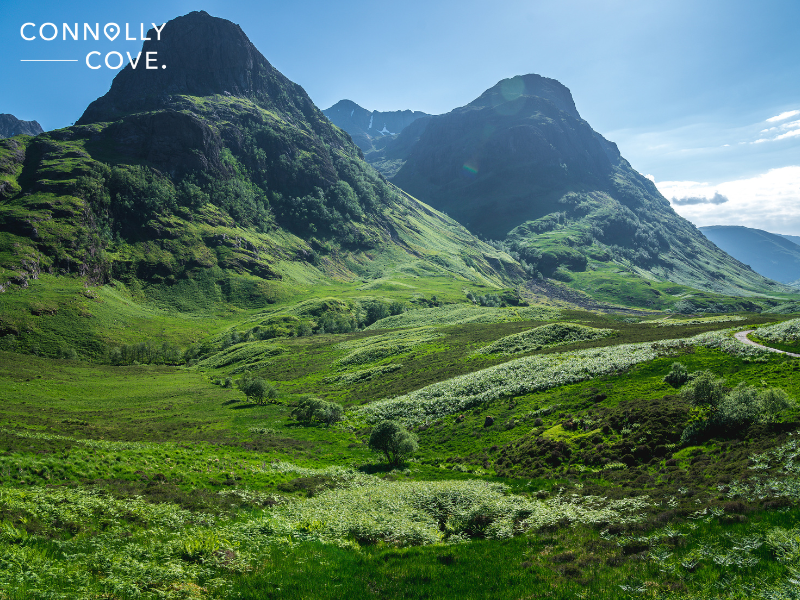
History buffs can visit sites like the dramatic Glen Coe Visitor Centre to learn more about the region’s history. For those who appreciate nature photography or simply want to relax amidst awe-inspiring scenery, there are countless spots throughout Glencoe where you can unwind while taking in breathtaking views.
Ben Nevis
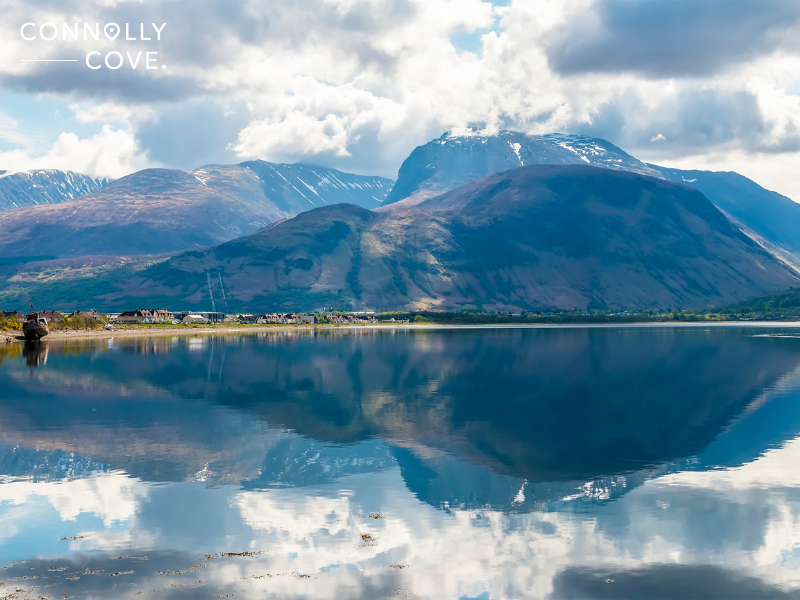
Ben Nevis, the highest mountain in Scotland, the UK, and the British Isles, is located in the Scottish Highlands. It stands at a height of 1,345 metres (4,411 feet) above sea level. It is a sought-after destination for hikers and climbers from all over the world.
The mountain is named after the Scottish Gaelic name “Beinn Nibheis”, which means “mountain with its head in the clouds”. The summit of Ben Nevis is often shrouded in mist and clouds, giving it an ethereal appearance.
The hiking trail up Ben Nevis, known as the Pony Track, is the most popular route to the summit. This trail is well-maintained and relatively easy to hike. However, it can be challenging in places due to steep inclines and rocky terrain. The hike takes around 7-9 hours to complete.
Climbing Ben Nevis is indeed a challenging and rewarding experience, offering stunning views of the Scottish Highlands from the summit. The surrounding rocky slopes, glistening lochs, and lush greenery will leave you captivated. On a clear day, hikers can see as far as the Isle of Skye and the Inner Hebrides.
Ben Nevis is a must-visit destination worth adding to your itinerary if you’re interested in hiking and mountaineering. Its challenging terrain, stunning views, and rich history make it an unforgettable experience. Just don’t forget your camera—the views from the summit are truly remarkable!
Edinburgh Zoo
Edinburgh Zoo is a must-visit destination for wildlife enthusiasts. You’ll be captivated by the variety of animals and the chance to observe them up close. The zoo has over 1,000 animals, including pandas, penguins, lions, tigers, monkeys, and many more. It offers a beautiful opportunity to understand more about conservation efforts and the critical importance of protecting endangered species.
You’ll mainly be impressed with the panda exhibit, which is quite popular among visitors. The zookeepers are very knowledgeable and friendly and share exciting animal facts.
The penguin parade is another highlight, where penguins waddle past you and other visitors. It is such a cute sight to see them up close! You’ll also enjoy the Tiger Tracks exhibit, where you’ll see tigers in their natural habitat and learn about their behaviour.
You can also explore the zoo’s beautiful grounds and participate in interactive experiences such as feeding giraffes or meeting meerkats. Edinburgh Zoo indeed provides an unforgettable experience for nature lovers seeking to connect with unique creatures worldwide. It’s also a great place to spend a day with family or friends.
Highland Titles Nature Reserve
Exploring the Highland Titles Nature Reserve in Scotland is an absolute must if you are a nature lover. This reserve spans over 1,000 acres and offers breathtaking landscapes and a chance to observe the country’s unique wildlife up close.
The reserve is known for its diverse habitats, including lush forests, tranquil lochs, and rolling hills. It is home to rare bird species like golden eagles and ospreys, as well as adorable red squirrels and deer, making it an essential location for conservation efforts.
When you visit, you can explore the stunning landscape through various activities, such as guided walks, wildlife spotting, and even beekeeping. Hiking through the trails will take you to spectacular viewpoints where you can immerse yourself in the beauty of the Scottish wilderness. The reserve also offers eco-friendly accommodation options, like glamping pods and treehouses, for those who want to stay overnight and truly immerse themselves in the natural surroundings.
What we find most interesting about the Highland Titles Nature Reserve is that it is owned and managed by a community of people who have purchased tiny plots of land within the reserve. These plots come with the title of Laird, Lord, or Lady, giving the owners the right to use the corresponding title. The proceeds from these land sales go towards the conservation and upkeep of the reserve, making it a sustainable and community-driven initiative.
Dunrobin Castle and Gardens
Dunrobin Castle and Gardens is a stunning Scottish Highlands estate near Golspie Town. This castle dates back to the 13th century and has been home to the Earls and Dukes of Sutherland for over 700 years.
The castle itself is an architectural marvel with a fairytale-like appearance that will surely take your breath away. It features a blend of styles, including French Renaissance and Scottish Baronial. It is adorned with turrets, spires, and intricate carvings. Start by taking a guided tour of the castle’s many opulent rooms, filled with priceless antiques, artwork, and historical artefacts that offer a glimpse into the Scottish heritage and the life of the Sutherland family over the centuries.
Then, find your way to the meticulously manicured gardens. The castle’s gardens are equally impressive, featuring a vast array of rare and exotic plants and jaw-dropping views of the surrounding countryside and the North Sea. The gardens are divided into different areas, including a formal garden, a walled garden, and a woodland garden, each with its own unique character and charm. Stroll through the gardens at your own pace and soak in the sights and scents of the many different plants and flowers that grow there.
One of the highlights of a visit to Dunrobin Castle and Gardens is the daily falconry display, where you can watch trained birds of prey swoop and dive through the air, demonstrating their incredible speed and agility. The castle also hosts multiple events throughout the year, including concerts, outdoor theatre performances, and traditional Scottish festivals.
Stop at one of the on-site restaurants and grab a bite amidst the picturesque setting. Dunrobin Castle and Gardens is a must-visit destination for anyone travelling to the Scottish Highlands. Its rich history, opulent architecture, and beautiful gardens offer an unforgettable experience that will leave you hooked.
Isle of May
The Isle of May is a small, uninhabited island in the Firth of Forth, off the coast of Scotland. Despite its small size, the island is home to an incredible variety of marine life and seabirds, making it a haven for wildlife enthusiasts and bird watchers.
The Isle of May is perhaps best known for its puffins, which arrive on the island in April and stay until August to breed. You can watch thousands of these adorable birds as they waddle along the cliffs and dive into the sea to catch fish. The island is also home to large colonies of gannets, kittiwakes, razorbills, and grey seals, which can be seen lounging on the rocks around the island.
In addition to its wildlife, the Isle of May is also steeped in history, with evidence of human habitation dating back over 5,000 years. Explore the ruins of a 12th-century monastery and a 19th-century lighthouse that is still in operation today.
To get to the Isle of May, take a ferry from the nearby town of Anstruther, which takes around 45 minutes. Once on the island, you can take a guided tour with a local ranger, who can provide insights into the island’s history and wildlife. There is also a small visitor centre on the island, which offers information about the island’s natural and cultural heritage.
The Isle of May is a unique and fascinating destination that offers a glimpse into Scotland’s rich natural and cultural history. Whether you’re a bird watcher, a history buff, or simply looking for a peaceful escape from every day’s hustle and bustle, the Isle of May is a hidden gem that should not be missed.
In conclusion, Scotland’s national parks offer a magnificent opportunity to explore the stunning landscapes and wildlife of the country. With diverse habitats, beautiful lochs, and towering mountains, these parks provide endless outdoor activities for nature lovers. Whether hiking in the Cairngorms or admiring Loch Lomond, discovering Scotland’s national parks and Scotland’s other top attractions is an adventure you won’t want to miss.
FAQs
1. What are other stunning parks you can visit in Scotland?
Scotland’s breathtaking parks, like Killiecrankie and Quiraing, offer a chance to see the couAfter hiking through stunning Scottish scenery, relaxing at local distilleries or villages is a beautiful way to end the day.ntry’s majestic landscapes, lochs, mountains and forests.
2. Is there any place where I could relax after hiking in Scotland’s national parks or nature reserves?
After hiking through stunning Scottish scenery, relaxing at local distilleries or villages is a beautiful way to end the day.
3. Why should one visit Scotland’s national parks over other places?
Exploring the wonders of Scottish parks offers an experience unlike others. From rivers and reserves to explorations into its outdoor wonders, Scotland’s national parks reveal captivating scenes of Scotland’s natural beauty.

The Town of Killybegs: The Amazing Gem of Donegal
County Donegal
02/05/2024

Belfast Giants: An Irish Sport Success Story
Ireland
02/05/2024
The Meaning and Power of the Irish Blessing Prayer
Culture Exploration
02/05/2024
Famous Irish Lighthouses and Where to Find Them
Ireland
02/05/2024

Belfast International Arts Festival
Northern Ireland
02/05/2024